Bar CHIPPENDALE belongs to Kyoto’s hotel-bar tradition rather than the city’s newer speakeasy circuit. Its address on the second floor of Hotel Okura Kyoto at Kawaramachi-Oike places it in a central, polished setting, useful for travellers who want a composed cocktail stop without crossing town for a destination-only counter.

Pearl is the En Primeur Club membership app — saves, bookings, and concierge access live there. Same editors, same standards.
- Address
- Japan, 〒604-0924 Kyoto, Nakagyo Ward, Ichinofunairicho, 537-4 河原町御池 ホテルオークラ京都 2F
- Phone
- +81 75-254-2541
- Hours
- Mon–Fri 5 PM–12 AMSat–Sun 2 PM–12 AM
- Website
- hotel.kyoto
- Directions
- Get directions
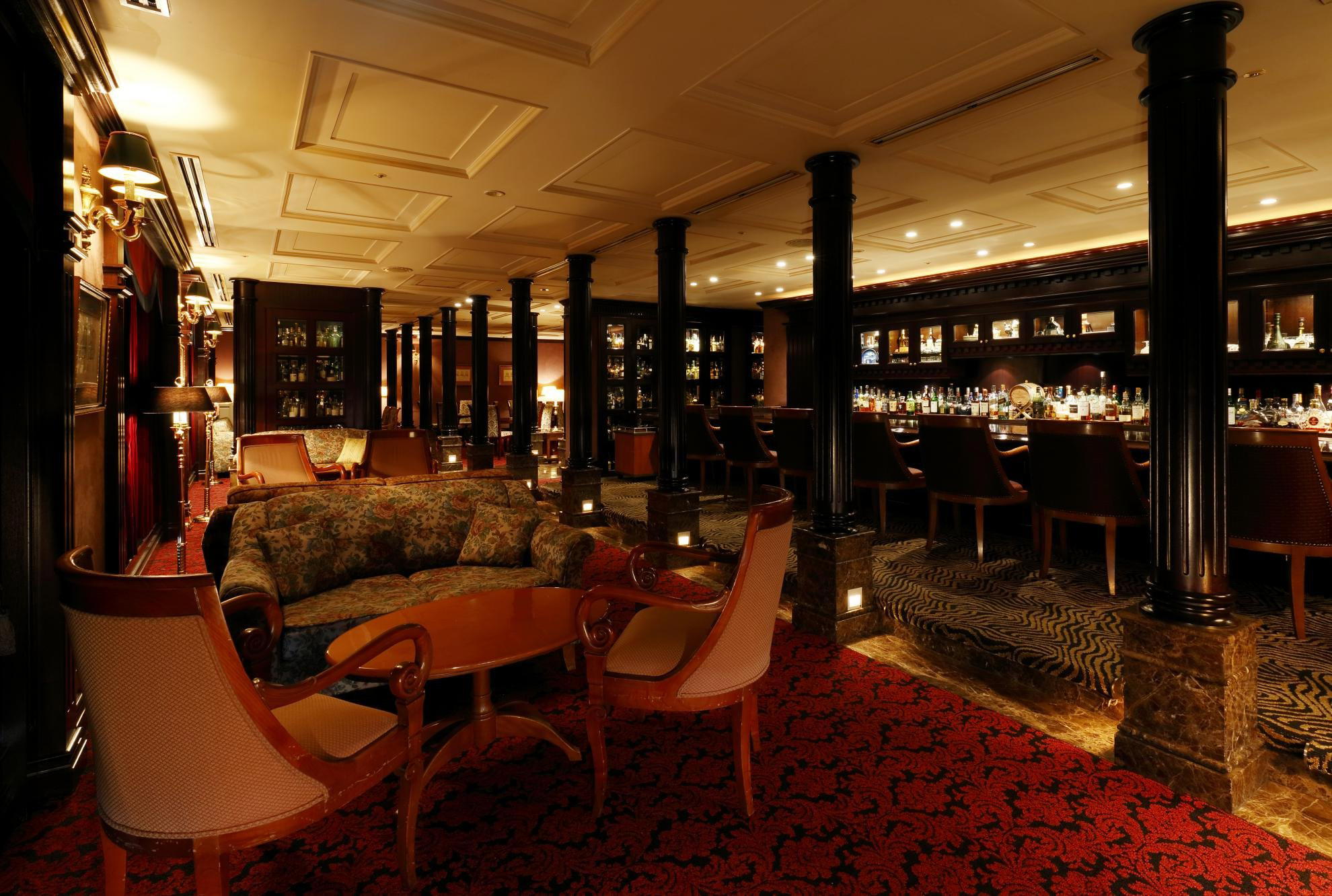
Hotel-bar Kyoto, seen from Kawaramachi-Oike
The approach here is not alleyway theatre or password culture. The address places the bar on the second floor of Hotel Okura Kyoto, above the Kawaramachi-Oike intersection in Nakagyo Ward, where Kyoto’s civic centre, hotel traffic, and evening drinking routes overlap. That setting matters. In a city where many serious bars operate behind small doors on side streets, Bar CHIPPENDALE sits inside a formal hotel frame: easier to locate, more predictable in tone, and closer to the old-school Japanese hotel bar than the recent wave of concealed cocktail rooms.
Kyoto drinking has never followed a single script. The city supports intimate whisky counters, technical cocktail bars, sake-led rooms, and hotel lounges that serve guests moving between dinner, meetings, and late trains. The hotel-bar format belongs to a different rhythm from Gion’s after-dinner circuit or the tighter bars around Sanjo and Kiyamachi. It is less about chase-and-find discovery and more about certainty: a central address, a controlled room, and the expectation that classic cocktail service will carry the evening.
That distinction is useful for travellers planning a Kyoto night around restaurants rather than bar-hopping. The city’s dining calendar often demands fixed reservations, and a bar inside a major hotel near Kyoto Shiyakusho-mae and the river corridor can function as the anchor before or after dinner. EP Club readers comparing categories should treat this less as a destination for experimental drinking and more as a composed hotel-bar option in a city that has grown increasingly serious about cocktails.
The cocktail programme: classic hotel discipline over spectacle
The address inside Hotel Okura Kyoto points toward the Japanese hotel-bar tradition: formal service, familiar cocktail architecture, and a room designed for conversation rather than performance. That tradition has its own standards. A Martini, highball, Sidecar, or seasonal sour in this environment is judged less by novelty than by temperature, dilution, glassware, and pacing.
Kyoto’s newer cocktail scene often sells itself through concealment, small-room energy, and bartender-led invention. Bee's Knees, ALKAA, and APOTHECA sit closer to that contemporary conversation, where a drink list can become a statement of technique or atmosphere. A hotel bar operates from another playbook. It has to serve the guest who wants one precise drink before dinner, the couple extending an evening after kaiseki, and the business traveller who reads the room through service tempo rather than menu copy.
The absence of award data in the record is not a flaw to cover with hype. The value proposition is more practical and cultural: a central Kyoto hotel setting, a likely classic-bar cadence, and a location that fits neatly into an evening without requiring a separate neighbourhood strategy. For drinkers who follow named bartender programmes or international ranking lists, Kyoto has other rooms to research first. For those who want a measured, polished stop in the centre of the city, this address has a clear role.
Kyoto’s bar map: why the hotel address changes the decision
Kyoto rewards careful geography. A bar may look close on a map and still sit on the wrong side of an evening plan once restaurant timing, taxi availability, and hotel location enter the picture. The supplied address, Japan, 〒604-0924 Kyoto, Nakagyo Ward, Ichinofunairicho, 537-4, Kawaramachi-Oike, Hotel Okura Kyoto 2F, gives this venue a strong logistical identity. Kawaramachi-Oike is not a peripheral drinking zone. It is central, legible, and close to the movement patterns that connect downtown Kyoto with Pontocho, Sanjo, and the river.
That matters because Kyoto’s bar culture splits into neighbourhood-specific moods. Kiyamachi and Pontocho carry restaurant-adjacent nightlife. Gion adds formality and after-hours gravity. The area around Kawaramachi-Oike works well for travellers who want fewer transfers and a cleaner route back to a hotel. The second-floor hotel location also removes the uncertainty common to small Japanese bars, where signage can be discreet and entry rituals may not be obvious to first-time visitors.
For a broader look at how Kyoto’s restaurants shape an evening before the bar, use Our full Kyoto restaurants guide. The strongest nights in the city are usually built around sequence: dinner first, then a bar that suits the direction of travel. A formal hotel bar near Kawaramachi-Oike works especially well when the meal is already the main event and the drink should not become a second research project.
How it compares with Kyoto and the wider Japanese cocktail circuit
Japan’s serious cocktail culture is often discussed through Tokyo, where counter technique and bartender lineage have been exported into global drinking vocabulary. Star Bar Ginza in Tokyo sits in that conversation as a reference point for the polished Japanese cocktail counter. Kyoto operates differently. The city has fewer high-volume international cocktail landmarks and more small rooms whose appeal depends on context: the right neighbourhood, the right hour, the right appetite after dinner.
Within Kyoto, Bar Cordon Noir offers another point of comparison for travellers sorting the city’s bar options. The hotel setting here should be read as a separate category rather than a direct contest. Hotel bars are built around access, consistency, and cross-purpose service. Independent cocktail bars can push harder into theme, bartender personality, or a narrower drinks identity. Neither format automatically outranks the other; they answer different problems.
The regional comparison helps sharpen the point. Bar Nayuta in Osaka belongs to a city with later, denser nightlife patterns. Lamp Bar in Nara sits in a smaller city where a cocktail bar can become the focus of the night. Yakoboku in Kumamoto reflects how regional Japanese bars often carry a stronger sense of local appointment drinking. Kyoto, by contrast, often asks the bar to complete a larger cultural itinerary. That is where the hotel address gains force.
International comparison is also instructive. A room like Café La Trova in Miami draws energy from live performance, Cuban-American bar culture, and a louder hospitality register. Kyoto’s hotel-bar mode is quieter and more controlled. The appeal is not volume or theatre. It is the confidence that a central hotel bar can absorb different kinds of evenings without forcing the guest into a fixed concept.
Who should choose it
This is a sensible choice for travellers who want a composed cocktail stop in central Kyoto and do not need the bar itself to dominate the night. It suits a pre-dinner drink when the reservation is nearby, an after-dinner pause when returning toward Kawaramachi-Oike, or a conservative fallback when a smaller counter has no seats.
That lack of public detail changes the way the bar should be used. It is not the page to build around a specific signature drink, bartender biography, or reservation strategy. It is better treated as a central hotel-bar option whose strength lies in location and format. Travellers staying at or near Hotel Okura Kyoto in Kyoto Shi have an obvious advantage, since the venue is listed at the same hotel address and requires no cross-city transfer. Those coming from dinner farther afield should check current operating details directly before committing the last drink of the night to it.
For food-led itineraries that continue outside Kyoto, it also fits neatly into a Kansai plan. A traveller pairing Kyoto with Osaka could compare the city’s quieter hotel-bar grammar with the dining route around Tempura Tarojiro in Osaka Shi or the later cocktail rhythm of Osaka bars. The more useful question is not whether one city has a stronger scene, but whether the evening calls for restraint, convenience, or a room with a more defined cocktail identity.
Planning notes
The bar is listed at Hotel Okura Kyoto, 2F, 537-4 Ichinofunairicho, Kawaramachi-Oike, Nakagyo Ward, Kyoto 604-0924, Japan. No phone number, website, hours, booking method, price range, awards, dress code, or seat count are supplied in the record. That means travellers should verify current opening times through the hotel before relying on it for a late-night plan, especially during peak Kyoto travel periods such as spring blossom season and autumn foliage weeks, when central hotel bars can fill with resident guests and dinner traffic.
The editorial call is clear: use this as a polished, central Kyoto hotel bar rather than an awards-chasing cocktail destination. If the night requires a technical independent room, start with the city’s smaller bars. If the night requires a dependable address after dinner, the Hotel Okura Kyoto setting gives this bar a practical advantage that many harder-to-find counters cannot match.
| Venue | Price | Awards |
|---|---|---|
| Bar CHIPPENDALEThis venue — the venue you are viewing | $30–50 | Not listed |
| Bee's Knees | $10–20 | World's 50 Best #76 · Top 500 Bars Best Bars #383 |
| Hello Dolly Bar | $20–30 | Not listed |
| Wine Bar M emme | Not listed | Star Wine List |
Continue exploring
More in Kyoto
Bars in Kyoto
Browse all →
Restaurants in Kyoto
Browse all →
Hotels in Kyoto
Browse all →
Wineries in Kyoto
Browse all →
Details
- Classic
- Elegant
- Sophisticated
- Cozy
- Intimate
- Date Night
- After Work
- Late Night
- Solo
- Special Occasion
- Private Event
- Hotel Bar
- Design Destination
- Seated Bar
- Lounge Seating
- Classic Cocktails
- Conventional Wine
- Whiskey
- Sake
- Zero Proof
Current opening hours
- Monday
- 5 PM–12 AM
- Tuesday
- 5 PM–12 AM
- Wednesday
- 5 PM–12 AM
- Thursday
- 5 PM–12 AM
- Friday
- 5 PM–12 AM
- Saturday
- 2 PM–12 AM
- Sunday
- 2 PM–12 AM
Hours can change for holidays and private events. Last verified .
Dark, polished wood and heavy, classic furnishings create a calm, high-end atmosphere reminiscent of an old British gentlemen’s bar, suited to relaxed, unhurried conversation over carefully made drinks.