Teppan

Set on the basement level of Grand Hyatt Seoul along the hotel's gourmet alley on Sowol-ro, Teppan holds a Michelin Plate (2024) for teppanyaki prepared entirely on flat-surface iron griddles, including appetizers and desserts. Chefs cook directly in front of guests at the counter, with views of Namsan Mountain framing the theatre of open-flame cooking.
Pearl is the En Primeur Club membership app — saves, bookings, and concierge access live there. Same editors, same standards.
- Address
- B1F, Grand Hyatt Hotel, 322 Sowol-ro, Yongsan-gu, Seoul, 04347, South Korea
- Phone
- +8227998272
- Website
- hyatt.com
- Directions
- Get directions
 Saves & bookings on Pearl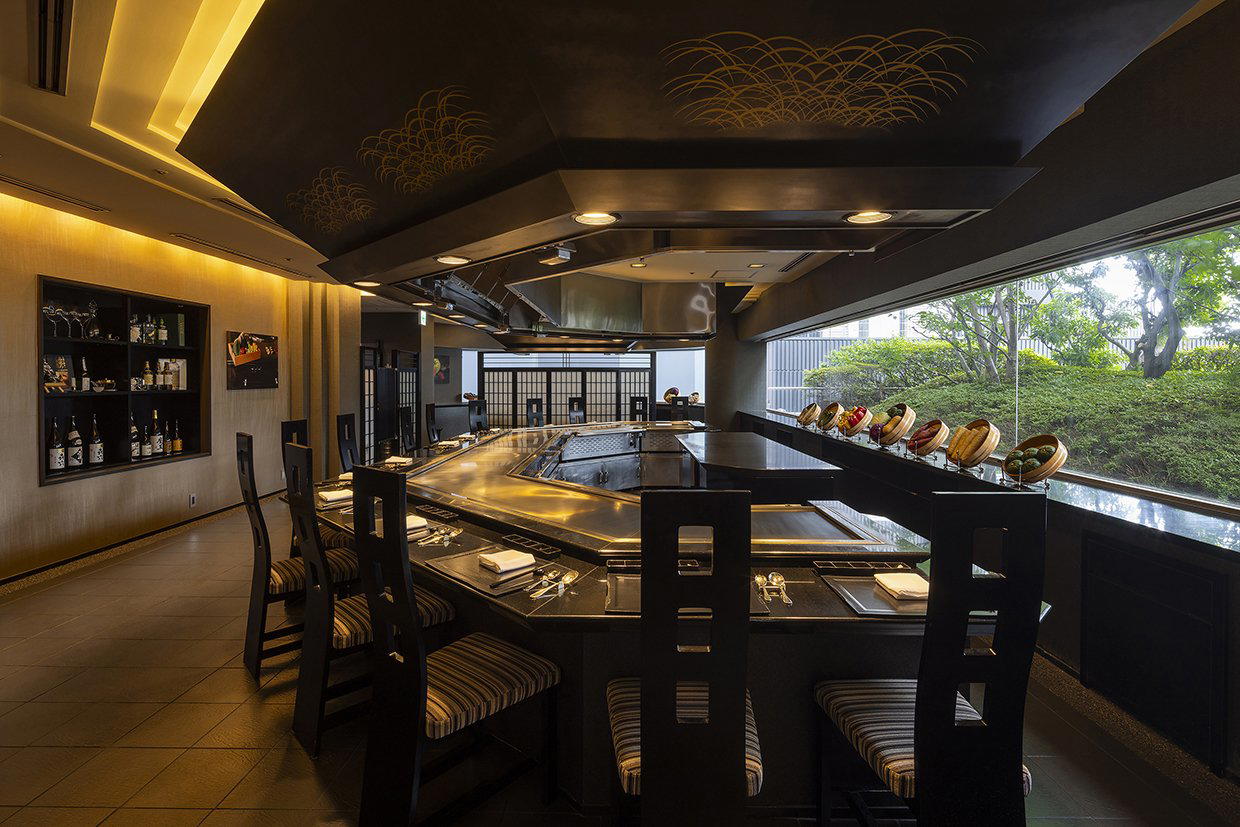
Iron, Fire, and the View From Namsan
There is a particular architecture to teppanyaki dining that separates it from almost every other counter format in East Asia: the cook surface is also the stage. At Teppan, situated on the basement level of Grand Hyatt Seoul at B1F, 322 Sowol-ro, that stage faces out toward wide windows framing Namsan Mountain. Teppan is a teppanyaki restaurant in Seoul with a ₩₩₩ price tier and essential reservations. The juxtaposition is deliberate, high-heat theatre inside, one of Seoul's most recognisable green ridgelines beyond the glass. Few counter formats in the city coordinate spectacle and setting with this kind of spatial clarity.
Teppanyaki as a format has its roots in postwar Japan, where the iron griddle (teppan) format was codified largely for an international audience before being reclaimed and refined by Japanese kitchens for domestic diners. What spread across Asia and into luxury hotel dining rooms through the 1970s and 1980s was a version of the format built around performance: live fire, visible knife work, proteins cooked in front of the guest. The hotel teppanyaki tradition is, in that sense, one of the few fine-dining formats where the cooking process was always meant to be seen. Teppan operates squarely within that tradition, with chefs positioned behind the counter grill so that every movement is observable from the first seat to the last.
A Format Built Around the Griddle
What distinguishes Teppan's approach from narrower interpretations of the format is the scope of what goes onto the iron. The menu runs from appetizers through to desserts, every course produced on the flat-surface grill rather than handed off to a separate kitchen. That degree of commitment to the format is less common than it sounds. In many teppanyaki rooms, the griddle handles the primary protein and little else; cold preparations or conventionally oven-finished dishes fill the rest of the menu. Running the full arc of a meal across a single cook surface demands both technical range and confidence in the format's versatility.
The menu draws from fresh seafood and meats, with fire shows woven into the service rhythm. The fire element in teppanyaki is sometimes reduced to a single dramatic moment early in the meal, but here it is integrated across the experience, maintaining energy through longer multi-course sequences. At the ₩₩₩ price tier, Teppan sits in the accessible-to-mid-premium range for Seoul hotel dining, occupying a bracket below the high-ticket omakase counters and multi-course contemporary Korean rooms that dominate the city's upper tier.
Where Teppan Sits in Seoul's Dining Structure
Seoul's fine-dining scene has developed in a direction that heavily favours contemporary Korean and innovative fusion formats. Restaurants like Mingles, Jungsik, and Kwonsooksoo represent the benchmark in that category, with Michelin recognition and reservation windows that extend months ahead. The innovative end of the spectrum includes Soigné and alla prima, while Gaon and Kwon Sook Soo anchor traditional Korean fine dining at the highest price points. Also worth noting in the broader Korean dining geography are Mori in Busan and Baegyangsa Temple in Jangseong-gun, which illustrate how Korean culinary ambition extends well beyond the capital.
Within that structure, Japanese-origin formats like teppanyaki occupy a smaller but consistent niche. Seoul has long maintained a substantive Japanese dining culture, a function of geographic proximity, historical entanglement, and decades of culinary cross-pollination. Premium teppanyaki rooms in the city tend to sit inside major hotels, where the format's combination of performance dining and premium ingredients aligns with international guest expectations while also drawing local diners who know the tradition well.
For broader regional context, the teppanyaki format at a comparable level is represented by Hibana by Koki in Hanoi, Ishigaki Yoshida in Tokyo, and JIBUNDOKI in Osaka. Each operates with different price positioning and context, but all share the same foundational logic: the cook surface as the primary instrument, and the counter as the space where guest and chef share the same moment of heat and transformation.
The Namsan Setting and Yongsan Context
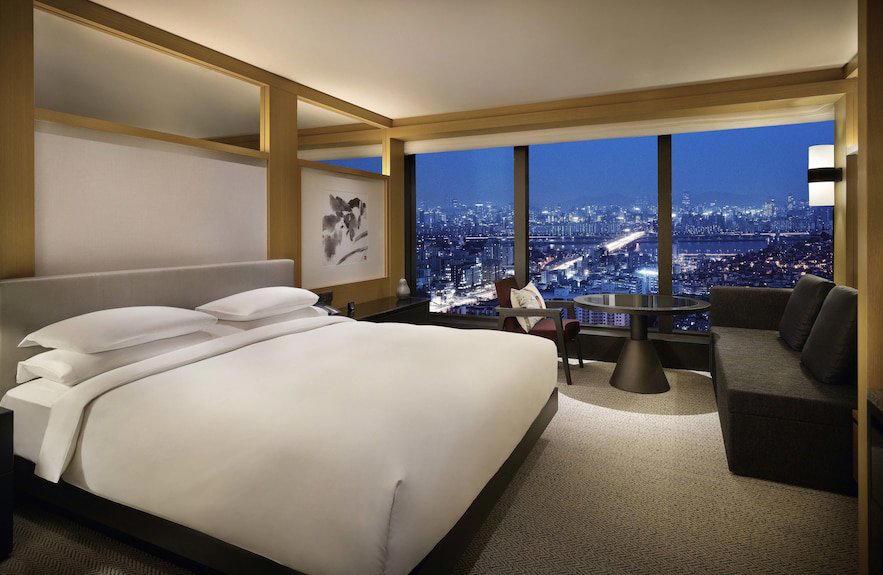
The Grand Hyatt Seoul's position on the slopes of Namsan gives Teppan something that most basement-level hotel restaurants cannot claim: a view. The Sowol-ro address places the hotel above much of the surrounding Yongsan-gu streetscape, which is why the wide windows function as more than ambient light. The mountain backdrop is visible enough to register as part of the meal rather than simply background scenery. Yongsan itself has evolved considerably over the past decade, shifting from an electronics-market-dominated district into a more mixed neighbourhood with expanded hospitality and dining options, though the Grand Hyatt has been part of the hill's identity for considerably longer than that transformation.
Planning Your Visit
Teppan is located at B1F, Grand Hyatt Hotel, 322 Sowol-ro, Yongsan-gu, Seoul, 04347, South Korea. It is a teppanyaki restaurant with a ₩₩₩ price tier and essential reservations.
What to Order at Teppan
The menu's defining characteristic is its full-griddle commitment: from the first appetizer to dessert, every course is finished on the teppan surface rather than supplemented by off-stage kitchen preparation. The seafood and meat selections are the structural backbone, and the fire shows are embedded in the service sequence rather than staged as a single moment. The counter seats facing the grill directly offer the clearest view of preparation. Teppan holds a Michelin Plate (2024), which signals consistent execution within its category rather than notable ambition beyond it; this is a room that rewards diners who value the teppanyaki tradition on its own terms.
Peers in This Market
Comparable venues nearby, for context on price, style, and recognition.
| Venue | Cuisine | Price | Notes |
|---|---|---|---|
| TeppanThis venue — the venue you are viewing | Teppanyaki | $$$ | Not listed |
| Mimi Myeonga | Traditional Japanese Soba Noodles | $$ | 잠원동 |
| Table for Four | Modern European with Taean Influences | $$$ | 압구정동 |
| Sarukame | Modern Japanese Ramen | $$ | 연남동 |
| Ichiryu | Sapporo-Style Grilled Lamb | $$$ | Seongsan-dong |
| ì °ëíë¼ì´ë¹í¤ì¹ | Authentic Japanese Omakase | $$$$ | 이태원동 |
Recognition history
Dated appearances from independent guides and award organizations, with the underlying list record or original source where available.
Michelin Plate
Michelin
Michelin Plate
Michelin
Continue exploring
More in Seoul
Restaurants in Seoul
Browse all →
At a Glance
- Lively
- Elegant
- Scenic
- Date Night
- Special Occasion
- Celebration
- Open Kitchen
- Chefs Counter
- Sake Program
- Mountain
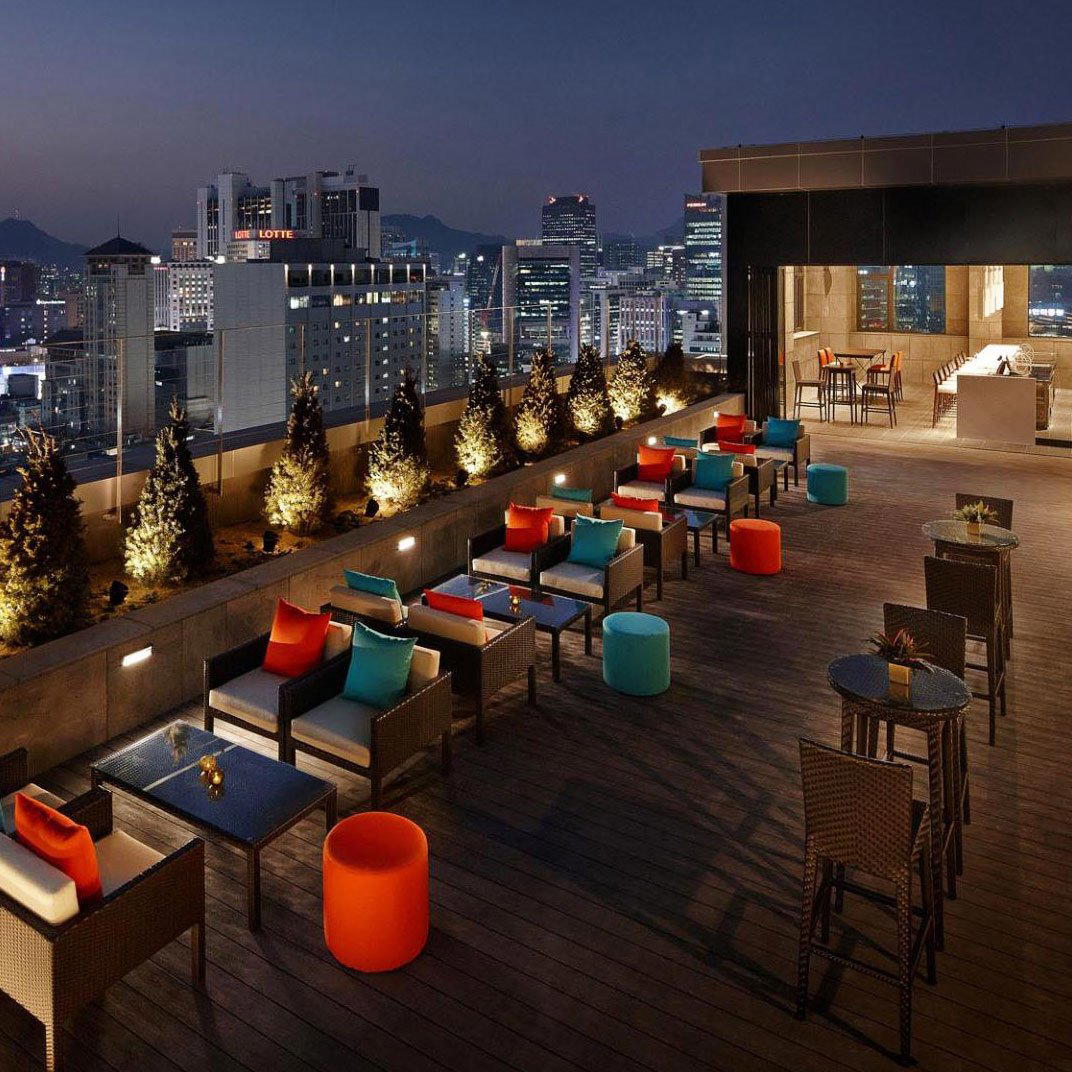
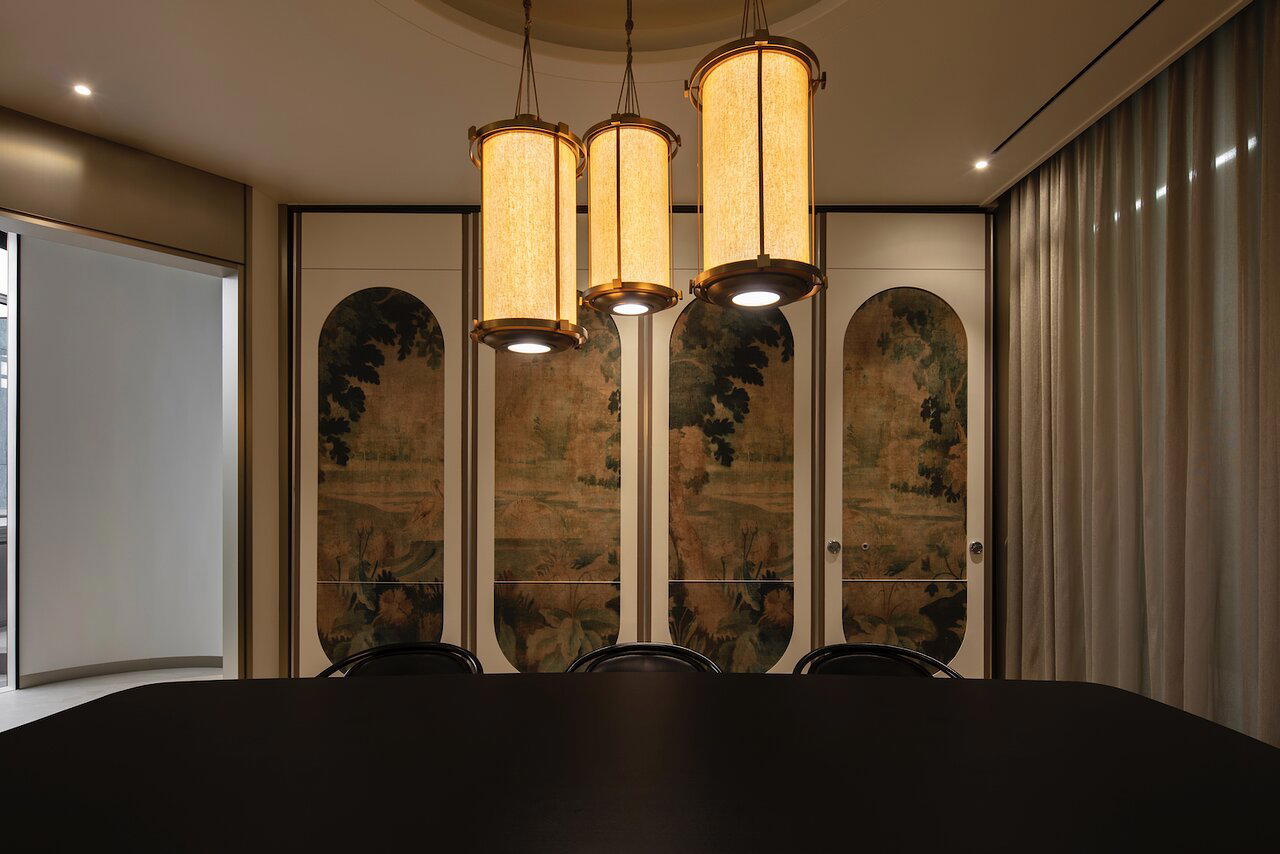
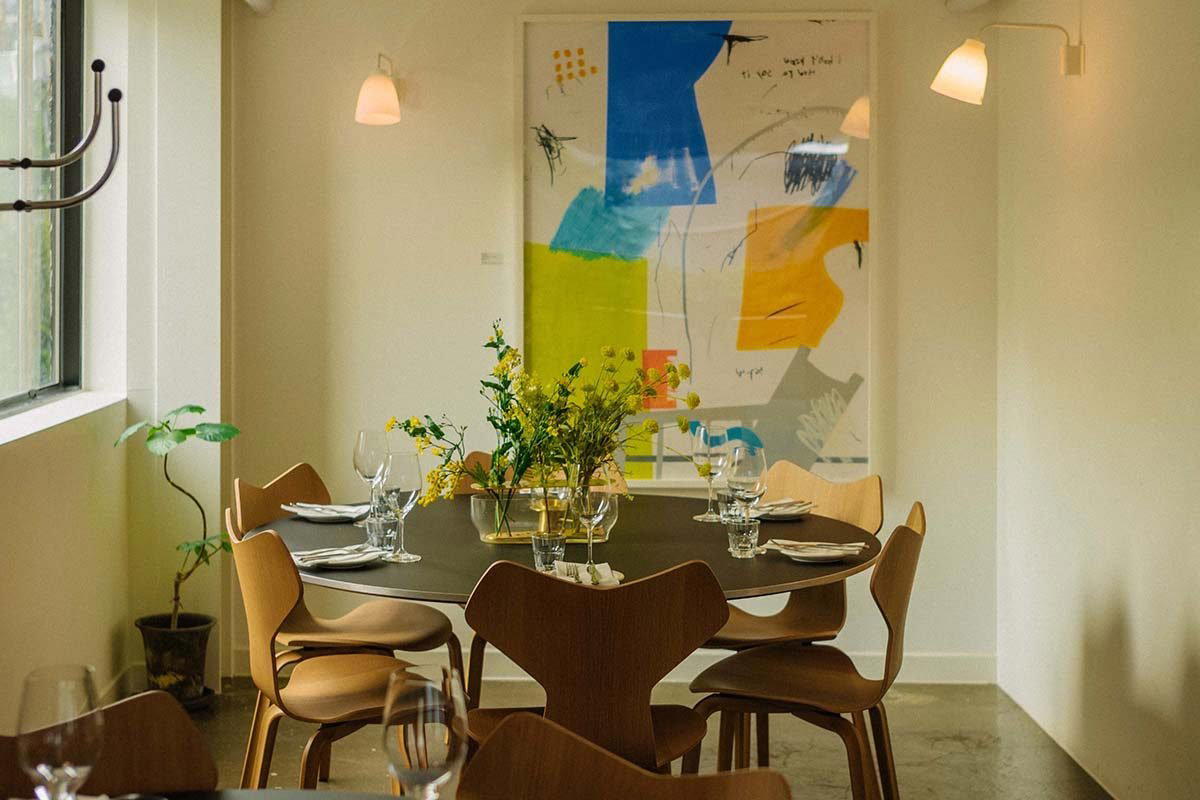
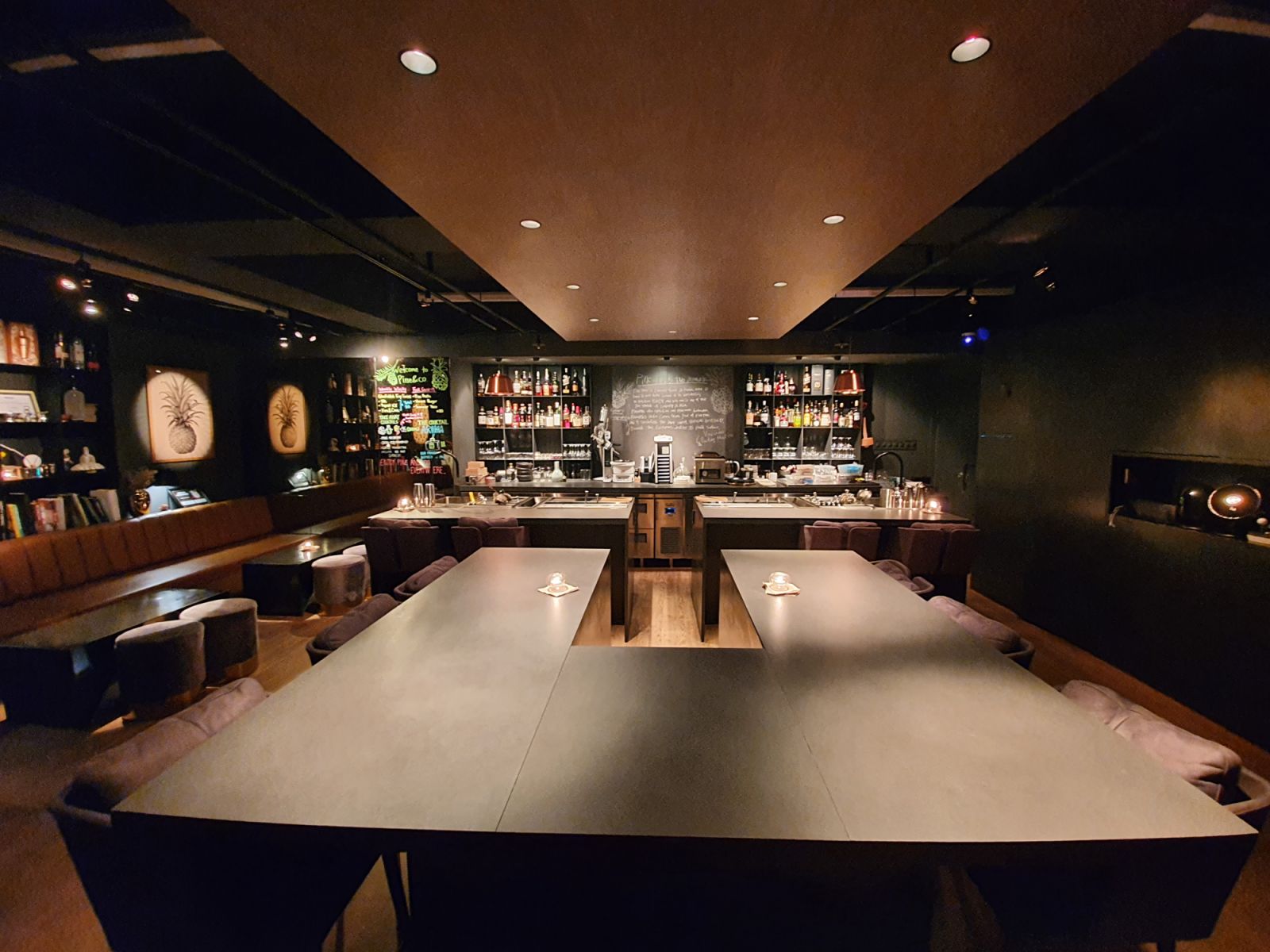
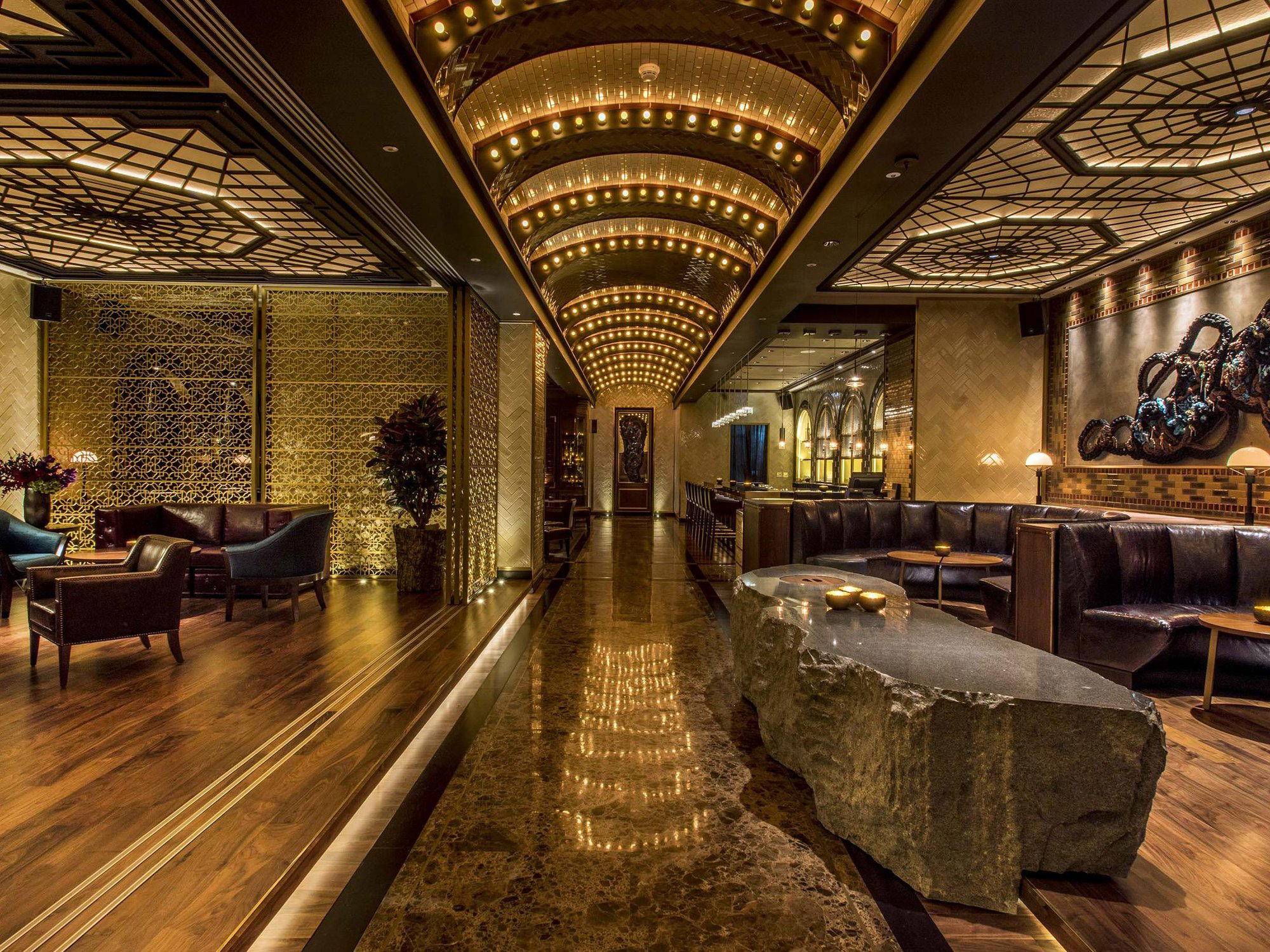
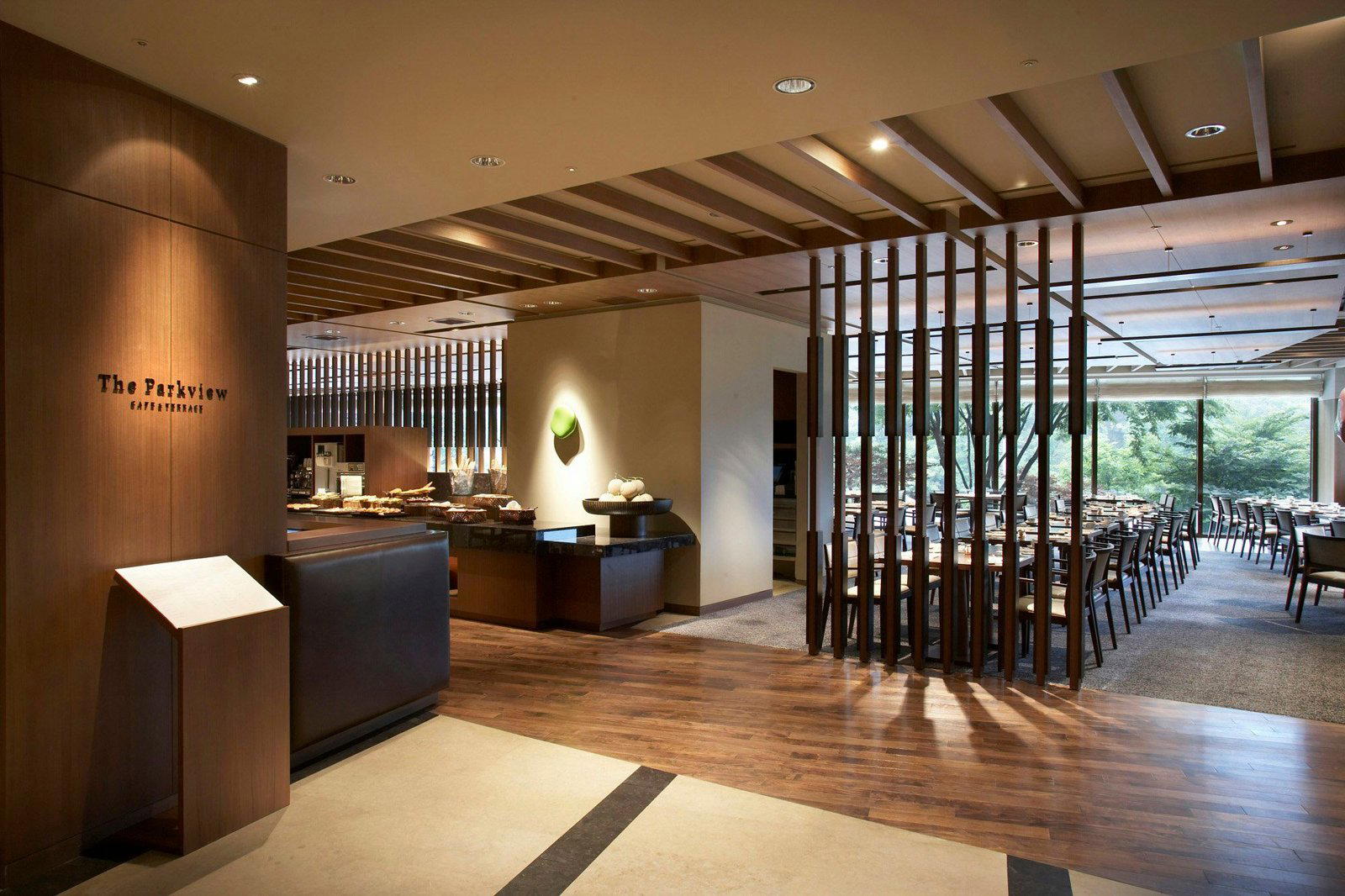
Warm and inviting with wide windows providing scenic mountain views and an interactive atmosphere centered around the open grill counter.