Table for Four


A Michelin Plate-recognised contemporary restaurant in Seoul's Yongsan District, Table for Four operates at the more accessible end of the city's serious dining tier. The room's intimate scale and the ₩₩ price point make it one of the few Michelin-acknowledged addresses where thoughtful contemporary cooking doesn't require a premium-bracket outlay.
Pearl is the En Primeur Club membership app — saves, bookings, and concierge access live there. Same editors, same standards.
- Address
- 25-12 Daesagwan-ro 31-gil, Yongsan District, Seoul, South Korea
- Phone
- +82 2-3478-0717
- Website
- instagram.com
- Directions
- Get directions
 Saves & bookings on Pearl
A Small Room With a Specific Argument
Yongsan District occupies an interesting position in Seoul's dining geography. Flanked by the high-density restaurant corridors of Itaewon and the formal dining clusters further south in Gangnam, the neighbourhood has developed a quieter, more residential dining character: smaller rooms, less theatre, more attention to the food itself. Table for Four, at 25-12 Daesagwan-ro 31-gil, fits that register precisely. The address implies something about the scale before you arrive: this is not a space designed around spectacle or ceremony, but around a particular kind of focused attention.
The name is its own spatial argument. Dining formats in Seoul's contemporary tier have trended in two directions over the past decade: either toward the long tasting-counter format, where individual diners sit in sequence and the chef performs, or toward larger modern dining rooms where the room itself becomes a proposition. Table for Four positions itself at neither extreme. It suggests a format built around the table as social unit, the group as the relevant frame, and the meal as a shared rather than theatrical experience. In a city where the counter-omakase model has migrated from Japanese dining into Korean and contemporary formats with considerable momentum, that is a considered choice.
The Physical Container and What It Signals
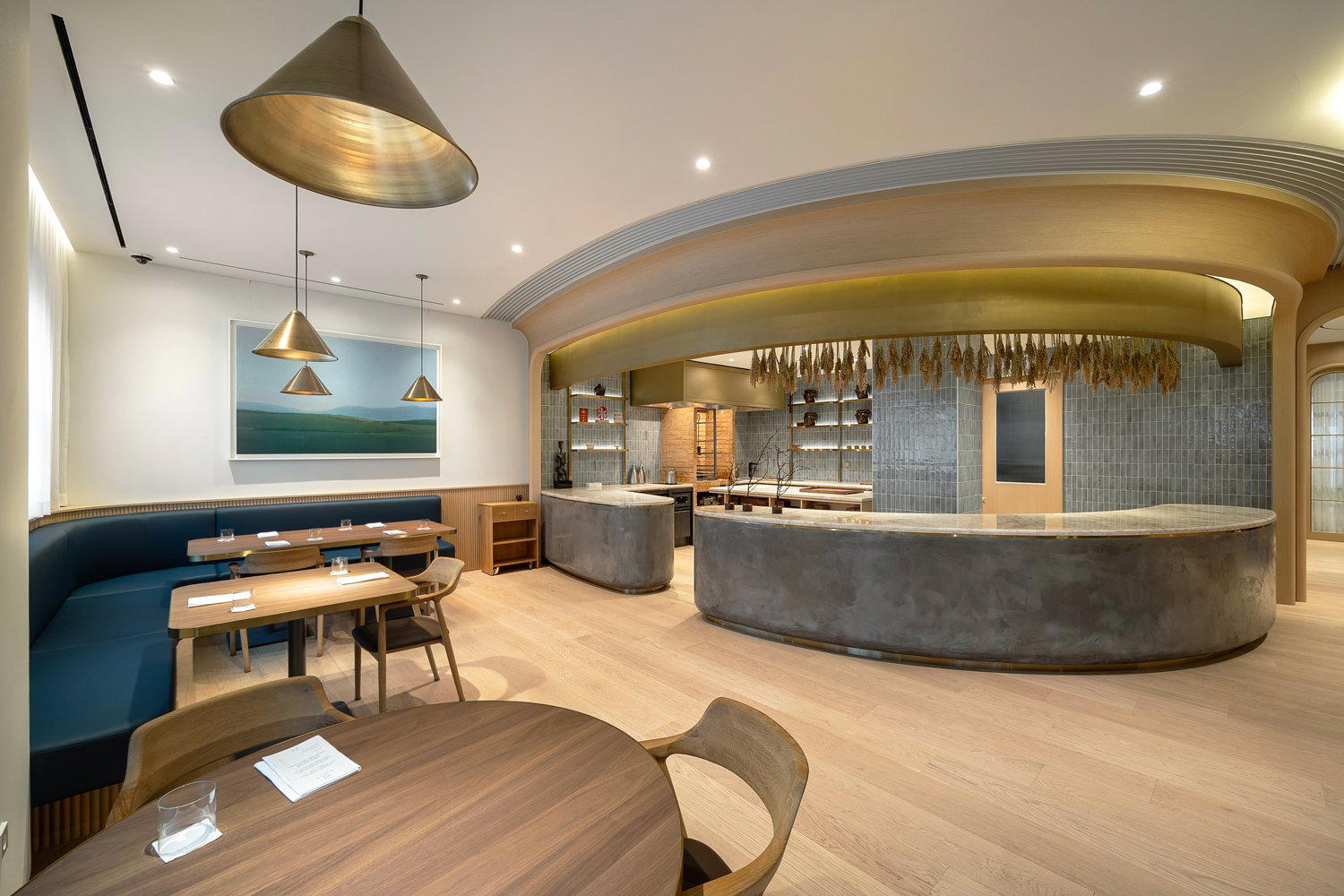
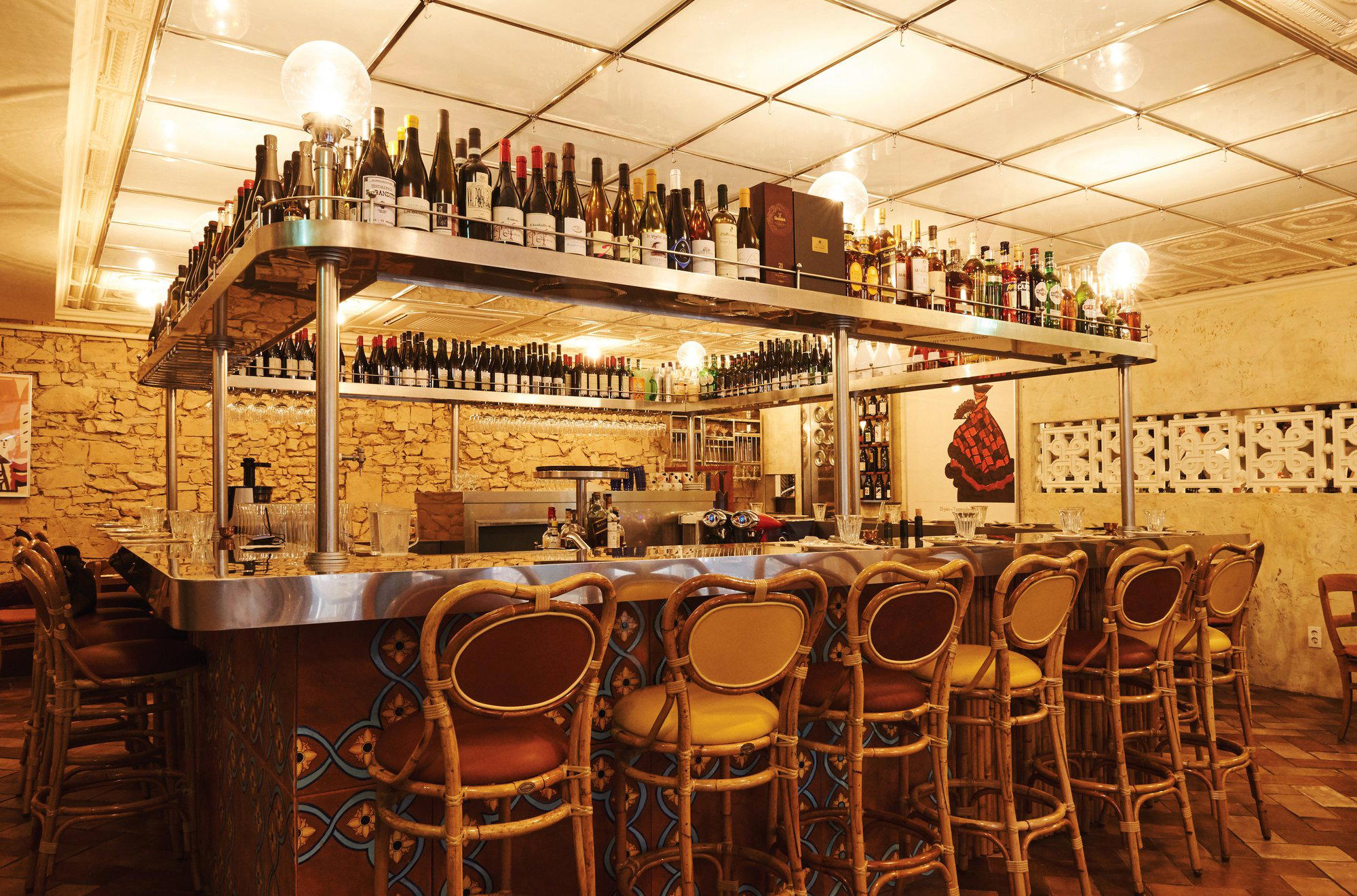
Seoul's more design-conscious contemporary restaurants have largely split between two aesthetic registers: the spare, material-led minimalism that draws on Japanese spatial principles, and a warmer, more European approach to dining room design with textured walls, considered lighting, and furniture that prioritises comfort over visual austerity. Table for Four's Yongsan setting and its mid-tier price point position it within the latter tendency. Spaces at the ₩₩ price point in Seoul rarely attempt the kind of architectural statement that defines higher-bracket rooms like Jungsik or Eatanic Garden; instead, they tend to work through restraint and proportion, letting the room's size do the work that expensive materials might otherwise perform.
What small-format dining rooms achieve that larger spaces cannot is a specific quality of atmosphere: the sense that the room is full even with few tables occupied, the acoustic intimacy that makes conversation feel private without being hushed, and the way a kitchen's output becomes coherent when there are simply fewer tables to serve simultaneously. These are not incidental qualities. They are structural advantages that certain Seoul contemporary rooms have learned to deploy deliberately, and they form part of the reason a venue like Table for Four has sustained Michelin Plate recognition across consecutive years (2024 and 2025) without operating in the higher price brackets where such recognition is more commonly expected.
Where It Sits in Seoul's Contemporary Tier
The Michelin Plate designation, now held across both 2024 and 2025, is the guide's signal for restaurants that meet quality standards without reaching the star threshold. In Seoul's contemporary category, Plate-level recognition at a ₩₩ price point is a notable combination. The city's Michelin-starred contemporary rooms, including Solbam and comparable addresses, typically operate at ₩₩₩₩ and above. The restaurant's positioning represents a different value proposition: Michelin-acknowledged quality at a price tier that opens the room to a broader diner base without signalling a compromise on seriousness.
For comparison, the contemporary restaurant category in Seoul spans a wide band. At the upper end, Exquisine and Restaurant Allen operate with formats and price structures that reflect the investment required to hold and develop upper-tier Michelin positions. Further down the bracket, the restaurant occupies territory where a diner can engage with contemporary Korean cooking at a meaningful level without the full commitment those upper-bracket rooms demand.
The international comparison is instructive. Contemporary restaurants at accessible price points that hold quality signals from respected guides form a category across multiple cities: César in New York City, Alo in Toronto, and Orfali Bros in Dubai each represent versions of contemporary dining that have built recognition without operating exclusively in the highest price tier. The restaurant belongs to that broader conversation.
What to Eat
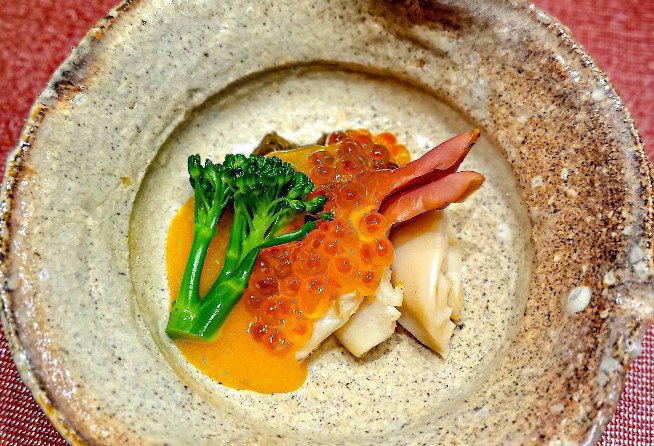
What the contemporary category in Seoul at the ₩₩ tier typically delivers is a format oriented around a shorter, focused menu rather than the extended multi-course tasting formats that define higher-bracket rooms. This often means a tighter selection of dishes that can be executed consistently, with an emphasis on seasonal Korean produce interpreted through a contemporary lens rather than strict adherence to traditional Korean culinary categories. That approach has driven Michelin Plate recognition at comparable contemporary addresses across the city.
The name suggests a format built around a table of four, with sharing likely central to the experience. That format has become more common across Seoul's mid-tier contemporary rooms as a way of increasing the number of dishes a table encounters without extending the meal into full tasting-menu territory. Dining with a full table of four would allow a broader read of the kitchen's range. For confirmed current menu content, direct inquiry with the venue is advisable ahead of visiting.
Getting There and Planning Your Visit
The restaurant is located in Yongsan District, one of Seoul's more accessible central areas by public transport, with Itaewon and Hangangjin subway stations (Line 6) within reasonable walking distance of the Daesagwan-ro corridor. The residential and village-scale streets in this part of Yongsan can be slightly difficult to navigate on foot for first-time visitors; mapping the specific address in advance is practical.
Budget: ₩₩₩ price tier, with an estimated spend of about US$90 per person. Reservations: essential. Dress: smart-casual. Awards: Michelin Plate 2024 and 2025.
Cuisine and Credentials
Comparable venues nearby, for context on price, style, and recognition.
| Venue | Cuisine | Price | Awards | Notes |
|---|---|---|---|---|
| Table for FourThis venue — the venue you are viewing | Modern European with Taean Influences | $$$ | Michelin Plate | Not listed |
| Onyva | Modern French-Korean Fusion | $$$ | Michelin Plate | 압구정동 |
| Mater | Asian Nordic Fusion with Fermentation Focus | $$$ | Michelin Plate | 압구정동 |
| Comme Moa | Classic French Bistro | $$$ | Michelin Plate | 필동 |
| Doughroom | Artisanal Italian Pasta | $$$ | Michelin Plate | 반포본동 |
| A Flower Blossom on the Rice | Organic Korean Fine Dining | $$$ | Bib Gourmand | 가회동 |
Recognition history
Dated appearances from independent guides and award organizations, with the underlying list record or original source where available.
Wine Spectator Best of Award of Excellence
Wine Spectator
Michelin Plate
Michelin
Michelin Plate
Michelin
At a Glance
- Intimate
- Elegant
- Minimalist
- Sophisticated
- Date Night
- Special Occasion
- Chefs Counter
- Private Dining
- Extensive Wine List
- Local Sourcing
- Farm To Table
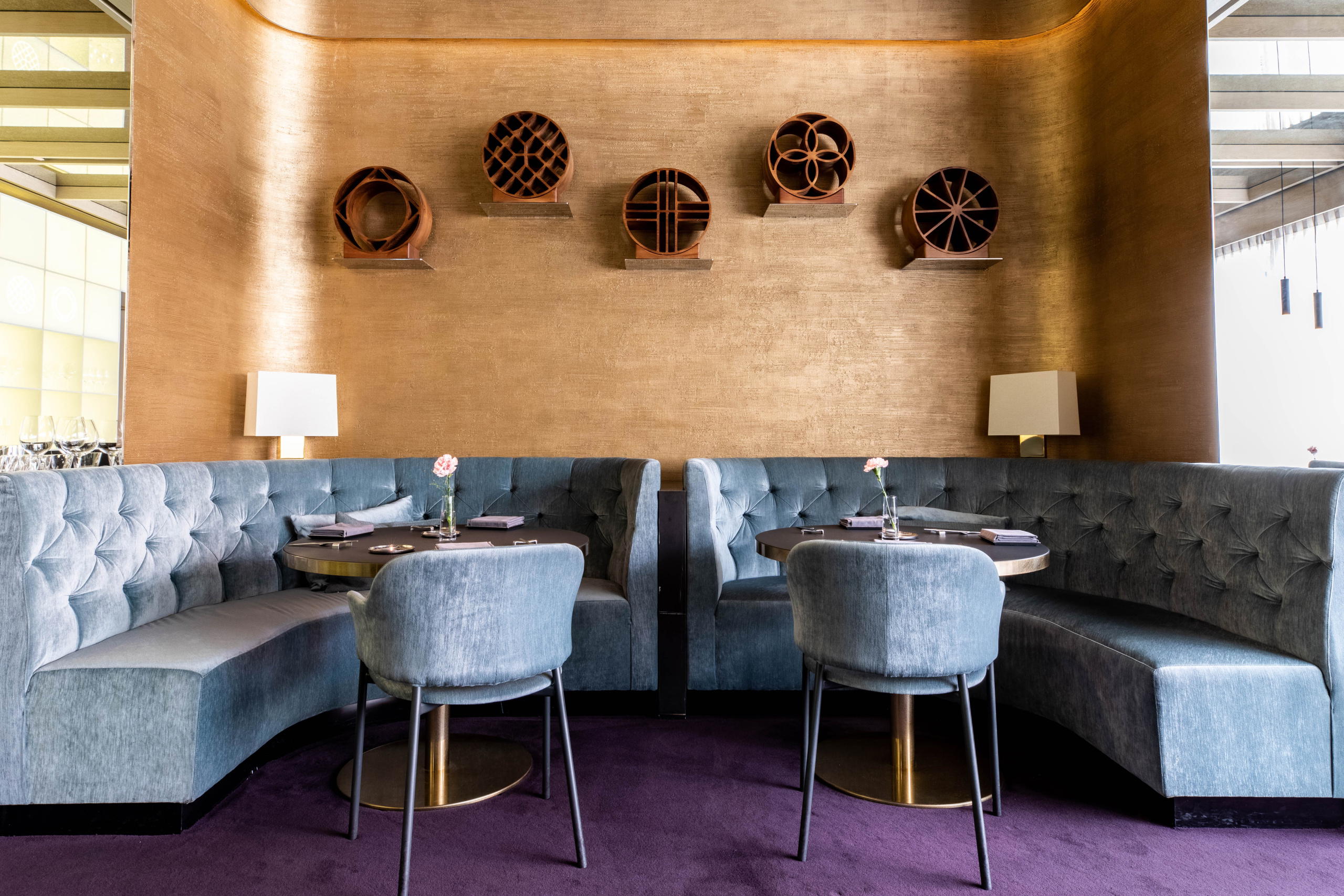
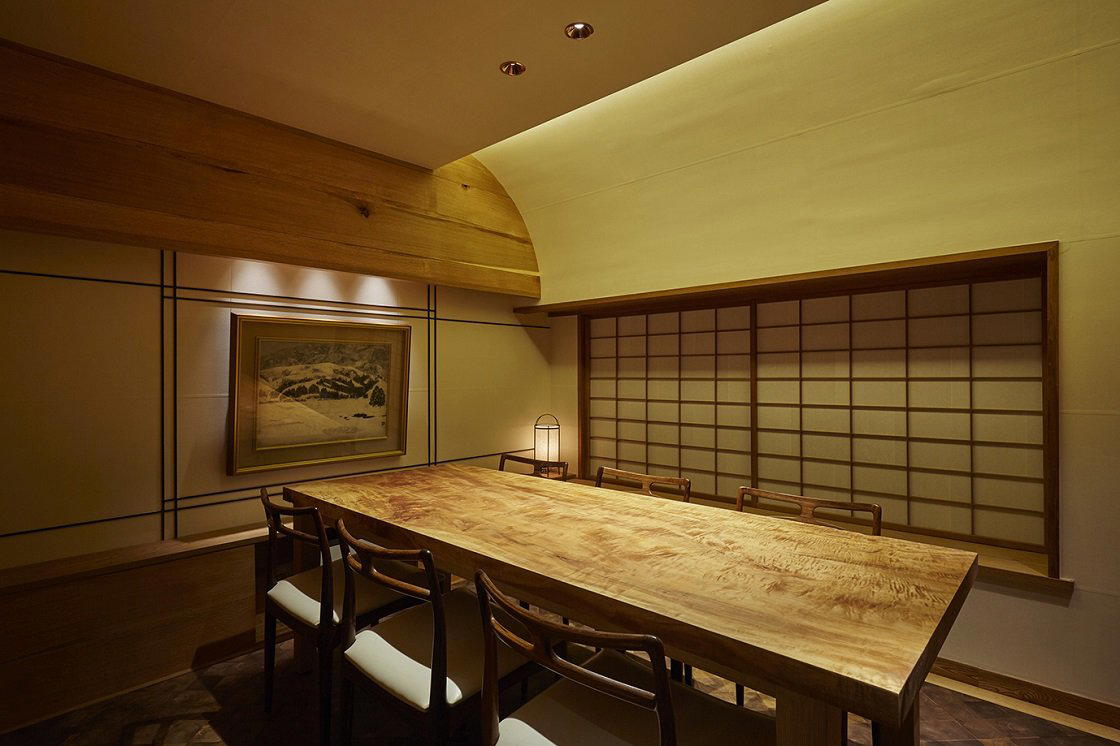
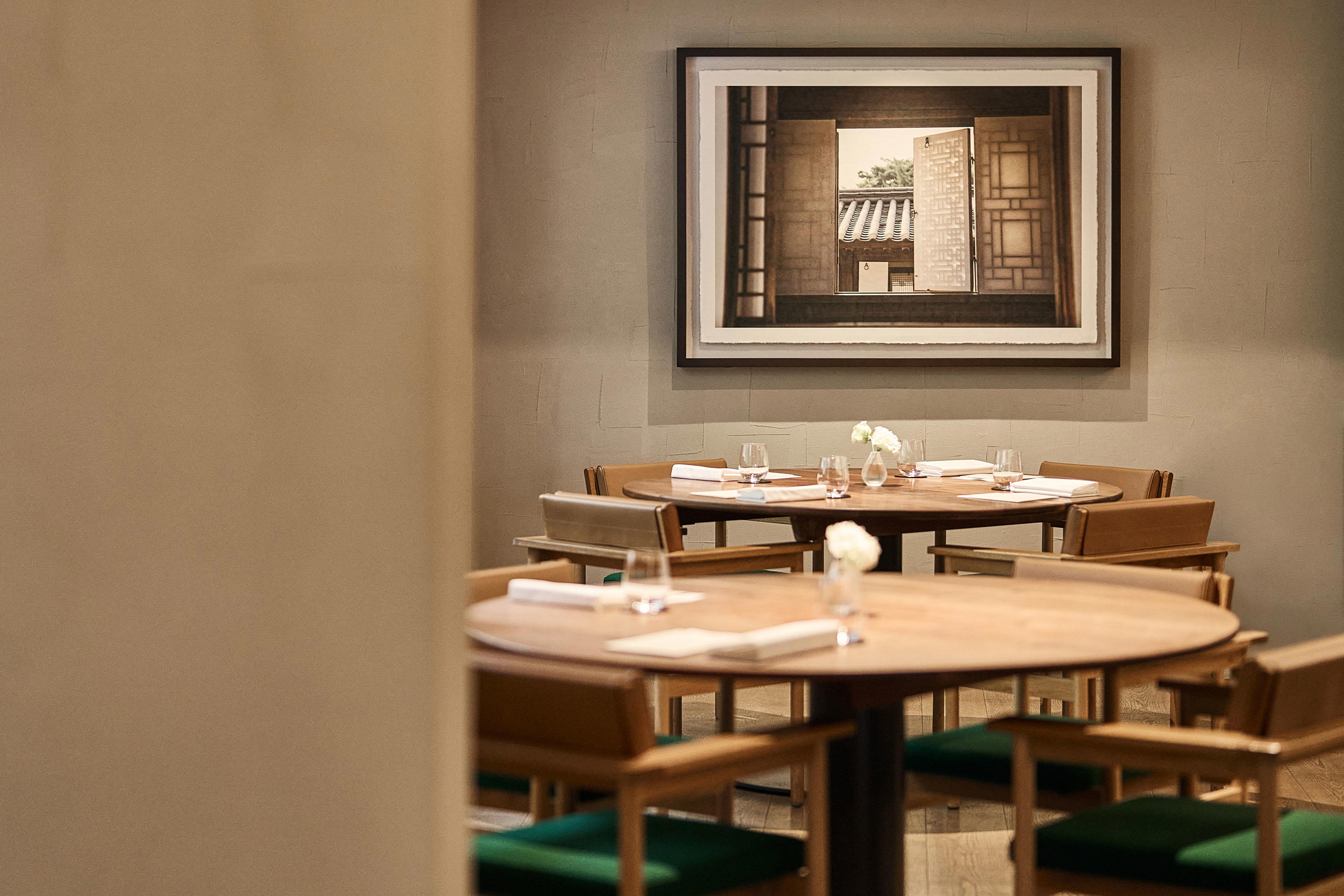
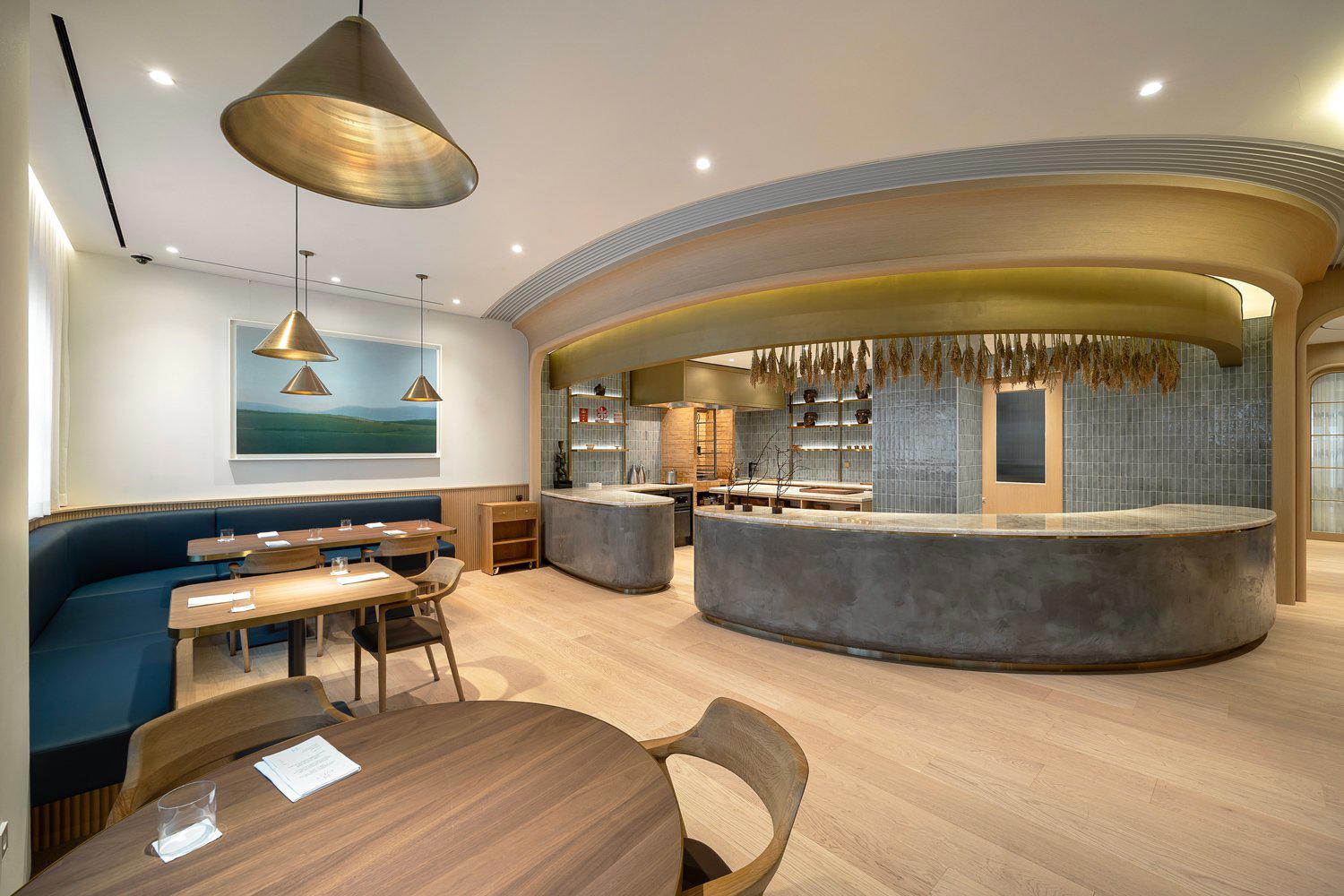
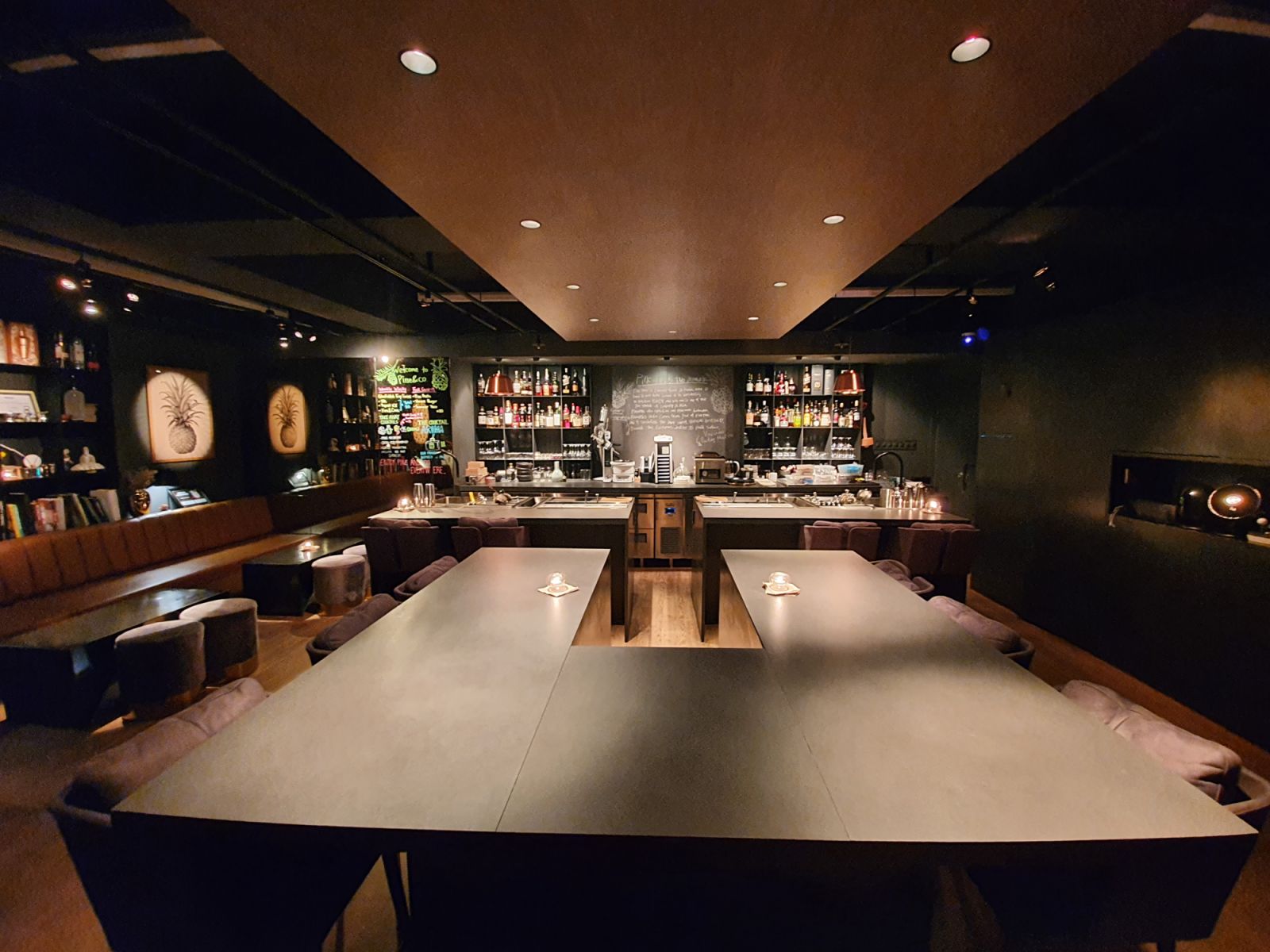
Minimalist wood-and-stone interior with warm lighting, linened tables, and intimate seating for quiet conversations.