Teka Sushi operates from Billrothstraße 5 in Vienna's 19th district, bringing a Japanese counter format to a city whose fine-dining identity is rooted in Central European tradition. The address places it in Döbling, a residential quarter that sits at a noticeable remove from the downtown restaurant cluster, which shapes both its clientele and its atmosphere.
Pearl is the En Primeur Club membership app — saves, bookings, and concierge access live there. Same editors, same standards.
- Address
- Billrothstraße 5, 1190 Wien, Austria
- Phone
- +434319610630
- Website
- tekasushi.at
- Directions
- Get directions
 Saves & bookings on Pearl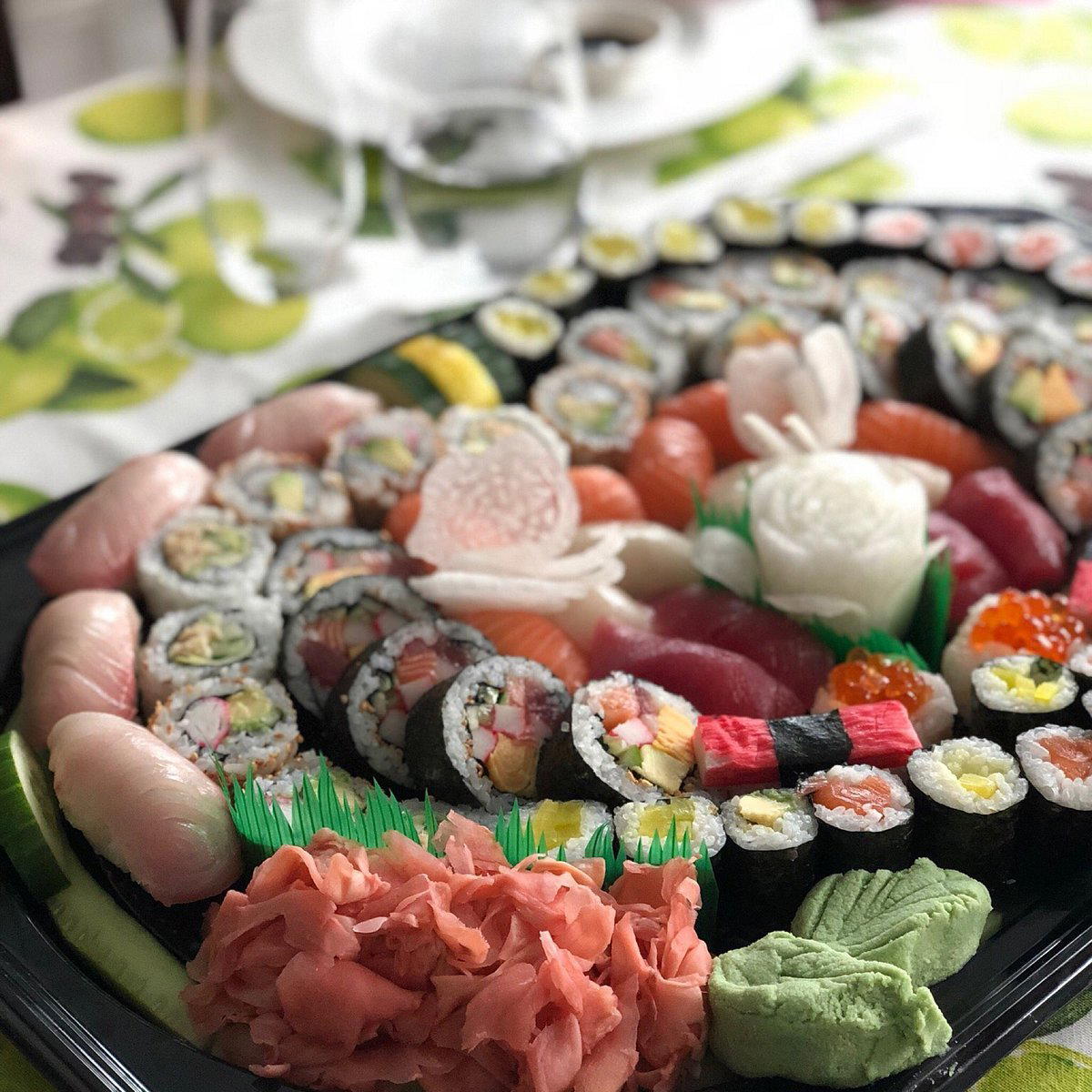
Japanese Counter Dining in a City Built on Wiener Schnitzel
Vienna's dining scene has long been defined by a small cluster of ambitious restaurants working within or against Austrian culinary tradition. Steirereck im Stadtpark, Amador, and Konstantin Filippou occupy the upper bracket of that conversation, each drawing on European culinary grammar while pushing it in their own direction. Japanese counter dining sits outside that lineage entirely, which is precisely what makes a venue like Teka Sushi in Döbling is worth contextualising carefully. Sushi as a serious dining format arrived later in Vienna than in London or Paris, and the city's Japanese restaurant count remains modest compared to its population size, meaning each address that operates at a credible level carries more weight in the local scene than it might elsewhere.
The Address and What It Signals
Teka Sushi sits at Billrothstraße 5 in the 19th district, a fact that immediately separates it from the concentration of ambitious restaurants found in the 1st, 7th, and 8th districts. Döbling is a residential quarter of wide streets, older apartment buildings, and a clientele that skews local and long-established rather than tourist or expense-account. Restaurants that survive and hold a following in this kind of neighbourhood do so primarily on repeat business, which tends to reward consistency over novelty. The distance from the downtown cluster also shapes the atmosphere: there is less of the performative energy that can accompany high-profile city-centre dining, and more of the quiet, focused quality that Japanese counter formats work leading within.
That geographic positioning matters when thinking about how Teka Sushi fits into Vienna's broader dining picture. The city's serious Japanese options are spread thinly enough that a Döbling address is not a disadvantage so much as a differentiator. Diners who travel specifically for sushi are accustomed to making deliberate journeys, whether across a city or across an ocean. The pilgrimage logic that underpins omakase dining in Tokyo, where addresses in Ginza, Kojimachi, or Nishi-Azabu each attract their own loyal constituencies regardless of proximity to transit, translates imperfectly but recognisably to a city like Vienna.
The Sensory Logic of the Counter Format
Sushi at its most considered is an exercise in controlled atmosphere. The temperature of fish, the ambient sound level of a room, the angle of lighting over a cypress or hinoki counter, the faint smell of rice vinegar, the precise moment a piece is handed across a bar: these are the variables that separate a competent sushi restaurant from one operating at a different level of intention. Vienna's leading restaurants across all categories, from Mraz & Sohn to Doubek, are adept at managing atmosphere as a deliberate element of the meal. The question for any serious sushi address is whether that same discipline applies to the quieter, more spare sensory vocabulary of the Japanese counter.
In a city whose most ambitious kitchens have historically leaned toward richness and layered complexity, a format premised on restraint, precision, and the flavour of fish aged for a specific number of hours carries a different kind of argument. The reference points are not local. They look more toward the counter traditions of Tokyo or Osaka, or toward European cities with longer exposure to Japanese fine dining. For context, venues like Le Bernardin in New York City or Atomix, also in New York, represent what happens when Japanese culinary rigour is applied within a Western dining city: the result is a kind of precision that has its own distinct sensory signature, one that Vienna's dining public is increasingly equipped to appreciate.
Vienna Against the Austrian Fine-Dining Context
It is worth placing Vienna's restaurant scene in the broader Austrian context before drawing conclusions about where a Japanese counter fits. Austria's most acclaimed restaurants are not exclusively urban. Döllerer in Golling an der Salzach, Obauer in Werfen, and Ikarus in Salzburg pull serious dining audiences out of the capital and toward the alpine south, while Landhaus Bacher in Mautern an der Donau holds its own reputation along the Danube. In Tyrol and Vorarlberg, addresses like Gourmetrestaurant Tannenhof in Sankt Anton am Arlberg, Griggeler Stuba in Lech, and Schwarzer Adler in Hall in Tirol demonstrate that fine dining ambition extends well beyond the capital. Smaller regional formats like Kräuterreich by Vitus Winkler in Sankt Veit im Pongau, Restaurant 141 by Joachim Jaud in Mieming, and Ois in Neufelden reinforce the point that culinary ambition in Austria is geographically distributed in ways that have no direct parallel in countries where a single capital city dominates.
Within Vienna itself, the competition for the attention of serious diners is real but not overwhelming. The city supports a small number of genuinely ambitious restaurants across a population of roughly two million, which creates a market where a well-executed Japanese counter can occupy a clear and relatively uncrowded position.
Planning Your Visit
| Venue | District | Price Range | Format | Booking |
|---|---|---|---|---|
| The restaurant | 19th (Döbling) | Not confirmed | Japanese counter | Not confirmed |
| Steirereck im Stadtpark | 3rd (Stadtpark) | €€€€ | Creative Austrian | Advance booking advised |
| Konstantin Filippou | 1st (Innere Stadt) | €€€€ | Modern European | Advance booking advised |
| Mraz & Sohn | 20th (Brigittenau) | €€€€ | Modern Austrian, Creative | Advance booking advised |
Billrothstraße 5 is accessible by tram from central Vienna; the 37 line serves the area directly.
Budget and Context
Comparable venues nearby, for context on price, style, and recognition.
| Venue | Cuisine | Price | Notes |
|---|---|---|---|
| Teka SushiThis venue — the venue you are viewing | Doebling, Traditional Japanese Sushi | $$ | Not listed |
| Ebi Mini | Hofburg, Japanese Sushi & Ramen | $$ | Not listed |
| Karma Ramen | Mariahilf, Authentic Japanese Ramen | $$ | Not listed |
| Mochi Ramen Bar | Riesenrad, Japanese Ramen Bar | $$ | Not listed |
| Daihachi | Not listed | $$ | Inner City, Traditional Japanese Sushi Bar |
| Mari's Metcha Matcha | Not listed | $$ | Hofburg, Authentic Japanese Tapas & Matcha Café |
Continue exploring
More in Vienna
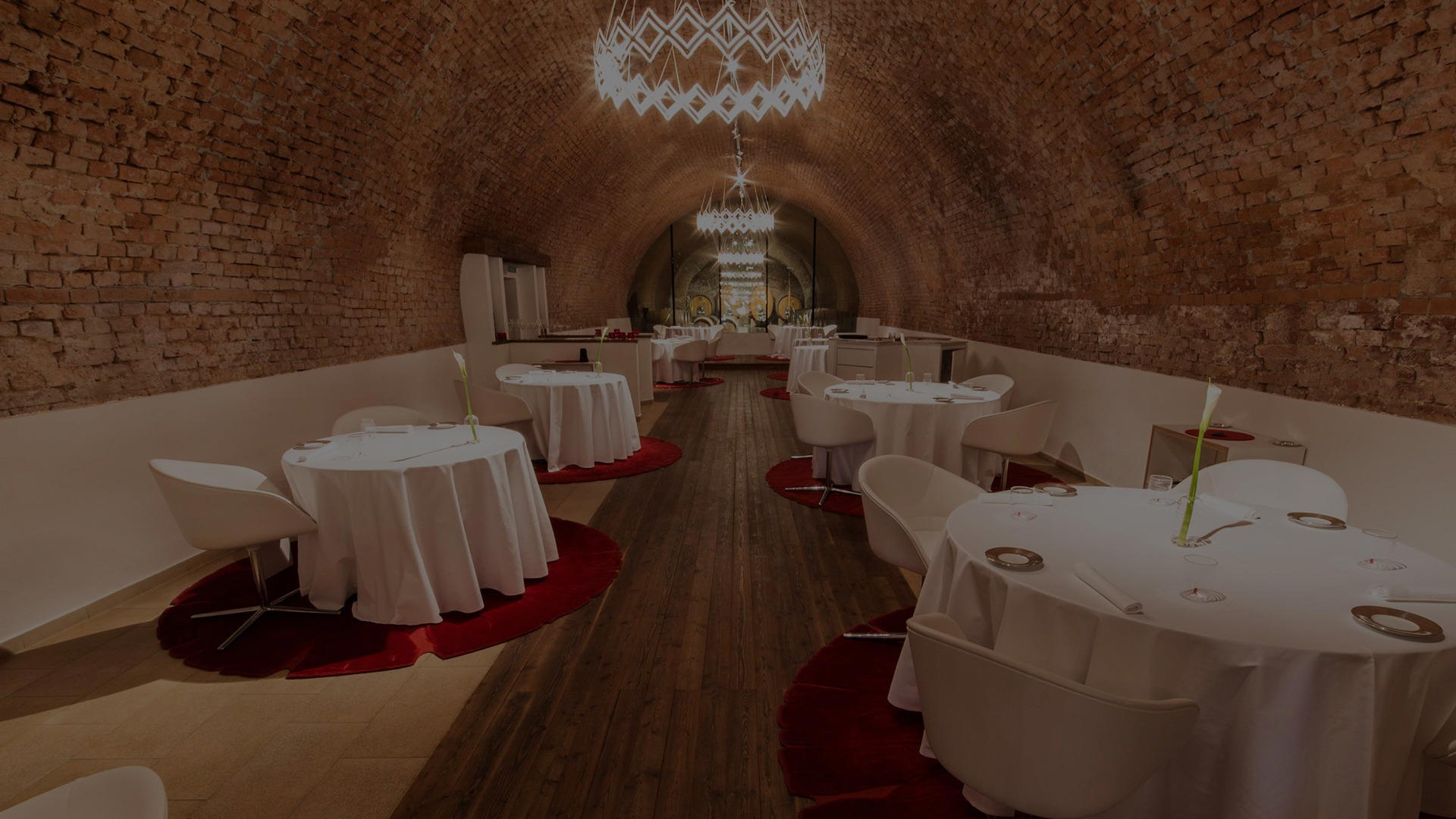
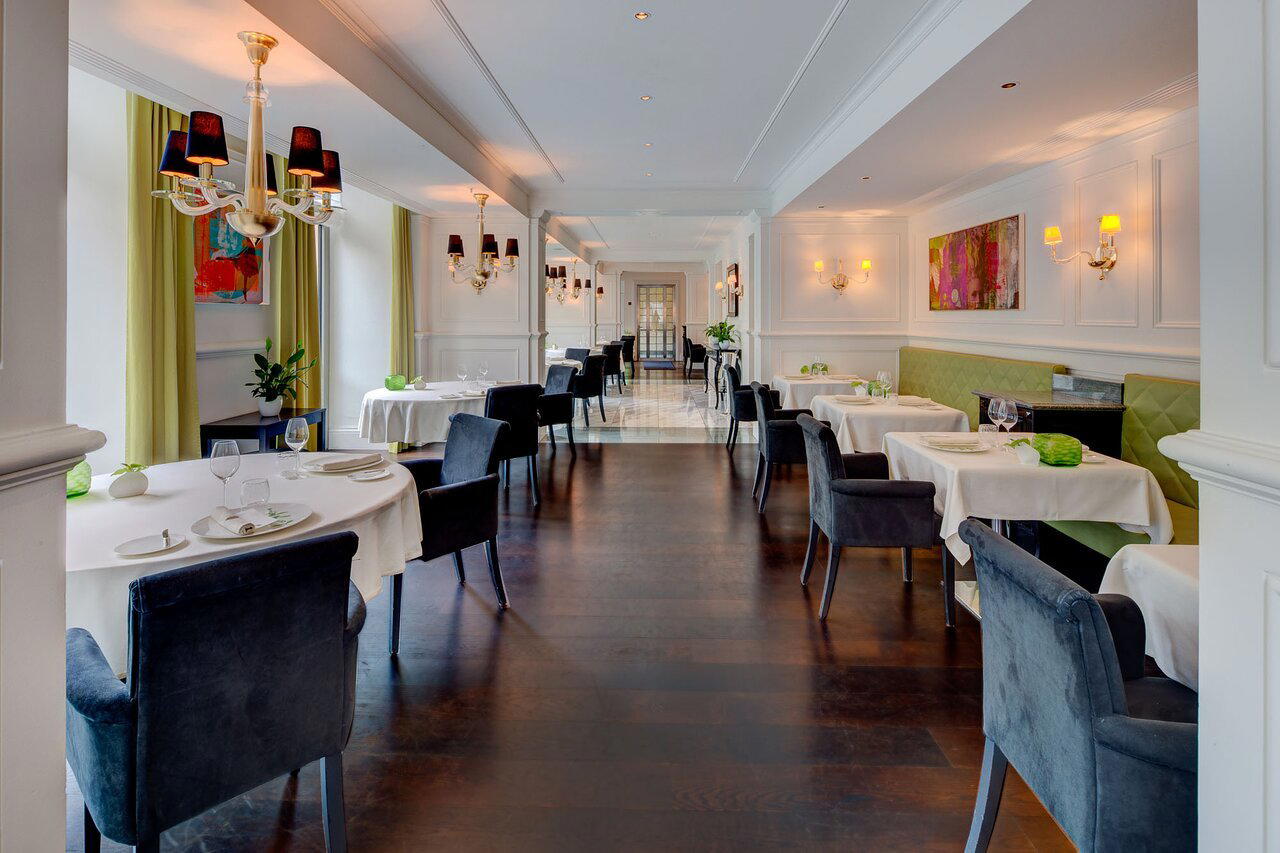
Restaurants in Vienna
Browse all →
Bars in Vienna
Browse all →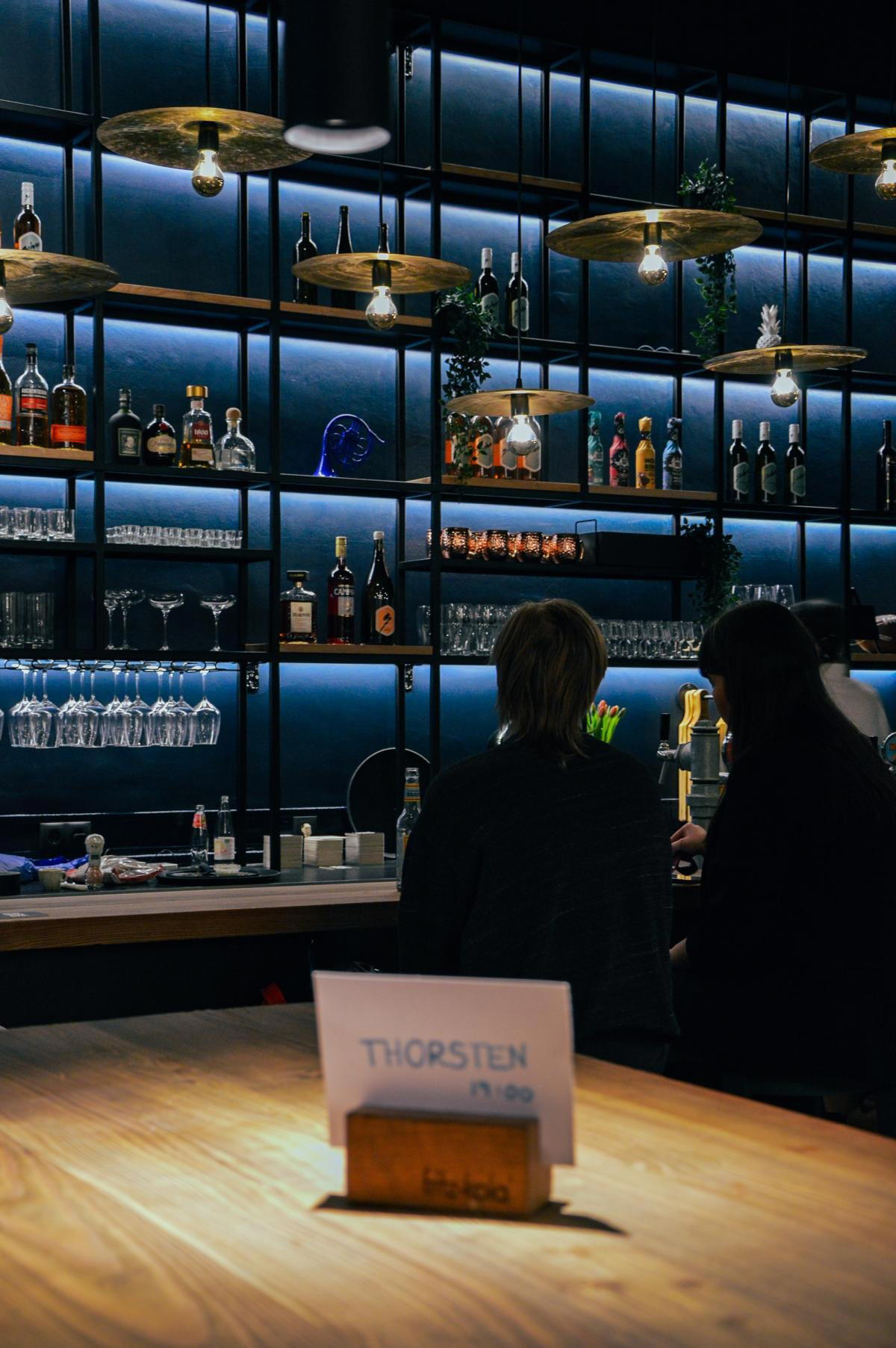
Hotels in Vienna
Browse all →

At a Glance
- Cozy
- Casual
- Casual Hangout
- Solo
- Group Dining
- Standalone
- Sustainable Seafood
Current opening hours
- Monday
- 5–10 PM
- Tuesday
- 5–10 PM
- Wednesday
- 5–10 PM
- Thursday
- 5–10 PM
- Friday
- 5–10 PM
- Saturday
- Closed
- Sunday
- 5–10 PM
Hours can change for holidays and private events. Last verified .
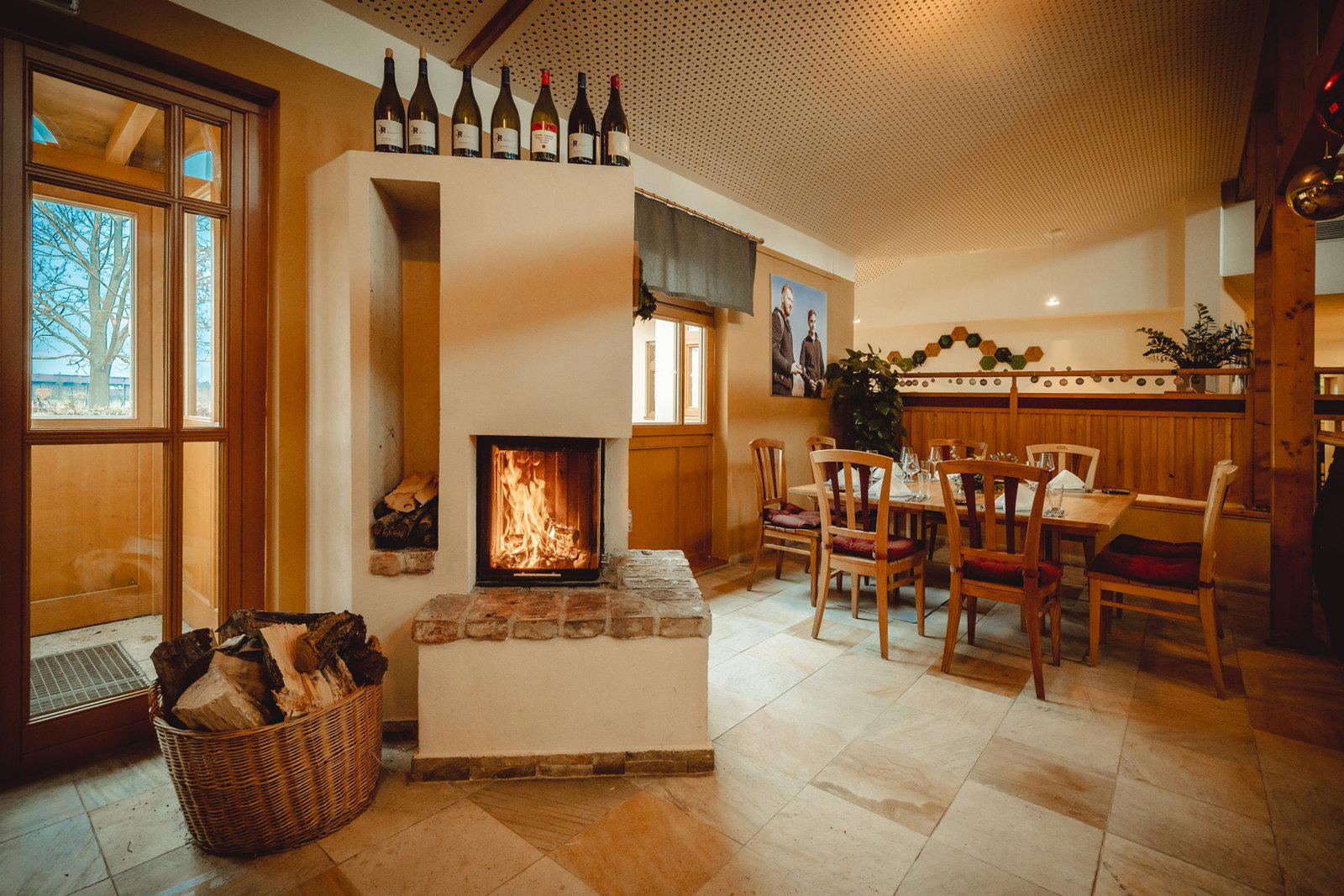
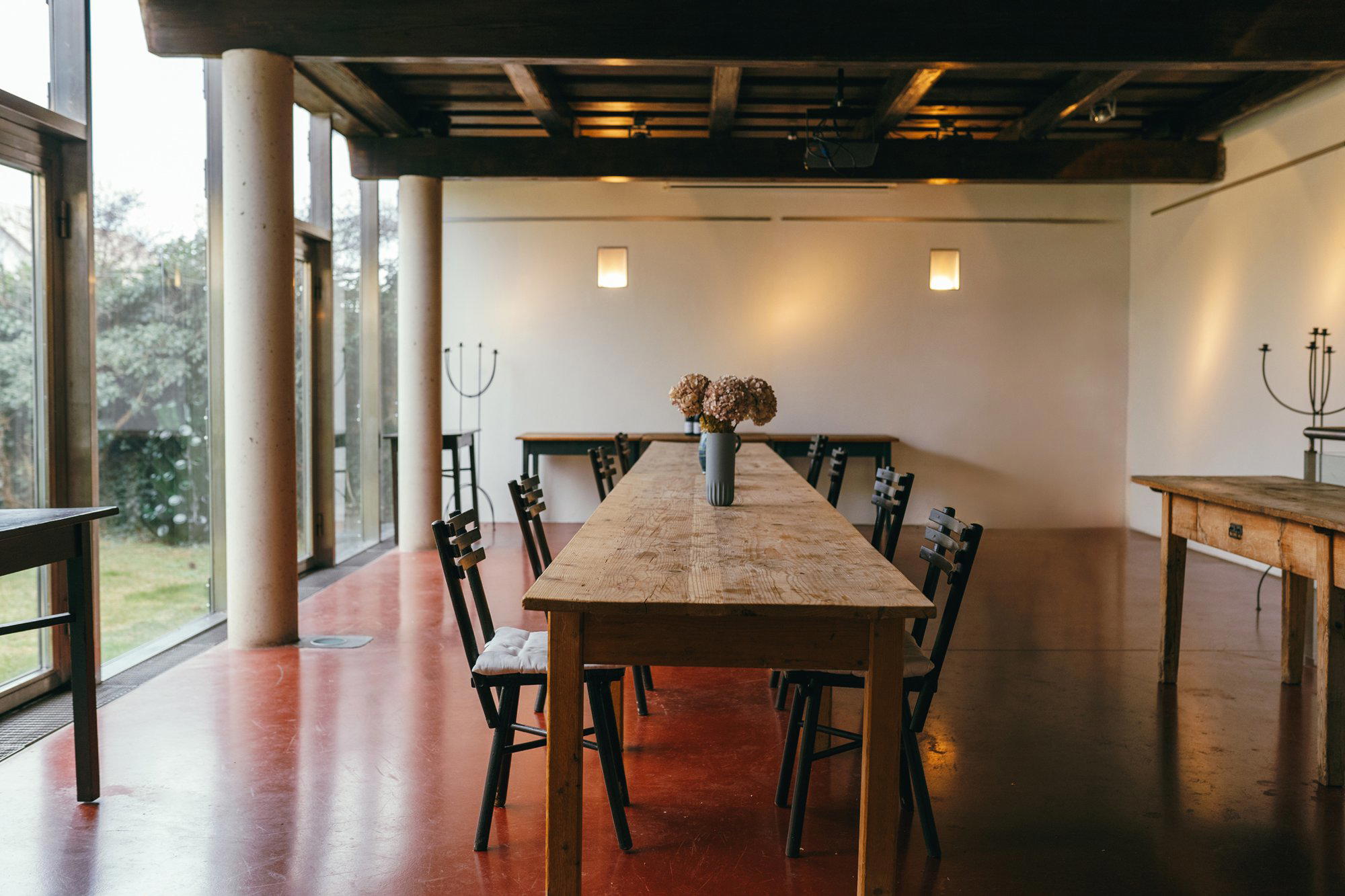
Simple, unpretentious interior with minimal decor; cramped but lively atmosphere, often busy with takeaway orders; close to a busy street.