Ebi Mini occupies a compact address on Gumpendorfer Strasse in Vienna's sixth district, a neighbourhood where casual dining and serious cooking coexist with little fanfare. The name signals a kitchen oriented around seafood, placing it in a niche corner of a city whose dining identity has historically centred on land-based produce. For visitors tracing Vienna's quieter culinary edges, it sits just off the main Mariahilfer artery.
Pearl is the En Primeur Club membership app — saves, bookings, and concierge access live there. Same editors, same standards.
- Address
- Gumpendorfer Str. 3/4, 1060 Wien, Austria
- Phone
- +434314109094
- Website
- ebi-vienna.at
- Directions
- Get directions
 Saves & bookings on Pearl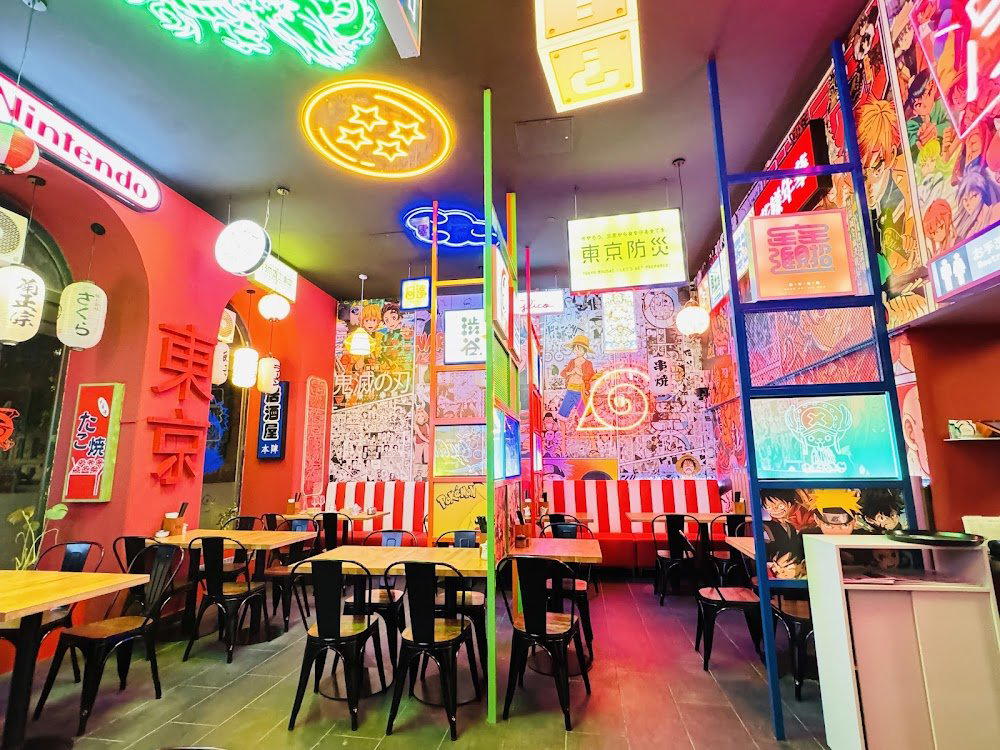
That context matters when placing Ebi Mini within Vienna's broader dining map. The city's premium creative tier, represented by Konstantin Filippou and Mraz & Sohn, operates with tasting menus, extended booking windows, and a self-conscious relationship with Austrian produce and technique. Below that register, but not beneath serious attention, sits a layer of smaller, more specific kitchens. The name Ebi, a direct borrowing from Japanese for shrimp or prawn, signals an orientation that is neither Viennese Bürgerküche nor the Austrian-creative idiom. It points toward something more technically precise about seafood handling, and that specificity is what anchors it within the neighbourhood.
A name that foregrounds a specific crustacean in its simplest Japanese form is a deliberate signal in this context. It suggests a kitchen with a point of view about seafood that owes more to Japanese counter culture than to the Viennese Wirtshaus tradition. That does not mean theatrical omakase formats or the kind of import pricing seen at high-end Japanese counters in cities like New York, where Le Bernardin and Japanese omakase counters occupy the same premium bracket. In Mariahilf, the commercial logic is different: neighbourhood scale, accessible entry, and cooking that speaks to a specific technical interest rather than to occasion dining.
This intersection, imported method meeting local setting, is increasingly where interesting eating happens in mid-tier European cities. Vienna's headline creative addresses, including Doubek, have developed their own vocabulary for this synthesis. Smaller venues like Ebi Mini occupy the less-discussed but often more interesting layer beneath, where the technique is the point rather than the backdrop.
Across Austria, particularly formally recognised kitchens have increasingly engaged with seafood as a counterpoint to the country's land-heavy tradition. Döllerer in Golling an der Salzach has built a reputation on Alpine-coastal synthesis, bringing Adriatic and Northern European seafood into a mountain setting. Landhaus Bacher in Mautern an der Donau works the Wachau's river produce alongside broader European sourcing. In each case, the act of prioritising seafood in an inland Austrian context is a deliberate creative and sourcing commitment. The restaurant's name suggests a similar orientation, scaled to a neighbourhood address rather than a destination restaurant.
Further afield, Austrian creative cooking has found its most formally recognised expressions in venues like Obauer in Werfen, Taubenkobel in Schützen am Gebirge, and Kräuterreich by Vitus Winkler in Sankt Veit im Pongau. Their success with international critics has raised the baseline expectation for serious cooking across the country, including in Vienna's neighbourhood dining tier.
The restaurant's Gumpendorfer Strasse address places it physically and commercially in that middle register. The sixth district is walkable from the western end of the first, close to the Naschmarkt's sourcing energy, and well-served by U-Bahn connections at Museumsquartier and Kettenbrückengasse. It is the kind of location that supports a local regular trade while remaining accessible to visitors who know where to look. For a comparison of how similar neighbourhood-scale venues with a specific technical identity have developed in other cities, the community-centric format at Lazy Bear in San Francisco offers a useful, if stylistically distinct, reference point for how a neighbourhood commitment can coexist with genuine kitchen ambition.
Across Austria's alpine venues, the same principle of specificity over breadth has produced particularly coherent kitchens: Gourmetrestaurant Tannenhof in Sankt Anton am Arlberg, Stüva in Ischgl, Schwarzer Adler in Hall in Tirol, and Restaurant 141 by Joachim Jaud in Mieming all demonstrate that focused identity, whether built around a regional produce story or a technical commitment, produces more coherent results than broad ambition. The restaurant's naming logic suggests a similar instinct, applied at neighbourhood scale in Vienna's sixth. Regional comparison venues like Ois in Neufelden show how Austrian kitchens at various scales are engaging with the same questions about identity and sourcing that restaurant's name raises in a Viennese context.
Planning Your Visit
Cuisine Lens
Comparable venues nearby, for context on price, style, and recognition.
| Venue | Cuisine | Price | Notes |
|---|---|---|---|
| Ebi MiniThis venue — the venue you are viewing | Japanese Sushi & Ramen | $$ | Not listed |
| Matcha Komachi | Japanese Fusion Noodles & Donburi | $$ | Wieden |
| Shokudo Kuishimbo | Authentic Japanese Izakaya | $$ | Mariahilf |
| Nikkai | Japanese Fusion | $$ | Inner City |
| MAKA Ramen | Japanese Ramen & Tapas | $$ | Josefstadt |
| OTTOYAMI | Asian Fusion Sushi & Grill | $$$ | Mariahilf |
Continue exploring
More in Vienna
Restaurants in Vienna
Browse all →
Bars in Vienna
Browse all →

Hotels in Vienna
Browse all →
At a Glance
- Trendy
- Modern
- Cozy
- Casual Hangout
- Open Kitchen
Current opening hours
- Monday
- 11:30 AM–3:30 PM, 5:30–10:30 PM
- Tuesday
- 11:30 AM–3:30 PM, 5:30–10:30 PM
- Wednesday
- 11:30 AM–3:30 PM, 5:30–10:30 PM
- Thursday
- 11:30 AM–3:30 PM, 5:30–10:30 PM
- Friday
- 11:30 AM–3:30 PM, 5:30–10:30 PM
- Saturday
- 12:30–10:30 PM
- Sunday
- 12:30–10:30 PM
Hours can change for holidays and private events. Last verified .
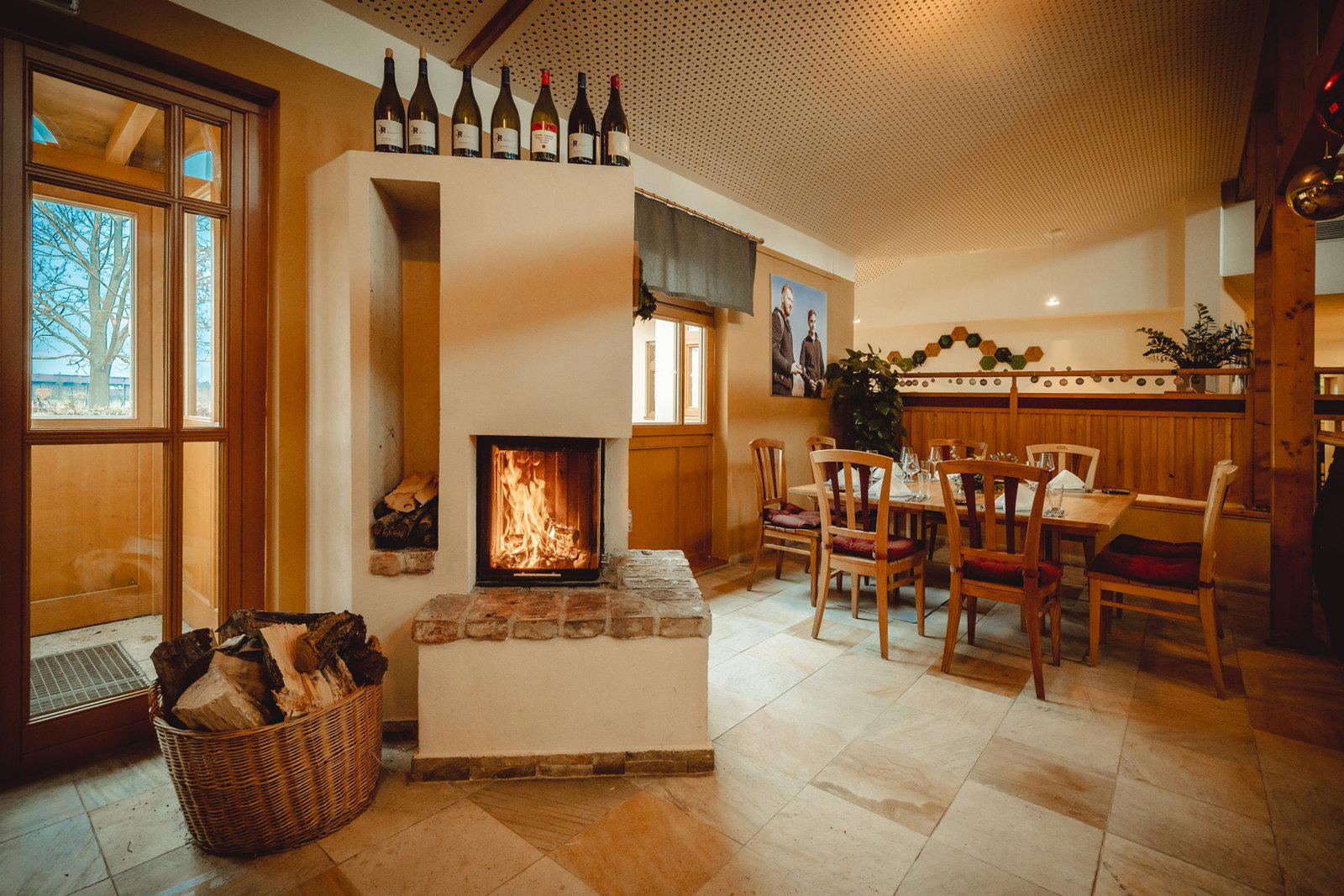
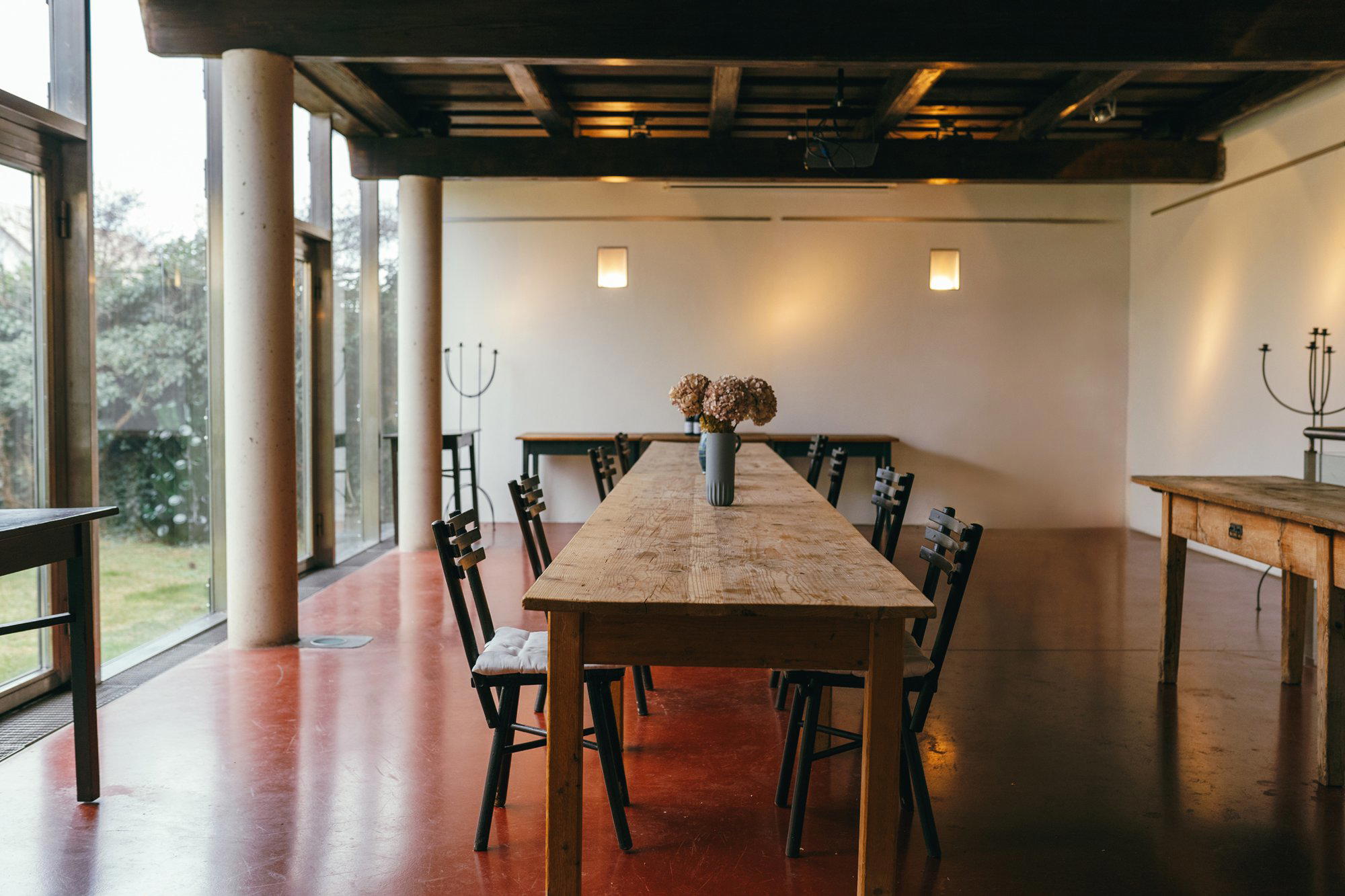
Bunte Wände voller Anime-Charaktere create a fun, casual Japan-meets-anime atmosphere with friendly vibes.