Michelin Plate
Our verdict
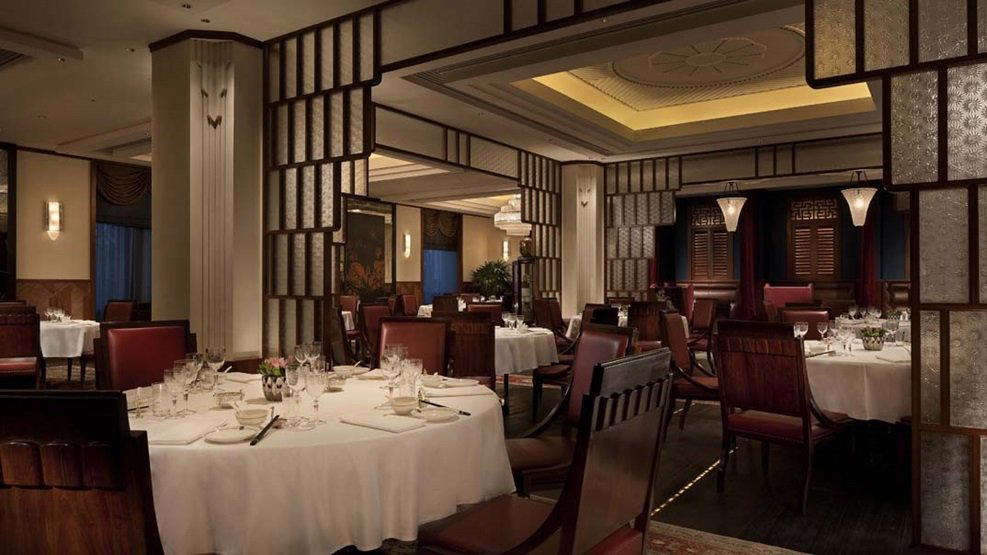
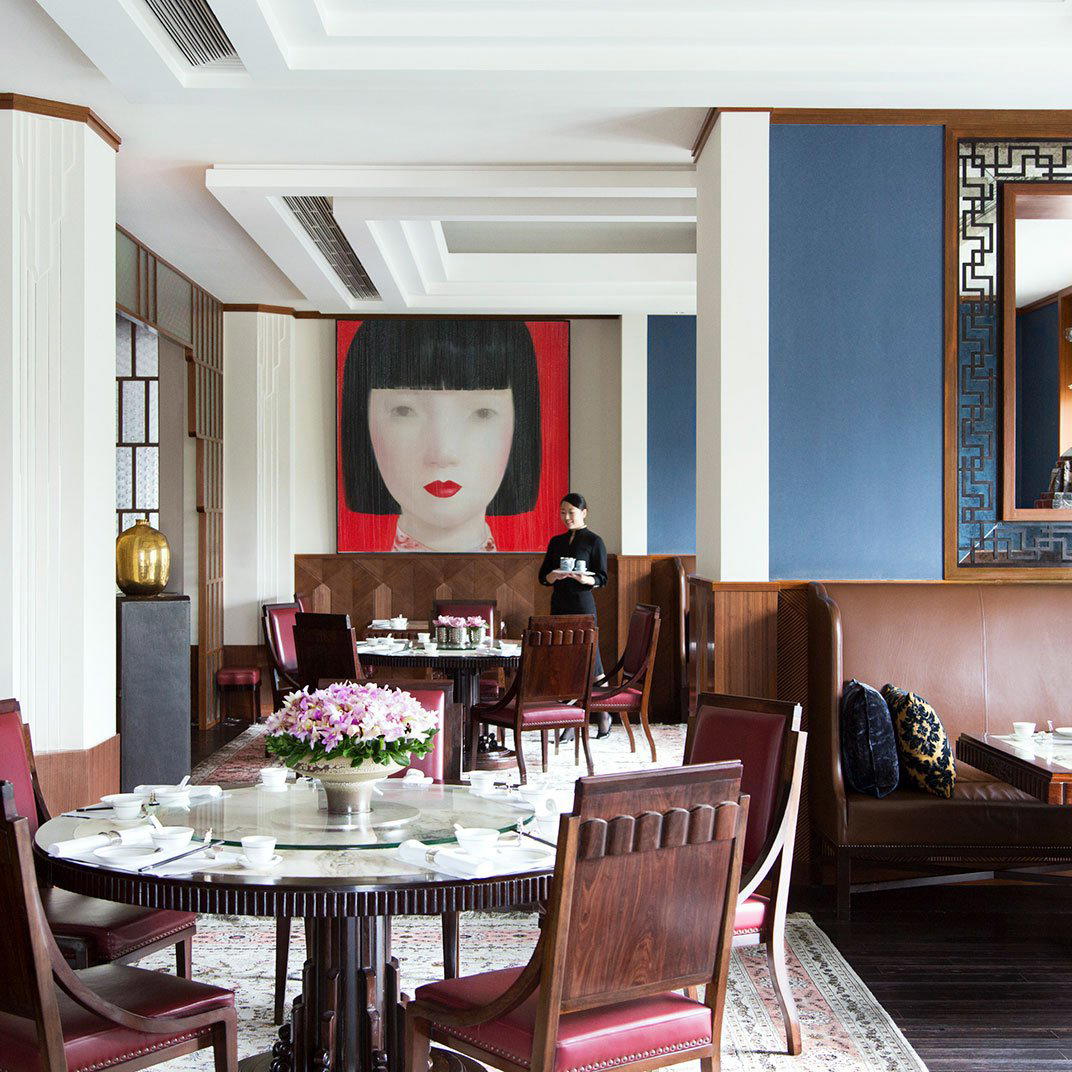
Tea Culture on East Beijing Road holds back-to-back Michelin Plate recognition (2024 and 2025) for its Huaiyang cooking in Pudong, Shanghai. Positioned at the ¥¥¥ price tier, the restaurant represents one of the more considered addresses for this restrained, product-driven cuisine outside the traditional Huangpu dining corridor. Huaiyang specialists in Shanghai occupy a competitive but narrow field, and Tea Culture sits consistently within it.

Pearl is the En Primeur Club membership app, where members save venues, book tables and use the concierge.
Pudong and the Quiet Case for Huaiyang
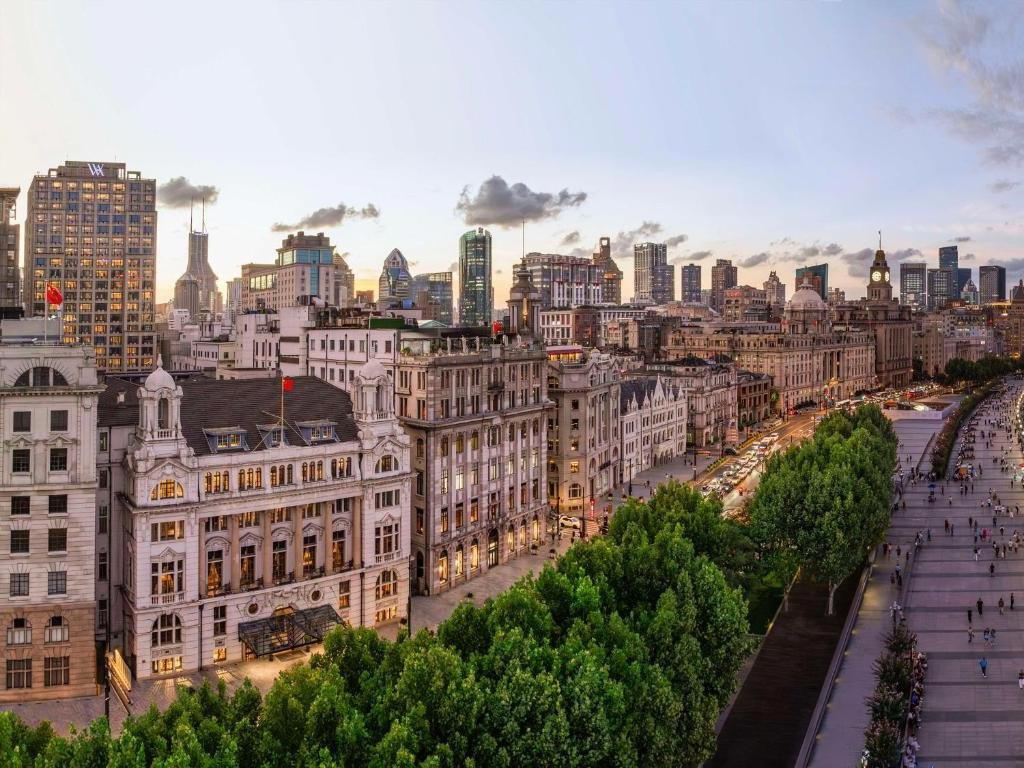
Pudong's dining reputation has long trailed Puxi's. The financial district draws expense-account crowds, but the deeper restaurant culture, the kind that sustains Michelin recognition across consecutive years, has been slower to consolidate east of the river. Tea Culture, at 549 Yinghua Road near Century Park, represents a data point in the argument that Pudong's mid-to-upper tier is maturing. Two consecutive Michelin Plate awards, in 2024 and 2025, suggest a kitchen operating with consistency rather than novelty.
The Michelin Plate designation sits below Star level in the Guide's hierarchy, but it carries a specific editorial meaning: food worth stopping for. At the ¥¥¥ price tier, Tea Culture positions itself in the middle of the premium Chinese restaurant bracket, above the casual regional chains and below the full-tasting-menu operations that run at ¥¥¥¥. For a Huaiyang specialist, this is a credible position.
What Huaiyang Cooking Actually Asks of a Kitchen
Huaiyang cuisine originates from the Huai River and Yangtze River delta region, Yangzhou and Huaian primarily, and its defining characteristic is a refusal of spectacle. There are no Sichuan-style heat ladders to climb, no dramatic tableside preparations. The cuisine's prestige rests on knife technique, on the precise handling of freshwater fish and braised meats, and on a broth clarity that takes hours to achieve and seconds to ruin. A Huaiyang meal rewards sequential attention in a way that noisier cuisines don't require.
That sequential quality makes Huaiyang cooking well-suited to the multi-course format. The progression typically moves from delicate cold preparations through soups and braised dishes toward more assertive main courses, with rice-based dishes or noodles arriving late. Each stage depends on the one before it: a palate blunted by overaggressive early courses will miss the distinctions in a well-made lion's head meatball or a Yangzhou fried rice built on properly aged lard and separated egg. The cuisine asks its kitchen to sequence with discipline, not just execute individually.
In Shanghai, the Huaiyang category is populated but not crowded at the serious end. Yangzhou Fan Dian (Huangpu) represents the more institutional end of the tradition in the city. Across the broader region, The Huaiyang Garden in Macau and Huaiyang Fu (Dongcheng) in Beijing extend the same tradition into different competitive contexts. Tea Culture's position in Pudong gives it a geographic niche within Shanghai that the Huangpu-based addresses don't cover.
The Arc of a Meal: How the Progression Holds
The editorial angle for evaluating a Huaiyang kitchen is less about any single dish and more about whether the sequencing is coherent. Cold starters in this tradition function as a calibration, a test of the kitchen's grip on temperature control and seasoning restraint. A Huaiyang meal that opens aggressively, with strong vinegars or heavy sesame, signals poor sequencing regardless of technical execution later.
Soup placement matters equally. A well-timed clear broth, arriving after the cold courses and before the braises, resets the palate and signals kitchen confidence. Kitchens that rush past this stage, or that serve broth of insufficient clarity, tend to underperform in the course that follows: the braised meat preparations where Huaiyang cooking concentrates its identity.
The final stages of a Huaiyang progression, where staple dishes like Yangzhou fried rice or hand-pulled noodles appear, are often treated as afterthoughts at middling restaurants. At serious kitchens, they function as a closing argument. Fried rice built on day-old rice, separated egg whites and yolks added at different stages, cooked over high heat with restraint: the technical demands are high, and the difference between a correct execution and a perfunctory one is immediately apparent.
Whether Tea Culture meets these sequential standards across all stages cannot be verified without direct sourced accounts, but back-to-back Michelin Plate recognition implies a kitchen that at minimum satisfies the Guide's inspectors on consistency. The ¥¥¥ price tier also suggests a format that supports proper multi-course presentation rather than the compressed menus common at lower price points.
Shanghai's Broader Premium Chinese Tier
For context, Tea Culture sits in a Shanghai market where the premium Chinese dining category spans several cuisines and price points. 102 House (Cantonese) and Fu He Hui (Vegetarian) both operate at ¥¥¥¥, above Tea Culture's tier. Xin Rong Ji (West Nanjing Road), representing Taizhou cuisine, occupies the same ¥¥¥ bracket and holds stronger Michelin credentials. Taian Table, at the modern European end, represents a different competitive set entirely but anchors the upper range of the Shanghai market.
For readers considering regional Chinese cuisine across cities, comparable benchmarks include Ru Yuan in Hangzhou, Xin Rong Ji (Xinyuan South Road) in Beijing, Xin Rong Ji in Chengdu, Chef Tam's Seasons in Macau, Imperial Treasure Fine Chinese Cuisine in Guangzhou, and Dai Yuet Heen in Nanjing for calibrating how a Michelin Plate Huaiyang restaurant in Pudong fits into the region's wider premium dining picture.
Planning a Visit
Tea Culture is located at 549 Yinghua Road in Pudong, near Century Park. The area is accessible by Metro Line 2 (Century Park station), making it reachable from central Shanghai without a car. As a ¥¥¥ venue with Michelin recognition, advance booking is advisable, particularly for weekend dinners when Pudong's resident and business populations concentrate demand.
| Venue | Cuisine | Price | Michelin Recognition | Location |
|---|---|---|---|---|
| Tea Culture (East Beijing Road) | Huaiyang | ¥¥¥ | Plate 2024, 2025 | Pudong |
| Yangzhou Fan Dian (Huangpu) | Huaiyang | Not listed | Not listed | Huangpu |
| Xin Rong Ji (West Nanjing Road) | Taizhou | ¥¥¥ | Higher Michelin tier | Jing'an |
| Fu He Hui | Vegetarian | ¥¥¥¥ | Starred | Changning |
For a broader picture of where Tea Culture sits within Shanghai's dining options, see our full Shanghai restaurants guide. Further city resources: Shanghai hotels, Shanghai bars, Shanghai wineries, and Shanghai experiences.
Frequently asked questions
What kind of recognition has Tea Culture (East Beijing Road) received?
Tea Culture (East Beijing Road) has received recognition including: Michelin Plate (2025); Michelin Plate (2024).
What's the pricing like at Tea Culture (East Beijing Road)?
Pricing at Tea Culture (East Beijing Road) is listed as ¥¥¥.
What should I order at Tea Culture (East Beijing Road)?
The Michelin Plate recognition across 2024 and 2025 points to the kitchen's consistency with Huaiyang fundamentals, so focus on the cold starter sequence and any clear broth preparations, which are the benchmarks by which Huaiyang cooking is typically judged. Braised meat courses are equally central to the tradition and worth anchoring the meal around. At the ¥¥¥ price tier, the expectation is a full progression rather than selective ordering, so let the kitchen's sequencing guide the meal rather than picking individual dishes.
What kind of cuisine does Tea Culture (East Beijing Road) serve?
What's the address for Tea Culture (East Beijing Road)?
Tea Culture (East Beijing Road) is located at 549 Yinghua Rd, 世纪公园 Pudong, Shanghai, China, 201204, Shanghai.
Budget Reality Check
A quick peer list to put this venue’s basics in context.
| Venue | Cuisine | Price | Awards | Notes |
|---|---|---|---|---|
| Tea Culture (East Beijing Road)This venue (the venue you are viewing) | Huaiyang Chinese with Tea Focus | Not listed | Michelin Plate | Not listed |
| Fu He Hui | Modern Seasonal Vegetarian Fine Dining | $200–300 | 2 Michelin Stars · World's 50 Best #11 | Vegetarian |
| Ming Court | Cantonese with Shanghainese Influences | $30–50 | 1 Michelin Star · Black Pearl 1 Diamond | Cantonese |
| Polux | French Bistro | $30–50 | Michelin Bib Gourmand | French |
| Royal China Club | Cantonese Dim Sum | $100–150 | Michelin Plate · The Good Food Guide GFG Good | Chinese, Cantonese |
| Scarpetta | Refined Italian Pasta & Pizza | $50–100 | Michelin Plate · Wine Spectator Best of Award of Excellence | Italian |
Recognition history
Dated appearances from independent guides and award organizations, with the underlying list record or original source where available.
Michelin Plate
Michelin
Full recognition history (2 entries)
Michelin Plate
Michelin