






2 Michelin Stars · La Liste Top Restaurants · Forbes 5-Star
Our verdict
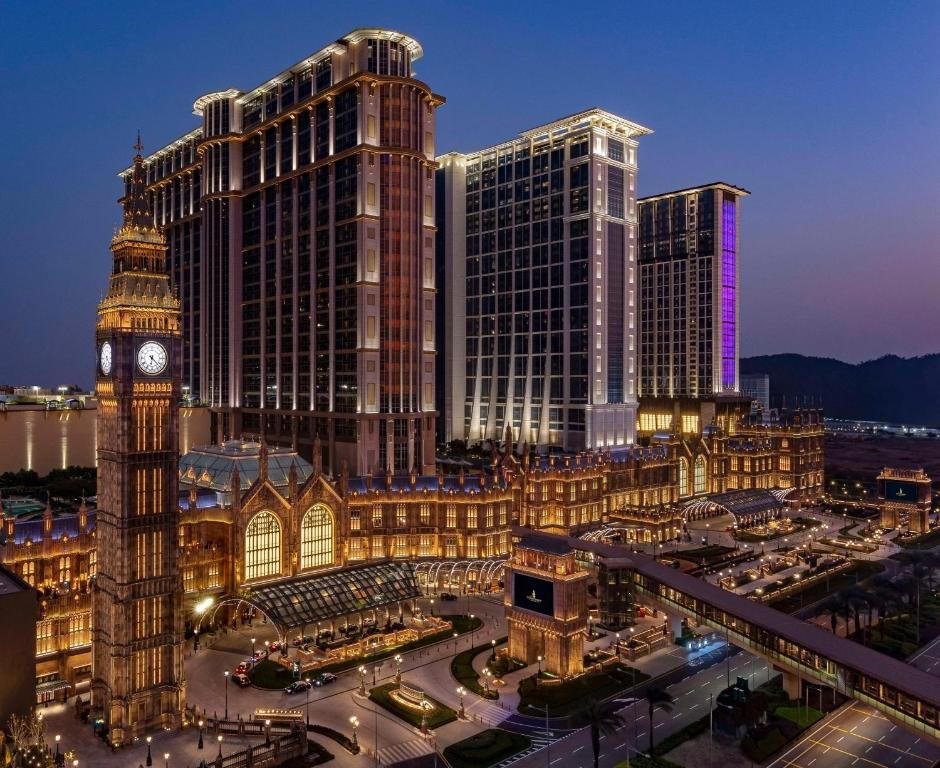
The Huaiyang Garden brings two Michelin stars and a 94-point La Liste 2026 score to Macau's fine-dining circuit, with chef Zhou Xiaoyan, widely credited as the foremost master of Huaiyang cuisine, steering a 106-seat dining room inside The Londoner Macao. The Jiangnan-inspired interior, a 565-label wine list, and multi-course tasting menus built around seasonal Jiangsu ingredients make this a serious case for pre-booking well in advance.

Pearl is the En Primeur Club membership app, where members save venues, book tables and use the concierge.
The menu
What to order
- Stewed pork ball with crab roe
- Steamed Hilsa herring with 20-year-old Huadiao wine
- Shredded bean curd with crab meat and egg white
- Wensi tofu soup
A Classical Chinese Garden, Reconsidered for the Dinner Table
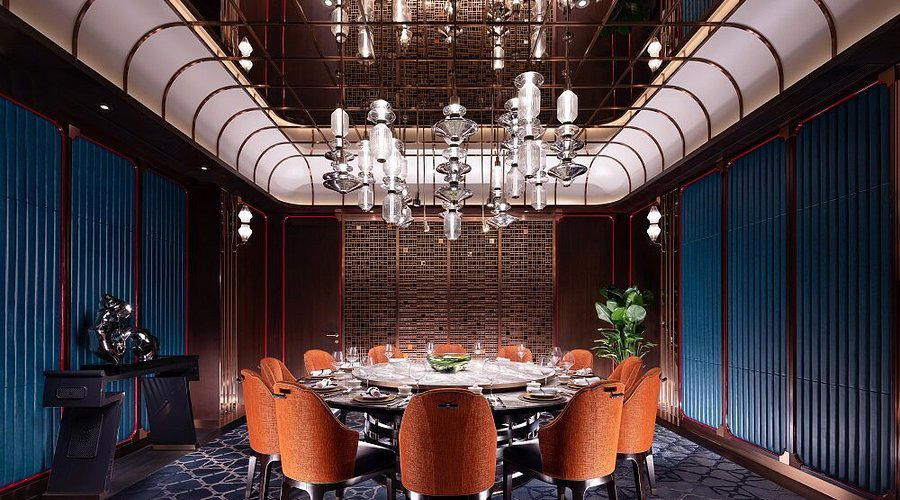
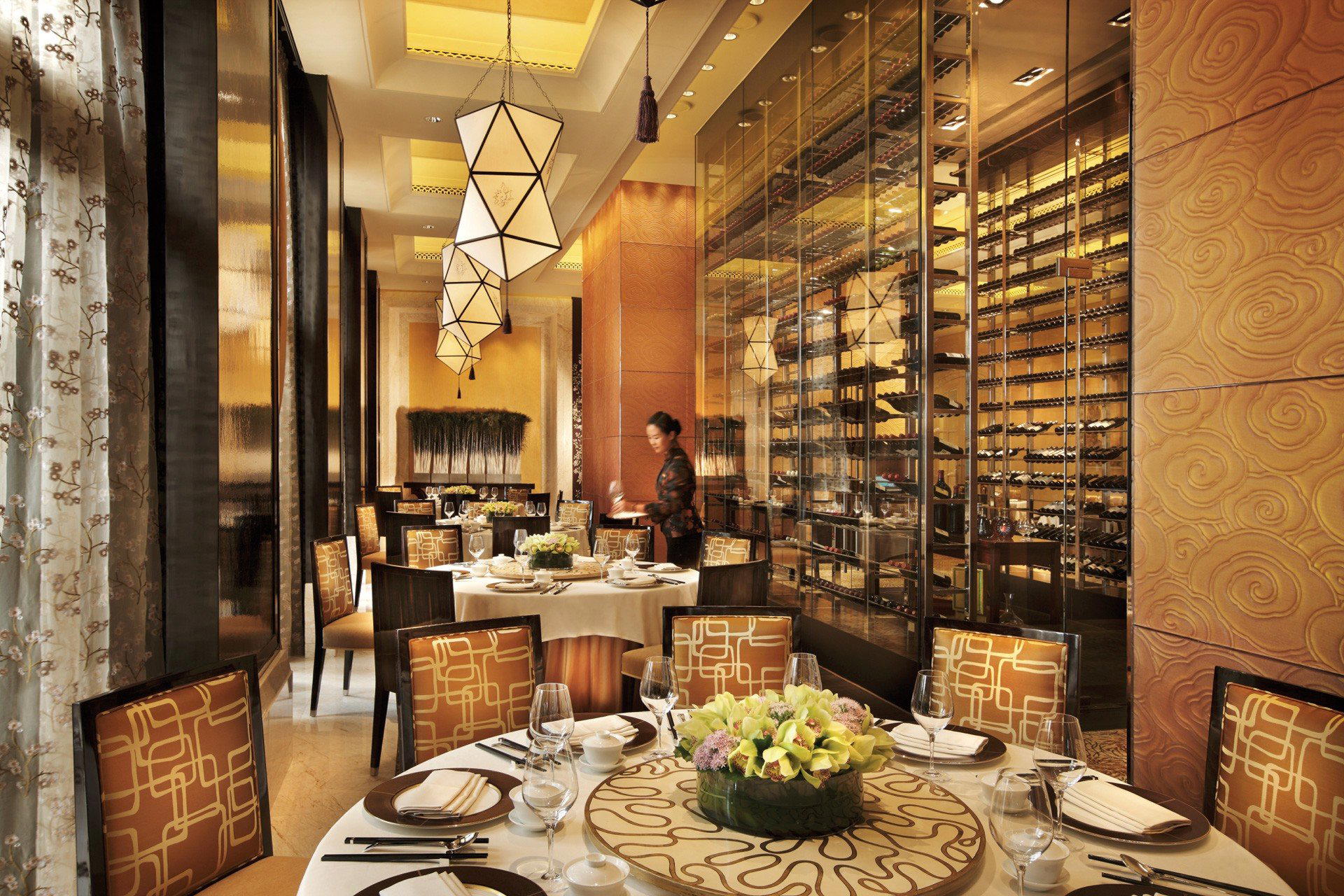
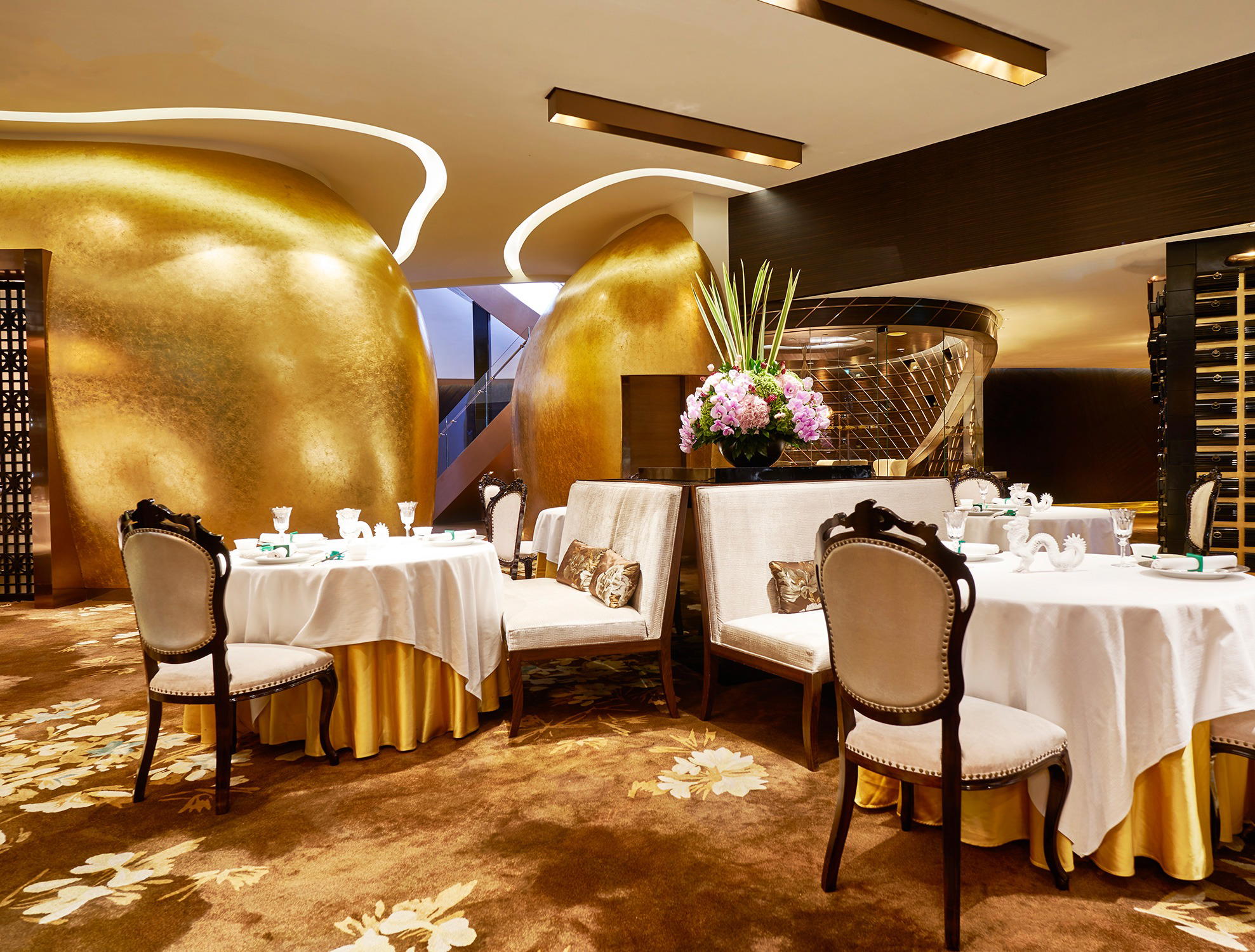
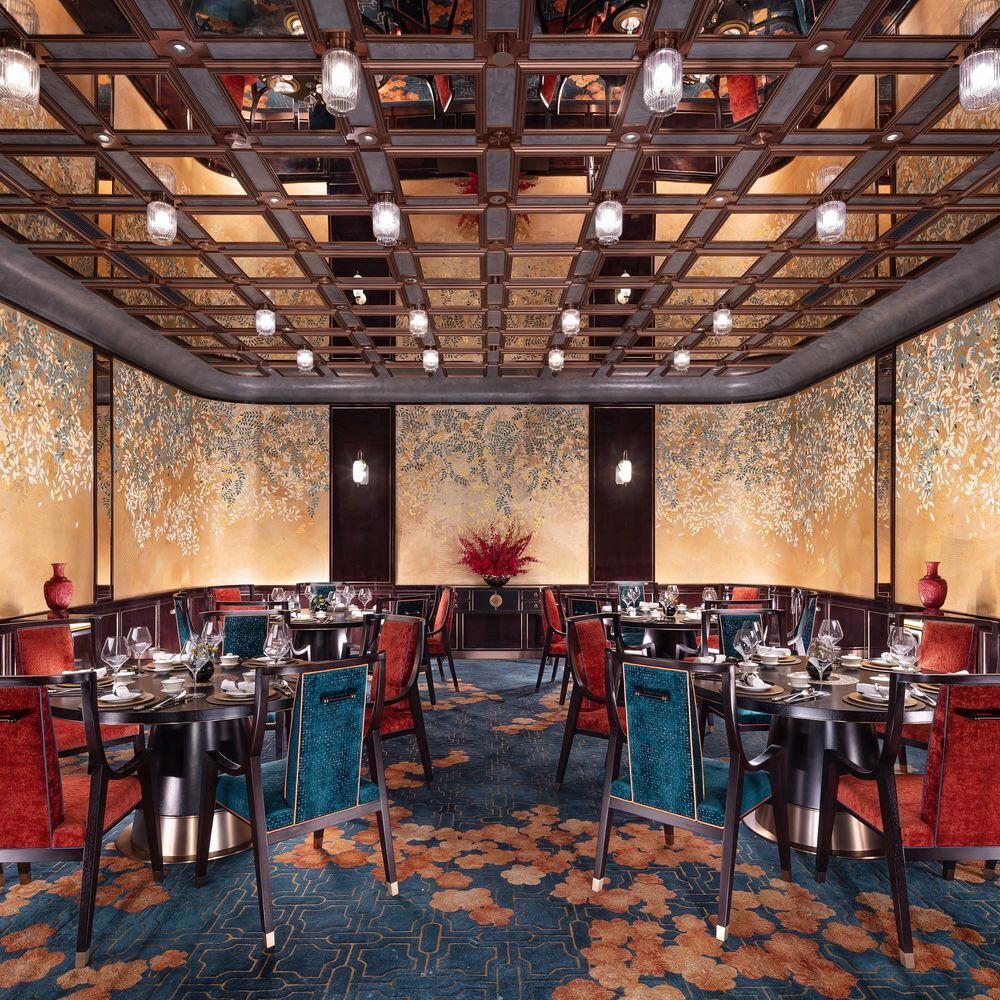
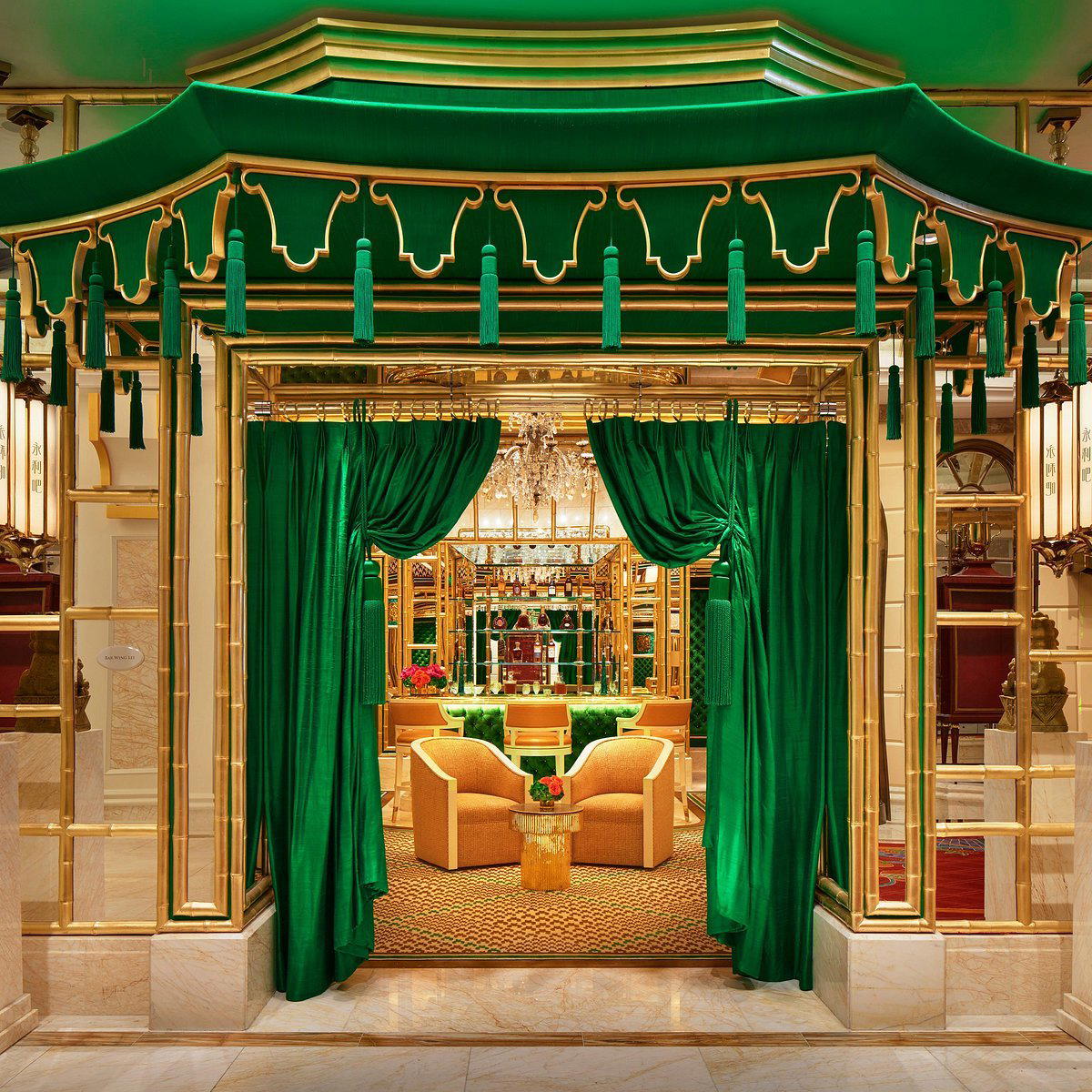
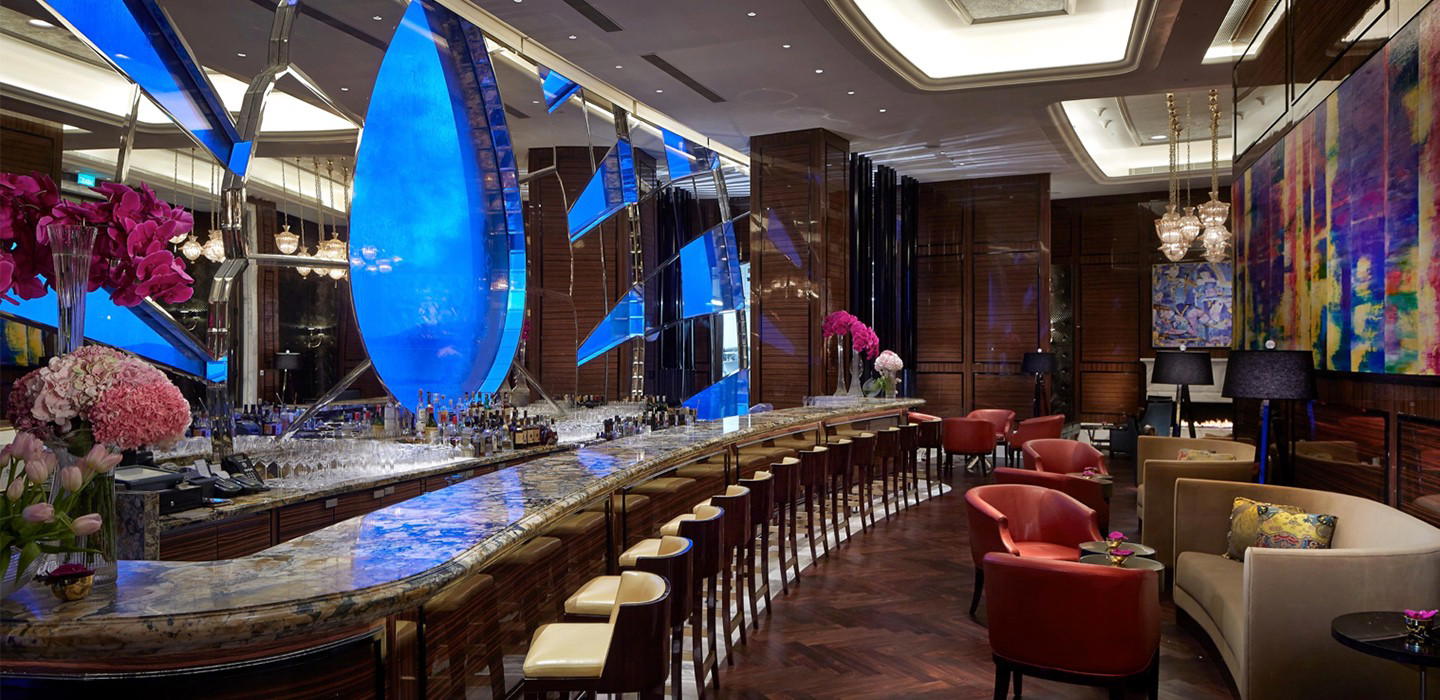
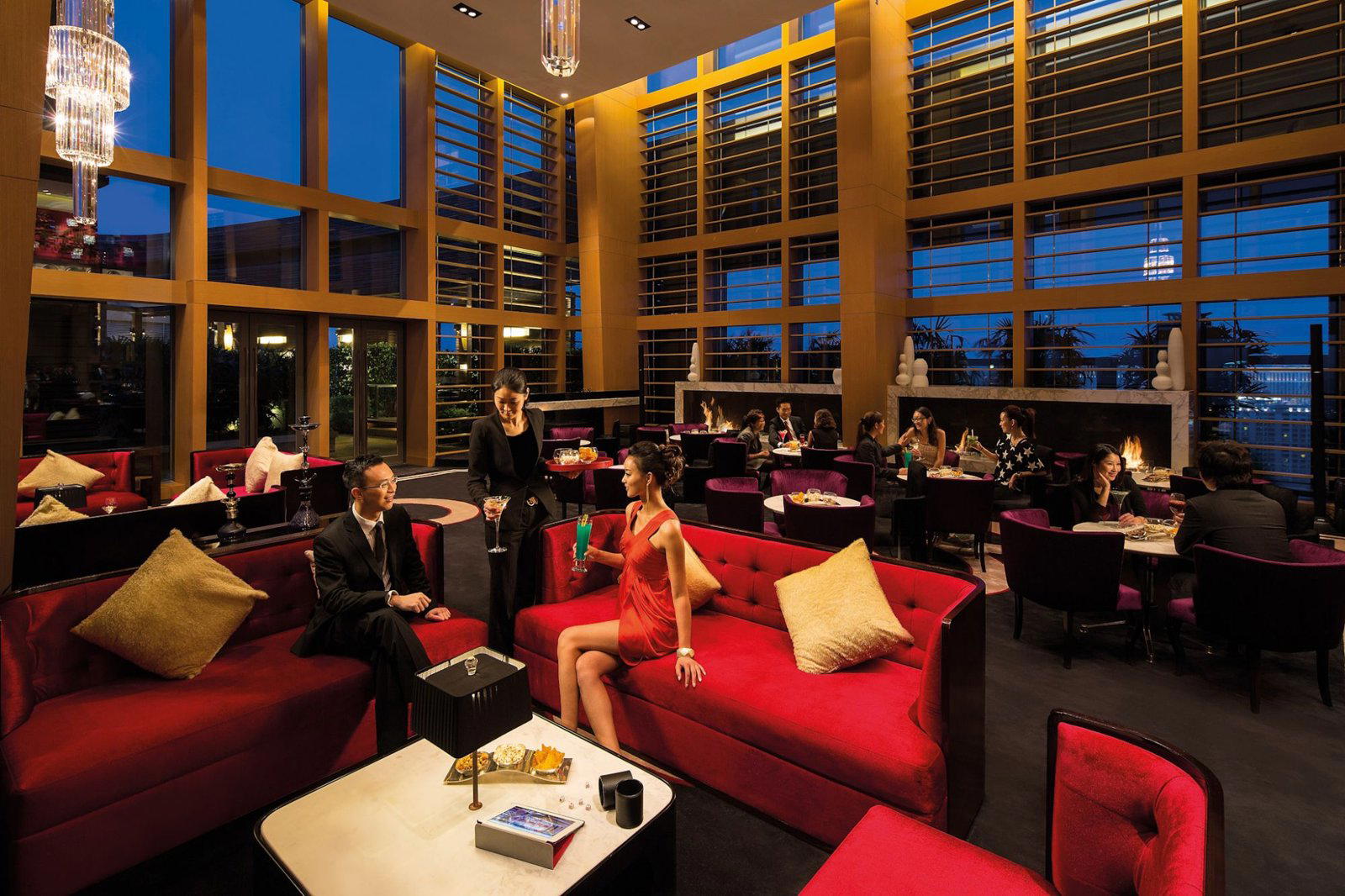
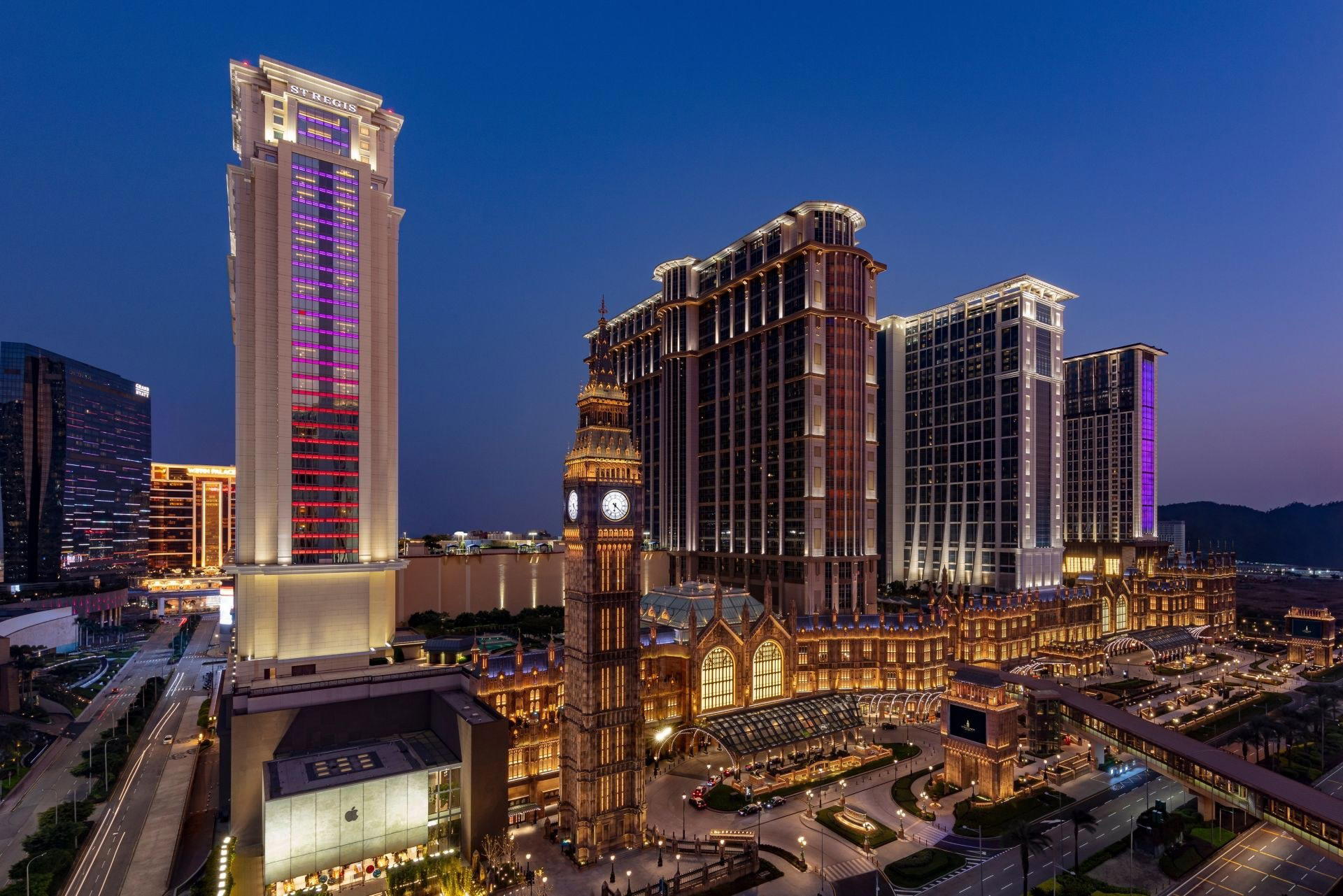
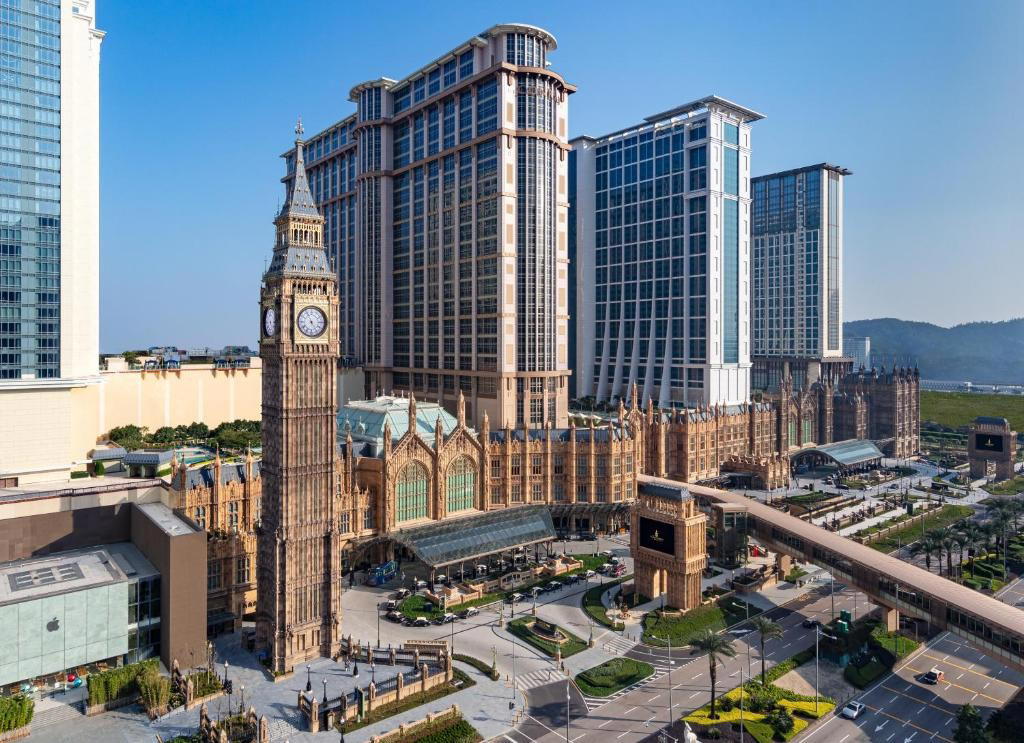
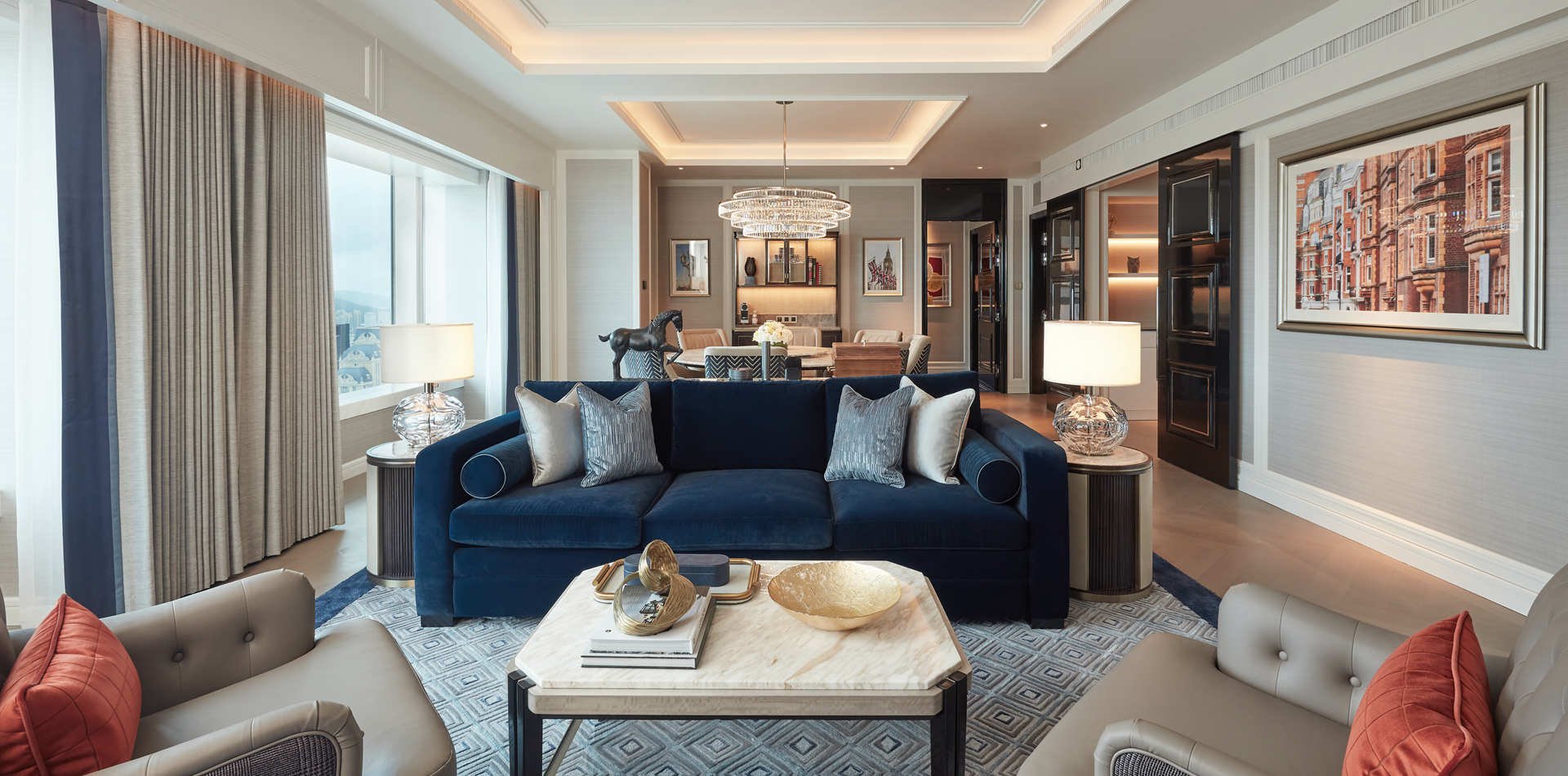
Walk through the moon gates on Level 2 of The Londoner Macao and the sensory register shifts abruptly. Jewel-toned walls hang with hand-embroidered silk wallpaper depicting osmanthus blossoms and willow branches, flowers signifying nobility, trees tied to immortality in classical Chinese symbolism. Diamond-shaped lanterns cast warm light over lattice screens and rippled metal panels that reference water surfaces from the Jiangnan river delta. The music is low and deliberate. The 106 seats are arranged with generous niches between groupings, making the room feel smaller than it is. For a casino-resort hotel with the scale of The Londoner Macao, The Huaiyang Garden reads as a considered counterpoint: restrained, private-feeling, and focused.
Macau's fine-dining circuit has long concentrated around Cantonese and French Contemporary formats. Venues like Jade Dragon, Chef Tam's Seasons, Robuchon au Dôme, and Alain Ducasse at Morpheus occupy that dominant bracket. Huaiyang cuisine, one of four great traditional Chinese culinary schools, originating more than three millennia ago along the southern banks of the Huai and Yangtze rivers, represents a narrower, more demanding position in this market. Its hallmarks are seasonality, labour-intensive preparation, and flavours calibrated for subtlety rather than intensity. That discipline makes it harder to execute at a high level and harder to communicate to a dining public more familiar with the bolder profiles of Sichuan or Cantonese cooking. Two Michelin stars in both 2024 and 2025, plus a 94-point score in the La Liste Leading Restaurants ranking for 2026, confirm that The Huaiyang Garden has managed both challenges.
The Architecture of the Meal: Reading a Huaiyang Tasting Menu
The ten- and twelve-course tasting menus here are the clearest argument for what Huaiyang cuisine can do at altitude. The tradition rewards patience, not in the sense of waiting, but in the sense of attention. Courses build from delicate to rich without the textural drama of Cantonese banquet sequencing or the aggressive spice escalation found at places like Feng Wei Ju. Each dish arrives as a demonstration of a specific technique, sourcing decision, or preparation timeline.
The shredded bean curd with crab meat and egg white in superior broth, Zhou's most referenced dish, illustrates the kitchen's logic precisely. Bean curd is cut into hundreds of razor-thin strips, a process that requires both skilled knife work and a thorough understanding of the ingredient's structural limits. The strips combine with king crab and a broth that requires four hours of preparation. The result is a dish in which the primary sensation is one of lightness and precision rather than richness. It sets a particular expectation for the meal that follows.
Later courses introduce greater weight. The stewed pork ball with crab roe in superior soup, Lion's Head in classical Huaiyang terminology, takes two full days from start to finish. Texture here is the point: the meatball should yield without resistance, and the crab roe broth should carry enough body to coat without cloying. The steamed hilsa herring with 20-year-old Huadiao wine is technically among the more demanding preparations in the menu. The kitchen removes 164 bones from each fish without altering its shape, then steams it with aged Shaoxing wine. The 20-year age on the Huadiao is not decorative: older Huadiao carries a rounder, less acidic character that suits the delicacy of hilsa without overpowering it.
For those wanting broader context on how Huaiyang tasting menus are structured across the region, comparable reference points include Huaiyang Fu in Beijing, Jiangnan Wok · Yun in Nanjing, Ru Yuan in Hangzhou, and 102 House in Shanghai, each operating within the same culinary tradition but with differing emphases on seasonal produce, regional sourcing, and presentation style.
Sourcing and the Kitchen's Supply Logic
Zhou Xiaoyan, identified in the industry as the foremost master of Huaiyang fare after more than four decades working within the tradition, applies a sourcing policy grounded in geographic specificity. Shrimp, eel, hilsa herring, vegetables, and bamboo shoots are sourced directly from Jiangsu province. The sautéed river shrimp dish, for instance, combines Jiangsu native river shrimp with Biluo green tea leaves from Suzhou, pairing two ingredients from the same regional ecosystem. This approach reflects a broader Huaiyang principle: the cuisine's flavour logic depends on ingredients that carry the particular character of the Jiangnan delta's soil and waterways. Substitution flattens the result.
Zhou also produces a proprietary Suzhou cooking wine on-site in Macau: a blend of a dozen spices and Chinese yellow rice wine, marinated for twelve months before it enters a single dish. That kind of preparation timeline sits at the far end of what most restaurant kitchens will undertake. It is the sort of detail that becomes legible to a diner only in accumulated effect across the meal, rather than in any single bite. At other high-end Chinese venues across the region, Xin Rong Ji in Beijing, Xin Rong Ji in Chengdu, or Imperial Treasure Fine Chinese Cuisine in Guangzhou, in-house production of specific condiments or fermented components is not uncommon at this price tier, but the twelve-month preparation cycle here is at the outer edge of that practice.
Beverages: A Wine Program Built for Pairing
Wine Director Arnaud Echalier oversees a list of 565 selections across an inventory of approximately 2,980 bottles, with primary strength in France, Italy, and Portugal. Pricing sits in the $$$ bracket, meaning a significant portion of the list includes bottles above $100. Corkage is set at $50 for those bringing their own wine. The list's geographical emphasis, particularly France, is a considered choice for Huaiyang cuisine: the mineral character and restraint of quality Burgundy and Loire whites tends to complement rather than compete with the cuisine's lighter preparations, whereas heavier new-world wines can overwhelm them.
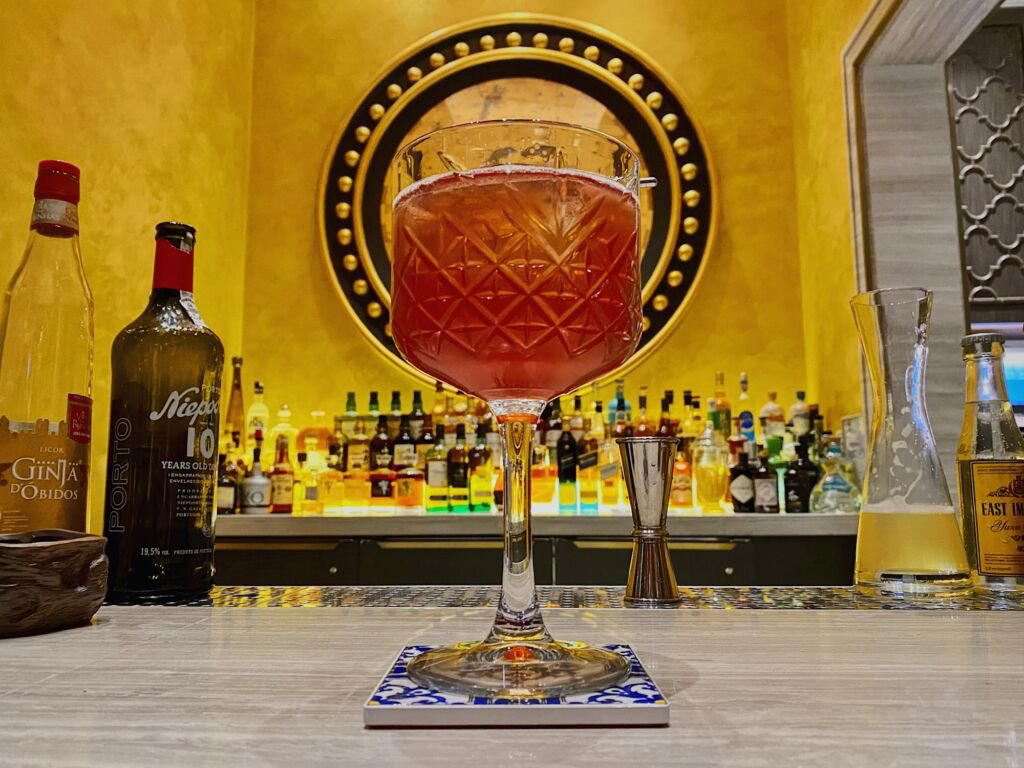
The cocktail program takes a different direction, drawing directly from the geography of the cuisine. The Slender West Lake, osmanthus-infused gin with Bénédictine, lemon, elderflower juice, and floral mist, references the landmark canal city of Yangzhou, the spiritual home of Huaiyang cuisine. It is a cocktail designed to pair with the early, more delicate courses of the meal rather than function as a standalone aperitif. Macau's broader bar scene operates at a different register entirely; the cocktail program here is deliberately integrated into the dining experience rather than positioned as an independent attraction.
Private Dining, Dress Code, and Practical Notes
Three private dining rooms are available for groups wanting separation from the main dining room, each with silver chandeliers, silk wallpaper, and abstract sculptures. One room includes a private entryway and a separate living area for pre- or post-dinner use. The main dining room's smart casual dress code is enforced, sandals and casual athletic wear are not appropriate. Children under ten are welcome in the private rooms but not in the main dining area, a policy that shapes the ambient character of the room considerably: evenings here run quiet and unhurried.
The restaurant is dinner-only. Cuisine pricing sits at the $$$ tier (above $66 for a typical two-course meal, excluding beverages), and the tasting menu format means most tables will spend significantly beyond that baseline. For planning purposes: our full Macau restaurants guide covers the broader dining scene, and our Macau hotels guide provides options for those building a stay around the meal. The Londoner Macao also has access to Macau's wider experiences circuit, and the wineries guide is useful context for those interested in the region's beverage culture alongside dining. Visitors specifically interested in comparing regional Chinese culinary traditions across Macau will also find Dai Yuet Heen in Nanjing a useful reference point for how Jiangnan-influenced cooking translates across different city contexts.
Frequently asked questions
What is the signature dish at The Huaiyang Garden?
What is the atmosphere like at The Huaiyang Garden?
Is The Huaiyang Garden suitable for children?
Peers Worth Knowing
A small set of peers for context, based on recorded venue fields.
| Venue | Cuisine | Price | Awards | Notes |
|---|---|---|---|---|
| The Huaiyang GardenThis venue (the venue you are viewing) | Two-Michelin-Star Huaiyang Cuisine | $200–300 | 2 Michelin Stars · La Liste Top Restaurants | Not listed |
| Aji | Asian Bistronomy (Nikkei Fusion) | $50–100 | 1 Michelin Star · Wine Spectator Best of Award of Excellence | Nikkei, Innovative |
| Ying | Modern Cantonese Fine Dining | Not listed | 1 Michelin Star · La Liste Top Restaurants | Cantonese |
| Five Foot Road | Modern Sichuan Fine Dining | Not listed | 1 Michelin Star · La Liste Top Restaurants | Sichuan |
| Robuchon au Dôme | Contemporary French Fine Dining | $150–200 | 3 Michelin Stars · La Liste Top Restaurants | French Contemporary |
| Feng Wei Ju | Refined Hunan & Sichuan Chinese | Not listed | 2 Michelin Stars · La Liste Top Restaurants | Hunan-Sichuan, Hunanese |
Recognition history
Dated appearances from independent guides and award organizations, with the underlying list record or original source where available.
Michelin 2 Stars
Michelin
La Liste Top Restaurants
La Liste
Black Pearl 1 Diamond
Black Pearl
Forbes 5-Star
Forbes
Opinionated About Dining Top Restaurants in Asia Recommended
Opinionated About Dining
Full recognition history (11 entries)
SCMP 100 Top Tables Restaurants
SCMP 100 Top Tables
Wine Spectator Best of Award of Excellence
Wine Spectator
Forbes 5-Star
Forbes
Michelin 2 Stars
Michelin
Wine Spectator Best of Award of Excellence
Wine Spectator
Michelin 2 Stars
Michelin
Continue exploring
More in Macau
Restaurants in Macau
All restaurants in Macau →
The Huaiyang Garden
The wine
The Huaiyang Garden holds the Wine Spectator Best of Award of Excellence, which Wine Spectator gives to lists of usually 350 or more selections.
- Wine Spectator
- Wine Spectator Best of Award of Excellence
- Selections
- 565
- Bottles in cellar
- 2,980
- List strengths
- France, Italy, Portugal
- Wine director
- Arnaud Echalier
- Sake program
Details
- Elegant
- Sophisticated
- Classic
- Intimate
- Special Occasion
- Celebration
- Date Night
- Family
- Business Dinner
- Private Dining
- Hotel Restaurant
- Sake Program
- Local Sourcing
- Sustainable Seafood
- Garden
Current opening hours
- Monday
- 5:30–11 p.m.
- Tuesday
- 5:30–11 p.m.
- Wednesday
- Closed
- Thursday
- 5:30–11 p.m.
- Friday
- 5:30–11 p.m.
- Saturday
- 5:30–11 p.m.
- Sunday
- 5:30–11 p.m.
Hours can change for holidays and private events. Hours as of .
Elegant classical Chinese garden theme with rich jewel tones, hand-embroidered silk wallpaper, perforated screens, subtle lighting, and serene music creating a sophisticated and intimate atmosphere.