
.png)

On Jiujiang Road in Huangpu, Shanghai the restaurant earns consistent recognition across La Liste (90 points, 2026), two consecutive Michelin Plates, and a Black Pearl Diamond for Shanghainese cooking that holds to the form of the tradition rather than reinterpreting it. The price tier sits at ¥¥¥, positioning it in the mid-to-upper bracket of the city's classical Chinese dining circuit.
Pearl is the En Primeur Club membership app — saves, bookings, and concierge access live there. Same editors, same standards.
- Address
- 555 Jiujiang Rd, Huangpu, China, 200002
- Phone
- +86 21 5396 5000
- Website
- wbh-sh.com
 Saves & bookings on Pearl
The Weight of Huangpu on a Plate
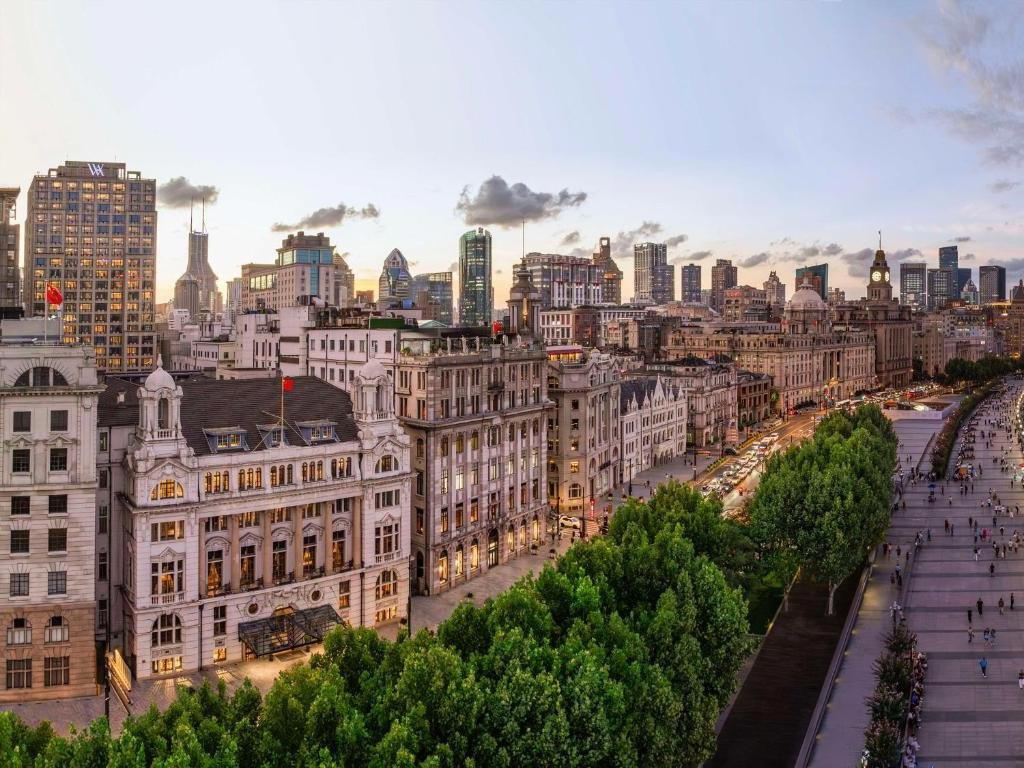
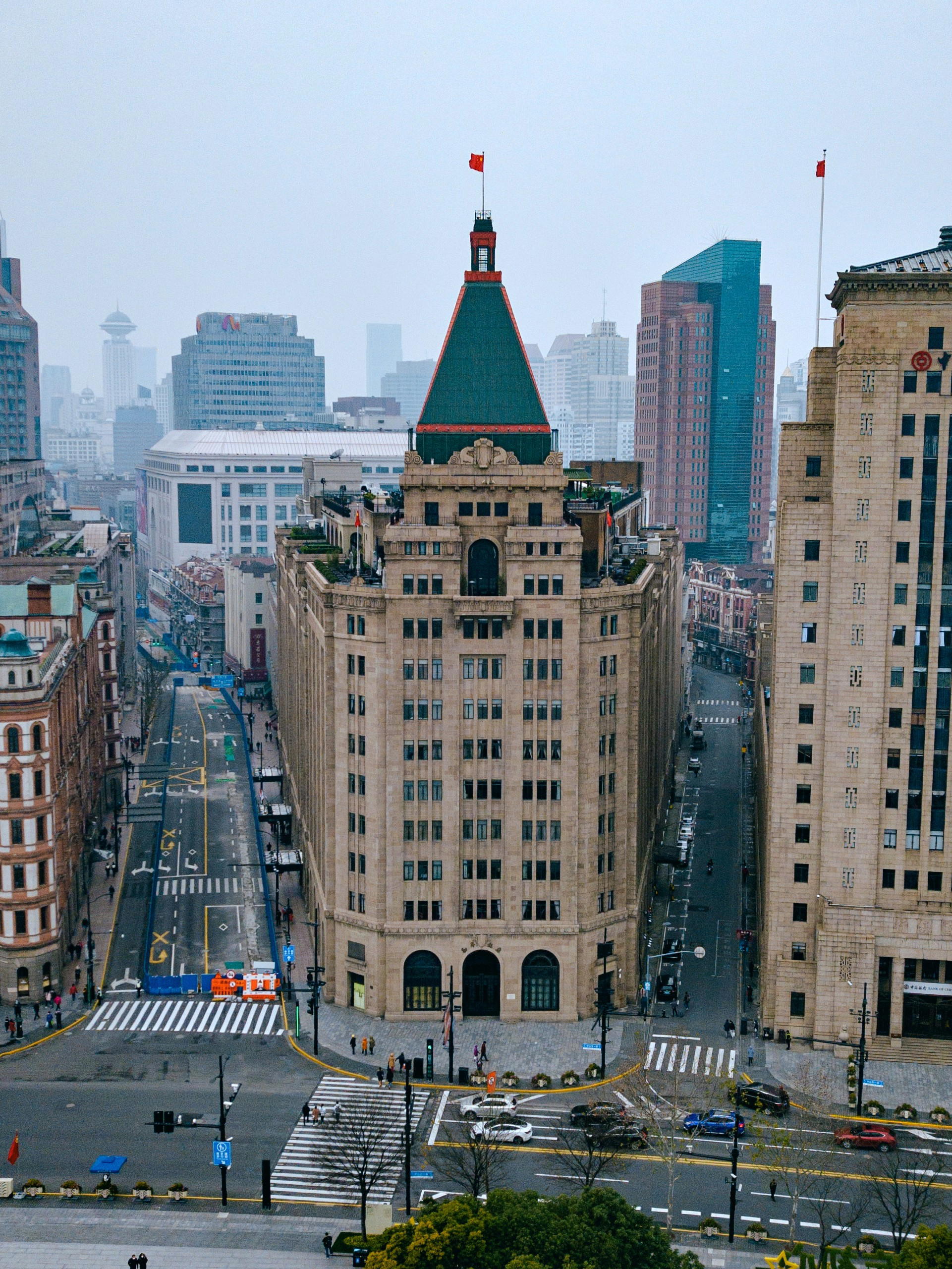
Jiujiang Road cuts through Huangpu the way old Shanghai has always worked: layers of history compressed into a short walk, commercial density softened at street level by buildings that carry the weight of decades. The address at 555 Jiujiang Road places this restaurant inside one of the city's most historically loaded districts, where the dining culture has long operated on different terms than the glassier precincts further west. Here, classical Shanghainese cooking is not a concept or a revival. It is a going concern, practiced with a consistency that has earned the kitchen three consecutive years of recognised standing, including a 90-point placement on the 2026 La Liste ranking and a Black Pearl 1 Diamond for 2025.
Walking into a room like this, you are entering a particular kind of contract. The pacing, the order of dishes, the logic of the menu, these are not innovations. They reflect a tradition of Shanghainese hospitality that has shaped how the city eats for generations, and understanding that ritual is the key to reading the meal correctly.
The Ritual Logic of Shanghainese Dining
Shanghainese cuisine is one of the most misread of China's major regional traditions when encountered outside its home context. It is frequently reduced to sweet braised pork and soup dumplings, but the full form of a classical Shanghainese meal operates on a more considered architecture. Cold dishes arrive first, not as a salad course in the Western sense, but as a deliberate temperature and flavour calibration before the kitchen's heat-cooked preparations begin. Drunken chicken, marinated river shrimp, smoked fish served at room temperature: these set the register of the meal and signal what kind of kitchen you are dealing with.
The transition from cold plates to hot dishes in a Shanghainese restaurant of this tier follows a rhythm that rewards patience. Braised preparations, the kind that require hours of low heat and careful balance of soy, Shaoxing wine, and rock sugar, arrive when the kitchen determines the moment is right, not when the table demands speed. This is a cuisine built on time, and the service format in Huangpu's classical dining rooms tends to reflect that. Groups gather, dishes accumulate at the centre of the table, and the meal is a collective act rather than an individual progression of courses.
At the ¥¥¥ price tier, this restaurant occupies the mid-to-upper end of the Shanghainese segment in Shanghai, below the rarefied private-room operations that price against banquet tradition, but well above the working-lunch counters in the same neighbourhood. That positioning aligns it with a comparable set that includes the Fu family of restaurants (Fu 1015, Fu 1039, and Fu 1088) and the more classically formatted Lao Zheng Xing, all of which compete for the same diner seeking Shanghainese craft rather than novelty.
What the Awards Are Actually Telling You
In China's fine dining recognition system, the combination of a Michelin Plate, a Black Pearl Diamond, and a La Liste score above 85 points represents a specific kind of credibility. These are not identical systems and they do not measure the same things, but their overlap on a single kitchen suggests a kitchen with consistent technical execution. The Michelin Plate indicates a standard of cooking that the guide's inspectors consider worth noting without yet placing in star territory. The Black Pearl Diamond for 2025 is the China-specific system's mid-tier recognition, above its recommendation level, below its two- and three-Diamond designations. La Liste's 90-point score for 2026 places this restaurant in a competitive bracket internationally, where the scoring reflects a composite of quality signals across food, service, and setting.
Read together, these credentials say: technically reliable, worth booking deliberately, not yet in the elite tier but positioned at the upper edge of serious classical cooking in the city. For a diner choosing between this restaurant and the adjacent options in Huangpu, including Cheng Long Hang, which occupies the same district, the award profile is a useful differentiator rather than a definitive ranking.
Shanghainese in Context: The City and Its Peers
Shanghai's Shanghainese restaurant scene occupies a curious position within the broader map of Chinese regional cooking. The cuisine is native to the city, yet the most celebrated rooms in Shanghai's dining circuit are often Cantonese, Sichuanese, or international. The Shanghainese tradition holds its own at the upper-middle tier, where practitioners prioritise fidelity to the form over media-friendly reinvention. This contrasts with how Shanghainese cooking travels when it leaves the city. Shanghai Cuisine in Beijing and Liu Yuan Pavilion in Hong Kong both operate as outposts representing the tradition in other markets, where the cuisine is necessarily framed as a regional visitor rather than a local inheritance.
The broader context of refined Chinese dining across the region, at venues like Xin Rong Ji in Beijing, Ru Yuan in Hangzhou, Chef Tam's Seasons in Macau, Imperial Treasure Fine Chinese Cuisine in Guangzhou, and Dai Yuet Heen in Nanjing, shows that classical Chinese fine dining in mainland China is consolidating around a shared set of quality signals: consistent award presence, controlled pricing within a recognisable tier, and menus that demonstrate mastery of a specific regional tradition. This restaurant on Jiujiang Road fits that pattern without being reducible to it.
Ordering Strategy and Pacing the Meal
Without access to the current menu, any specific dish recommendation would be fabricated. What the award profile and price tier do confirm is that this is a kitchen where the cold dish selection and the braised preparations are the correct focus of attention. In classical Shanghainese rooms at this level, the cold dishes are often where the kitchen's precision is most visible, flavour balance achieved without the cover of high heat. The braised sections of the menu are where time investment shows. Ordering around those two categories, rather than defaulting to the most familiar Shanghainese dishes available everywhere, is the approach that makes a meal at a kitchen of this standing worth the booking.
For groups, the table-sharing format is assumed rather than optional. Ordering individually in a Shanghainese restaurant at this tier is possible but reads against the grain of how the kitchen composes portions and sequences the meal. Communicating dietary constraints to staff ahead of arrival is the practical step; improvising at the table is less reliable at kitchens where preparation often begins well before service.
Know Before You Go
- Address: 555 Jiujiang Road, Huangpu, Shanghai 200002
- Cuisine: Shanghainese
- Price tier: ¥¥¥ (mid-to-upper range for classical Shanghai dining)
- Awards: La Liste 90 points (2026); Michelin Plate (2024, 2025); Black Pearl 1 Diamond (2025)
- Google rating: 3.0
- Booking: Advance reservation recommended
- Format: Shared-table Shanghainese; cold dishes and braised preparations are the structural focus
Further Reading and Planning
Cuisine and Recognition
Comparable venues nearby, for context on price, style, and recognition.
| Venue | Cuisine | Price | Awards | Notes |
|---|---|---|---|---|
| ShanghaiThis venue — the venue you are viewing | Shanghai (Haipai) Cuisine | $$ | Michelin Plate | |
| Yu Du Lao Wei Mian (Huangpu) | Zhoushan Seafood Noodles | $$ | Bib Gourmand | Yanqiao Xiang |
| Yu Ge Zhanjiang (Jingan) | Zhanjiang Cantonese | $$ | Bib Gourmand | Dabazi |
| Chun | Authentic Shanghainese Home-Style Cooking | $$ | Bib Gourmand | Da Pu Qiao |
| Legend Taste (Jingan) | Yunnanese Folk Cuisine | $$ | Michelin Plate | Jing'an |
| Lao Xing Xian (Huangpu) | Traditional Shanghainese Seafood | $$ | Michelin Plate | Huangpu |
At a Glance
- Casual Hangout
- Family
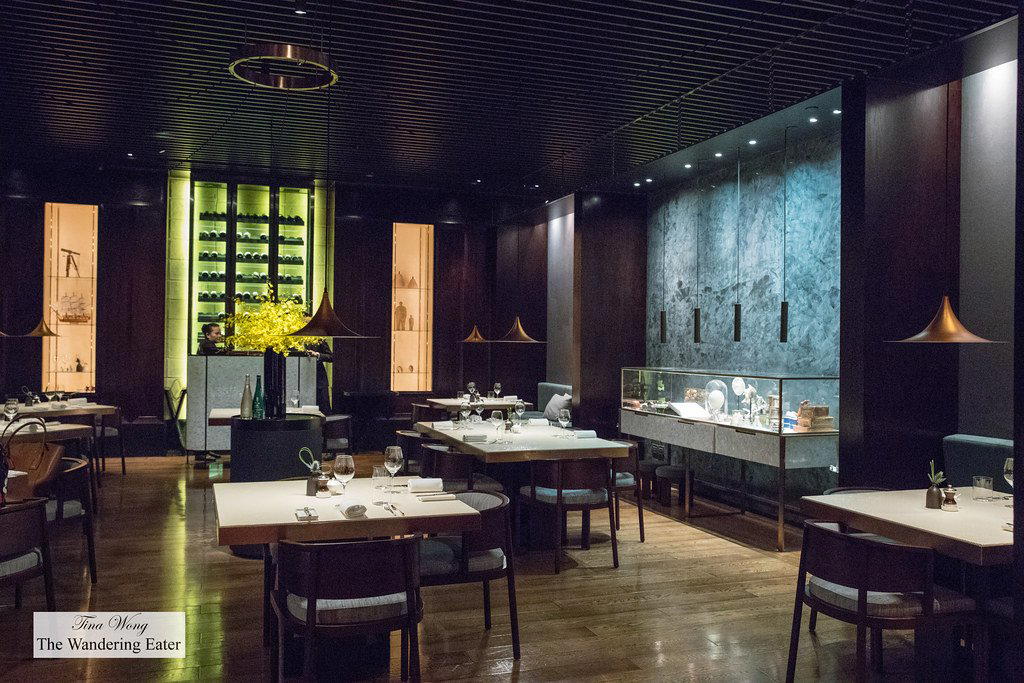
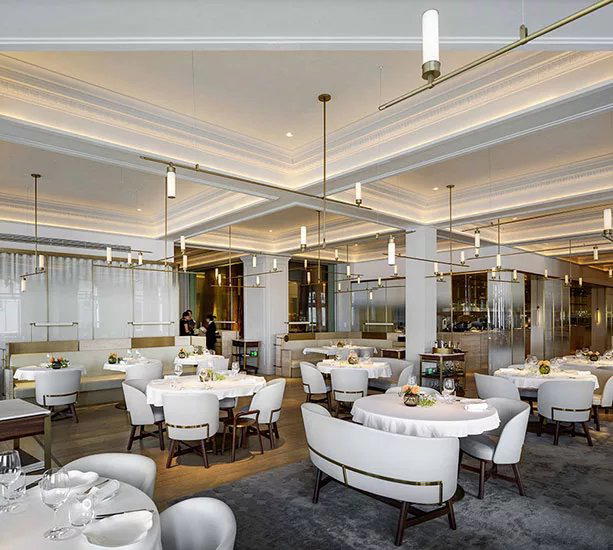
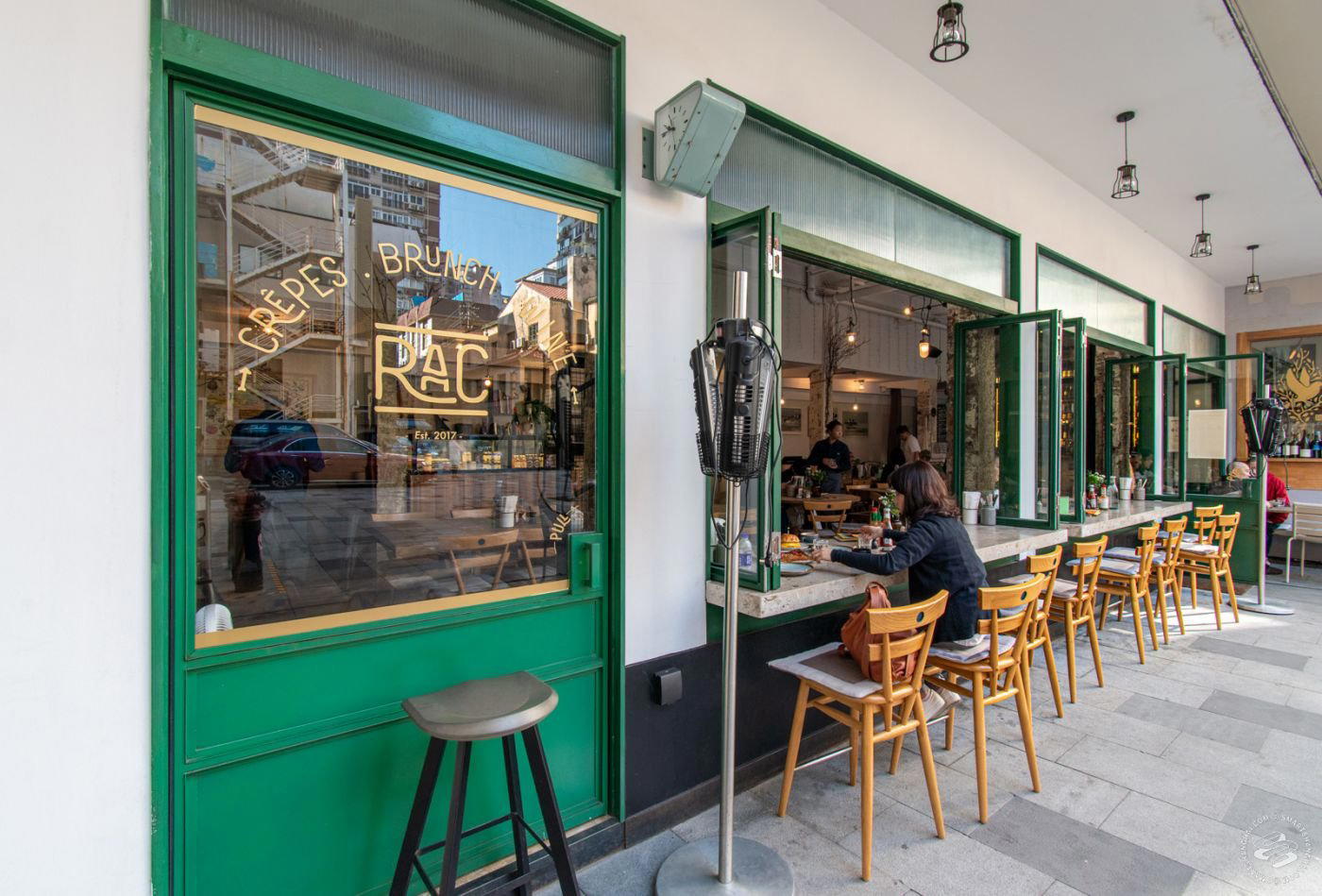
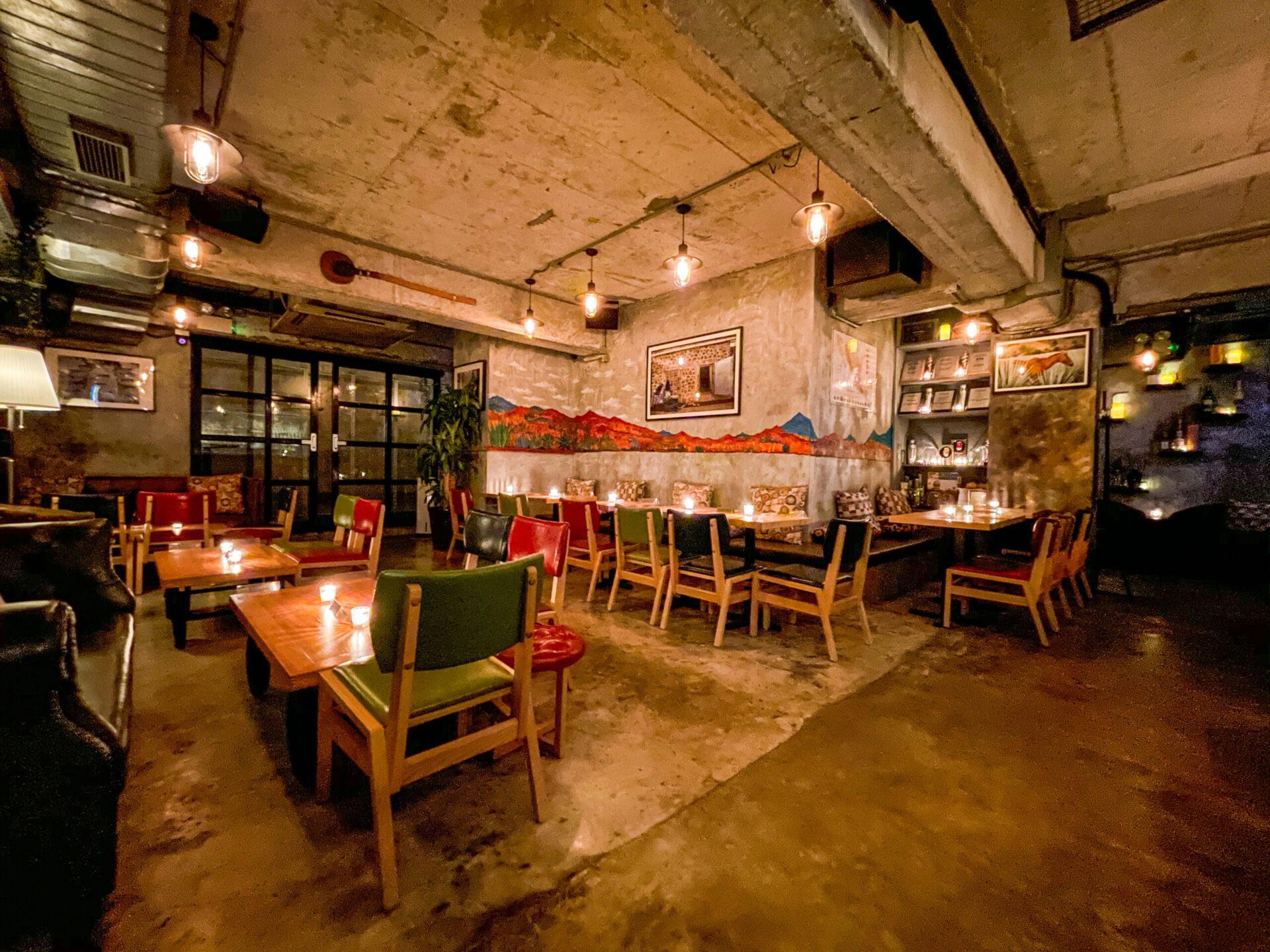
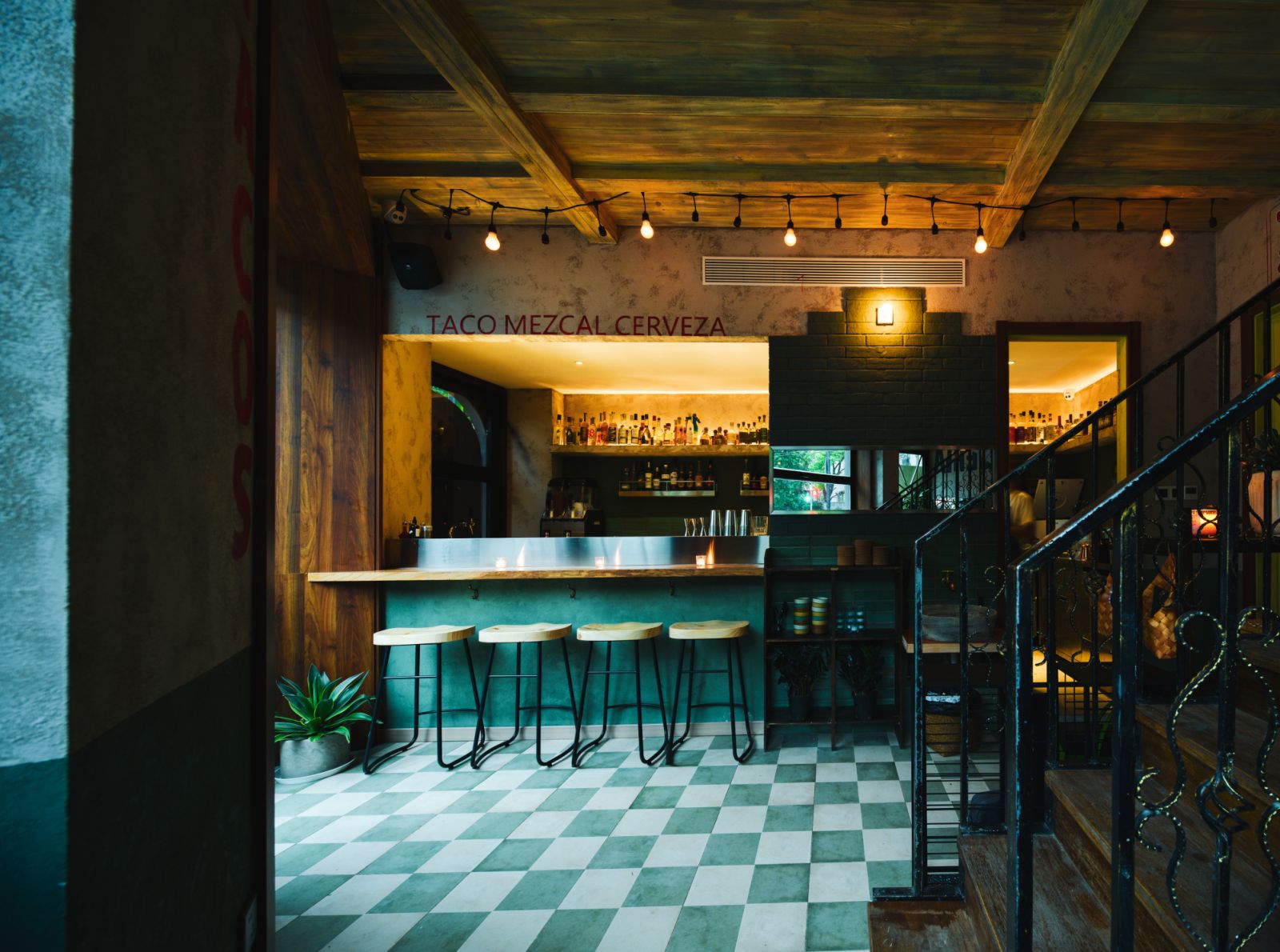
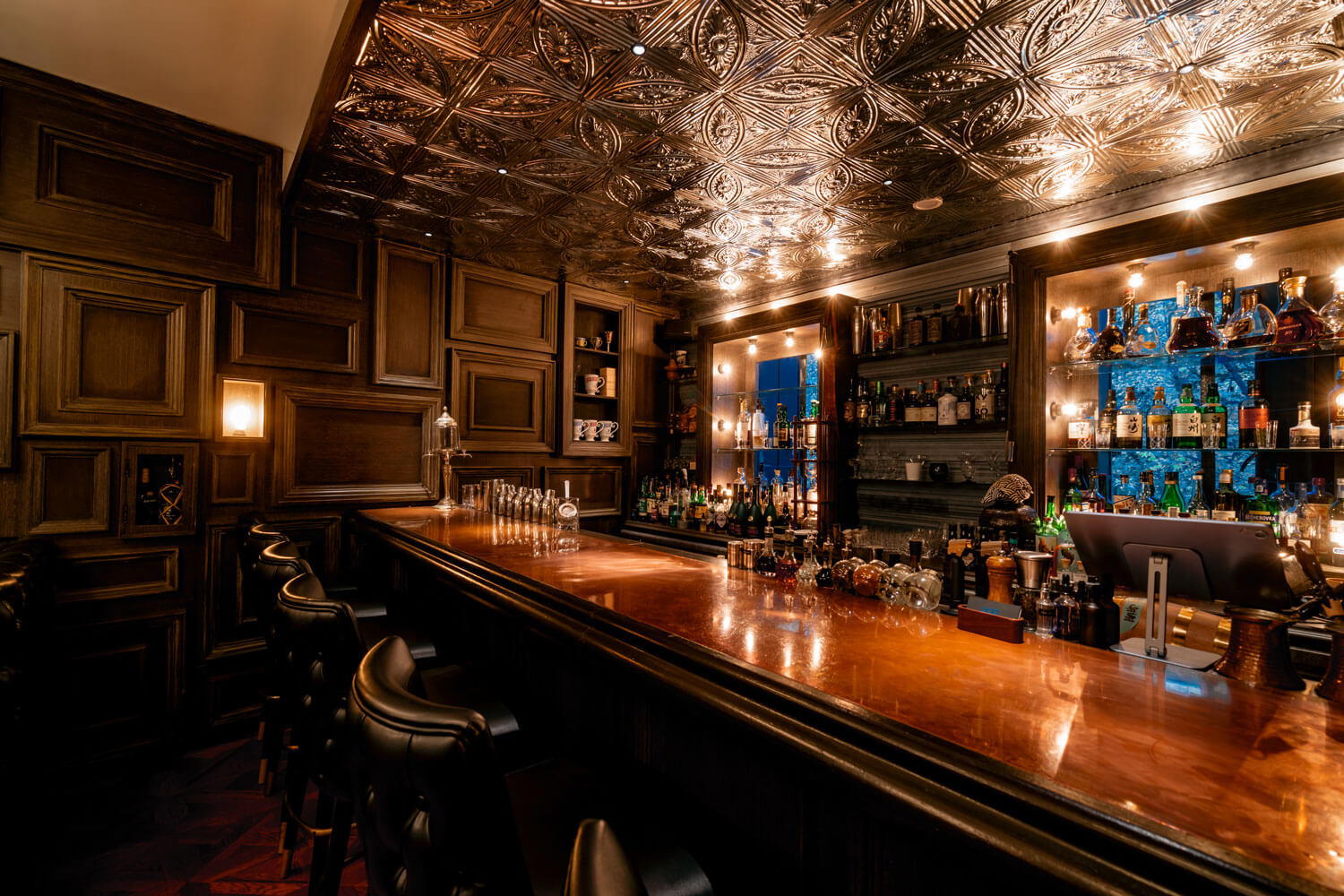
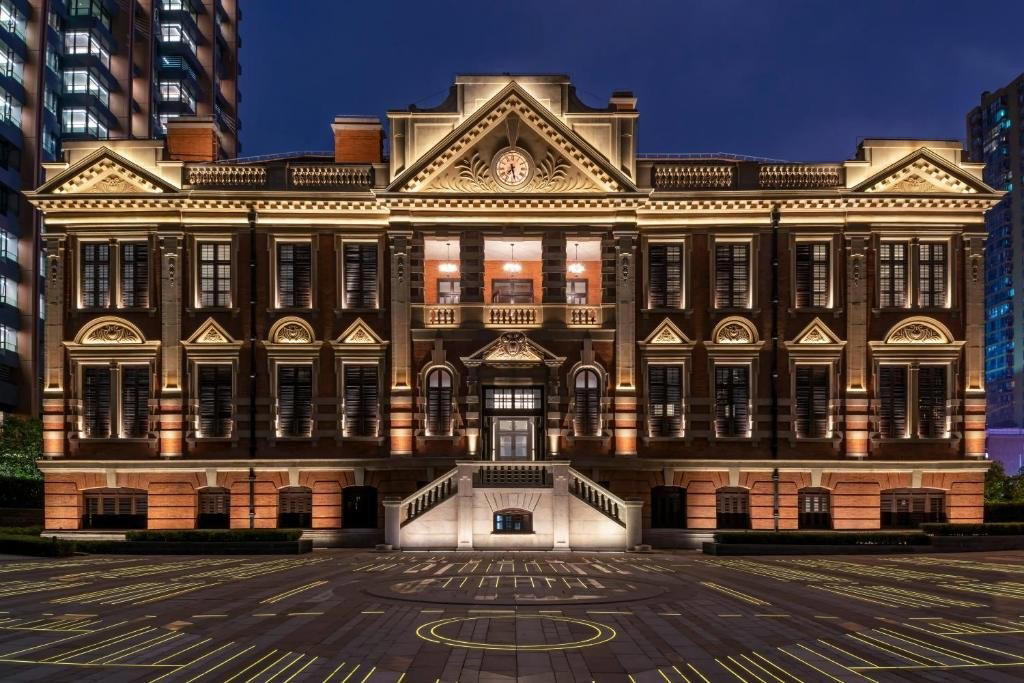
Casual and bustling atmosphere typical of local eateries serving traditional dishes.