

Macarfi 6.8 Food Rating
Our verdict
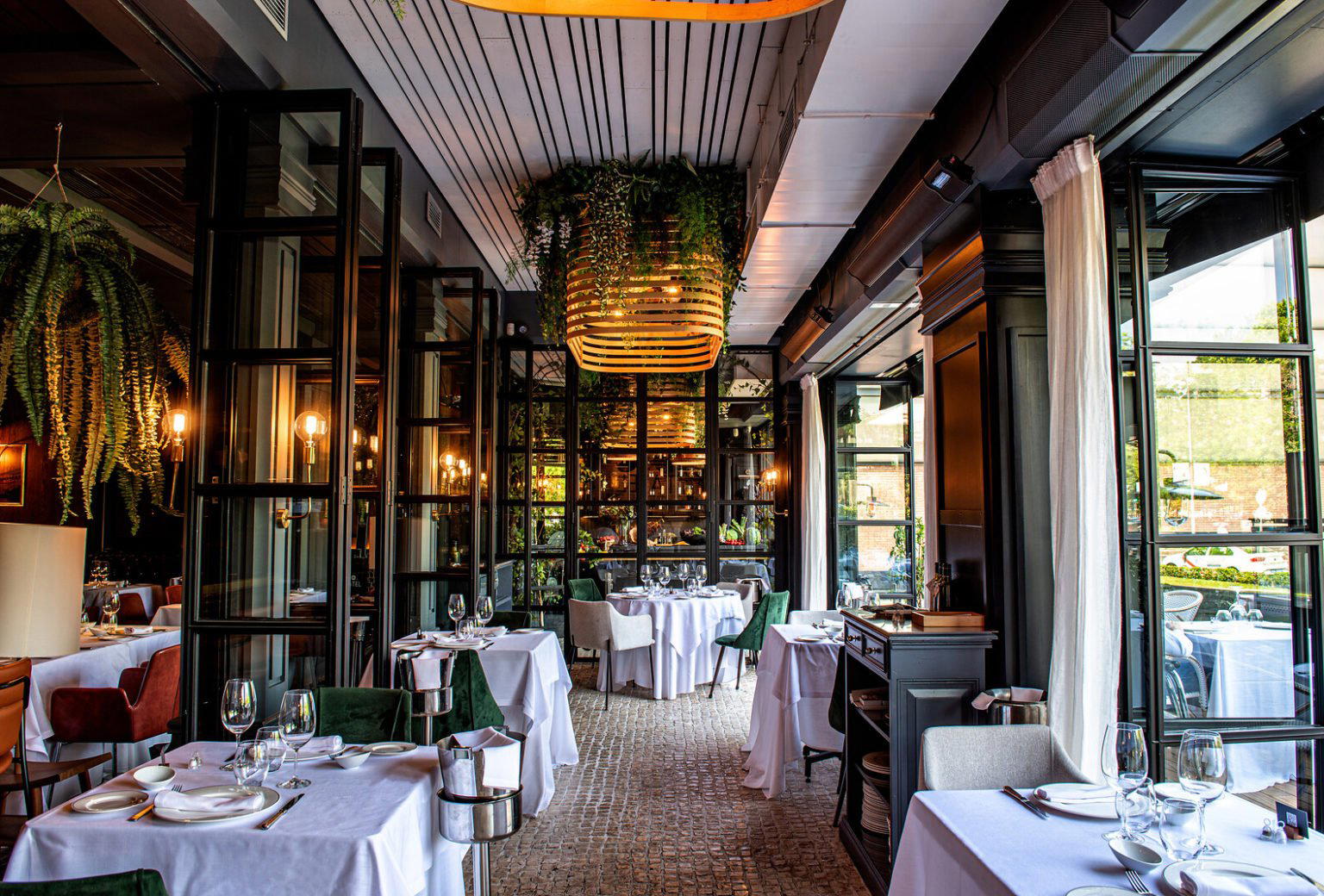
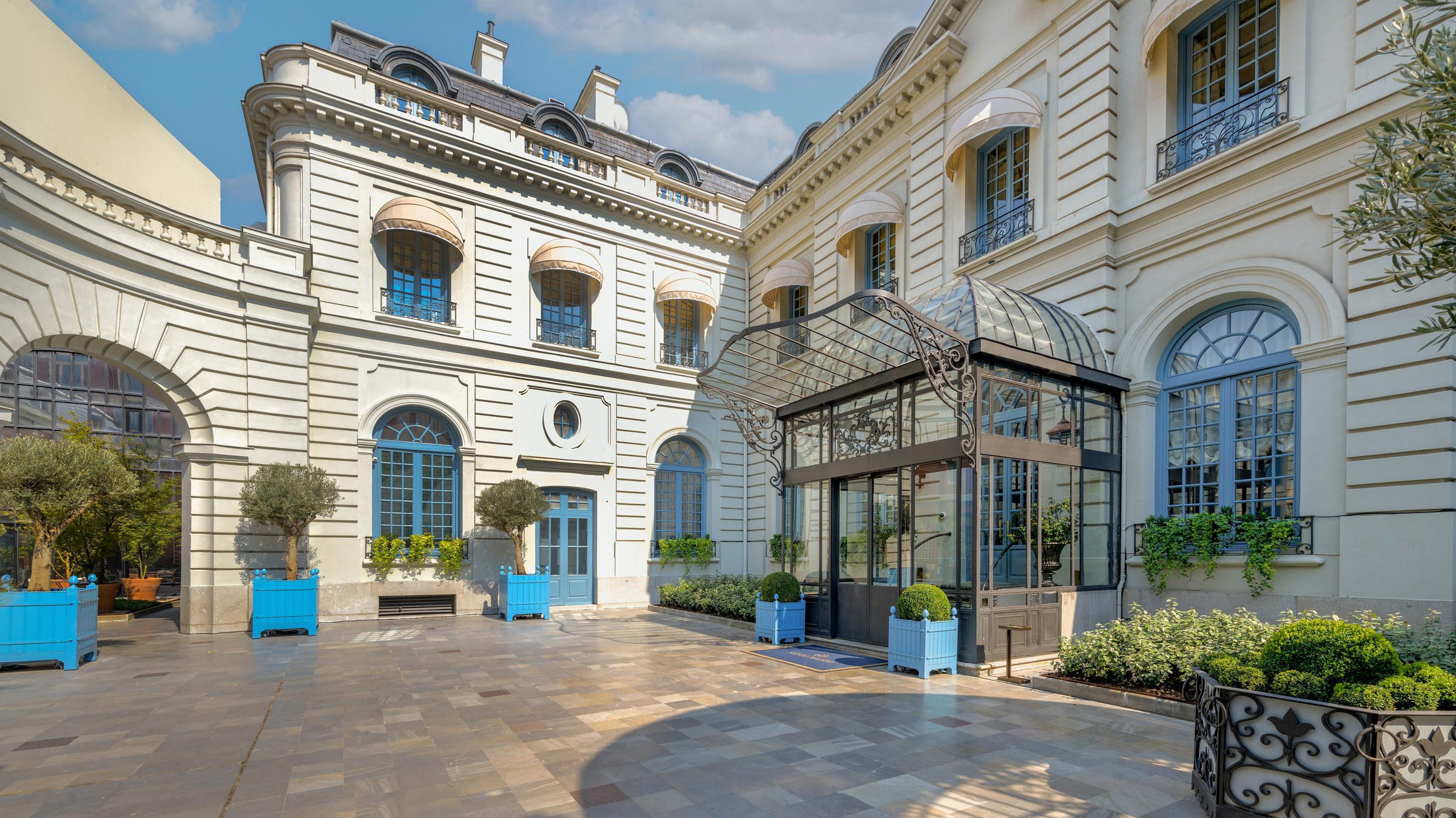
On Paseo de la Castellana, Tatel operates at the intersection of social dining and serious Spanish cooking. The room draws a crowd that expects both performance and substance, and the kitchen works to deliver both across lunch and dinner services that differ considerably in pace and purpose. It is one of Madrid's more deliberately constructed dining experiences in the Salamanca district.

Pearl is the En Primeur Club membership app — saves, bookings, and concierge access live there. Same editors, same standards.
- Address
- P.º de la Castellana, 36, Salamanca, 28046 Madrid, Spain
- Phone
- +34911721841
- Hours
- Mon–Wed 1 PM–1 AMThu–Sat 1 PM–2 AMSun 1 PM–1 AM
- Website
- tatelrestaurants.com
- Directions
- Get directions
- Booking
- Book on CoverManager
The menu
What to order
- Croquetas de jamón ibérico
- Buñuelos de bacalao
- Our famous cheesecake
- Artichoke flower with Iberian ham
Where Castellana Places Its Tables
Paseo de la Castellana is Madrid's most assertive address for restaurants that want to be seen as well as eaten at. The boulevard runs through Salamanca, the district that has spent decades consolidating its identity as the city's premium dining corridor, and the venues that line it occupy a specific tier: formal enough to signal occasion, social enough to keep the room loud past midnight. Tatel, at number 36, belongs to this category without apology. The room is designed for arrival, the kind of space where the distance between the entrance and your table communicates something about where you sit in the evening's social geography.
Madrid's upper-mid dining tier has expanded considerably over the past decade. The city now runs a parallel track: on one side, the Michelin-decorated avant-garde houses like DiverXO, Coque, and DSTAgE, where the cooking itself is the event; on the other, a growing number of venues where the room, the clientele, and the energy are equal or greater draws than what arrives on the plate. Tatel operates firmly in the second category, and does so without pretending otherwise. That honesty, in a city where several restaurants have tried unsuccessfully to straddle both lanes, is itself a form of editorial clarity.
Lunch and Dinner: Two Versions of the Same Room
The lunch-versus-dinner divide at Castellana-facing restaurants like this one is more pronounced than at destination-cooking houses, where the tasting menu format flattens the distinction. At venues positioned in the social dining tier, the gap between a Wednesday lunch and a Friday dinner is effectively the gap between two different restaurants sharing a kitchen.
Lunch at Tatel tends toward the business-table register that Salamanca does well. The pace is faster, the room less theatrical, and the light through the large windows gives the space an entirely different character from its evening version. The midday menu typically draws professionals from the surrounding financial and embassy district, and the cooking is asked to perform within tighter time constraints. In this configuration, Spanish brasserie becomes the operative format: dishes that read clearly, portions that satisfy without overwhelming, and a wine list that can be navigated in the time between a first course and a dessert that may or may not happen.
The evening transformation is more pronounced. The room darkens, the music shifts upward in volume, and the pace of service extends. Dinner at this kind of venue in Madrid rarely begins before nine and runs well past eleven on weekends, which is less a lifestyle affectation than a structural feature of how the city's social calendar is organised. The kitchen is asked to sustain energy across a longer arc, and the drink program becomes proportionally more important to the overall experience. In this configuration, Tatel is closer to a European grand café with serious kitchen ambitions than to a restaurant with a side interest in atmosphere.
For the reader deciding between lunch and dinner, the practical calculus is direct: lunch offers better value and a clearer view of the cooking; dinner offers the version of Tatel that its design was built for.
Spanish Cooking at This Price Point
The broader question in Madrid's premium social dining tier is how much the cooking itself can carry when the room is doing considerable work. Spain has enough serious cooking houses, from Aponiente on the Atlantic coast to El Celler de Can Roca in Girona, to make the comparison between atmosphere-led and technique-led dining very clear. Tatel does not try to compete with that register. Instead, it draws on the Spanish tradition of the casa grande, the large, well-resourced restaurant that executes classical and contemporary Spanish dishes with enough confidence to justify the price without requiring the diner to be in a state of intellectual engagement throughout.
This positions it differently from a venue like Deessa or Paco Roncero, where the cooking makes demands on the diner's attention. At Tatel, the kitchen supports the evening rather than directing it, which is a legitimate and often undervalued role in a city where not every meal needs to be a seminar in gastronomy.
The Spanish cooking tradition that Tatel draws from is broad: Iberian product, market-driven proteins, classical technique with contemporary plating.
Salamanca as a Dining District
Understanding Tatel requires understanding Salamanca, because the district shapes both the clientele and the expectations the kitchen has to meet. Salamanca is Madrid's oldest premium neighbourhood, and its dining culture reflects that: it expects formality without stiffness, quality without theatre, and service that reads the room rather than performing for it. The avenues around Castellana and Serrano have hosted serious restaurants for decades, and the newer entrants have had to earn their position within that established hierarchy.
For visitors approaching Madrid's restaurant scene from outside Spain, the Salamanca frame is useful for comparison. The district occupies a position similar to what the 8th arrondissement does in Paris or what the Upper East Side once did in New York before downtown migration changed the map. It is the address where established money eats, and the restaurants that survive there do so by meeting that constituency's requirements consistently.
Readers building a broader Spanish itinerary might consider how Tatel fits against the country's wider spread of high-calibre tables. Arzak in San Sebastián, Martin Berasategui in Lasarte-Oria, Azurmendi in the Basque Country, Mugaritz in Errenteria, and Quique Dacosta in Dénia all represent Spain's technical avant-garde. Ricard Camarena in Valencia and Cocina Hermanos Torres in Barcelona each offer their own regional frame. Tatel is a different kind of proposition from all of them, and that difference is worth naming plainly: it is a social restaurant where the cooking is serious but the room is the product.
For comparison outside Spain, the closest international equivalents might be found in venues like Le Bernardin in New York, which occupies a different tier but shares the quality-with-social-weight format, or Atomix, which shows what happens when the cooking rather than the room sets the terms. Atrio in Cáceres offers the contrast of a Spanish venue where the setting amplifies but does not outrun the kitchen.
Planning Your Visit
Tatel is on Paseo de la Castellana, 36, in the Salamanca district of Madrid, at postcode 28046. The address is accessible by metro on the Rubén Darío stop, a short walk south along the boulevard. Reservations are advisable for dinner, particularly on Thursday through Saturday evenings, when the social dining character of the room means tables turn slowly. Lunch on weekdays offers a more accessible entry point both in terms of booking availability and likely pricing. Dress code expectations at this address run toward smart casual at minimum, with dinner service favouring more formal choices. Specific menu details, current pricing, and allergy accommodation should be confirmed directly with the venue before visiting. See our full Madrid restaurants guide for broader context on how Tatel sits within the city's dining map.
Quick reference: Paseo de la Castellana, 36, Salamanca, Madrid 28046. Reservations recommended for dinner service.
Frequently asked questions
What is the signature dish at Tatel?
The kitchen works within a Spanish framework that draws on Iberian product and market-driven proteins, but specific dishes change with season and service updates. The current menu should be confirmed directly with the restaurant before visiting, as any specific dish claims in secondary sources may reflect an earlier iteration of the offer.
Can I walk in to Tatel?
Walk-ins at Tatel are more plausible at lunch than at dinner, particularly on weekdays in Salamanca, when the business-dining crowd produces some natural table turnover. Thursday through Saturday dinner service in this price tier and district generally runs close to full capacity, and attempting to walk in risks a long wait at the bar or a refusal. A reservation made several days in advance is the more reliable approach for evening visits.
What is the defining idea behind Tatel?
Tatel is a social dining restaurant in the Spanish casa grande tradition, where the room, the clientele, and the overall atmosphere carry weight equal to the cooking. Unlike Madrid's technical cooking houses, where the menu sets the terms of the evening, Tatel is built around the proposition that an evening at a well-run, beautifully designed restaurant on a major boulevard is itself a complete offer. The cooking supports rather than leads the experience.
What if I have allergies at Tatel?
Given the restaurant's positioning in Madrid's premium dining tier, kitchen accommodation of common dietary requirements is a reasonable expectation, but the specific protocols, substitution options, and cross-contamination policies should be confirmed directly with the venue before booking. Do not rely on third-party sources for allergy-critical details at any restaurant.
Is a meal at Tatel worth the investment?
The answer depends on what the reader is purchasing. If the objective is technically adventurous cooking at the level of Madrid's starred houses, the budget would be better directed toward DiverXO or DSTAgE. If the objective is a well-executed evening in a room designed for occasion, in a neighbourhood that does that format as well as any in Europe, Tatel is a legitimate choice at its price point. Lunch represents the stronger value proposition for those primarily interested in the cooking.
How does Tatel compare to other high-profile restaurants that have opened on Castellana in recent years?
Castellana has seen several high-visibility openings over the past decade, and Tatel competes in a set that prioritises brand identity and social visibility alongside kitchen quality. Within that peer group, the distinguishing factors are usually the consistency of the product, the reliability of the booking and service experience, and the longevity of the concept. Tatel's sustained presence on the boulevard places it ahead of newer entrants that have yet to demonstrate staying power in a district where the clientele has long institutional memory.
Comparable Spots, Quickly
Comparable venues nearby, for context on price, style, and recognition.
| Venue | Cuisine | Price | Awards | Notes |
|---|---|---|---|---|
| TatelThis venue — the venue you are viewing | Modern Spanish Haute Cuisine | $50–100 | Macarfi 6.8 Food Rating | Not listed |
| Ramon Freixa | Modern Spanish Fine Dining | Not listed | 2 Michelin Stars · La Liste Top Restaurants | Recoletos |
| Yantar Sidrería Gastronómica | Traditional Asturian Cuisine | $50–100 | Not listed | Barrio de las Letras |
| La Mi Venta | Traditional Spanish Castilian | $30–50 | Not listed | Palacio |
| St. James Juan Bravo | Valencian Rice and Paella Specialist | $50–100 | Macarfi 6.6 Food Rating | Castellana |
| Ramón Freixa Tradición | Traditional Spanish Cuisine | $100–150 | Guía Repsol 1 Sol · Macarfi 7.9 Food Rating | Salamanca |
Recognition history
Dated appearances from independent guides and award organizations, with the underlying list record or original source where available.
Macarfi 6.8 Food Rating
Macarfi
Opinionated About Dining Casual in Europe Recommended
Opinionated About Dining
Continue exploring
More in Madrid
Restaurants in Madrid
Browse all →
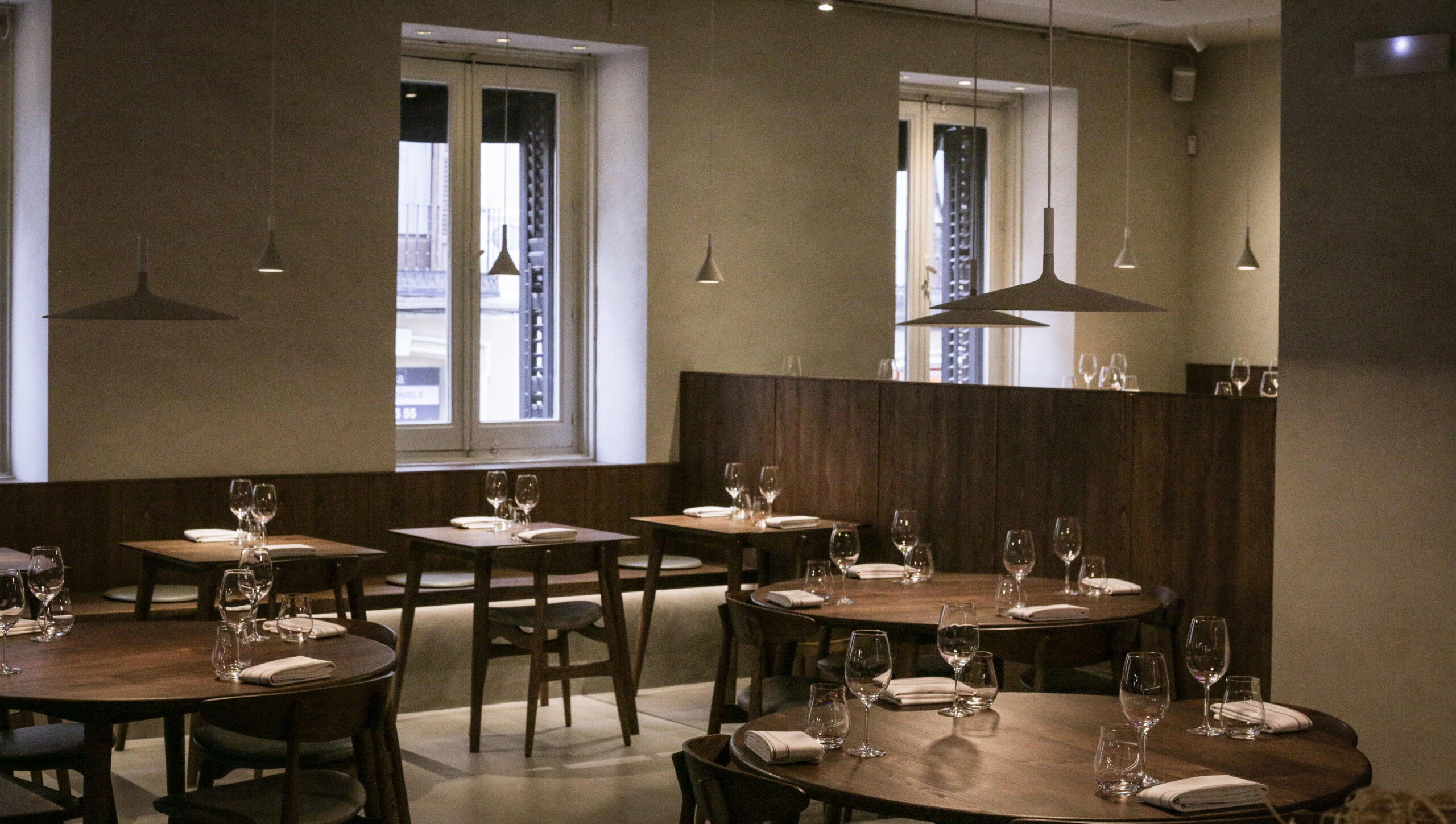
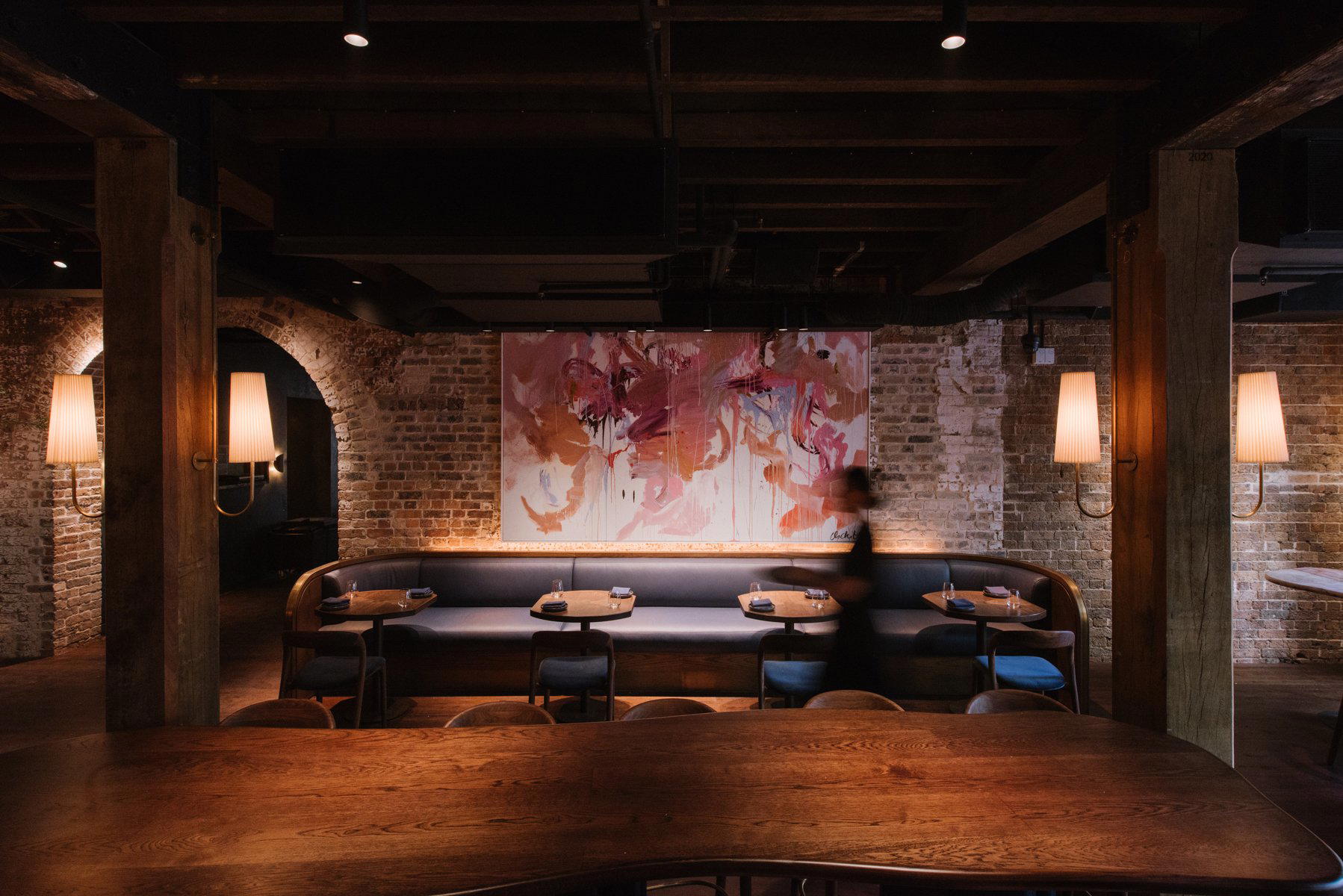
Bars in Madrid
Browse all →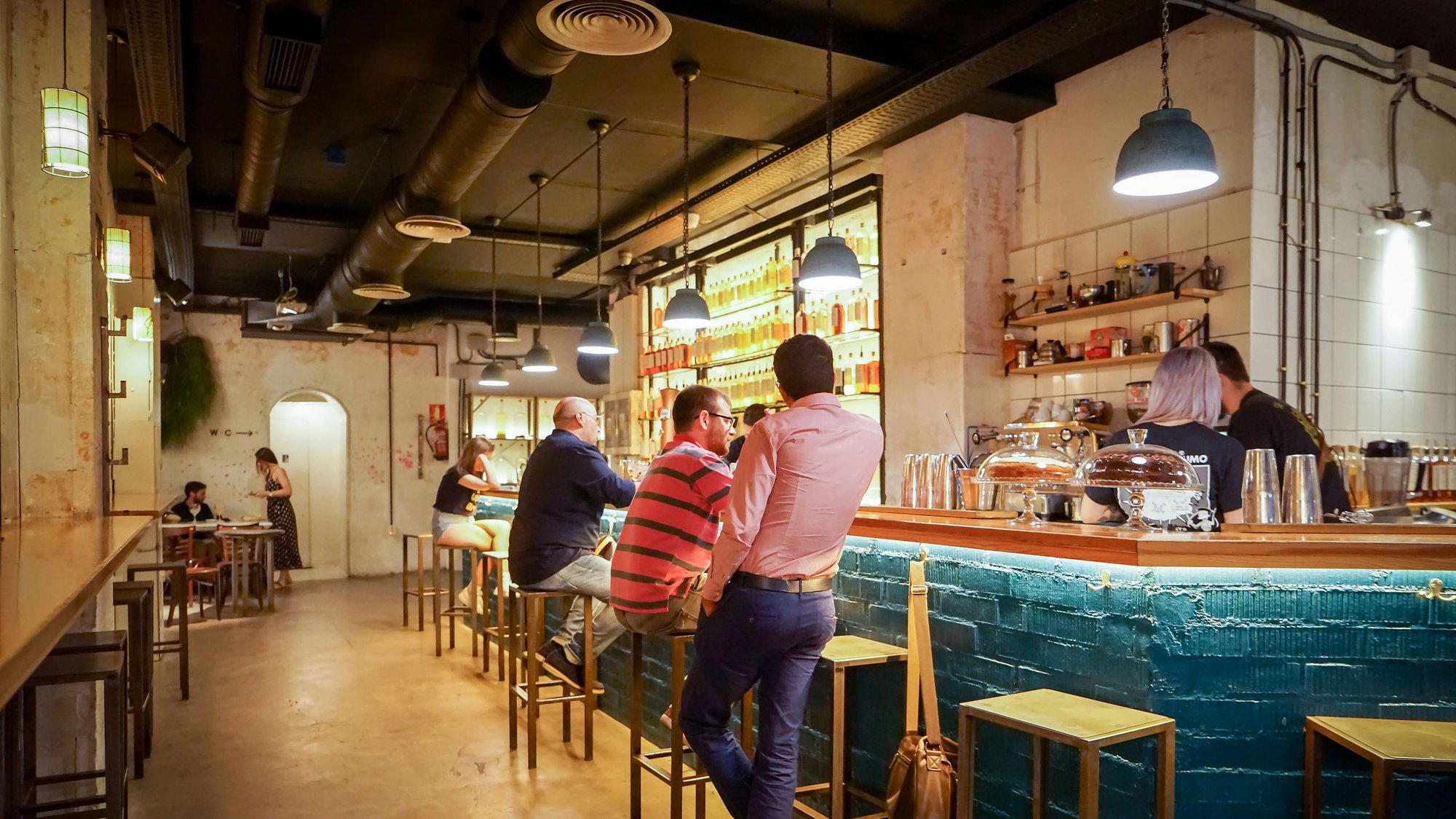
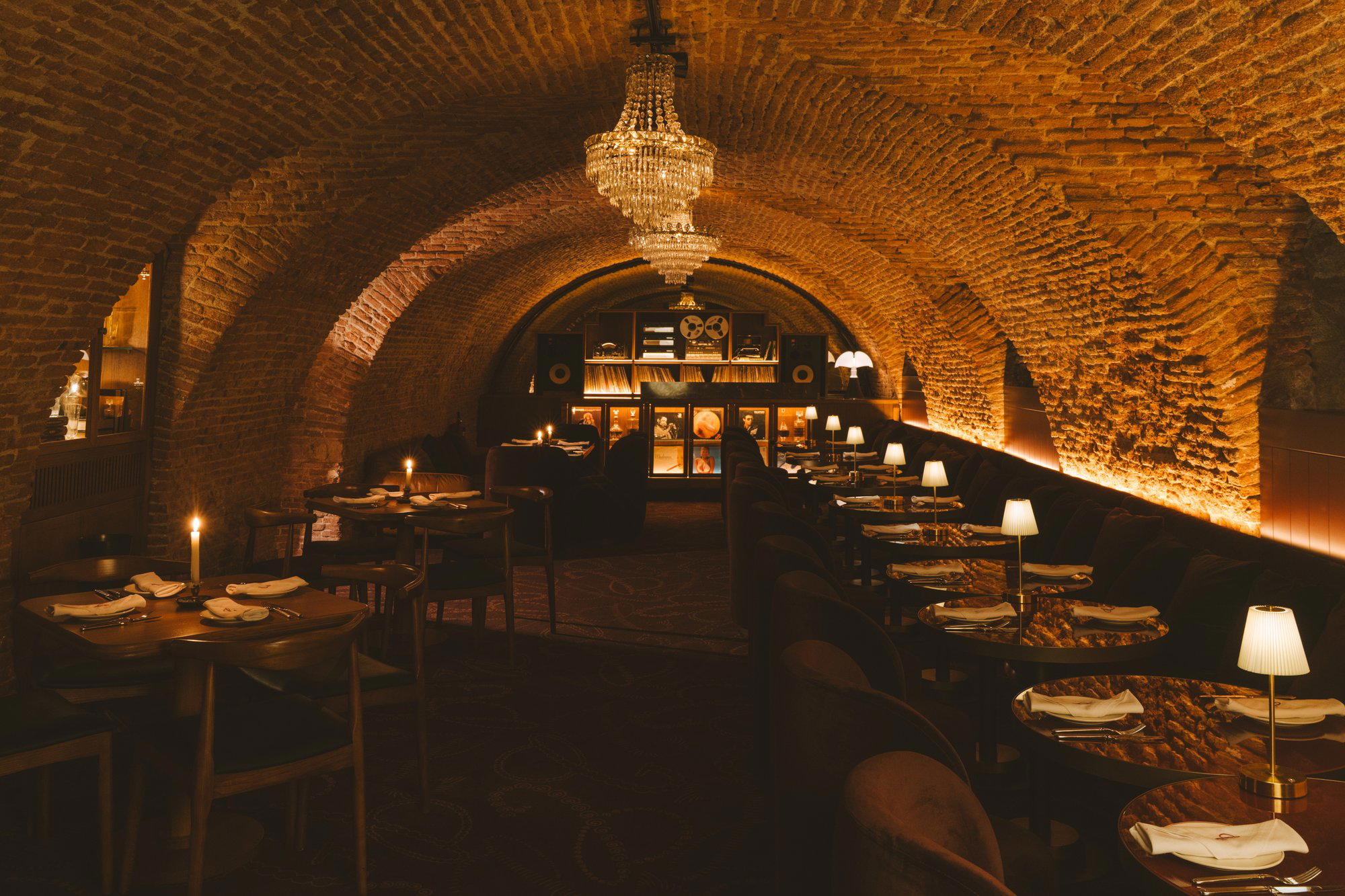
Hotels in Madrid
Browse all →


Tatel
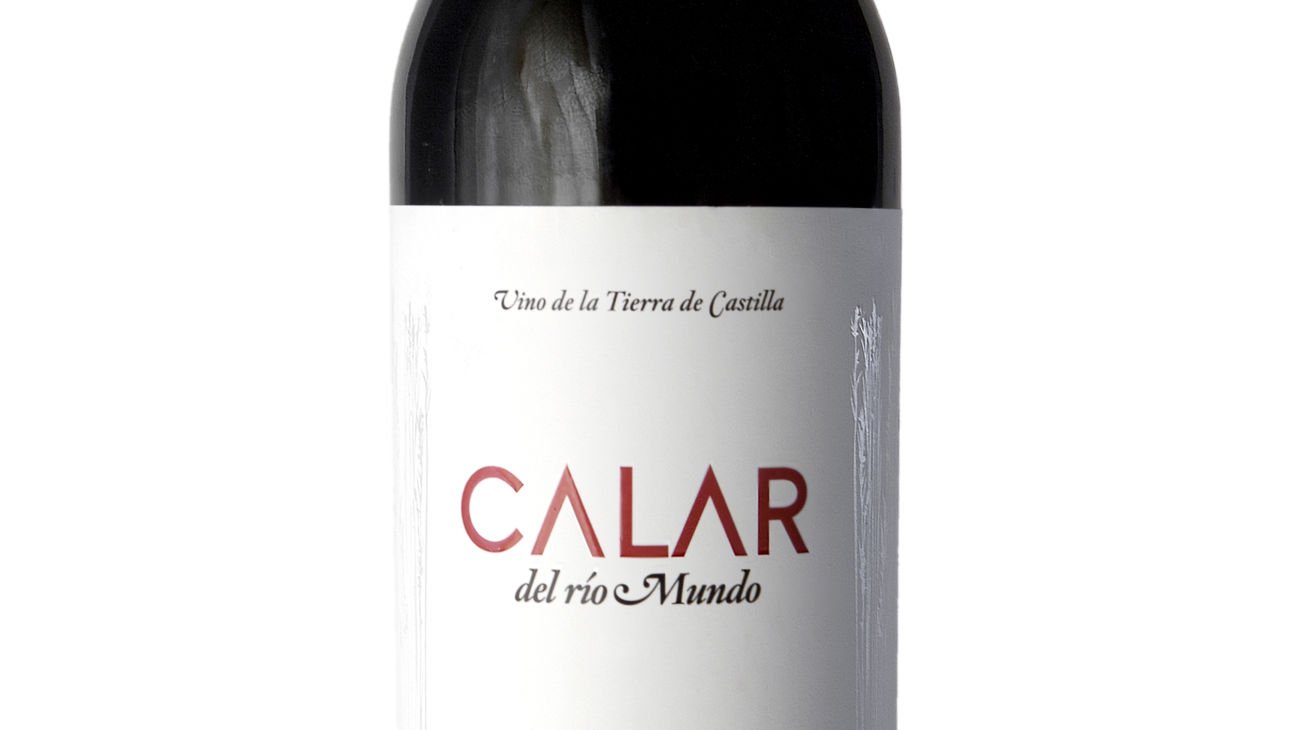
The wine
- Wine program
- Curated wine list
- Extensive wine list
- Craft cocktails
Details
- Elegant
- Sophisticated
- Ornate
- Lively
- Trendy
- Date Night
- Special Occasion
- Group Dining
- Celebration
- Live Music
- Terrace
- Open Kitchen
- Extensive Wine List
- Craft Cocktails
- A La Carte
- Tasting Menu
- Small Plates
- Wine
- Cocktails
- Vegetarian Friendly
- Vegan Options
- Gluten Free Options
Current opening hours
- Monday
- 1 PM–1 AM
- Tuesday
- 1 PM–1 AM
- Wednesday
- 1 PM–1 AM
- Thursday
- 1 PM–2 AM
- Friday
- 1 PM–2 AM
- Saturday
- 1 PM–2 AM
- Sunday
- 1 PM–1 AM
Hours can change for holidays and private events. Last verified .
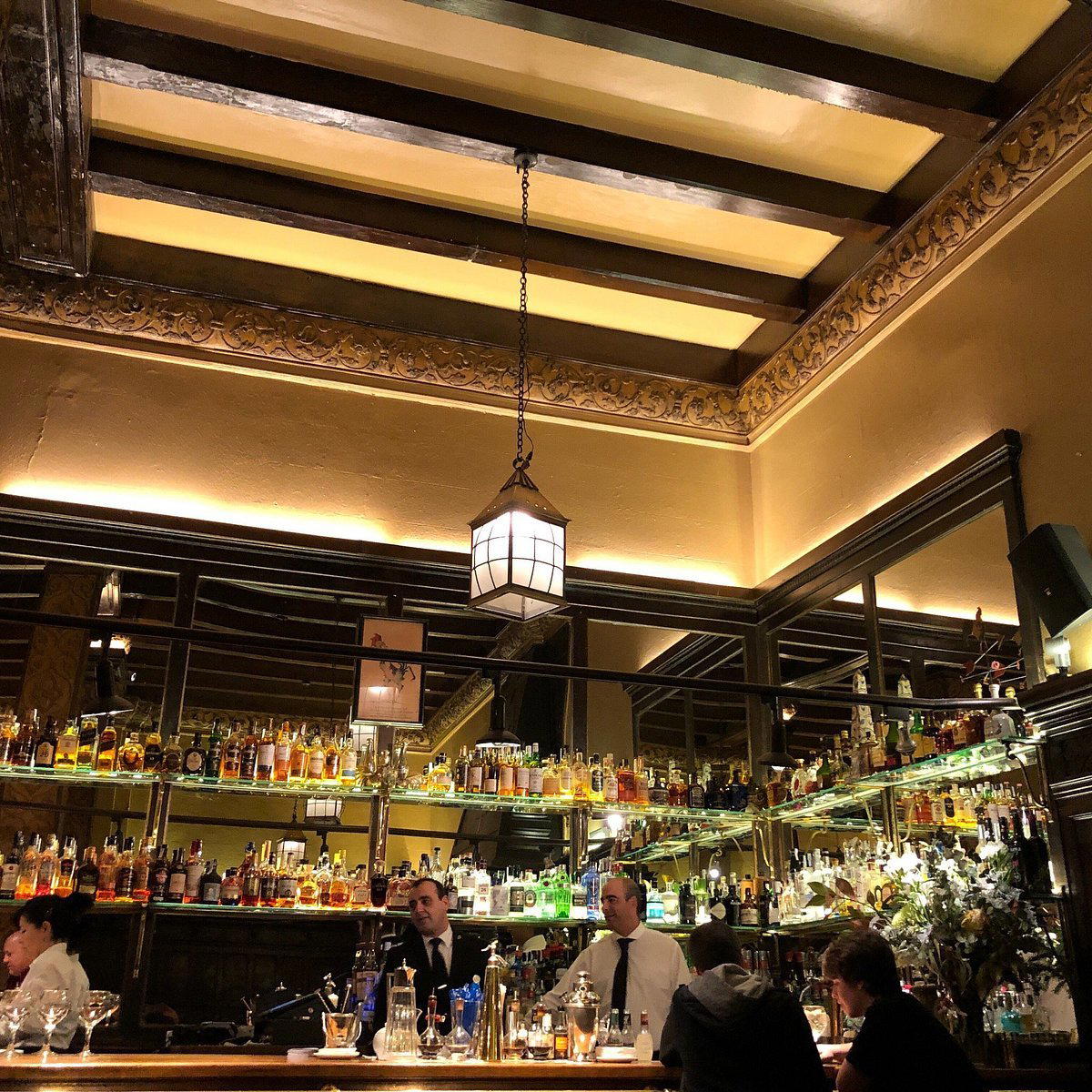
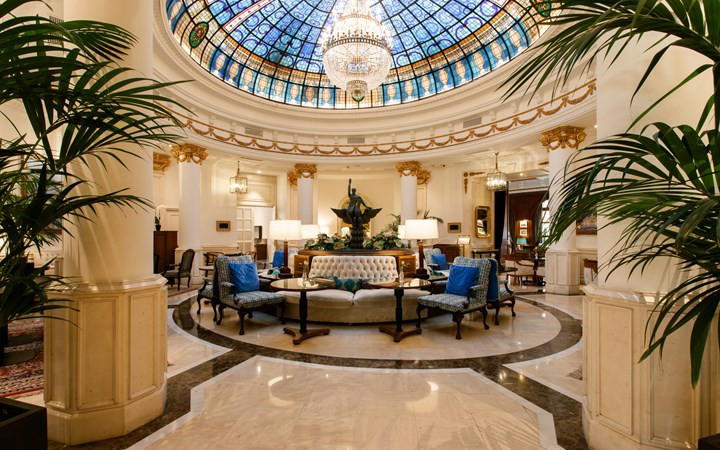
Elegant and refined Art Deco interior with live performances, dramatic bar, and a lively atmosphere that transitions to lounge after dinner.