Yantar Sidrería Gastronómica serves Traditional Asturian Cuisine in Centro, with cachopo, fabada asturiana, and a leisurely pace that suits lunch or dinner.
Pearl is the En Primeur Club membership app — saves, bookings, and concierge access live there. Same editors, same standards.
- Address
- C. de Lope de Vega, 37, Centro, 28014 Madrid, Spain
- Phone
- +34911217023
- Website
- yantarsidreria.es
- Directions
- Get directions
 Saves & bookings on Pearl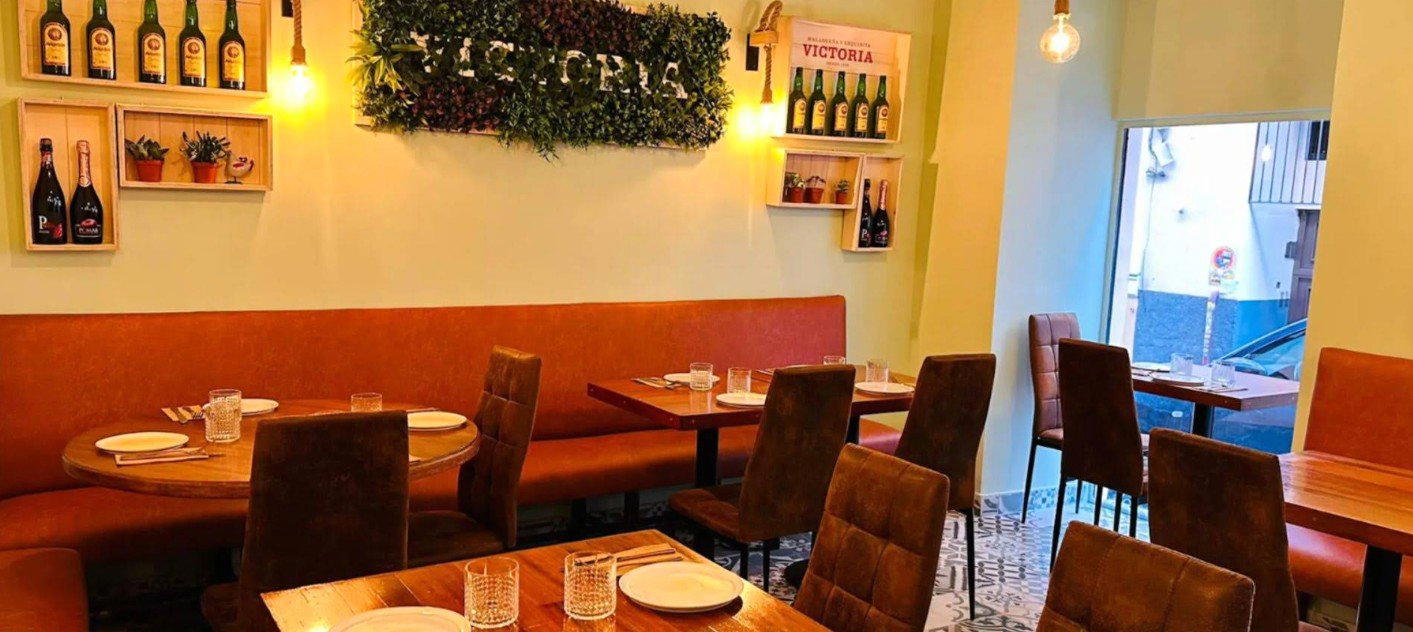
Sidra and the Asturian Table in Madrid
The sidrería gastronómica format has a longer history in Spain than its current Madrid popularity suggests. Rooted in Asturian tradition, where cider houses function as both production sites and communal dining rooms, the model arrived in the capital with something to prove: that the high-acid, low-intervention apple ciders of the north could hold a table against wine, and that the cuisine built around them, heavy on grilled fish, chorizo, and slow-cooked bean stews, could translate to an urban dining public accustomed to tasting menus and à la carte refinement. Yantar Sidrería Gastronómica, on Calle de Lope de Vega in the Centro district, sits inside this tradition and addresses that question directly.
The street itself has a claim on the city's literary and gastronomic past. Lope de Vega, the playwright after whom the calle is named, lived and died a short walk from this address. The neighbourhood, bounded by the Paseo del Prado to the east and the older commercial streets of Huertas to the west, has long attracted restaurants that value proximity to culture over footfall from tourist corridors. It is not the neighbourhood where Madrid's tasting-menu circuit is concentrated, which is precisely why venues here tend to develop a local rather than destination clientele.
The Sidrería Format and What It Demands
A sidrería gastronómica differs from a conventional cider house in scale of ambition rather than category. The foundational dishes remain: tortilla de bacalao, chuletón aged on the bone, pimientos del piquillo, Cabrales served with enough authority to clear the room. The gastronómica designation signals that the kitchen is doing more than executing the canon. It implies a willingness to treat sidra not as a fixed pairing but as a structuring principle across a progression of dishes, the way a wine-forward kitchen might build a menu around Rioja or Manzanilla.
That progression matters here. The meal at a sidrería of this type is not designed around a linear tasting arc in the Michelin counter-dining sense. It moves laterally, through textures and temperatures that reflect the cider's range: a sharp, tannic natural sidra alongside cured fish, a lighter pouring cider to carry through warmer vegetable dishes, and something with residual sweetness to bridge into aged cheese. Sidra natural, the category most associated with Asturian tradition, is poured from height to aerate and drunk quickly in small measures called culinos. That ritual has a pacing effect on the meal that wine service rarely replicates.
Where Yantar Sits in Madrid's Dining Scene
Madrid's upper dining tier is dense with creative tasting menus. DiverXO holds three Michelin stars and operates at the furthest edge of progressive cuisine. The sidrería gastronómica occupies a different bracket entirely. It is not competing with that tier on format or price signal. It competes on tradition, product sourcing, and the specific authority that comes from owning a regional cuisine and executing it without apology.
That positioning has strategic advantages in a city where the creative tasting-menu format has become the default signal of seriousness. Spain's broader dining map demonstrates the depth of regional cooking outside the innovation framework: Arzak in San Sebastián and Martin Berasategui in Lasarte-Oria both operate from Basque tradition even at three-star level. El Celler de Can Roca in Girona and Cocina Hermanos Torres in Barcelona treat Catalan identity as foundation rather than decoration. Quique Dacosta in Dénia and Aponiente in El Puerto de Santa María are both built around coastal product specificity. The sidrería model follows a parallel logic: Asturian product, Asturian beverage tradition, executed in the capital with enough rigour to hold the comparison.
Comparing Regional Ambition
Across Spain, the restaurants that have maintained the longest critical reputations tend to be those rooted in a specific regional identity rather than a generalised creative ambition. Mugaritz in Errenteria has sustained two stars for years by treating the Basque terroir as a philosophical as much as culinary anchor. Azurmendi in Larrabetzu aligns its menu with the agricultural calendar of the Basque Country. Ricard Camarena in València has built a two-star reputation on Valencian vegetable culture and coastal fish. Atrio in Cáceres grounds its identity in Extremaduran landscape and its extraordinary wine cellar. The pattern is consistent: specificity of origin sustains critical credibility in a way that generic creativity does not.
Yantar's format connects to this pattern from a different entry point. It is not pitching for star recognition in the tasting-menu sense. It is operating inside a tradition that values the cider house ritual, the communal rhythm of the meal, and the weight of Asturian product — aged Cabrales, smoked chorizos, line-caught fish — over the refinement of technique for its own sake. That is a legitimate editorial position, and one that Madrid's dining scene accommodates with more room than it did a decade ago.
Planning Your Visit to Yantar Sidrería Gastronómica
Yantar Sidrería Gastronómica is on Calle de Lope de Vega 37, in the Centro district, within walking distance of the Antón Martín metro station and the Paseo del Prado museum corridor. For the most current booking availability, hours, and reservation details, contacting the venue directly or checking current listings is advisable, as specific operational data is not published through the venue's verified channels at time of writing. The sidrería format in Madrid typically operates for lunch and dinner service Tuesday through Sunday, with peak booking demand on Friday and Saturday evenings. Given the neighbourhood's literary and cultural character, combining a visit with the nearby Museo del Prado or Thyssen-Bornemisza makes logistical sense for those approaching the area from outside the Centro. For a wider view of where Yantar fits within Madrid's dining map, our full Madrid restaurants guide covers the city by neighbourhood and price tier.
Those interested in how the sidrería format compares to other regionally rooted fine dining formats internationally might look at Le Bernardin in New York City, which applies a comparable degree of product discipline to French seafood tradition, or Atomix in New York City, where Korean culinary heritage is treated with similar seriousness in a counter-dining context.
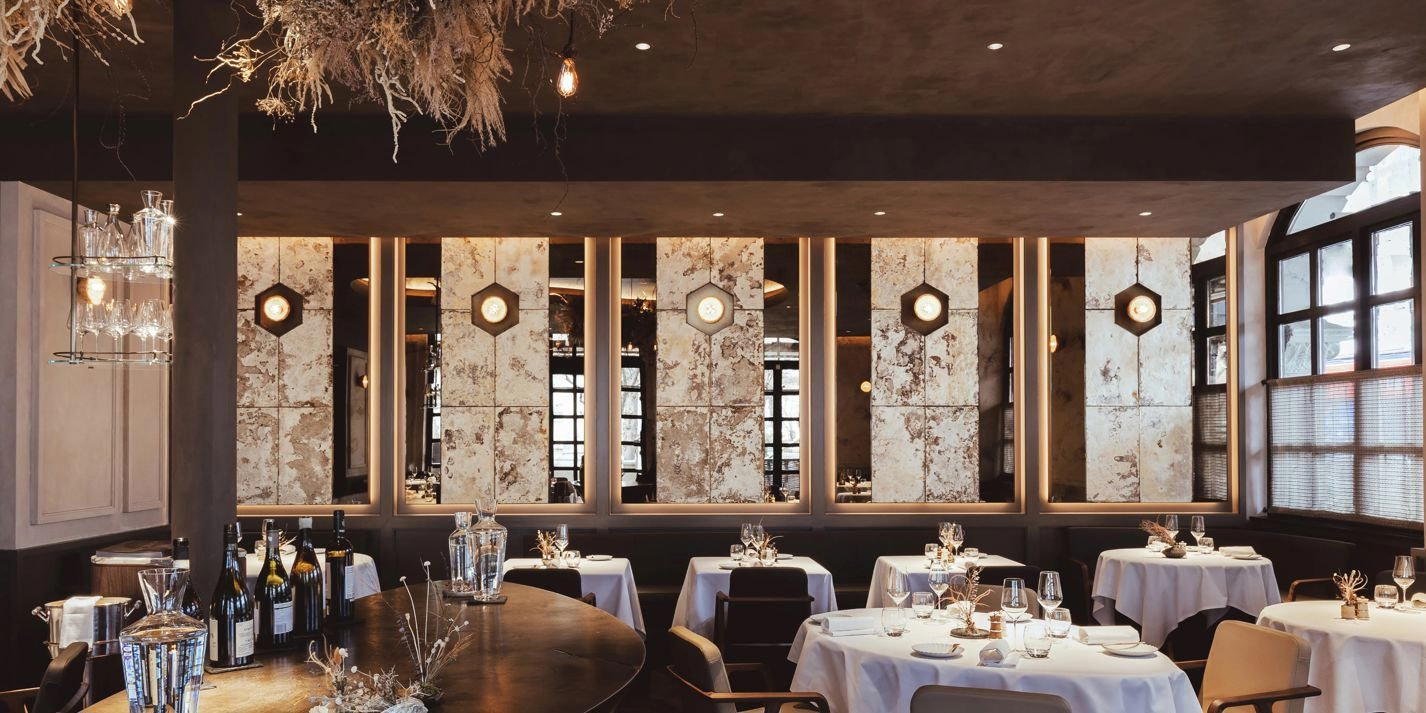
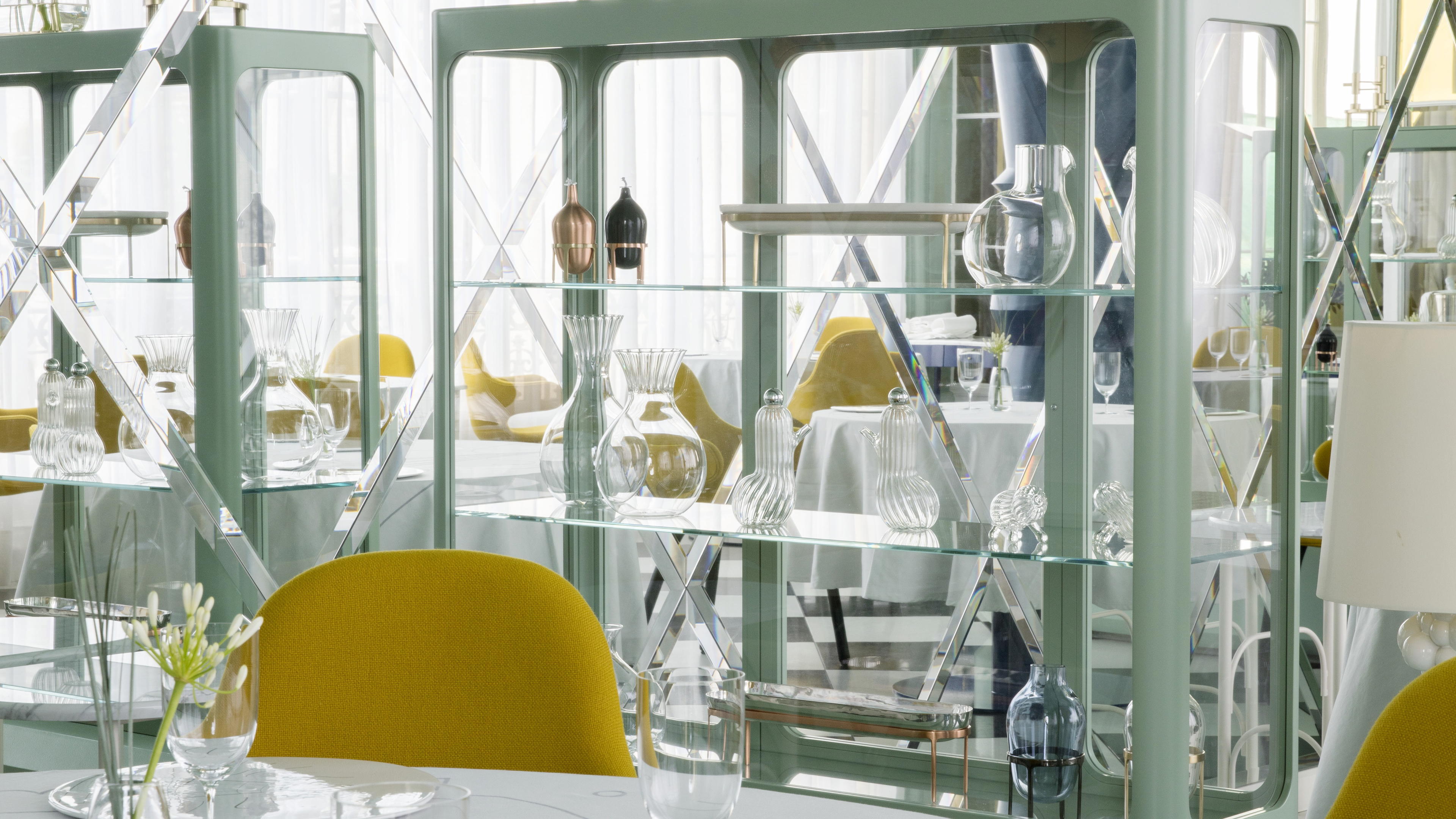
How Yantar Sidrería Gastronómica Madrid compares with similar nearby venues.
| Venue | Cuisine | Price |
|---|---|---|
| Kyoshi Las Cortes | Japanese | €€€ |
| La Cúpula Restaurant & Bar | Fine Dining | Not listed |
Continue exploring
More in Madrid
Restaurants in Madrid
Browse all →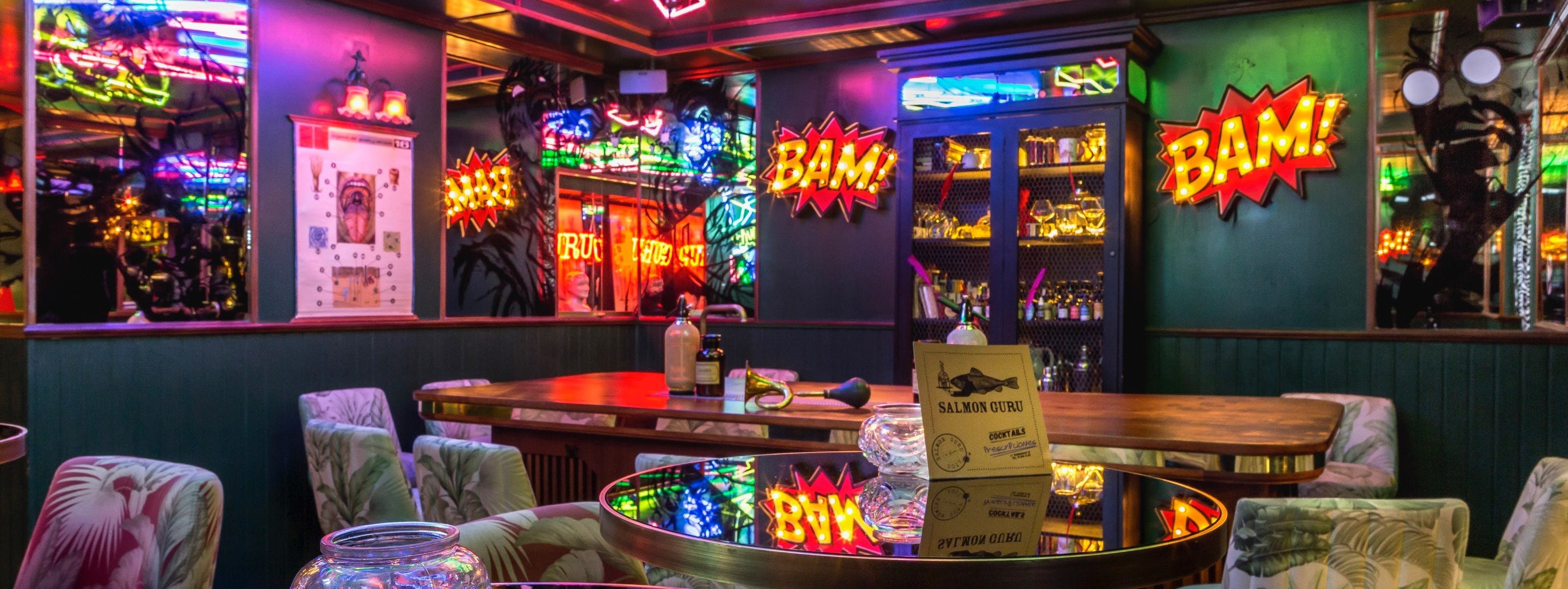
Bars in Madrid
Browse all →
Hotels in Madrid
Browse all →



At a Glance
- Rustic
- Cozy
- Classic
- Date Night
- Group Dining
- Family
- Casual Hangout
- Special Occasion
- Standalone
- Beer Program
- Local Sourcing
Current opening hours
- Monday
- Closed
- Tuesday
- 1–5 PM
- Wednesday
- 1–5 PM, 8–10:30 PM
- Thursday
- 1–5 PM, 8–11 PM
- Friday
- 1–5 PM, 8 PM–12 AM
- Saturday
- 1–5 PM, 8 PM–12 AM
- Sunday
- 1–5 PM
Hours can change for holidays and private events. Last verified .
Warm and intimate neighborhood setting with authentic regional charm; intimate space with traditional decor reflecting Asturian heritage.
Know Before You Go
- Getting there
- C. de Lope de Vega, 37, Centro, 28014 Madrid, Spain