


Guía Repsol 1 Sol · Macarfi 7.9 Food Rating
Our verdict
On Calle Velázquez in Madrid's Salamanca district, Ramón Freixa Tradición occupies a tier of Spanish fine dining where inherited technique meets contemporary rigour. The address places it alongside the neighbourhood's concentration of serious restaurants, and the kitchen works within a culinary lineage that treats traditional Catalan and Spanish forms as a living discipline rather than a nostalgic reference. Booking ahead is advised for any visit to this part of the city's upper dining bracket.

Pearl is the En Primeur Club membership app — saves, bookings, and concierge access live there. Same editors, same standards.
- Address
- Calle Velázquez, 24, Salamanca, 28001 Madrid, Spain
- Phone
- +34603961293
- Hours
- Daily 1 PM–1 AM
- Website
- ramonfreixatradicion.com
- Directions
- Get directions
- Booking
- Book on CoverManager
The menu
What to order
- Aged rum baba with whipped cream
- Sea cucumbers with beurre blanc
- Sea bass Wellington with champagne
- Potato ravioli with butifarra del perol sausage
Salamanca's Dining Register and Where Tradición Sits Within It
Madrid's Salamanca district sets a particular tone for fine dining: wide avenues, dressed clientele, rooms that signal occasion before the first course arrives. Calle Velázquez, where Ramón Freixa Tradición holds its address at number 24, belongs to the stretch of the neighbourhood that concentrates the city's more formally pitched restaurants within walking distance of one another. That context matters when placing Tradición in any meaningful way: it is not a neighbourhood restaurant that happens to be good, but a property operating within a well-defined, high-expectation bracket.
Spain's fine dining scene has, over the past two decades, split into two broad currents. One current chases rupture: technique as provocation, the dish as a question about what food can be. DiverXO and DSTAgE belong to that mode in Madrid. The other current treats the inherited canon of Spanish and regional cooking as primary material, working with classical forms at high technical resolution rather than departing from them. Ramón Freixa Tradición, as its name signals directly, aligns with the second current. The word tradición is not decorative branding; it defines the editorial position of the kitchen. Alongside peers like Coque and Paco Roncero, Tradición operates where Spanish fine dining's classical inheritance is treated as a discipline with genuine depth to mine.
The Rhythm of a Meal Built Around Tradition
In dining rooms that frame themselves around culinary tradition, the pacing of a meal carries as much meaning as the food itself. The sequence tends to unfold with deliberate patience: an extended opening of small preparations that establish provenance and season before the more substantial courses begin, then a graduated arc through proteins and sauces, and a closing movement through sweets that resolves rather than surprises. This is the grammar of Spanish classical fine dining, and it rewards a particular kind of attention from the diner, one more attuned to accumulation and coherence than to individual theatrical moments.
That structure places specific demands on the table. Diners who approach the meal at the pace the kitchen sets, rather than trying to compress it, tend to come away with a more accurate read of what is being offered. Reservations at this level of the Salamanca bracket often run two to three hours, and the mid-week lunch service, where Spain's serious restaurant culture has historically done its most thoughtful work, tends to carry a slightly different register than dinner: quieter, less socially performative, more focused on the food's internal logic.
The Freixa name carries its own weight in Spanish culinary circles, associated with a Catalan fine dining lineage that traces through Barcelona and has produced one of the more consistent bodies of work in the peninsula's upper restaurant tier. Within that lineage, tradición functions as both method and argument: the proposition that Spanish cooking's classical vocabulary, properly executed and seasonally grounded, requires no conceptual supplementation to hold a place at the highest table. Comparable arguments have been made with considerable force elsewhere in Spain, at restaurants like Arzak in San Sebastián and Martin Berasategui in Lasarte-Oria, where inherited regional forms remain the primary material even as technique advances.
Season and Timing: When the Kitchen Operates at Its Clearest
Spanish fine dining at the classical end of the spectrum is acutely seasonal in a way that tasting-menu formats can obscure when the same menu runs for months unchanged. Kitchens working within tradition are, almost by definition, responsive to what the market offers week by week, and the late autumn and winter months, when game, truffle, and cured products reach their peak availability in Spain, tend to sharpen the argument for this style of cooking most compellingly. A visit to Tradición in November or December, when the larder aligns with the kitchen's classical ambitions, puts the full case on the table. Spring and early summer, with their emphasis on vegetables and lighter preparations, offer a different but equally coherent reading.
For the Spanish dining calendar, September marks a general return to serious restaurant programming after the summer slowdown, and Salamanca's restaurants tend to fill back up quickly through October. Planning a visit in that window, and booking at least three to four weeks in advance for dinner service, reflects the general pattern of demand at this tier across Madrid's upper bracket. The same advance horizon applies to comparable properties: Deessa and the broader cluster of Salamanca-area tasting rooms operate on similar lead times during the autumn season.
Madrid's Broader Fine Dining Map: The National Picture
Any serious visitor to Madrid's upper dining tier is likely thinking about Spain's fine dining geography more broadly. The capital competes with the Basque Country and Catalonia for the density of Michelin-recognised tables, and the city's position as a centralising force in Spanish restaurant culture has strengthened over the past decade. El Celler de Can Roca in Girona, Mugaritz in Errenteria, and Aponiente in El Puerto de Santa María represent the wider national circuit that Madrid diners often build extended trips around. Within the capital itself, the question of which register, tradition or rupture, suits a given visit is the primary editorial decision a serious diner faces. Tradición answers that question clearly from its name outward.
For readers comparing Spanish classical fine dining with international peers operating in a similarly rigorous register, the comparison points tend to fall at places like Le Bernardin in New York City, where classical French technique governs a format that has never required conceptual novelty to sustain its reputation. The argument for tradition, executed at high resolution, travels across cuisines and cities.
Additional reference points in the Spanish national picture include Azurmendi in Larrabetzu, Cocina Hermanos Torres in Barcelona, Quique Dacosta in Dénia, Ricard Camarena in València, and Atrio in Cáceres. For comparison at the more experimentally inclined end of the New York spectrum, Atomix represents the opposite editorial position from Tradición, useful for calibrating where one sits on the tradition-to-rupture axis before committing to a reservation.
Our full Madrid restaurants guide maps the city's dining tiers by neighbourhood, cuisine register, and price bracket, and provides the broader context for placing Tradición within the Salamanca cluster.
Planning a Visit
Address: Calle Velázquez, 24, Salamanca, 28001 Madrid, Spain. Reservations: Booking three to four weeks in advance is advisable for peak autumn and winter periods; mid-week lunch tends to be slightly more accessible than Saturday dinner. Dress: Salamanca's fine dining rooms carry an implicit dress expectation; smart dress is consistent with the neighbourhood's general register. Budget: Pricing sits within the upper bracket typical of Michelin-level tasting-menu operations in Madrid, consistent with peer properties in the Salamanca and Retiro areas. Getting there: Calle Velázquez is served by the Velázquez metro station on Line 4, a short walk from the restaurant's address.
Frequently asked questions
What's Ramón Freixa Tradición's location?
Ramón Freixa Tradición is located at Calle Velázquez, 24, Salamanca, 28001 Madrid, Spain, Madrid.
Is Ramón Freixa Tradición the right choice for someone who wants to understand the Freixa culinary family's approach before visiting Barcelona?
The Madrid address on Calle Velázquez, 24 offers a specific angle into the Freixa culinary lineage: a classically framed kitchen in Salamanca rather than the modernist register that has characterised some of the family's Barcelona output. Visitors interested in the Catalan fine dining tradition the Freixa name represents will find the kitchen's editorial position here oriented toward that inheritance. It functions as a reference point in its own right within Madrid's fine dining geography, not merely as an extension of a Barcelona story.
What do people recommend at Ramón Freixa Tradición?
The kitchen's name signals its editorial position clearly: classical Spanish and Catalan culinary forms executed at fine dining resolution. Dishes rooted in traditional technique tend to draw the most attention, and the seasonal programme at Calle Velázquez, 24 reflects Spain's larder rather than international tasting-menu convention. Visitors who know the Freixa lineage's Catalan background tend to arrive with particular interest in preparations that speak to that heritage.
How hard is it to get a table at Ramón Freixa Tradición?
Salamanca's upper dining tier has grown considerably more competitive as Madrid has consolidated its position on the international fine dining circuit. Booking three to four weeks ahead is advisable for peak autumn and winter periods. The district's dressed, occasion-driven clientele means weekend sittings fill faster than midweek, and the room on Calle Velázquez operates within that same demand pattern.
What do critics highlight about Ramón Freixa Tradición?
Critical focus tends to land on the coherence of the classical argument: how consistently the kitchen holds to traditional Spanish and Catalan culinary logic rather than accommodating contemporary tasting-menu trends. The Freixa name carries weight in that conversation, given the family's documented fine dining history with roots in Barcelona. The Salamanca address also matters to critics assessing tone, since the district's dining register tends to reward rooms that match their setting.
Comparable Venues
Comparable venues nearby, for context on price, style, and recognition.
| Venue | Cuisine | Price | Awards | Notes |
|---|---|---|---|---|
| Ramón Freixa TradiciónThis venue — the venue you are viewing | Traditional Spanish Cuisine | $100–150 | Guía Repsol 1 Sol · Macarfi 7.9 Food Rating | Not listed |
| Qüenco De Pepa | Seasonal Spanish market cuisine with vegetables from its own garden | $50–100 | Guía Repsol 1 Sol · Macarfi 8.5 Food Rating | Chamartín |
| Sagardi Castellana | Traditional Basque Grill | $50–100 | Macarfi 6.9 Food Rating | Almagro |
| Ferreiro La Florida | Traditional Asturian Spanish | $30–50 | Not listed | Casa de Campo |
| Taberna La Gaditana | Traditional Andalusian Seafood & Rice | $50–100 | Macarfi 6.1 Food Rating | Goya |
| Casa Julian de Tolosa | Basque Steakhouse | $50–100 | Macarfi 7 Food Rating | La Latina |
Recognition history
Dated appearances from independent guides and award organizations, with the underlying list record or original source where available.
Guía Repsol 1 Sol
Guía Repsol
Macarfi 7.9 Food Rating
Macarfi
Opinionated About Dining Top Restaurants in Europe Recommended
Opinionated About Dining
Full recognition history (4 entries)
Opinionated About Dining Newly Added European Restaurants
Opinionated About Dining
Continue exploring
More in Madrid
Restaurants in Madrid
Browse all →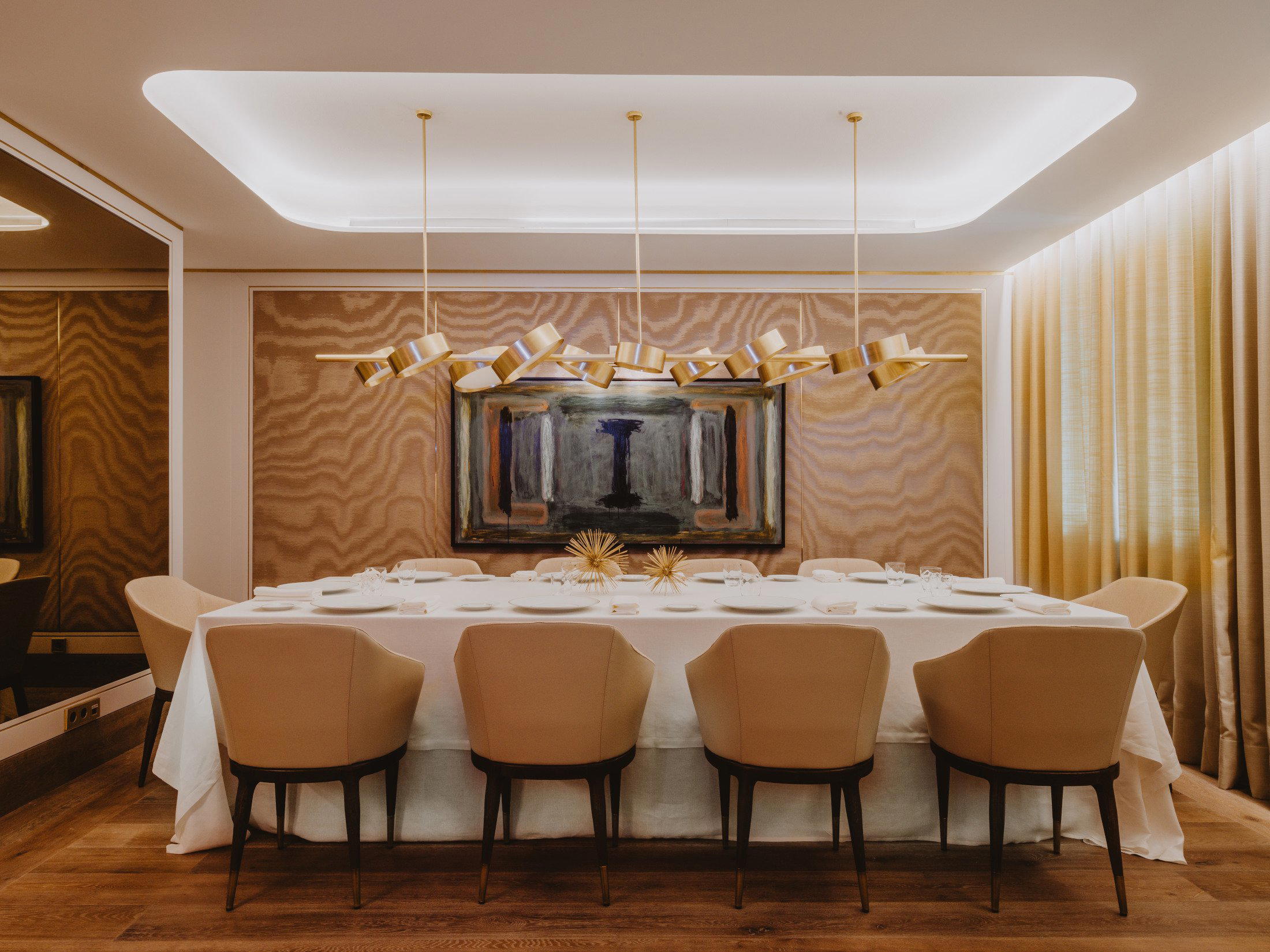
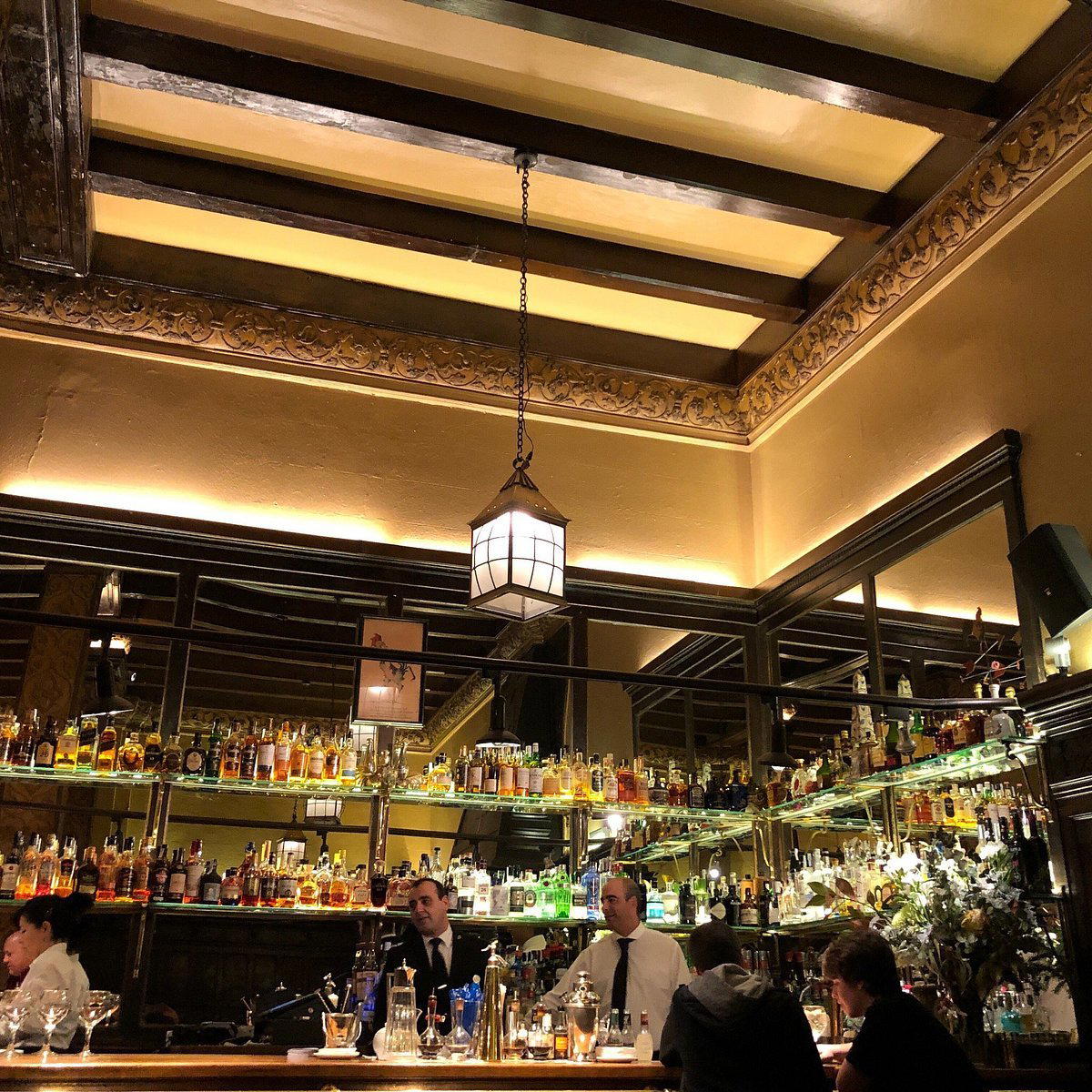
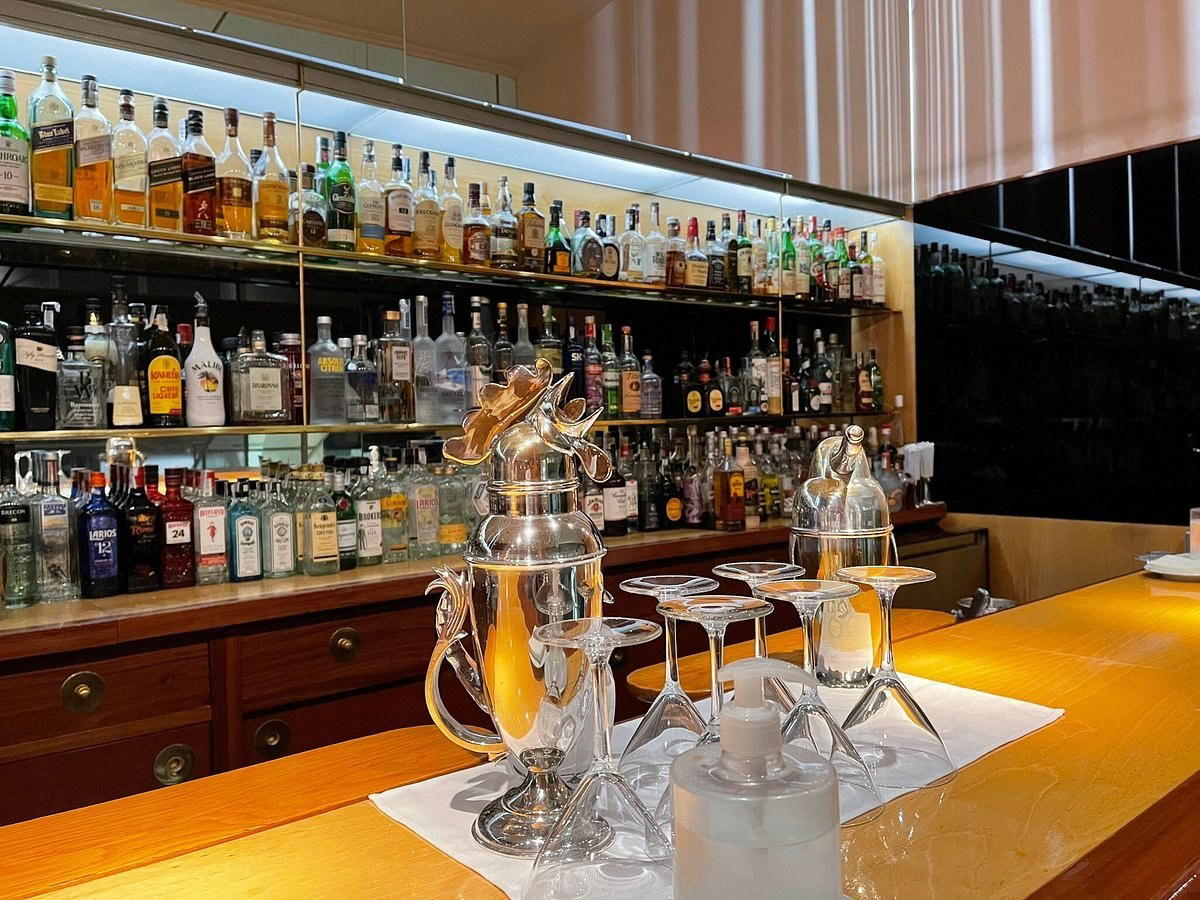
Bars in Madrid
Browse all →
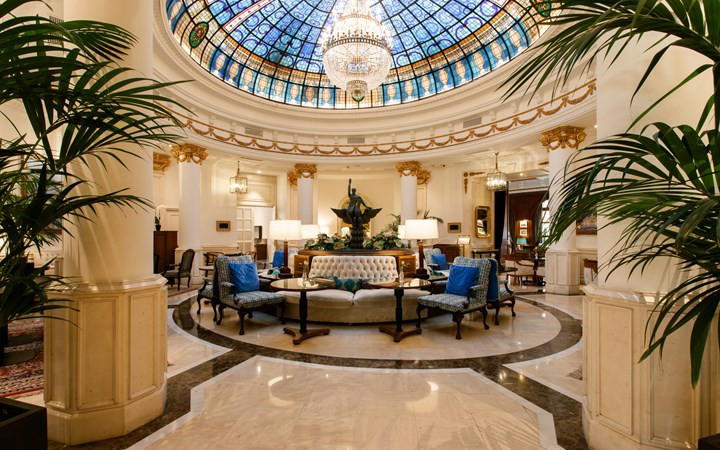
Hotels in Madrid
Browse all →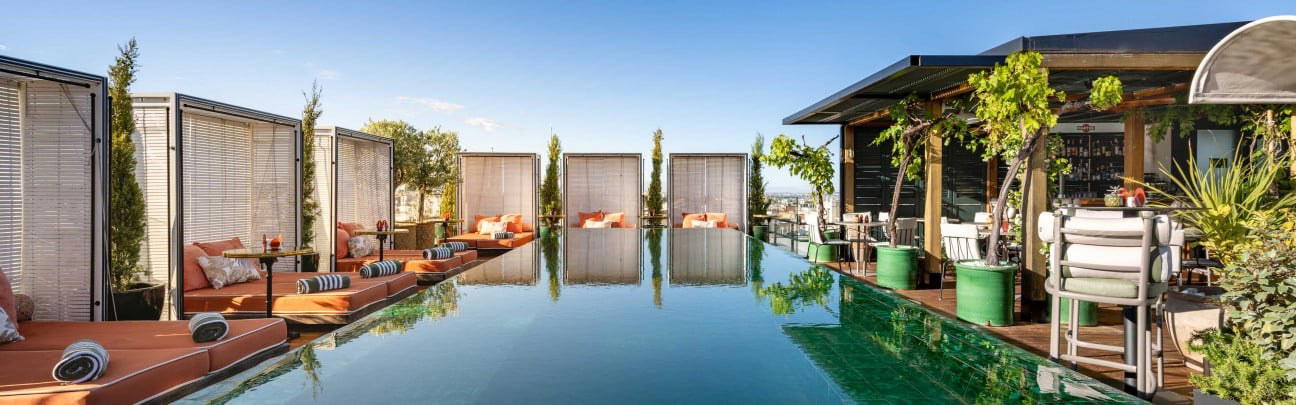


Details
- Elegant
- Sophisticated
- Classic
- Business Dinner
- Date Night
- Special Occasion
- Group Dining
- Wine Cellar
- Open Kitchen
- Private Dining
- Extensive Wine List
- Craft Cocktails
- Local Sourcing
- A La Carte
- Small Plates
- Wine
- Cocktails
Current opening hours
- Monday
- 1 PM–1 AM
- Tuesday
- 1 PM–1 AM
- Wednesday
- 1 PM–1 AM
- Thursday
- 1 PM–1 AM
- Friday
- 1 PM–1 AM
- Saturday
- 1 PM–1 AM
- Sunday
- 1 PM–1 AM
Hours can change for holidays and private events. Last verified .
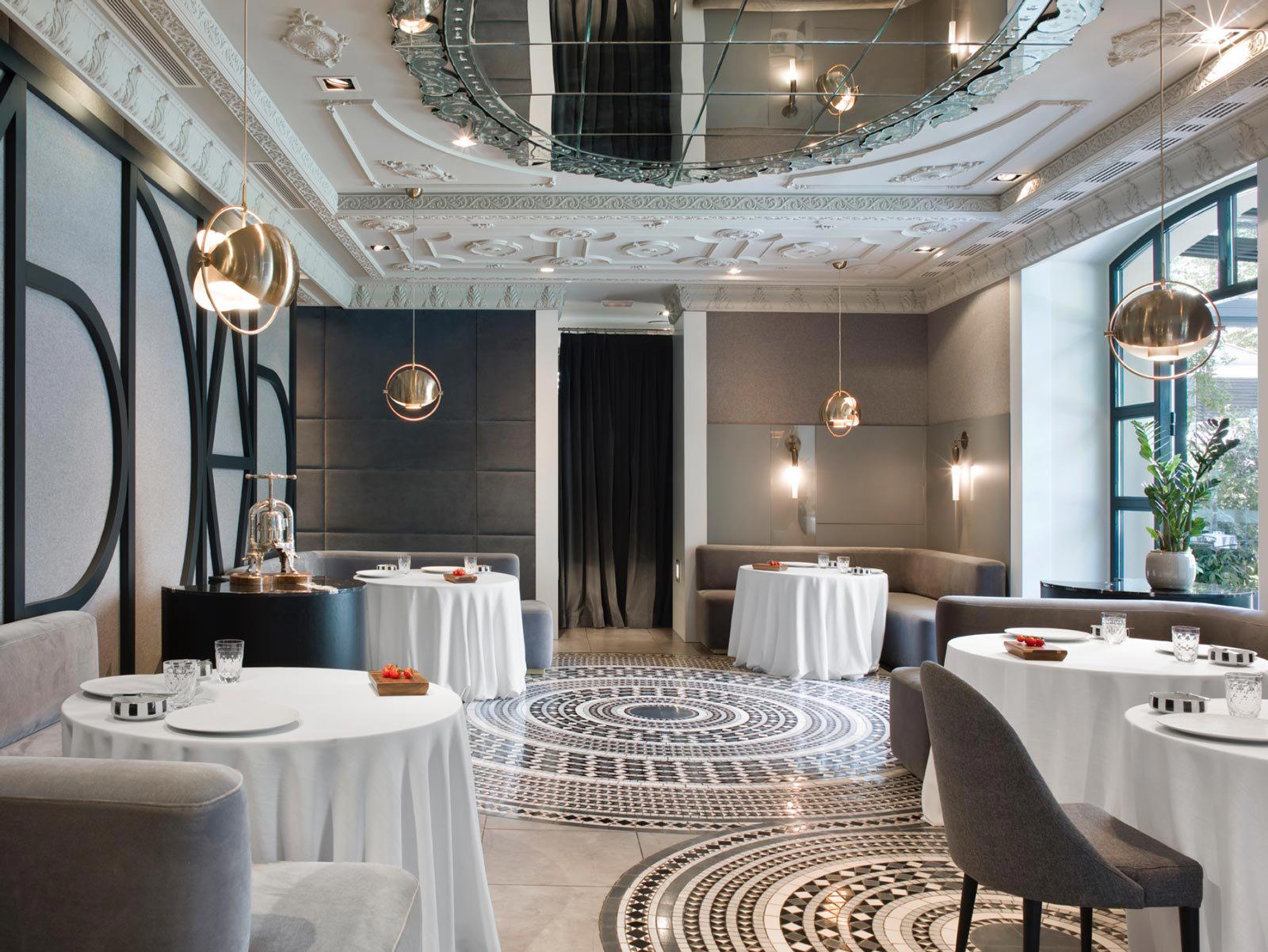
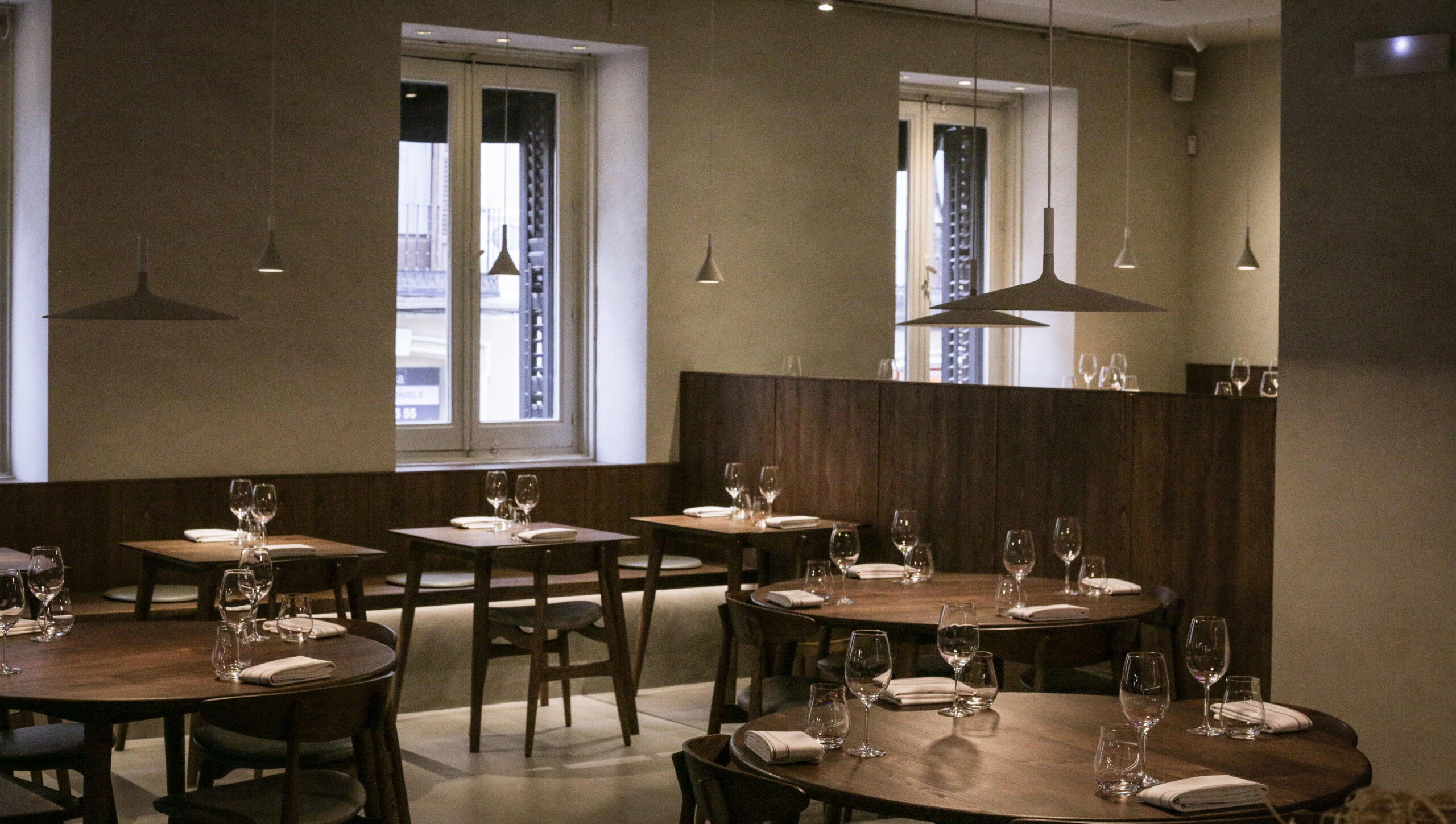
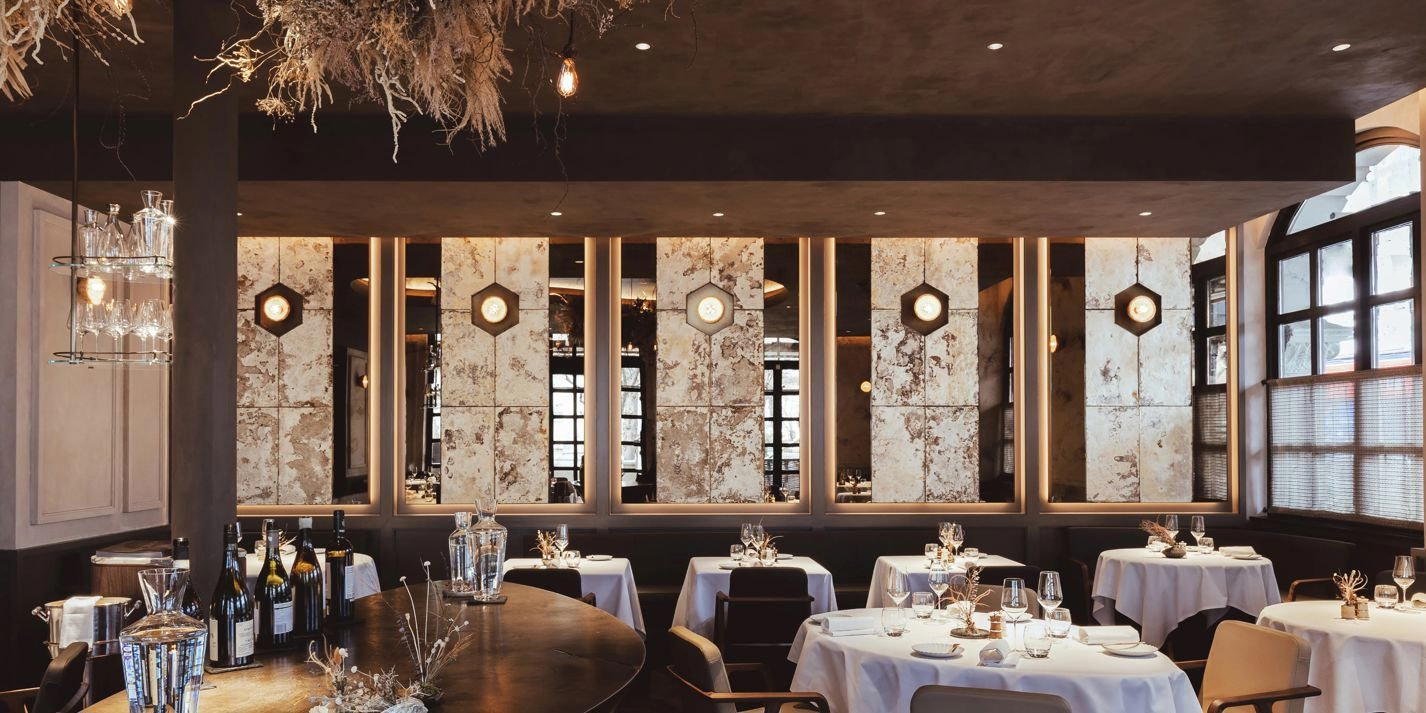
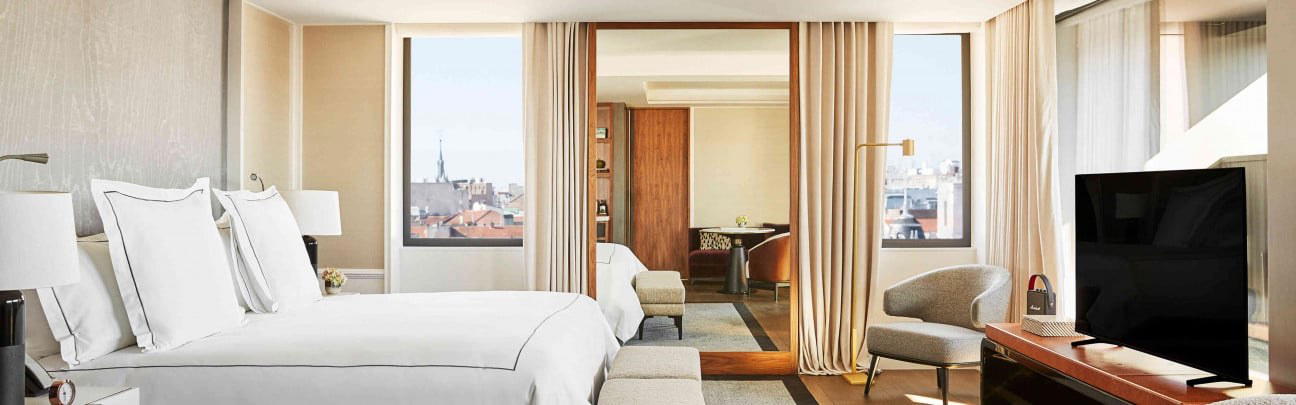
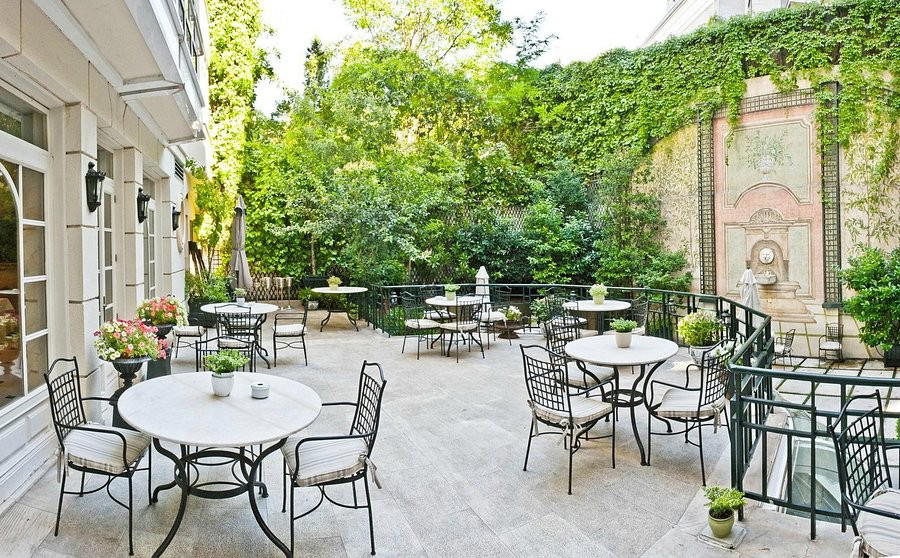
Elegant and refined with abundant wood, vintage details, and a warm bourgeois aesthetic; the upper floor features multiple dining rooms with polished service and sophisticated design.