La Mi Venta occupies a Plaza de la Marina Española address in Madrid's Centro district, placing it within reach of the capital's most concentrated cluster of serious dining. The address alone situates it inside a neighbourhood where provenance and product quality define the competitive conversation, and where sourcing decisions read as editorial statements about how a kitchen understands Spanish cooking.
 Discover on Pearl
Pearl is the En Primeur Club membership app — saves, bookings, and concierge access live there. Same editors, same standards.
- Address
- Pl. de la Marina Española, 7, Centro, 28013 Madrid, Spain
- Phone
- +34915595091
- Website
- lamiventa.com
Where the Address Sets the Standard
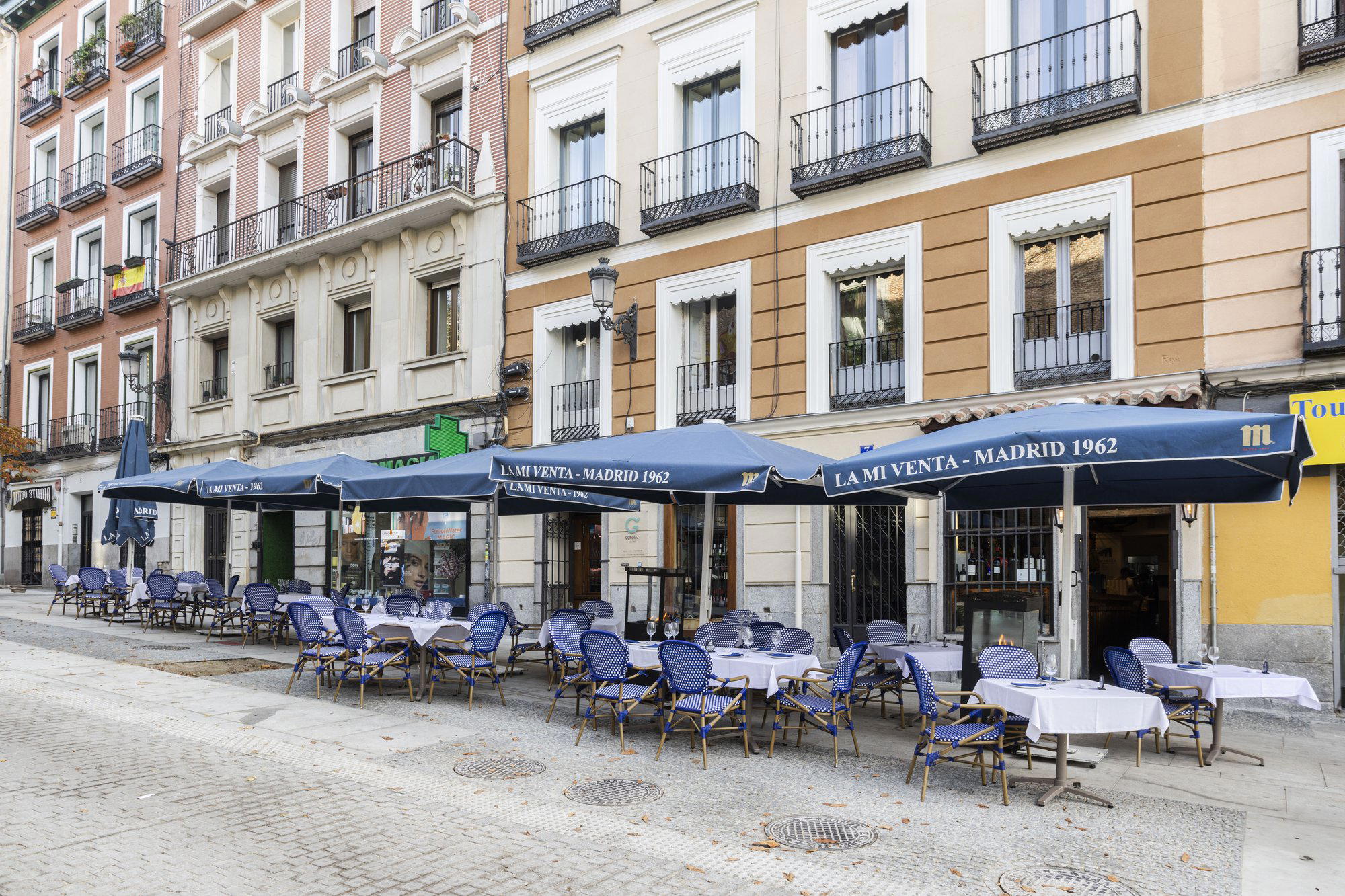
Madrid's Centro district has never been a single-note dining quarter. The streets around Plaza de la Marina Española carry the weight of proximity to the Palacio Real and the dense residential blocks of the old city, and the restaurants that hold ground here do so because they have something specific to say about Spanish cooking, not because foot traffic carries them. La Mi Venta sits at Pl. de la Marina Española, 7, in Madrid, serving traditional Spanish Castilian cuisine at about $40 per person.
That renegotiation has played out most visibly at the top of the market, where venues like DiverXO and Coque operate at the €€€€ tier with international reputations and long waiting lists. But the more interesting pressure in Madrid dining has come from the middle and upper-middle register, where kitchens are making deliberate choices about where ingredients come from and allowing those choices to drive the menu rather than the reverse. La Mi Venta occupies that space in the Centro conversation.
Sourcing as Editorial Stance
Across Spain's serious restaurant tier, the shift toward ingredient provenance as the primary creative act has been one of the defining moves of the past decade. At Azurmendi in Larrabetzu, the kitchen's relationship with its surrounding land is treated as part of the dining proposition itself. At Aponiente in El Puerto de Santa María, the sourcing logic extends to marine ecosystems that most kitchens would never consider working with. What these approaches share is a refusal to treat ingredients as interchangeable commodities, and that refusal has become a signal of seriousness throughout Spanish fine dining.
In Madrid specifically, that conversation has filtered down from the three-star tier into the broader dining scene. Kitchens in the Centro area now face a readership, in the form of their regular guests, that understands what it means for a dish to be built around a specific producer or a specific region's seasonal output. La Mi Venta's address in this quarter means it operates in an environment where sourcing decisions are noticed and, more importantly, where they are expected.
The wider Spanish scene provides useful framing here. El Celler de Can Roca in Girona has long treated Catalan producers as co-authors of its menu. Arzak in San Sebastián built its four-decade reputation partly on the insistence that Basque Country materials could carry a full fine dining programme. Quique Dacosta in Dénia made the produce of the Valencian coast the central argument of the kitchen. These are not isolated decisions, they represent a disciplined position about what Spanish cooking can and should be.
The Centro Dining Context
Madrid's Centro is not the city's most fashionable dining postcode. That distinction moves around, currently leaning toward Chamberí and the stretch of Chueca where natural wine bars and progressive Spanish kitchens cluster. But Centro holds its own logic: it draws a mix of residents with long institutional memory of the city's food culture and visitors with the research habits to seek out specific addresses rather than drift into whatever is nearest the hotel. For a kitchen, that audience composition matters. It tends to produce guests who arrive with context rather than expectation, which allows a menu built around sourcing specificity to land correctly.
Venues like Deessa and DSTAgE have demonstrated that Modern Spanish and Creative formats can build significant reputations in Madrid without requiring the city's most prominent real estate. Paco Roncero operates in a creative register that signals the breadth of ambition available within the capital's restaurant scene. La Mi Venta's position in Centro places it within this broader map of a city taking its food seriously at multiple price points and formats.
Spain's Dining Geography, from the Capital Outward
One useful way to read a Madrid restaurant in 2024 is to place it within the wider geography of Spanish fine dining. The country has developed one of the most geographically distributed serious dining cultures in Europe, with three-star restaurants not concentrated in a single city but spread across Basque Country, Catalonia, Galicia, the Levantine coast, and Extremadura. Martin Berasategui in Lasarte-Oria, Cocina Hermanos Torres in Barcelona, Mugaritz in Errenteria, Ricard Camarena in València, and Atrio in Cáceres are all operating at the level where they pull food-focused travellers away from the capital rather than toward it.
That dynamic gives Madrid restaurants a particular challenge: to hold the attention of a guest who could have flown to San Sebastián or driven to Girona. The answer, consistently, has been specificity. Kitchens that can point to something particular, a supplier relationship, a regional tradition handled with precision, a format that is difficult to replicate elsewhere, are the ones that justify the capital as a dining destination in its own right rather than a convenient hub for travel elsewhere.
Internationally, the comparison is instructive. At Le Bernardin in New York City, the sourcing argument has been built over decades through an insistence on fish quality that effectively redefined what a New York seafood restaurant could be. At Atomix in New York City, Korean ingredient traditions have been used to build a tasting menu format that operates with full confidence alongside European fine dining. What these cases share with the Spanish model is the idea that provenance and material quality, handled with intellectual seriousness, produce cooking that does not need to borrow its authority from elsewhere.
Planning Your Visit
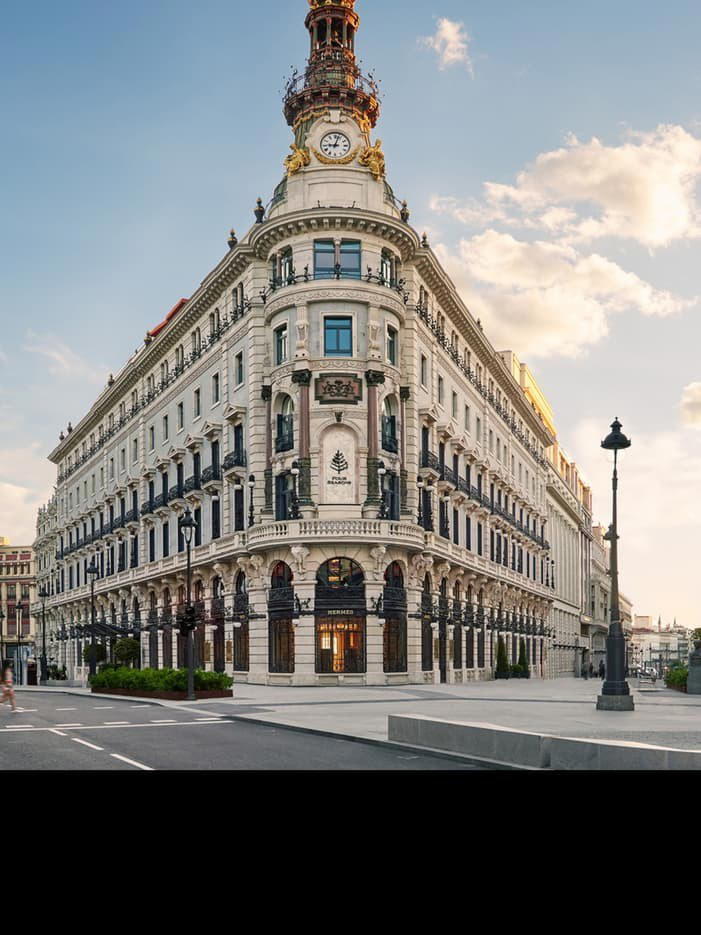
La Mi Venta is located at Pl. de la Marina Española, 7, in the Centro district of Madrid. The plaza is a short walk from the Ópera metro station (Lines 2 and 5), making it accessible from most parts of the city without requiring a taxi or private car.
Address: Pl. de la Marina Española, 7, Centro, 28013 Madrid, Spain. Getting There: Ópera metro station (Lines 2 and 5) is the closest underground connection. Reservations: Dress: smart casual. Budget: about $40 per person.
Pricing, Compared
Comparable venues nearby, for context on price, style, and recognition.
| Venue | Cuisine | Price | Awards | Notes |
|---|---|---|---|---|
| La Mi VentaThis venue — the venue you are viewing | Palacio, Traditional Spanish Castilian | $$$ | , | |
| Cañadío | Lista, Traditional Cantabrian | $$$ | , | |
| Qüenco De Pepa | $$$ | , | Chamartín, Seasonal Spanish market cuisine with vegetables from its own garden | |
| Casa Lucio | La Latina, Traditional Castilian Spanish | $$$ | , | |
| Sala de despiece | $$$ | , | Rios Rosas, Modern Spanish Avant-Garde Tapas | |
| Verdejo | $$$ | , | Salamanca, Seasonal Spanish Taberna with Modern Touches |
At a Glance
- Rustic
- Cozy
- Classic
- Casual Hangout
- Terrace
- Open Kitchen
- Extensive Wine List
- Street Scene
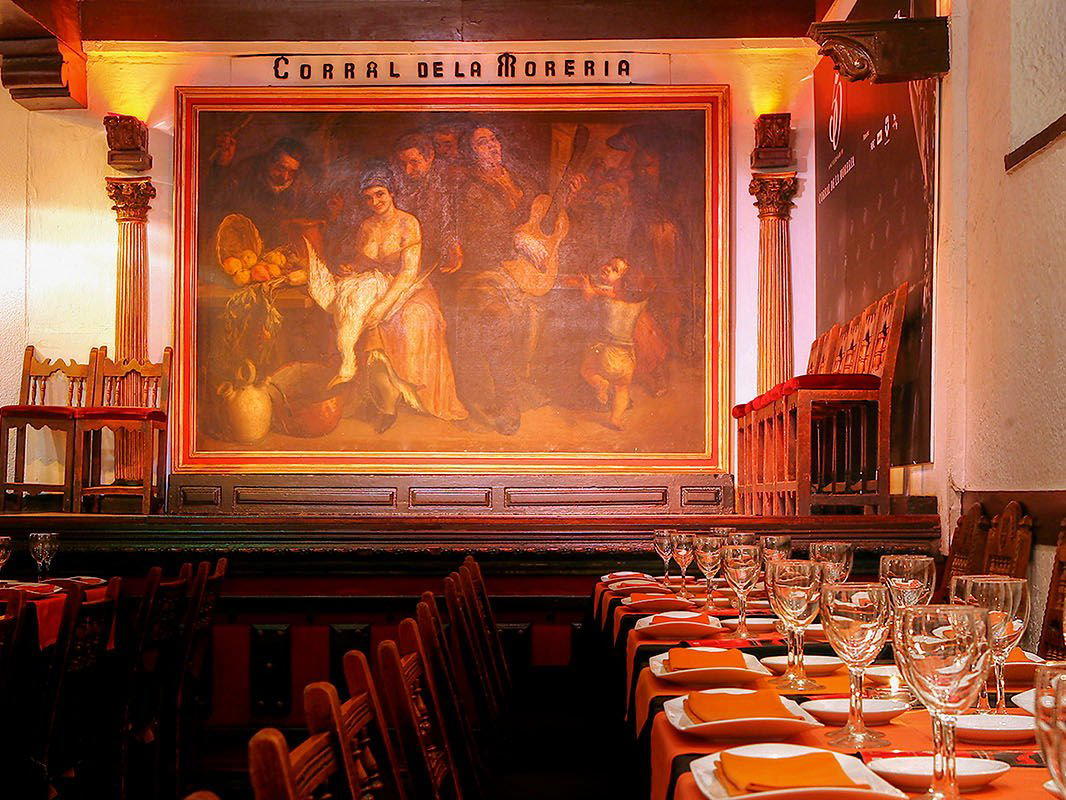
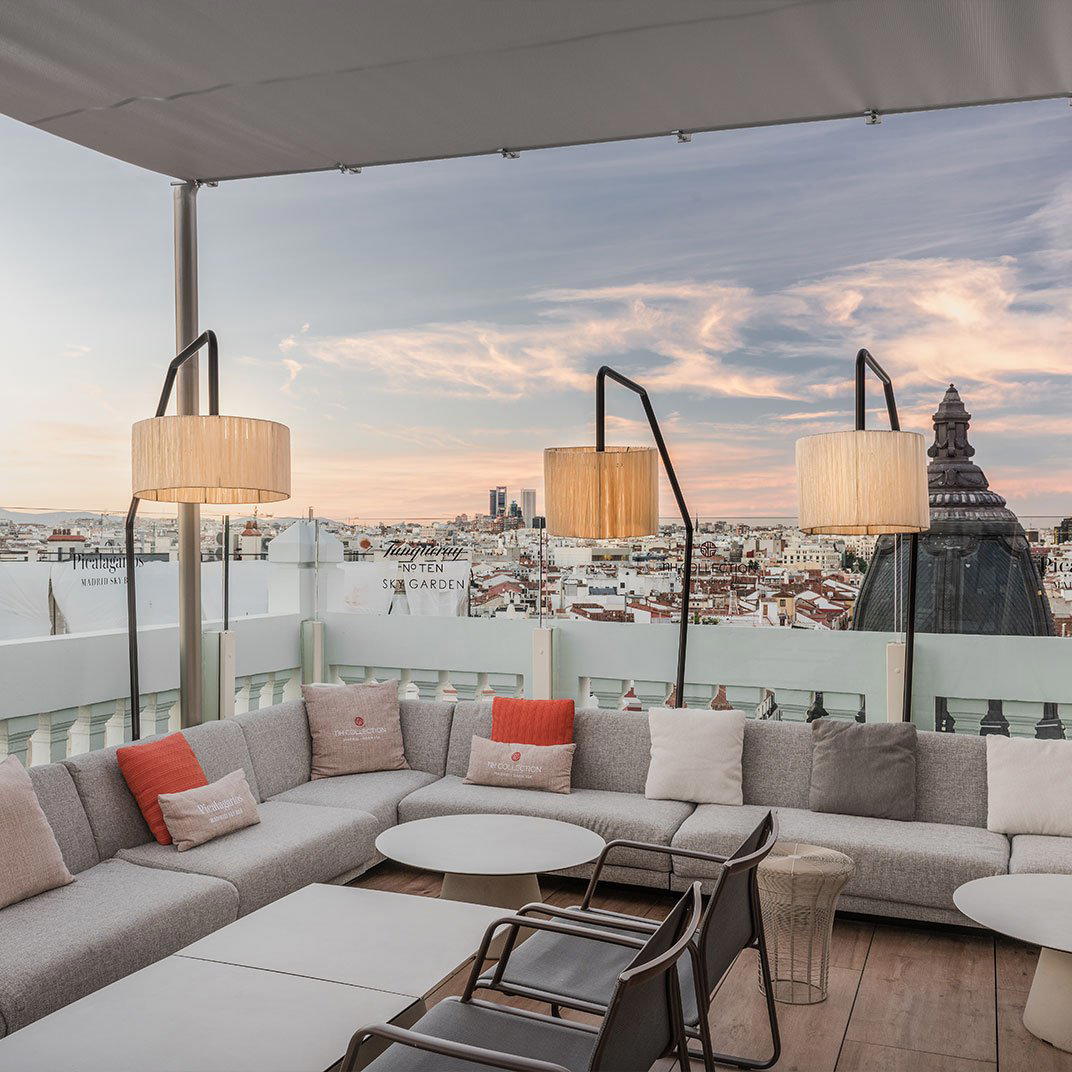
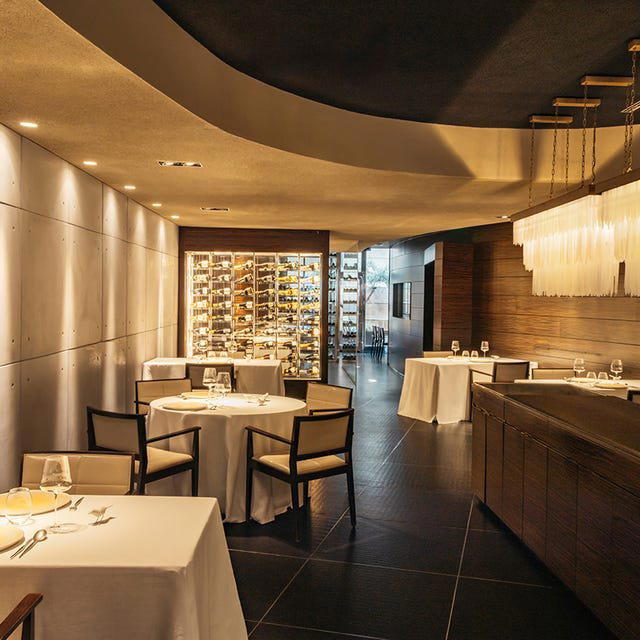
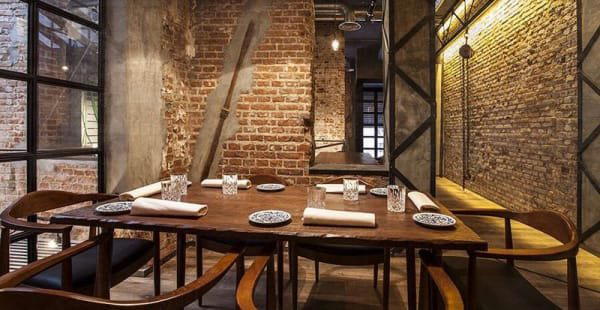
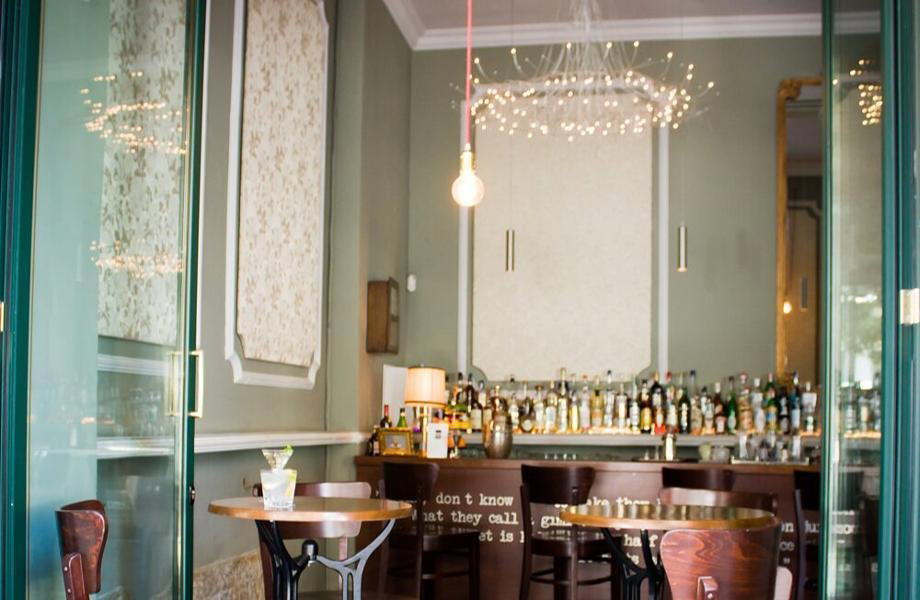
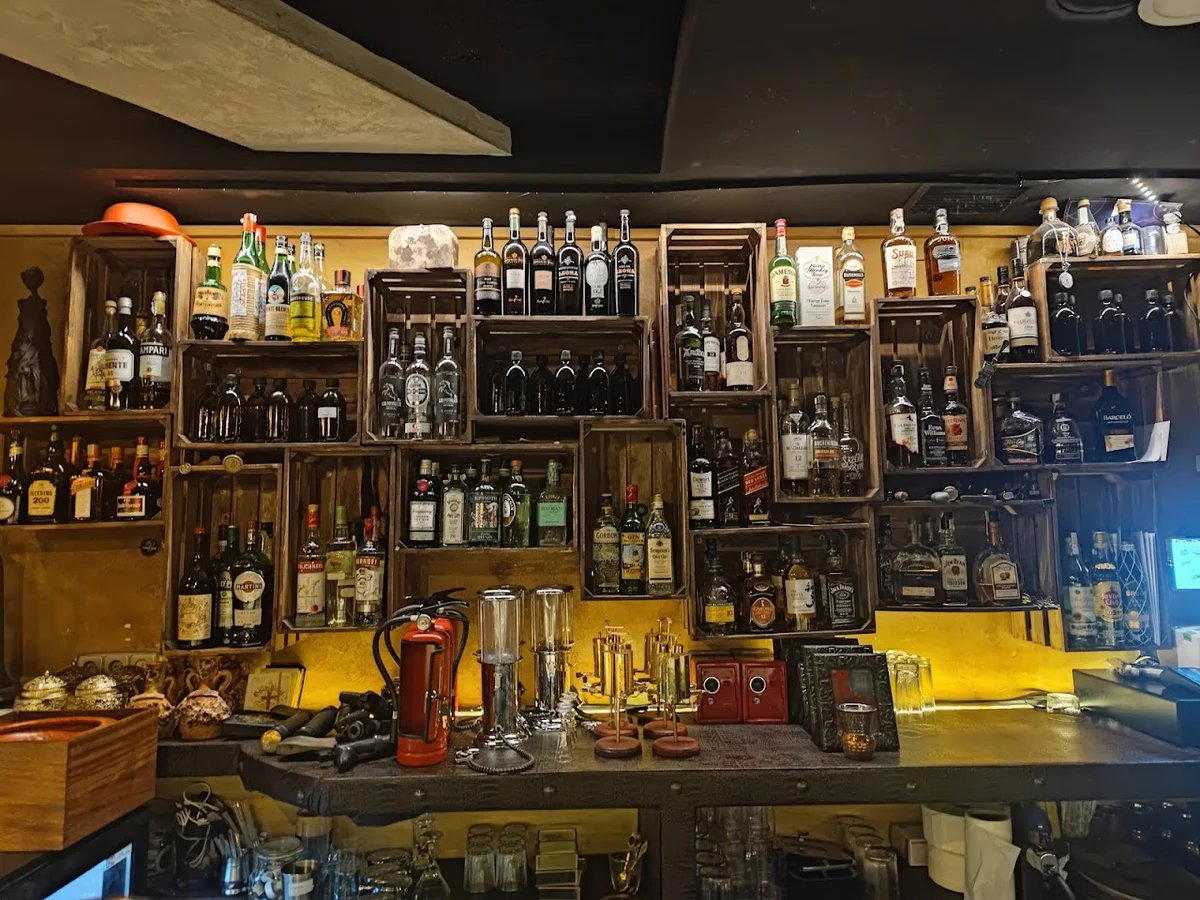
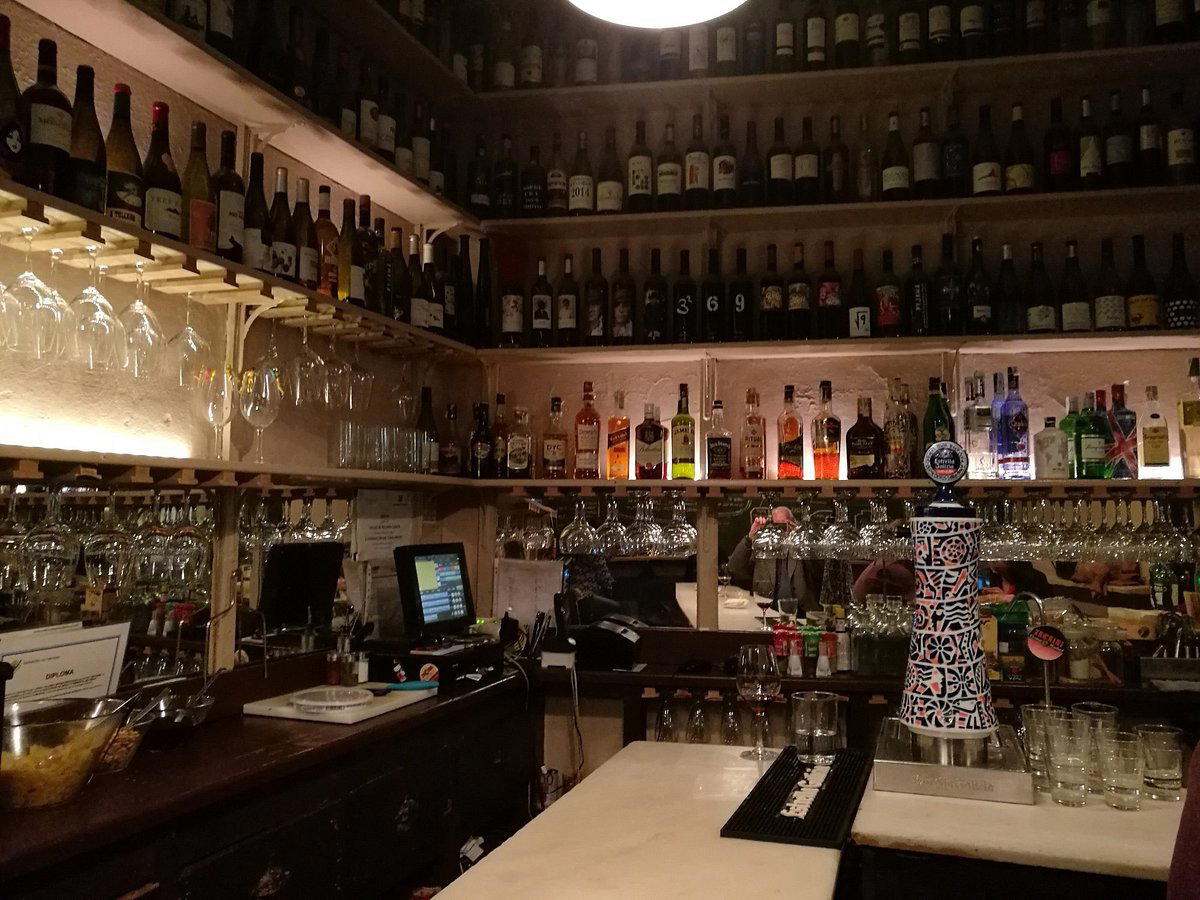
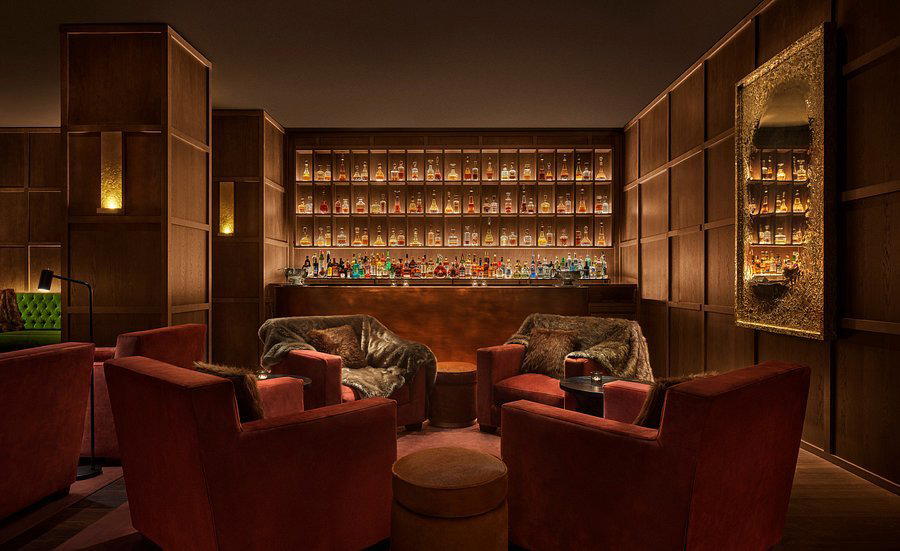
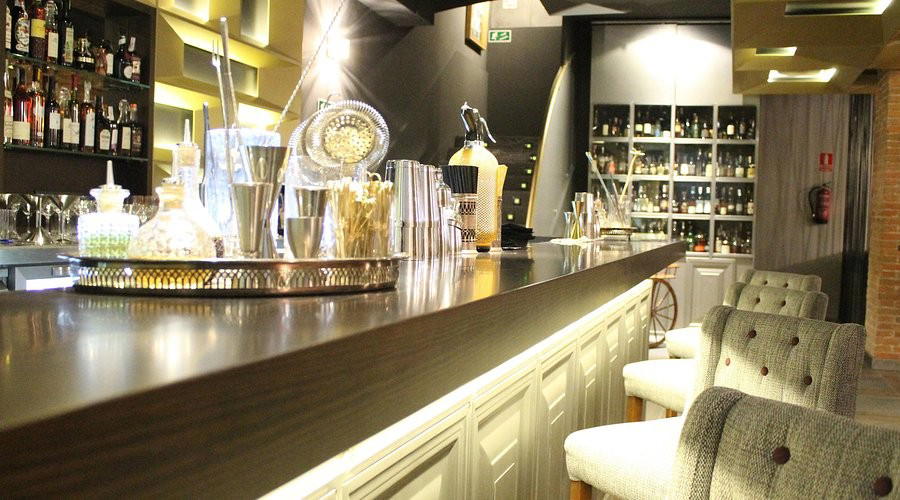
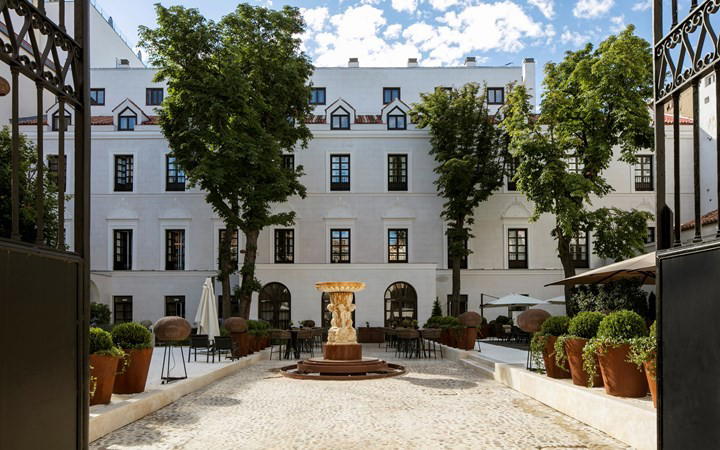
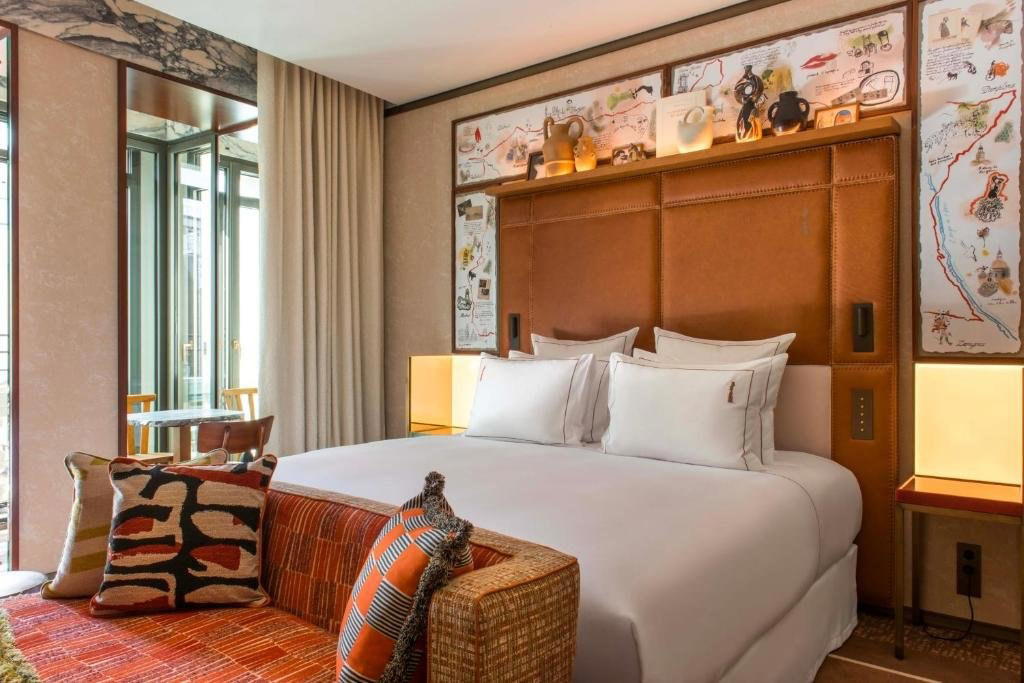
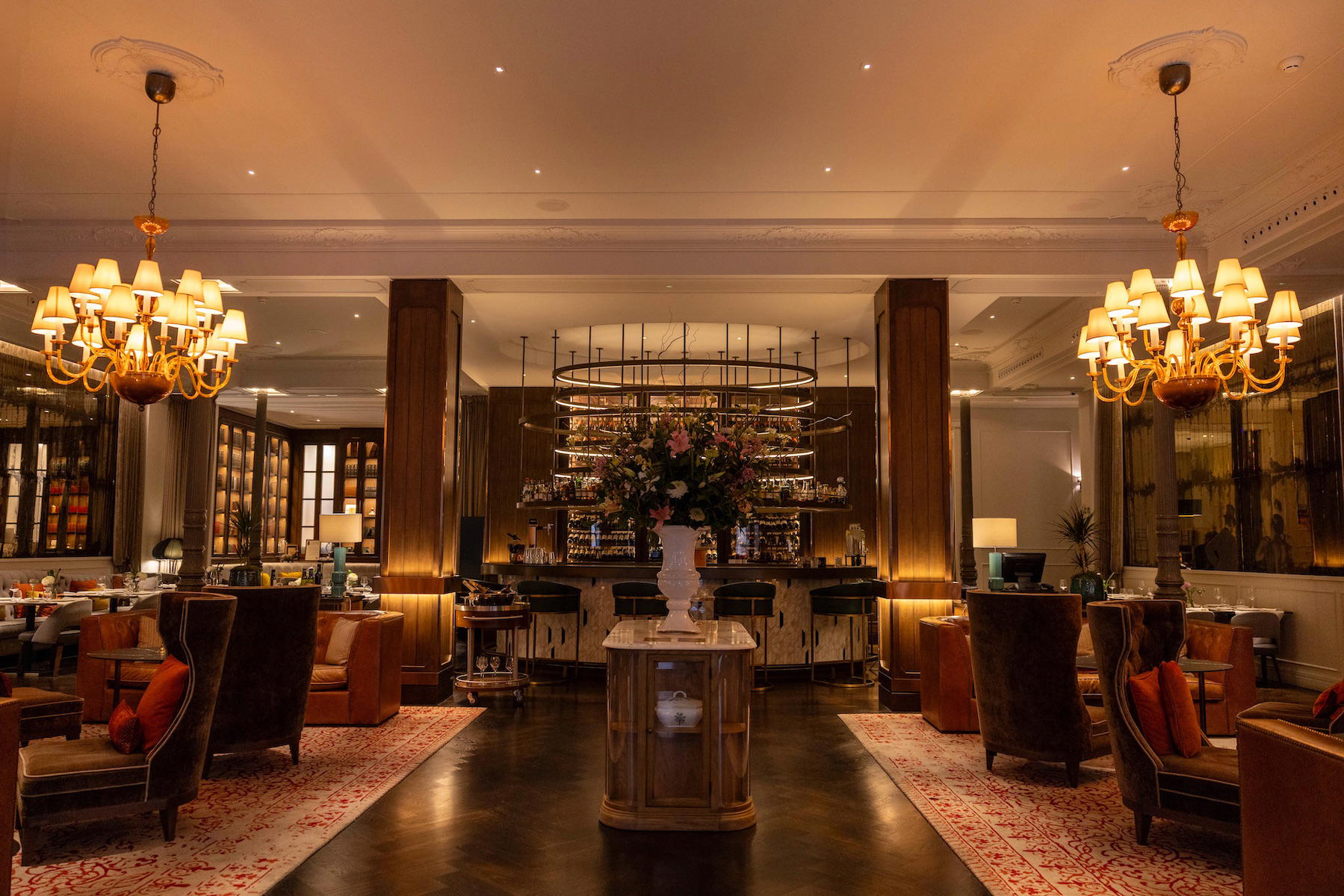
Cozy rustic atmosphere with multiple lounges including a brick cave, typical mesón bar, and lively terrace.