
Entrecanales Domecq e Hijos, S.A is better understood as a production-led Spanish wine group than a cellar-door estate. Founded in 1940, with Ribera del Duero DO in its orbit and an appointment-only visit format, it suits travelers interested in how industrial-scale elaboration, crianza, and agricultural management shape modern Spanish wine.
Pearl is the En Primeur Club membership app — saves, bookings, and concierge access live there. Same editors, same standards.
- Address
- Madrid, Comunidad de, Spanien
- Directions
- Get directions
 Saves & bookings on Pearl
Approach Entrecanales Domecq e Hijos, S.A as a working wine-production business rather than a romantic vineyard stop. The picture is industrial in character: functional, production-oriented, and less focused on scenic or intimate visitor hospitality. That distinction matters for travelers planning around Madrid, because not every wine-related address is designed like a traditional tasting-room winery. Some wine addresses are useful because they signal how wine is made, handled, or organized as a business, not because they promise a leisurely afternoon among vines. Reading this venue through that more practical lens helps avoid mismatched expectations from the start.
Wine through a production lens
Entrecanales Domecq e Hijos, S.A is best understood through its production role. The available information points to an industrial-scale wine production company rather than a small, visitor-focused estate. That makes the useful frame operational: this is a place associated with wine production rather than a venue defined by leisurely hospitality, vineyard views, or a polished tasting format. In editorial terms, the emphasis should sit on function before atmosphere, and on production before romance.
Specific claims about grapes, appellations, cellar programs, ownership history, staffing, or visitor formats should not be assumed. What can be said is that the atmosphere is likely functional and production-oriented, which places the company in a different category from boutique wine destinations built around public tastings and scenic experiences. A reader should not infer a curated cellar walk, a guided pour, or a pastoral setting simply because the business sits within the broader world of wine.
For planning purposes, treat the listing as a production-led wine company in Madrid with $$ pricing. It may interest readers who want to understand the industrial side of wine rather than those seeking a conventional winery visit. The value of the listing is therefore contextual: it helps define the practical, workaday end of the wine spectrum, where production identity matters more than visitor theatre. For some travelers, that distinction will be clarifying; for others, it will be a signal to look for a more hospitality-led option.
What the visit says about wine production
The useful editorial frame is the contrast between wine as hospitality and wine as production. Entrecanales Domecq e Hijos, S.A falls on the production side of that divide. Its appeal, where relevant, is not based on a confirmed restaurant-style service, a tasting menu, an awards narrative, or a named drinks program; it is based on the idea of wine made at an industrial scale. That does not make it less relevant, but it does make it relevant in a narrower and more practical way.
That makes expectations important. Do not assume public-facing hospitality or a boutique cellar experience unless confirmed directly by the venue. The description supports a more practical reading: functional, production-oriented, and not especially scenic or intimate. Travelers who are used to wine tourism as a sequence of views, pours, and informal conversations should pause before applying that model here. The more accurate expectation is a business-first setting whose wine connection is rooted in production rather than leisure.
Recognition here should not be overstated. Its confirmed profile is simpler: a Madrid-listed wine-production company with $$ pricing and an industrial character. That simplicity is important because it keeps the recommendation honest. The venue does not need to be dressed up as a destination winery when the available information supports a more restrained, production-centered description.
How to place it within a Madrid wine itinerary
Madrid travelers should place the winery carefully within a wine itinerary. It is better treated as a production-led wine address whose practical details should be checked before making plans. That means using it as a point of orientation rather than automatically building a full excursion around it. If a traveler’s aim is to map the broader wine landscape around Madrid, the address may have relevance; if the aim is a guaranteed tasting experience, the assumptions need to be tested first.
For a wider Madrid wine map, compare this production-led profile with other Madrid wine and dining options generically, rather than assuming the same kind of public-facing hospitality. For broader trip architecture, keep the wine day separate from dining, hotel, bar, and experience planning unless the venue confirms specific visitor arrangements. This separation is useful because a production company and a hospitality venue answer different travel needs. One may help explain the industry; the other may provide the relaxed, sensory experience many visitors associate with wine travel.
In short, the reason to note the winery is its functional, industrial-scale wine-production character. Readers looking for scenery, intimacy, or a confirmed tasting-room format should verify current access and services before building a day around it. One balanced approach is to keep expectations modest, read the venue through its operational identity, and avoid projecting a boutique winery experience onto a business whose available profile is more industrial than romantic.
Recognition history
Dated appearances from independent guides and award organizations, with the underlying list record or original source where available.
Falstaff Winery - Listed
Falstaff
Continue exploring
More in Madrid
Wineries in Madrid
Browse all →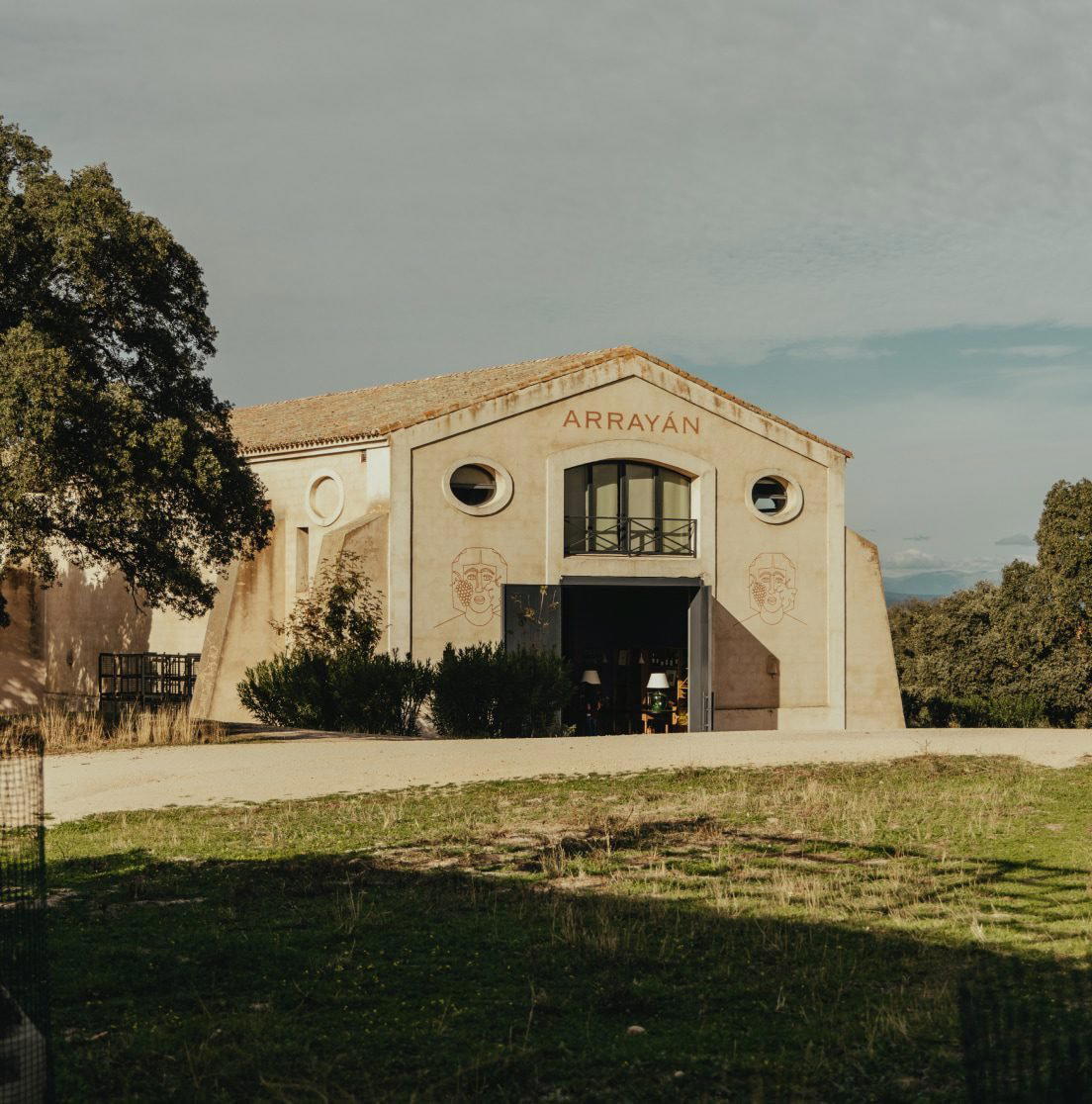
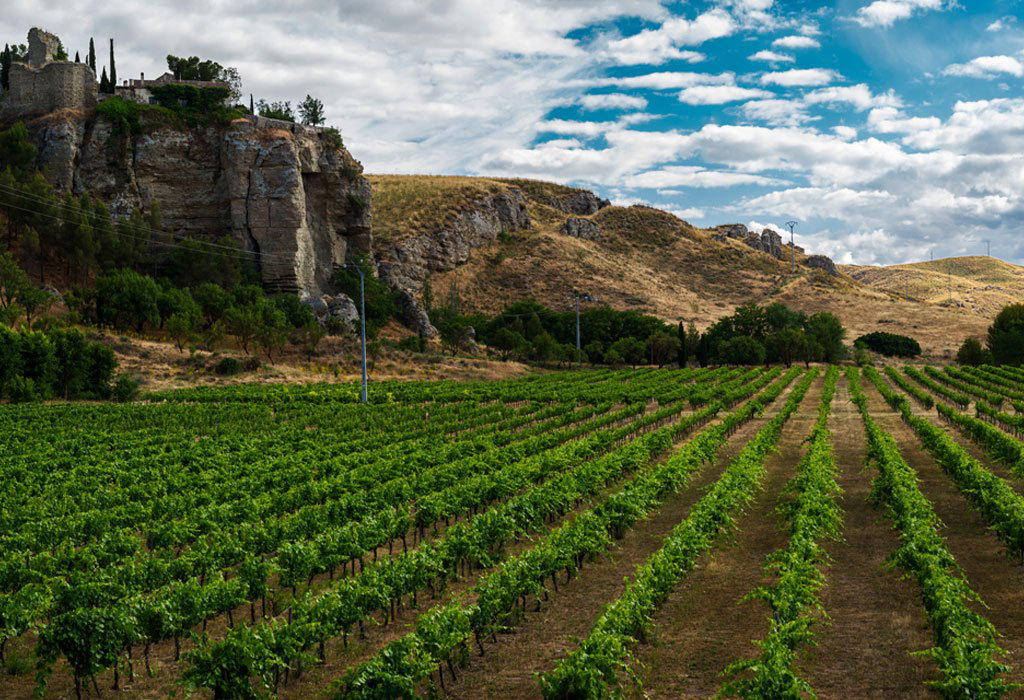
Bars in Madrid
Browse all →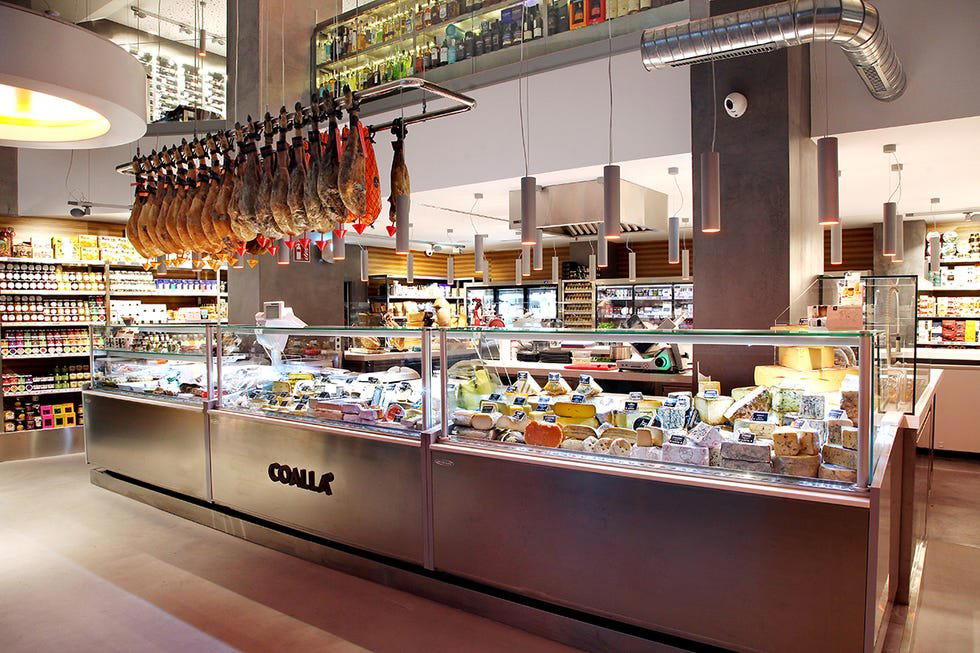
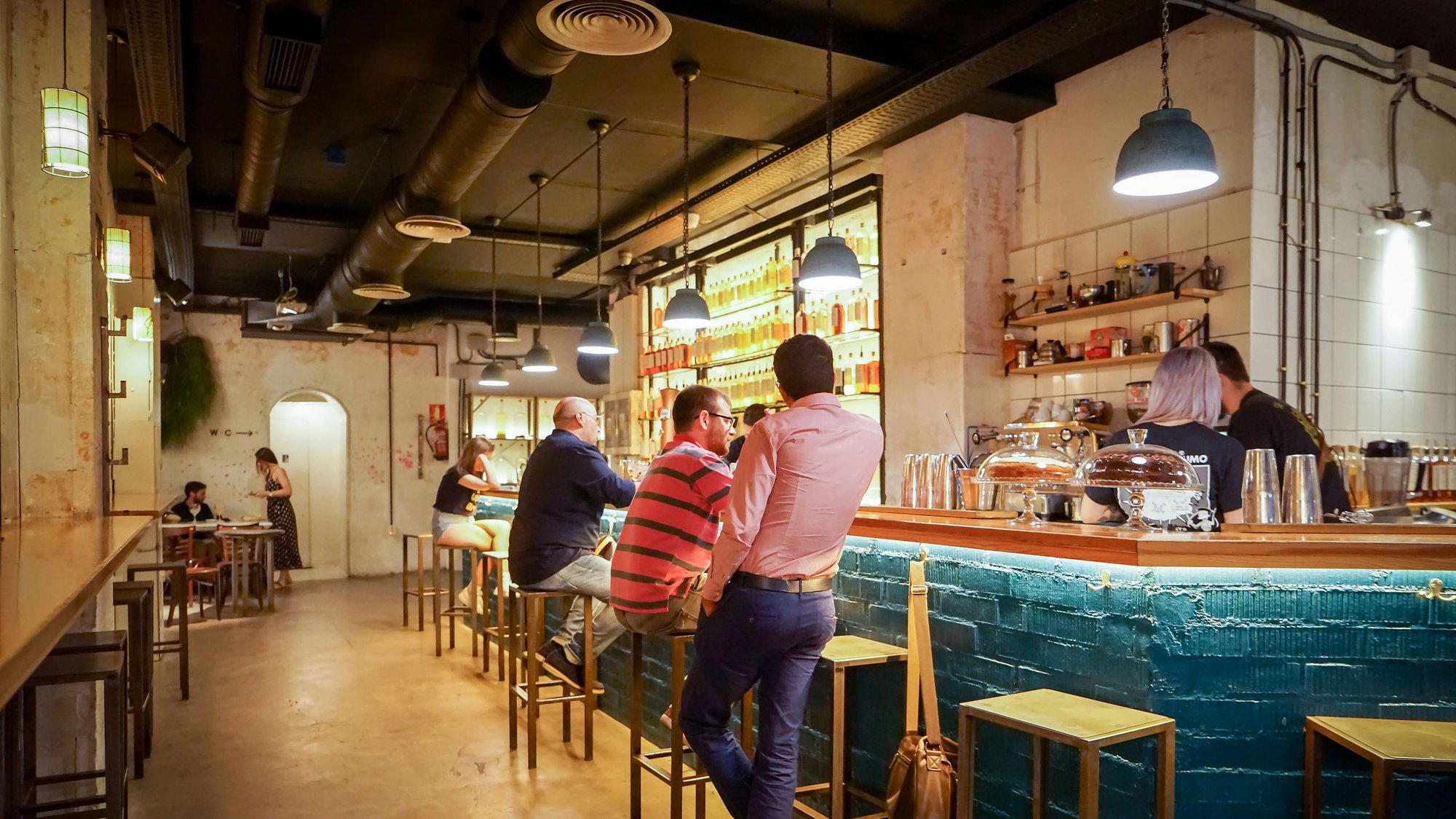
Restaurants in Madrid
Browse all →


At a Glance
- Industrial
- Ribera Del Duero DO
- Still Red
- Still White
- Still Rosé
- Sparkling
- Fortified
- Dessert
Industrial-scale wine production company rather than a traditional visitor-focused winery; atmosphere at its Villaverde de Medina production site is likely functional and production-oriented rather than scenic or intimate, with operations focused on elaboration and crianza of wines.