
A Hai Taiwanese Oden is a Michelin Plate-recognised oden stall in Tainan's South District, operating in the small-eats tradition that defines the city's street food identity. For visitors tracing Tainan's Taiwanese oden scene, it represents a grounded, well-regarded entry point.
Pearl is the En Primeur Club membership app — saves, bookings, and concierge access live there. Same editors, same standards.
- Address
- No. 121號, Dalin Rd, South District, Tainan City, Taiwan 702
- Phone
- +886 921 216 792
- Website
- facebook.com
- Directions
- Get directions
 Saves & bookings on Pearl
Oden in Tainan: A Street Food Tradition With Deep Roots
In many Taiwanese cities, oden occupies a specific cultural register: it is the food of late afternoons and early evenings, sold from glass-fronted carts or modest storefronts where customers point at skewered ingredients suspended in broth and pay by the stick. The format arrived in Taiwan during the Japanese colonial period and was absorbed so thoroughly into local food culture that most Taiwanese no longer think of it as foreign. In Tainan, where the density of small-eats operations is higher than in almost any other Taiwanese city, oden has evolved into a category with its own regional character, the broths are often sweeter and more aromatic than their Japanese counterparts, and the ingredient selection reflects local sourcing preferences rather than any strict adherence to the original template.
A Hai Taiwanese Oden is a Taiwanese oden restaurant in Tainan's South District, recognized with a 2024 Michelin Plate and a budget price tier. It sits inside this tradition. The South District is not Tainan's tourist corridor, it lacks the preserved Qing-dynasty architecture of the Anping or West Central neighbourhoods, which means its food operations tend to serve a local rather than visitor-facing clientele. That distinction matters when reading A Hai's numbers:700 reviews reflects sustained neighbourhood patronage rather than viral tourism traffic, and that kind of consistency is generally a more reliable signal than a spike driven by social media attention.
What a Michelin Plate Means at This Price Point
The 2024 Michelin Plate designation places A Hai in a category that Michelin defines as restaurants and stalls serving food prepared to a good standard, below the star tier, but a formal recognition that the kitchen meets the inspectorate's baseline for quality and consistency. At a single-dollar price range, that designation carries specific weight. Michelin's Taiwan guide has historically been attentive to the street food and small-eats category, and a Plate at this price tier signals that inspectors found the cooking reliable enough to recommend without reservation, even if the format doesn't aspire to the kind of ambition that stars require.
For context, Michelin-recognised small-eats operations in Taiwan's cities, including venues like A Xing Shi Mu Yu in Tainan, share a common characteristic: they tend to specialise in one or two preparations executed at high volume and refined over years. That narrowness of focus is usually what sustains the recognition.
The Oden Format and Its Appeal
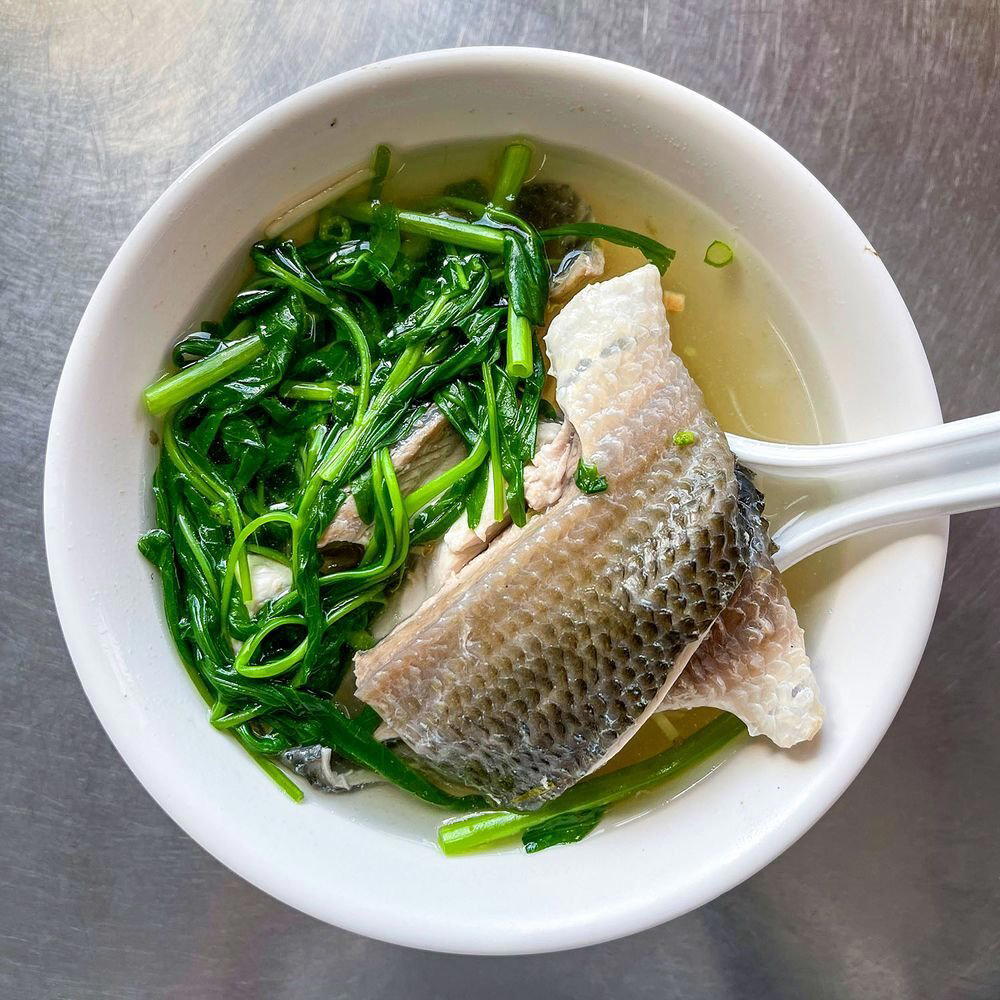
Taiwanese oden differs from the Japanese original in ways that reflect decades of local adaptation. The broth base tends toward a sweeter soy profile, sometimes incorporating dried bonito or kelp alongside local aromatics. Ingredients typically include fish cakes, tofu varieties, daikon, konjac preparations, and various processed meat products, all simmered low and long to absorb the broth's character. The eating experience is communal and self-directed: you select what you want, eat at or near the stall, and pay a modest sum. There is no fixed menu in the conventional sense, and the absence of formality is entirely deliberate.
This format places oden in a different competitive frame from Tainan's other celebrated small-eats categories. Beef soup operations like A Cun Beef Soup (Baoan Road) or rice cake specialists such as A Wen Rice Cake represent distinct culinary lineages. Oden, by contrast, is more textural and broth-forward, a different kind of satisfaction, more suited to cooler weather and extended grazing than to a quick, intense hit of flavour.
Tainan's Small-Eats Scene: Where A Hai Fits
Tainan has a structural advantage in the small-eats category that most Taiwanese cities can't replicate: a food culture that remained relatively insulated from the rapid modernisation that reshaped Taipei's dining scene from the 1990s onward. The result is a city where the ratio of long-running, specialist small-eats operations to the total population is unusually high, and where the reference points for quality are set by that local tradition rather than by international dining trends.
Within that context, A Hai operates in the South District's more residential, less curated food environment. Operations in this part of the city, alongside spots like A Ming Zhu Xing (Baoan Road) and Chang Ying Seafood House, tend to earn their following through repetition and reliability rather than novelty. The Michelin Plate places A Hai at the more formally recognised end of that spectrum without removing it from its neighbourhood character.
For visitors who want to understand how oden fits into Taiwan's wider small-eats tradition across cities, the format appears in both Kaohsiung and Bangkok's street food scenes. Bei Gang Tsai Rice Tube (Yancheng) in Kaohsiung offers a comparable price-tier, neighbourhood-first experience, while operations like Arunwan in Bangkok show how Southeast Asian cities have developed their own small-eats traditions in parallel. Further afield, Taiwan's higher-end dining, JL Studio in Taichung, logy in Taipei, and GEN in Kaohsiung, represents the opposite pole of the same national food culture: formally constructed tasting menus that draw on the same ingredient traditions that small-eats stalls access at street level.
Planning a Visit
A Hai Taiwanese Oden is located at No. 121, Dalin Road, South District, Tainan City. The South District is accessible by taxi or scooter from the city's central areas; The district is accessible by taxi or scooter from the city's central areas. As a small-eats operation at budget pricing, queuing during peak hours is plausible given the review volume, and arriving outside the main meal periods may reduce wait times. No booking infrastructure is typical for operations of this format. Hours: Wednesday through Sunday, 10:45 AM to 6:30 PM; closed Monday and Tuesday.
Those considering day trips or extended regional itineraries might also look at Akame in Wutai Township or Volando Urai Spring Spa & Resort in Wulai District for contrast at the opposite end of the format and price spectrum. Bokkia Tha Din Daeng in Bangkok rounds out the regional small-eats comparison for those building a broader Southeast and East Asian food itinerary.
Booking and Cost Snapshot
Comparable venues nearby, for context on price, style, and recognition.
| Venue | Cuisine | Price | Awards | Notes |
|---|---|---|---|---|
| A Hai Taiwanese OdenThis venue — the venue you are viewing | South District, Taiwanese Oden | $ | Michelin Plate | Not listed |
| Lao Tseng Lamb | Not listed | $ | Michelin Plate | West Central District, Taiwanese Lamb Stir-Fry |
| Wang Jia Smoked Lamb | Not listed | $$ | Michelin Plate | Longqi District, Traditional Taiwanese Smoked Lamb |
| 黃家鱔魚意麵 | Not listed | $ | Not listed | 中西區 (Zhongxi District), Tainan-Style Eel Noodles |
| Shun Te Beef Soup | Xuejia District, Tainan Beef Soup | $ | Michelin Plate | Not listed |
| A-Yu Beef Shabu Shabu (Kunlun Road) | Not listed | $$ | Michelin Plate | Rende District, Taiwanese Beef Shabu-Shabu Hotpot |
Recognition history
Dated appearances from independent guides and award organizations, with the underlying list record or original source where available.
Michelin Plate
Michelin
Michelin Plate
Michelin





At a Glance
- Cozy
- Rustic
- Casual Hangout
- Standalone
Current opening hours
- Monday
- Closed
- Tuesday
- Closed
- Wednesday
- 10:45 AM–6:30 PM
- Thursday
- 10:45 AM–6:30 PM
- Friday
- 10:45 AM–6:30 PM
- Saturday
- 10:45 AM–6:30 PM
- Sunday
- 10:45 AM–6:30 PM
Hours can change for holidays and private events. Last verified .
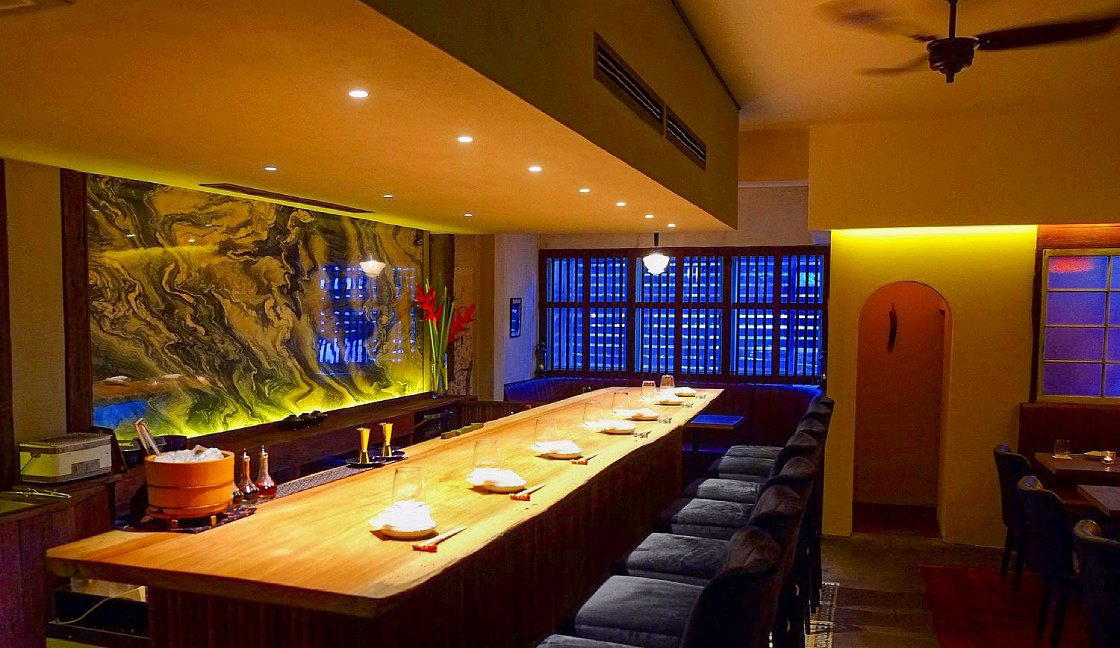
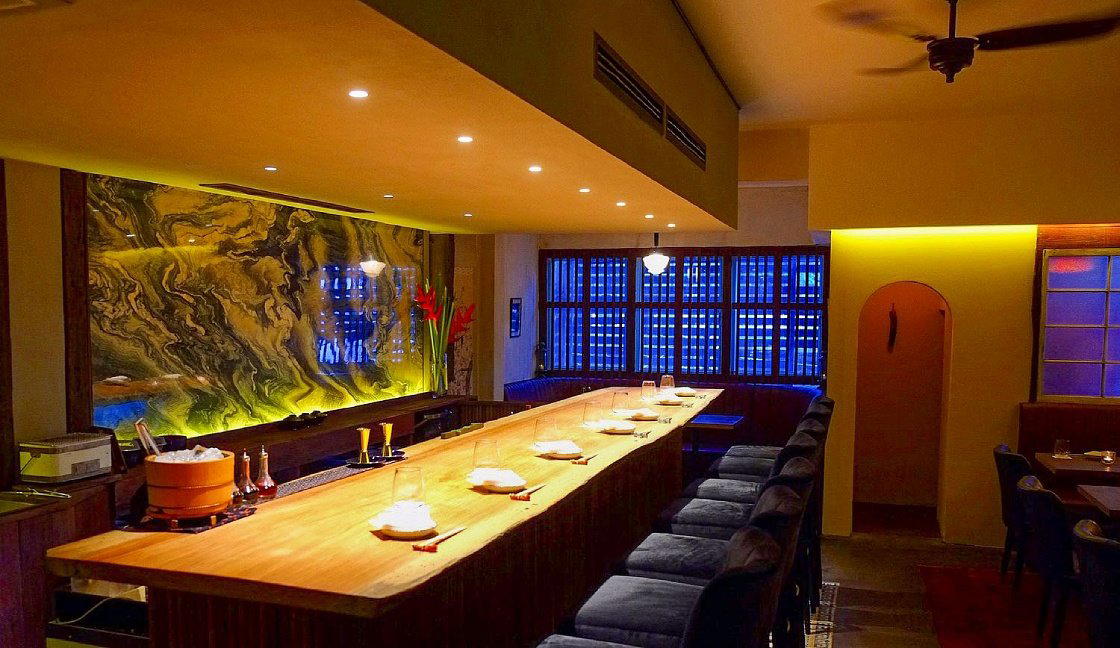
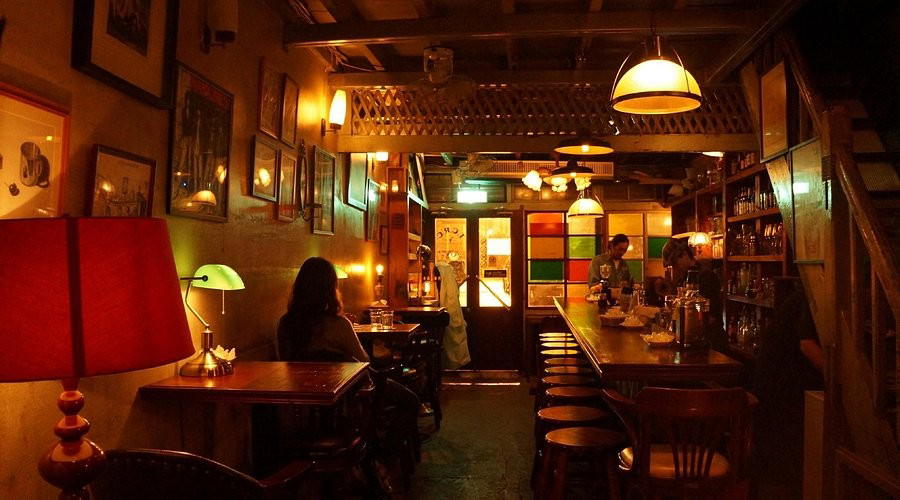
Spare, bustling, and deeply authentic with clinking bowls, steam from simmering pots, and diners gathered shoulder to shoulder amid evocative scents.