On Nguyễn Thái Học, one of Hoi An's most atmospheric pedestrian streets, Tam Tam Cafe and Restaurant occupies a position in the Ancient Town's mid-range dining tier where Franco-Vietnamese sensibility and colonial-era architecture do a significant amount of the work. The address places it within easy reach of the lantern-lit core, making it a practical anchor for evenings that begin with a drink and extend into dinner.
Pearl is the En Primeur Club membership app — saves, bookings, and concierge access live there. Same editors, same standards.
- Address
- 110 Nguyễn Thái Học, Phường Minh An, Hội An, Quảng Nam, Vietnam
- Phone
- +84 913 433 378
- Website
- facebook.com
- Directions
- Get directions
 Saves & bookings on Pearl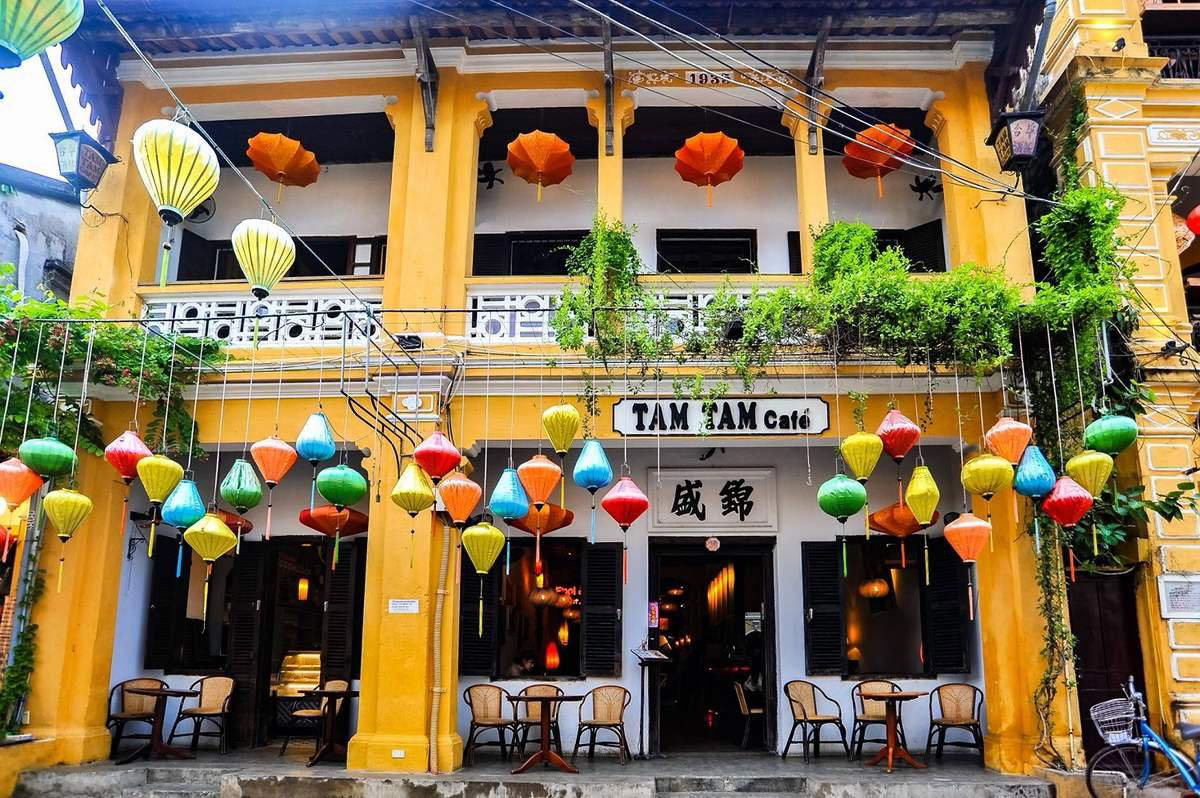
Where the Street Slows Down
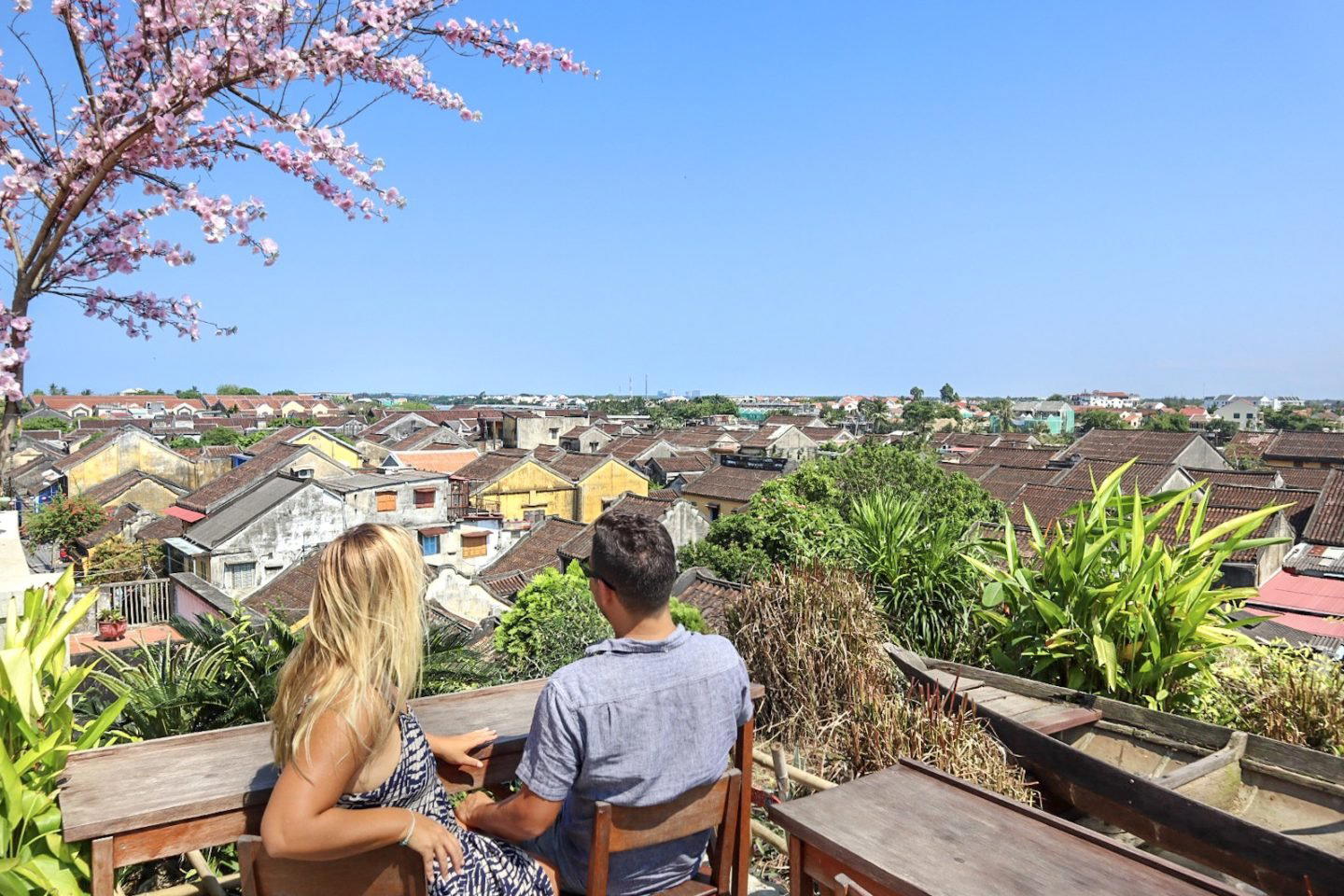
Nguyễn Thái Học runs through the heart of Hoi An's Ancient Town with a particular quality that distinguishes it from the more tourist-dense stretches closer to the Thu Bon river. The shophouse facades here retain more of their original proportions, and foot traffic moves at a pace that allows the architecture to register. Tam Tam Cafe and Restaurant sits at number 110 along this corridor, in a building whose upper-floor balcony puts it in direct dialogue with the street below rather than set apart from it. Arriving in the late afternoon, when the angle of the light catches the yellow-ochre plaster typical of Hoi An's preserved quarter, the address reads less like a restaurant entrance and more like a fold in the city's historical fabric.
That atmospheric framing is not incidental. Hoi An's Ancient Town has operated under UNESCO World Heritage protection since 1999, and the constraints placed on buildings in the core zone mean that the physical character of venues here is shaped as much by preservation policy as by interior design decisions. The result, across the district, is a dining environment unlike those found in Vietnam's larger urban centres: the rooms are compact, the ceilings lower, the ambient noise a blend of conversation and the acoustic textures that come through open frontages rather than sealed glass. Tam Tam sits within that shared condition, rather than working against it.
The Sensory Register of the Ancient Town Tier
Central Vietnam's dining scene splits into roughly three registers when you map it by atmosphere and format. At one end sit the street-level pho and cao lau stalls that open before dawn and close by mid-morning. At the other, a handful of higher-concept addresses in Da Nang and the resort corridor, La Maison 1888 in Da Nang occupies that upper tier with its Michel Roux pedigree and InterContinental setting. In between, and representing one populated tier in Hoi An specifically, are cafes and restaurants that operate across the day, blending Vietnamese and French-influenced menus inside heritage buildings. Tam Tam belongs to this middle register, which also includes addresses like Before and Now and spots along routes like 115 Đ. Trần Cao Vân and 42 Đường Phan Bội Châu.
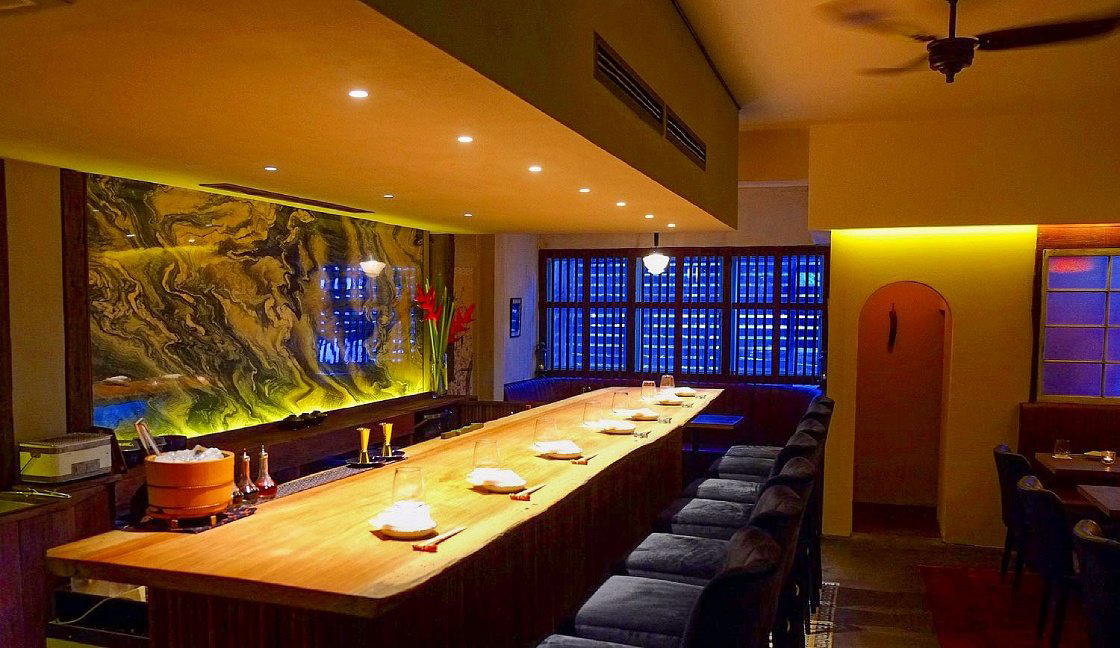
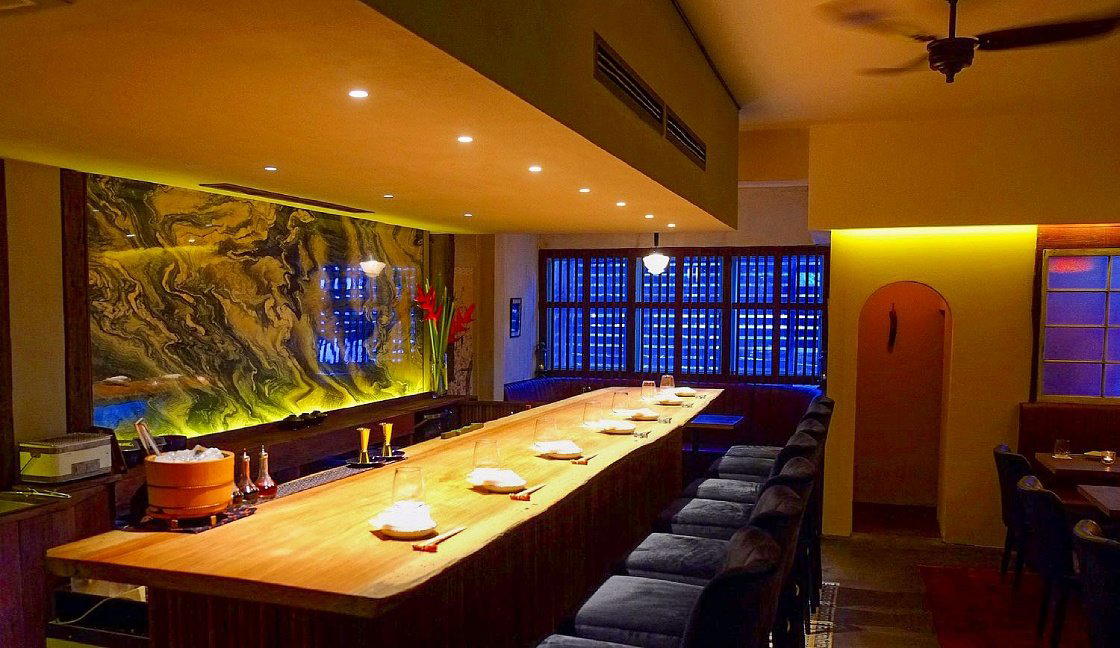
What defines this tier sensorially is the interplay between preserved architecture and the heat of the central Vietnamese climate. Ceiling fans do the work that air conditioning might do elsewhere, and the gentle rotation of blades overhead becomes part of the room's rhythm. Natural light enters from the street side during the day; by evening, the lantern tradition that Hoi An has carried across centuries shifts the entire district's palette toward amber. Restaurants within the Ancient Town core are subject to the same lighting conditions as the street outside, which creates a continuity of mood that purpose-built dining rooms in newer cities rarely achieve.
Positioned Against the Town's Specialities
Hoi An has a specific culinary identity that is worth understanding before choosing where to eat. The town claims cao lau, thick wheat noodles served with pork and local greens, traditionally made with water drawn from a specific well, as its most territorially distinct dish. White rose dumplings and banh mi round out the local canon, and Banh Mi Phuong and Bánh Mì Phượng handle the latter with the kind of sustained reputation that comes from decades of consistent output. For visitors looking to eat through the town's speciality dishes, these more focused addresses deliver the clearest signal.
The cafe-restaurant format that Tam Tam represents serves a different function. It provides a setting where a meal can extend, where a coffee transitions into lunch and lunch into an afternoon of watching the street from a balcony position. This is the format that shaped the Franco-Vietnamese cafe culture of the colonial period, and its persistence in Hoi An's Ancient Town is partly a product of the preservation environment that keeps the buildings intact and partly a reflection of what visitors arriving in this particular city are looking for. The context matters: Hoi An attracts a traveller who moves more slowly than the average urban tourist, and the all-day cafe-restaurant format is calibrated to that pace.
Across Vietnam more broadly, the spectrum of dining ambition runs from the technically focused tasting menus at Gia in Hanoi and Akuna in Ho Chi Minh City to the hyper-regional and deeply local, as found at Saffron in Hue City. Hoi An's mid-range tier, which Tam Tam occupies, plays a different role in this ecology: it absorbs the cultural and atmospheric work of the Ancient Town setting and delivers it alongside food rather than making the food the primary performance.
Planning an Afternoon or Evening Here
Nguyễn Thái Học becomes pedestrianised during peak evening hours, which changes the sensory conditions considerably. The absence of motorbike traffic allows the street noise to drop to conversation level, and the lanterns that line the road become the primary source of light and visual reference. This is the window when the street, and by extension, restaurants positioned to face it, operates at its most atmospheric. Visitors planning a dinner rather than a lunch visit should account for the town's popularity during high season, which runs from roughly February through June before the central Vietnamese monsoon arrives in earnest. The shoulder months of October and November, after the heaviest rains but before the full high-season crowds, offer a different version of the same street: quieter, slightly cooler, and with a patina of post-rain humidity that the preserved plaster facades absorb particularly well.
City Peers
Comparable venues nearby, for context on price, style, and recognition.
| Venue | Cuisine | Price | Notes |
|---|---|---|---|
| Tam Tam Cafe & Restaurant Hoi AnThis venue — the venue you are viewing | Vietnamese Cafe | $$ | Not listed |
| Seashell by Nu Eatery | Modern Vietnamese Fusion Tapas | $$ | Hoi An Old Town |
| Banh Mi Phuong (Hoi An) | Traditional Vietnamese Banh Mi | $ | Hoi An Old Town |
| cơm gà an hiền | Hoi An Chicken Rice (Com Ga) | $ | Minh An |
| Before and Now | Modern Vietnamese Fusion Urban Bistro | $$ | Hoi An Old Town |
| White Rose (Bông Hồng Trắng) | Hoi An White Rose Dumplings | $$ | Old Town |
At a Glance
- Cozy
- Rustic
- Casual Hangout
- Family
- Historic Building
- Street Scene
Current opening hours
- Monday
- 9 AM–10 PM
- Tuesday
- 9 AM–10 PM
- Wednesday
- 9 AM–10 PM
- Thursday
- 9 AM–10 PM
- Friday
- 9 AM–10 PM
- Saturday
- 9 AM–10 PM
- Sunday
- 9 AM–10 PM
Hours can change for holidays and private events. Last verified .
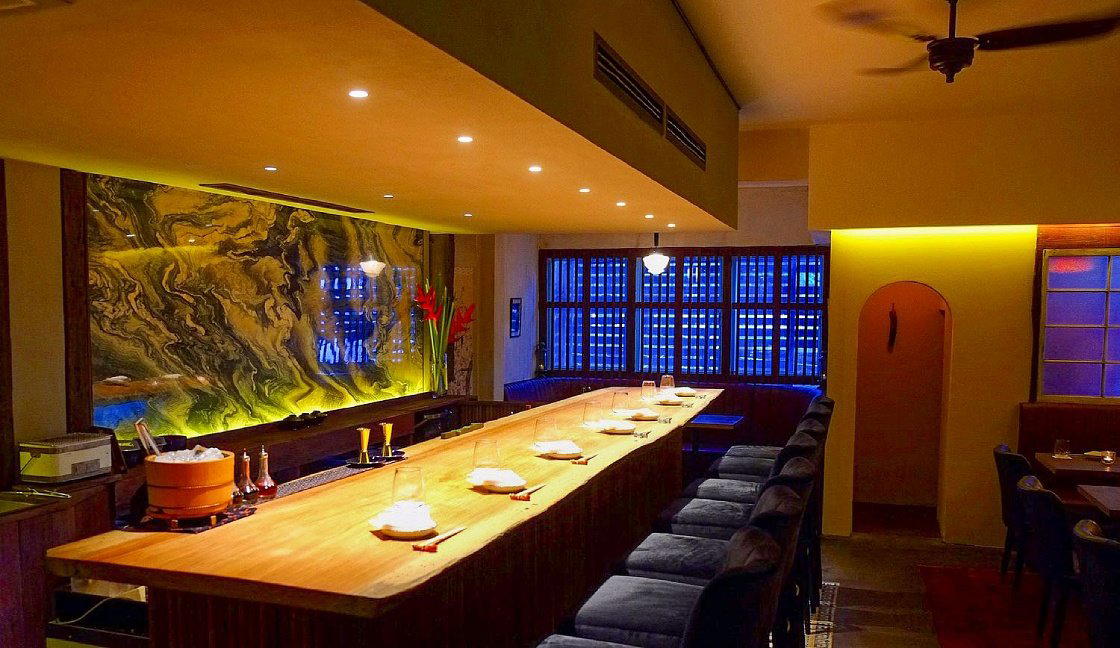
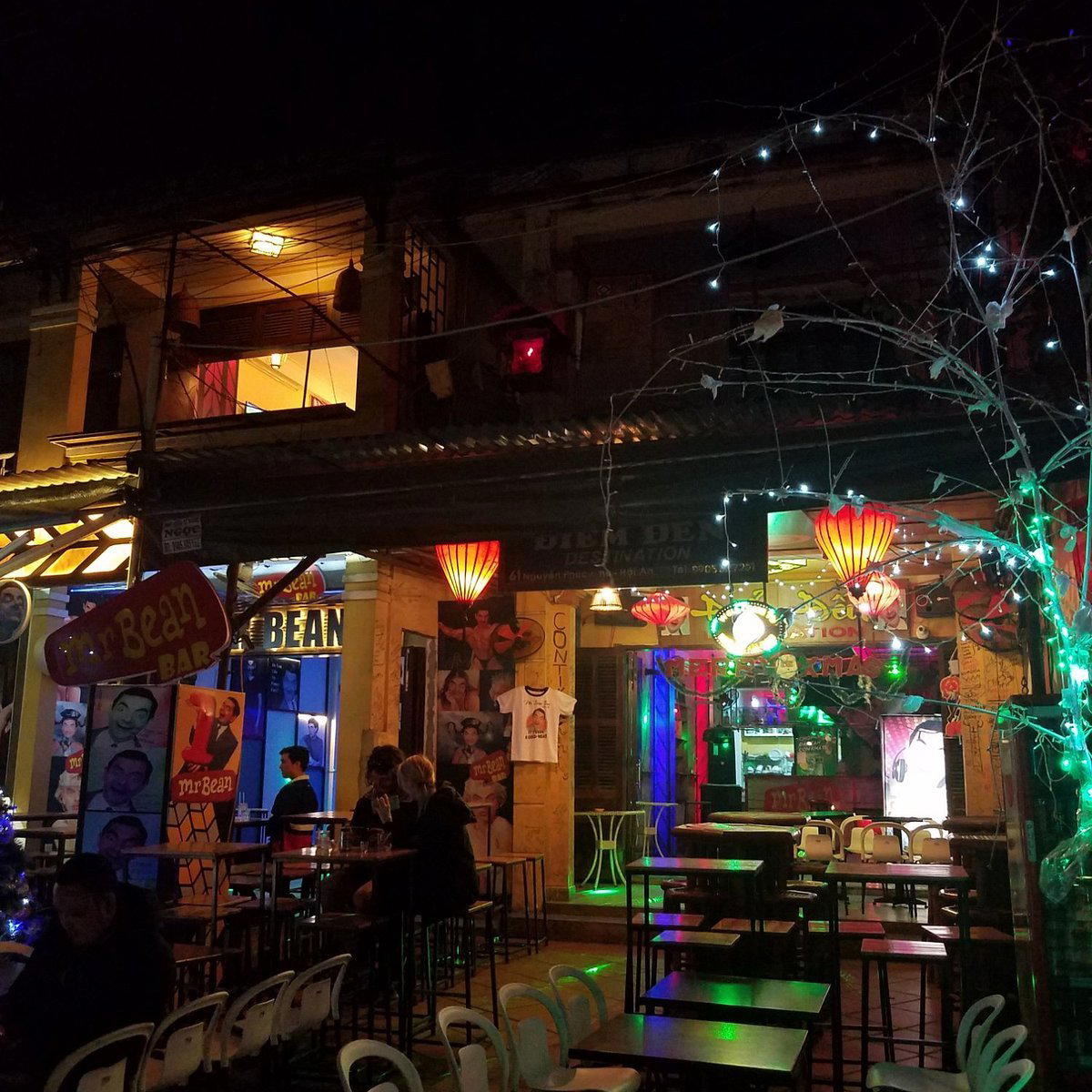
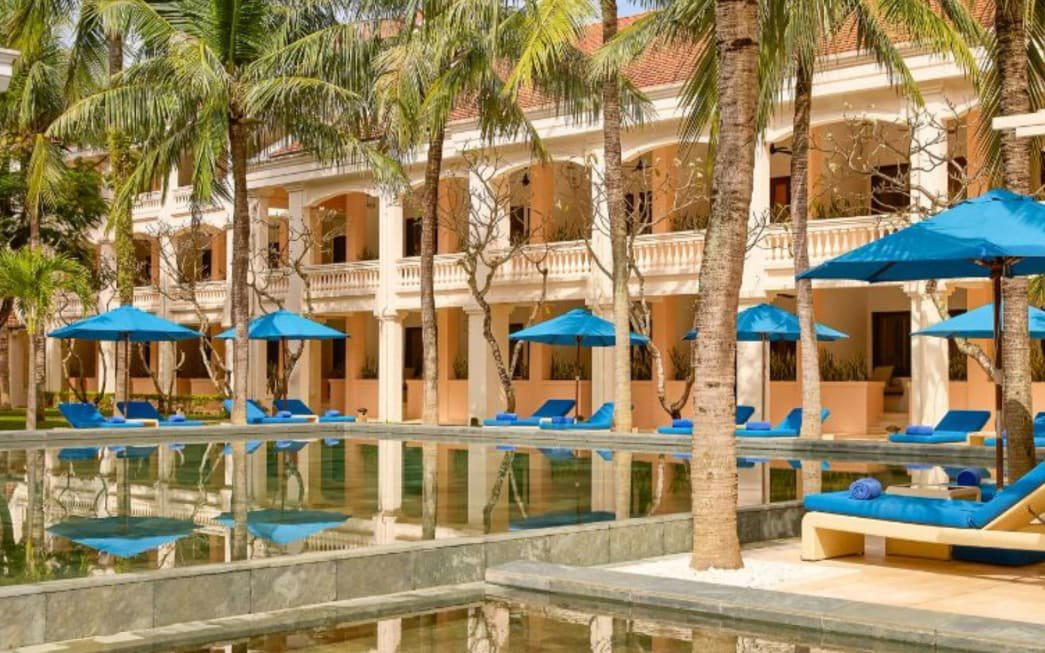
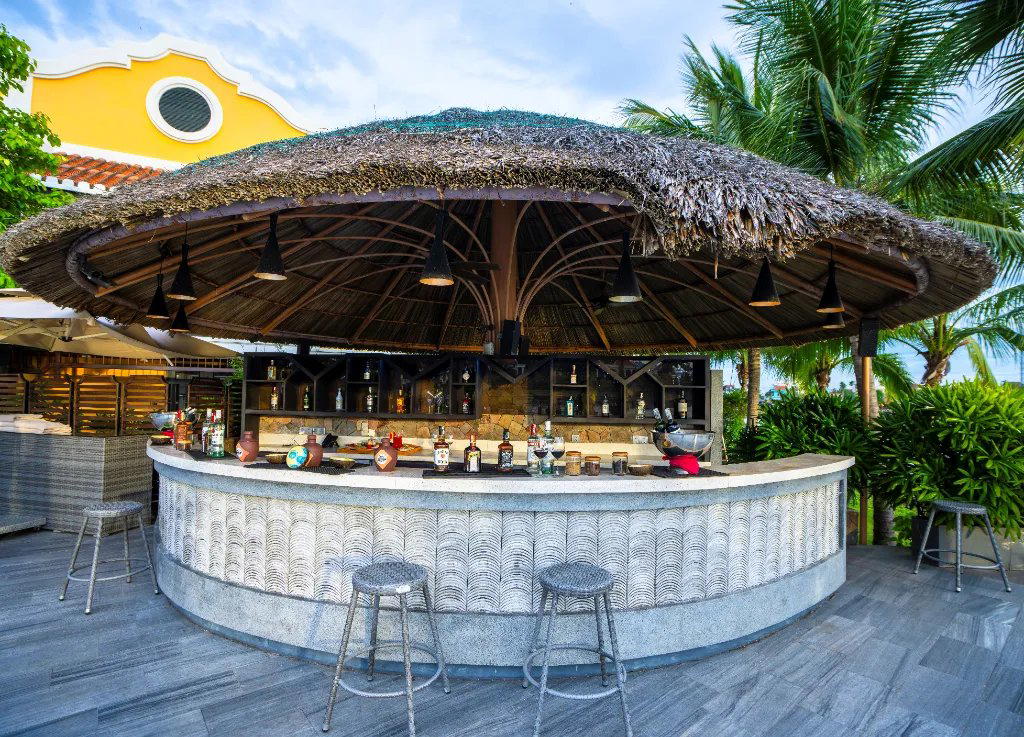
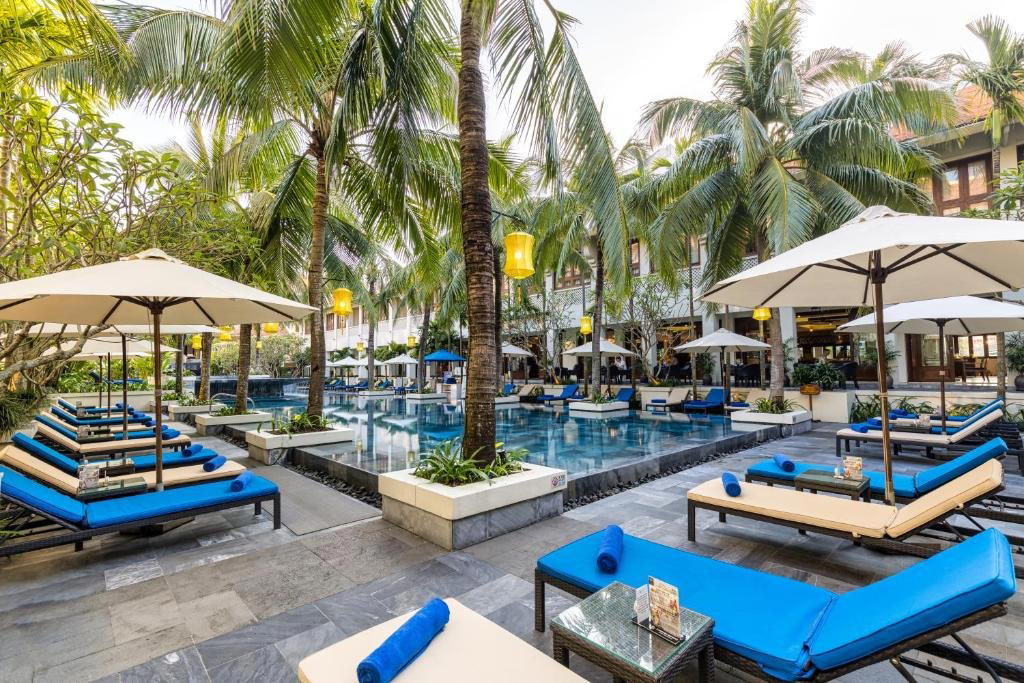
Cozy and warm with charming architecture, inviting outdoor seating amid lively street surroundings.