Our verdict
Seashell by Nu Eatery sits on Nguyễn Thị Minh Khai in Hoi An's Minh An ward, bringing a seafood-forward approach to a town where river fish and coastal catches have anchored the local table for centuries. The menu reads as a document of Central Vietnamese coastal cooking, layered with enough contemporary technique to hold the attention of travellers arriving from cities like Hanoi or Ho Chi Minh City. Book ahead, particularly in the dry season between February and August when the old town fills fast.

Pearl is the En Primeur Club membership app, where members save venues, book tables and use the concierge.
Where the Coast Meets the Old Quarter
Hoi An's dining scene has always been organised around its geography. The Thu Bon River delivers freshwater catch; the South China Sea, forty minutes by road, supplies the rest. The leading kitchens in the Minh An ward treat this dual supply line as a structural fact rather than a selling point, building menus that reflect what the water offers rather than what sounds good on a laminated card. Seashell by Nu Eatery, at 10 Nguyễn Thị Minh Khai, belongs to that tradition, occupying an address close enough to the old town core to catch the foot traffic of the lantern district but operating with the focus of a specialist seafood house.
Central Vietnam's coastal cooking is one of the country's most internally coherent regional cuisines. It runs on fermented shrimp paste, fresh herbs used in volume rather than as garnish, and an approach to heat that differentiates it sharply from the sweeter profiles of the south and the broth-heavy dishes of the north. Hoi An adds its own register: White Rose dumplings, Cao Lau noodles that depend on water from a specific local well, and a fried wonton tradition that has shaped visitors' expectations of the town for decades. The restaurants that work leading here know how to hold the local canon while reading the room for a clientele that arrives with high culinary awareness. For context on how Hoi An's dining tier compares across Vietnam, Gia in Hanoi and Akuna in Ho Chi Minh City represent the northern and southern reference points against which Central Vietnamese cooking is increasingly measured.
Reading the Menu as Architecture
A seafood menu in this part of Vietnam is rarely organised by protein alone. The more considered kitchens sequence dishes to move between textures and intensities, using raw or lightly cured preparations early, then building toward grilled or braised sections that carry the weight of fermented and dried ingredients. That architecture tells you something about a kitchen's intent. A menu that opens with herb salads and cured fish, moves through steamed or wok-fired midcourse dishes, and closes with slow-cooked or clay-pot preparations is showing its regional literacy. It is also telling you that the kitchen is thinking about how the meal accumulates rather than how each dish performs in isolation.
Seafood restaurants across Southeast Asia have split into two broad operating models over the past decade. One is the market-table format, where diners select live or iced product by weight and specify a cooking method. The other is the structured menu house, where the kitchen makes curatorial decisions and the guest follows the sequence. The market-table model puts discovery in the diner's hands; the structured approach puts it in the kitchen's. The leading venues in coastal Vietnamese towns often blend both, offering a composed menu alongside a daily catch section that changes with supply. This hybrid format is well-suited to Hoi An's visitor mix, which ranges from travellers on a single-night stop to longer-stay guests who want to return and eat differently each time.
For broader comparison on how structured seafood menus operate at the highest international tier, Le Bernardin in New York City remains the standard reference in terms of how menu architecture can foreground the product without obscuring the craft. Closer to home, La Maison 1888 in Da Nang represents how French-inflected technique has entered the Central Vietnamese fine dining conversation, a useful contrast to a kitchen that stays closer to local idiom.
Hoi An's Competitive Table
The old town's restaurant density is high, and the category ranges from open-air street-food stalls to enclosed dining rooms with serious wine lists. Nguyễn Thị Minh Khai and the streets immediately adjacent to it sit in a zone where the dining quality trends upward from the more tourist-saturated blocks closer to the Japanese Covered Bridge. Among the town's more established options, Before and Now and 115 Đ. Trần Cao Vân represent two different registers of how the town handles contemporary Vietnamese cooking, while 42 Đường Phan Bội Châu sits in the more casual bracket. Street-level anchors like Banh Mi Phuong (Hoi An) and Bánh Mì Phượng remain the town's most-cited single-item references, operating in an entirely different tier but functioning as orientation points for understanding what Hoi An does well at every price level.
Across the broader Central Vietnamese coastal corridor, venues like Saffron in Hue City and Bau Troi Do in Son Tra illustrate how the region's seafood tradition has been reframed in different town contexts. Mi Quang Ba Vi in Thanh Khe represents the tradition at its most unmediated. Together, these references map a cuisine that is simultaneously hyperlocal and increasingly legible to an international dining public. Further afield, Nhà hàng Madame Lân in Hai Chau, Le Pont Club in Hai Phong, Phuong Nhung Restaurant in Cat Hai, and Duyên Anh Restaurant in Phu Vang show how Vietnamese coastal cooking operates across the country's northern and central coastline, each with its own local grammar.
The full picture of what Hoi An offers across all dining categories is mapped in our full Hoi An restaurants guide, which covers the town's range from market-stall essentials to the higher-end rooms that have opened as visitor numbers grew through the 2010s and early 2020s. For a more experimental West Coast American comparison on how tasting-menu formats can anchor a destination dining scene, Lazy Bear in San Francisco offers a useful structural counterpoint.
Planning Your Visit
Seashell by Nu Eatery is on Nguyễn Thị Minh Khai in the Minh An ward, within walking distance of the old town's main heritage zone. Hoi An's dry season runs from roughly February through August, when evenings are warm and the riverside dining area fills from early in the service. Reservations during this period are advisable, particularly for weekend dinners. The shoulder months of September and October bring occasional heavy rain from the Central Vietnamese wet season but also thinner crowds, which can mean more flexibility on both timing and table placement.
Frequently asked questions
Does Seashell by Nu Eatery work for a family meal?
Seashell by Nu Eatery sits on Nguyễn Thị Minh Khai in the Minh An ward, a street that runs close to Hoi An's heritage core without the full foot-traffic pressure of the central lanes. Seafood-focused restaurants in this part of the old town typically work well for mixed-age groups, given menus built around shared plates and a dining pace that doesn't rush. The format suits families who want a sit-down meal near the UNESCO zone without the tourist-strip noise.
What's the vibe at Seashell by Nu Eatery?
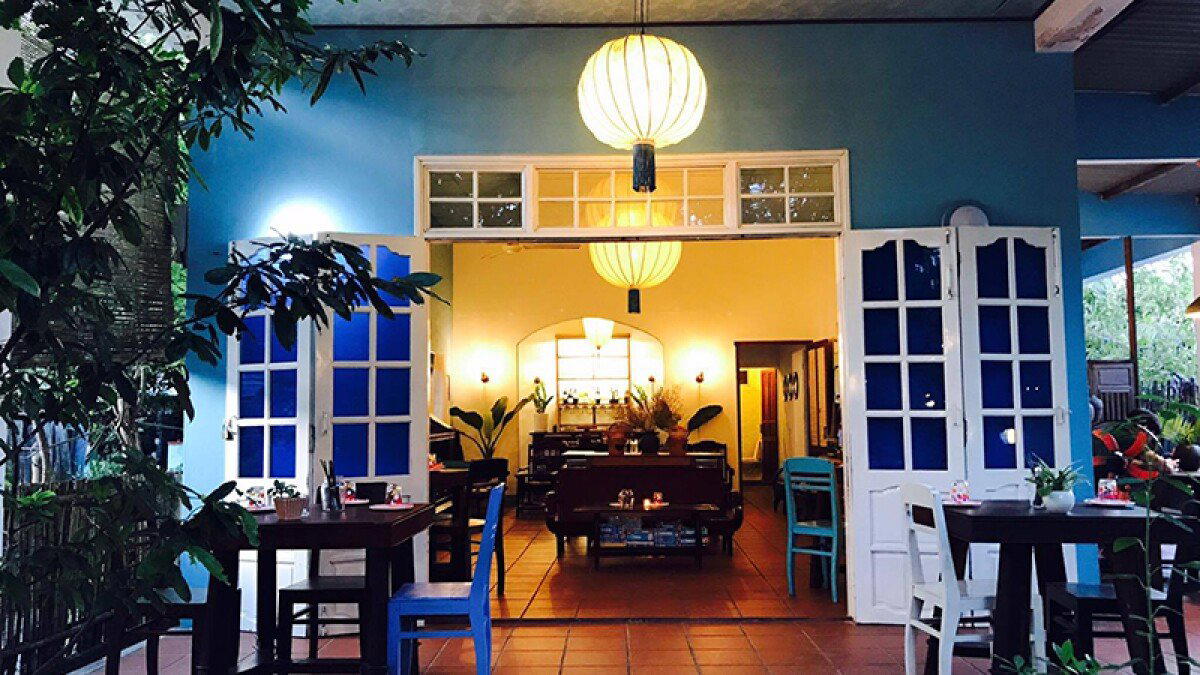
Minh An ward restaurants occupy a quieter register than the busiest blocks of the old town, and a seafood specialist on Nguyễn Thị Minh Khai operates closer to neighbourhood dining than destination-venue theatrics. Expect an atmosphere calibrated toward the steady local and repeat-visitor trade that characterises the ward's better-regarded tables. It is the kind of room where the cooking does the talking.
How close is Seashell by Nu Eatery to Hoi An's UNESCO old town?
The restaurant is on Nguyễn Thị Minh Khai in the Minh An ward, which falls within walking distance of Hoi An's main heritage zone and its designated ancient town boundaries. This positions it as a practical dinner option after an afternoon in the old town's lantern-lit streets, without requiring a taxi or motorbike ride. The Minh An ward itself is part of the broader heritage precinct that earned Hoi An its UNESCO World Heritage status in 1999.
What do regulars order at Seashell by Nu Eatery?
What drives repeat visits to Central Vietnamese seafood restaurants in this part of Hoi An is generally the quality of the day's catch, sourced from both the Thu Bon River and the South China Sea coast roughly forty minutes out. Regulars in Hoi An's mid-tier seafood category tend to gravitate toward whatever the kitchen is running fresh that day, rather than fixed signature items.
What's Seashell by Nu Eatery's location?
Seashell by Nu Eatery is located at 10 Nguyễn Thị Minh Khai, Phường Minh An, Hội An, Quảng Nam, Vietnam, Hoi An.
Accolades, Compared
Comparable venues nearby, for context on price, style, and recognition.
| Venue | Cuisine | Price | Notes |
|---|---|---|---|
| Seashell by Nu EateryThis venue (the venue you are viewing) | Modern Vietnamese Fusion Tapas | $10–20 | Not listed |
| MANGO MANGO | Modern Vietnamese | $20–30 | Old Town |
| White Rose (Bông Hồng Trắng) | Traditional Hội An Dumplings | $1–10 | Old Town |
| Bánh Mì Phượng | Iconic Hoi An Bánh Mì | $1–10 | Hoi An Ancient Town |
| Madam Khanh The Banh Mi Queen | Hoi An Banh Mi | $1–10 | Tran Cao Van Street |
| Cargo Club Cafe & Restaurant | Vietnamese-Western Fusion Cafe | $10–20 | Hoi An Old Town |
Continue exploring
More in Hoi An
Restaurants in Hoi An
All restaurants in Hoi An →
Bars in Hoi An
All bars in Hoi An →
Details
- Cozy
- Rustic
- Intimate
- Date Night
- Casual Hangout
- Open Kitchen
- Local Sourcing
- Street Scene
- Small Plates
- A La Carte
- Vegetarian Friendly
- Vegan Options
- Gluten Free Options
Current opening hours
- Monday
- Closed
- Tuesday
- 12–9 PM
- Wednesday
- 12–9 PM
- Thursday
- 12–9 PM
- Friday
- 12–9 PM
- Saturday
- 12–9 PM
- Sunday
- 12–9 PM
Hours can change for holidays and private events. Hours as of .
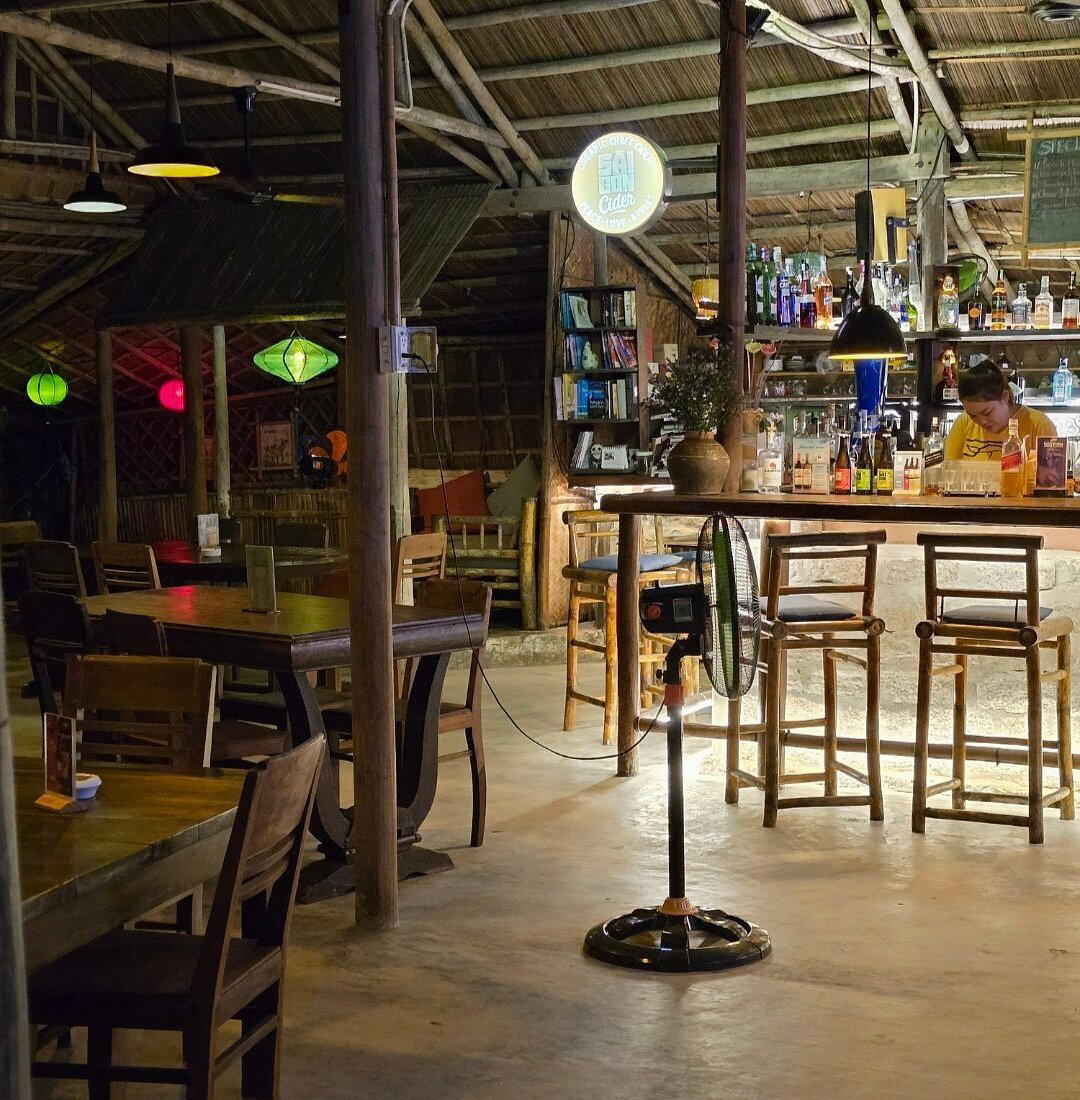
Relaxed homey atmosphere in a restored house with light lights, open kitchen, indoor and alfresco garden seating, and eclectic mismatched furniture.