Red Bridge Cooking School, Restaurant, and Villa sits along the Thu Bon River outside Hoi An's Ancient Town, combining hands-on Vietnamese cooking classes with riverside dining and villa accommodation. The format draws on central Vietnamese culinary tradition, positioning it within a category of experience-led destinations that treat food education and regional heritage as inseparable. Booking directly through the property is advised for groups and longer stays.
Pearl is the En Primeur Club membership app — saves, bookings, and concierge access live there. Same editors, same standards.
- Address
- Thon 4, Hội An, Quảng Nam, Vietnam
- Phone
- +84 905 452 092
- Website
- visithoian.com
- Directions
- Get directions
 Saves & bookings on Pearl
Where the River Meets the Kitchen
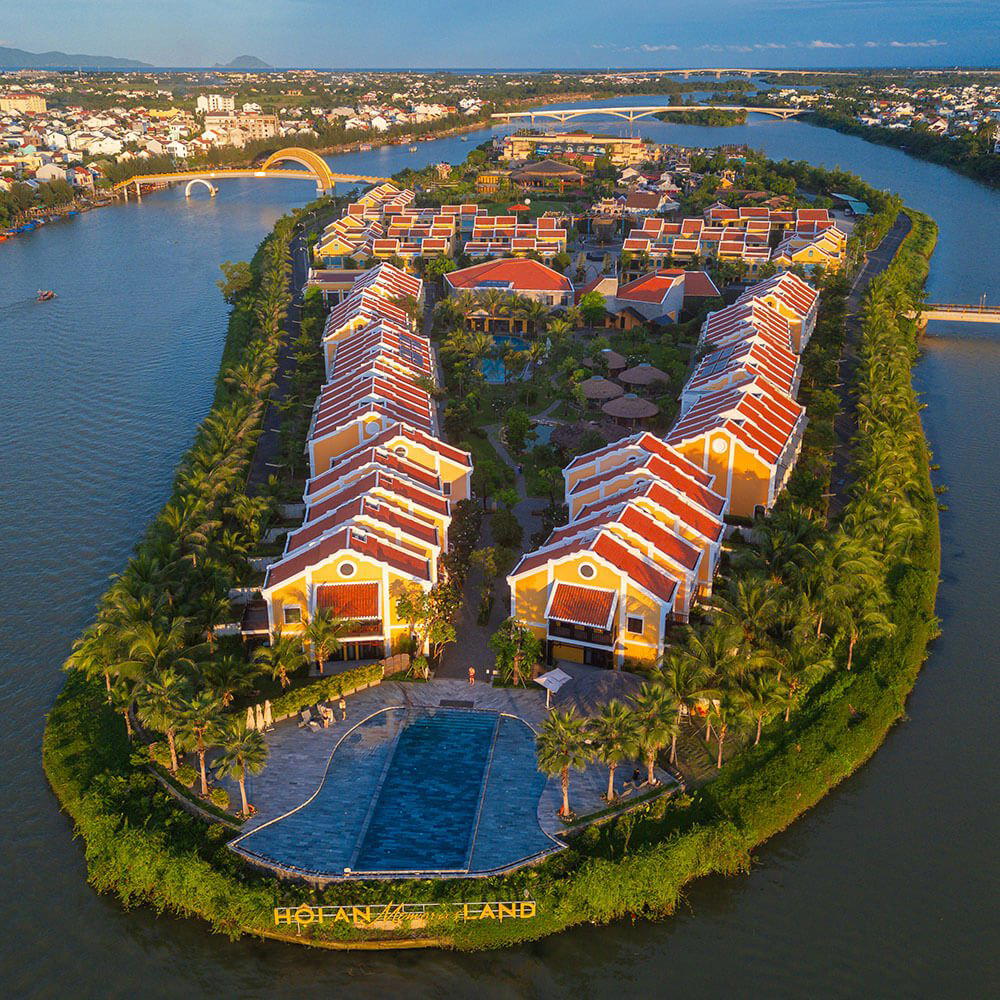
Approach Red Bridge from the water and the scene sets the tone before you step ashore. The Thu Bon River moves slowly past stands of bamboo and the low-canopy gardens of Thon 4 village, a stretch of Quang Nam province that sits far enough from the lantern-lit crowds of Hoi An's Ancient Town to feel like a different tempo entirely. Properties that sit on the river's edge occupy a different register. The physical remove is the point: Red Bridge uses its setting as both context and curriculum.
Central Vietnamese cuisine is among the country's most demanding regional traditions to learn and to teach. Unlike the relatively approachable broths and assemblies of the north, or the sweeter, more flexible flavors of southern Vietnamese cooking, the food of Quang Nam province demands precision with spice, sourcing, and technique. Hoi An itself contributed several dishes to the national canon, among them cao lau, a wheat noodle preparation dependent on ash-leeched water drawn from specific local wells, and white rose dumplings, whose pleated construction takes years to master. The city's culinary identity is shaped by centuries of trade through its port and by the layered cultural influences of Cham, Chinese, and later French contact. For visitors arriving at this tradition from the outside, a structured entry point matters. Red Bridge serves that role.
Cooking Class as Cultural Frame
The cooking school format has expanded significantly across Southeast Asia over the past two decades, ranging from hotel-affiliated half-day sessions to multi-day residential programs with market visits built in. Red Bridge sits in the more immersive segment of that range. The riverside setting and villa accommodation push it toward a cohort of properties where the educational format is sustained rather than episodic.
This matters more in Hoi An than in most cities. The ingredients central to local cooking, including fresh turmeric, banana blossom, the specific dried spices used in Quang Nam-style curries, and the fermented shrimp paste that underpins much of the region's flavor profile, are not intuitive to international palates or home pantries. A cooking program that operates from a riverside property with garden access has the structural advantage of being able to situate those ingredients in their living context rather than presenting them pre-prepped on a stainless steel tray. Teaching kitchens in the region have long understood that the sourcing lesson and the cooking lesson are linked. Saffron in Hue City operates within a similar tradition of regionally grounded teaching, and Gia in Hanoi represents the more refined, metropolitan end of Vietnamese culinary interpretation.
The Restaurant and the Villa
The three-part format at Red Bridge, cooking school, restaurant, and villa, reflects a broader pattern in Vietnamese hospitality where single-category venues have given way to integrated properties that capture a longer slice of the visitor's day. The restaurant component means that guests who do not join a class still encounter the same culinary tradition through the menu, and that class participants can eat the results of their session in a setting designed for it. This structure parallels what experience-led properties have done elsewhere across the region: at the higher end, La Maison 1888 in Da Nang integrates French culinary heritage with Vietnamese sourcing in a hotel format; at the more intimate scale, Akuna in Ho Chi Minh City illustrates how tightly a restaurant can bind its identity to a specific cultural and culinary argument.
The villa element at Red Bridge extends the logic further: staying on the property means the cooking school is not a day-trip excursion but the center of gravity around which the visit is organized. In Hoi An, where most visitors base themselves in the Ancient Town and radiate outward to the countryside and coast, a riverside villa that reorients that geography offers a structurally different kind of stay.
Hoi An's Dining Scene in Frame
Hoi An has enough density of good eating to occupy a week without repetition. The Ancient Town alone contains a concentration of well-regarded addresses: 115 Đ. Trần Cao Vân and 42 Đường Phan Bội Châu represent the kind of local Vietnamese dining that the town has sustained across its tourism boom. Banh Mi Phuong (Hoi An) and Bánh Mì Phượng sit at the street-level, high-volume end of the city's culinary reputation, drawing long queues for one of the city's most cited interpretations of the bánh mì. Before and Now occupies a different register, reflecting the town's capacity to hold both deeply traditional and more contemporary frames simultaneously.
Red Bridge operates outside this cluster, which is partly the point. Its position in Thon 4 village on the river's edge removes it from the visual competition of the Ancient Town's restaurant strip and places it in a setting where the food's agricultural and riverside context is legible rather than implied. For travelers who have already worked through the town's core dining options, or who are arriving specifically to learn rather than simply to eat, the physical remove carries editorial logic.
Across Vietnam more broadly, the spread of strong regional cooking has continued beyond the major cities. Mi Quang Ba Vi in Thanh Khe represents the kind of hyper-local noodle tradition that Quang Nam province, of which Hoi An is one visited part, has produced and sustained. Bau Troi Do in Son Tra, Nhà hàng Madame Lân in Hai Chau, Duyên Anh Restaurant in Phu Vang, Phuong Nhung Restaurant in Cat Hai, and Le Pont Club in Hai Phong collectively illustrate how Vietnamese dining has maintained regional specificity even as international awareness of the cuisine has standardized around a narrower set of dishes. For international reference points on what structured, experience-led dining can accomplish, Le Bernardin in New York City and Lazy Bear in San Francisco represent how the educational and communal dimensions of a meal can be built into the format itself, at different price points and cultural registers.
Planning a Visit
Red Bridge sits in Thon 4 village, accessible by road or, more evocatively, by boat along the Thu Bon River from Hoi An's town center. Groups and villa guests should contact the property directly to confirm class schedules, meal seatings, and accommodation availability, as the integrated format means that peak-season demand affects all three components simultaneously. Travelers arriving independently should check session sizes before booking to understand whether they will be joining a shared class or arranging a private format.
Price and Positioning
Comparable venues nearby, for context on price, style, and recognition.
| Venue | Cuisine | Price | Notes |
|---|---|---|---|
| Red Bridge Cooking School, Restaurant, and Villa - Hoi An RiversideThis venue — the venue you are viewing | Cam Thanh, Modern Vietnamese | $$ | Not listed |
| Cầu An Bàng | An Bang Beach, Vietnamese Seafood | $$ | Not listed |
| Madam Khanh The Banh Mi Queen | Tran Cao Van Street, Hoi An Banh Mi | $ | Not listed |
| Cargo Club Cafe & Restaurant | Not listed | $$ | Hoi An Old Town, Vietnamese-Western Fusion Cafe |
| 115 Đ. Trần Cao Vân | Minh An, Vietnamese Banh Mi | $ | Not listed |
| White Rose (Bông Hồng Trắng) | Old Town, Hoi An White Rose Dumplings | $$ | Not listed |
At a Glance
- Scenic
- Rustic
- Cozy
- Special Occasion
- Group Dining
- Waterfront
- Garden
- Open Kitchen
- Local Sourcing
- Waterfront
- Garden
Current opening hours
- Monday
- 8 AM–5 PM
- Tuesday
- 8 AM–5 PM
- Wednesday
- 8 AM–5 PM
- Thursday
- 8 AM–5 PM
- Friday
- 8 AM–5 PM
- Saturday
- 8 AM–5 PM
- Sunday
- 8 AM–5 PM
Hours can change for holidays and private events. Last verified .
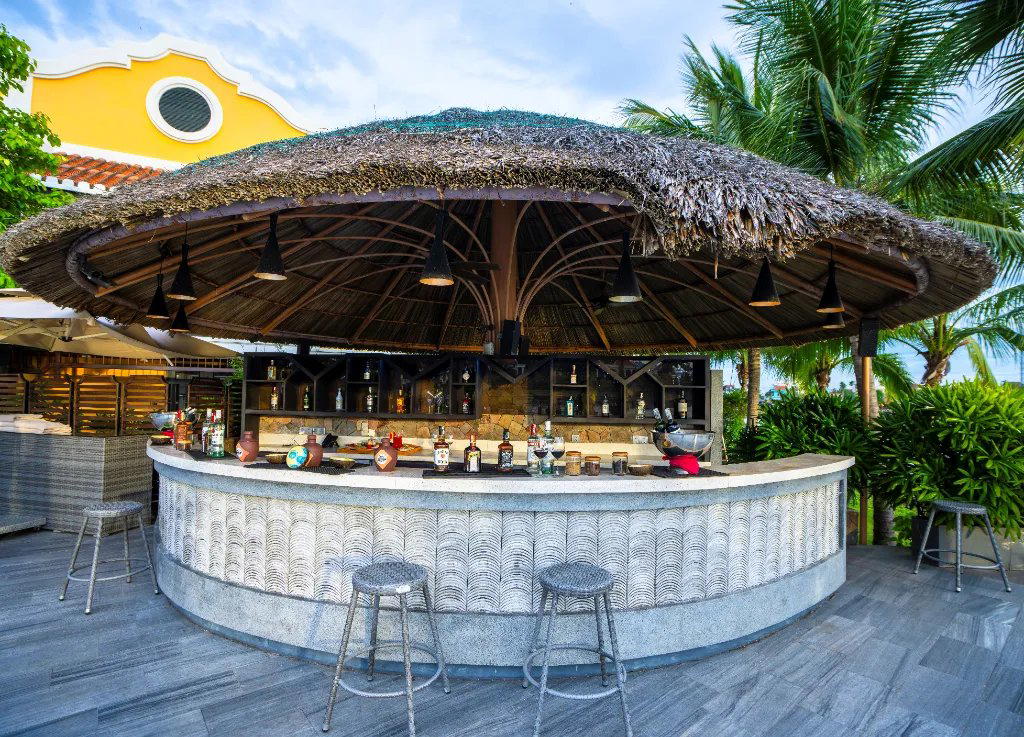
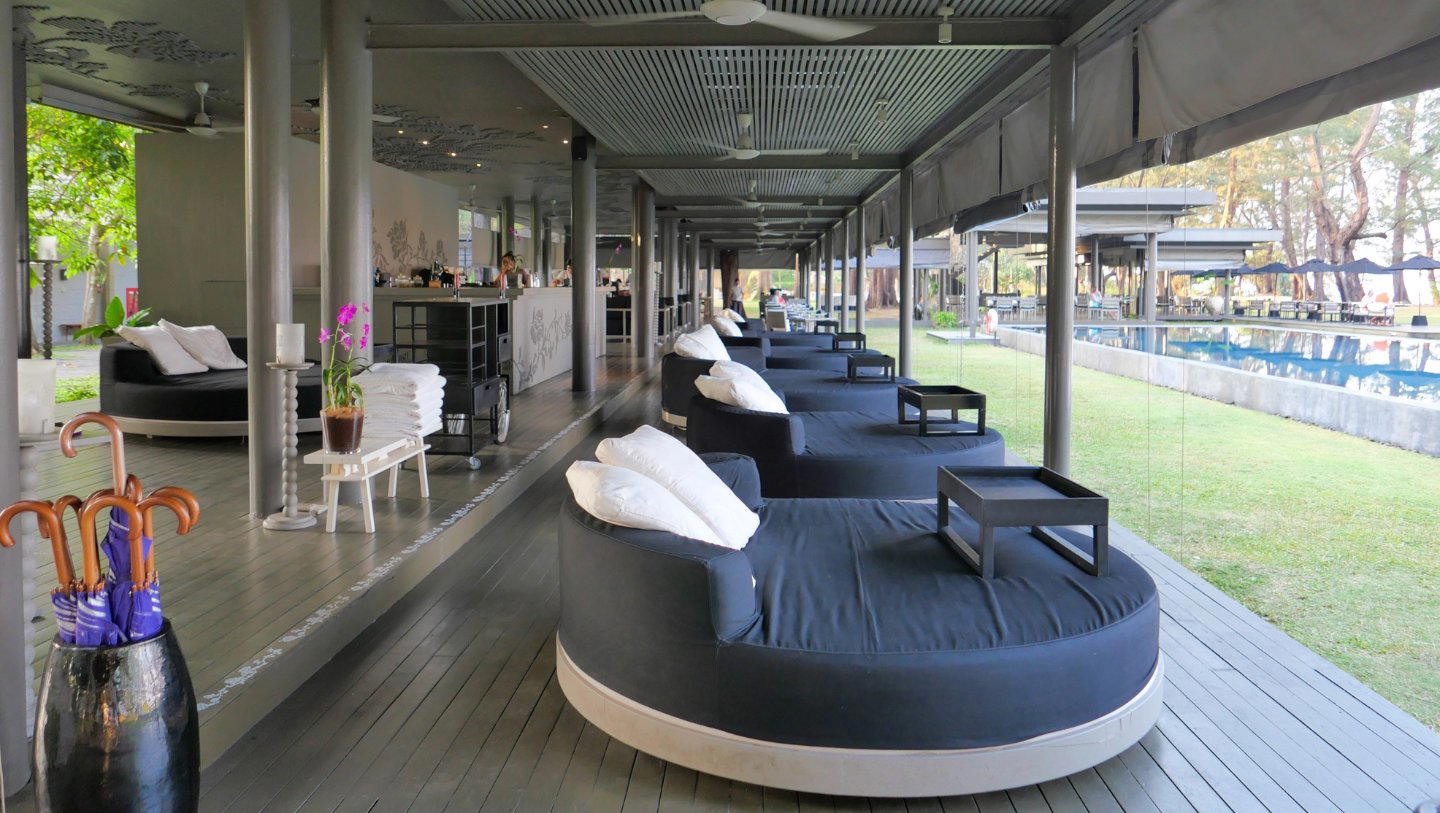
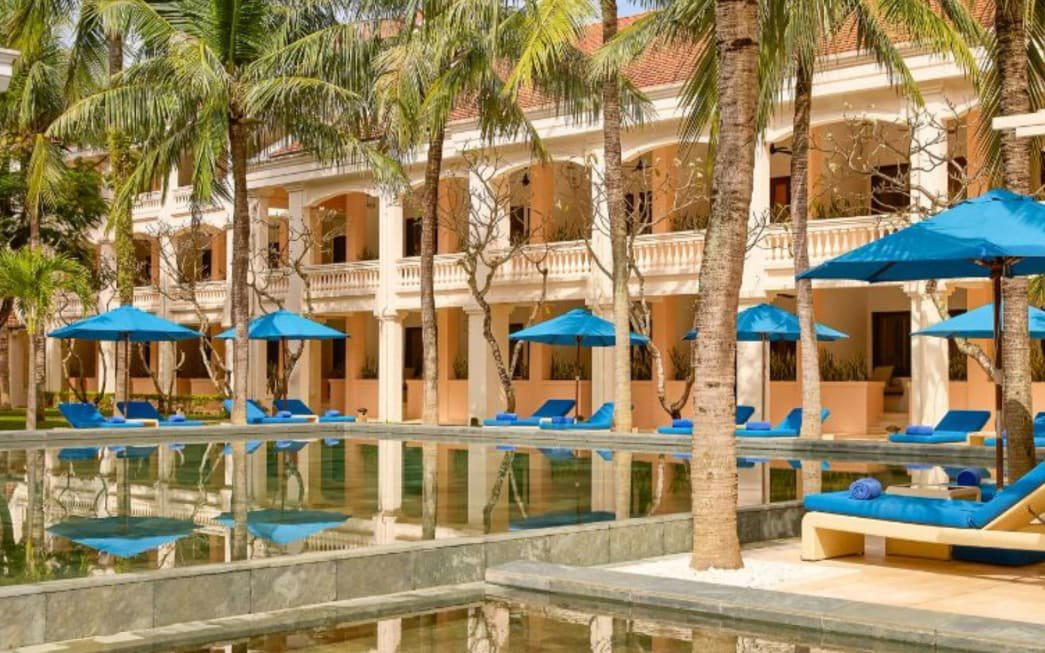
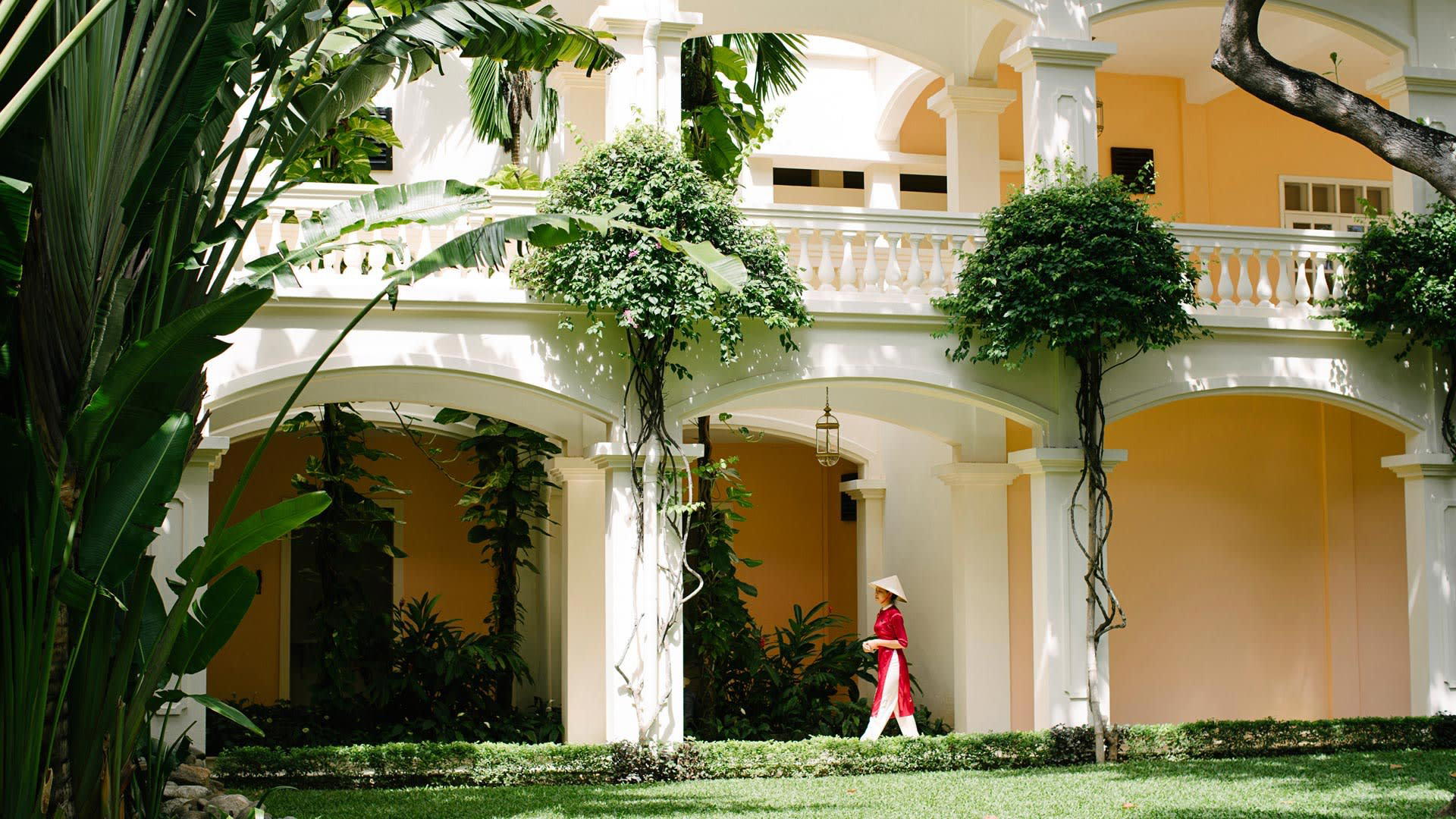
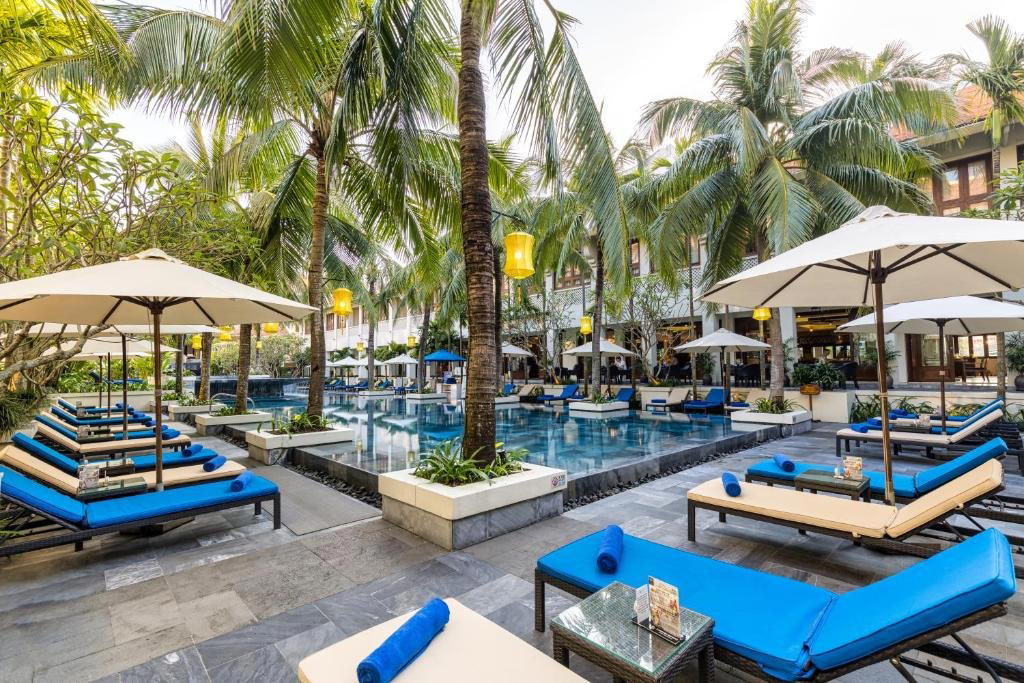
Stylish open-air pavilion-style buildings in 2 acres of tropical gardens with riverside setting, offering a relaxed and scenic atmosphere.