Google: 4.4 · 862 reviews
On a quiet residential street in Hoi An's Minh An ward, Mai Fish Restaurant draws visitors into the slower, more deliberate rhythm of central Vietnamese seafood cooking. The address at 45 Nguyễn Thị Minh Khai places it away from the lantern-lit tourist corridor, situating it within a neighbourhood where the cooking traditions of Quảng Nam province remain close to the surface. For those working through Hoi An's dining scene, it represents a different register from the Old Town's more theatrical options.
 Discover on Pearl
Pearl is the En Primeur Club membership app — saves, bookings, and concierge access live there. Same editors, same standards.
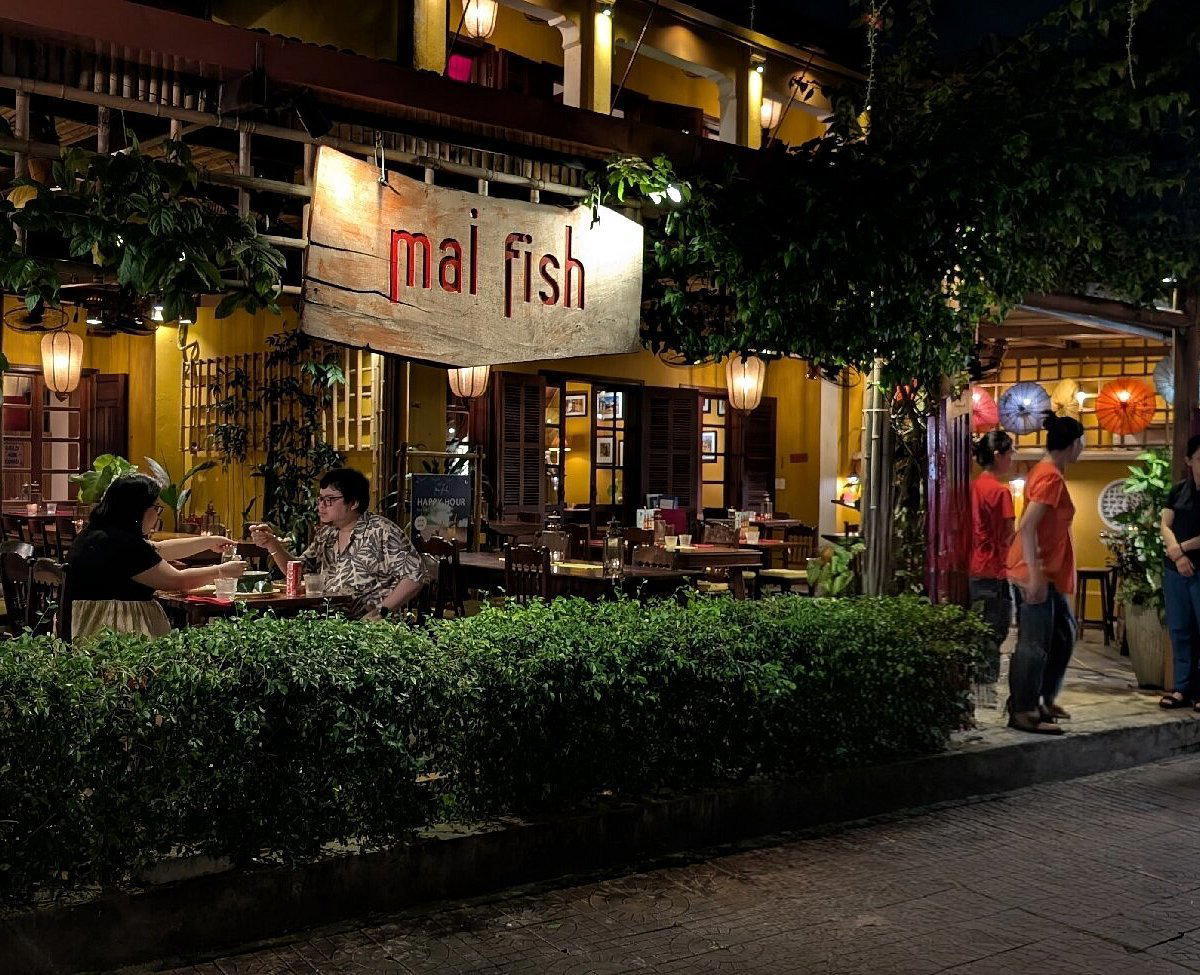
The Street Before You Enter
The approach to 45 Nguyễn Thị Minh Khai tells you something before the meal begins. Minh An ward sits inside the Old Town boundary but its residential pockets feel removed from the lantern-dense lanes closer to the Thu Bon River. Streets here carry the low hum of motorbikes and the occasional clatter of a kitchen preparing for service. It is the kind of block where a restaurant earns its regulars through repetition and consistency rather than foot-traffic visibility, which, in Hoi An's current dining environment, is itself a signal worth reading.
Hoi An's restaurant scene has fractured into recognisable tiers over the past decade. The Old Town's prime real estate now hosts polished venues that lean heavily on atmosphere and international menus to justify refined pricing. Further from the river, a second cohort operates on shorter margins and tighter menus, with the cooking doing proportionally more of the work. Mai Fish sits in that second geography, and the expectations that come with it are different: less theatre, more focus on what arrives at the table.
The Ritual of a Vietnamese Seafood Meal
Central Vietnamese seafood cooking carries a pacing logic that differs from the quicker, sharper meals of the south. A Hoi An fish dinner is structured around arrival, arrangement, and shared consumption in a way that treats time as part of the format. Dishes come to the table to be assembled, shared, and considered rather than consumed individually and rapidly. This is not a tradition designed for solo diners eating quickly before a tour. The meal rewards a group, a table with time, and an appetite for repetition of flavours across courses rather than constant novelty.
Quảng Nam province sits at a culinary crossroads that produced three dishes now recognised internationally: Cao Lầu, White Rose Dumplings, and Cơm Gà Hội An. The seafood traditions of the region draw on proximity to the Thu Bon estuary and the South China Sea, with white fish, prawns, and shellfish forming the backbone of most menus. Preparations tend toward the restrained end of the regional Vietnamese spectrum: broths rather than heavy sauces, grilling over heavy seasoning, and accompaniments of fresh herbs that the diner adds and adjusts at the table. The herb plate is not garnish here; it is a functional part of the dish's final composition, and how a kitchen presents and replenishes it says a great deal about how seriously the cooking is taken.
For comparison, venues like La Maison 1888 in Da Nang and Akuna in Ho Chi Minh City operate at a different register entirely, applying fine-dining structure and international technique to Vietnamese ingredients. Mai Fish addresses a different proposition: the cooking tradition itself, without additional architectural framing.
Positioning Within Hoi An's Dining Map
Hoi An's most-discussed restaurants currently span a range from street-level institutions to more considered sit-down operations. Banh Mi Phuong (Hoi An) and Bánh Mì Phượng operate at the street-food end, delivering a specific product at volume and with well-documented consistency. Sit-down venues in the Old Town like Before and Now position themselves with broader menus and stronger design investment. 115 Đ. Trần Cao Vân and 42 Đường Phan Bội Châu represent addresses with their own neighbourhood identities within the town's dining geography.
Mai Fish occupies a position that is less about visibility and more about the meal itself. Its address in Minh An places it within walking distance of the Old Town's core but outside the primary tourist circuit, which affects both the clientele mix and the pacing of service on any given evening. Restaurants at this remove from the main drag tend to operate with a steadier rhythm: tables turn at a natural pace, staff manage service without the compressed timelines that high-footfall venues impose.
For context on how the wider Vietnamese dining scene is developing, Gia in Hanoi and Saffron in Hue City demonstrate how different regional traditions are being formalised into more considered dining formats. The central Vietnamese approach to seafood that Mai Fish represents sits within that broader national conversation about what the country's cooking looks like when given proper room to develop.
Eating Along the Central Coast
Hoi An exists within a stretch of coastline that includes some of Vietnam's most productive fishing grounds. The stretch from Da Nang south through Hội An and into the outer islands of Quảng Nam generates a consistent daily supply of fresh catch that informs menus at every price level. Understanding this supply chain helps frame any fish meal in the region: when the distance from sea to kitchen is measured in hours rather than days, cooking decisions shift. Less needs to be done to the fish; the prep work concentrates on supporting flavours rather than masking or transforming the central ingredient.
This is the context in which central Vietnamese seafood restaurants like Mai Fish operate, and it's the context against which they should be assessed. The question is not whether the fish is good — in this geography, good fish is close to the baseline — but whether the kitchen's decisions around it produce something coherent and worth returning to. Restaurants along the coast from Bau Troi Do in Son Tra to Mi Quang Ba Vi in Thanh Khe each address that question differently.
Further up the coast, Le Pont Club in Hai Phong and Phuong Nhung Restaurant in Cat Hai work within northern seafood traditions that diverge significantly from the central Vietnamese approach. The contrast is instructive: Vietnam's coastline does not produce a single seafood cuisine but a series of regional ones, shaped by geography, climate, and the specific species available in each zone.
Planning a Visit
Mai Fish Restaurant is located at 45 Nguyễn Thị Minh Khai in the Minh An ward of Hoi An, within walkable distance of the Old Town historic core. Given that the venue database does not carry current hours, pricing, or booking details, confirming service times directly before arrival is advisable, as is the case with many independently operated restaurants in Hoi An where seasonal hours apply. The address is accessible on foot from the main Old Town area, and the neighbourhood itself , quieter than the lantern market streets , is part of what makes the experience distinct from higher-traffic dining options nearby.
For readers building a longer Hoi An itinerary, our full Hoi An restaurants guide maps the full range of the town's dining options across price points and cuisines. Those with broader regional ambitions might also consider Duyên Anh Restaurant in Phu Vang or Nhà hàng Madame Lân in Hai Chau as part of a wider tour of central Vietnamese cooking traditions.
For an international benchmark on how seafood-focused restaurants operate at their highest level, the contrast with Le Bernardin in New York City or the chef-driven format of Lazy Bear in San Francisco illustrates how differently the same category of ingredient can be approached when the dining format and cultural context shift.
- Mai Fish seafood hot pot with pineapple and kumquat broth
- pan fried fish with lemongrass and chili
- slow cooked pork stew with coconut milk and green peppercorns
- com ga
- bo la lot
- white rose dumplings
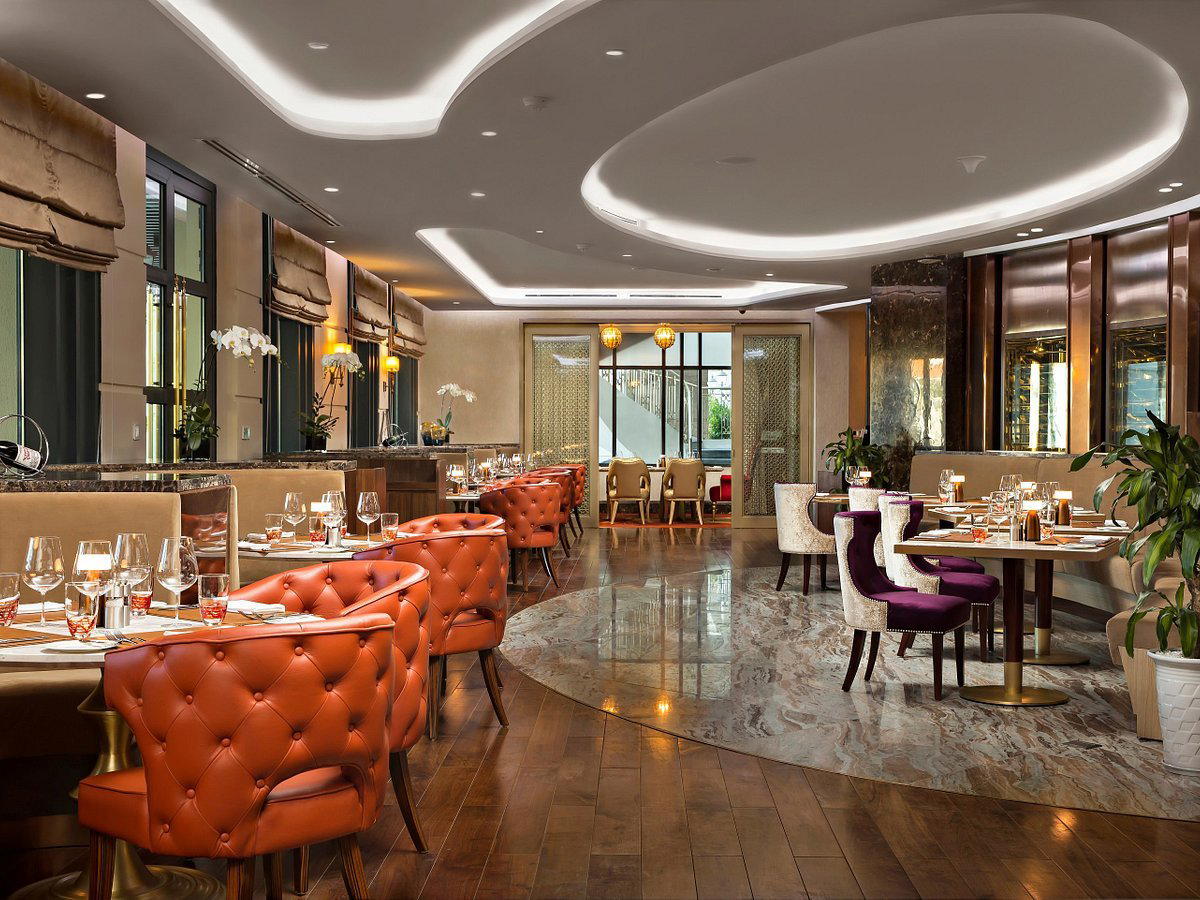
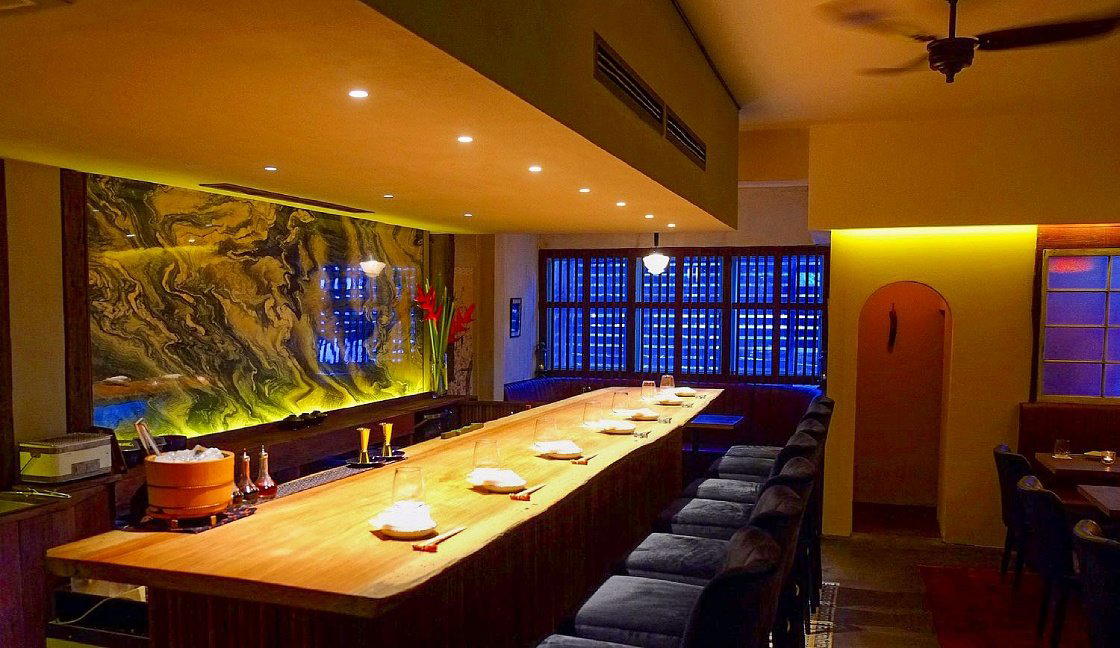
What It’s Closest To
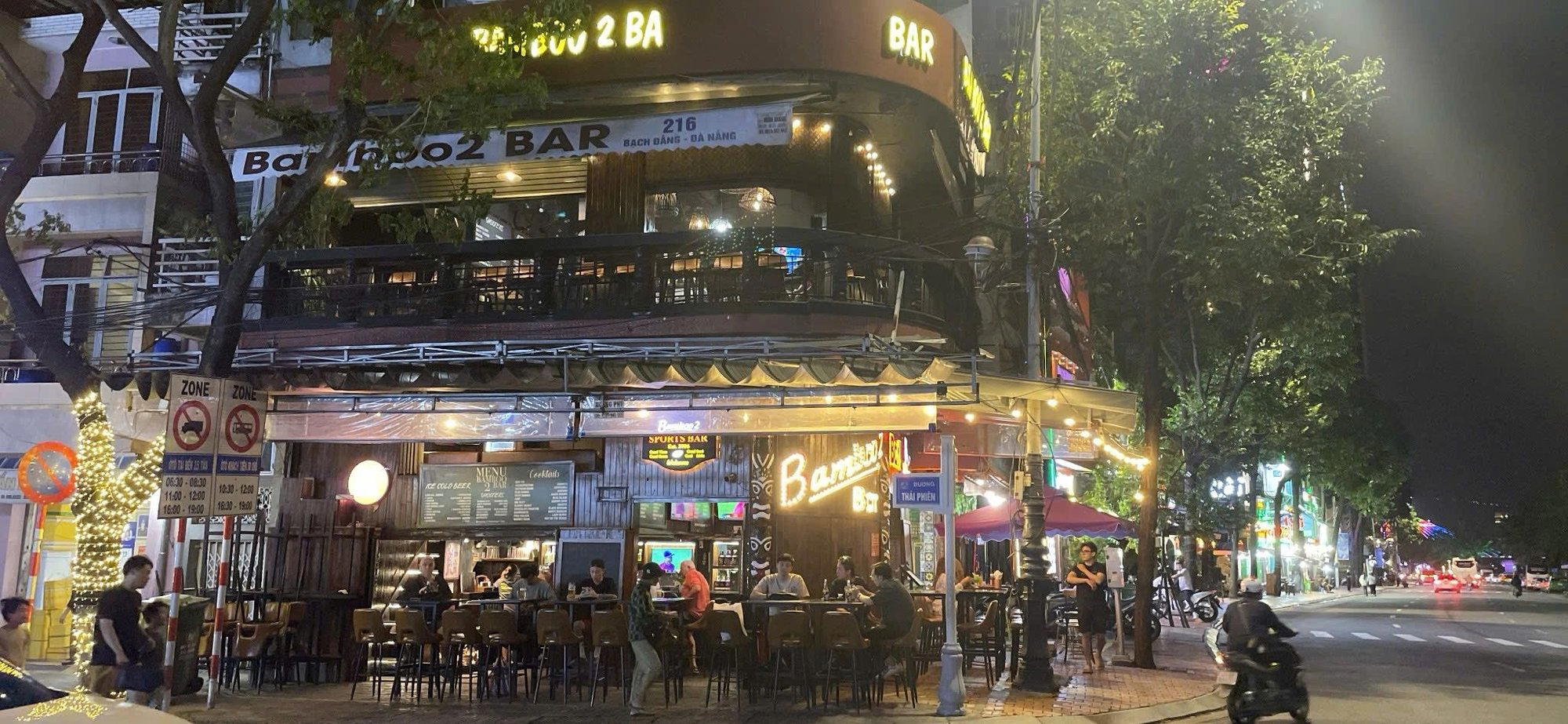
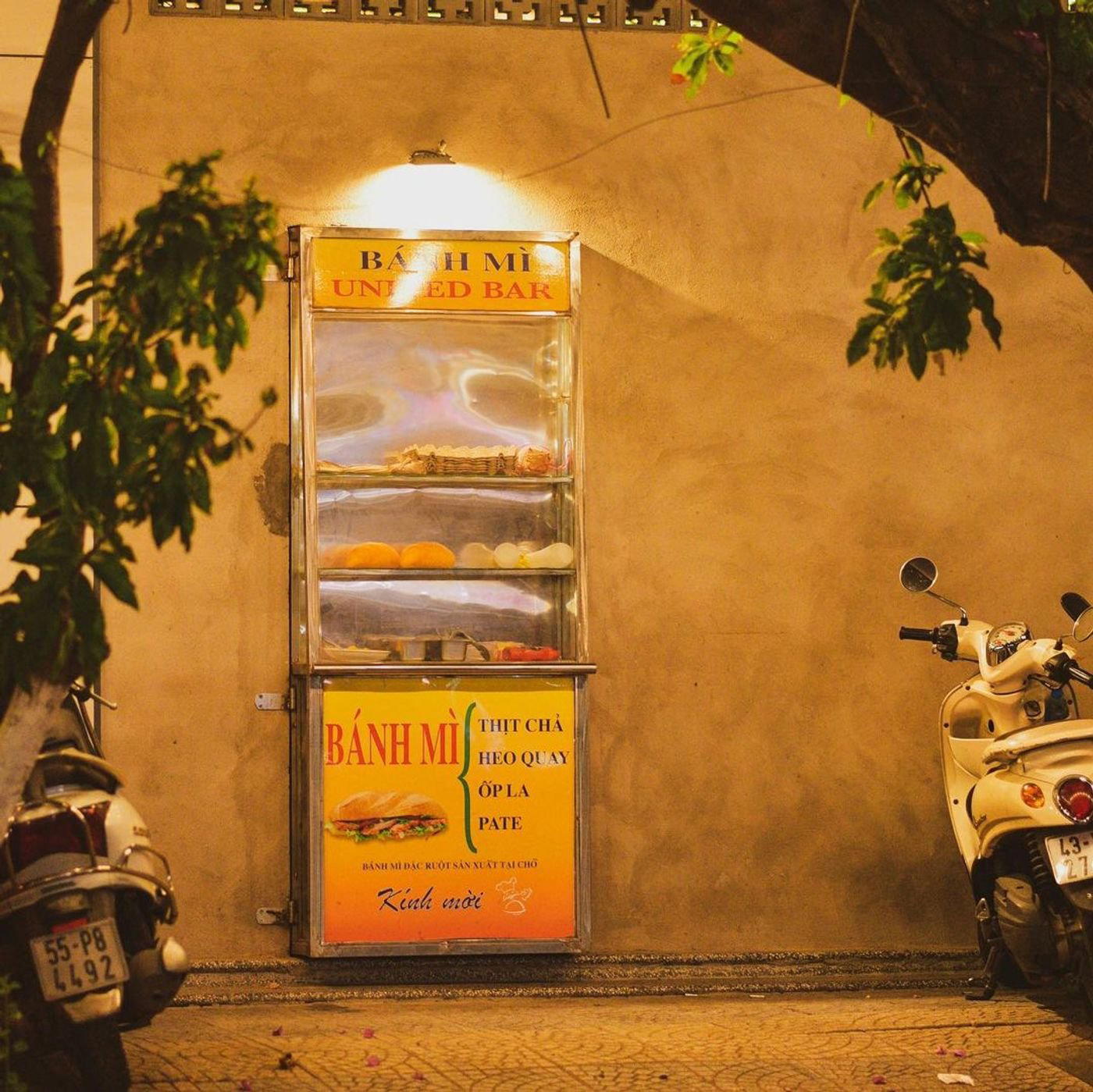
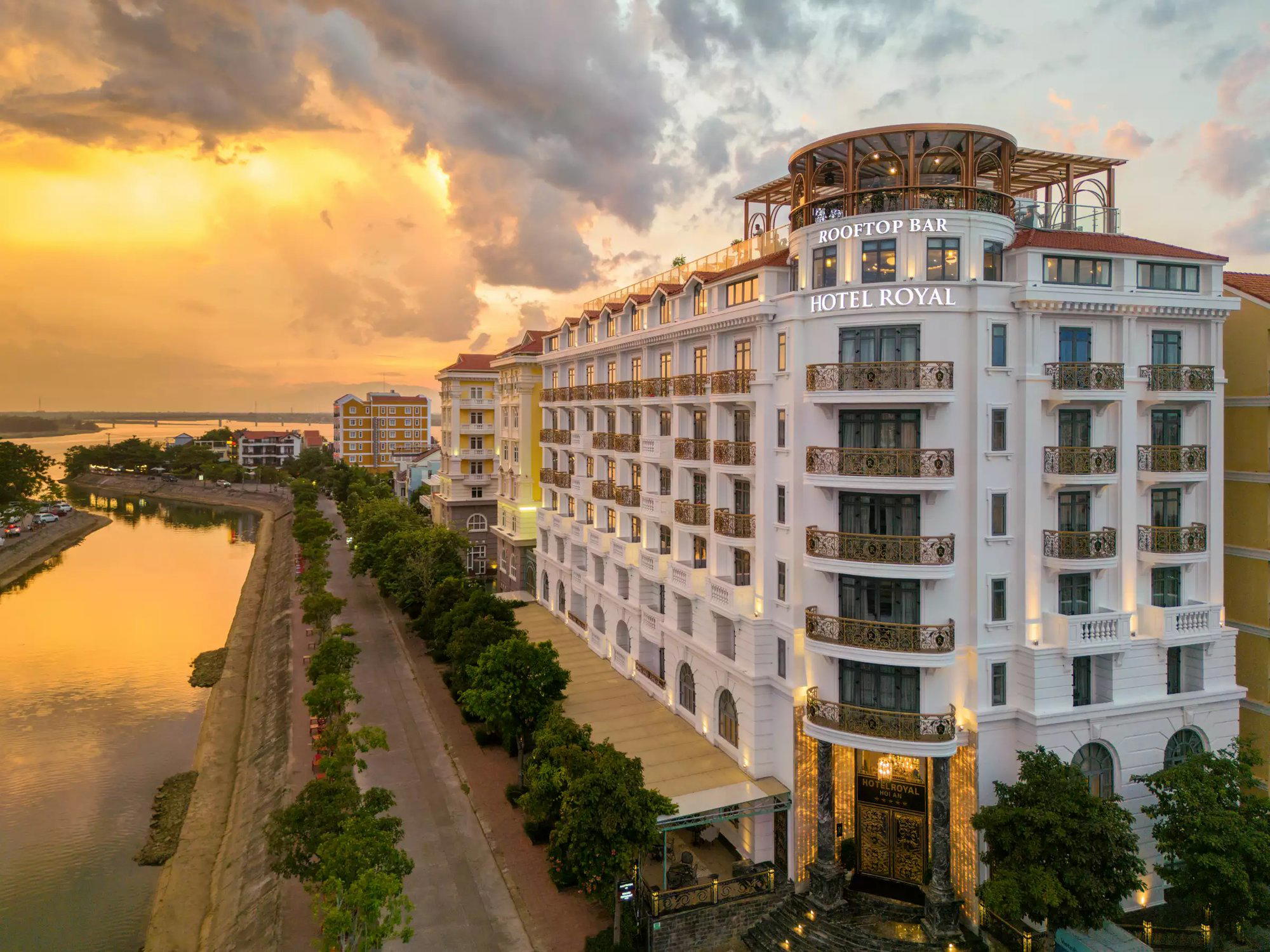
Comparable venues for orientation, based on our database fields.
At a Glance
- Romantic
- Scenic
- Cozy
- Elegant
- Date Night
- Group Dining
- Family
- Casual Hangout
- Waterfront
- Garden
- Terrace
- Open Kitchen
- Craft Cocktails
- Beer Program
- Local Sourcing
- Farm To Table
- Waterfront
- Garden
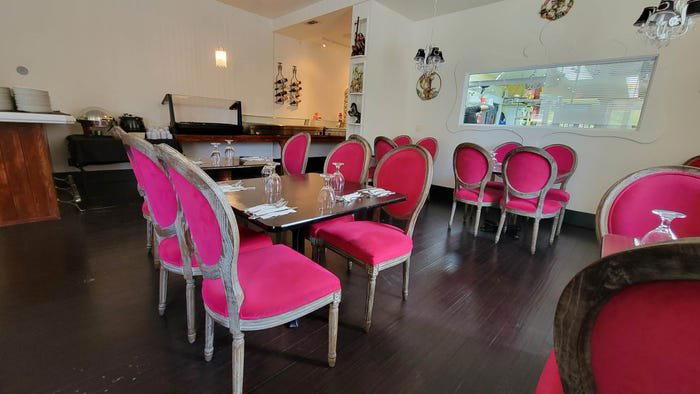
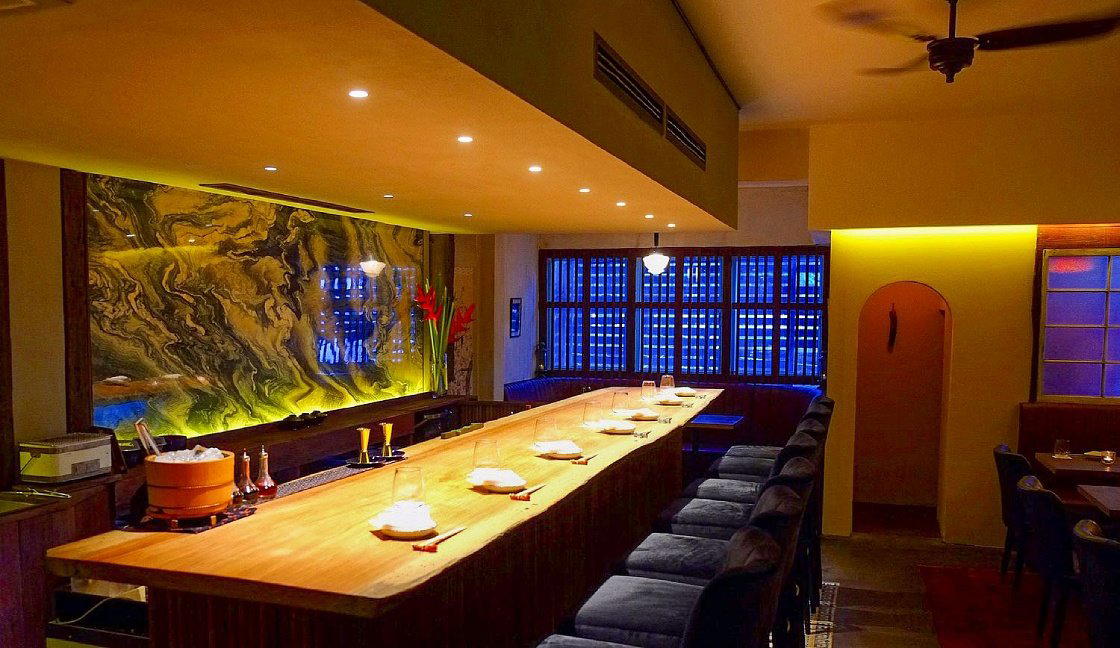
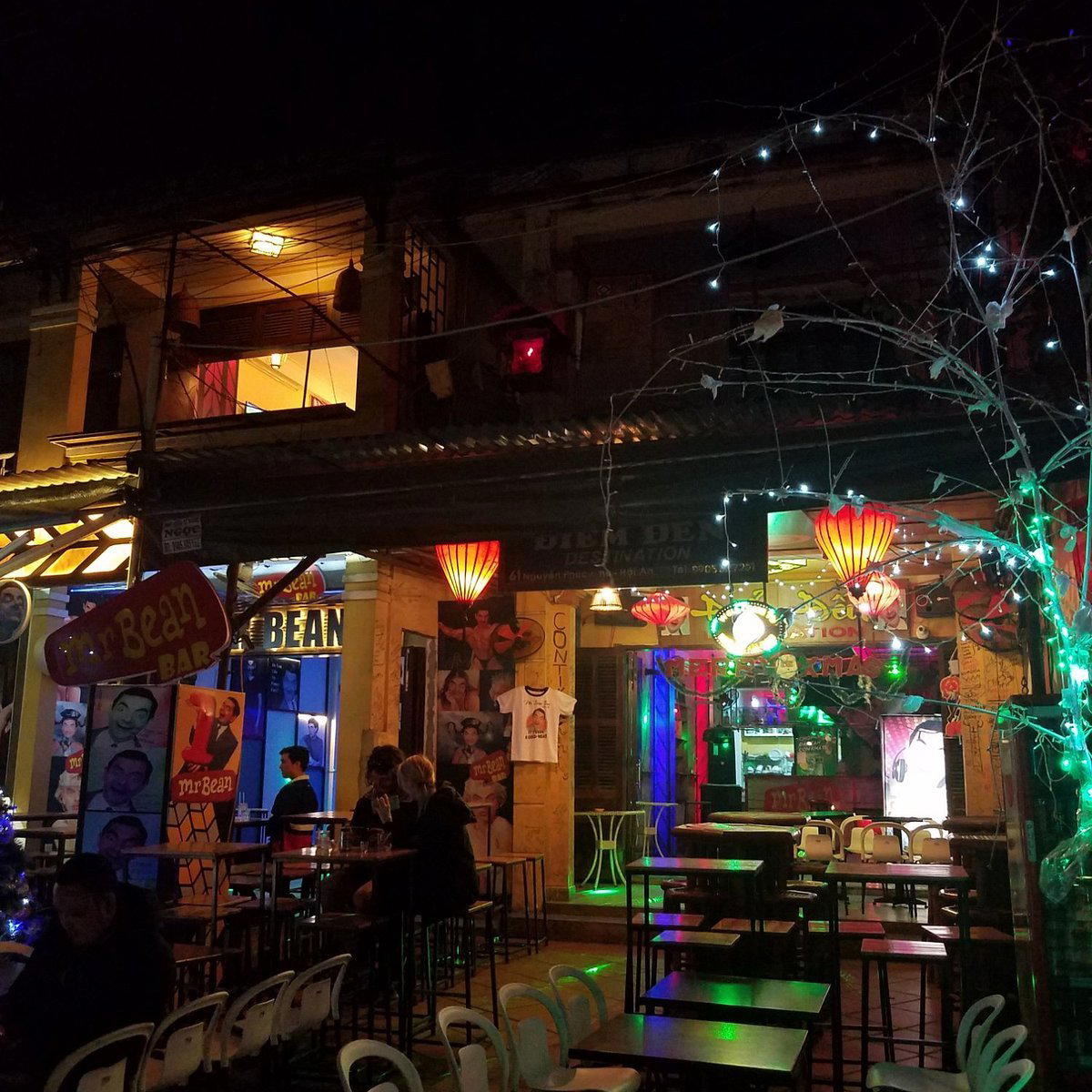
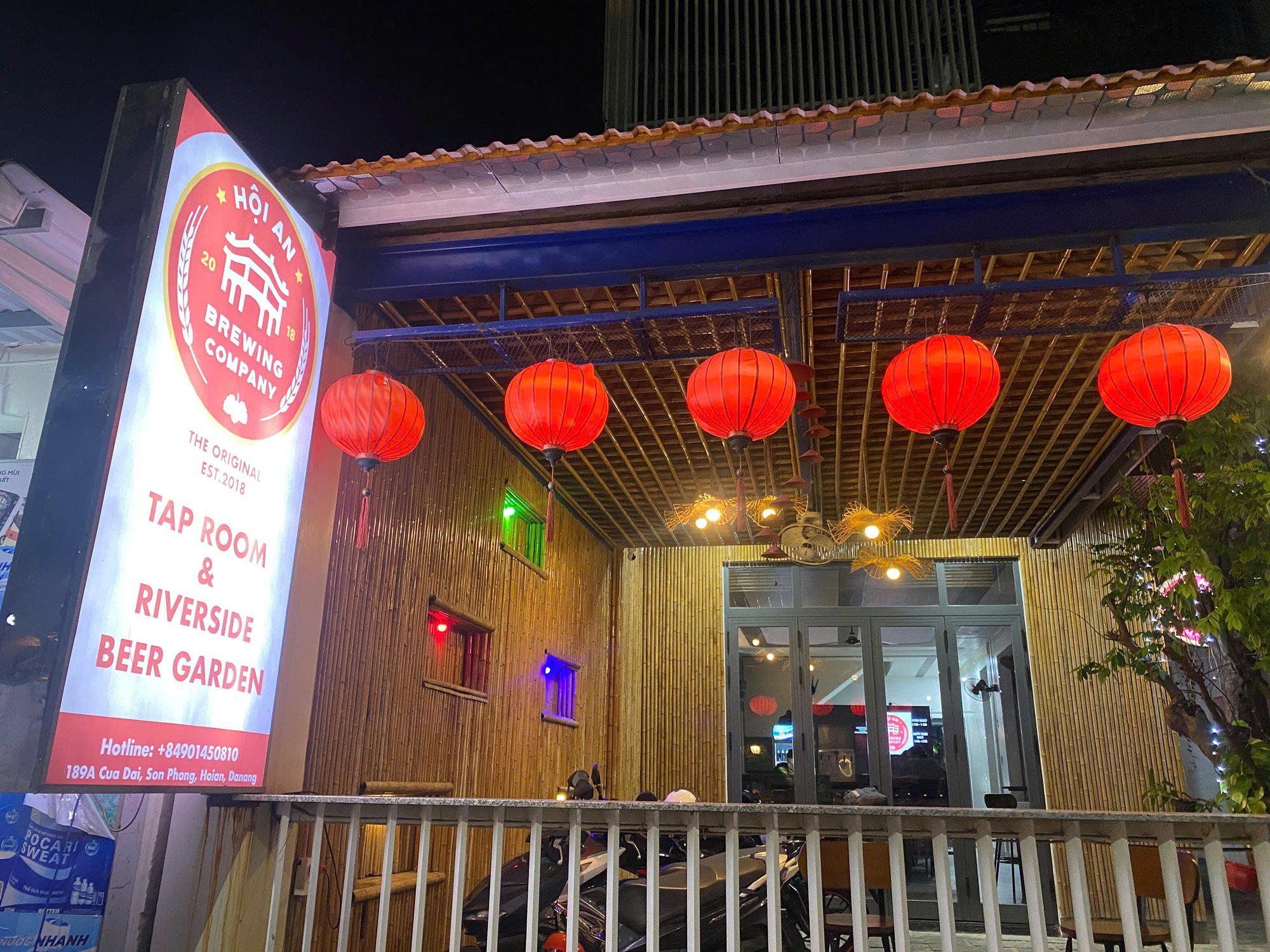
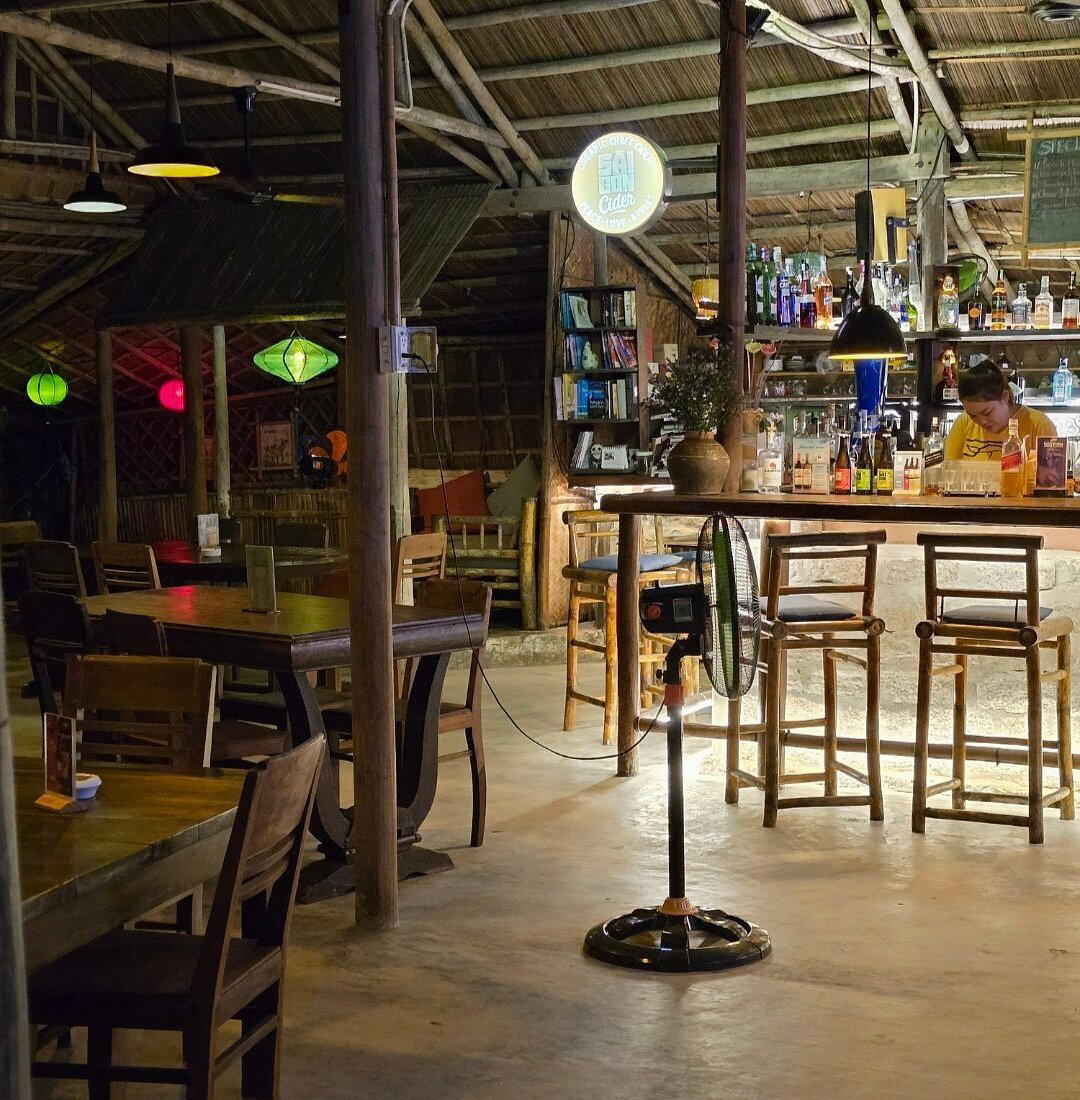
Soft lighting with warm golden tones, colorful lantern decor, simple wooden furnishings, and a peaceful garden terrace setting that feels calm and away from crowds, especially romantic at sunset.
- Mai Fish seafood hot pot with pineapple and kumquat broth
- pan fried fish with lemongrass and chili
- slow cooked pork stew with coconut milk and green peppercorns
- com ga
- bo la lot
- white rose dumplings