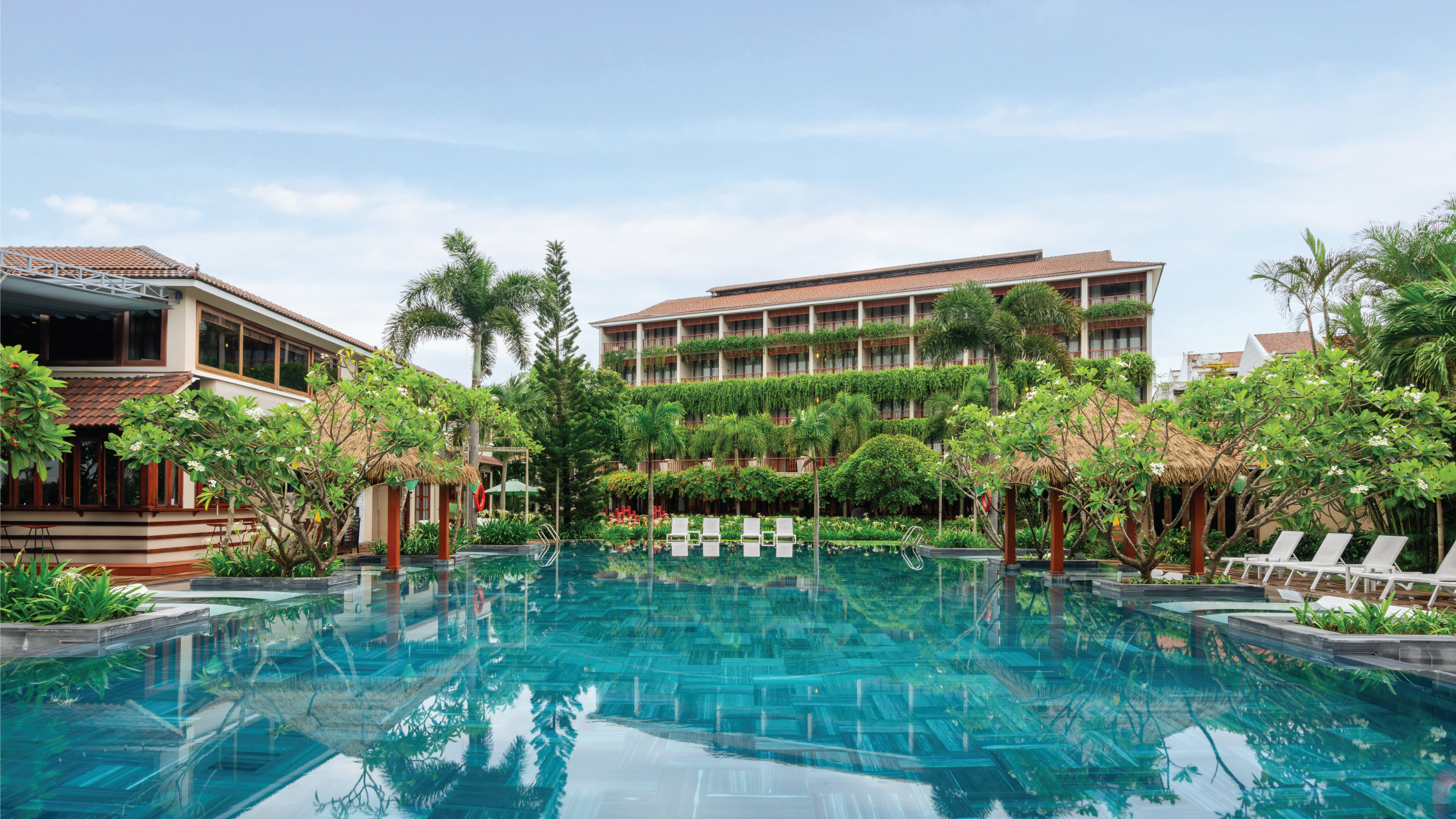
World Luxury Hotel Awards WLHA Continent Winner
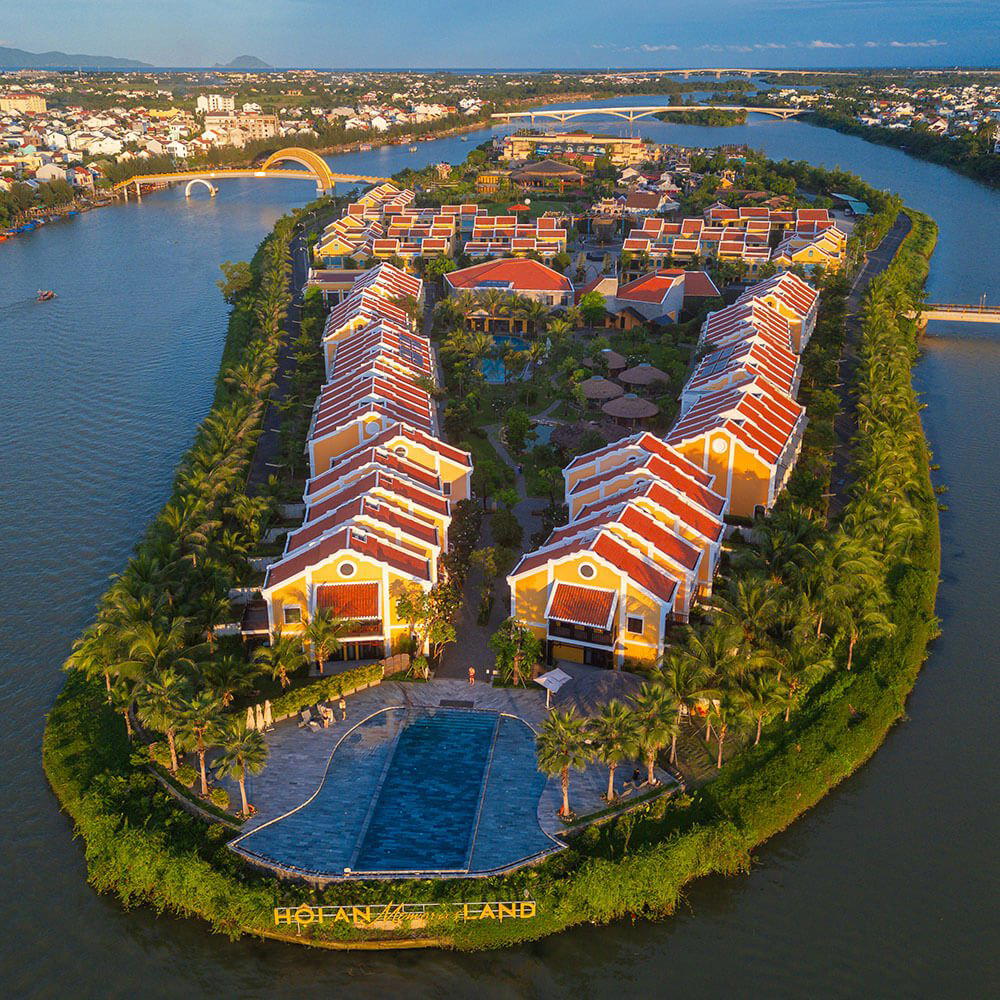
Silk Sense Hoi An River Resort holds a Continent Winner award for Luxury Family Resort, placing it among a distinct tier of riverside properties in Quảng Nam province. Positioned along the Thu Bon river corridor near the UNESCO-listed Ancient Town, the resort draws families seeking space, water access, and a slower pace than the boutique hotels clustered inside the old quarter.

Pearl is the En Primeur Club membership app, where members save venues, book tables and use the concierge.
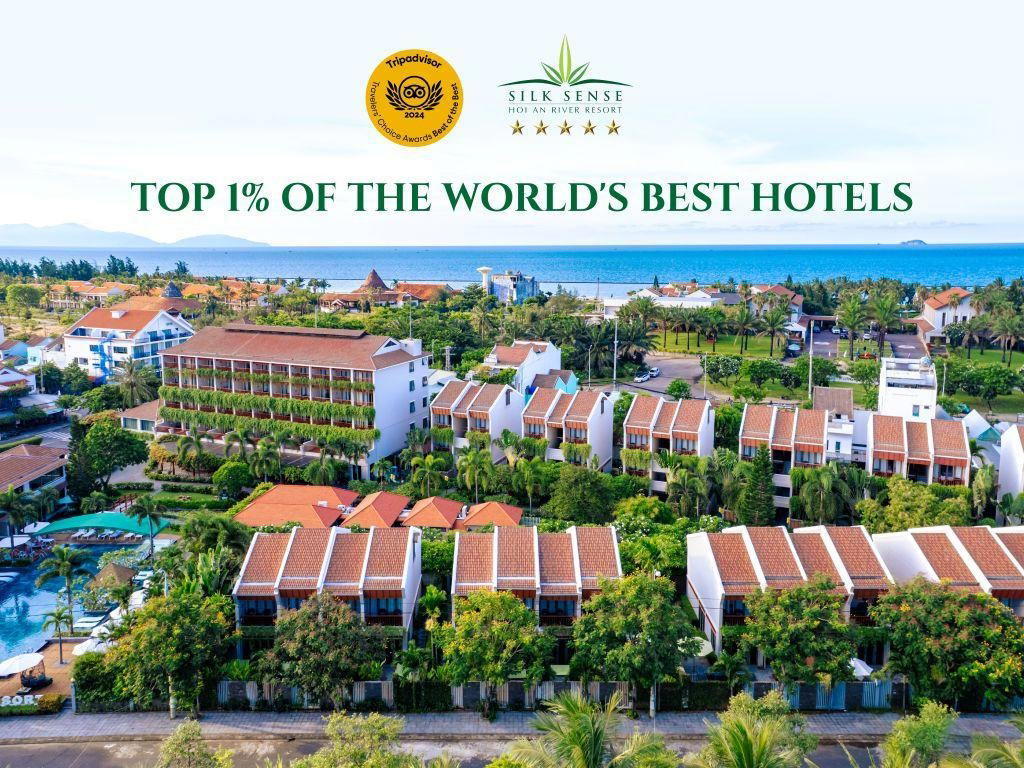
Where the River Sets the Tone
Hoi An's accommodation market has split along a clear axis in recent years: properties inside or near the Ancient Town optimise for walkability and atmosphere, while those along the Thu Bon river corridor and the Cẩm An coastline prioritise space, water, and a quieter rhythm. Silk Sense Hoi An River Resort sits firmly in the second camp. The address at 01 Đống Đa, Cẩm An puts it within the broader Hoi An municipality but at a deliberate remove from the lantern-lit pedestrian streets, which means arrivals are greeted by river views and open grounds rather than the compressed energy of the old quarter.
That physical separation is a design choice, not a compromise. The river-facing orientation shapes everything from room placement to the pace guests set for their days. Families with children, in particular, find the layout more manageable than the denser boutique properties closer to the Ancient Town, where narrow alleys and street traffic sit immediately outside the door. For context on how the Hoi An riverside resort segment compares more broadly, Namia River Retreat and Anantara Hoi An Resort occupy different positions along the same waterway, each with distinct footprints and pricing tiers.
The Room as the Experience
In the family-resort segment across Southeast Asia, the room hierarchy matters considerably more than in boutique city hotels. Guests are often spending substantial portions of their stay inside the accommodation itself, so the distinction between a standard room, a pool villa, and a family suite carries real weight. At Silk Sense, the river-facing room categories are the logical anchor for most itineraries. The Thu Bon's flat, slow-moving character means that a room oriented toward it captures a quality of light and stillness that is genuinely different from a garden or pool-facing alternative.
The broader pattern in Vietnamese resort design over the past decade has moved toward integrating outdoor living space directly into the room experience: private balconies or terraces deep enough to use rather than merely photograph, rainfall showers positioned to connect visually to greenery or water, and bathrooms given proportions that remove the sense of economy. How fully Silk Sense has executed this approach across its room tiers is worth confirming directly at booking, since the specific configurations that align with a family's actual requirements, separate sleeping areas, connecting rooms, or rooms with direct pool or river access, vary considerably between properties in this category.
For families comparing this positioning against the broader Hoi An market, Hoi An Memories Resort and Spa and Hotel Royal Gallery Hoi An represent alternative configurations in different parts of the town, while Four Seasons Resort The Nam Hai in Dien Duong sets the ceiling for the broader region at a meaningfully higher price point.
A Continent-Level Award in Context
Silk Sense holds a Continent Winner designation for Luxury Family Resort, a category award that places it among recognised properties across Asia rather than just within Vietnam or Central Vietnam specifically.
Within Vietnam, the family resort category is genuinely competitive. Properties like Amiana Resort in Nha Trang and Anantara Quy Nhon Villas operate in the same country and hold their own award recognitions. The fact that Silk Sense has secured continent-level family recognition in Hoi An, a city whose luxury market is traditionally led by the Ancient Town atmosphere and wellness-focused properties like Almanity Hoi An Wellness Resort, suggests it has carved a specific positioning rather than simply competing on location alone.
The Hoi An Context for Families
Hoi An rewards repeat visitors more than most Vietnamese cities. The Ancient Town is compact enough to absorb in a day or two of walking, but the surrounding area, including the Thu Bon river delta, the Tra Que vegetable village, An Bang beach, and the outlying islands, repays slower, longer stays. For families, this matters because the logistics of daily excursions from a well-positioned base are direct: the Ancient Town is accessible by bicycle, boat taxi, or short car transfer from the Cẩm An area, which removes the pressure of being within walking distance of the lantern district at all times.
The leading window for visiting Hoi An runs from February through May, when the city sits between the cool, sometimes rainy northeast monsoon season and the intense heat of summer. Families arriving in this period will find conditions comfortable for both outdoor resort time and town exploration. October and November bring the highest rainfall, with some years seeing significant flooding in the Ancient Town itself, so riverside properties should be evaluated with seasonal flooding patterns in mind when planning dates.
For broader Vietnam itinerary planning, Hoi An sits logically between Da Nang to the north, served by Novotel Danang Premier Han River and Four Points by Sheraton Da Nang, and Hue to the further north, where Azerai La Residence occupies a heritage position in a completely different register. Southward, Amanoi in Vinh Hy and Banyan Tree Lăng Cô extend a central Vietnam circuit for travellers building longer itineraries. Our full Hoi An guide maps the town's dining, accommodation, and day-trip options in more detail.
Planning a Stay
The Cẩm An address positions the resort roughly a 10-15 minute drive or a short bicycle ride from the main pedestrian zone of the Ancient Town, depending on traffic and route. For families, the transfer logistics are worth planning in advance: renting bicycles from the resort or arranging a tuk-tuk or boat transfer to the town are standard options across most riverside Hoi An properties in this area. Booking the resort directly through its official website will provide the most current room category availability and any family-specific packages, particularly during Vietnamese school holiday periods when local domestic demand adds to international visitor pressure. The February-to-May window remains the clearest recommendation for weather, with the shoulder months of January and June offering trade-offs between crowd levels and conditions.
Families considering Hoi An within a wider Vietnam circuit might also evaluate Wyndham Hoi An Royal Beachfront Resort and Villas for a beach-oriented alternative, or The Pearl Hoi An for a different positioning within the town's accommodation tier. For those building a longer Southeast Asia or Vietnam itinerary, the contrast between Hoi An's riverside family-resort tier and properties like InterContinental Hanoi Westlake in the north or Amanaki Saigon Boutique Hotel in Ho Chi Minh City illustrates how sharply Vietnam's accommodation market varies by city and travel style.
Side-by-Side Snapshot
Comparable venues nearby, for context on price, style, and recognition.
| Venue | Cuisine | Price | Awards | Notes |
|---|---|---|---|---|
| Silk Sense Hoi An River ResortThis venue (the venue you are viewing) | Green luxury riverside escape with private villas and lush gardens | Not listed | World Luxury Hotel Awards WLHA Continent Winner | Not listed |
| Anantara Hoi An Resort | Split-level colonial architecture inspired by Asian and French influences | $300–500 | Virtuoso Luxury Hotel Partner | An Bang Beach |
| Hotel Royal Gallery Hoi An | Refined boutique blending heritage and artistry inspired by 17th-century Japanese-Vietnamese romance. | Not listed | World Luxury Hotel Awards WLHA Country Winner | Hoi An Old Town |
| Namia River Retreat - Wellness Inclusive Resort | Sustainable luxury wellness resort inspired by local Vietnamese villages and nature | Not listed | 1 Michelin Key · Mr & Mrs Smith Seal of Approval | Cẩm Thanh |
| Four Seasons Resort, The Nam Hai | Contemporary interpretation of traditional Central Vietnamese garden house architecture with feng shui principles, featuring timber frames, pitched tile roofs, and split-level design elements. | $750–1,000 | 2 Michelin Keys · La Liste Top Hotels | Ha My Beach, Hoi An |
| Hotel Royal Hoi An Danang | Riverside luxury hotel fusing Japanese and Vietnamese heritage architecture. | $200–300 | Michelin Guide New Hotels New Hotel · Michelin Selected | Hoi An Ancient Town |
Recognition history
Dated appearances from independent guides and award organizations, with the underlying list record or original source where available.
World Luxury Hotel Awards WLHA Continent Winner
World Luxury Hotel Awards
Continue exploring
More in Hoi An
Hotels in Hoi An
All hotels in Hoi An →
Details
- Quiet
- Elegant
- Scenic
- Romantic
- Cozy
- Romantic Getaway
- Family Vacation
- Wellness Retreat
- Honeymoon
- Infinity Pool
- Waterfront
- Pool
- Spa
- Fitness Center
- Room Service
- Concierge
- Wi Fi
- Kids Club
- Beach Access
- Garden
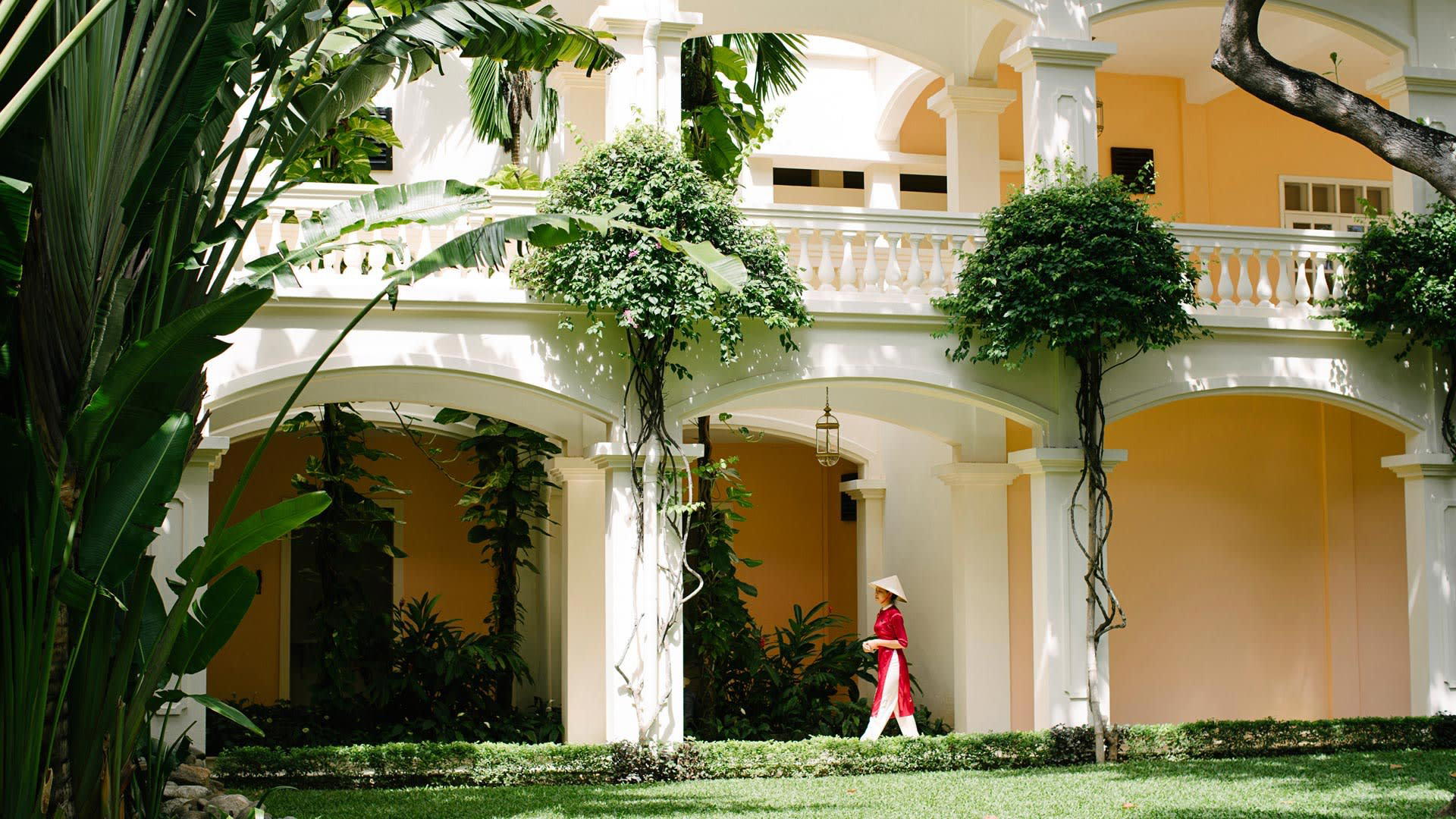
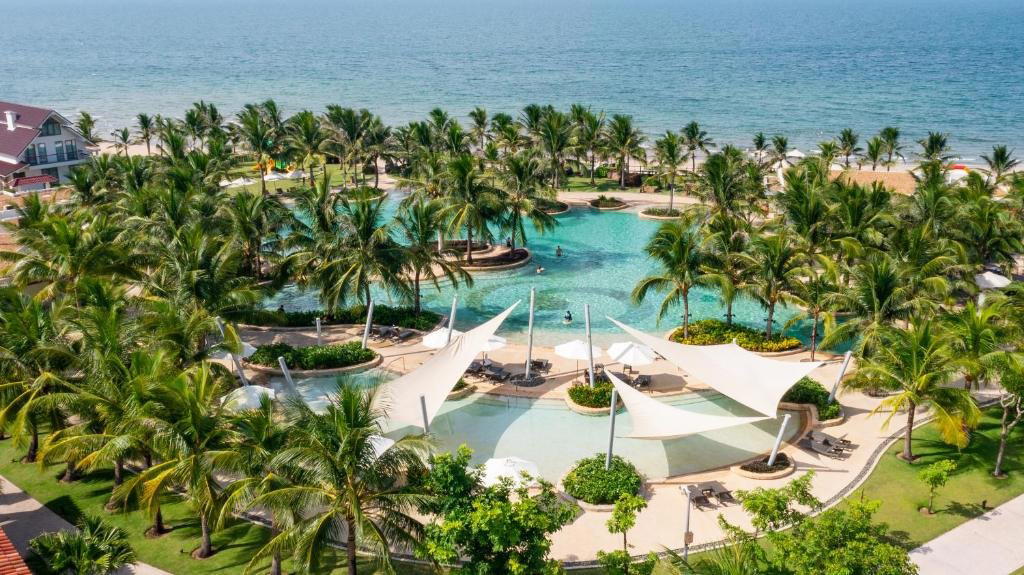
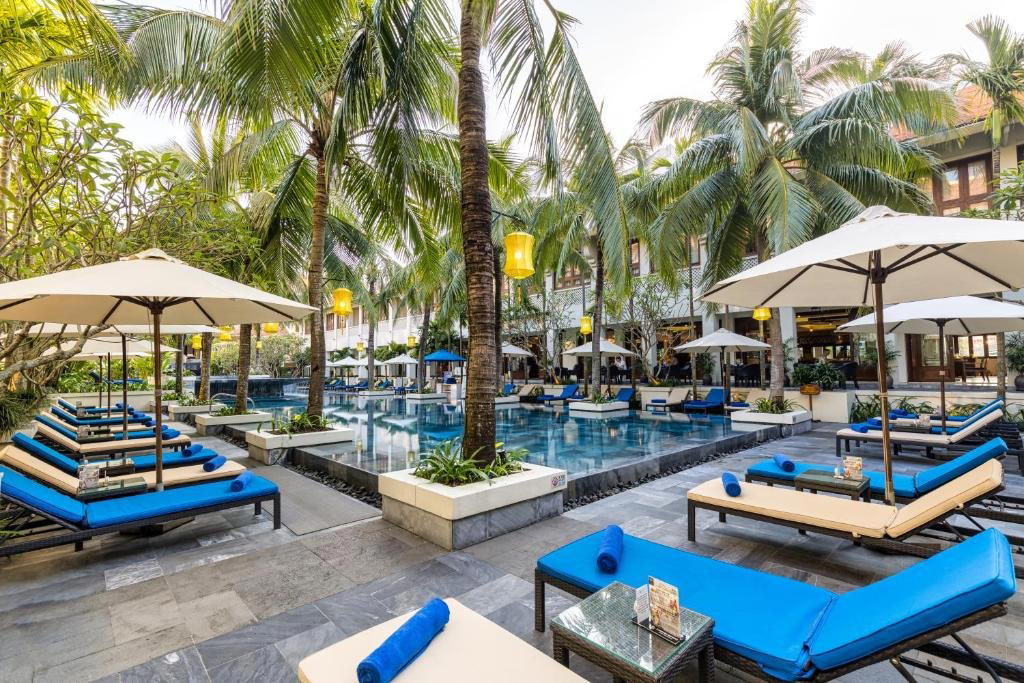
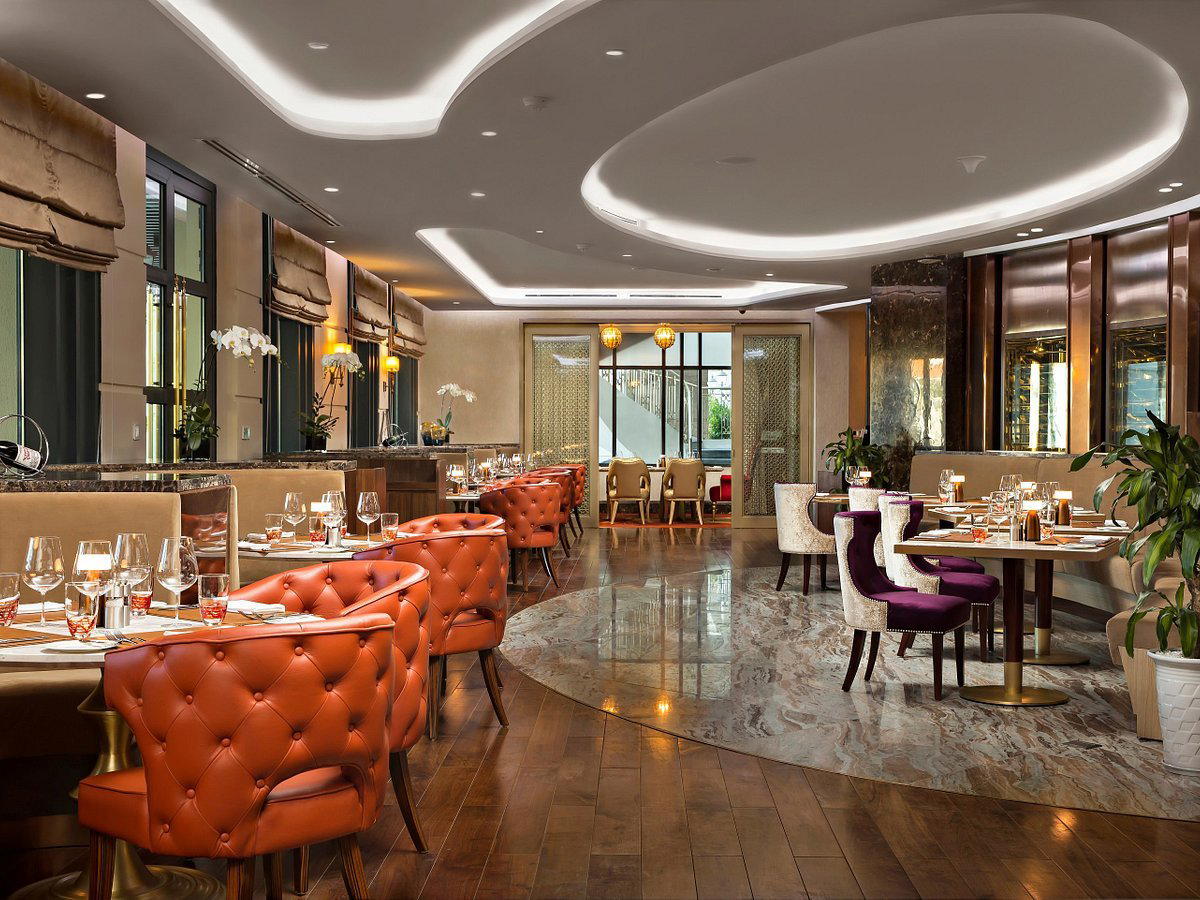
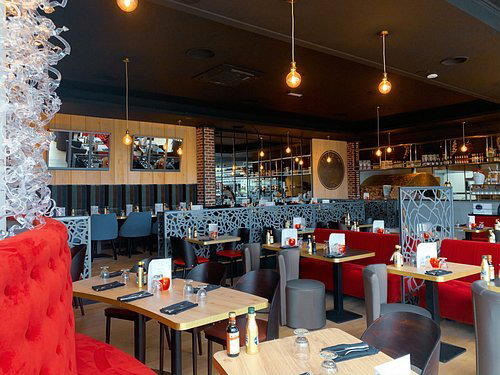
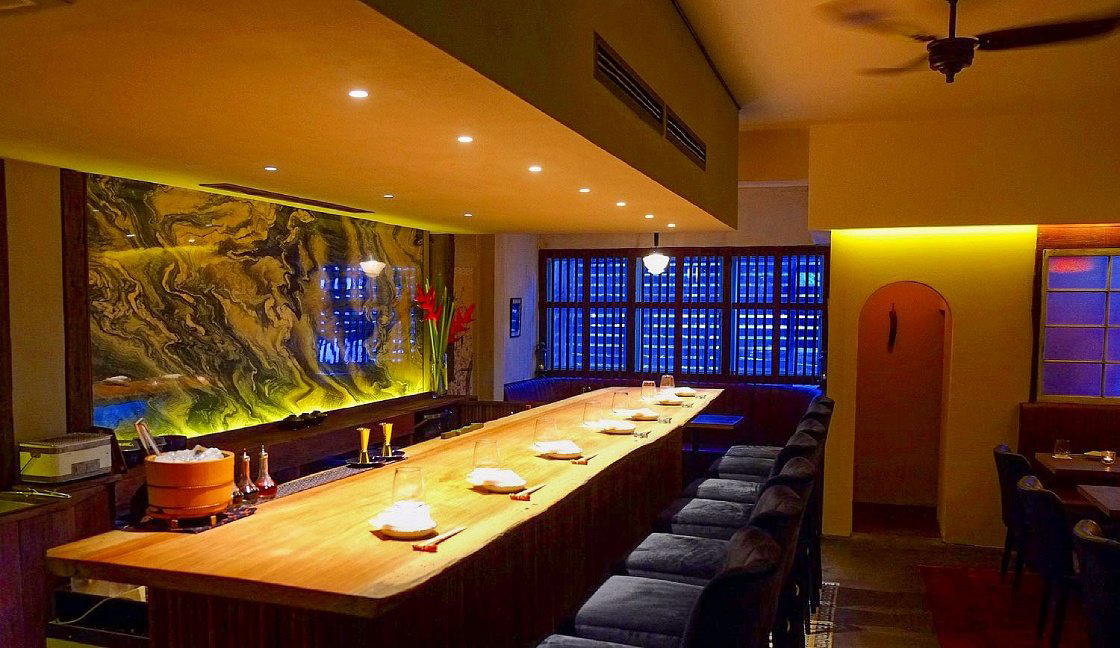
Tranquil and relaxing atmosphere with lush greenery, spacious poolside areas, and warm lighting fostering a peaceful oasis away from city bustle.