
World Luxury Hotel Awards WLHA Continent Winner
Set on Cồn Hến island in Hoi An's river delta, Hoi An Memories Resort & Spa holds a Continent Winner award for Luxury Cultural Resort, a credential that positions it among Asia-Pacific's leading heritage-immersion properties. The resort draws guests who want the ancient town's architectural and culinary character as a daily backdrop, not a day-trip option.

Pearl is the En Primeur Club membership app, where members save venues, book tables and use the concierge.
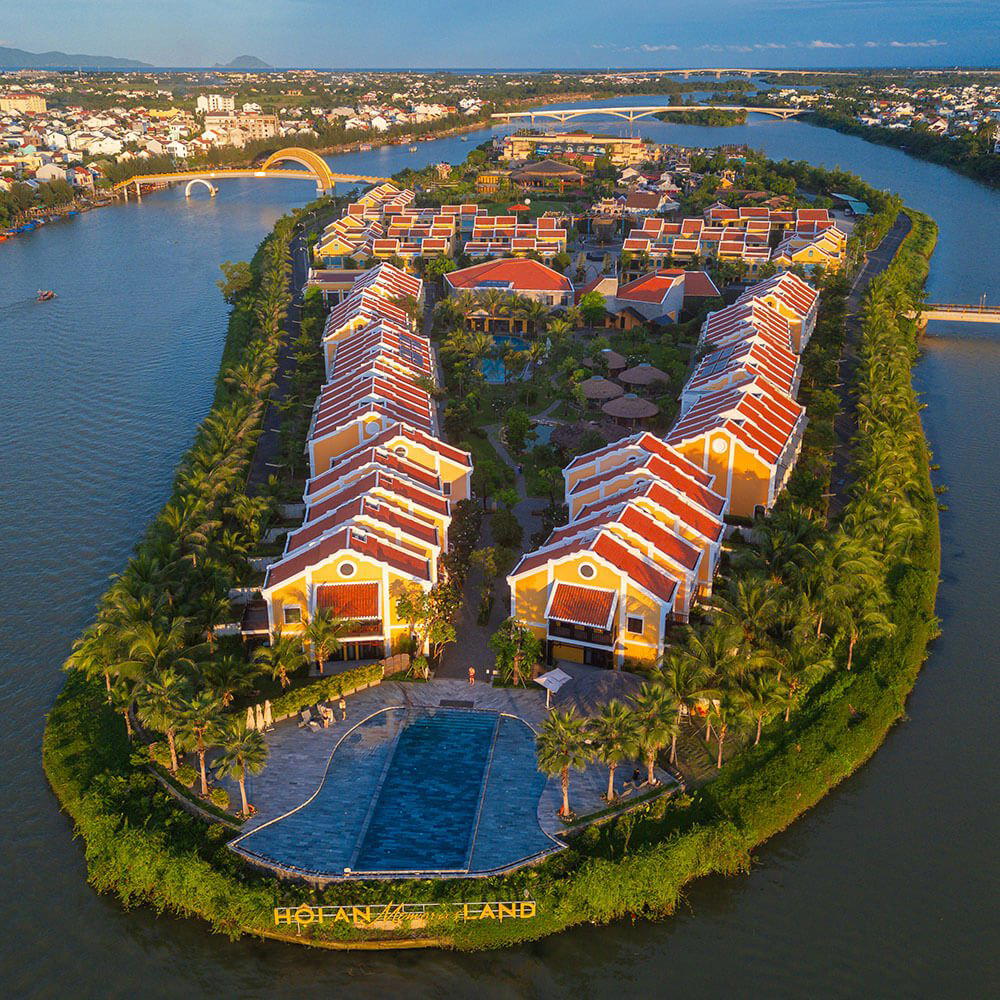
Where the River Frames the Ancient Town
Approaching Cồn Hến by boat, the low rooflines and lantern-lit facades of Hoi An's Ancient Town appear on the far bank as something between a stage set and a living museum. The island position is not incidental: it places arriving guests at a remove from the town's busiest pedestrian circuits while keeping the UNESCO-listed core within easy reach. This geography defines the experience before a single room key is collected. In a city where the boundary between heritage preservation and tourist infrastructure is debated openly by locals and conservationists alike, a resort that sits on the river rather than inside the town occupies a considered position in that conversation.
Hoi An's accommodation market has split into distinct tiers over the past decade. At one end sit the large international footprint properties, some affiliated with global chains, oriented toward beach access along the An Bang and Cua Dai corridors. At the other end is a smaller cohort of culturally anchored properties where the architectural language, programming, and service philosophy are calibrated to the heritage context.
Cultural Immersion as the Organisational Principle
The Luxury Cultural Resort award category is a meaningful signal. Judges in that category typically weight how thoroughly a property integrates the surrounding culture into the guest experience, rather than simply placing a building in a scenic location. For a Hoi An property, that means the architectural references to the town's distinctive blend of Vietnamese, Chinese, and Japanese merchant influences, the programming around silk weaving, lantern making, and regional cooking traditions, and the way staff mediate between international guests and the rhythms of Central Vietnamese life.
Central Vietnam's hospitality culture is less immediately performative than that of, say, Bangkok's luxury hotel corridor or Bali's established resort belt. The service register here tends toward attentiveness expressed through practical knowledge rather than theatrical gesture. Guests who ask about the walking route to the covered Japanese Bridge, the leading time to photograph the Thu Bon River at dawn, or which market stalls in the old quarter are worth visiting on a Tuesday morning are rewarded with answers that reflect genuine local fluency. This kind of anticipatory, knowledge-led service is harder to produce than choreographed check-in rituals, and it is the dimension that separates cultural resorts that have earned their designation from those that simply cite proximity to a heritage site.
For context on how Hoi An's accommodation scene is currently structured, our full Hoi An guide maps the city's key neighbourhoods and the properties anchored to each. Within the river-adjacent tier, the Anantara Hoi An Resort and the Silk Sense Hoi An River Resort share some of the same geographic logic, offering water-facing access to the old town. The Namia River Retreat operates at the quieter, smaller-scale end of that spectrum. Meanwhile, the Wyndham Hoi An Royal Beachfront Resort & Villas and the The Pearl Hoi An represent the beach-corridor alternative for travellers prioritising coastal access over town immersion.
Planning Your Stay
Hoi An's high season runs from February through April, when humidity is lower, the Thu Bon River sits at a manageable level, and the Ancient Town's lantern festivals draw significant visitor numbers. The resort's island setting means seasonal flooding patterns, which affect low-lying areas of Central Vietnam from October into December, are a practical consideration when selecting travel dates. Bookings for the February-to-April window, particularly around the Lunar New Year period and the monthly Full Moon Festival, fill well in advance. Travellers with fixed dates should treat early reservation as standard practice rather than precaution.
Da Nang International Airport serves Hoi An, with the resort approximately 30 kilometres away by road, a journey of roughly 45 minutes depending on traffic. Direct international routes into Da Nang have expanded considerably in recent years, including connections from major East Asian hubs, which has made Hoi An more accessible as a standalone destination rather than an add-on to Hanoi or Ho Chi Minh City itineraries. Guests pairing Hoi An with broader Central Vietnam exploration might consider the Azerai La Residence in Hue, roughly 120 kilometres north, or the Novotel Danang Premier Han River as a transit base in Da Nang. For those building a longer Vietnam circuit, InterContinental Hanoi Westlake and Amanaki Saigon Boutique Hotel anchor the north and south ends of the country respectively.
Properties at the cultural-resort tier in Vietnam, including reference points like Amanoi in Vinh Hy and Anantara Quy Nhon Villas, tend to operate with limited room inventory relative to larger resort complexes, which tightens availability during peak windows. The Almanity Hoi An Wellness Resort and the Hotel Royal Gallery Hoi An sit in adjacent market positions and face comparable booking pressure during high season, which gives some indication of the demand dynamics across the category in this city.
How It Sits in the Wider Regional Picture
Across Southeast Asia, the Luxury Cultural Resort category has become one of the more contested award segments as travellers increasingly move away from amenity-checklist properties toward stays that are harder to replicate elsewhere. Within Vietnam specifically, properties such as the Banyan Tree Lăng Cô and the Dalat Palace Heritage Hotel occupy adjacent cultural positioning, each with distinct architectural and geographic identities.
Travellers comparing Hoi An against other high-context heritage destinations in the region, Luang Prabang, Bagan, or Yogyakarta, will find that Hoi An's particular advantage is the density of its living culture: active markets, a working fishing community on the Thu Bon, and craft traditions that continue in family workshops rather than museum settings. A resort that connects guests to that density, rather than buffering them from it, is making a specific argument about what luxury travel means in this context. The Continent Winner designation for Luxury Cultural Resort is, at minimum, evidence that argument has been heard.
Cuisine-First Comparison
Comparable venues nearby, for context on price, style, and recognition.
| Venue | Cuisine | Price | Awards | Notes |
|---|---|---|---|---|
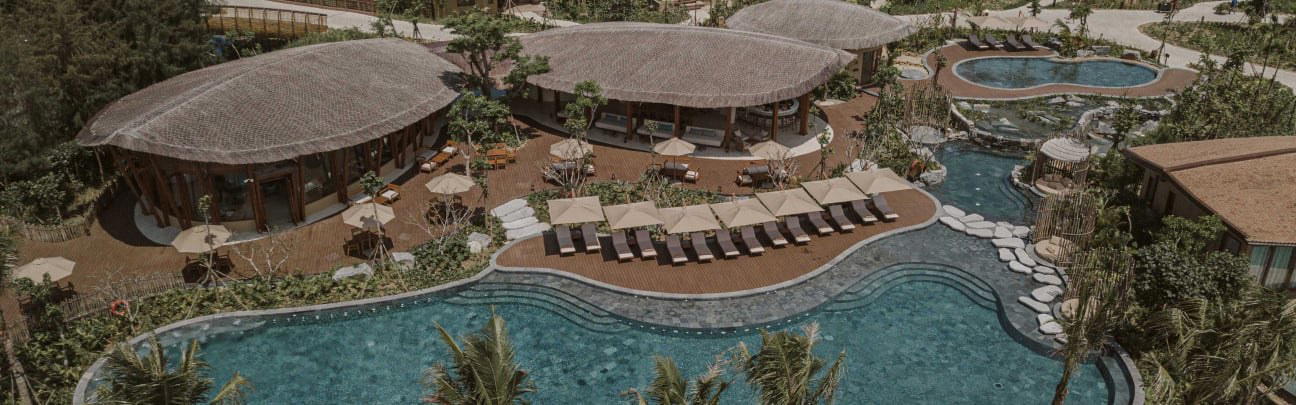
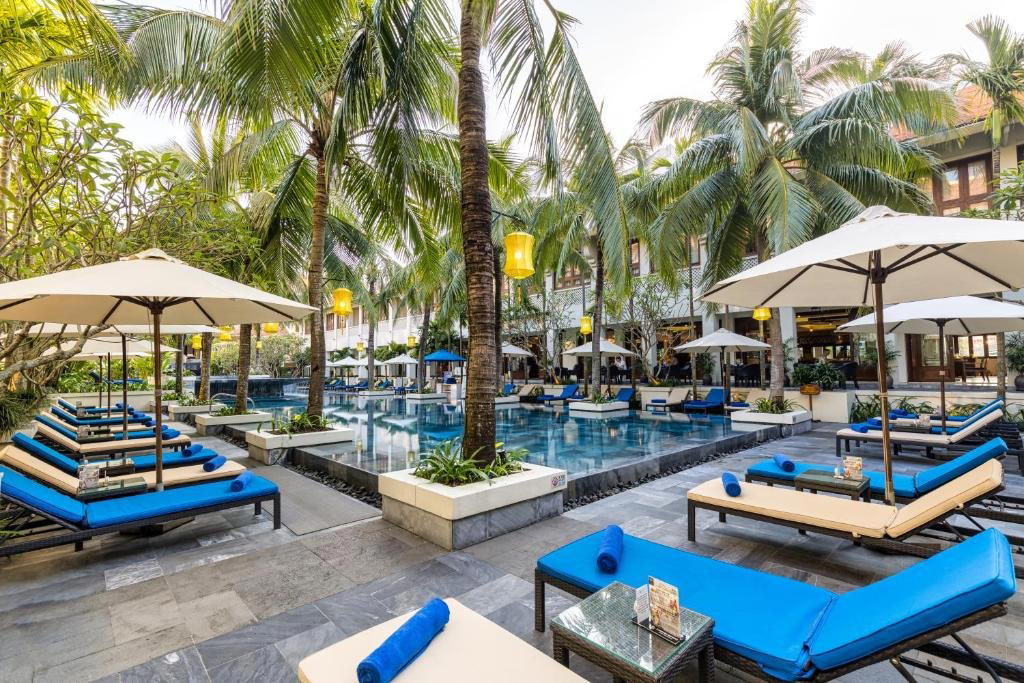
| Hoi An Memories Resort & SpaThis venue (the venue you are viewing) | Riverfront resort with lush gardens and modern villas | $100–200 | World Luxury Hotel Awards WLHA Continent Winner | Not listed |
| The Pearl Hoi An | Beachfront resort with spacious serviced apartments | Not listed | World Luxury Hotel Awards WLHA Regional Winner | Dien Ban |
| Anantara Hoi An Resort | Split-level colonial architecture inspired by Asian and French influences | $300–500 | Virtuoso Luxury Hotel Partner | An Bang Beach |
| Hotel Royal Gallery Hoi An | Refined boutique blending heritage and artistry inspired by 17th-century Japanese-Vietnamese romance. | Not listed | World Luxury Hotel Awards WLHA Country Winner | Hoi An Old Town |
| Silk Sense Hoi An River Resort | Green luxury riverside escape with private villas and lush gardens | Not listed | World Luxury Hotel Awards WLHA Continent Winner | Hoi An |
| Almanity Hoi An Wellness Resort | Heritage wellness resort blending colonial architecture with modern minimalist interiors. | $100–200 | Not listed | Cam Pho |
Recognition history
Dated appearances from independent guides and award organizations, with the underlying list record or original source where available.
World Luxury Hotel Awards WLHA Continent Winner
World Luxury Hotel Awards
Continue exploring
More in Hoi An
Hotels in Hoi An
All hotels in Hoi An →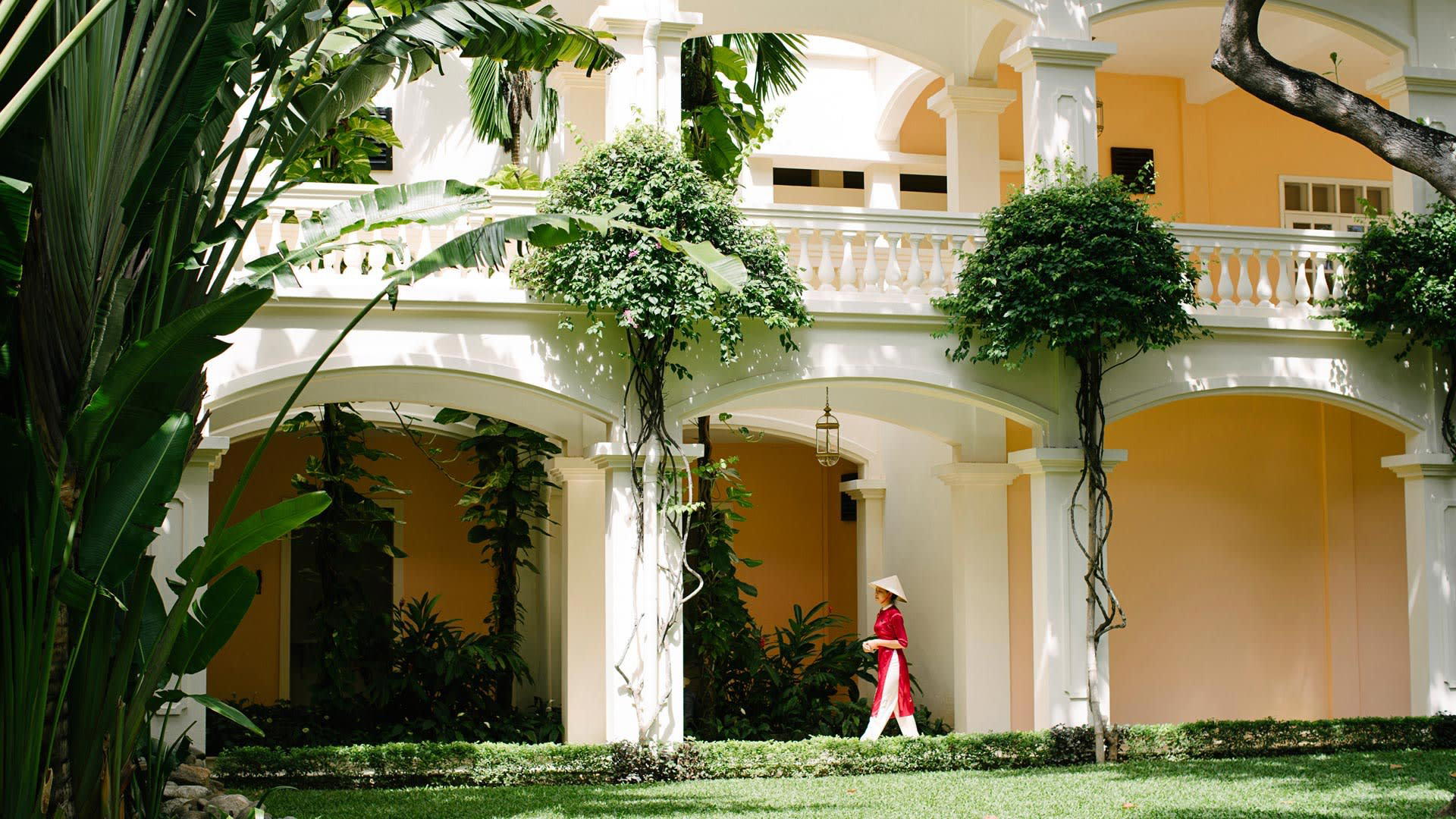
Details
- Romantic
- Elegant
- Scenic
- Quiet
- Sophisticated
- Honeymoon
- Romantic Getaway
- Wellness Retreat
- Family Vacation
- Infinity Pool
- Private Villa
- Destination Spa
- Wi Fi
- Pool
- Spa
- Fitness Center
- Room Service
- Concierge
- Kids Club
- Restaurant
- Bicycle Rental
- Garden
- Wheelchair Accessible
- Step Free Entrance
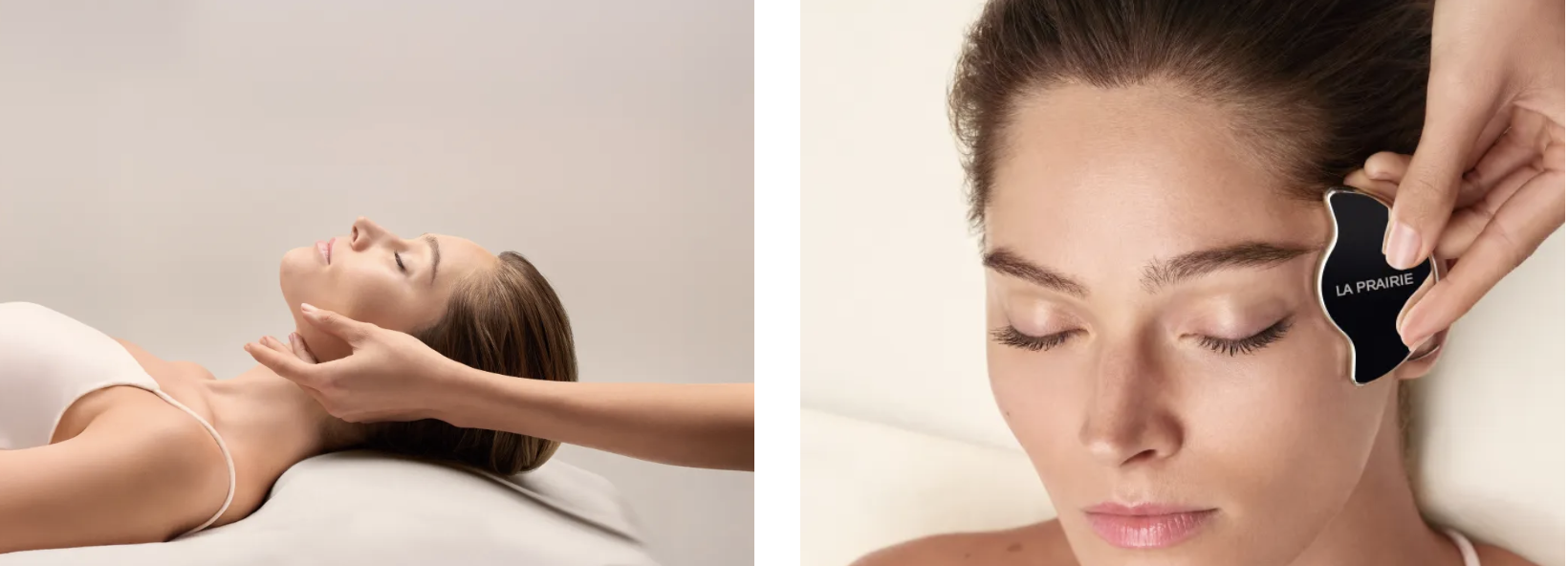
Tranquil and relaxing with lush gardens, soundproofed rooms, and serene spa atmosphere.