Take-Don occupies a quiet address in Munich's Maxvorstadt district, at Erzgießereistraße 32, where the city's appetite for considered, ethically grounded dining continues to grow. The restaurant operates within a Munich dining scene that increasingly rewards sourcing transparency and restraint over spectacle. For travellers arriving in the Bavarian capital during cooler months, when local produce cycles shape menus most visibly, it sits within a peer group worth knowing before you book.
Pearl is the En Primeur Club membership app — saves, bookings, and concierge access live there. Same editors, same standards.
- Address
- Erzgießereistraße 32, 80335 München, Germany
- Phone
- +498923710781
- Website
- facebook.com
- Directions
- Get directions
 Saves & bookings on Pearl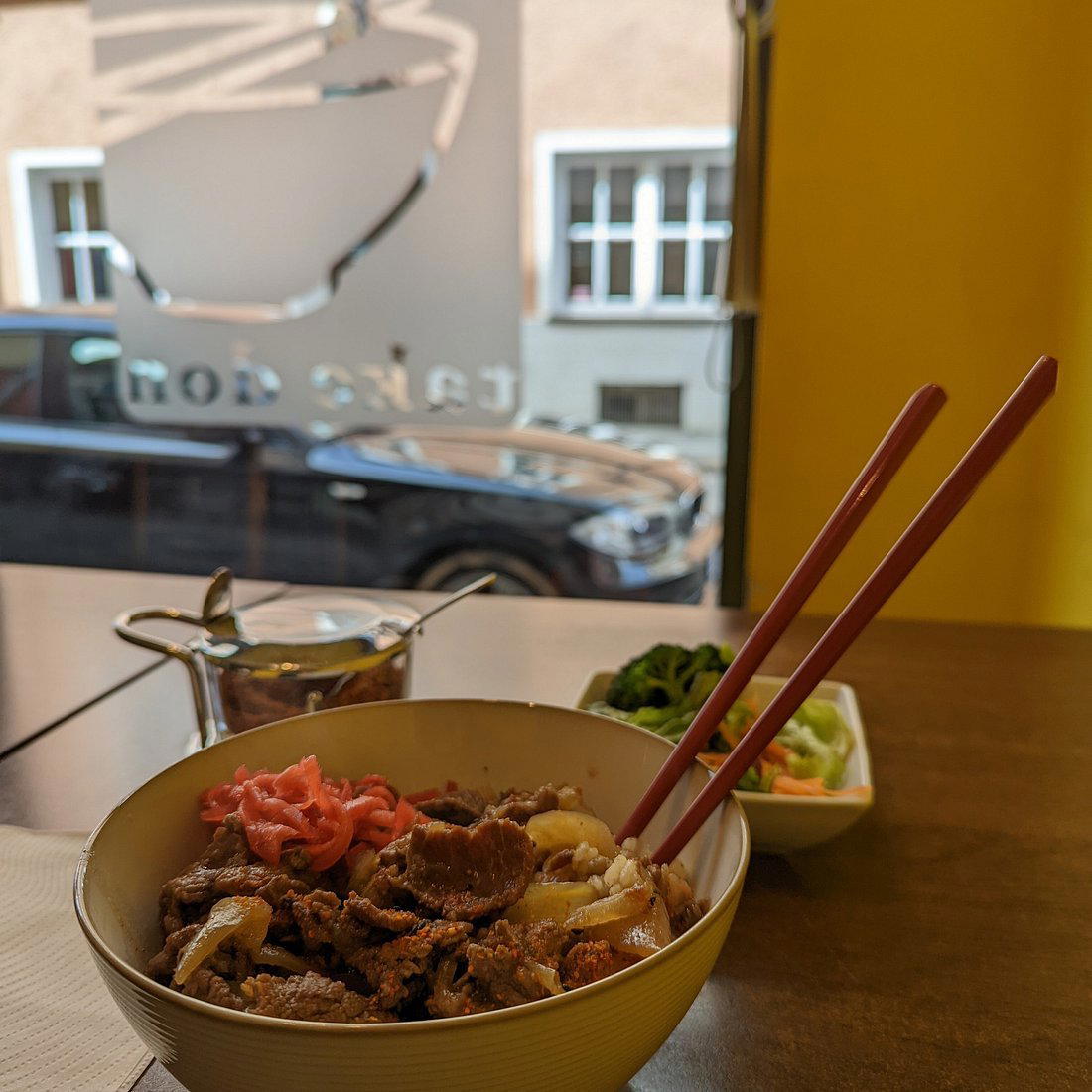
Maxvorstadt and the Shift Toward Accountable Dining
Take-Don is a Japanese Street Food restaurant in Munich, at Erzgießereistraße 32, 80335 München, Germany. Take-Don, at Erzgießereistraße 32 in Maxvorstadt, serves Japanese Street Food in a casual setting.
The streets around the Pinakotheken galleries and the technical university fill at lunch with students and academics; by evening, the crowd thins and the remaining restaurants tend to serve a local rather than tourist clientele. That demographic shift matters in how kitchens operate. Venues in these streets are less likely to be chasing Michelin visibility and more likely to be building a repeat neighbourhood following, which typically demands honest pricing, reliable quality, and sourcing you can explain to a regular who asks.
Where Take-Don Sits in the Munich Dining Order
Munich's fine dining tier is anchored by a set of long-established names. Tantris, the city's Modern French reference point, and Atelier, with its Creative French positioning, both operate in the €€€€ bracket and carry the kind of institutional weight that shapes what the rest of the city measures itself against. Alois at Dallmayr and JAN occupy a similarly serious creative register. Tohru in der Schreiberei brings a Modern German-Japanese vocabulary to the upper end of the market.
The restaurant operates in a different register, one where the editorial story is less about awards accumulation and more about what a restaurant chooses to do with its sourcing decisions, its waste streams, and its relationship with producers. The restaurant does not have a Michelin star, but its appeal lies in consistent, casual service. CODA Dessert Dining in Berlin demonstrated that a disciplined, conceptually coherent approach to a single category could attract serious critical attention on its own terms. The same logic applies to sustainability-led positioning across the broader German dining scene.
The Broader German Context: Sustainability as Structure, Not Marketing
Across Germany's premium restaurant sector, sustainability has split into two distinct modes. The first is rhetorical: menu language about regional provenance, a few named farms, and language about seasonality that functions more as branding than operational commitment. The second is structural: kitchens that build their supply chains before they build their menus, that have documented relationships with specific producers, and that treat waste reduction as a discipline embedded in how the kitchen operates day to day.
The structural mode has become increasingly visible at the upper end of German dining. Aqua in Wolfsburg, Schwarzwaldstube in Baiersbronn, and ES:SENZ in Grassau all operate in regions where local produce cycles are short and traceability is easier to maintain than in urban centres. Urban restaurants face a harder version of the same challenge: sourcing ethically in a city where logistics are more complex and producer relationships require active maintenance rather than proximity. Munich's Maxvorstadt address for the restaurant places it squarely in that harder category.
Elsewhere in Germany, restaurants like Vendôme in Bergisch Gladbach, Victor's Fine Dining by Christian Bau in Perl, Waldhotel Sonnora in Dreis, Restaurant Haerlin in Hamburg, Schanz in Piesport, and Bagatelle in Trier each demonstrate that regional sourcing depth and technical ambition are not mutually exclusive. The pattern across these addresses is consistent: kitchens that know their supply chains in detail tend to produce menus with more internal logic, where the constraints imposed by ethical sourcing become a creative framework rather than a limitation.
Internationally, the same structural approach shows up in venues as different as Le Bernardin in New York City, where sourcing discipline is built into the kitchen's identity at the highest level, and Atomix in New York City, where the conceptual architecture of the menu determines what ingredients are sought rather than the reverse. The direction of travel is clear across markets.
Seasonal Timing and What It Means for the Visit
Munich's produce calendar follows a Central European rhythm that rewards visitors who time their arrival deliberately. Autumn brings game, root vegetables, and wild mushrooms from the Bavarian forests; spring opens the asparagus season that Bavarian kitchens treat with near-ceremonial seriousness. These cycles are not incidental to how neighbourhood restaurants in Maxvorstadt build their menus; for kitchens with genuine producer relationships, the seasonal pivot is the menu. Arriving between October and March, when the local supply chain is richest in variety, typically yields one coherent expression of a kitchen's sourcing commitments.
Planning Your Visit
Address: Erzgießereistraße 32, 80335 München, Germany. Dress: casual. Budget: price tier 2. Reservations: walk-in friendly.
Same-City Peers
Comparable venues nearby, for context on price, style, and recognition.
| Venue | Cuisine | Price | Notes |
|---|---|---|---|
| Take-DonThis venue — the venue you are viewing | Japanese Street Food | $$ | Not listed |
| Japan Sushi Gourmet | Authentic Japanese Sushi | $$ | Neuhausen |
| Yuki Hana | Japanese Sushi | $$ | Lehel |
| TAKO -Japanese Casual Food Stand- | Japanese Casual Street Food | $$ | Sendling-Westpark |
| Ichiban Restaurant | Japanese & Vietnamese Sushi Restaurant | $$ | Riem |
| AOI Ramen | Japanese Ramen Izakaya | $$ | Neuhausen |
At a Glance
- Cozy
- Lunch
- Standalone
- Street Scene
Current opening hours
- Monday
- 11:30 AM–4 PM
- Tuesday
- 11:30 AM–4 PM
- Wednesday
- 11:30 AM–4 PM
- Thursday
- 11:30 AM–4 PM
- Friday
- 11:30 AM–4 PM
- Saturday
- Closed
- Sunday
- Closed
Hours can change for holidays and private events. Last verified .
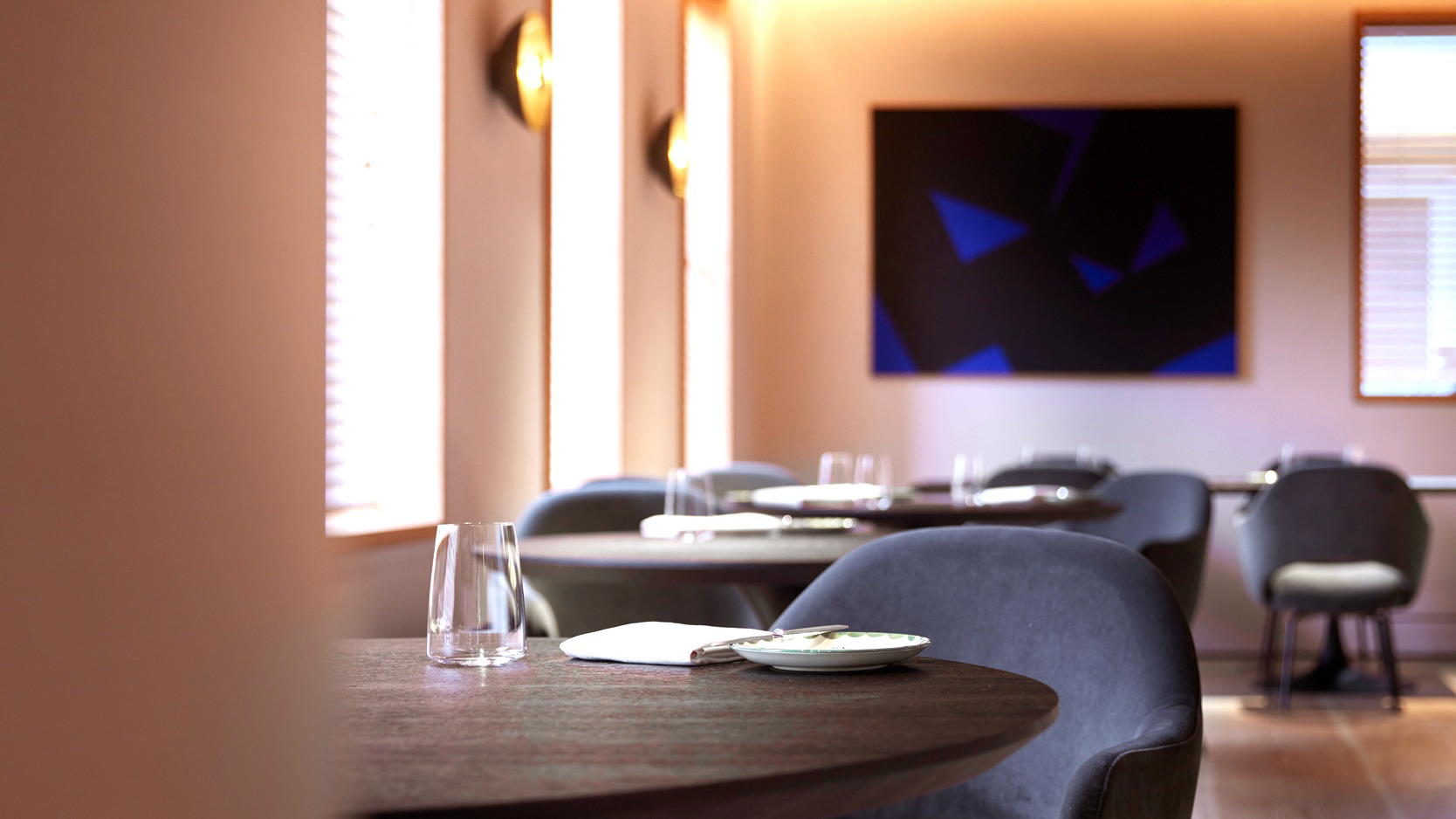
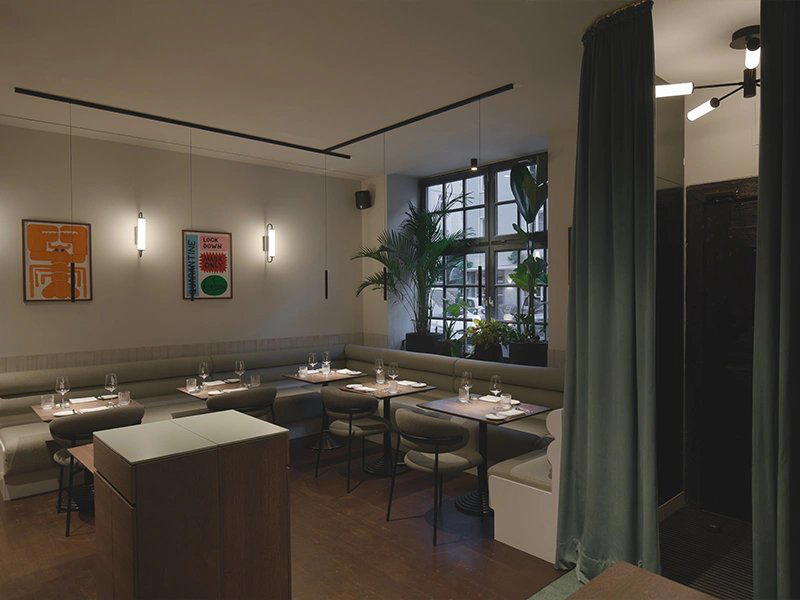
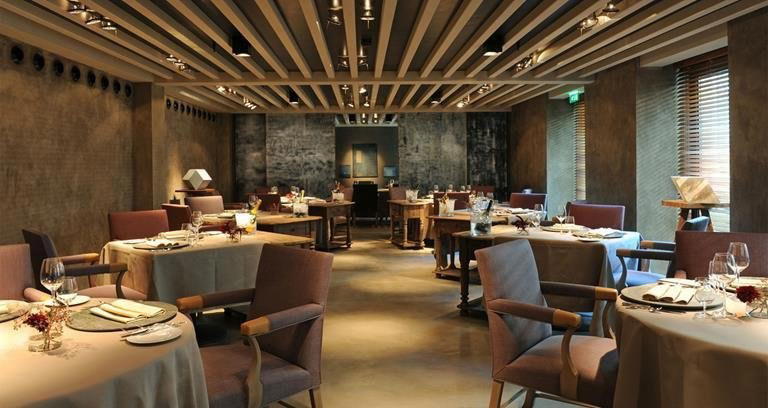
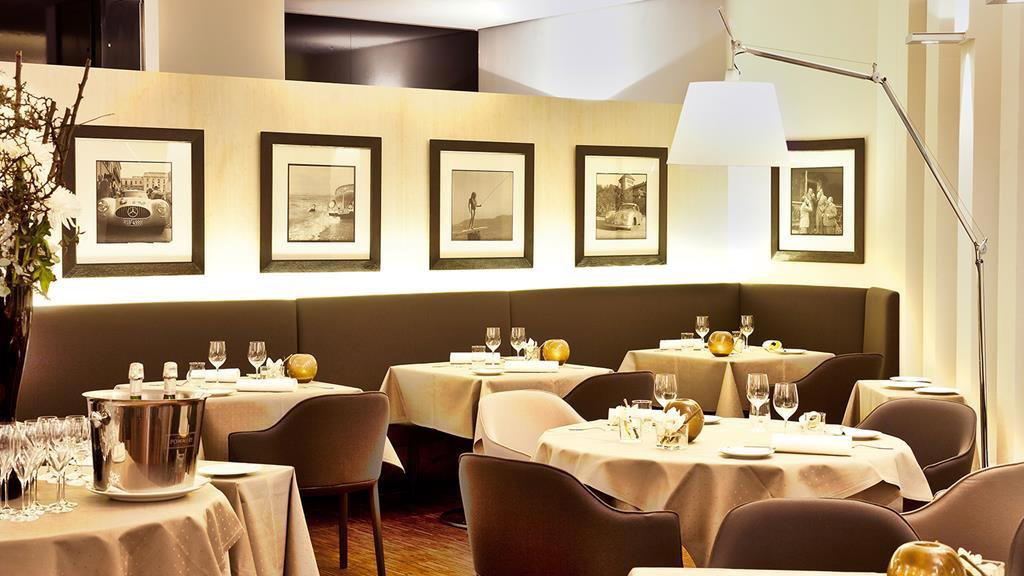
Cozy and simple atmosphere emphasizing authentic Japanese flavors without Instagram appeal.