A Japanese casual food stand on Hansastraße in Munich's Sendling district, TAKO sits at the accessible end of the city's growing Japanese food scene, a counterpoint to the fine-dining Japanese-German fusion that has shaped Munich's top tier. For quick, ingredient-focused Japanese street formats, it occupies a distinct position in a city where that category remains thin on the ground.
Pearl is the En Primeur Club membership app — saves, bookings, and concierge access live there. Same editors, same standards.
- Address
- Hansastraße 73, 81373 München, Germany
- Phone
- +498957868132
- Website
- takomuenchen.de
- Directions
- Get directions
 Saves & bookings on Pearl
Street-Level Japanese in a Fine-Dining City
Munich's restaurant identity has long been pulled toward the formal end of the spectrum. The city's most decorated addresses, places like Tantris, Atelier, and Alois - Dallmayr Fine Dining, operate at the €€€€ tier, with tasting menus, sommelier programs, and booking windows measured in weeks. Even the city's Japanese-influenced cooking tends to arrive through a fine-dining lens: Tohru in der Schreiberei is the clearest example, where Japanese technique meets modern German precision in a setting that is emphatically not casual. Against that backdrop, TAKO is a casual Japanese food stand on Hansastraße in Sendling.
Casual Japanese street formats have expanded across European cities over the past decade, but the category has arrived unevenly. In Munich, the density of high-end dining has historically crowded out the mid-to-low tier, particularly for non-German cuisines. A food stand concept, by contrast, operates on a different logic entirely: speed, accessibility, and a direct relationship between a small number of ingredients and the finished dish. That directness is where the sourcing question becomes most consequential.
Why Sourcing Defines the Food Stand Format
In a tasting-menu context, ingredient provenance is one variable among many, technique, pacing, and plating carry equal weight. At a food stand, the ingredient is almost the entire argument. There is no brigade of cooks building complexity through twenty components, no pastry section to round out the experience. What you eat is largely what the sourcing decisions have already determined. This dynamic makes casual Japanese formats a more transparent test of supply chain commitment than their fine-dining counterparts.
Japanese street food traditions, takoyaki, taiyaki, onigiri, karaage, and the broader category of quick-assembly rice and protein formats, are built around a small set of well-defined ingredients that travel badly when sourced without care. The flour blend for takoyaki batter, the quality of the bonito and kombu in dashi, the fat content and freshness of the octopus inside: these are not details that presentation can mask. At a counter or stand format, the gap between sourced-with-care and sourced-for-cost is immediately legible on the plate.
For Munich specifically, this matters because the city sits at a geographic remove from the Japanese import networks that supply London, Paris, or Amsterdam. Bavaria's Japanese ingredient availability has improved substantially since the mid-2010s, partly through the expansion of specialist wholesalers serving the south German market, and partly through demand driven by establishments like Tohru in der Schreiberei and the city's growing community of Japanese residents and visitors. A casual stand on Hansastraße operates within that same supply environment, and its positioning, what it chooses to source and how, determines whether it reads as an authentic iteration of the format or a simplified local approximation.
Sendling and the Neighbourhood Context
Hansastraße 73 sits in Sendling, a district that has shifted over the past decade from purely residential to a mixed zone with a growing independent food and retail presence. It is not Maxvorstadt or Schwabing, where the bulk of Munich's restaurant attention concentrates, nor is it the tourist circuit of Altstadt. Venues in Sendling tend to serve a local catchment rather than a destination-dining audience, which suits the casual food stand format well. A stand that works in Sendling is one that has embedded itself into a neighbourhood rhythm rather than relying on visitors seeking it out.
That positioning places TAKO in a different competitive conversation from the city's decorated Japanese-influenced addresses. The relevant comparable set is not JAN or Atelier but the small number of casual Japanese and Asian street-food operators spread across Munich's outer districts, a category where differentiation depends on consistency and ingredient honesty rather than Michelin recognition or chef biography.
The Broader German Context
Germany's casual Japanese food scene has developed fastest in Berlin, where density and a younger dining population have supported a wider range of format experiments. CODA Dessert Dining in Berlin represents one end of that city's innovation range; the street-food and casual ends have filled in separately, with onigiri shops, ramen counters, and karaage specialists now present across multiple Berlin neighbourhoods. Munich has followed at a slower pace, partly because its higher average spend per head has historically made low-ticket formats harder to sustain, and partly because the city's food culture remains more conservative in its appetite for casual international formats.
At the formal end, Germany's decorated dining addresses, Aqua in Wolfsburg, Schwarzwaldstube in Baiersbronn, Vendôme in Bergisch Gladbach, and Victor's Fine Dining by Christian Bau in Perl, are primarily European in format even when drawing on Asian technique. The space for a food stand that operates within a specifically Japanese street tradition, rather than a German-Japanese fusion context, remains relatively open in Munich compared to Berlin or Hamburg, where Restaurant Haerlin anchors a scene with considerably more casual depth beneath it.
Internationally, the casual Japanese counter format has its strongest reference points in New York, where venues like Atomix operate at the fine-dining end of Korean-Japanese fusion, while a separate ecosystem of street and casual operators fills the lower tiers with genuine format discipline. Munich's version of that lower tier is still forming. TAKO on Hansastraße is part of that formation, occupying a position the city needs more of if its Japanese food scene is to develop the breadth that currently exists only at the leading.
For a wider view of where TAKO sits within Munich's full restaurant range, the EP Club Munich restaurants guide covers the city's dining tiers from Michelin-starred kitchens to neighbourhood formats across all districts. Additional German fine-dining context is available through venues like ES:SENZ in Grassau, Waldhotel Sonnora in Dreis, Schanz in Piesport, and Bagatelle in Trier, each of which maps a different corner of Germany's formal dining geography.
Planning Your Visit
Address: Hansastraße 73, 81373 München, Sendling district. Reservations: No booking information is currently listed; the food stand format typically operates on a walk-in basis. Dress: Casual, this is a stand format, not a dining room. Budget: Price: about €15 per person.
Cost Snapshot
Comparable venues nearby, for context on price, style, and recognition.
| Venue | Cuisine | Price | Notes |
|---|---|---|---|
| TAKO -Japanese Casual Food Stand-This venue — the venue you are viewing | Not listed | $$ | Not listed |
| Ichiban Restaurant | Not listed | $$ | Riem, Japanese & Vietnamese Sushi Restaurant |
| AOI Ramen | Neuhausen, Japanese Ramen Izakaya | $$ | Not listed |
| Shoya Izakaya | Lehel, Authentic Japanese Izakaya | $$ | Not listed |
| Dr. Drooly | Theresienwiese, Vegan Neapolitan Pizza | $$ | Not listed |
| Annam Grill | Theresienwiese, Authentic Vietnamese | $$ | Not listed |
At a Glance
- Casual
- Modern
- Cozy
- Trendy
- Casual Hangout
- After Work
- Open Kitchen
Current opening hours
- Monday
- 11 AM–2:30 PM, 5–9 PM
- Tuesday
- 11 AM–2:30 PM, 5–9 PM
- Wednesday
- 11 AM–2:30 PM, 5–9 PM
- Thursday
- 11 AM–2:30 PM, 5–9 PM
- Friday
- 11 AM–2:30 PM, 5–9 PM
- Saturday
- 5–9 PM
- Sunday
- 5–9 PM
Hours can change for holidays and private events. Last verified .
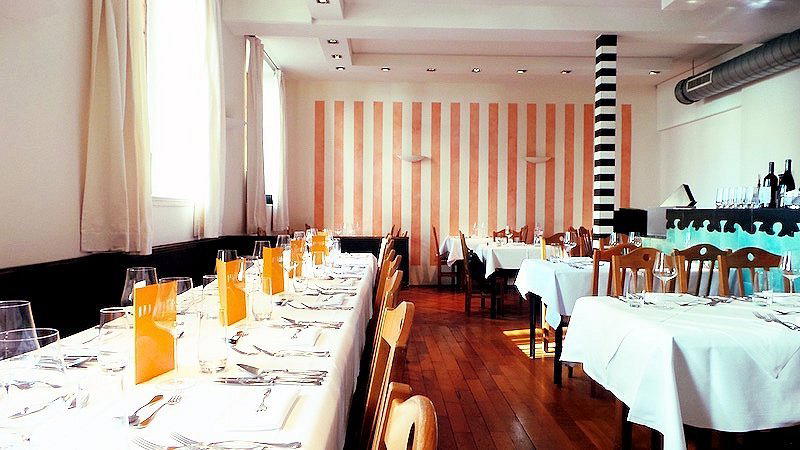
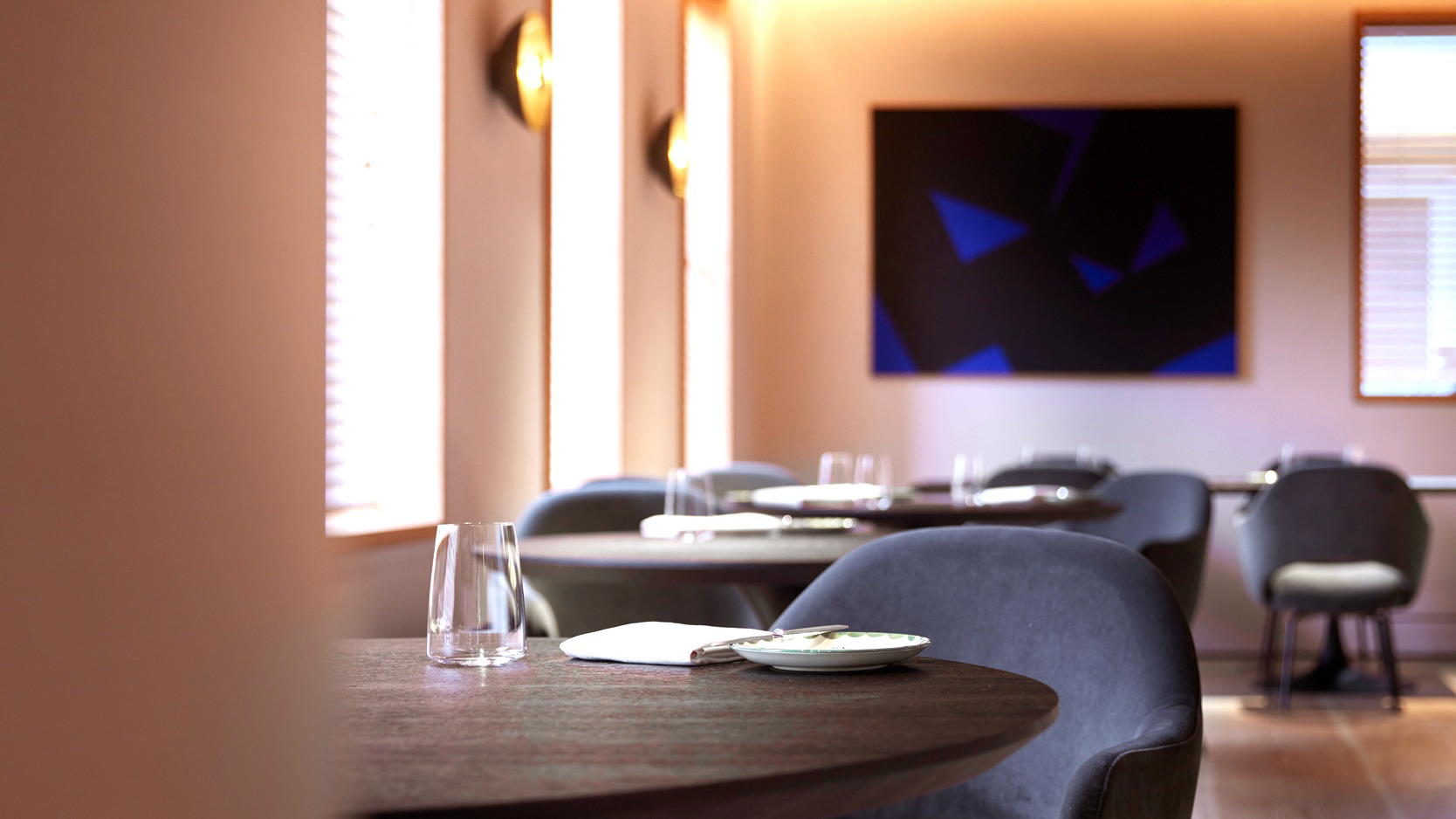
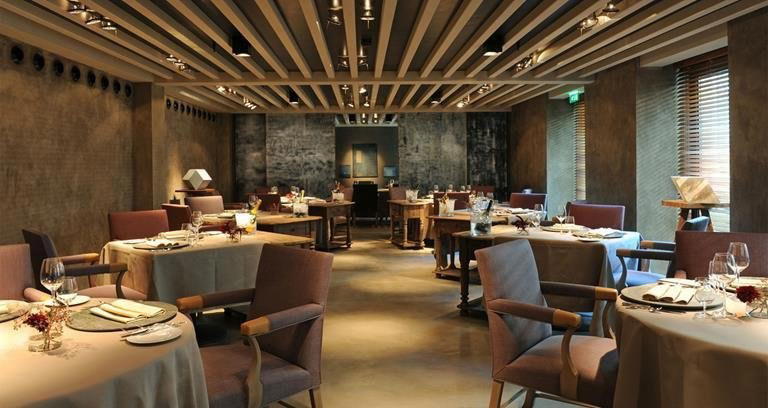
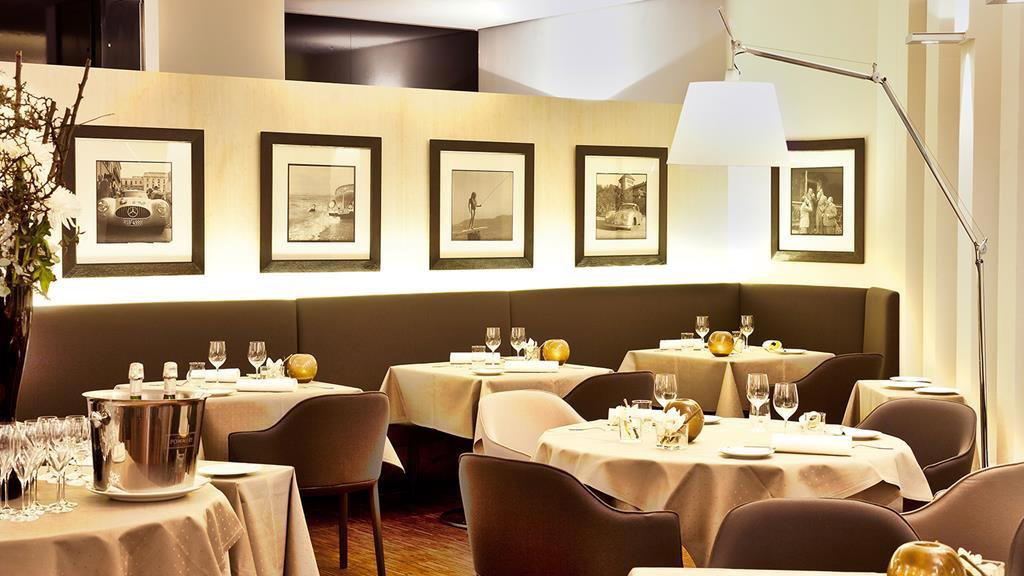
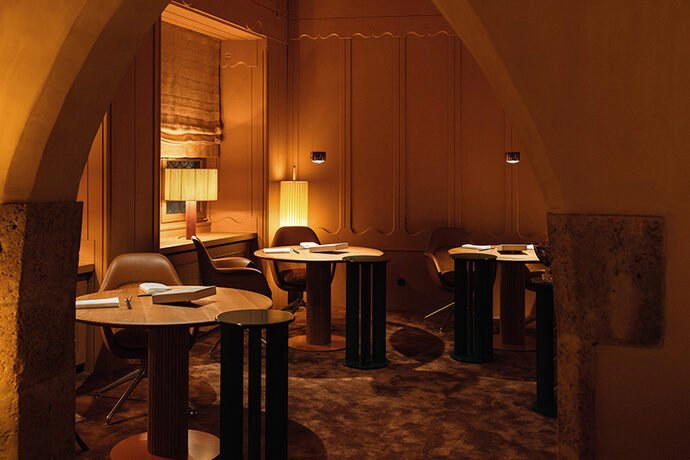
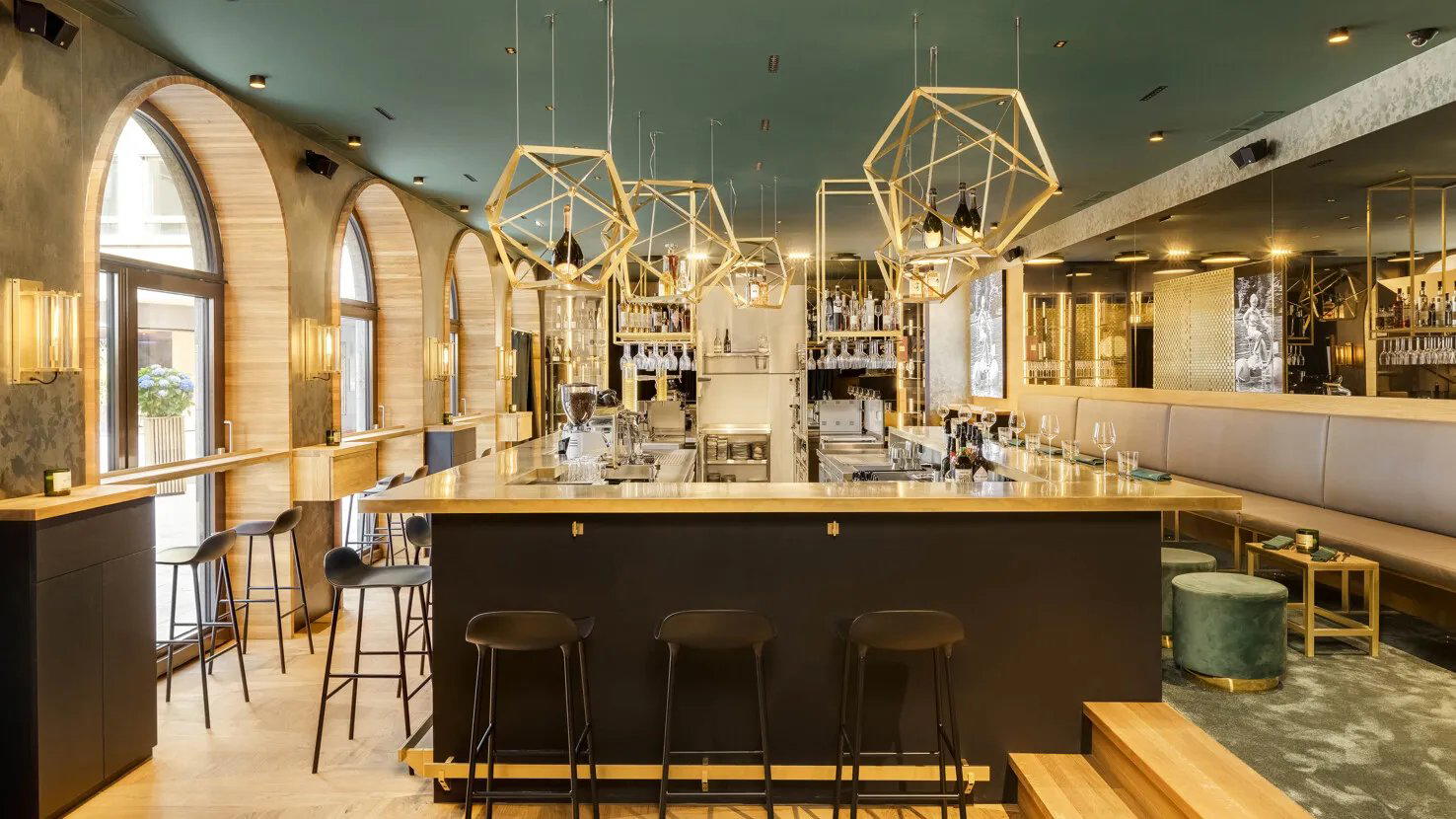
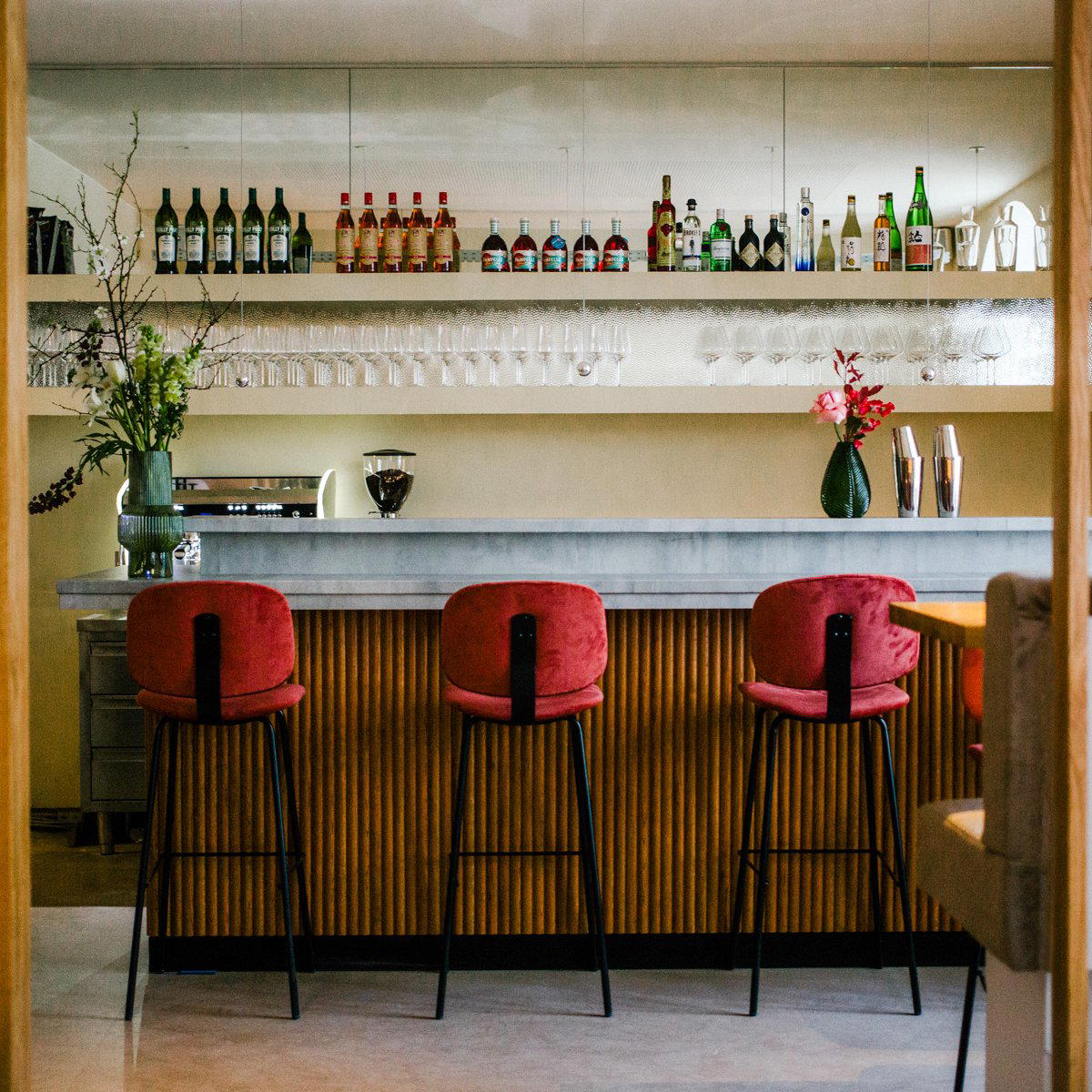
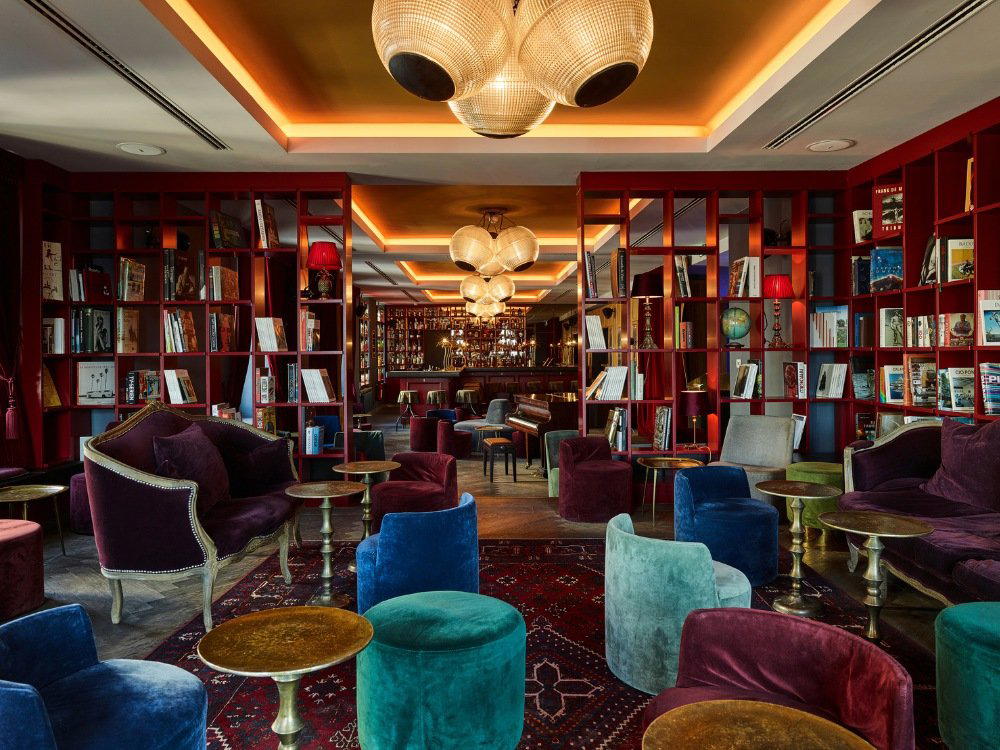
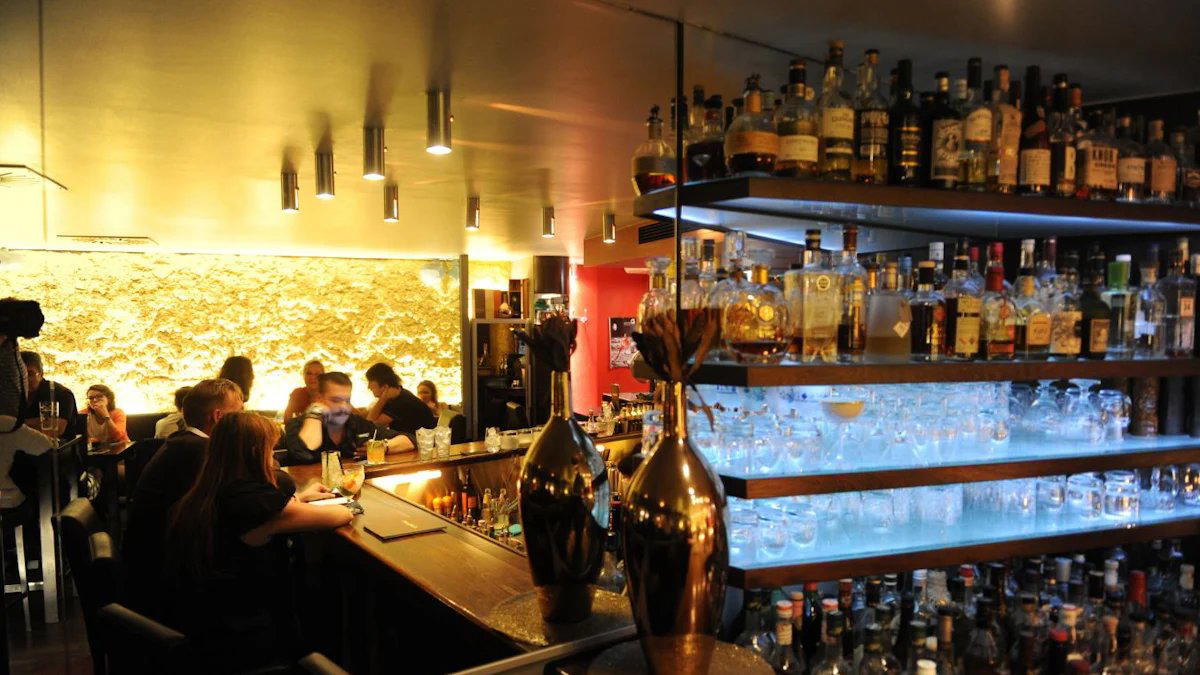
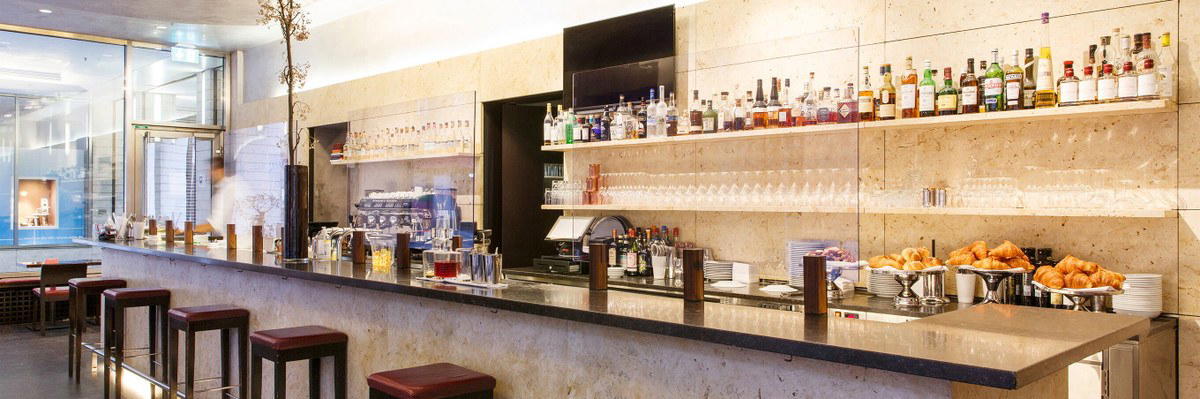
Small, modern, and cozy atmosphere focused on casual street food dining.