AOI Ramen on Volkartstraße sits in Munich's Neuhausen district, where a growing concentration of specialist bowl shops has quietly reshaped the neighbourhood's lunch and dinner habits. The kitchen applies Japanese ramen technique to a Central European pantry, producing broths that reflect both traditions without dissolving either. For a city that takes its noodle culture seriously, it represents the kind of focused, single-discipline operation that Munich has been adding at pace.
Pearl is the En Primeur Club membership app — saves, bookings, and concierge access live there. Same editors, same standards.
- Address
- Volkartstraße 22, 80634 München, Germany
- Phone
- +498918008880
- Website
- facebook.com
- Directions
- Get directions
 Saves & bookings on Pearl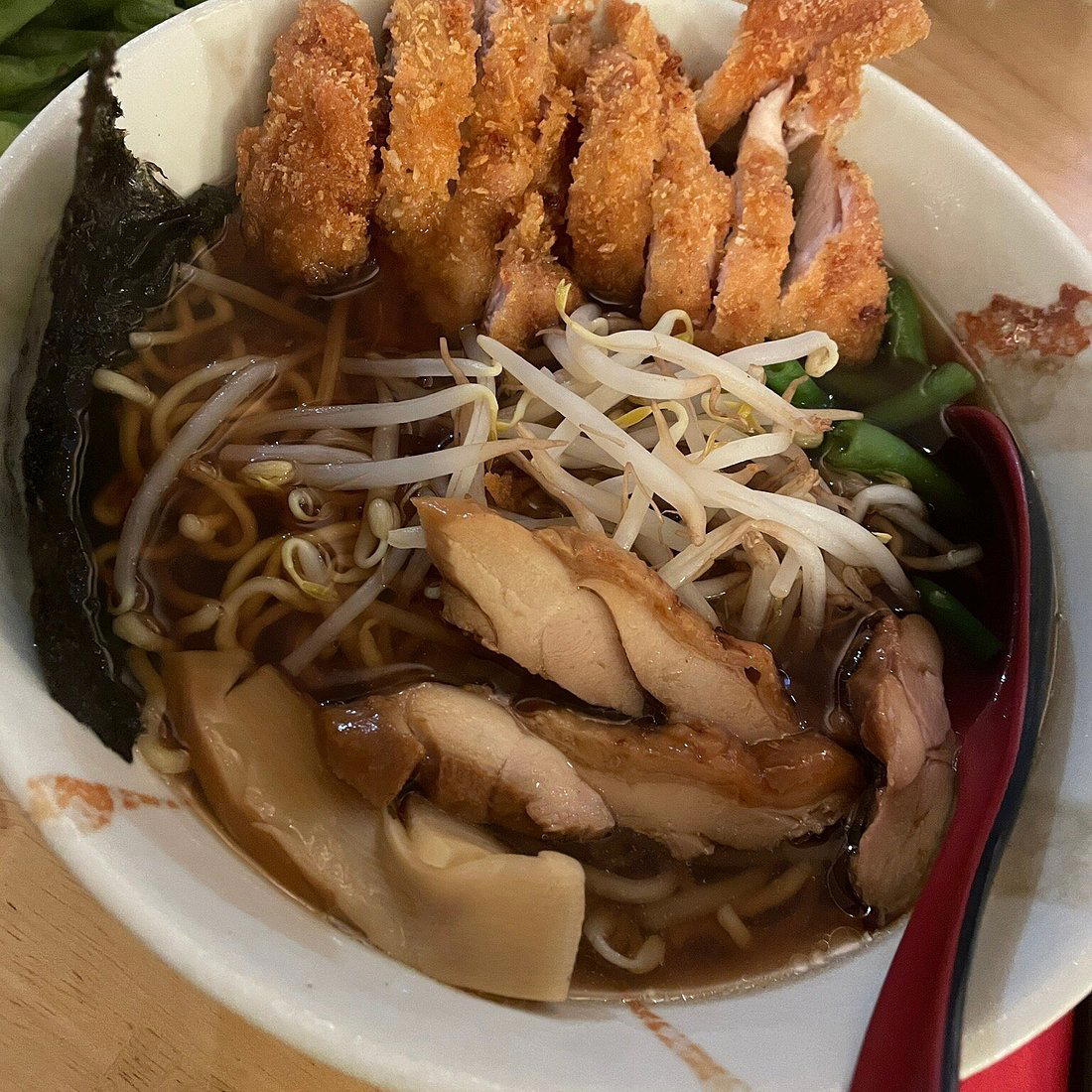
Where Japanese Technique Meets a Bavarian Pantry
Munich's relationship with Japanese food has grown considerably more complex over the past decade. The city that once confined its Asian dining to hotel restaurants and pan-Asian chains now supports a tier of Japanese-inflected kitchens operating with genuine discipline. At the fine-dining end, Tohru in der Schreiberei has made the case for German-Japanese fusion at the highest technical level, while the broader scene at places like JAN and Atelier shows how borrowed methodology can anchor a kitchen's identity. AOI Ramen, on Volkartstraße 22 in Neuhausen-Nymphenburg, is a Japanese Ramen Izakaya with casual service and a recommended reservation policy.
Neuhausen sits west of the city centre, a residential district that has accumulated a string of independent food operations without the self-conscious curation that attaches to trendier Munich postcodes. The bowl format, dense broth, precisely pulled noodles, toppings arranged by region and season, is a demanding one. It rewards repetition and iteration over novelty, which is exactly the mode in which good ramen shops operate. AOI Ramen sits within that tradition.
The Ramen Shop as a Study in Imported Discipline
Ramen is a useful lens for understanding how Japanese culinary technique travels. Unlike sushi, which depends heavily on supply chains for specific fish varieties, or omakase, which is inseparable from the counter-and-chef dynamic, ramen is theoretically portable. The fundamentals, long-simmered stock, alkaline noodles, controlled seasoning layering, can be reproduced with European ingredients. What separates a credible bowl from a facsimile is whether the kitchen treats those fundamentals as constraints or as suggestions.
Germany's ramen scene, Munich included, has matured to the point where that distinction is visible. The Bavarian pantry offers some genuine advantages: local pork produces stocks of real depth, and the regional farming culture supports the kind of consistent ingredient sourcing that serious ramen kitchens need. What European bowls often sacrifice is the precise alkalinity calibration of the noodles themselves, a technical detail that affects both texture and how the noodle interacts with the broth over time. Shops that get this right are operating at a different level from those treating ramen as a warming soup with Asian garnishes.
This intersection of imported method and locally available product is where Munich's Japanese-influenced food culture is most interesting. At the fine-dining tier, Alois - Dallmayr Fine Dining and Tantris represent the formal end of that conversation. AOI Ramen operates in the register where the technique is less visible but the discipline required is no less real.
Munich's Ramen Moment in a Broader German Context
Germany's food cities have each developed their own ramen topology. Berlin's scene is larger and more varied, supported by a bigger Japanese and Japanese-influenced restaurant population. Hamburg has its own cluster of serious shops. Munich's contribution has been slower to develop but more consistent in its relationship to ingredient quality, which is a function of the city's broader food culture rather than any specific ramen phenomenon.
That broader culture matters. Munich diners who spend their evenings at multi-course tables at places such as Atelier bring a calibrated palate to more casual formats. The same city supports access to some of Germany's leading wider restaurant experiences, including Schwarzwaldstube in Baiersbronn, Aqua in Wolfsburg, and Vendôme in Bergisch Gladbach, all within Germany's dining circuit. That context shapes expectations at every price point, including the bowl format.
For international visitors arriving with reference points from ramen capitals like Tokyo, Fukuoka, or Sapporo, the comparison is necessarily asymmetric. Munich cannot replicate the ingredient conditions or the cultural density of those cities. What it can offer is technique applied with care to a different pantry, which is a legitimate product in its own right rather than an inferior copy.
Volkartstraße 22: Practical Considerations
The restaurant is located at Volkartstraße 22 in Neuhausen-Nymphenburg, one of Munich's more accessible western districts by U-Bahn. The address puts it among a concentration of independent food and drink operations that have made Neuhausen a more reliable destination for casual dining than its residential character might suggest.
For those building a wider Munich itinerary around Japanese-influenced food, the contrast between the restaurant's format and the multi-course Japanese-German synthesis at Tohru in der Schreiberei is instructive. Both kitchens are working at the intersection of Japanese technique and German ingredients, but at opposite ends of formality and price.
A Credentials Check
Comparable venues nearby, for context on price, style, and recognition.
| Venue | Cuisine | Price | Notes |
|---|---|---|---|
| AOI RamenThis venue — the venue you are viewing | Japanese Ramen Izakaya | $$ | Not listed |
| Haguruma | Authentic Japanese Sushi & Hot Kitchen | $$ | Isarvorstadt |
| Hako Ramen | Authentic Japanese Ramen | $$ | Isarvorstadt |
| Yuki Hana | Japanese Sushi | $$ | Lehel |
| TAKO -Japanese Casual Food Stand- | Japanese Casual Street Food | $$ | Sendling-Westpark |
| Zento | Modern Japanese Kitchen & Sushi Bar | $$$ | Lehel |
At a Glance
- Cozy
- Minimalist
- Casual Hangout
- Open Kitchen
- Sake Program
Current opening hours
- Monday
- Closed
- Tuesday
- 11:30 AM–1:30 PM, 5:30–9 PM
- Wednesday
- 11:30 AM–1:30 PM, 5:30–9 PM
- Thursday
- 11:30 AM–1:30 PM, 5:30–9 PM
- Friday
- 11:30 AM–1:30 PM, 5:30–9 PM
- Saturday
- 5:30–9 PM
- Sunday
- 5:30–9 PM
Hours can change for holidays and private events. Last verified .
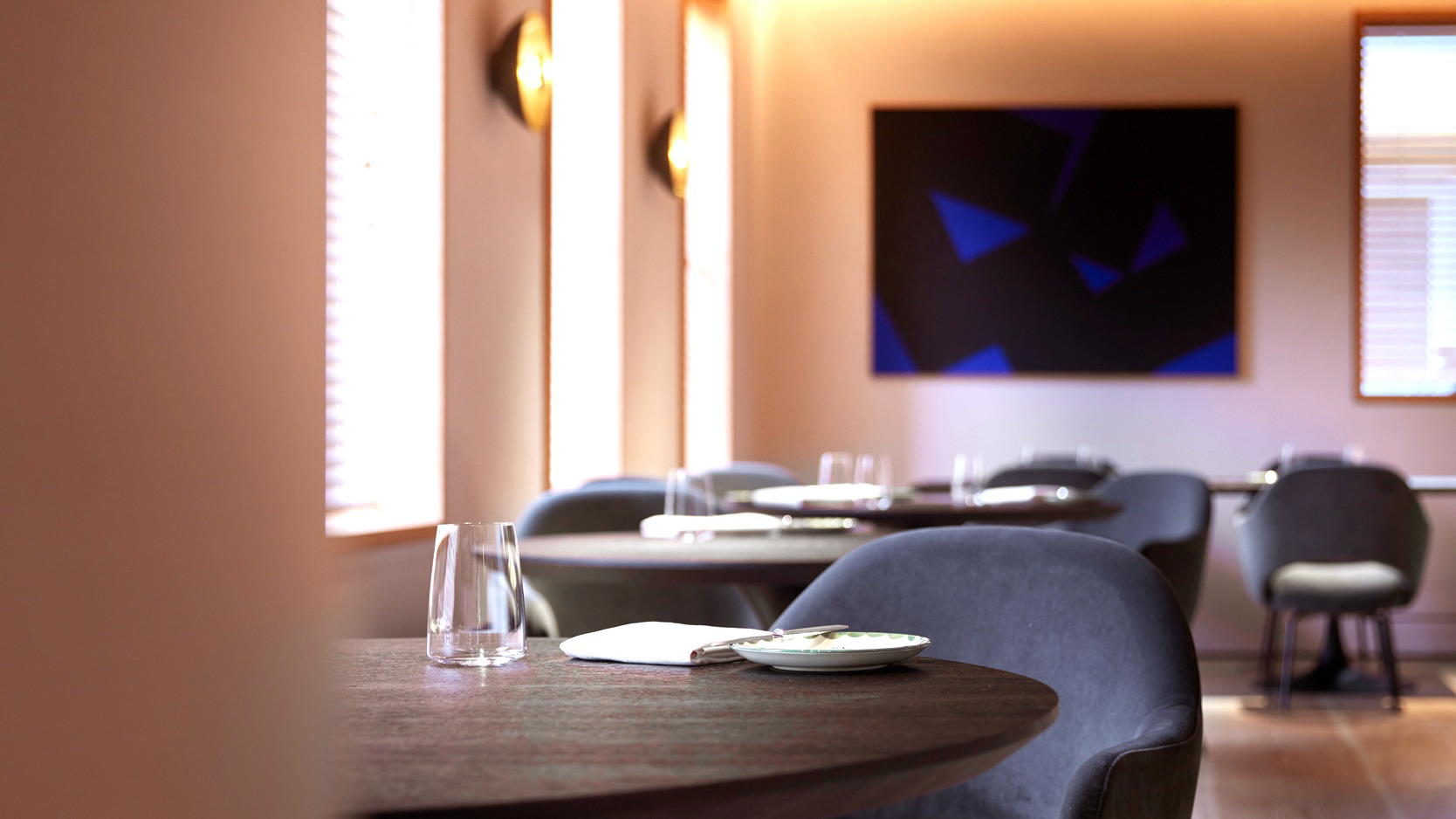
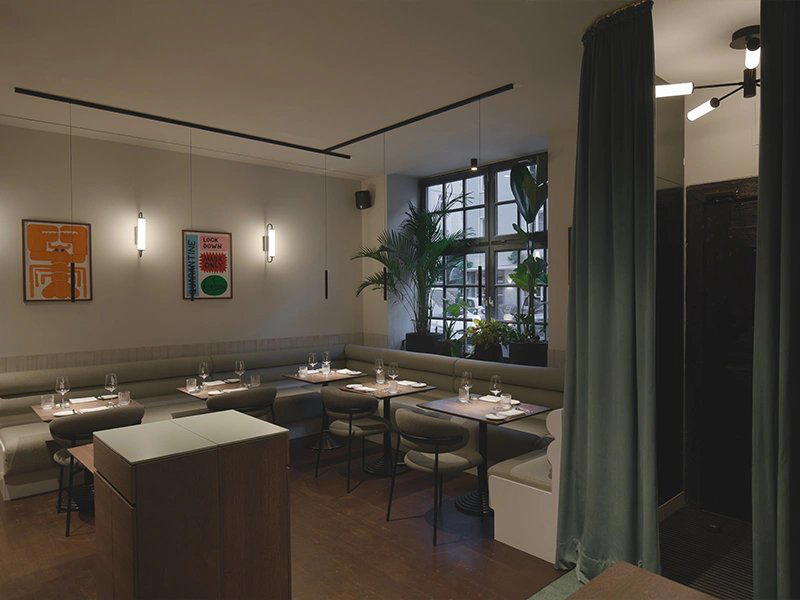
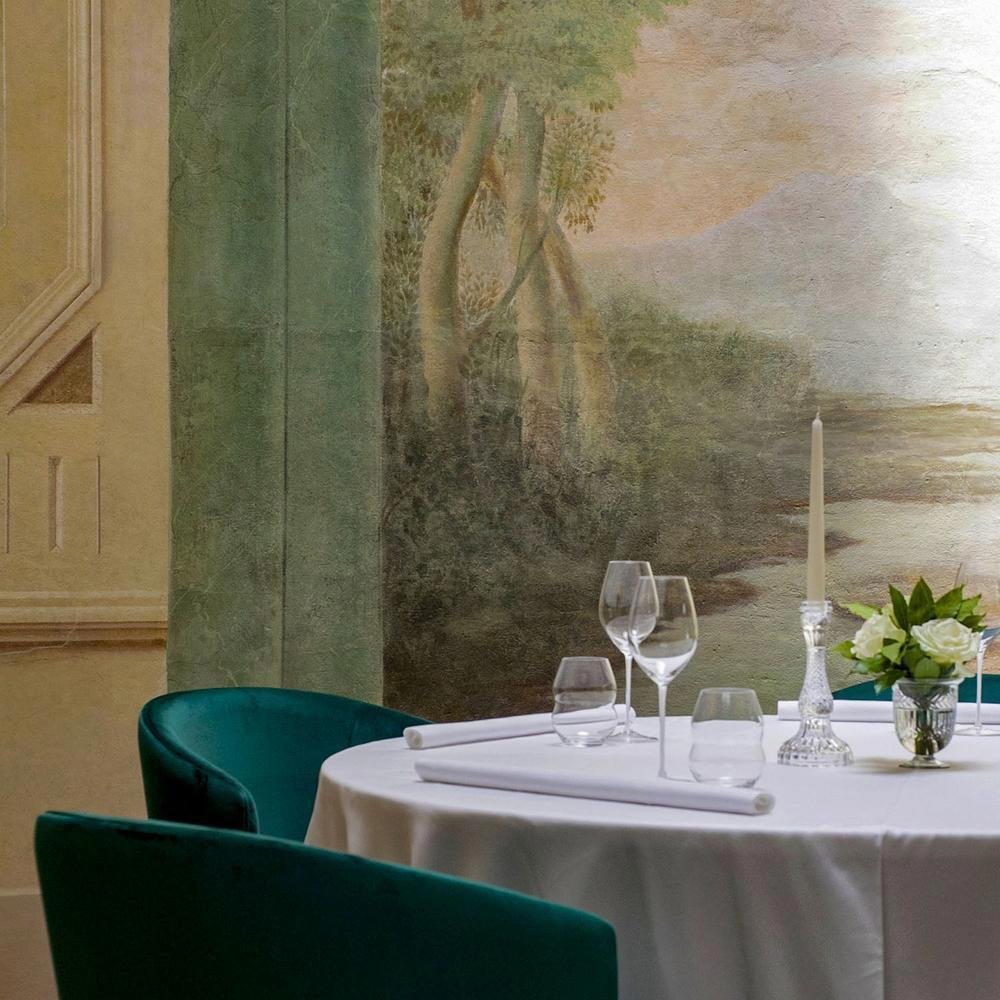
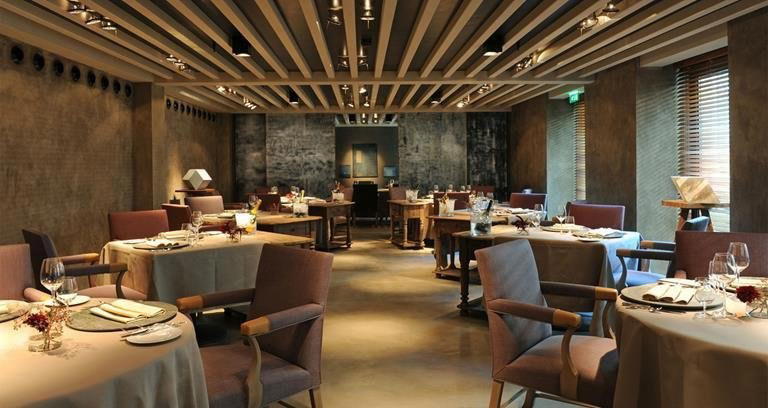
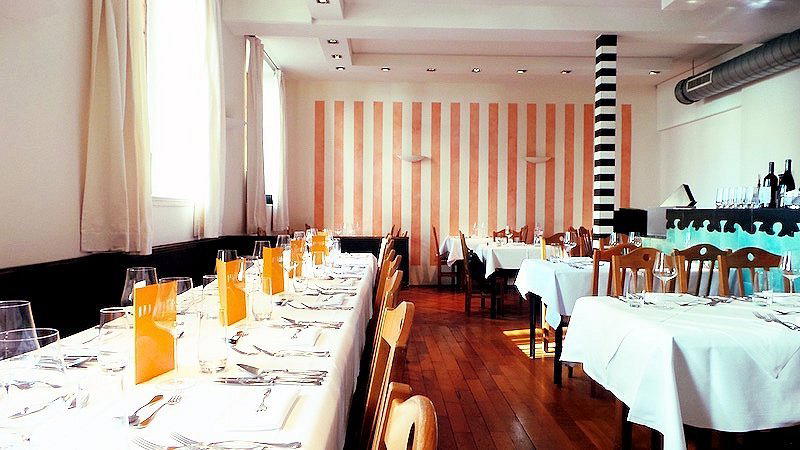
Cozy Japanese-style ambiance that is pared-down and minimalist, though some find it plain.