Japan Sushi Gourmet occupies a ground-floor address on Karlstraße in central Munich, placing quality Japanese sushi within one of Germany's most competitive dining cities. The venue sits inside a local scene increasingly shaped by sustainability-conscious sourcing and cross-cultural precision. For those tracking Munich's Japanese food options, it represents a practical starting point in a city where the category ranges from conveyor belts to Michelin-decorated counters.
Pearl is the En Primeur Club membership app — saves, bookings, and concierge access live there. Same editors, same standards.
- Address
- Ground floor, Karlstraße 56, 80333 München, Germany
- Phone
- +498959998799
- Website
- japan-sushi-gourmet.de
- Directions
- Get directions
 Saves & bookings on Pearl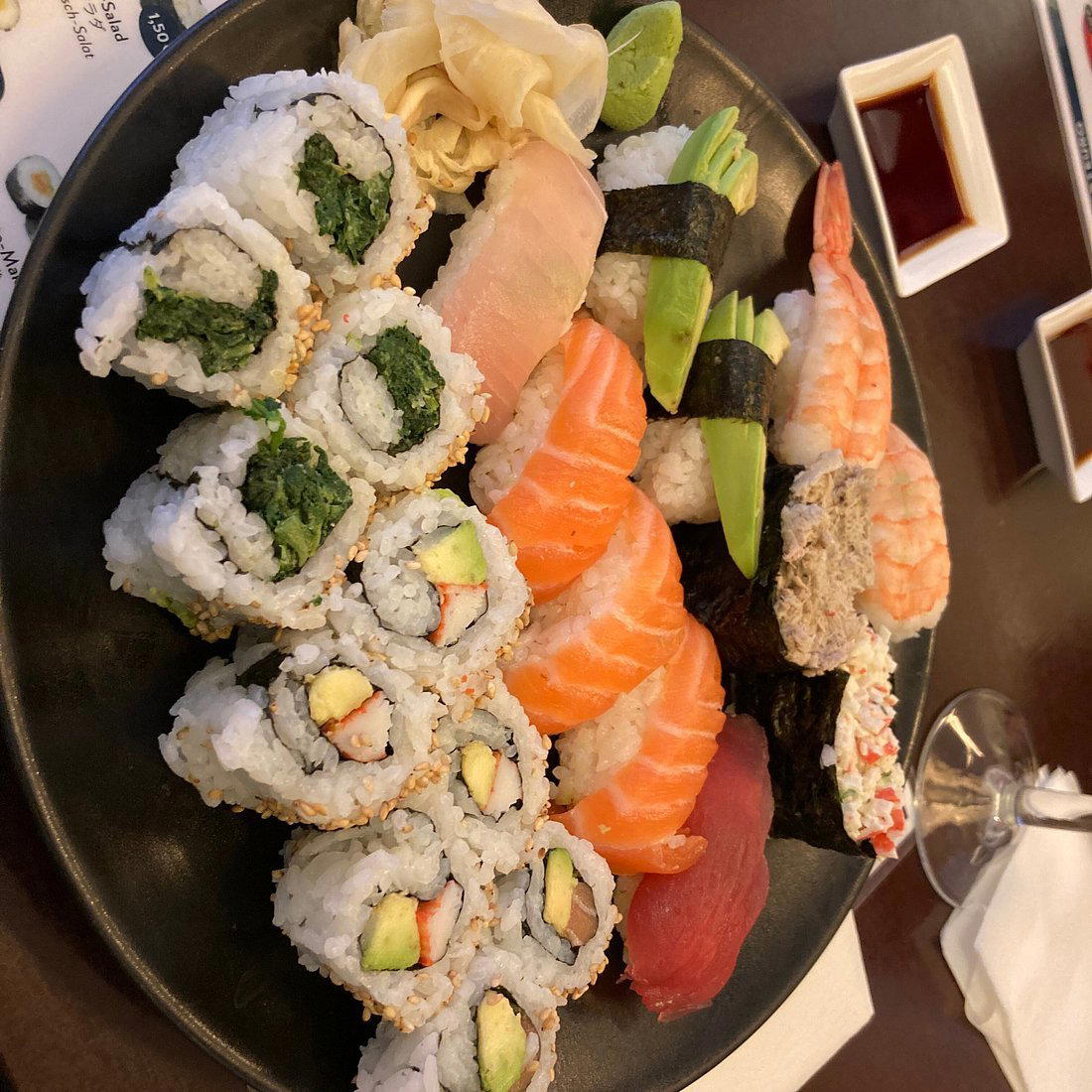
Sushi in Munich: A City Still Finding Its Japanese Register
Munich is not the first German city that comes to mind for Japanese food, but that gap between expectation and reality is closing. Berlin has attracted significant international culinary attention across multiple formats, while Munich has quietly built a more conservative but increasingly credible Japanese dining tier. The city's appetite for precision cooking, already expressed through its Michelin-decorated French and modern German restaurants, has created an audience that takes sourcing and technique seriously regardless of cuisine origin.
At the more accessible end of the spectrum, Japan Sushi Gourmet on Karlstraße operates in the central Maxvorstadt-adjacent zone, a part of the city that draws a working lunch crowd alongside the university and museum visitors who fill the neighbourhood through the week. Ground-floor positioning on a major arterial road means the venue is easy to locate without navigating a courtyard or climbing stairs, which matters more than it sounds when a city's Japanese restaurant tier is still developing its spatial identity.
Where the Sustainability Conversation Sits in Japanese Dining
The broader Japanese restaurant category across Europe has an unresolved tension with sustainability. Traditional sushi depends on species, particularly bluefin tuna, that carry significant ecological pressure. Premium counters in London, Paris, and increasingly German cities are beginning to respond to that pressure in measurable ways: sourcing from certified fisheries, rotating away from endangered species during sensitive periods, and working with suppliers who can trace provenance to a specific vessel or farm. This is not uniform practice, but it is becoming a credible differentiator in a category where the gap between compliant and non-compliant sourcing is invisible on the plate.
Munich's German-language dining culture has shown particular receptiveness to ethical sourcing as a value proposition, shaped partly by the city's proximity to Alpine agricultural traditions where provenance has always been part of the conversation. The same customer who asks about the farm origin of a Bavarian cheese at the market is increasingly willing to ask the same question about the fish in their nigiri. For Japanese restaurants operating in this environment, sustainability-conscious sourcing is less a marketing choice and more a condition of being taken seriously by a meaningful segment of the local dining public.
This context shapes how any sushi venue in Munich needs to position itself. The city's highest-expression Japanese influence currently runs through venues like Tohru in der Schreiberei, where German-Japanese cooking sits at the summit of the local dining hierarchy alongside Tantris, JAN, Alois - Dallmayr Fine Dining, and Atelier at the Michelin-decorated level. Japan Sushi Gourmet occupies a different price tier and format from those rooms, serving a more everyday function in a city where the total number of credible sushi options remains modest relative to comparable European capitals.
The Karlstraße Address and What It Signals
Street-level sushi restaurants in central European cities tend to fall into one of two camps: high-throughput operations that prioritise volume over provenance, and smaller independent rooms where the owner's attention to sourcing is visible in the menu composition and daily supply decisions. Karlstraße 56 places Japan Sushi Gourmet in walking distance of Munich's central station and the western edge of the Altstadt, an area where foot traffic is high but sustained dining attention is harder to hold. Ground-floor visibility in this corridor is commercially sensible for an accessible Japanese format.
Compared to the longer booking windows and formal tasting structures at Germany's most recognised Japanese-influenced dining destinations, including the cross-country reference points of Aqua in Wolfsburg, Schwarzwaldstube in Baiersbronn, or Vendôme in Bergisch Gladbach, the restaurant represents a different category of experience entirely. The relevant comparable set is not Germany's Michelin tier but the cohort of independent Japanese restaurants in Munich operating without formal recognition, where consistency of product and sourcing discipline are the primary variables that separate one venue from another.
Planning a Visit
The restaurant sits at Karlstraße 56 on the ground floor, accessible from Munich's central station (Hauptbahnhof) on foot in under ten minutes. For current opening hours, reservation options, and menu availability, direct contact with the venue is advisable, as Given the venue's central position and the relative scarcity of reviewed Japanese options in Munich's mid-range tier, visiting during off-peak lunch hours on a weekday is a practical approach if walk-in availability is uncertain.
Those whose interest in Japanese food extends to its most technically ambitious German expressions should note that Tohru in der Schreiberei operates in a different register entirely, with booking lead times and tasting-menu commitments that require forward planning. Other German fine dining reference points worth tracking include ES:SENZ in Grassau, Victor's Fine Dining by Christian Bau in Perl, Waldhotel Sonnora in Dreis, Restaurant Haerlin in Hamburg, Schanz in Piesport, and Bagatelle in Trier. For international comparison in the Japanese-influenced fine dining space, Atomix in New York City and Le Bernardin represent how the category performs at its most decorated.
Pricing, Compared
Comparable venues nearby, for context on price, style, and recognition.
| Venue | Cuisine | Price | Notes |
|---|---|---|---|
| Japan Sushi GourmetThis venue — the venue you are viewing | Neuhausen, Authentic Japanese Sushi | $$ | Not listed |
| Geisha | Isarvorstadt, Modern Pan-Asian Sushi | $$ | Not listed |
| Yuki Hana | Lehel, Japanese Sushi | $$ | Not listed |
| Suzuki | Not listed | $$ | Altstadt, Authentic Japanese Comfort Food |
| Kaminbar | Theresienwiese, Classic German Bar | $$ | Not listed |
| Münchner Stubn | Not listed | $$ | Theresienwiese, Traditional Bavarian Gastropub |
At a Glance
- Cozy
- Casual Hangout
- Sake Program
Current opening hours
- Monday
- 11 AM–3 PM, 4–9:30 PM
- Tuesday
- 11 AM–3 PM, 4–9:30 PM
- Wednesday
- 11 AM–3 PM, 4–9:30 PM
- Thursday
- 11 AM–3 PM, 4–9:30 PM
- Friday
- 11 AM–3 PM, 4–9:30 PM
- Saturday
- 11 AM–3 PM, 4–9:30 PM
- Sunday
- Closed
Hours can change for holidays and private events. Last verified .
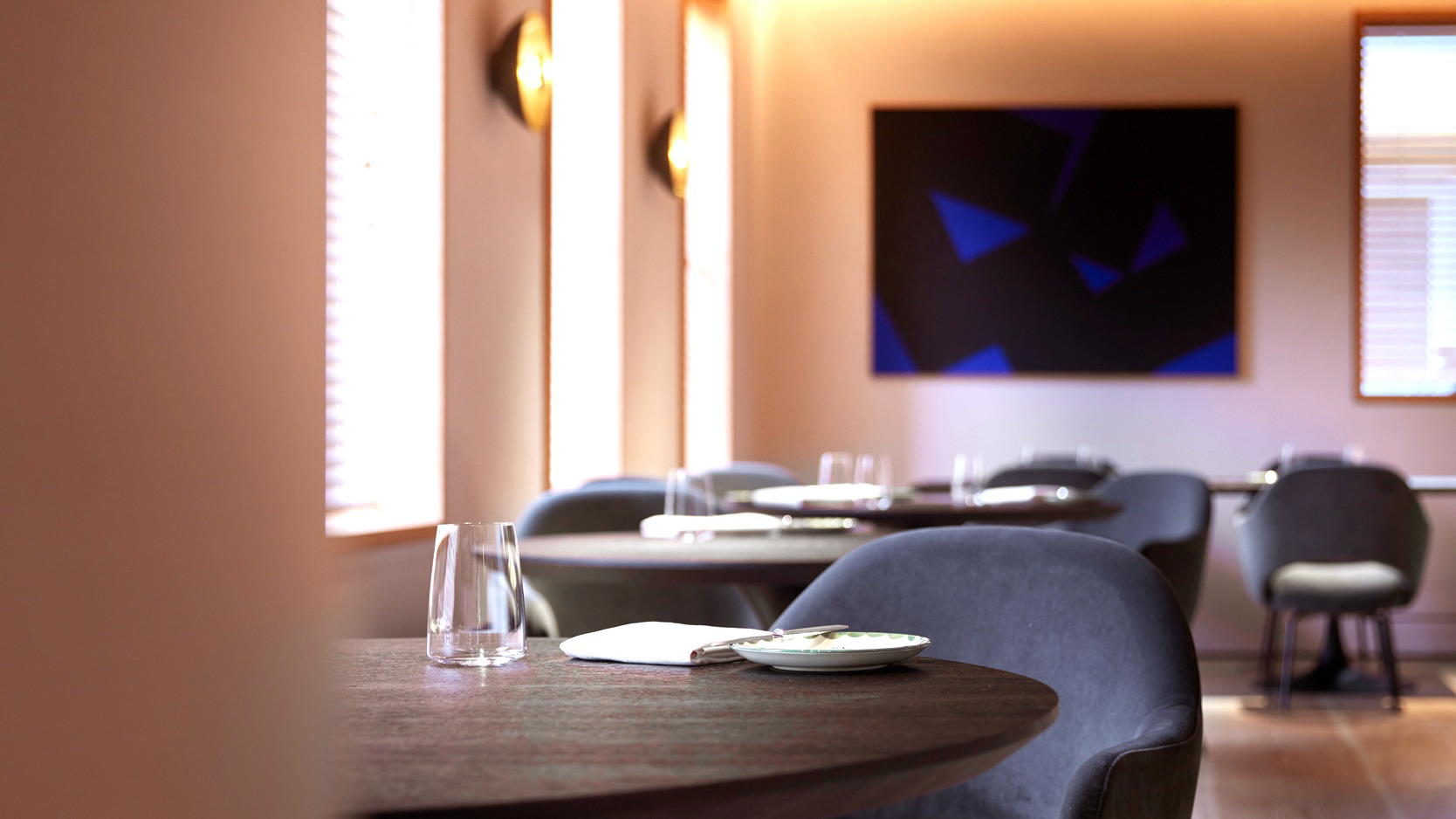
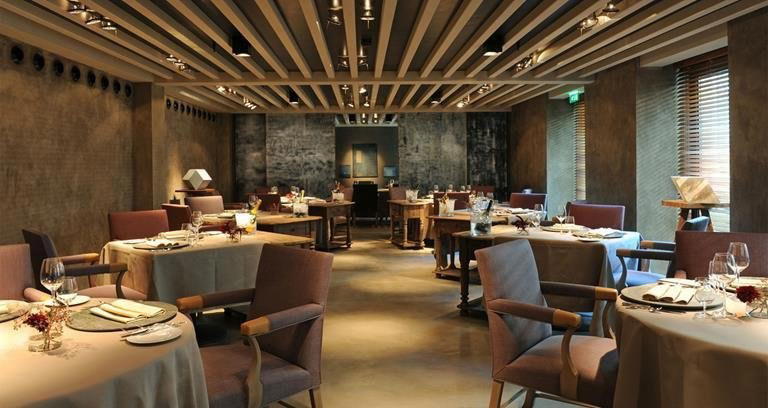
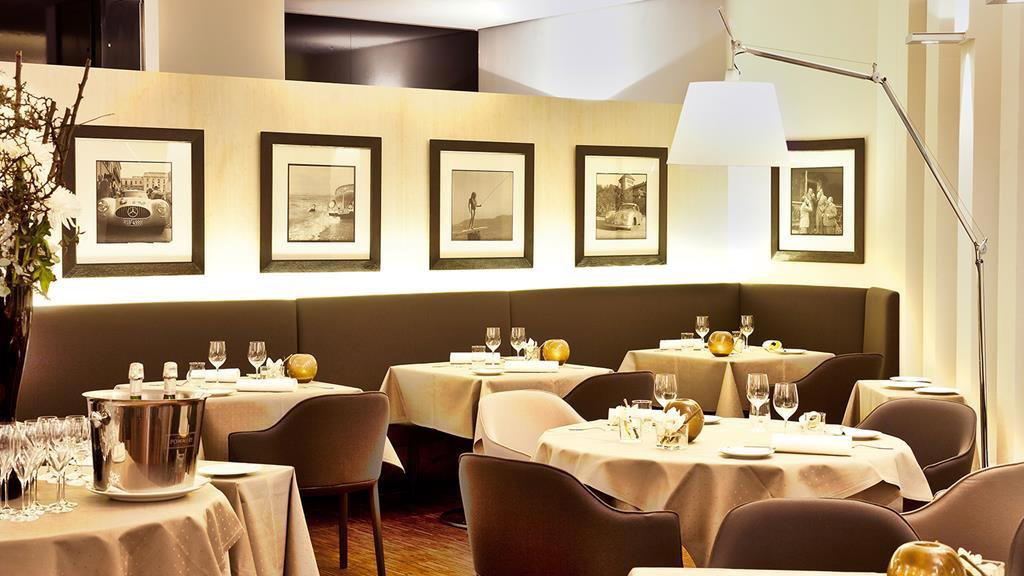
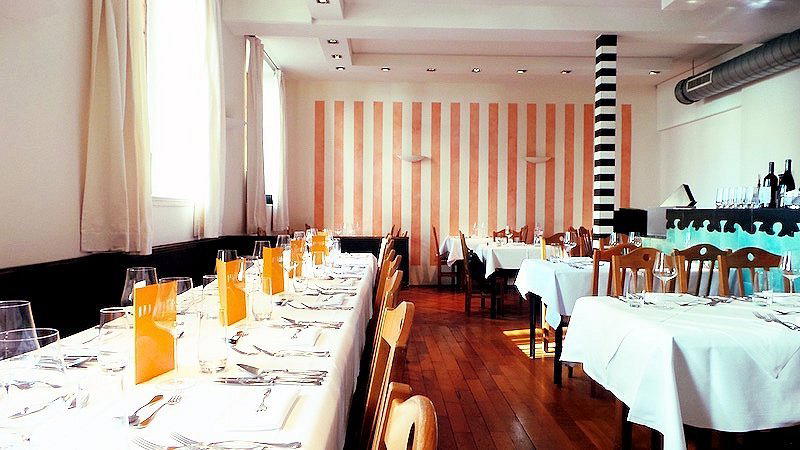
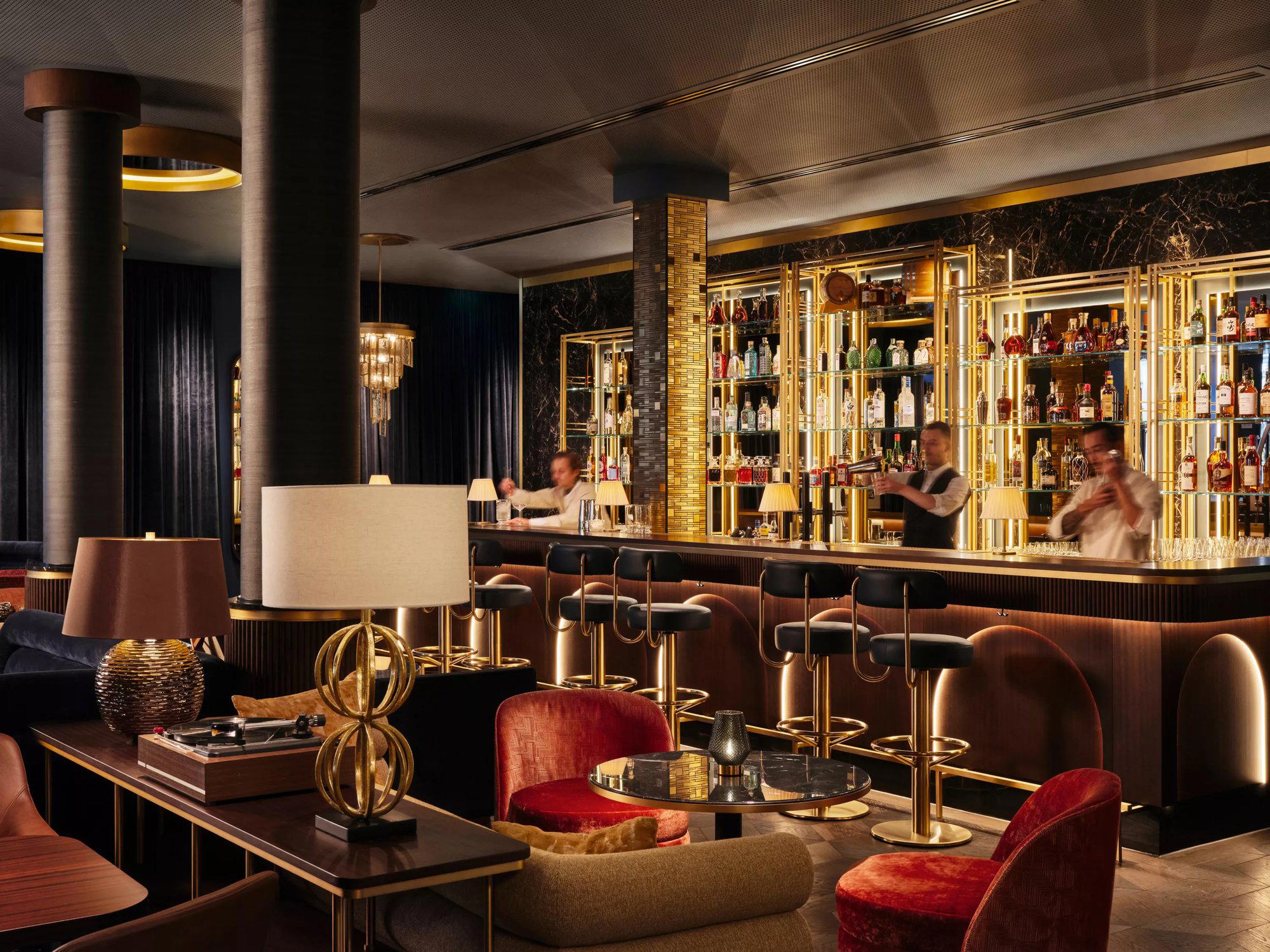
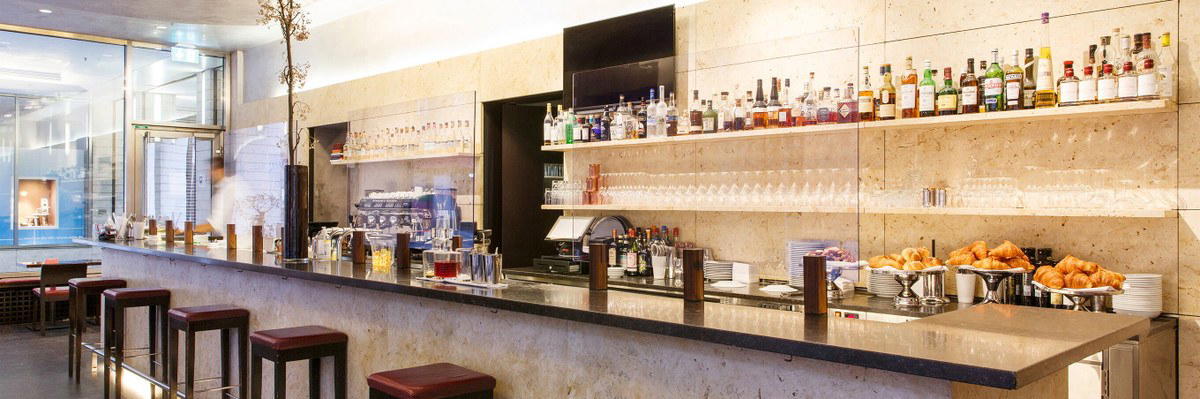
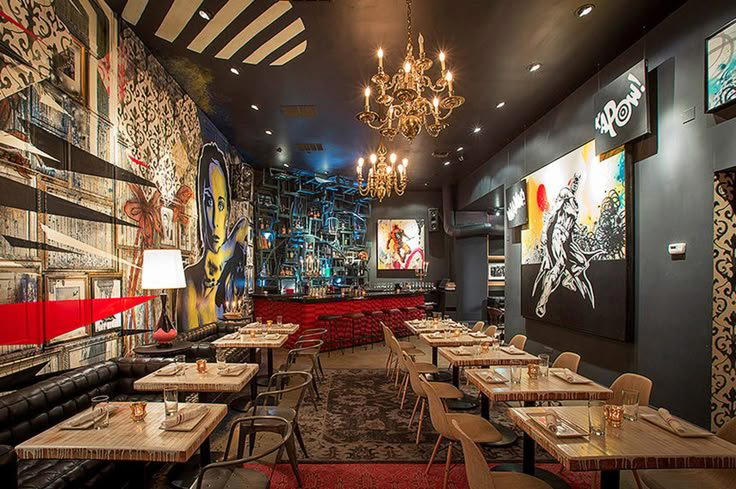
Cozy and unpretentious with plain interior resembling a student hangout.