Yuki Hana occupies a precise address in Munich's Lehel district, positioning itself within a city increasingly serious about Japanese-influenced dining. Against peers like Tohru in der Schreiberei, which works the Modern German-Japanese seam at the highest level, Yuki Hana operates in a different register, one where the question of how lunch and dinner each earn their place matters as much as what arrives on the plate.
Pearl is the En Primeur Club membership app — saves, bookings, and concierge access live there. Same editors, same standards.
- Address
- Stollbergstraße 6, 80539 München, Germany
- Phone
- +498921269018
- Website
- yukihana.de
- Directions
- Get directions
 Saves & bookings on Pearl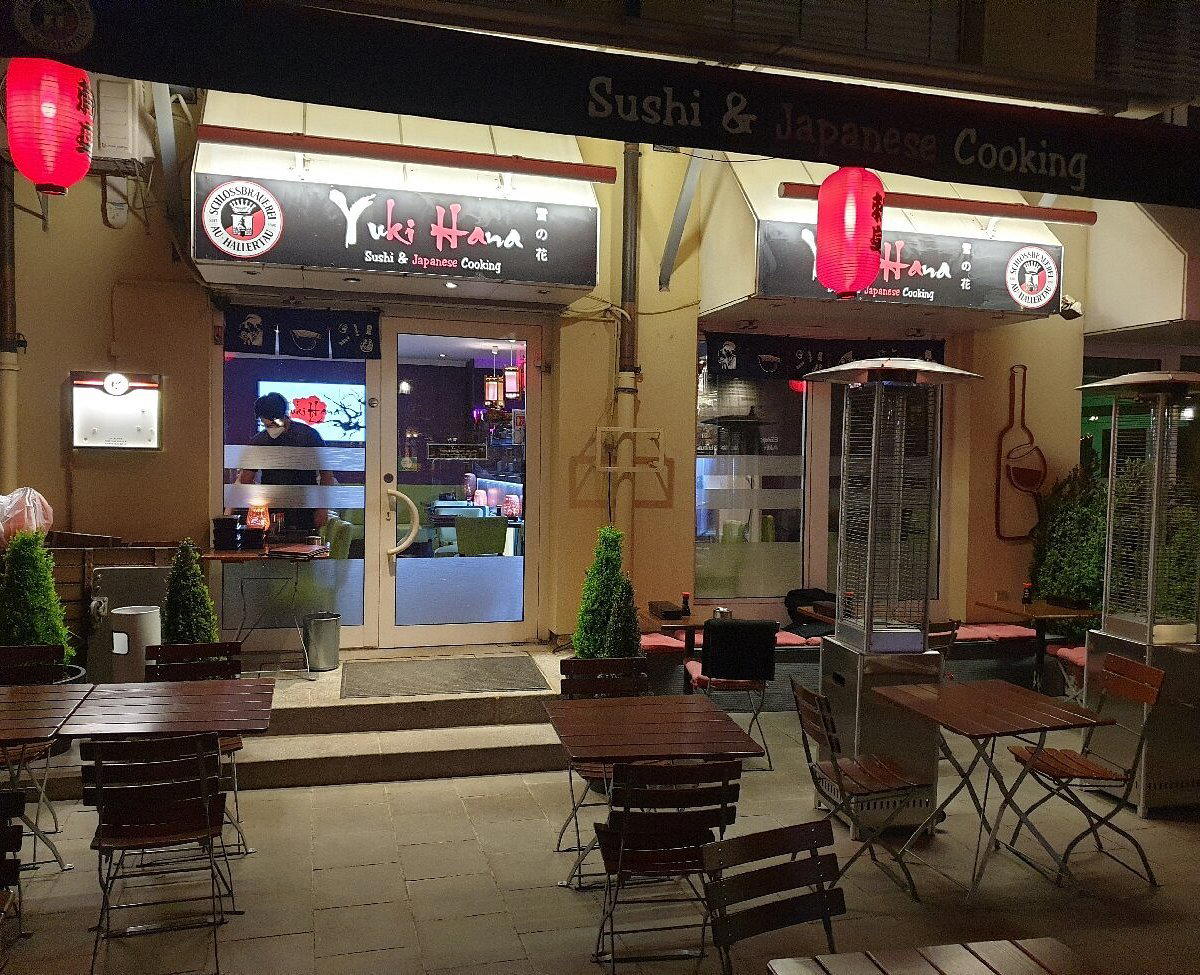
Japanese Dining in Munich: A Scene Finding Its Footing
Munich's relationship with Japanese cuisine has matured considerably over the past decade. Where the city once defaulted to generalist sushi bars serving convention-centre rolls, a more differentiated tier has emerged: restaurants that take fish sourcing, rice temperature, and service rhythm seriously enough to warrant comparison with peers in Berlin or Hamburg. Yuki Hana is a Japanese sushi restaurant in Munich’s Lehel district. Stollbergstraße 6 in Lehel sits in this newer current, and Yuki Hana's address in one of Munich's quieter, more residential inner districts sets a particular tone before you reach the door. Lehel is not the Maxvorstadt gallery belt or the tourist-dense Marienplatz corridor; it carries the kind of low-key neighbourhood density that tends to reward restaurants willing to rely on reputation rather than footfall.
That positioning matters when reading the broader Munich fine-dining picture. The city's Michelin-weighted heavy hitters, from Tantris in Schwabing to Atelier at the Bayerischer Hof and Alois - Dallmayr Fine Dining in the city centre, tend to operate in the Creative or Creative French registers. Japanese-inflected cooking occupies a smaller but growing niche, with Tohru in der Schreiberei working the highest tier of Modern German-Japanese fusion and JAN pushing the Creative envelope further north. Yuki Hana offers precision Japanese rather than fusion architecture.
The Lunch and Dinner Divide
In Munich's mid-to-upper dining tier, the gap between lunch and dinner service is rarely cosmetic. At the Michelin level, lunch often functions as a condensed value entry point into a kitchen's logic, fewer courses, lower price point, the same sourcing. For Japanese-concept restaurants operating below that starred threshold, the divide works differently. Dinner carries the full weight of the format: longer pacing, more deliberate sake or wine pairing opportunities, a room that has time to settle into its own atmosphere. Lunch, by contrast, tends to compress that rhythm into something closer to a working meal, fewer plates, faster turns, the kind of service that doesn't require an evening cleared in advance.
This distinction is worth holding when approaching the restaurant. A midday visit to Stollbergstraße will deliver a different reading of the kitchen than an evening reservation. Across the broader category, Japanese restaurants in European cities with serious culinary ambitions, lunch menus often reveal a kitchen's confidence in simpler execution: the quality of a dashi, the clarity of a broth, the precision of a cut, stripped of the theatricality that evening tasting formats can impose. Evening service, conversely, allows the room's character to emerge more fully. The trade-off is real, and both visits serve a different kind of reader.
For context, this lunch-versus-dinner logic runs through some of Germany's most recognised restaurants. At Aqua in Wolfsburg or Schwarzwaldstube in Baiersbronn, the lunch format is a deliberate access point, structured, abbreviated, priced to draw a broader audience into a kitchen's vocabulary. Vendôme in Bergisch Gladbach and Waldhotel Sonnora in Dreis operate on comparable logic.
Reading the Neighbourhood
Lehel is Munich's oldest suburb, compressed between the Isar river and the English Garden's southern edge. It draws a mix of professionals, embassy staff, and long-term residents who value access to the Altstadt without the noise of the tourist core. Restaurants here tend to rely on repeat local custom rather than tourist discovery, which selects for a particular kind of kitchen discipline: you have to be worth coming back to. The comparison with Berlin's Mitte fringe or Hamburg's Eppendorf is instructive, both are districts where mid-sized, technically serious restaurants build genuine neighbourhood anchors. For visitors, the implication is that restaurant's immediate peer group is less the city's starred showpieces and more the kind of focused, format-consistent operation that locals book on a Tuesday.
Germany's Japanese-influenced dining tier has expanded meaningfully in recent years. CODA Dessert Dining in Berlin represents one extreme of genre experimentation; Atomix in New York City or Le Bernardin benchmark what precision-led Japanese and Japanese-adjacent cooking can reach at the highest international level. Closer in scale and ambition, ES:SENZ in Grassau and Schanz in Piesport show how regional German kitchens are finding their own idiom. The restaurant occupies a more compressed format within this spread, anchored to a Munich neighbourhood rather than a destination-dining logic.
What the Address Tells You
An address alone is not a verdict, but in Munich it carries real signal. Stollbergstraße 6 places the restaurant within walking distance of the Bavarian State Chancellery and the Prinz-Carl-Palais, in a district where dining rooms tend toward the composed rather than the theatrical. This is not a neighbourhood that rewards concept restaurants built on novelty; it rewards execution. For Japanese dining specifically, that context suits a format where the quality of the product and the consistency of service do more work than room design or social media surface area.
Restaurants at this address level in Munich tend to operate with a degree of booking lead time, particularly for evening slots. The same logic applies to Restaurant Haerlin in Hamburg, Bagatelle in Trier, and Victor's Fine Dining by Christian Bau in Perl, demand patterns at focused, non-chain addresses consistently outpace casual walk-in assumptions.
Planning Your Visit
Address: Stollbergstraße 6, 80539 München, Germany. Reservations: Recommended. Dress: Casual. Budget: Price tier 2. Getting there: Lehel is served by the U4/U5 line at Lehel station, a short walk from the venue.
A Tight Comparison
Comparable venues nearby, for context on price, style, and recognition.
| Venue | Cuisine | Price | Notes |
|---|---|---|---|
| Yuki HanaThis venue — the venue you are viewing | Lehel, Japanese Sushi | $$ | Not listed |
| Hako Ramen | Isarvorstadt, Authentic Japanese Ramen | $$ | Not listed |
| Geisha | Isarvorstadt, Modern Pan-Asian Sushi | $$ | Not listed |
| Take-Don | Neuhausen, Japanese Street Food | $$ | Not listed |
| Azuki | Lehel, Japanese-Vietnamese Fusion | $$$ | Not listed |
| Haguruma | Not listed | $$ | Isarvorstadt, Authentic Japanese Sushi & Hot Kitchen |
At a Glance
- Cozy
- Casual Hangout
- Date Night
Current opening hours
- Monday
- 11 AM–10 PM
- Tuesday
- 11 AM–10 PM
- Wednesday
- 11 AM–10 PM
- Thursday
- 11 AM–10 PM
- Friday
- 11 AM–10 PM
- Saturday
- 11 AM–10 PM
- Sunday
- 2–10 PM
Hours can change for holidays and private events. Last verified .
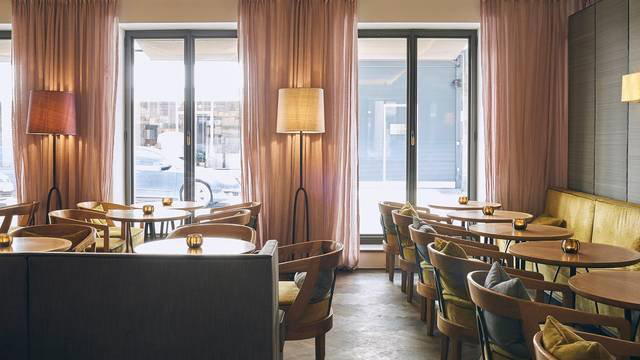
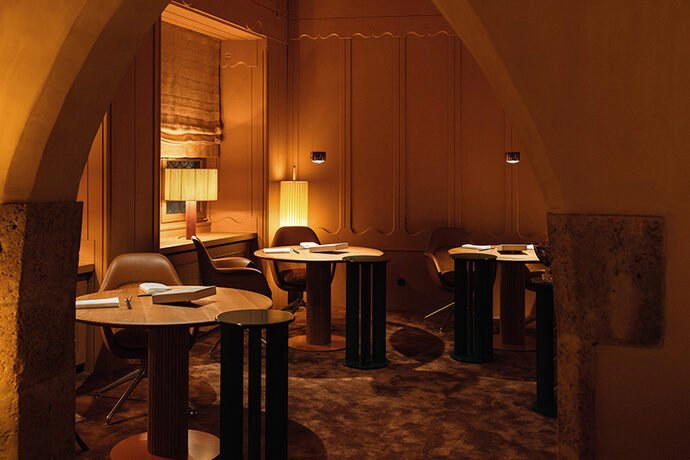
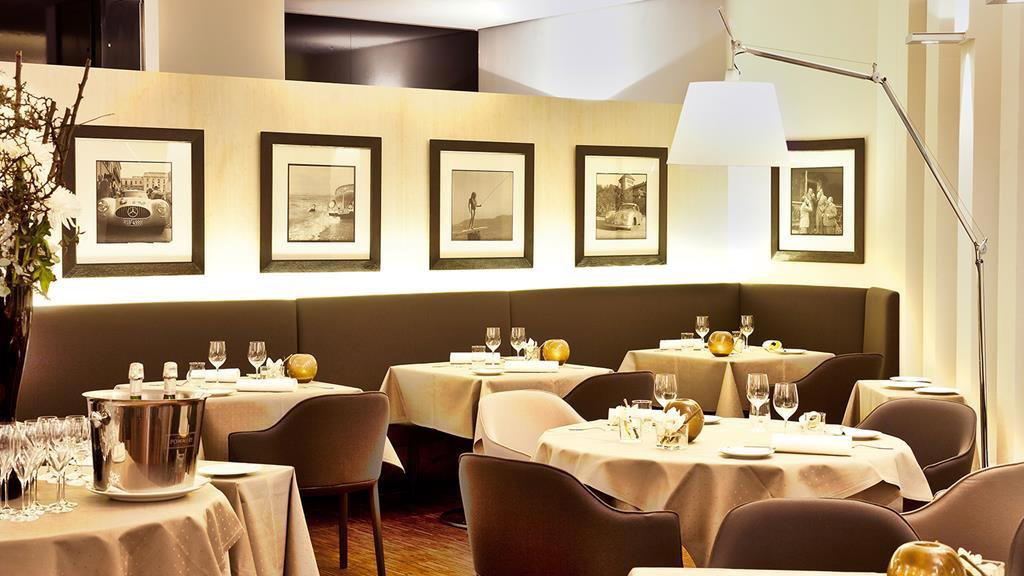
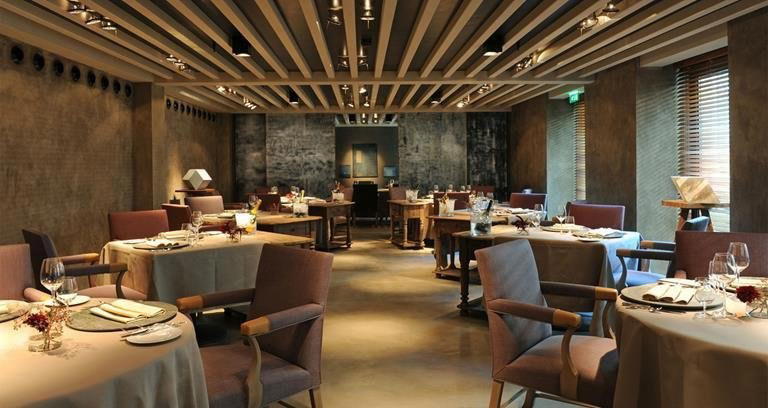
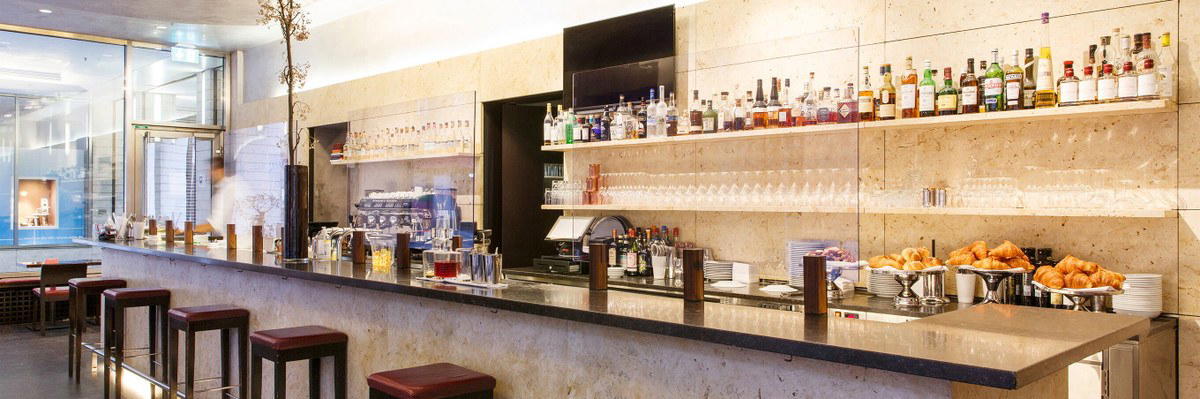
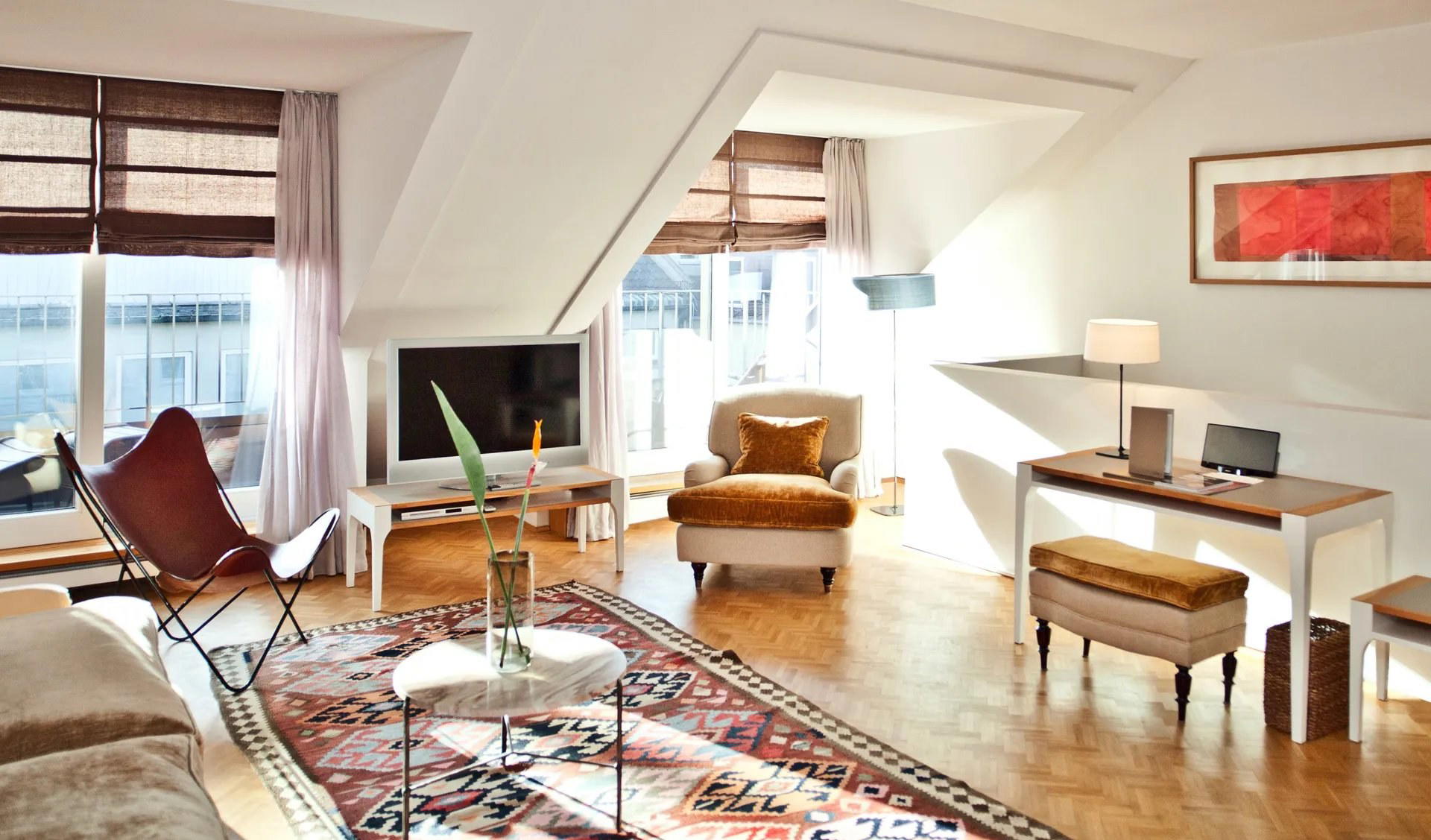
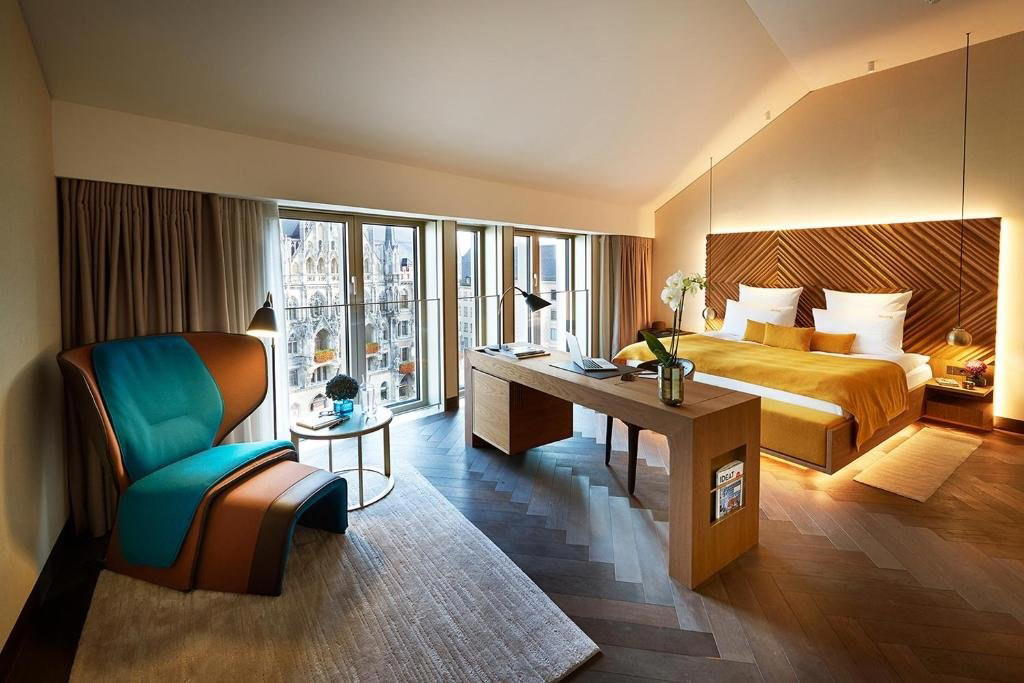
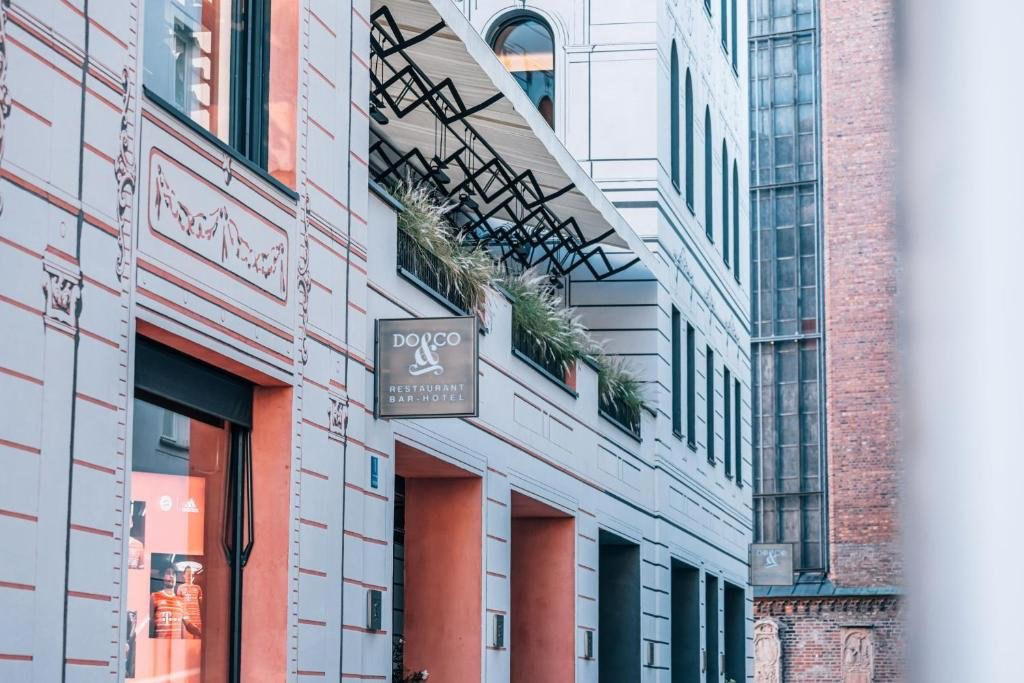
Relaxed and simple interior with inside and outside seating in a small space