


1 Michelin Star · Star Wine List
Our verdict
Sparkling Bistro holds a Michelin star and an Opinionated About Dining ranking among Europe's top 550 restaurants, operating out of Munich's Amalienpassage with a short weekly schedule that concentrates the kitchen's output into three evenings and two lunch sittings. Chef Jürgen Wolfsgruber's cooking sits at the sharpest edge of Modern German cuisine, and the recent addition of ex-Tantris sommelier Nico Spanier to the cellar has sharpened the wine program to match.

Pearl is the En Primeur Club membership app — saves, bookings, and concierge access live there. Same editors, same standards.
- Address
- Amalienpassage, Amalienstraße 89, 80799 München, Germany
- Phone
- +49 89 46138267
- Hours
- Mon–Tue ClosedWed–Thu 6 PM–12 AMFri–Sat 12–3 PM, 6 PM–12 AMSun Closed
- Website
- sparklingbistro.de
- Directions
- Get directions
- Booking
- Book on the venue's website
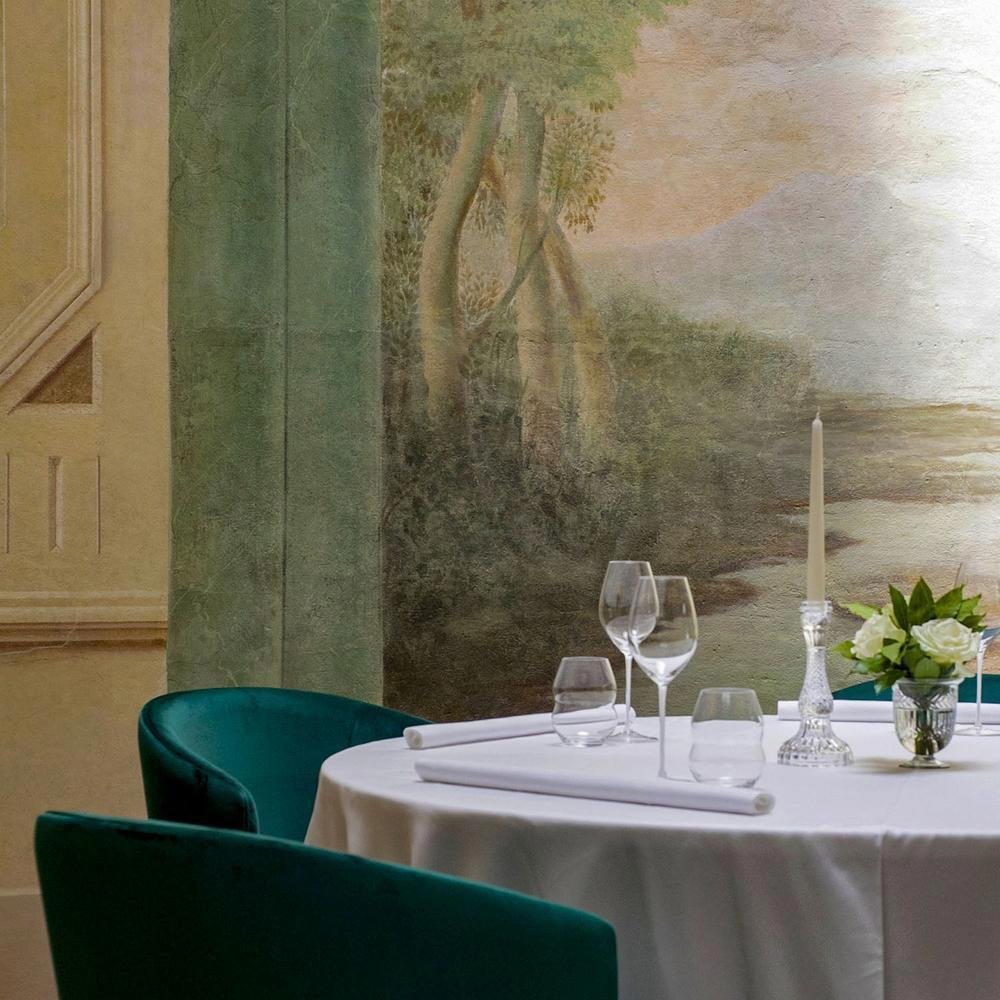
The menu
What to order
- Vendée turbot with cauliflower and beurre blanc
- Almsee venison
- Blonde d'Aquitaine beef
- Chocolate cream with ginger sauce and cardamom ice cream
An Address That Works on Its Own Terms
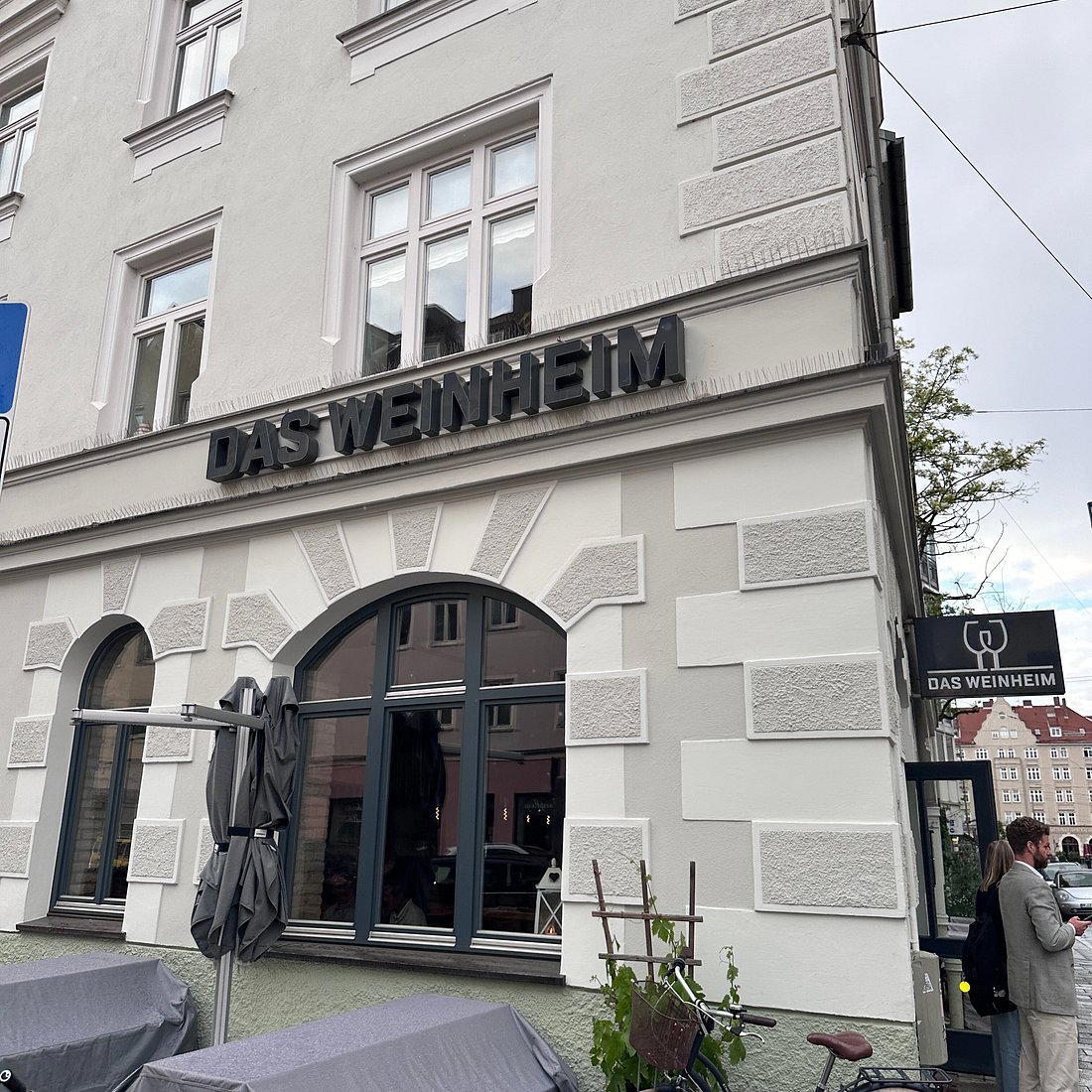
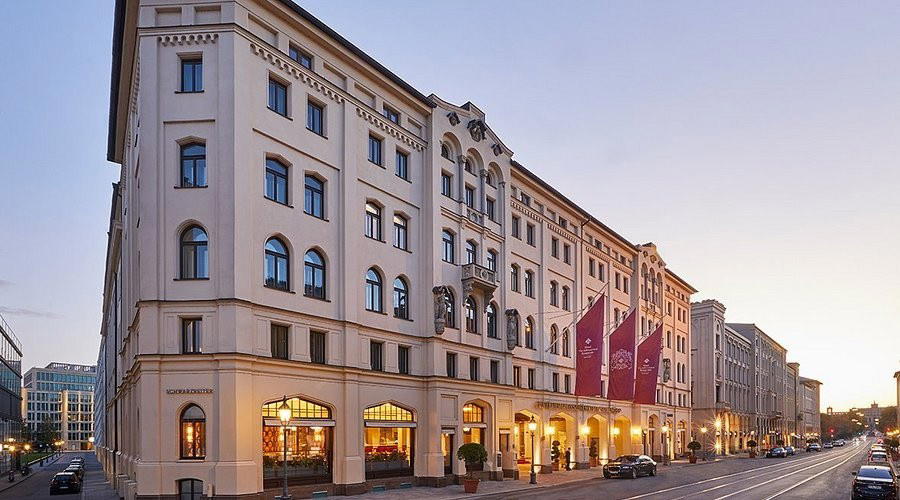
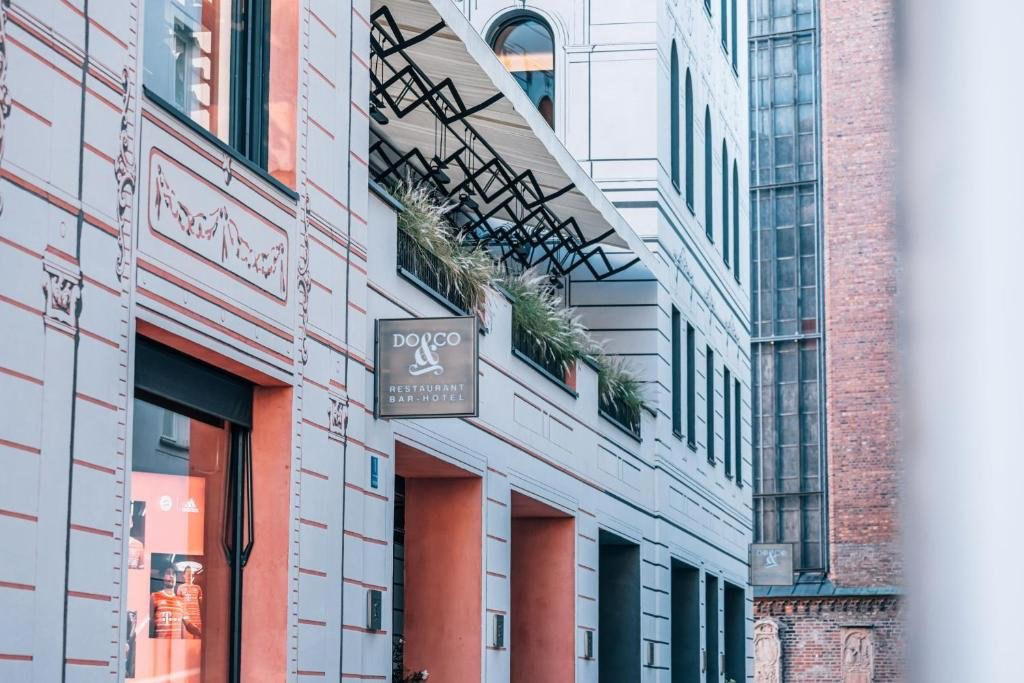
Munich's Maxvorstadt district runs on a different tempo from the Altstadt. The neighbourhood anchors the city's art and university axis, and Amalienstraße cuts through it as a street of quiet civic confidence rather than tourist spectacle. The Amalienpassage, where Sparkling Bistro operates, is an arcade-style commercial block that asks nothing of you before you arrive. There are no velvet ropes, no doormen with clipboards. The approach is deliberately low-key, which suits a restaurant whose reputation has been built through cooking and critical recognition rather than atmosphere curation.
That restraint is, in itself, a signal. Munich's top tier of Modern German dining — a set that includes Tohru in der Schreiberei and Alois - Dallmayr Fine Dining — tends toward considered interiors and service formality. Sparkling Bistro positions itself at the sharper, less ceremonial end of that bracket, which explains both its appeal and its compressed schedule.
The Schedule and What It Signals
The operating hours tell you something about the kitchen's priorities. Wednesday through Friday evenings, Friday and Saturday lunch: five sittings per week, no Sunday service, Monday and Tuesday dark. This is not the schedule of a restaurant trying to maximise covers. It is the schedule of a kitchen running at the limit of what it can execute without compromise.
In a city where fine dining rooms at the €€€€ price point often run six or seven days, the compressed calendar at Sparkling Bistro is an implicit value proposition. The kitchen is not spread thin.
For comparison, the broader cohort of single-star restaurants in Germany operates across a wide range of weekly formats. Restaurants operating five sittings or fewer per week tend to concentrate preparation time and reduce the variance in output that high-frequency service can introduce. The model is more common in Germany's destination dining circuit, venues like Schwarzwaldstube in Baiersbronn or ES:SENZ in Grassau, than in city-centre restaurants, which makes Sparkling Bistro's approach an outlier worth noting.
Where the Cooking Sits in the Munich Scene
Modern German cuisine at the Michelin level has diversified considerably over the past decade. The category now spans a spectrum from classical European technique applied to German produce, through to boundary-testing formats that treat the national culinary tradition as raw material rather than constraint. Sparkling Bistro occupies the second end of that spectrum.
The awards record is useful evidence here. Opinionated About Dining, whose rankings aggregate peer assessment from working chefs and serious diners, placed Sparkling Bistro at number 387 among European restaurants in 2024, rising to a ranking entry in their 2025 list at 550, a shift that reflects the competitive density of the top tier more than any decline in standing. The restaurant's first appearance in OAD data came as a recommended new entry in 2023, which means the critical recognition has compounded across three consecutive years. That trajectory is consistent with a kitchen that has found a voice and is refining it, not one that earned an award and settled.
Each of these addresses a different strand of the leading end: Tantris carries institutional weight from its long history; Atelier operates within the SBT hotel structure; JAN runs a more intimate, creative format. Sparkling Bistro's positioning as an edgy, boundary-pushing operation, the language used in its awards citations, places it closest to the JAN model in spirit, though the Amalienpassage address and the bistro framing give it a distinct register.
The Wine Program as a Co-Equal Element
One of the clearer differentiators in Munich's fine dining tier is how seriously a room treats its cellar relative to its food. Many kitchens at this level operate wine programs that are competent but secondary. The appointment of Nico Spanier, formerly of Tantris, to run the cellar at Sparkling Bistro changes that calculus. Tantris has operated one of Germany's most respected wine programs for decades, and its sommelier alumni carry that credentialing into wherever they work next.
What this means in practice is that the wine pairing at Sparkling Bistro should be treated as part of the core offer rather than an optional supplement. Restaurants at the €€€€ price point in Germany frequently make their real value case through the quality and sourcing of their wine lists rather than through food alone. A sommelier with Tantris lineage running the selections is a structural advantage that affects the overall value equation, particularly for guests coming from outside Germany who may be less familiar with domestic producers.
Germany's wine culture is broader and more varied than its international reputation suggests. The country's fine dining rooms at the top tier frequently carry Riesling-heavy lists that include producers from the Mosel, Rheingau, and Nahe alongside Burgundy and Champagne. A cellar program shaped by someone trained at Tantris is likely to reflect that intelligence rather than default to an internationally generic list.
The Value Case at €€€€
The editorial angle on Sparkling Bistro is ultimately a value question: what does the €€€€ price point deliver here relative to the other Munich addresses in that bracket? Several factors compound favorably. The Michelin star is current for 2025. The OAD ranking places the restaurant inside the top 600 in Europe across a continent-wide competitive field that includes every significant fine dining address from Lisbon to Copenhagen. The wine program carries verifiable institutional credentials.
Across the broader German fine dining circuit, restaurants at this price tier can range considerably in what they deliver. Addresses like Aqua in Wolfsburg or Vendôme in Bergisch Gladbach operate at the three-star level with corresponding price scales. At the one-star tier, the question is always whether the cooking justifies the full €€€€ tariff, or whether the rating is being priced at a premium the output does not quite support. The OAD ranking and the guest review data together suggest Sparkling Bistro earns its bracket rather than simply occupying it.
For comparison across formats, CODA Dessert Dining in Berlin and NeoBiota in Cologne represent different approaches to the Modern German category at award level, each with their own value propositions. Germany's broader fine dining circuit rewards guests who read the peer rankings alongside the Michelin data rather than relying on stars alone. Sparkling Bistro performs well on both axes.
If this style of kitchen interests you, it also sits within a wider Munich dining scene worth mapping in full. covers the city's full range, while separate guides cover hotels, bars, wineries, and experiences for those building a fuller itinerary. For a point of international comparison at the top of the craft dining tier, Le Bernardin in New York City and Restaurant Haerlin in Hamburg offer useful reference points for what sustained critical standing looks like across different markets.
Know Before You Go
- Address: Amalienpassage, Amalienstraße 89, 80799 München, Germany
- Hours: Wednesday 6pm–12am / Thursday 6pm–12am / Friday 12–3pm and 6pm–12am / Saturday 12–3pm and 6pm–12am / Monday, Tuesday, Sunday closed
- Price range: €€€€
- Awards: Michelin 1 Star (2024, 2025); Opinionated About Dining Leading Restaurants in Europe #387 (2024), #550 (2025); OAD Leading New Restaurants in Europe Recommended (2023)
- Cuisine: Modern German, Modern Cuisine
- Booking: Check availability directly; the five-sitting weekly format means seats are limited
Frequently asked questions
What's the signature dish at Sparkling Bistro?
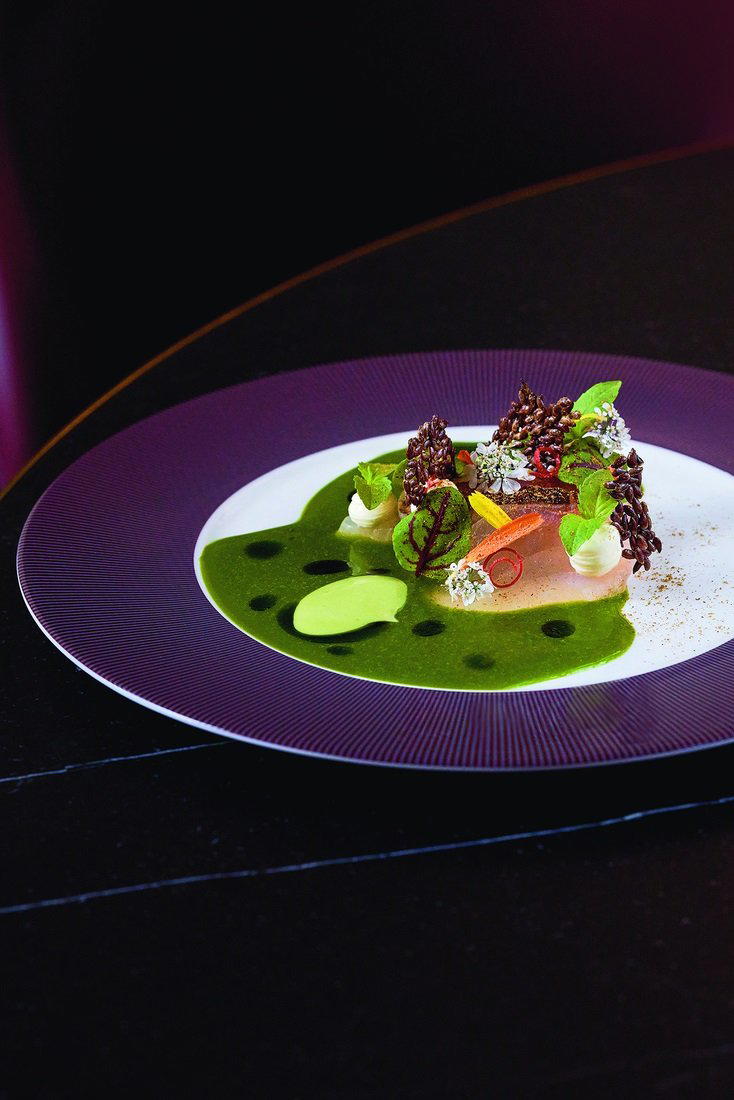
What the awards record establishes is a kitchen working in the boundary-testing register of Modern German cuisine, with Chef Jürgen Wolfsgruber's cooking cited in the OAD assessments as edgy and technically adventurous. The Tantris-trained sommelier Nico Spanier running the cellar means the wine pairing is as much a feature of the meal as any single plate. For current menu information, contact the restaurant directly.
Peers You’d Cross-Shop
| Venue | Cuisine | Price | Awards | Notes |
|---|---|---|---|---|
| Sparkling BistroThis venue — the venue you are viewing | Modern Austrian & German Fine Dining | $150–200 | 1 Michelin Star · Star Wine List | Not listed |
| Tantris | Modern French Fine Dining | $300–500 | 2 Michelin Stars · World's 50 Best #73 | Modern French, French Contemporary |
| Tohru in der Schreiberei | Modern Japanese-European Fusion Fine Dining | $300–500 | Michelin Plate · La Liste Top Restaurants | Modern German - Japanese, Modern Cuisine |
| Alois - Dallmayr Fine Dining | Modern Bavarian Fine Dining with French and Nordic Influences | $300–500 | 2 Michelin Stars · La Liste Top Restaurants | Creative |
| Atelier | Charcoal-Grilled French Tasting Menu with Oita Wagyu | $100–150 | Tabelog 100 #51 | Creative French |
| Acquarello | Modern Italian Fine Dining | $100–150 | 1 Michelin Star | Italian - Mediterranean, Italian |
Recognition history
Dated appearances from independent guides and award organizations, with the underlying list record or original source where available.
Michelin 1 Star
Michelin
Star Wine List
Star Wine List
Opinionated About Dining Top Restaurants in Europe Recommended
Opinionated About Dining
Full recognition history (8 entries)
Michelin 1 Star
Michelin
Opinionated About Dining Top Restaurants in Europe Ranked #550
Opinionated About Dining
Michelin 1 Star
Michelin
Opinionated About Dining Top Restaurants in Europe Ranked #387
Opinionated About Dining
Opinionated About Dining Top New Restaurants in Europe Recommended
Opinionated About Dining
Details
- Elegant
- Intimate
- Minimalist
- Sophisticated
- Date Night
- Special Occasion
- Business Dinner
- Celebration
- Courtyard
- Terrace
- Open Kitchen
- Private Dining
- Extensive Wine List
- Sommelier Led
- Farm To Table
- Local Sourcing
- Garden
- Tasting Menu
- Set Menu
- Wine Pairings
- Champagne
- Natural Wine
- Vegetarian Friendly
- Gluten Free Options
- Allergy Accommodating
Current opening hours
- Monday
- Closed
- Tuesday
- Closed
- Wednesday
- 6 PM–12 AM
- Thursday
- 6 PM–12 AM
- Friday
- 12–3 PM, 6 PM–12 AM
- Saturday
- 12–3 PM, 6 PM–12 AM
- Sunday
- Closed
Hours can change for holidays and private events. Last verified .
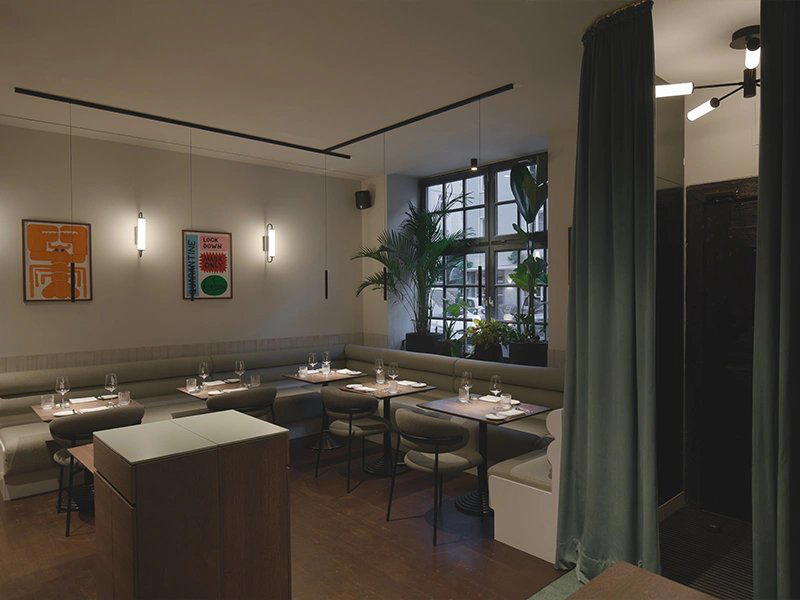
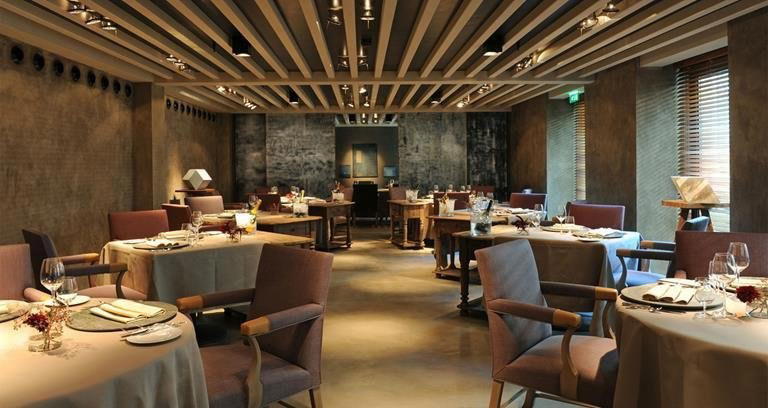
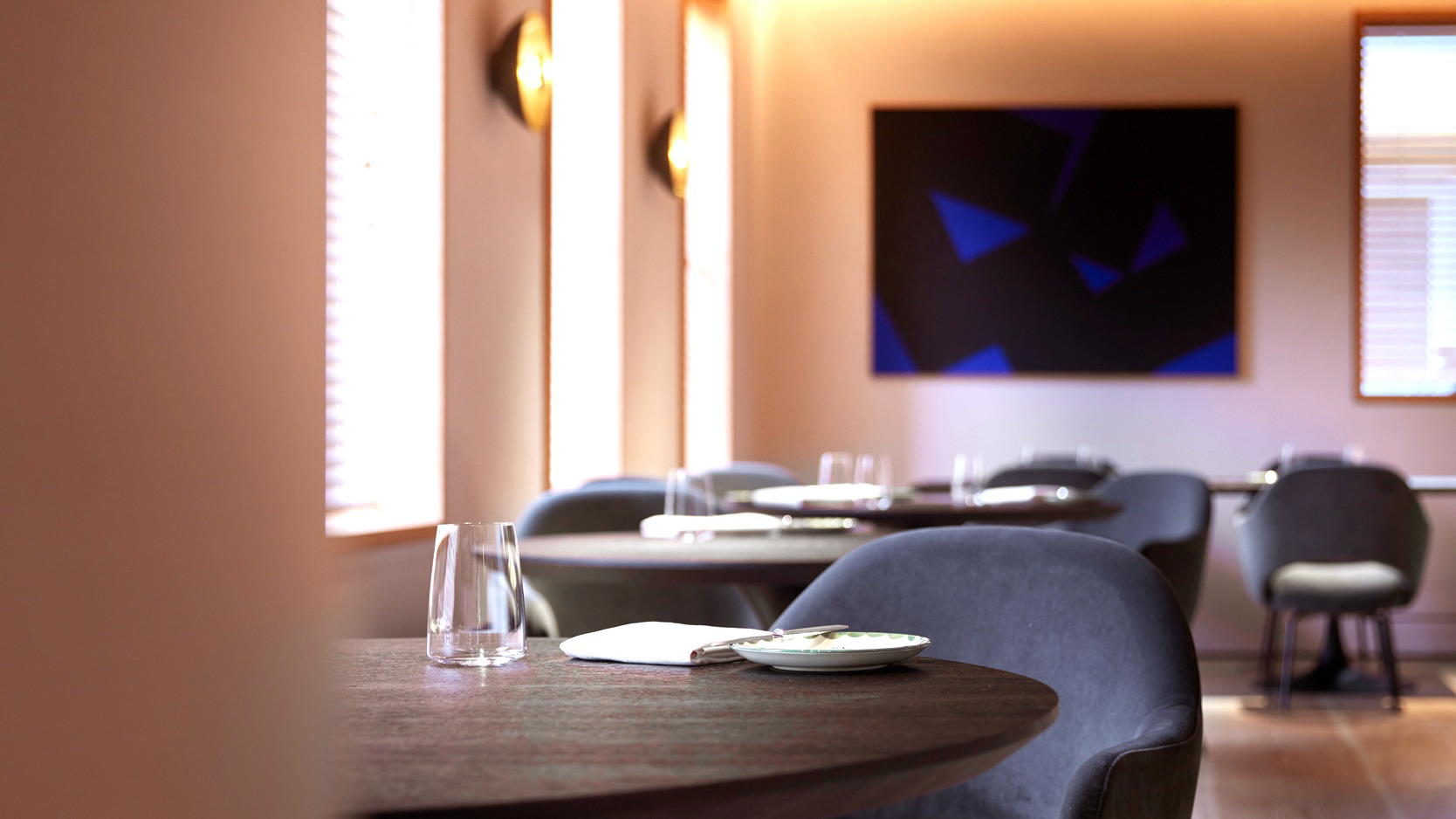
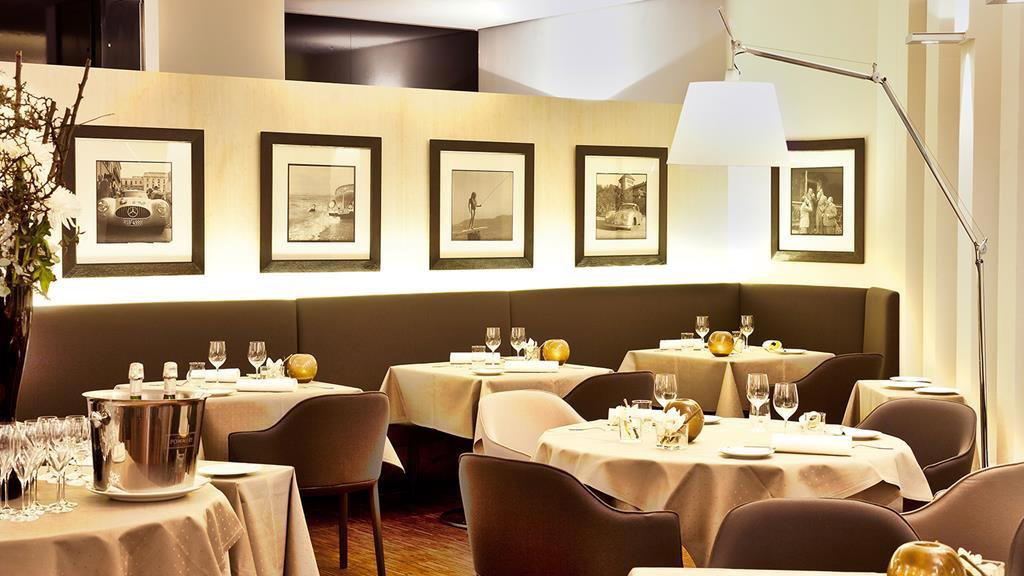
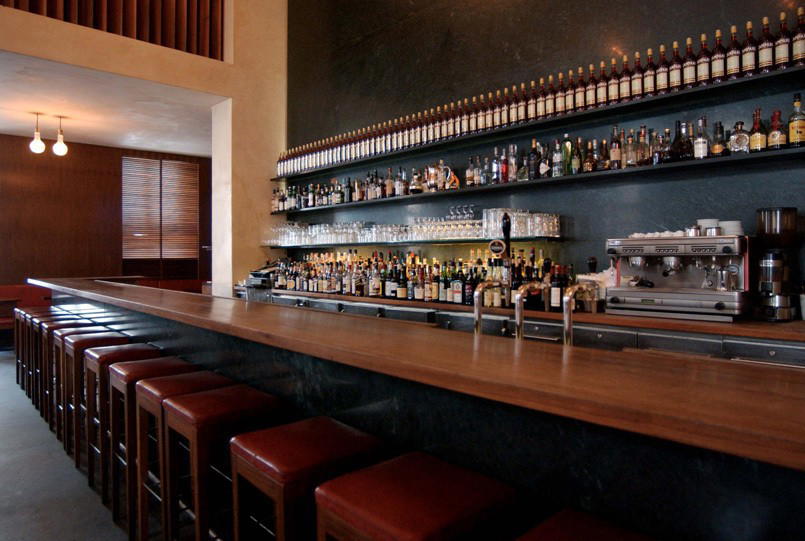
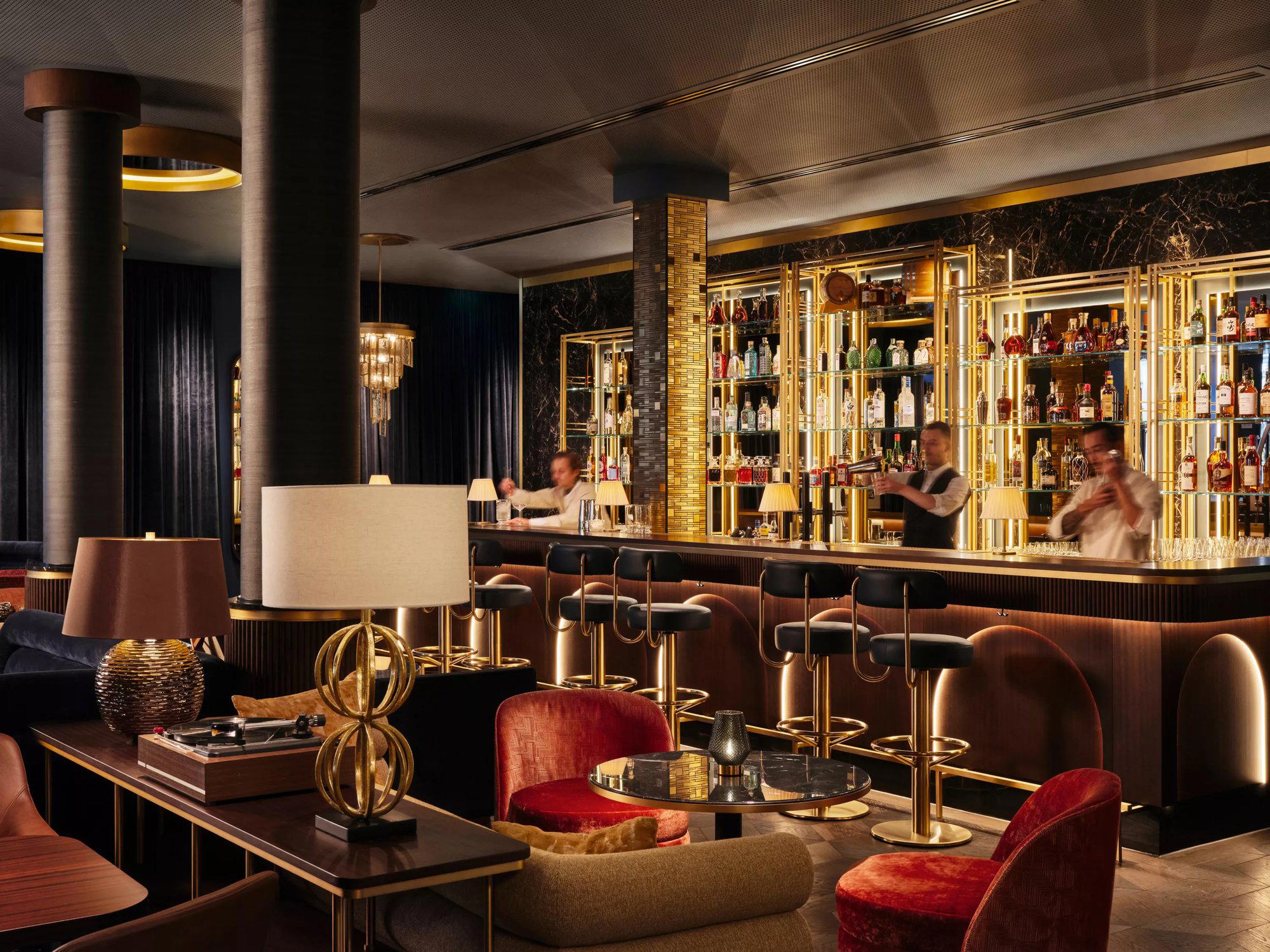
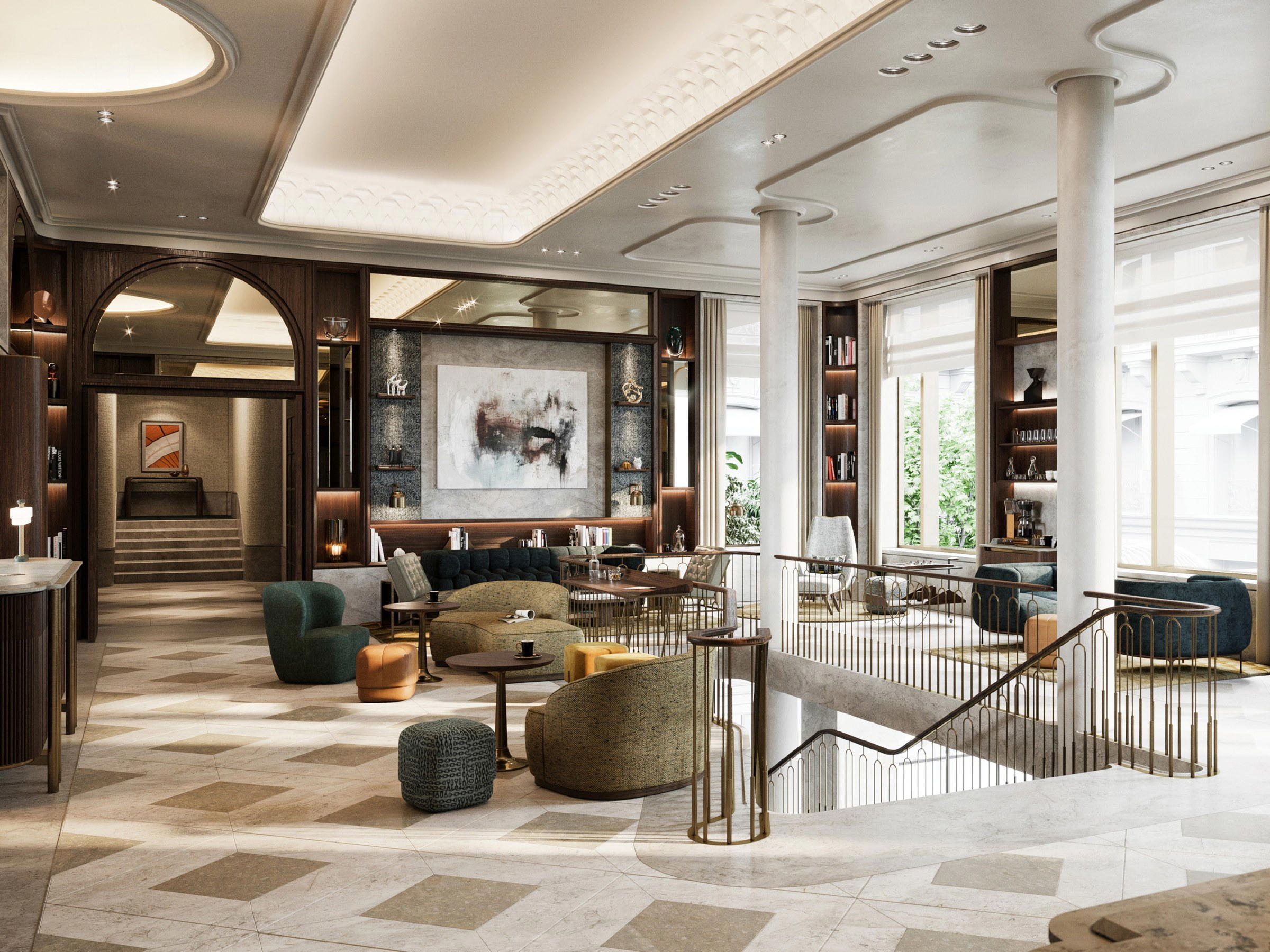
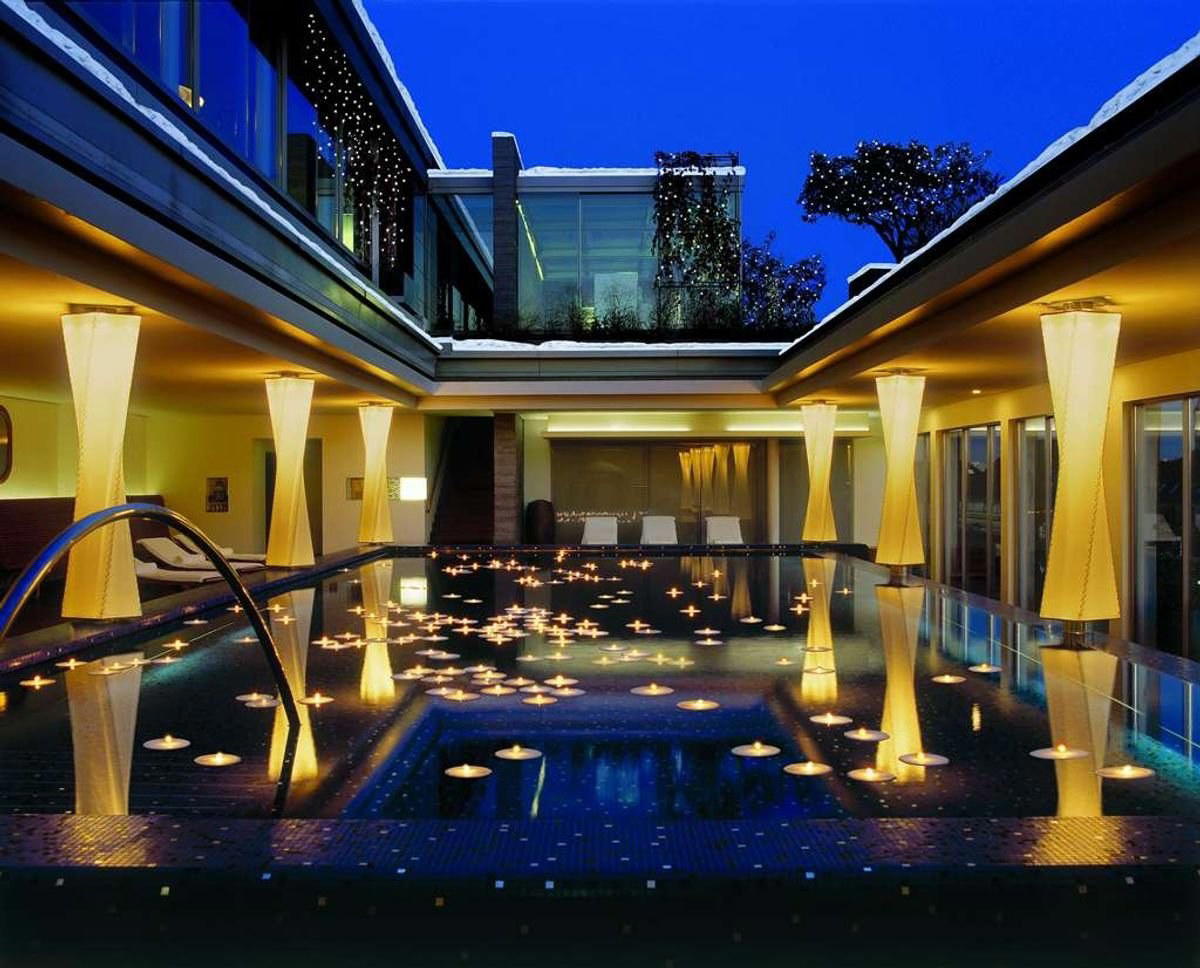
Minimalist and understated elegance with soft, calming atmosphere enhanced by a peaceful fountain in the courtyard; intimate and relaxed yet sophisticated.