Taberna del Alabardero
Taberna del Alabardero brings the Spanish taberna tradition to Washington, D.C.'s K Street corridor, where classical Iberian cooking sits alongside a dining room that takes its cues from old-world hospitality. The address places it among the capital's more serious European restaurants, competing in a city increasingly drawn to sourcing-led, regionally grounded menus.
Pearl is the En Primeur Club membership app — saves, bookings, and concierge access live there. Same editors, same standards.
- Address
- 1776 I St NW #255, Washington, DC 20006
- Phone
- +12024292200
- Website
- alabardero.com
- Directions
- Get directions
 Saves & bookings on Pearl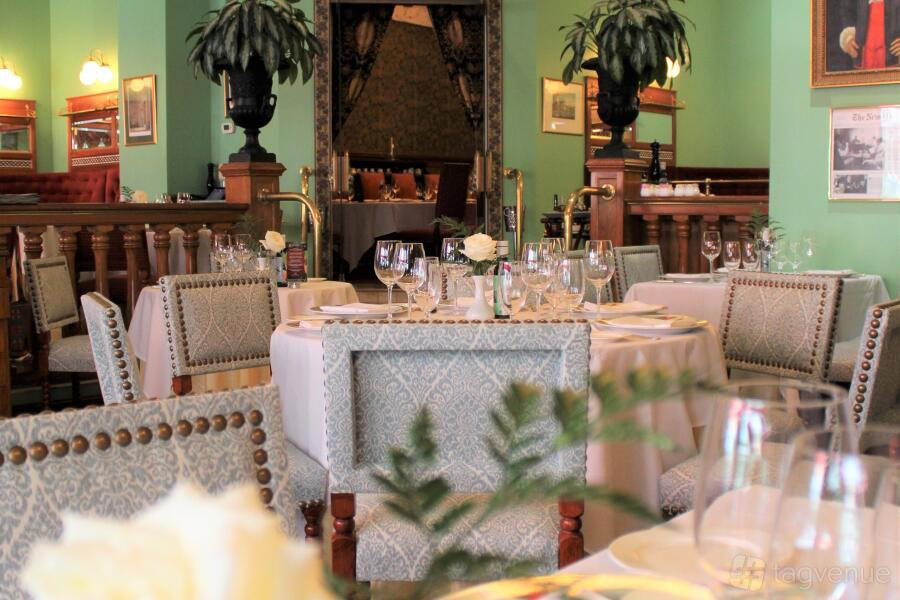
Where the Iberian Tradition Lands in Washington
Taberna del Alabardero is a Spanish restaurant in Washington, D.C. The city's fine-dining tier has long been weighted toward New American, French-influenced, and increasingly Peruvian formats, venues like Causa and Jônt represent where ambitious kitchens have been pointing in recent years. Against that backdrop, Taberna del Alabardero occupies a distinct lane: a Spanish taberna model rooted in Basque and Andalusian cooking traditions, operating from the 1776 I Street address that has made it a fixture in the Penn Quarter and K Street office corridor for longer than most of its current neighbours have existed.
The taberna format itself is worth understanding before arriving. In Spain, the taberna sits between a casual tapas bar and a formal restaurant, it is a place where the food is serious but the architecture of a meal has some flexibility. Dishes arrive in a rhythm that suits the table rather than the kitchen's pacing ambitions. That format translates differently in an American capital city, where business lunches and pre-theatre dinners tend to dominate the midweek traffic. Taberna del Alabardero threads both registers, which places it in a comparable set that also includes Albi for serious regional cooking and Oyster Oyster for a kitchen that takes its sourcing commitments as seriously as its menu.
Sourcing and the Ethics of Spanish-Influenced Cooking
The sustainability conversation in fine dining has largely been led by farm-to-table American formats, venues like Blue Hill at Stone Barns in Tarrytown or Single Thread Farm in Healdsburg, where the provenance of each ingredient is the primary editorial point. Spanish cooking, by contrast, has its own long-standing relationship with ethical sourcing, Iberian pork raised on acorn-fed diets, line-caught Galician seafood, and the denominacion de origen framework that applies to everything from olive oil to cheese. These are not marketing constructs; they are production standards built into the legal identity of the ingredients.
For a Spanish kitchen operating in Washington, that tradition provides a sourcing framework that predates the current American sustainability movement by decades. Where a venue like Oyster Oyster makes sustainability an explicit part of its dining proposition, the restaurant draws on a European tradition in which origin-controlled ingredients are simply the baseline of what serious cooking requires. The two approaches arrive at similar places through different cultural routes.
That context matters when thinking about where the restaurant sits in the D.C. dining conversation. The city's sustainability-conscious tier, which includes venues across the price range from Oyster Oyster at the accessible end to minibar at the technical extreme, is increasingly the competitive set that matters. A Spanish kitchen sourcing from Iberian producers and mid-Atlantic suppliers occupies a credible position within that conversation, even if it does not frame itself in those terms.
The Room and What It Signals
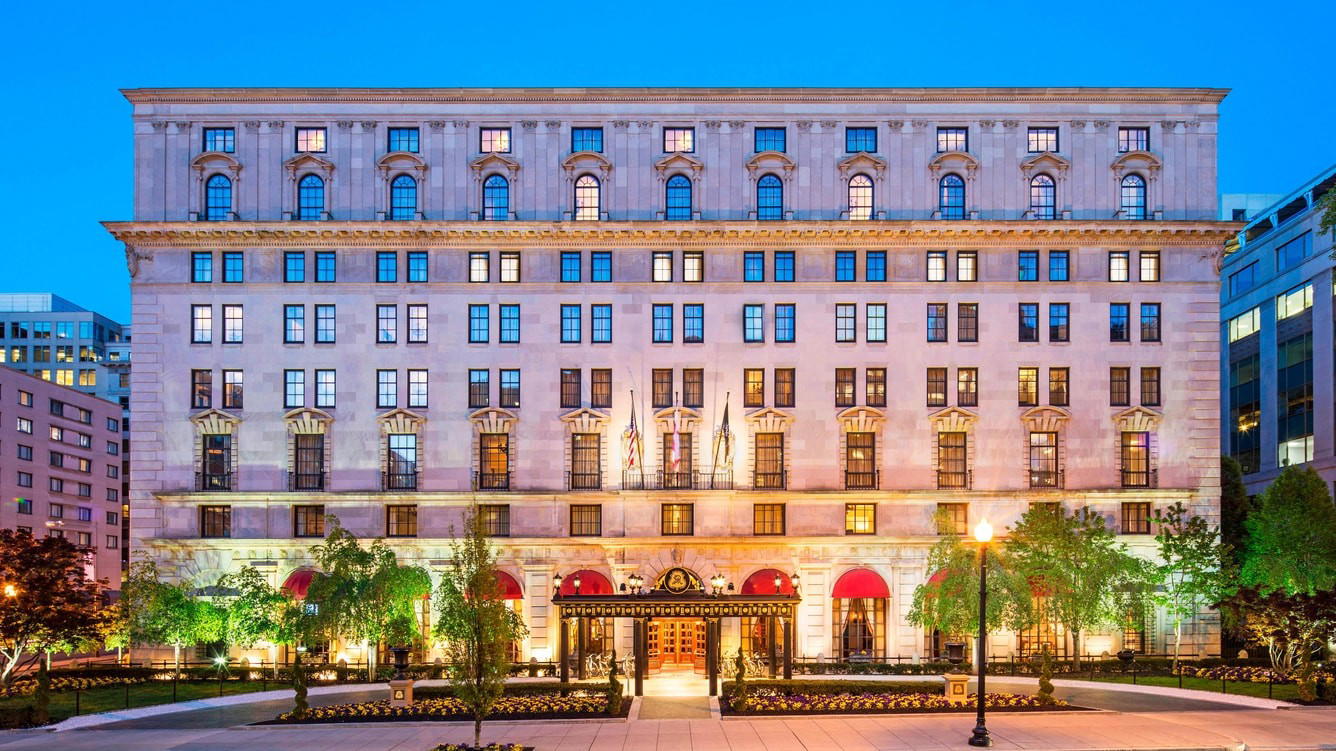
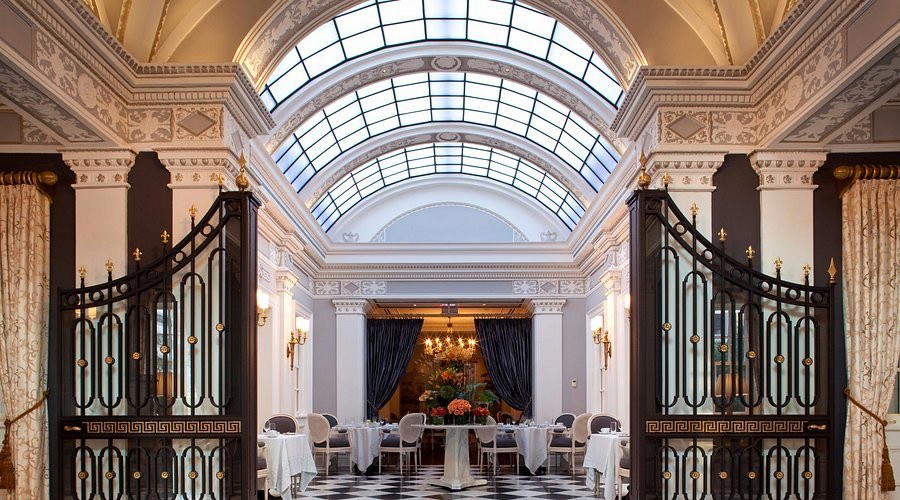
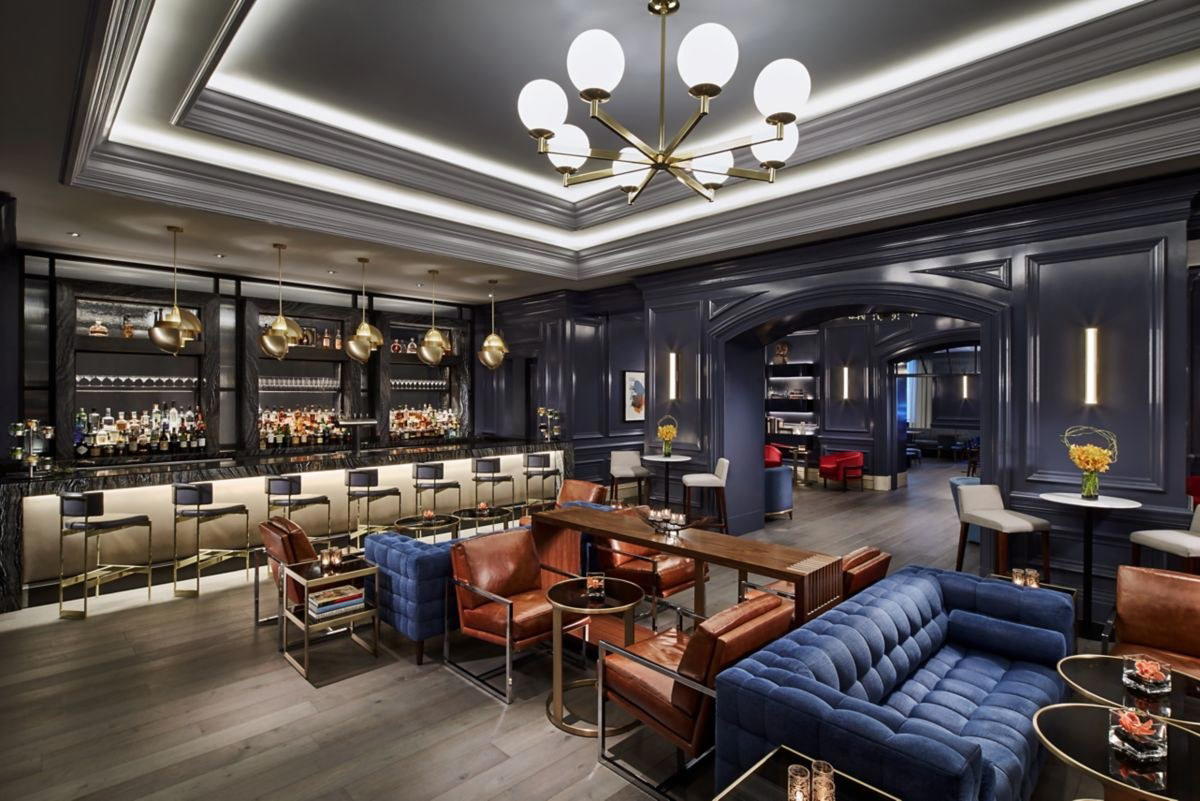
The physical environment at 1776 I Street does what a serious European-style dining room in an American city should do: it creates separation from the street without isolating the guest. The K Street corridor is one of Washington's more transactional addresses, given over largely to lobbying offices and corporate law firms. A dining room that reads as genuinely Spanish in that context is doing something specific, it is creating a hospitality register that is neither the expense-account steakhouse nor the fast-casual lunch option, but something that asks more of the table's attention.
Across the broader D.C. scene documented in our full Washington, D.C. restaurants guide, the gap between neighbourhood-casual and white-tablecloth formal is where interesting venues tend to operate. The restaurant positions itself closer to the formal end without the tasting-menu rigidity of peers like The Inn at Little Washington. That positioning gives it flexibility that the pure tasting-menu format does not allow.
Placing It in a Wider American Context
Spanish restaurants in American cities occupy a fragmented market. New York has a more developed Iberian dining tradition; cities like San Francisco and Los Angeles have spots that approximate the tapas format but rarely commit to the taberna structure in full. At the higher end of the American restaurant spectrum, the venues that have defined the conversation, Le Bernardin in New York, Alinea in Chicago, Providence in Los Angeles, have done so through a combination of technique, sourcing discipline, and sustained critical recognition. The restaurant competes in a different register but shares with those venues the challenge of maintaining a European culinary tradition in an American city where the dining culture does not always have the infrastructure to support it.
That challenge is one D.C. understands better than most. The capital's fine-dining tier includes venues that operate in non-American culinary traditions, Atomix in New York offers a useful comparison from the Korean fine-dining side, and the hospitality pressures of a city with a transient professional population create specific demands. Consistency across shifts and years matters more in Washington than in cities with a more stable dining public.
Planning Your Visit
| Venue | Cuisine | Price Tier | Format |
|---|---|---|---|
| The restaurant | Spanish (Iberian) | Not confirmed | Taberna (flexible) |
| Causa | Peruvian | $$$$ | A la carte / tasting |
| Oyster Oyster | New American / Sustainable | $$$ | A la carte |
| Albi | Middle Eastern | $$$$ | A la carte / sharing |
Cuisine and Recognition
Comparable venues nearby, for context on price, style, and recognition.
| Venue | Cuisine | Price | Notes |
|---|---|---|---|
| Taberna del AlabarderoThis venue — the venue you are viewing | Classic Spanish Tapas & Paella | $$$ | Not listed |
| Boqueria Penn Quarter | Barcelona-Inspired Spanish Tapas | $$$ | East End |
| Central Michel Richard | French-American Bistro | $$$ | East End |
| Lucky Danger | Modern American Chinese | $$$ | Penn Quarter / Chinatown |
| Quattro Osteria | Modern Regional Italian | $$$ | Ledroit Park |
| MI VIDA | Modern Mexican | $$$ | Southwest Waterfront |
Continue exploring
More in Washington DC
Restaurants in Washington DC
Browse all →
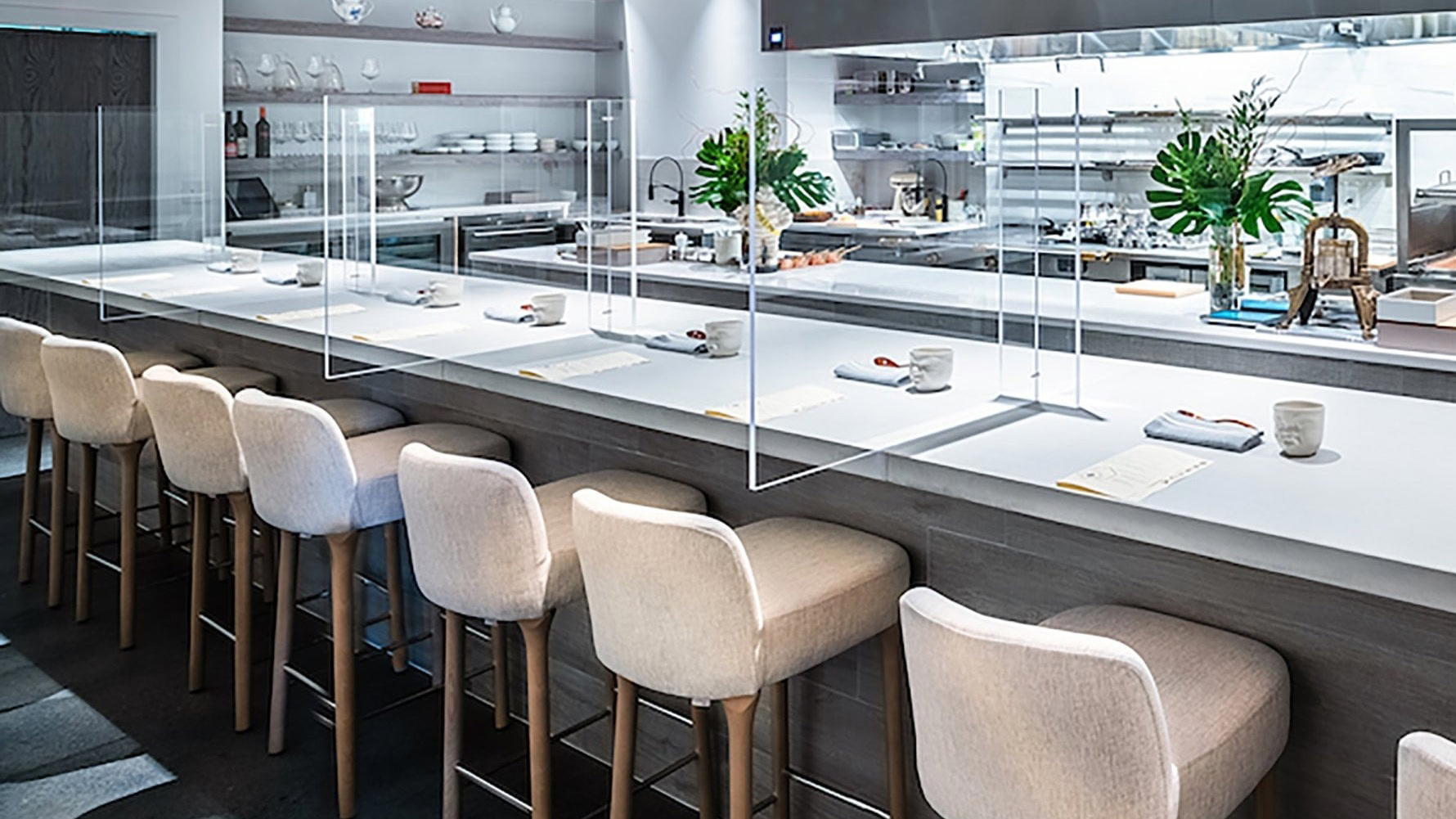
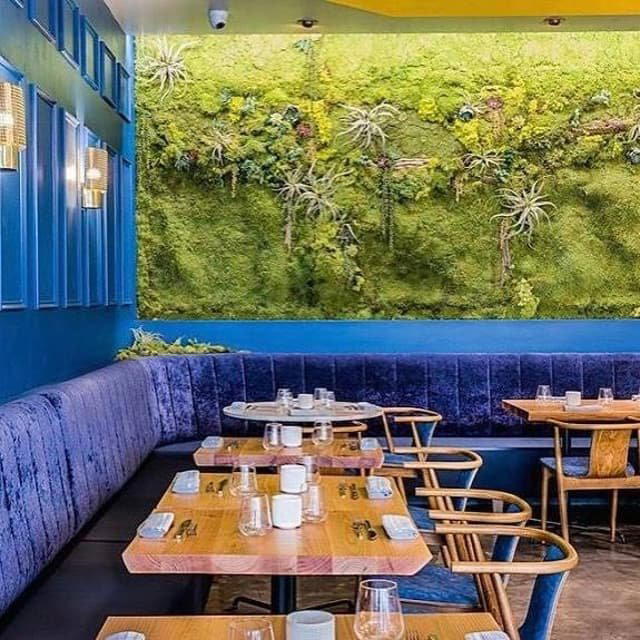
Bars in Washington DC
Browse all →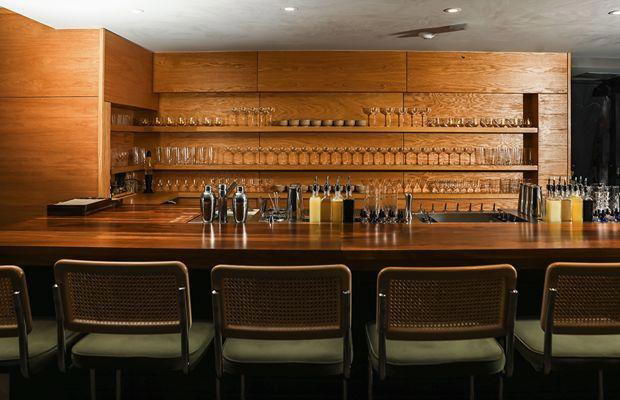
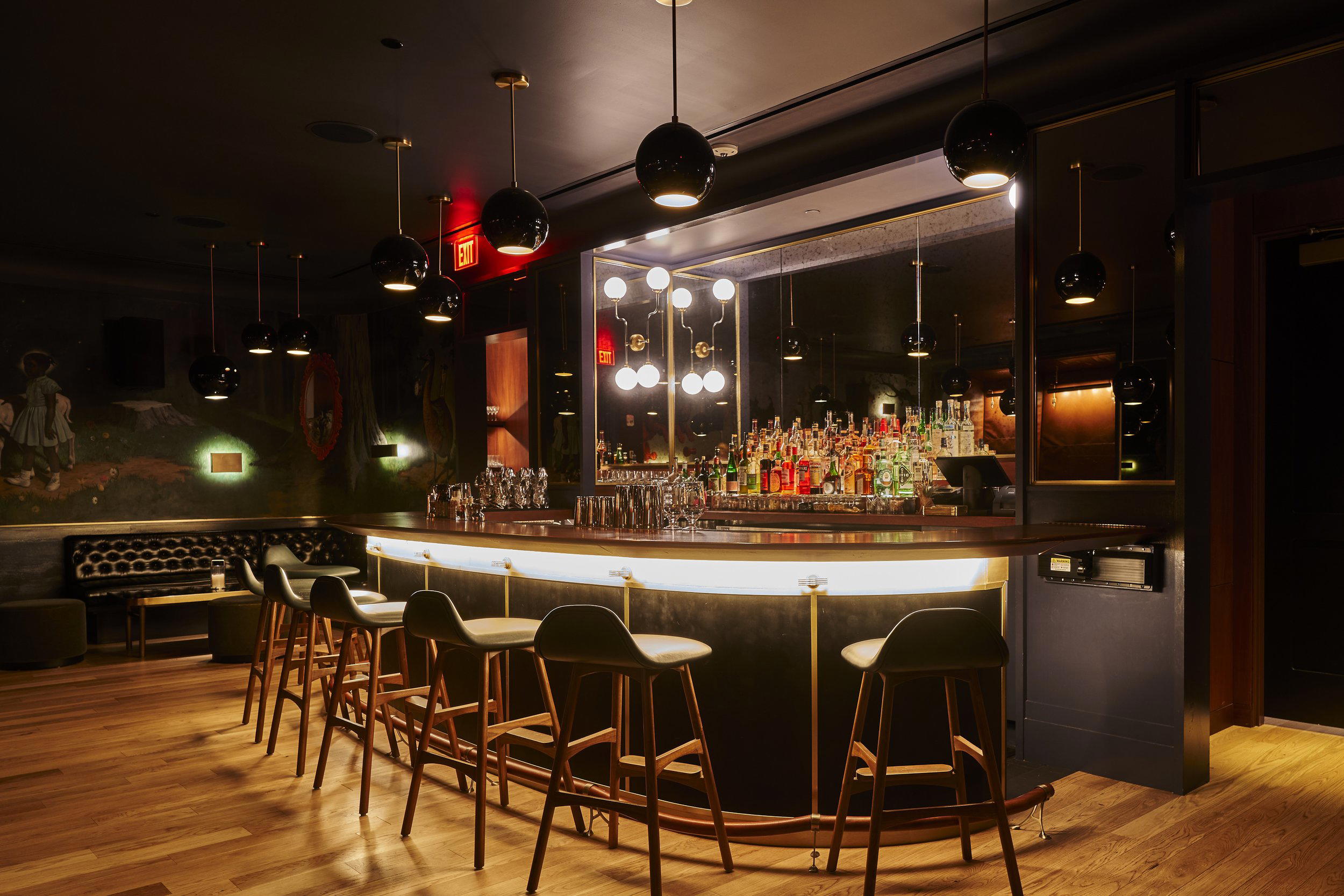
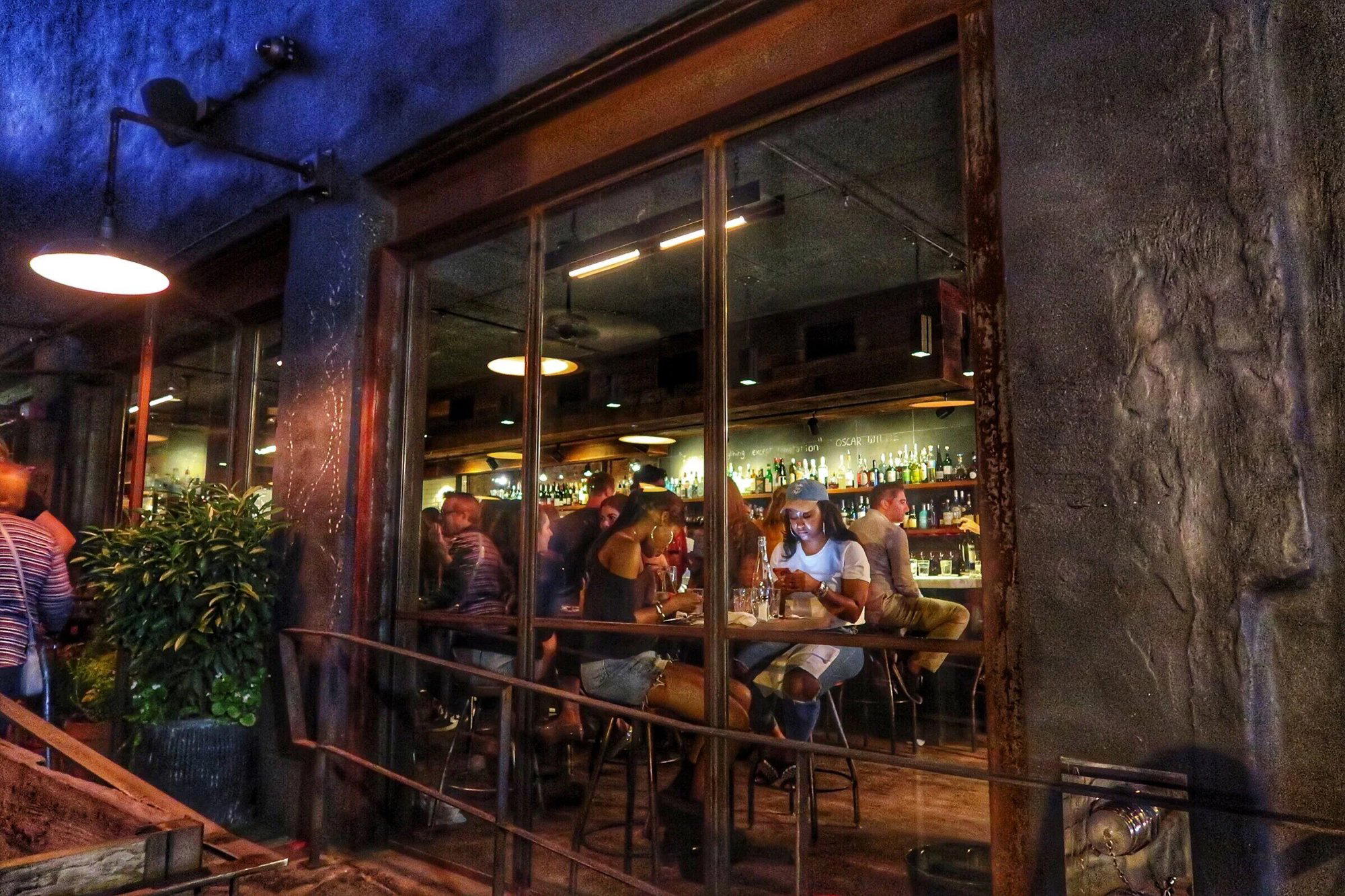
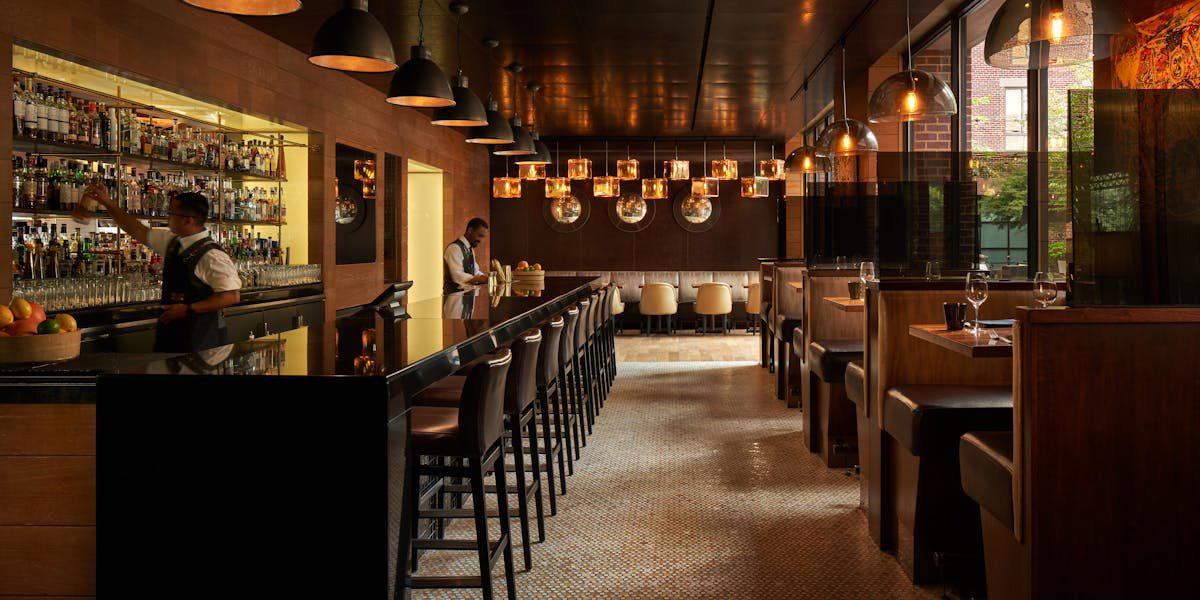
Hotels in Washington DC
Browse all →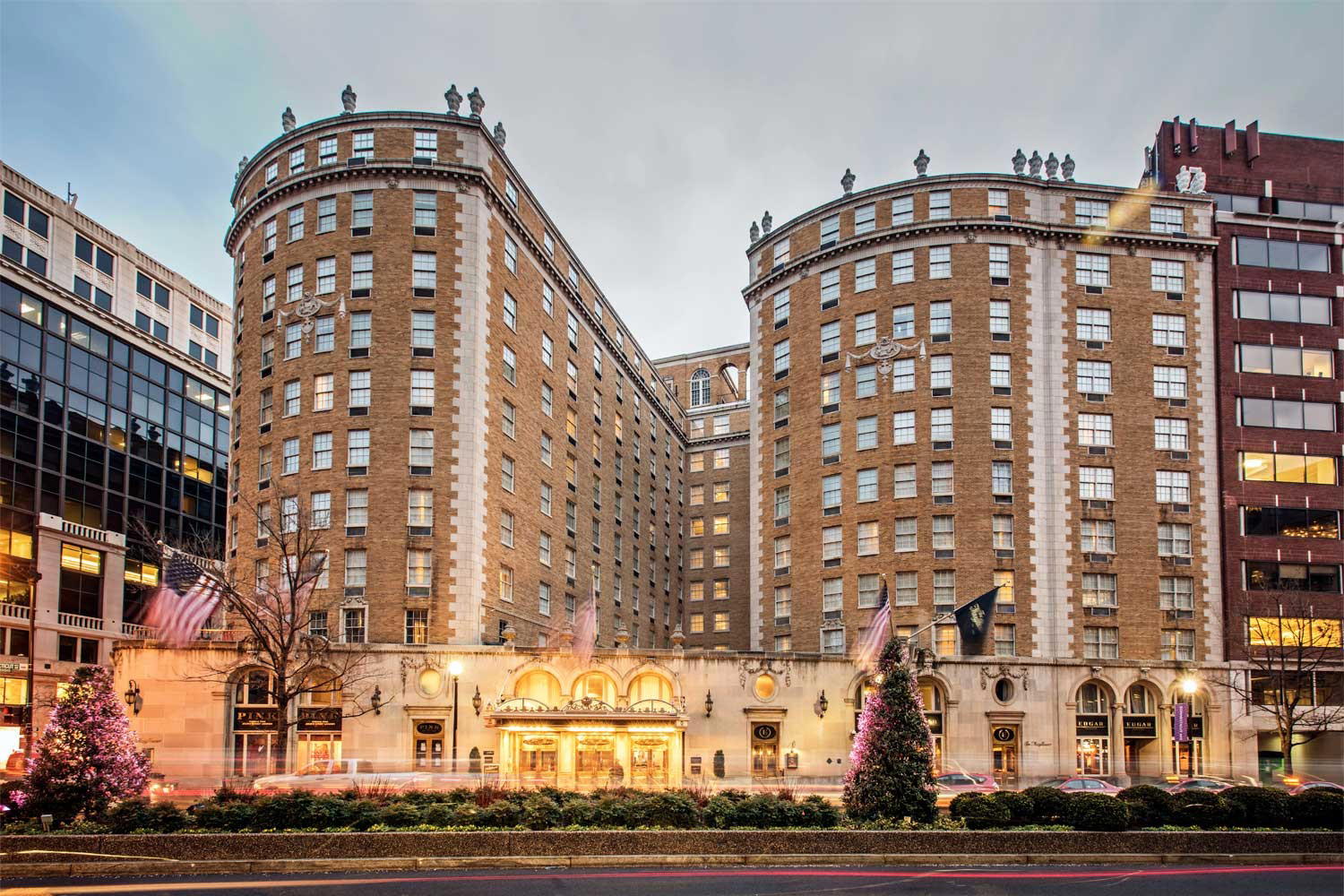
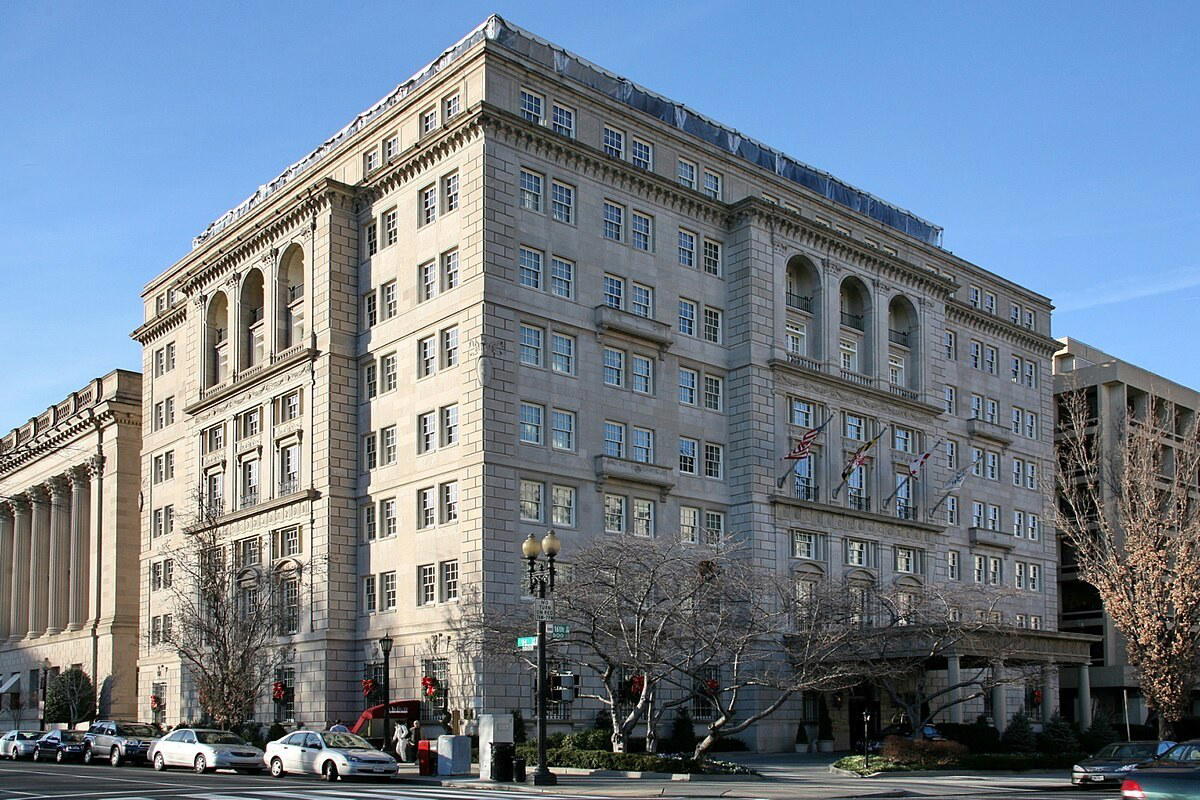

At a Glance
- Romantic
- Elegant
- Classic
- Sophisticated
- Well Known
- Date Night
- Business Dinner
- Group Dining
- Special Occasion
- Celebration
- Private Dining
- Historic Building
- Standalone
- Extensive Wine List
Current opening hours
- Monday
- 11:30 AM–10 PM
- Tuesday
- 11:30 AM–10 PM
- Wednesday
- 11:30 AM–10 PM
- Thursday
- 11:30 AM–10 PM
- Friday
- 11:30 AM–10:30 PM
- Saturday
- 11 AM–10:30 PM
- Sunday
- 11 AM–8 PM
Hours can change for holidays and private events. Last verified .
Resplendent crimson red walls adorned with Spanish art, tiles, and mix; gold chandeliers and wall sconces create a lively yet formal atmosphere that evokes a classic Spanish dining room with hints of romantic grandeur.