MI VIDA
Mi Vida occupies a prominent position in Washington D.C.'s Southwest Waterfront dining corridor, bringing Mexican cooking into a setting where sourcing and technique carry equal weight. The restaurant's position in the District's mid-to-upper price tier places it alongside destination-driven peers rather than casual cantina competition. For visitors and residents tracking where serious Mexican cuisine has taken root in the capital, this address warrants attention.
Pearl is the En Primeur Club membership app — saves, bookings, and concierge access live there. Same editors, same standards.
- Address
- 98 District Square SW, Washington, DC 20024
- Phone
- +12025164656
- Website
- mividamexico.com
- Directions
- Get directions
 Saves & bookings on Pearl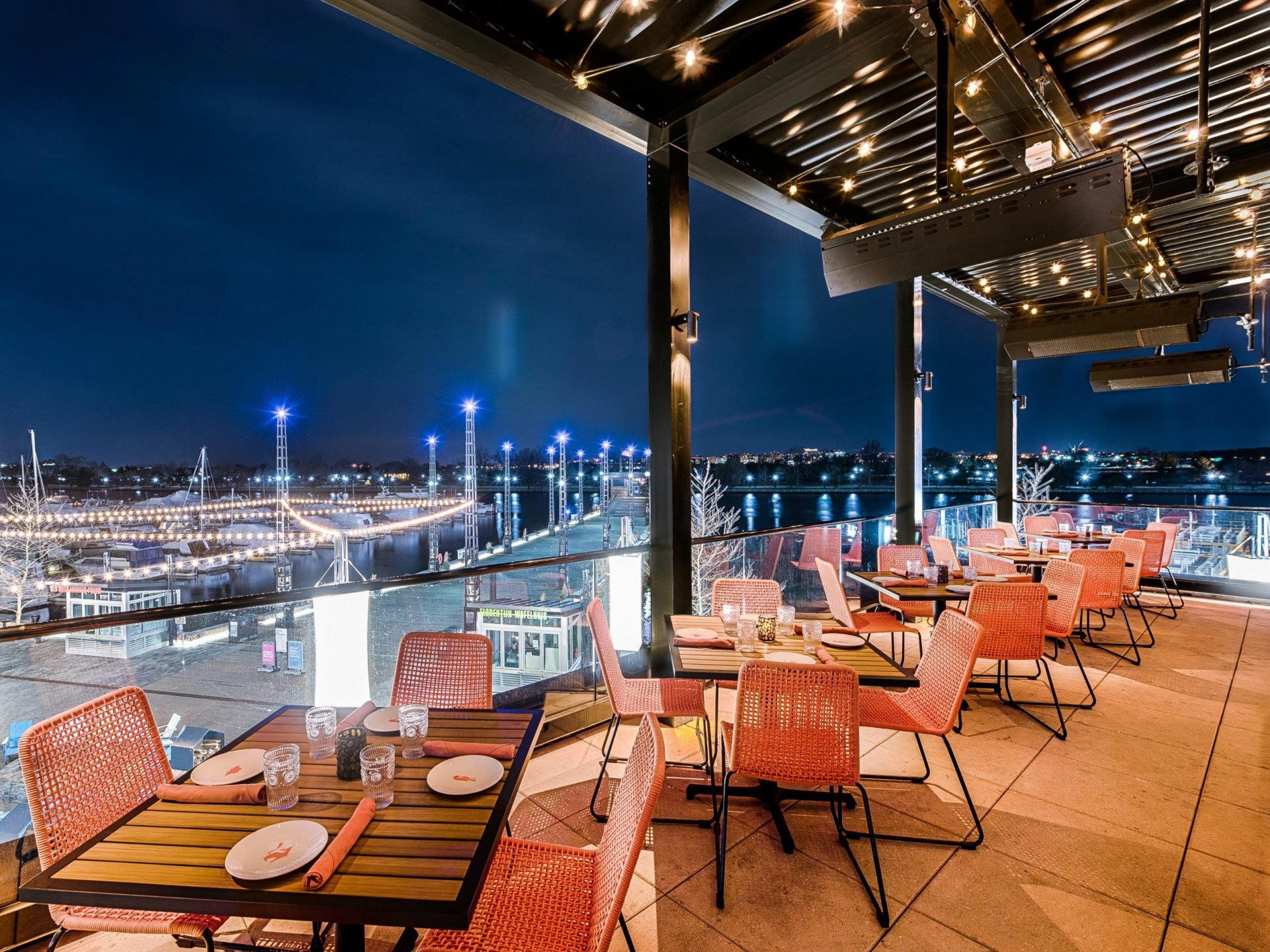
The Waterfront Address and What It Signals
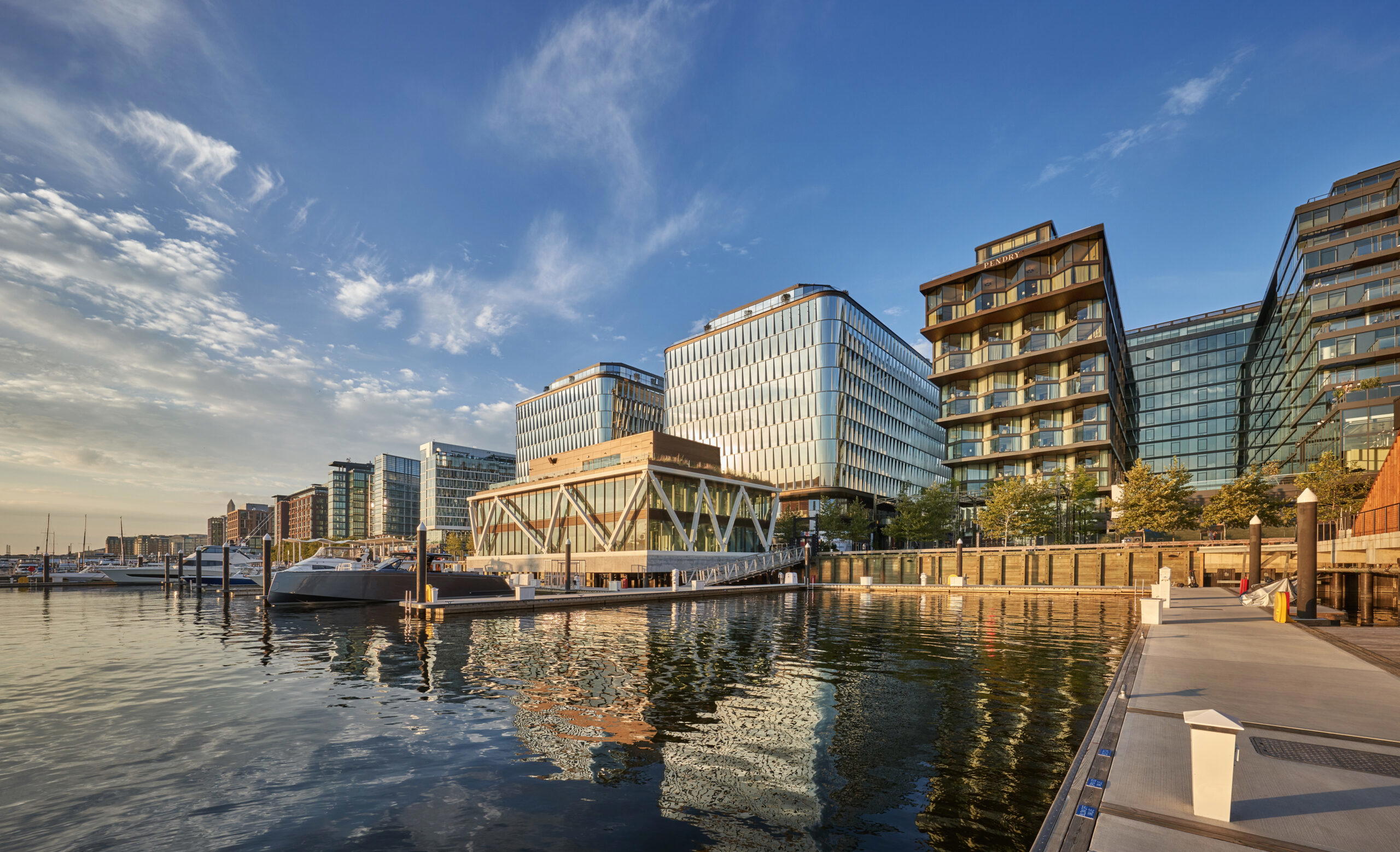
Washington, D.C.'s Southwest Waterfront has undergone a sustained transformation over the past decade, converting underused federal-adjacent land into a dining and entertainment corridor that now competes with the city's established restaurant neighbourhoods. The District Wharf development, where Mi Vida is located at 98 District Square SW, drew a specific cohort of operators. Mi Vida sits within this broader pattern.
Approaching the waterfront, the shift in scale is immediate. The open sightlines toward the Potomac, the pedestrian-priority design of the Wharf, and the density of dining options within a short walk all create a different rhythm from Georgetown or 14th Street. Inside Mi Vida, that energy translates into a setting calibrated for groups, celebrations, and the kind of meal where the room is as much a part of the experience as what arrives at the table. Whether that registers as an asset or a drawback depends entirely on what you are looking for on a given evening.
Mexican Sourcing as Editorial Argument
Particularly interesting question Mexican restaurants in American cities now face is how they treat sourcing. For most of the past two decades, upscale Mexican in the United States defaulted to premium proteins and imported spirits while leaving the underlying pantry largely unchanged. A newer generation of operators has pushed back on that model, asking what happens when the same sourcing discipline applied to, say, a French or Japanese kitchen is directed at chiles, corn varieties, and regional Mexican ingredients.
The restaurant operates in this context. The restaurant's positioning in the upper tier of D.C.'s Mexican dining options implies a kitchen that has made decisions about where its raw materials come from and why. At this price point and in this location, those decisions carry weight. They are making a category choice, and the category argument for Mexican cooking at the premium end increasingly rests on ingredient provenance rather than pure technique spectacle.
This matters for D.C. specifically because the city's dining scene has spent the past several years sharpening its sourcing vocabulary across multiple cuisines. Restaurants like Oyster Oyster have built entire identities around sustainable supply chains in the New American register, while Causa demonstrates how Peruvian cooking can carry ingredient specificity as a primary editorial point. Albi has done similar work within the Middle Eastern tradition. The restaurant enters that conversation from the Mexican side, which remains one of the less thoroughly interrogated corners of the D.C. dining map at the premium tier.
Where Mi Vida Sits in the D.C. Competitive Set
Washington D.C.'s restaurant tier above the casual midrange but below the tasting-menu format has grown considerably more competitive. Restaurants at the $$$-$$$$ price point now face diners who have absorbed a decade of sourcing rhetoric and can identify when it is operational versus decorative. The comparable set the restaurant competes against includes the kind of operators who have shaped that expectation: Jônt operates at the technical extreme of contemporary cooking in the District, while minibar by José Andrés has long occupied the molecular end of the spectrum. The restaurant is not competing in either of those registers. Its competitive set is the group of full-service restaurants where cuisine identity, physical setting, and pricing converge to create a specific dining proposition rather than a technical showcase.
On the national map, premium Mexican has found footholds in cities with strong Latin American communities and dining cultures willing to pay for the distinction. For a broader frame of reference on what serious cooking at this level looks like across American cities, the work being done at restaurants like Lazy Bear in San Francisco, Providence in Los Angeles, and Blue Hill at Stone Barns in Tarrytown illustrates how sourcing-forward commitments play across different cuisine traditions. The underlying discipline, tracing ingredients to specific producers and letting provenance shape the menu, is consistent even when the cuisine type shifts entirely.
D.C. diners interested in tracking the full scope of what the city offers can also consult a Washington, D.C. restaurants guide. The waterfront corridor appears there as a distinct zone with its own dining logic, separate from the Hill or the Penn Quarter cluster.
The Broader Context: Mexican Cooking and the Premium Tier
Mexican cuisine in the United States carries unusual freight. It is simultaneously among the more widely eaten and among the more systematically underpriced food traditions in the country. Restaurants attempting to reframe that pricing at the premium end, by pointing to heirloom corn, hand-ground masa, imported dried chiles, or mezcal programs with serious production credentials, are making an argument that most diners are still calibrating how to evaluate. The restaurant enters that argument in a city where the dining public has demonstrated, across multiple cuisine types, a willingness to follow sourcing logic upmarket when it is explained and executed with clarity.
Comparable dynamics have played out in other American cities and internationally. Le Bernardin in New York City made the case for French seafood at the highest price point through decades of sourcing discipline. Single Thread Farm in Healdsburg integrates farming and cooking so completely that the sourcing is the menu. The French Laundry in Napa has maintained its position in part through obsessive ingredient selection. The structural logic is transferable, even if the cuisine type is entirely different.
Other peer restaurants worth considering when building a D.C. dining itinerary around sourcing-forward premises include Emeril's in New Orleans, Alinea in Chicago, Addison in San Diego, The Inn at Little Washington, Atomix in New York City, and 8 1/2 Otto e Mezzo Bombana in Hong Kong, each of which represents a distinct approach to ingredient provenance at the premium dining tier.
Know Before You Go
- Address: 98 District Square SW, Washington, DC 20024
- Neighbourhood: The Wharf, Southwest Waterfront
- Booking: Reservations are recommended.
- Parking: Paid garage parking available at The Wharf development
- Tacos al Pastor
- Carne Asada
- Mole Poblano
- Birria
- Hand-Crushed Guacamole
- Chiles en Nogada
- Ceviche
A Lean Comparison
Comparable venues nearby, for context on price, style, and recognition.
| Venue | Cuisine | Price | Notes |
|---|---|---|---|
| MI VIDAThis venue — the venue you are viewing | Southwest Waterfront, Modern Mexican | $$$ | Not listed |
| Cactus Cantina | Cathedral Heights, Authentic Tex-Mex | $$ | Not listed |
| Lauriol Plaza | Not listed | $$ | Striver's Section, Mexican & Latin American |
| El Tamarindo | Not listed | $$ | Reed-Cooke, Authentic Salvadoran & Mexican |
| Agua 301 | Near Southeast, Modern Mexican | $$ | Not listed |
| Sixty Vines Foggy Bottom | Not listed | $$$ | West End, Contemporary Italian Farm-to-Table New American |
Continue exploring
More in Washington DC
Restaurants in Washington DC
Browse all →
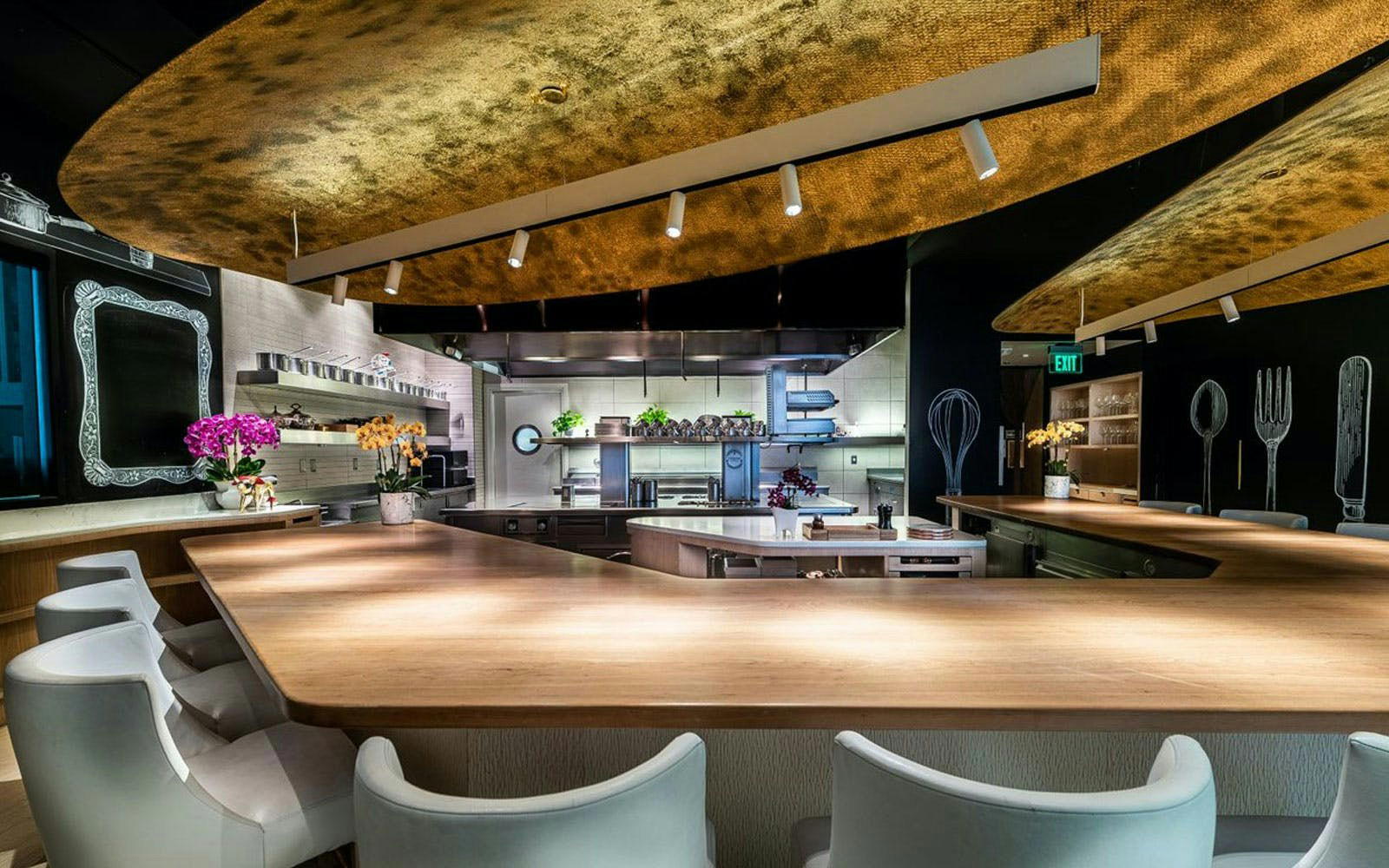
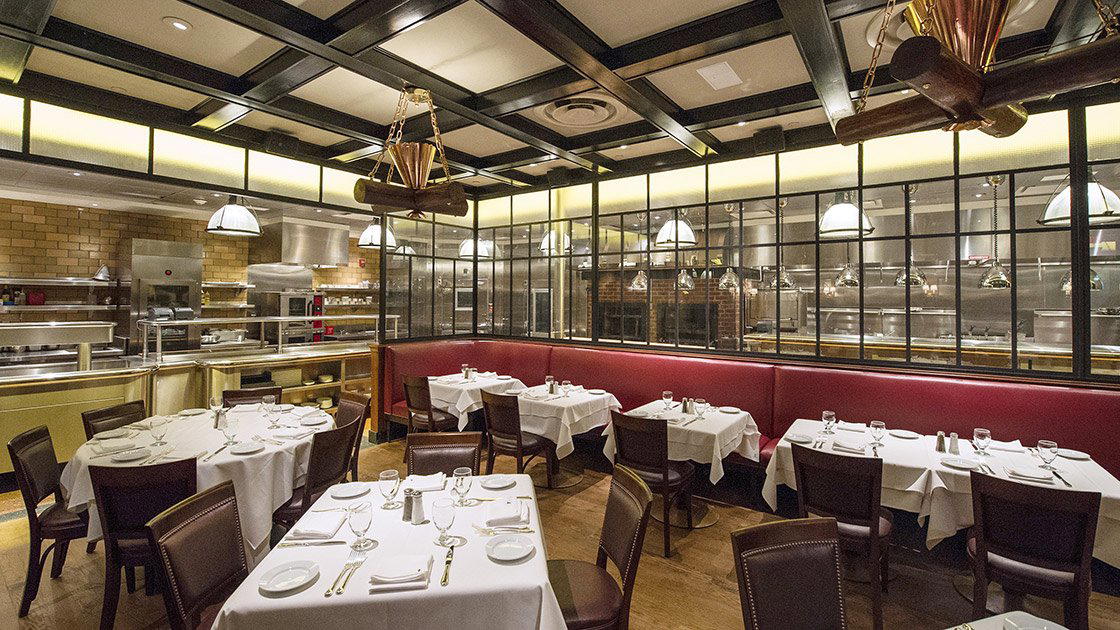
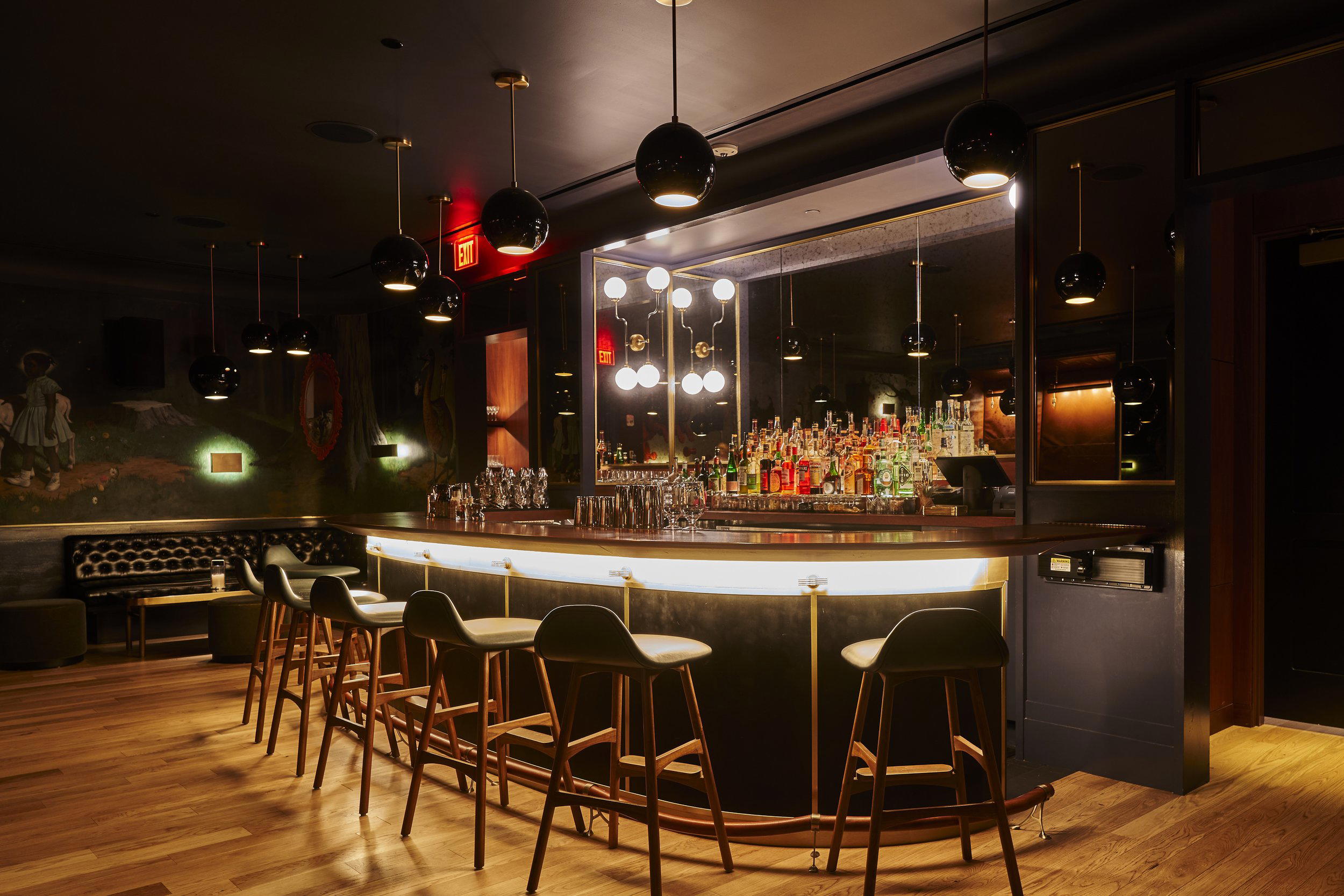
Bars in Washington DC
Browse all →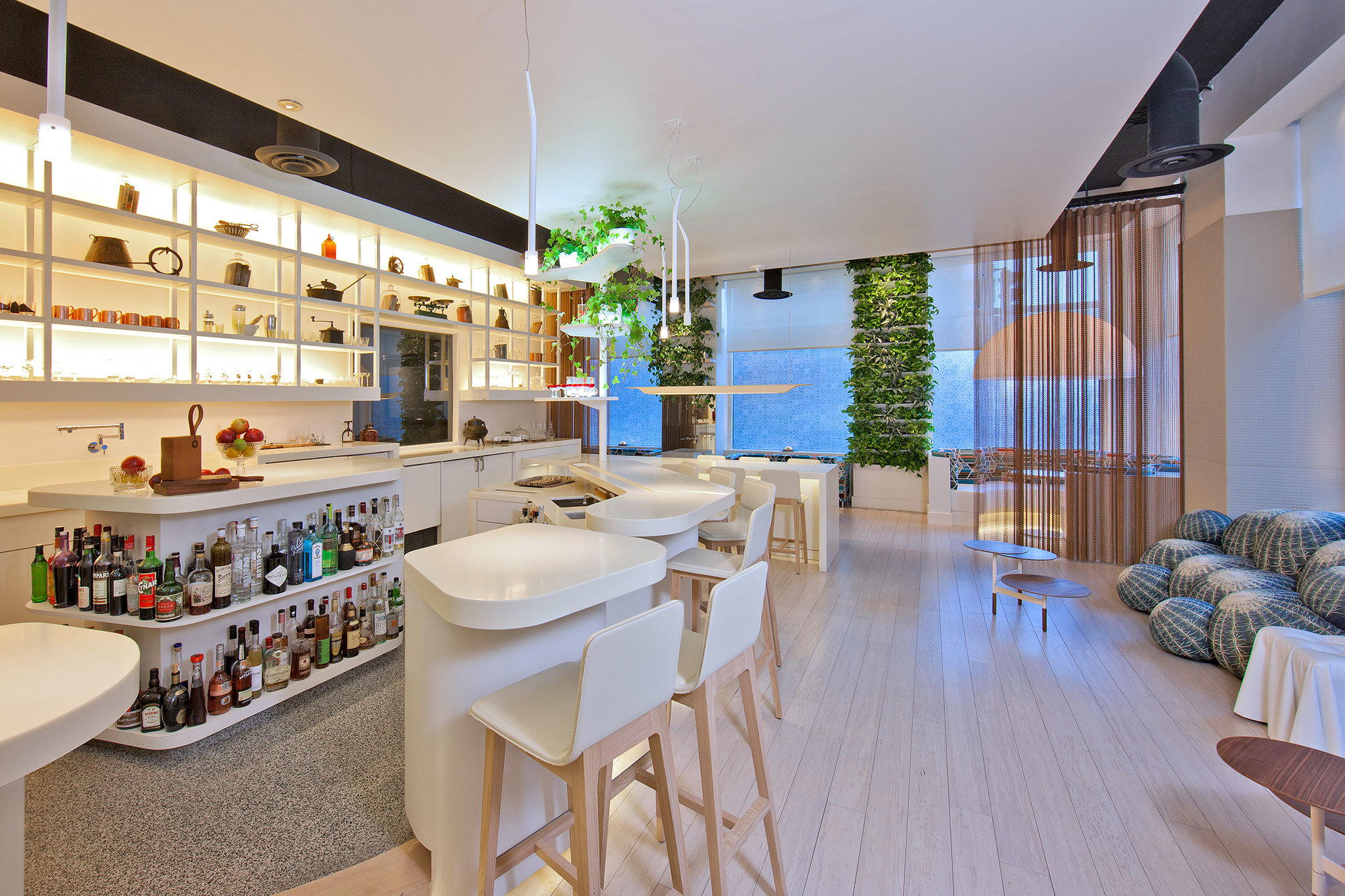
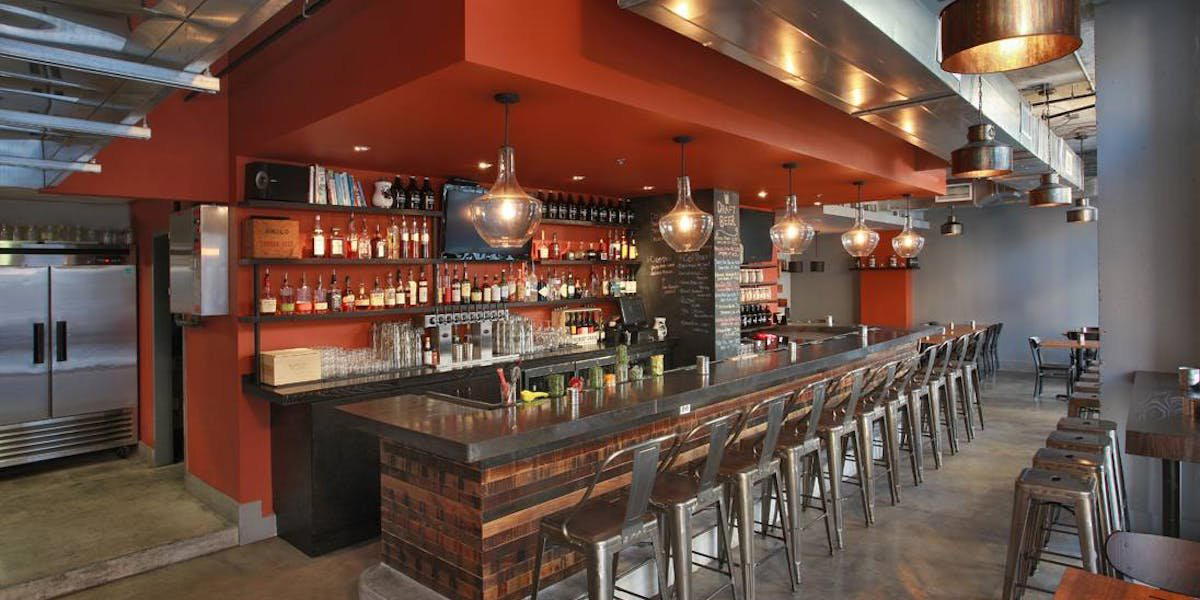
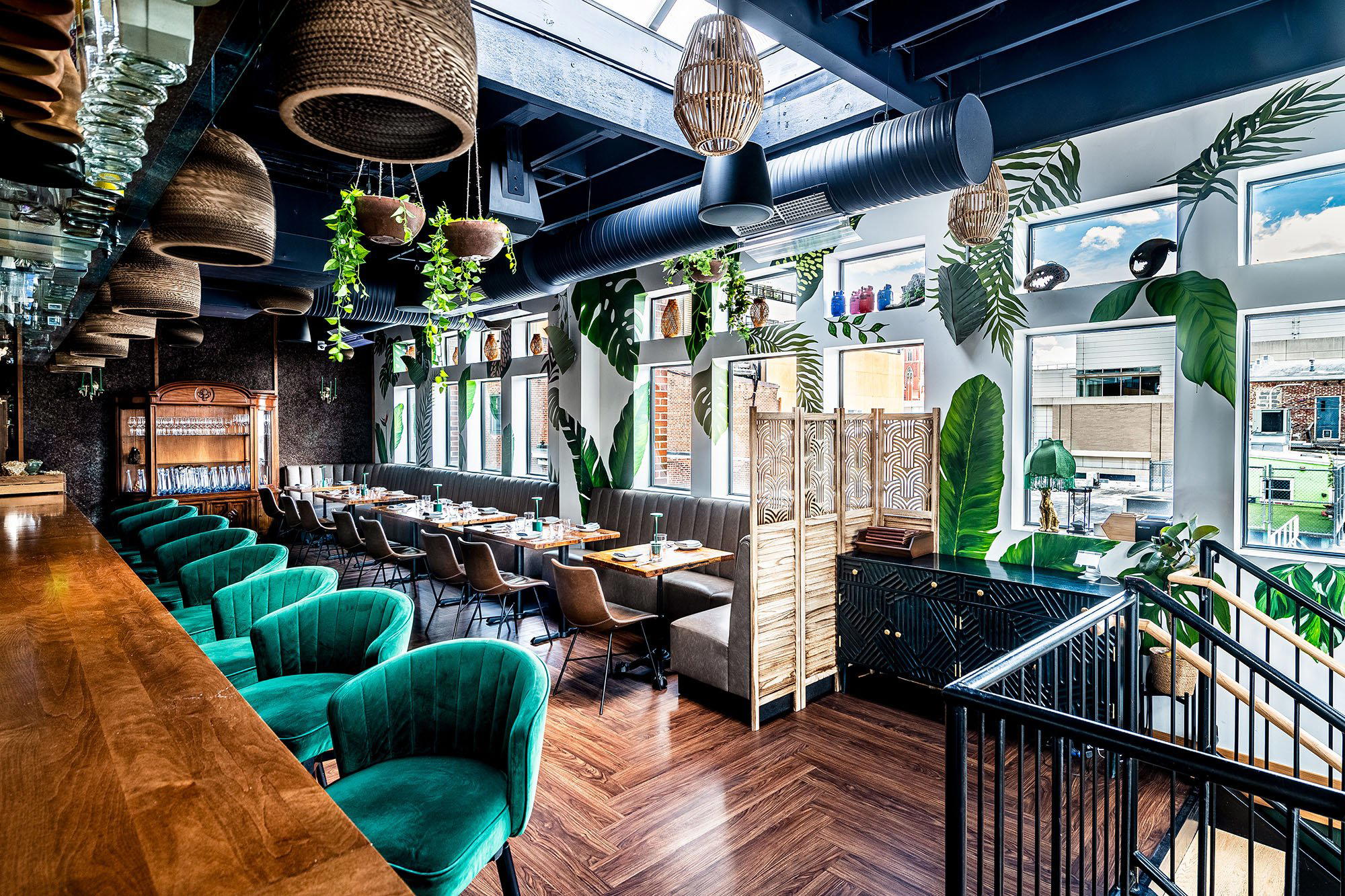
Hotels in Washington DC
Browse all →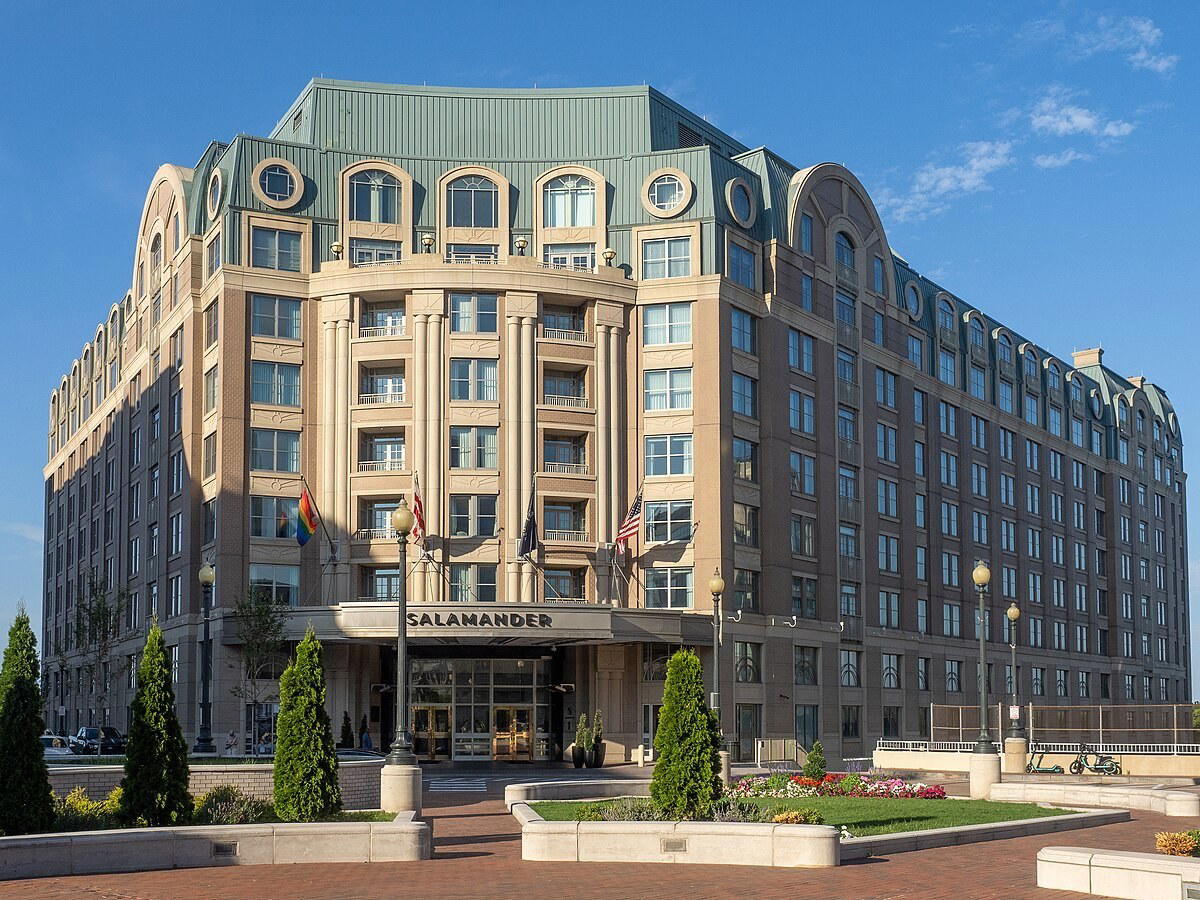
At a Glance
- Lively
- Modern
- Scenic
- Elegant
- Trendy
- Date Night
- Group Dining
- Family
- Celebration
- Casual Hangout
- Brunch
- Waterfront
- Private Dining
- Terrace
- Panoramic View
- Design Destination
- Extensive Wine List
- Craft Cocktails
- Beer Program
- Waterfront
Current opening hours
- Monday
- 11:30 AM–10 PM
- Tuesday
- 11:30 AM–10 PM
- Wednesday
- 11:30 AM–10 PM
- Thursday
- 11:30 AM–10 PM
- Friday
- 11:30 AM–11 PM
- Saturday
- 11 AM–11 PM
- Sunday
- 11 AM–10 PM
Hours can change for holidays and private events. Last verified .
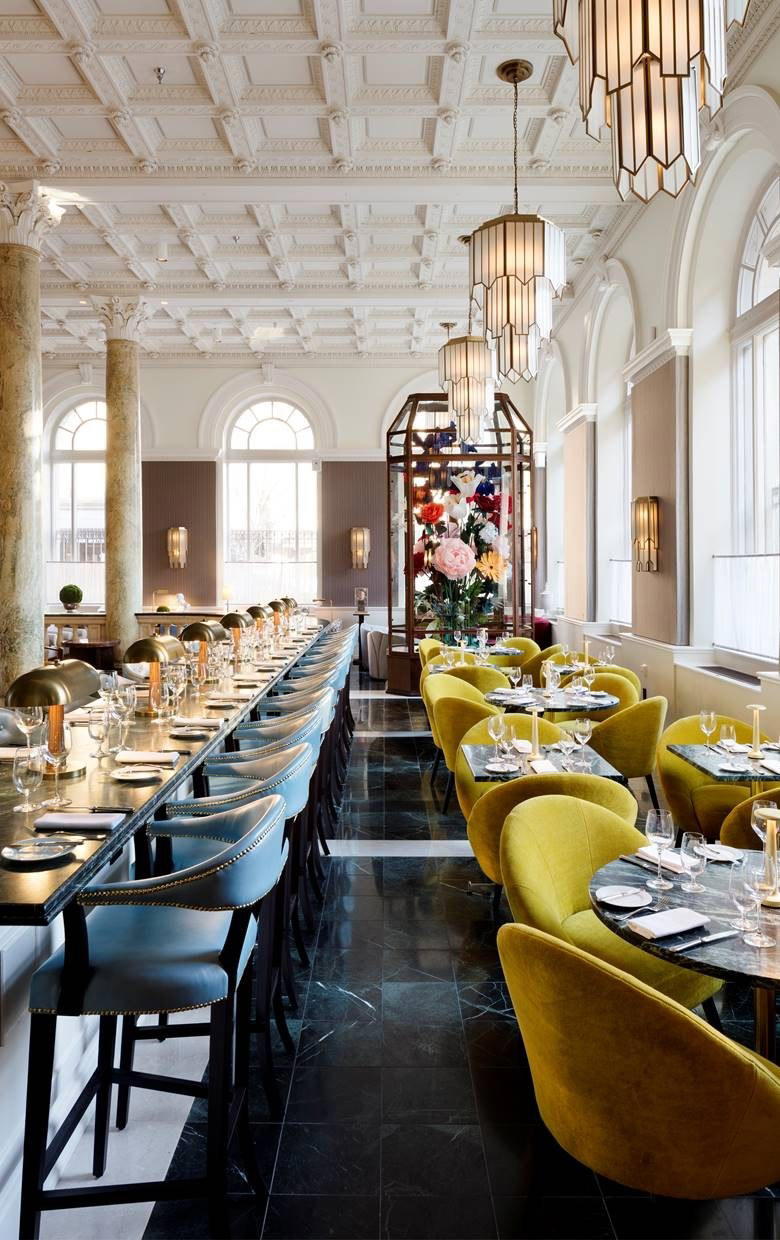
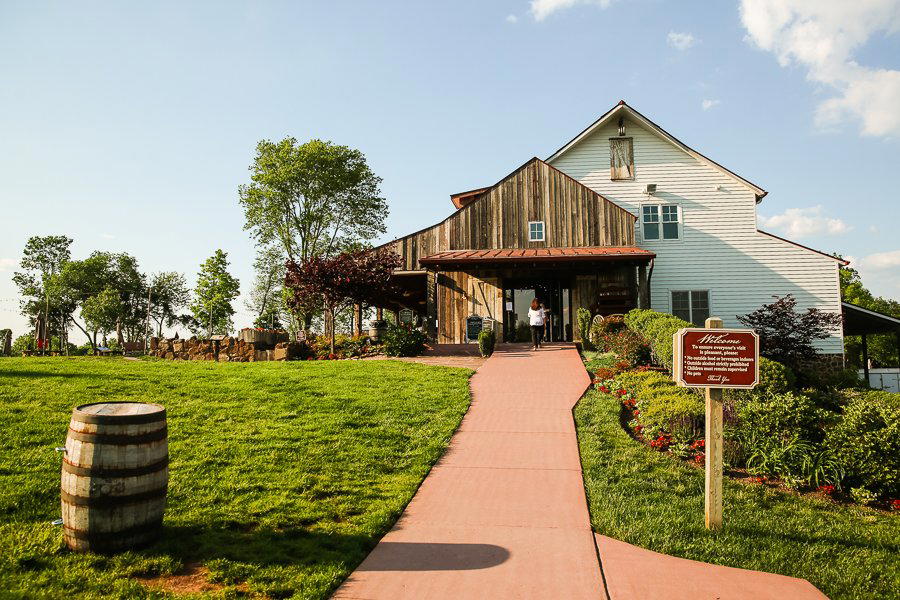
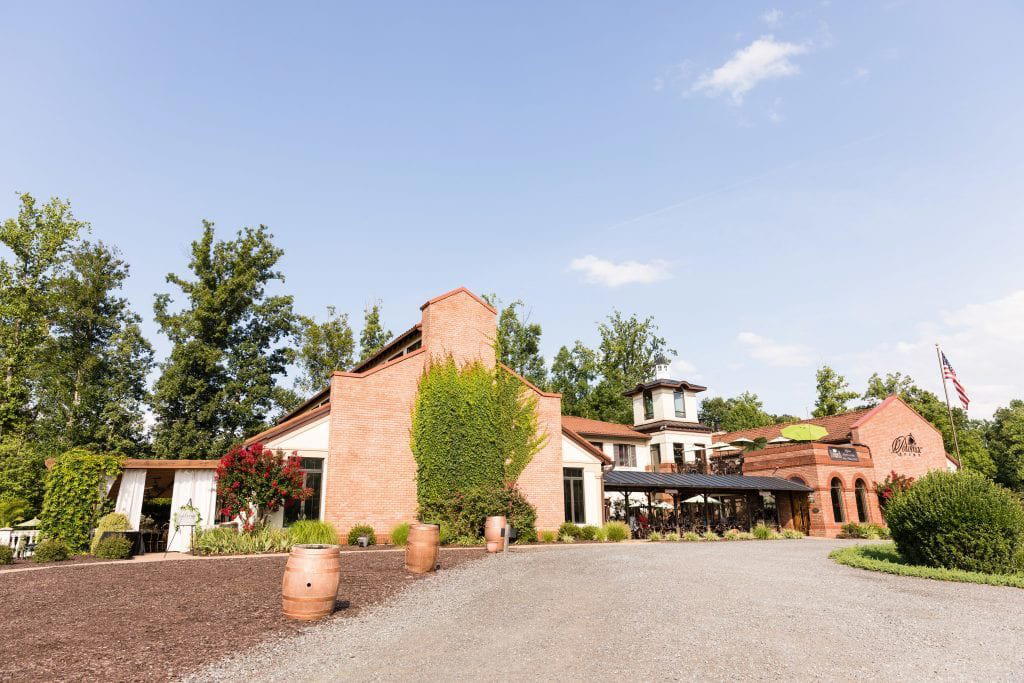
Lively and dramatic setting with contemporary and historic Mexican décor, industrial aesthetic infused with modern design elements, bright natural light from waterfront windows, spacious layout with multiple dining zones including climate-controlled patio with fire pits.