Central Michel Richard

Central Michel Richard operated at 1001 Pennsylvania Ave NW, occupying a significant address in Washington, D.C.'s downtown dining corridor. The restaurant drew from French classical technique and American casualness, positioning itself as a mid-to-upscale option in a city whose fine dining tier has since shifted considerably. Its trajectory mirrors the broader arc of D.C. restaurant culture across two decades of change.
Pearl is the En Primeur Club membership app — saves, bookings, and concierge access live there. Same editors, same standards.
- Address
- 1001 Pennsylvania Ave NW, Washington, DC 20004
- Phone
- +12026260015
- Website
- centralmichelrichard.com
- Directions
- Get directions
 Saves & bookings on Pearl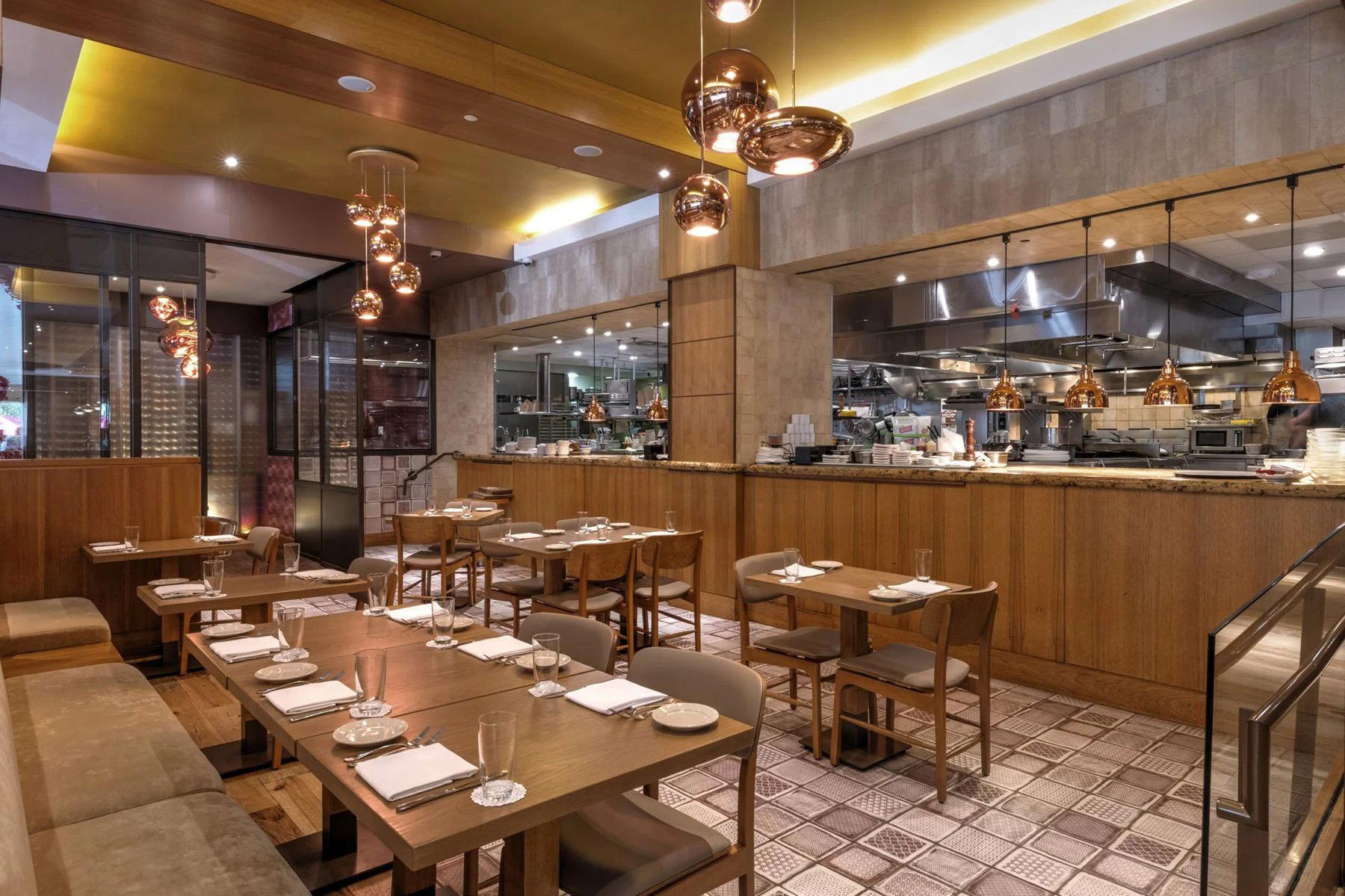
Pennsylvania Avenue and the Dining Moment That Defined It
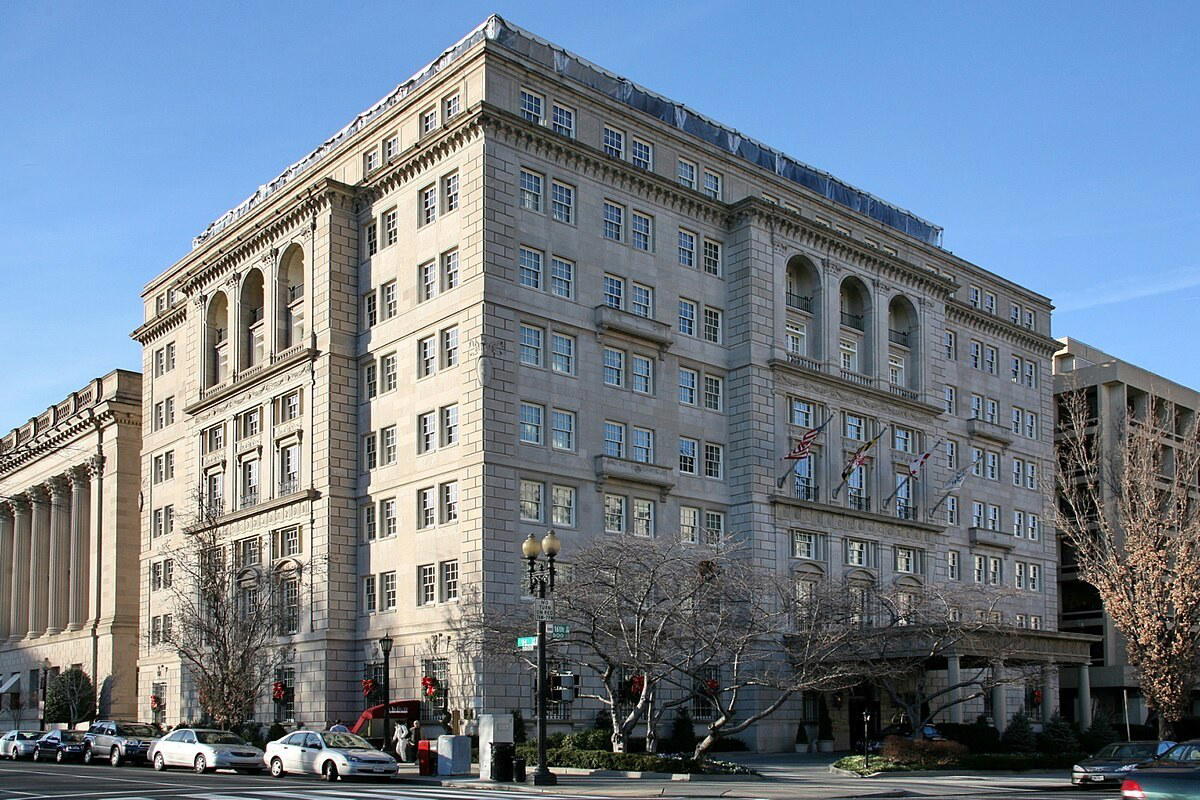
Washington, D.C.'s downtown dining corridor along Pennsylvania Avenue has always carried symbolic weight that most restaurant addresses don't have to contend with. The stretch between the Capitol and the White House functions simultaneously as civic infrastructure and commercial real estate, which means the restaurants that take root here are read against the city's political rhythm as much as its culinary one. Central Michel Richard, at 1001 Pennsylvania Ave NW, occupied precisely that charged territory, a venue whose location placed it in conversation with power-lunch tradition, federal tourism, and the particular social contract of D.C. dining, where a table is as often a meeting as it is a meal.
Understanding what Central represented requires some sense of where D.C. fine dining stood in the mid-2000s, when the restaurant opened. Washington, D.C.'s dining scene has long balanced civic gravity with a strong lunch and dinner market. The Inn at Little Washington, which sits outside the city proper) operating at a remove from the urban core. Downtown D.C. was underserved at the upscale-casual register, the gap between expense-account hotel dining rooms and neighborhood bistros was wide. Central arrived into that gap with a French-trained sensibility applied to more approachable formats, a model that Lazy Bear in San Francisco and Smyth in Chicago would later pursue from different angles in their own cities.
The French-American Register: A Tradition in Transition
The broader category of French-inflected American cooking that Central inhabited has undergone significant compression since the restaurant's peak years. Across the country, the mid-tier of French-technique restaurants, those operating between the true haute cuisine of addresses like Le Bernardin in New York City and the neighborhood bistro, has thinned. Diners who once filled those rooms have distributed their spending across a wider range of cuisine types. In D.C. specifically, the competition that now occupies the upscale-casual space looks different: Albi brings Middle Eastern cooking to a fine-dining price point, Causa works within Peruvian tradition at the $$$$ tier, and Oyster Oyster has built a sustainable New American program at $$$. The playbook Central represented, French technique, American ingredients, brasserie energy, remains viable, but the venues executing it now face a more crowded and more diverse competitive field.
That shift is not distinctive to Washington. Providence in Los Angeles and Addison in San Diego both demonstrate how the French-trained fine dining model has evolved in American cities over the same period, moving toward tasting menu formats, stronger sourcing narratives, and more legible identity signals. The restaurants that thrived through that transition tended to make an explicit choice: either commit fully to the high-formality end, as The French Laundry in Napa has done, or pivot toward a distinct cuisine identity with technical ambition visible in the execution.
Evolution and the Reinvention Question
Central's arc raises a simple question: how does a venue stay relevant as the city's dining culture accelerates? D.C. added serious competition across the 2010s at a pace that few American cities matched. The arrival of minibar as a molecular precision counter, the Michelin Guide's entry into the D.C. market in 2016, and the maturation of venues like Jônt into the Modern French and Contemporary tier all raised the ceiling on what D.C. dining could mean. Restaurants that had defined the city's upscale conversation in the mid-2000s found themselves re-evaluated against a stricter, more internationally legible standard.
Central's position at a prominent Pennsylvania Avenue address gave it structural advantages, foot traffic, visibility, proximity to the city's legal and lobbying class, that few independent restaurants in the city could match. But location-driven advantages in D.C. dining have a ceiling: the same proximity to federal institutions that fills rooms at lunch creates pressure toward conservatism in format and menu. The restaurants that have most successfully navigated D.C.'s post-Michelin era are those that found ways to signal culinary ambition without alienating the city's volume-driven midday trade. Blue Hill at Stone Barns in Tarrytown and Single Thread Farm in Healdsburg represent how tightly integrated sourcing and format can create a distinct identity that carries a restaurant through multiple competitive cycles, a model that speaks to what Central might have pursued in a different direction.
Where Central Sits in the D.C. comparable set
Placing Central Michel Richard accurately in D.C.'s current dining map requires acknowledging the distance between the city's restaurant culture now and when the address first became relevant. The D.C. that the Washington, D.C. dining scene covers is one where the Michelin tier is populated by venues with distinct cuisine identities, strong tasting menu programs, and sourcing philosophies that translate into legible press narratives. Venues elsewhere in the U.S. fine dining tier, Atomix in New York City with its Korean tasting menu architecture, or Emeril's in New Orleans operating within a distinct regional tradition, illustrate how particularly durable restaurant identities tend to root in something specific rather than operating in a broadly French-American register. Even internationally, venues like Atelier Moessmer Norbert Niederkofler in Brunico demonstrate how specificity of place and ingredient has become the defining signal of serious fine dining.
The French-American brasserie tier that Central occupied remains a viable format in cities across the country. But the venues executing it most effectively now tend to anchor the format in a specific neighborhood identity, a sourcing story, or a chef profile with strong credentials. Central's Pennsylvania Avenue address gave it civic visibility; the question its arc raises is whether visibility alone sustains a restaurant through the kind of generational shift D.C. dining has experienced since the venue opened.
Know Before You Go
- Address: 1001 Pennsylvania Ave NW, Washington, DC 20004
- Neighbourhood: Downtown D.C. / Penn Quarter corridor
- Phone: Not available
- Website: Not available
- Booking: Recommended
- Price range: About $60 per person
- Hours: Mon: 11 AM-9 PM; Tue: 11 AM-9 PM; Wed: 11 AM-9 PM; Thu: 11 AM-9 PM; Fri: 11 AM-9 PM; Sat: 11 AM-9 PM; Sun: Closed
Price Lens
Comparable venues nearby, for context on price, style, and recognition.
| Venue | Cuisine | Price | Notes |
|---|---|---|---|
| Central Michel RichardThis venue — the venue you are viewing | East End, French-American Bistro | $$$ | Not listed |
| Et Voila | Kent, Belgian-French Bistro | $$$ | Not listed |
| Bresca | Not listed | $$$ | U Street Corridor, Modern French-influenced bistronomy |
| Alfie’s | Not listed | $$$ | Georgetown, Northern Thai & Isaan with Natural Wines |
| dLeña | Not listed | $$$ | Mount Vernon Triangle, Wood‑Fired Modern Mexican |
| The Duck & the Peach | Not listed | $$$ | Capitol Hill, Seasonal New American with California & New England influences |
Recognition history
Dated appearances from independent guides and award organizations, with the underlying list record or original source where available.
James Beard Award Best New Restaurant
James Beard Award
Continue exploring
More in Washington DC
Restaurants in Washington DC
Browse all →
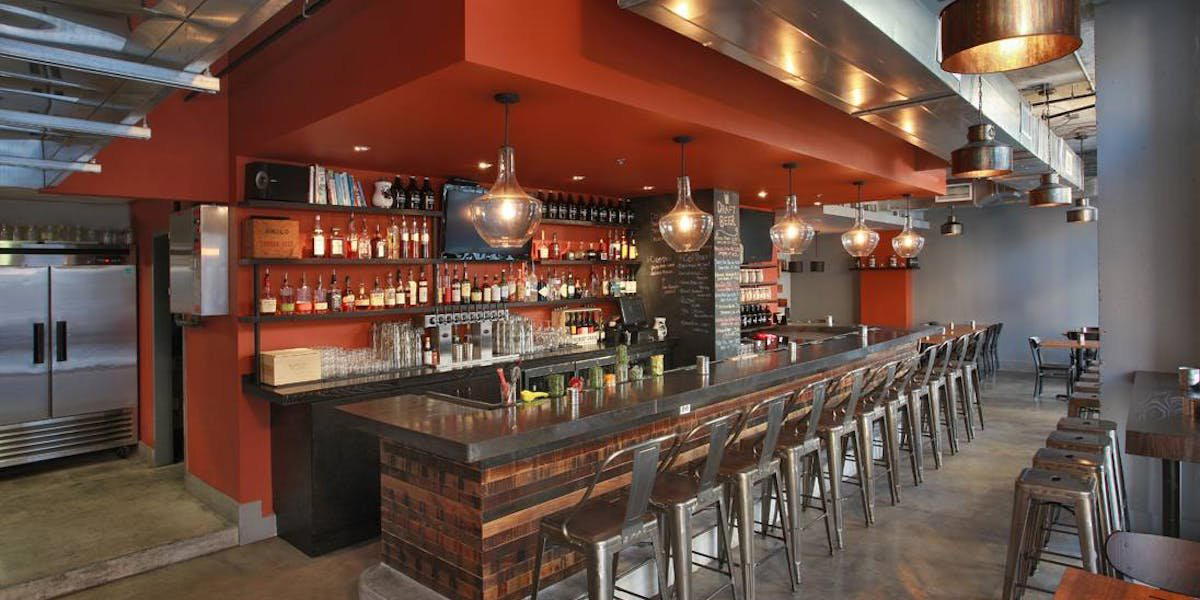
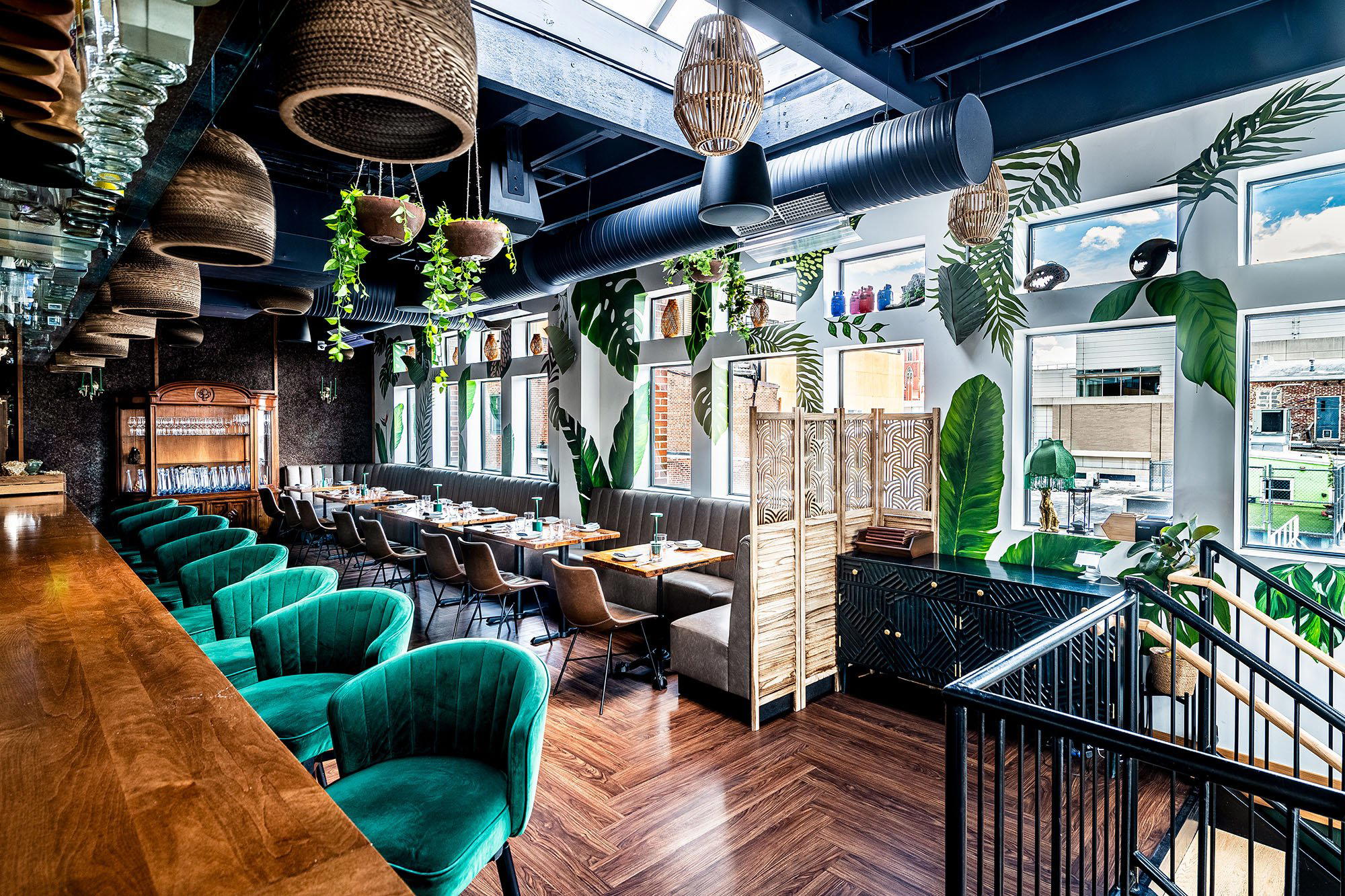
Bars in Washington DC
Browse all →
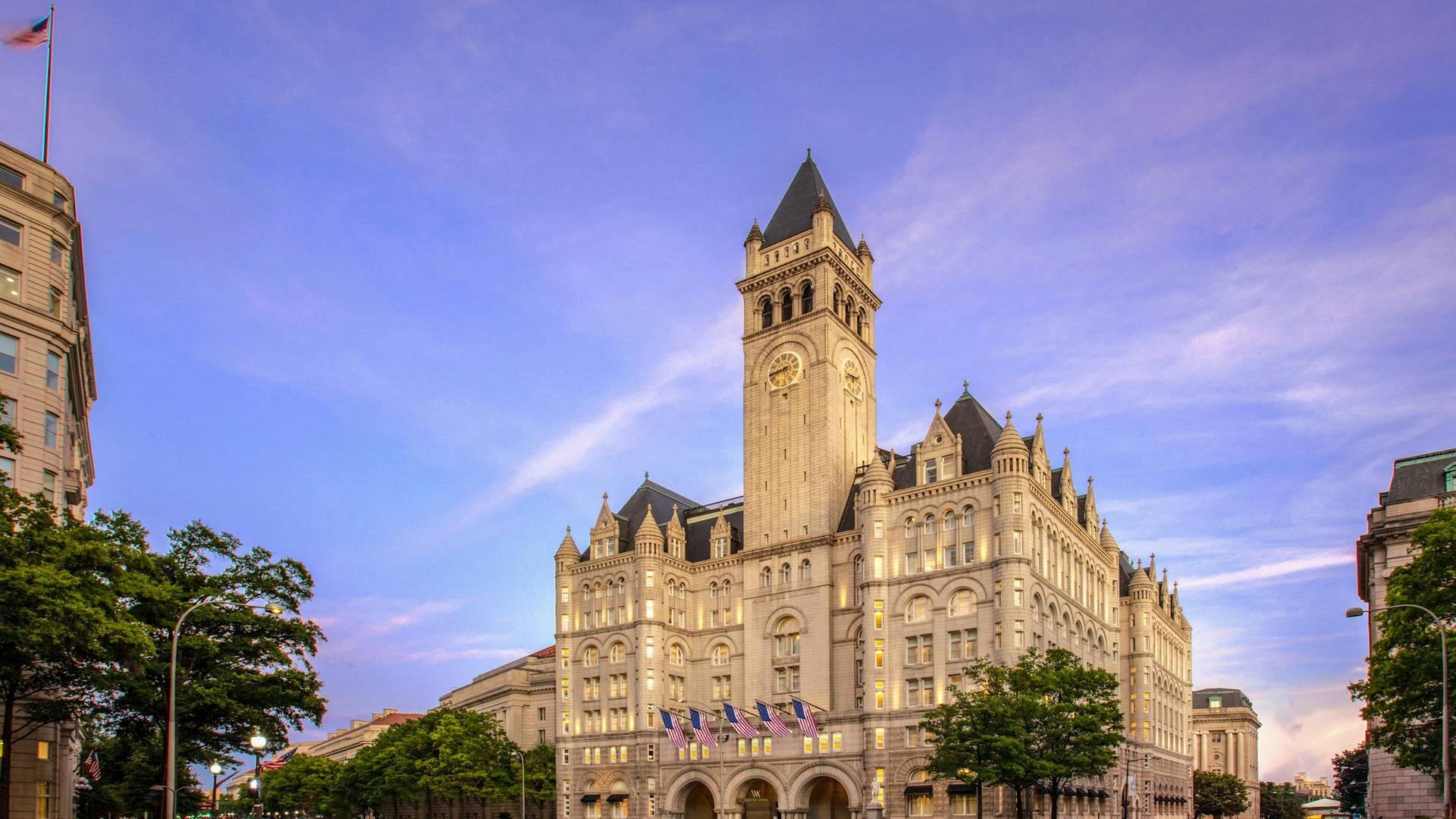
Hotels in Washington DC
Browse all →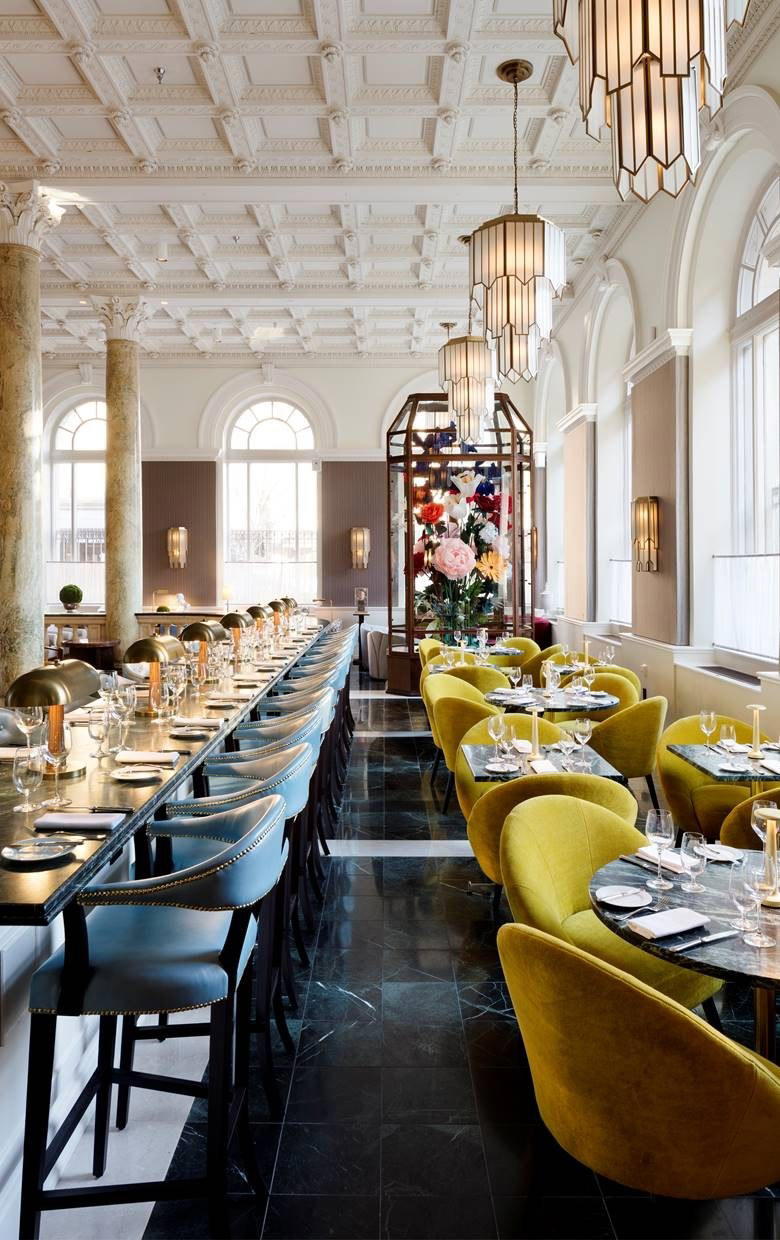
At a Glance
- Lively
- Elegant
- Sophisticated
- Date Night
- Business Dinner
- Special Occasion
- Open Kitchen
- Extensive Wine List
Current opening hours
- Monday
- 11 AM–9 PM
- Tuesday
- 11 AM–9 PM
- Wednesday
- 11 AM–9 PM
- Thursday
- 11 AM–9 PM
- Friday
- 11 AM–9 PM
- Saturday
- 11 AM–9 PM
- Sunday
- Closed
Hours can change for holidays and private events. Last verified .
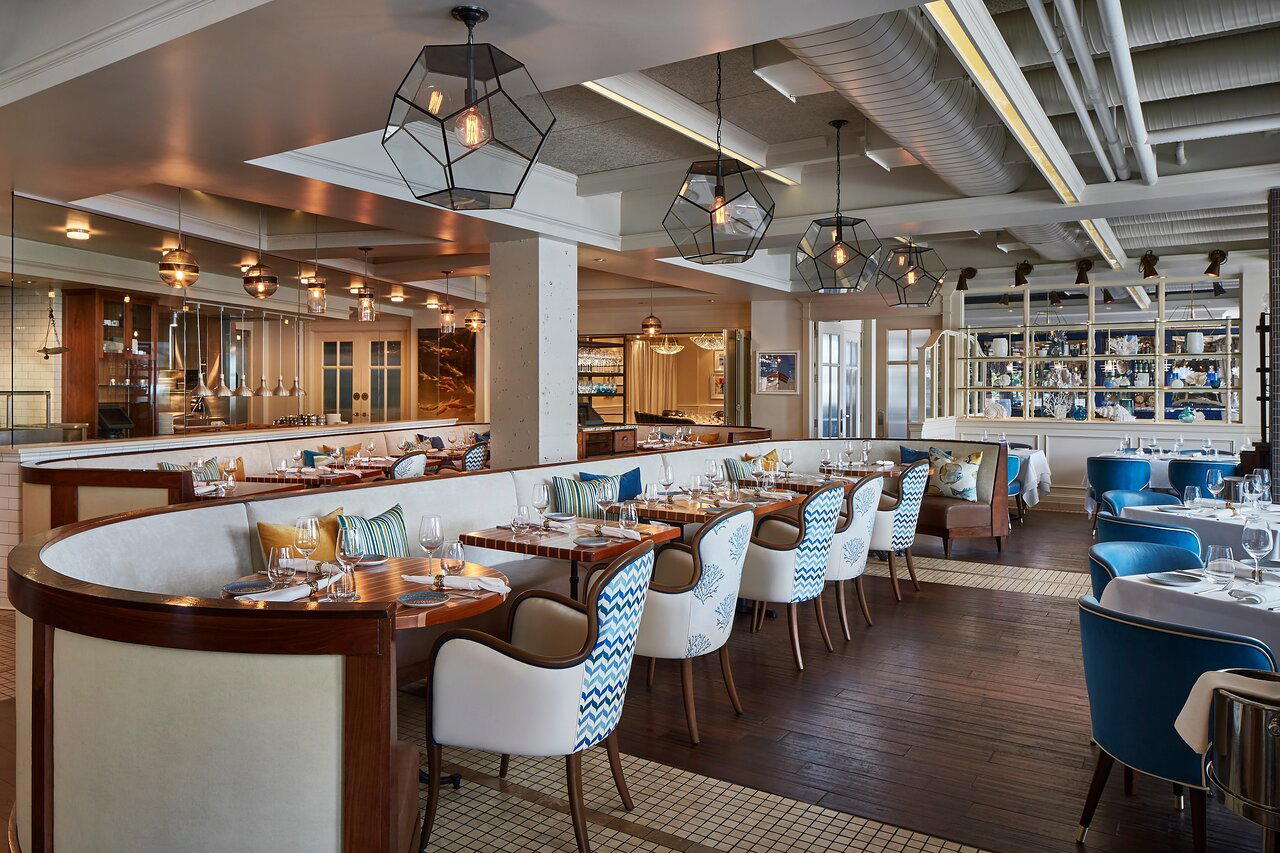
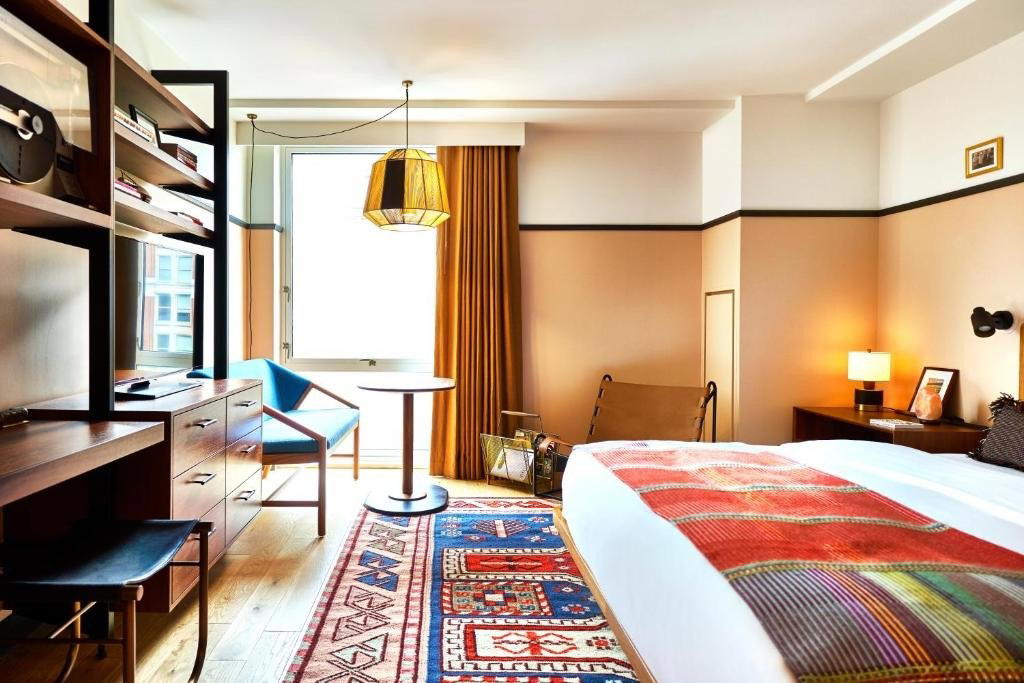
Lively yet welcoming and relaxed atmosphere with clean, comfortable dining room in earthy tones and light wood.