Quattro Osteria
This listing is retired after a June 2026 status audit found the place inactive at its stored address.
- Address
- 600 Florida Ave NW, Washington, DC 20001
- Phone
- +12024814044
- Website
- quattroosteria.com
- Directions
- Get directions
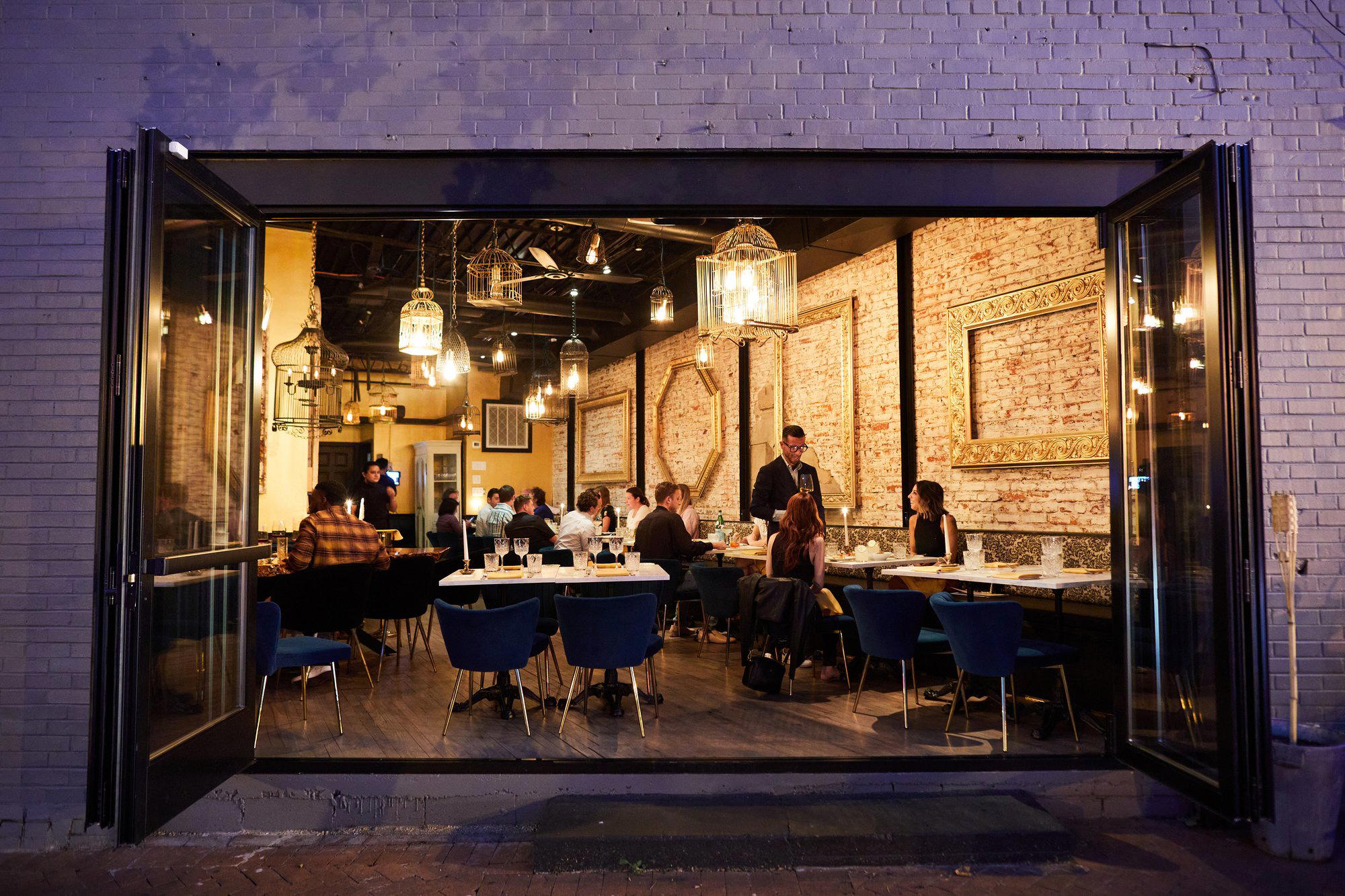
Florida Avenue and the Italian Osteria Format in D.C.
Quattro Osteria is a Modern Regional Italian restaurant at 600 Florida Ave NW in Washington, D.C.; it is priced at the three-dollar-sign level and is now permanently closed. The osteria format, smaller, more informal than a ristorante, with a wine list that does real work rather than serving as an afterthought, has taken longer to establish itself here than in comparable American cities. The Italian-American dining spectrum in D.C. has historically skewed toward either red-sauce familiarity or white-tablecloth formality, leaving a middle register underserved. That gap is where neighborhood-anchored spots like Quattro Osteria have found room to operate.
The Florida Avenue NW address matters more than it might appear on a map. The 600 block sits in a corridor that has become a reference point for D.C. dining that prioritizes craft and neighborhood roots over marquee visibility. It is the kind of address that rewards people who are paying attention to where the city's food energy is actually moving, rather than where it has historically been concentrated.
Jônt operates its contemporary French program near Dupont Circle, while minibar anchors molecular experimentation in Penn Quarter. Neighbourhood-scale restaurants with a more focused format, including Oyster Oyster and Causa, have demonstrated that the city's dining ambition is not confined to its destination-restaurant zip codes. Quattro Osteria fits inside that broader dispersal pattern.
What the Osteria Tradition Actually Means for a Booking Decision
In Italy, the osteria label historically indicated a host-driven space where the food was secondary only to the wine, and where the menu changed with what was available rather than what had been engineered for permanence. That tradition has been interpreted loosely across American cities, sometimes meaning little more than a pasta-focused casual Italian, but at its more serious end it implies a genuinely rotating kitchen and a wine selection with real editorial depth.
The Italian dining format comparison is worth making explicitly because it affects what you should expect, and therefore how you should plan. A Roman osteria operates differently from a northern Italian trattoria, which operates differently from a Neapolitan pizzeria with serious ambitions. At the more disciplined American interpretations of the format, which the name the restaurant signals, the pasta is made in-house, the secondi reflect seasonal sourcing, and the wine list is organized with enough care to reward conversation with whoever is pouring. This is a different dining proposition than the broader Italian-American restaurant category, and the reservation experience reflects that difference.
For a useful comparison at the higher-formality end of Italian dining internationally, the approach that defines spaces like 8½ Otto e Mezzo Bombana in Hong Kong, rigorous Italian technique with serious cellar depth, represents one pole of the format. The neighborhood osteria sits at a different point on that spectrum: less ceremony, more directness, and a dining room that prioritizes return visits over first impressions.
Planning the Visit: What the Florida Avenue Address Requires
The city's dining culture has tightened its reservation windows over the past several years, with slots at well-regarded neighborhood restaurants frequently filling within hours of release. This is a pattern visible across American cities, Lazy Bear in San Francisco, Atomix in New York City, and Single Thread Farm in Healdsburg all operate booking systems where the planning timeline is part of the dining proposition itself.
At the neighborhood osteria scale, the dynamic is slightly different: the lead time is typically shorter than at a destination tasting-menu counter, but the window is still real. Restaurants operating at 600 Florida Ave NW serve a local audience that books regularly, which means availability can be inconsistent and walk-in access is not reliable for weekend evenings. The practical advice is to check availability on whichever platform the restaurant uses when you first decide you want to go, rather than treating it as a spontaneous option.
Midweek reservations are materially easier to secure than Thursday through Saturday, and early seatings often have more availability than peak dinner hours. Inn at Little Washington at the high-formality end to Albi for Middle Eastern-influenced cooking closer to the Navy Yard.
D.C.'s Italian Dining Tier and Where the Osteria Format Sits
Washington's Italian dining tier has room for serious operators across several formats. The city does not have the sheer volume of Italian restaurants that New York or Chicago carries, Alinea in Chicago represents a completely different culinary tradition, but the depth of the city's restaurant ecosystem illustrates what density produces, but D.C. has become more selective rather than less ambitious. The osteria format, when executed with discipline, tends to perform well in cities where diners have become skeptical of theatrical formats and want restaurants that deliver on the fundamentals: sourcing, technique, wine, and service that does not get in the way.
Peer comparisons within D.C. at the $$$$ price bracket, which includes Causa and Albi, suggest a dining culture willing to spend seriously on cuisine that takes a specific cultural tradition as its organizing principle. The Italian osteria sits in that same conversation: a specific tradition, executed with depth, at a price point that asks for commitment from the diner.
- Address: 600 Florida Ave NW, Washington, DC 20001
- Neighbourhood: Florida Avenue corridor, between Shaw and LeDroit Park
- Format: Osteria-style Italian; expect a kitchen that reflects seasonal availability
- Comparable D.C. addresses: Oyster Oyster, Albi, Causa
Price and Recognition
Comparable venues nearby, for context on price, style, and recognition.
| Venue | Cuisine | Price | Notes |
|---|---|---|---|
| Quattro OsteriaThis venue — the venue you are viewing | Ledroit Park, Modern Regional Italian | $$$ | Not listed |
| Alta Strada Embassy Row | Not listed | $$$ | Dupont Circle, Authentic Italian Trattoria |
| All-Purpose & AP Pizza Shop | Not listed | $$ | Shaw, Italian-American pizzeria and AP Pizza Shop counter |
| Floriana | Not listed | $$ | Dupont Circle, Northern Italian Handmade Pasta |
| i Ricchi | Not listed | $$$ | Dupont Circle, Authentic Tuscan Trattoria |
| La Collina | Eastern Market, Italian-ish Osteria | $$$ | Not listed |
Continue exploring
More in Washington DC
Restaurants in Washington DC
Browse all →
Bars in Washington DC
Browse all →
Hotels in Washington DC
Browse all →

At a Glance
- Warm
- Cozy
- Elegant
- Date Night
- Special Occasion
- Open Kitchen
- Craft Cocktails
- Street Scene