The Mayflower Hotel

A Michelin Key-recognised hotel on Connecticut Avenue NW, the The Mayflower Hotel sits in Washington D.C.'s established corridor of institutional hospitality.
Pearl is the En Primeur Club membership app — saves, bookings, and concierge access live there. Same editors, same standards.
- Address
- 1127 Connecticut Ave NW, Washington, DC 20036
- Phone
- +1 202-347-3000
- Website
- marriott.com
- Directions
- Get directions
 Saves & bookings on Pearl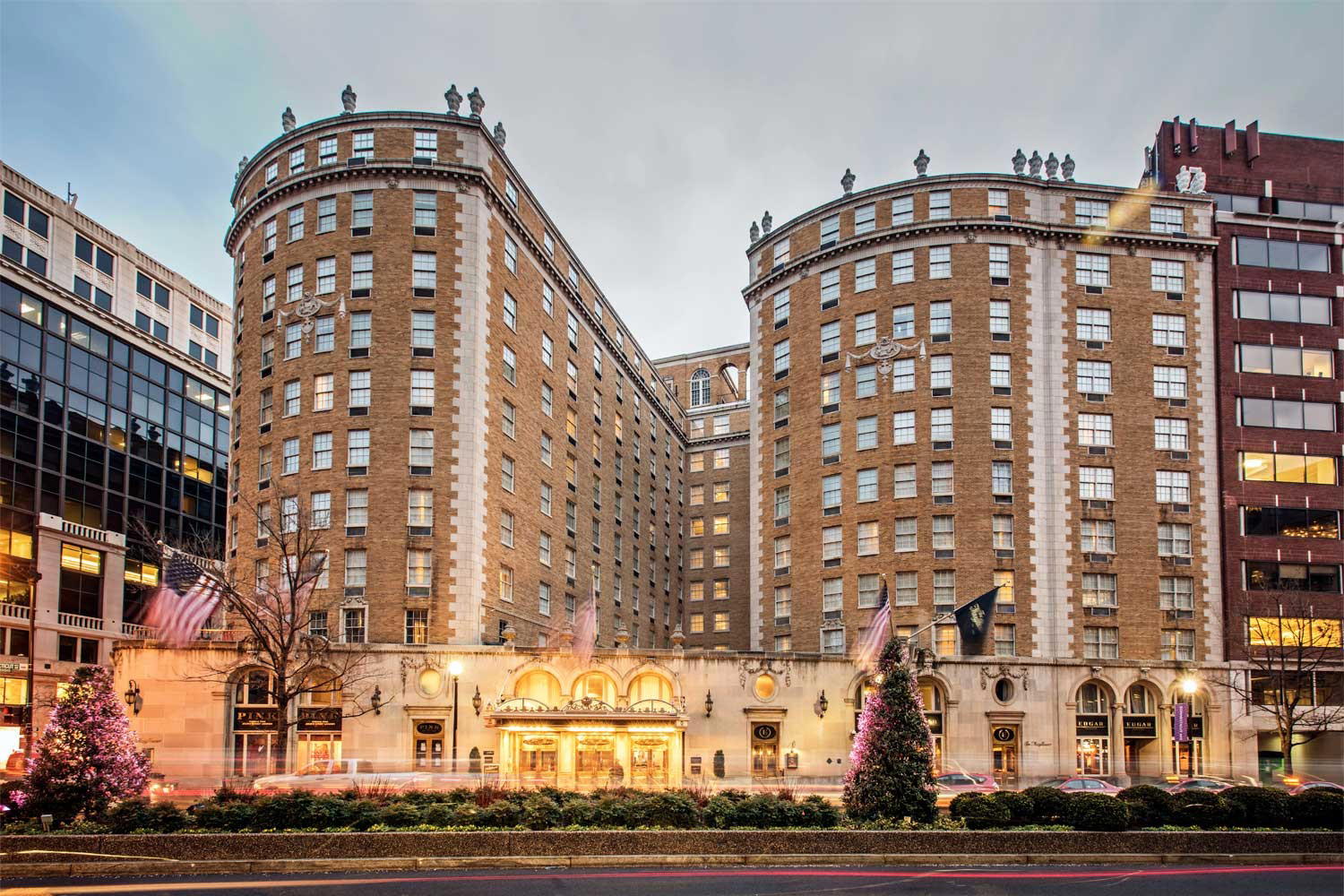
Connecticut Avenue and the Logic of Washington's Hotel Corridor
Connecticut Avenue NW runs like a spine through the capital's professional and diplomatic life, connecting Dupont Circle's residential energy to the K Street corridor where policy gets made and deals get discussed over long lunches. Hotels on this stretch have historically served a specific kind of traveller: the repeat visitor who values positioning over novelty, who books on familiarity rather than trend. The The Mayflower Hotel is a 4-star hotel in Washington, D.C. with 1 Michelin Key and a price tier of 4. The The Mayflower Hotel at 1127 Connecticut Ave NW sits squarely in that tradition, in a stretch where the city's longer-standing properties have outlasted several waves of boutique entrants. Its 1 Michelin Key recognition places it inside a select cohort of Washington properties that inspectors have deemed worthy of formal distinction, a tier that includes newer arrivals like Rosewood Washington, D.C. and The Jefferson, both of which have staked out the city's design-forward luxury end. The Mayflower occupies a different register: less about statement design, more about the weight of institutional presence.
What a Michelin Key Signals in Washington's Current Hotel Market
Michelin's hotel programme, expanded aggressively in recent years to cover North American cities, applies a framework borrowed from its restaurant work: inspectors assess quality of welcome, comfort, and overall experience against a property's own positioning, not against an abstract luxury ceiling. A single Key does not imply the same tier as a three-Key award, but it does confirm that a property has cleared the threshold for consistent, credible hospitality. In Washington specifically, the Key list skews toward properties with clear identity and reliable execution.
For context, Washington's Michelin Key properties span a wide range of formats and price positions. Pendry Washington DC at The Wharf represents the waterfront-leisure angle. The Hay-Adams Hotel, with its direct sightline to the White House, operates at the historic-prestige end. Riggs Washington DC converted a Beaux-Arts bank building into a property with strong food and beverage programming. The The Mayflower Hotel competes in a different sub-segment: the established mid-avenue property where reliability and address matter as much as any particular amenity stack.
The Sourcing Question at Connecticut Avenue Properties
Washington's hotel dining has shifted considerably over the past decade. The city's proximity to the Chesapeake Bay, the Shenandoah Valley, and a dense network of mid-Atlantic farms has pushed hotel kitchens toward more deliberate sourcing programmes. Properties that leaned on generic hotel-supply chains through the 2000s have progressively repositioned as the city's restaurant scene matured and guest expectations followed. Blue crab from the Bay, heritage pork from Virginia and Maryland producers, and seasonal produce from farms within two hours of the District now appear on menus at properties up and down the price spectrum. This shift is less about trend than about Washington finally taking its own larder seriously, the region has genuine agricultural depth that was long undervalued in hotel dining contexts.
For a property on Connecticut Avenue in this environment, the question of food and beverage positioning carries real weight. The Michelin Key system pays attention to food quality as one of several indicators of overall hospitality standard, meaning that a Key-holding hotel is expected to operate its dining with some degree of intentionality. Washington's guest base, heavily weighted toward policy professionals, lobbyists, international visitors, and repeat government-adjacent travellers, has also become more food-literate in ways that were less apparent even five years ago. Properties that ignore this shift risk feeling dated in ways that go beyond decor.
Where the The Mayflower Hotel Sits in the Washington comparable set
The upper end of Washington's hotel market has become more differentiated than it once was. A generation ago, the city's premium tier was dominated by a small number of grand properties and a handful of corporate chain flagships. That picture has fractured. Eaton D.C. has carved out a progressive, values-led identity. Salamander Washington DC brings a distinct hospitality brand to the market. The Dupont Circle Hotel holds the neighbourhood-landmark position just north of the Mayflower's location. Each of these properties has staked out a clear competitive identity. The hotel's position in this more fragmented market depends on what guests actually need from a Connecticut Avenue address: access to the city's power corridors, a recognised hospitality standard confirmed by both Michelin and sustained guest ratings, and the kind of institutional familiarity that repeat Washington visitors tend to value.
Nationally, the Michelin Key framework places the hotel in conversation with properties across different formats and geographies. The Fifth Avenue Hotel in New York City and Raffles Boston represent the urban-institutional end of the Key spectrum in other East Coast markets. Further afield, properties like Amangiri in Canyon Point, Post Ranch Inn in Big Sur, and SingleThread Farm Inn in Healdsburg hold Keys in the experiential-destination category, where sourcing and setting are the primary differentiators. The hotel's urban-corridor identity puts it in a different conversation from those resort-format properties, but the shared credential matters: Michelin's inspectors apply consistent methodology regardless of format.
Planning a Stay: What the Address Delivers
The practical case for 1127 Connecticut Ave NW comes down to positioning. Dupont Circle Metro sits within walking distance, giving access to the Red Line and connections across the system. The density of embassies, think tanks, and federal offices along this stretch means the hotel's location is genuinely functional for the professional traveller, not merely symbolic. For leisure visitors, the Connecticut Avenue address places guests within reasonable reach of the Phillips Collection, Rock Creek Park's western boundary, and the restaurant clusters around 14th Street NW and Adams Morgan without requiring significant transit time.
Washington's hotel market prices differently by season and political calendar. Inaugural periods, major congressional sessions, and large conference windows drive rates up sharply across the city's key properties. For those comparing Washington against other East Coast urban stops, Aman New York and Troutbeck in Amenia offer instructive contrasts at opposite ends of the urban-to-rural spectrum. Internationally, Aman Venice and Badrutt's Palace Hotel in St. Moritz represent the institutional-prestige format in different geographic contexts, useful benchmarks for understanding how the category translates across markets.
For American resort comparisons, Four Seasons at The Surf Club in Surfside, Hotel Bel-Air in Los Angeles, Kona Village, A Rosewood Resort in Kailua Kona, Little Palm Island Resort and Spa in Little Torch Key, Canyon Ranch Tucson, Sage Lodge in Pray, and Auberge du Soleil in Napa each occupy distinct segments of the Key-recognised American market, underscoring that the credential spans formats from urban business hotels to destination wilderness lodges.
Cuisine Lens
Comparable venues nearby, for context on price, style, and recognition.
| Venue | Cuisine | Price | Awards | Notes |
|---|---|---|---|---|
| The Mayflower HotelThis venue — the venue you are viewing | Historic luxury hotel with modern updates | $$$$ | Michelin 1 Key | Not listed |
| The Dupont Circle Hotel | Luxury boutique with mid-century homage and contemporary comfort. | $$$$ | Michelin 1 Key | Dupont Circle |
| Riggs Washington DC | Historic landmark reimagined as luxury boutique with banking heritage theme | $$$$ | Michelin 1 Key | East End |
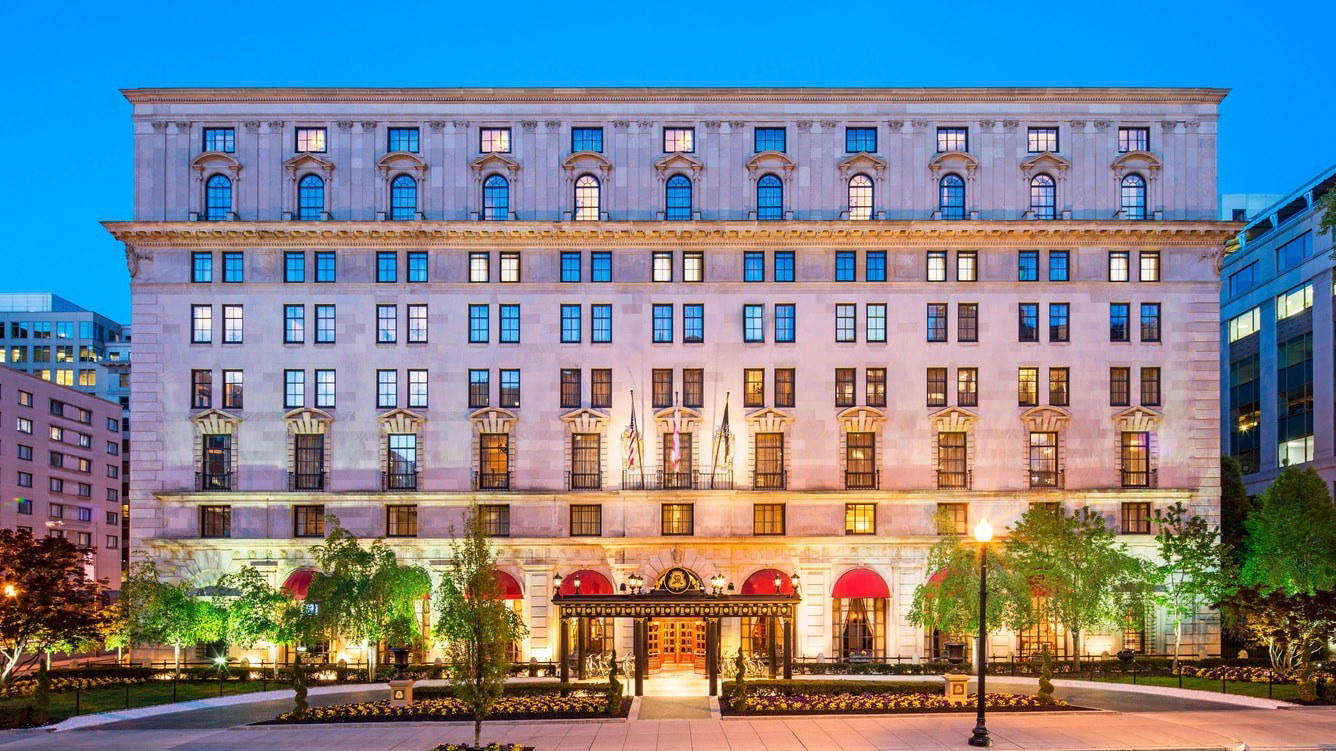
| The St. Regis Washington, D.C. | Restored historic palazzo with grand scale preservation blending classic elegance and contemporary luxury | $$$$ | 5-Star | Downtown |
| Conrad Washington, DC | contemporary urban oasis | $$$$ | 5-Star | East End |
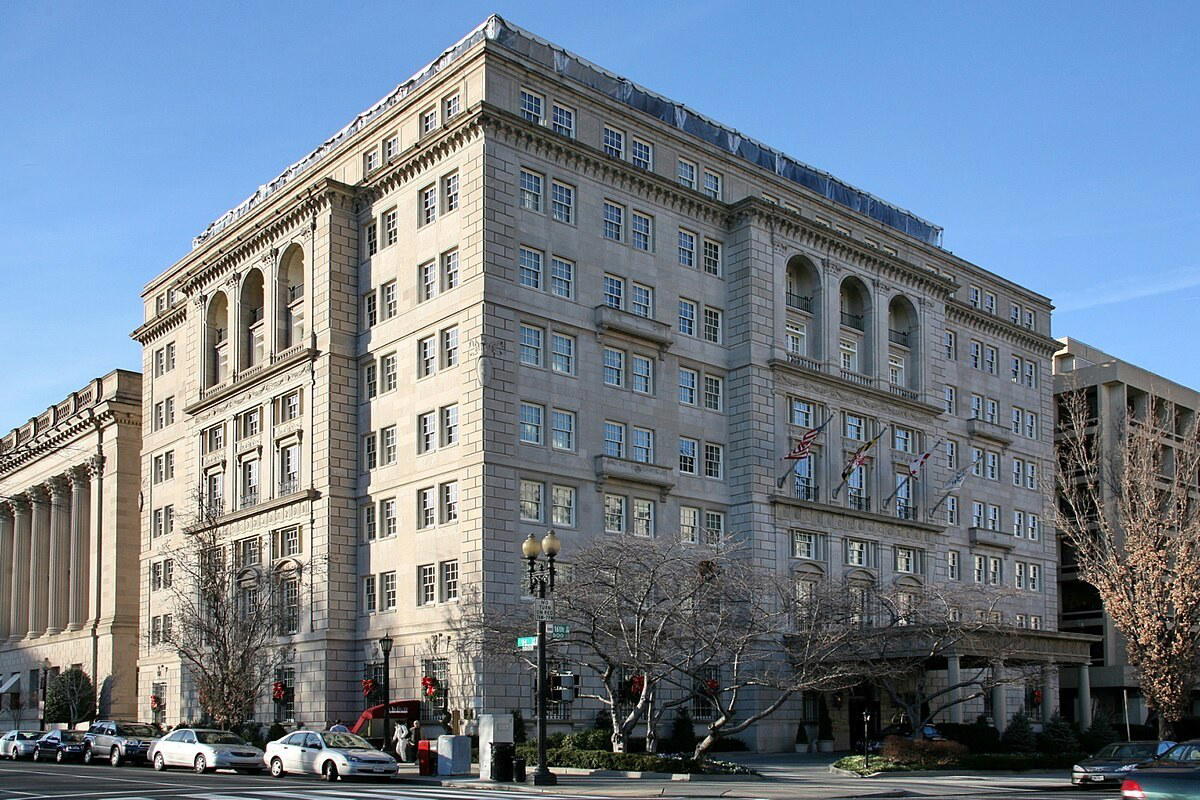
| The Jefferson, Washington, DC | Italian Renaissance landmark hotel with Old World atmosphere and contemporary luxury details; positioned as a magnet for demanding travelers, politicians, and cultural cognoscenti. | $$$$ | 5-Star | Dupont Circle |
Recognition history
Dated appearances from independent guides and award organizations, with the underlying list record or original source where available.
Michelin 1 Key
Michelin
Continue exploring
More in Washington DC
Hotels in Washington DC
Browse all →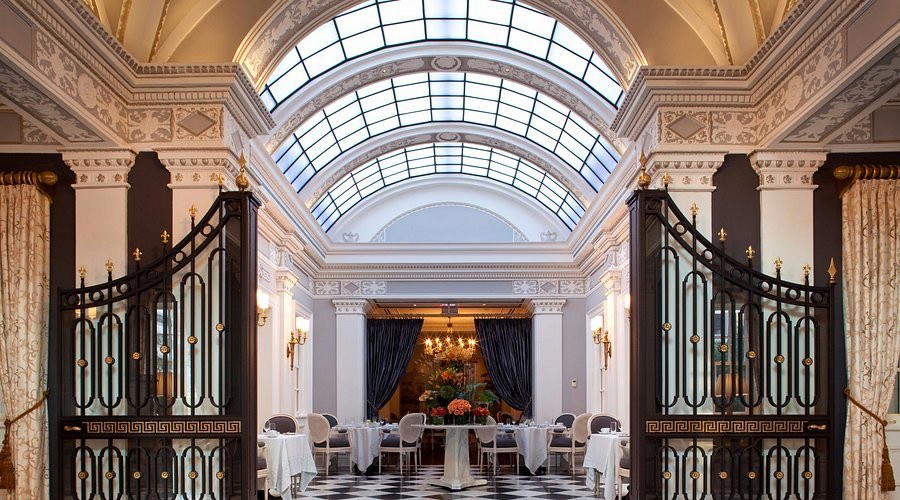
Bars in Washington DC
Browse all →
Restaurants in Washington DC
Browse all →
At a Glance
- Elegant
- Classic
- Sophisticated
- Historic
- Business Trip
- Romantic Getaway
- Weekend Escape
- Historic Building
- Wi Fi
- Fitness Center
- Room Service
- Concierge
- Business Center
- Valet Parking
- Street Scene
- Wi Fi
- Fitness Center
- Room Service
- Concierge
- Business Center
- Valet Parking
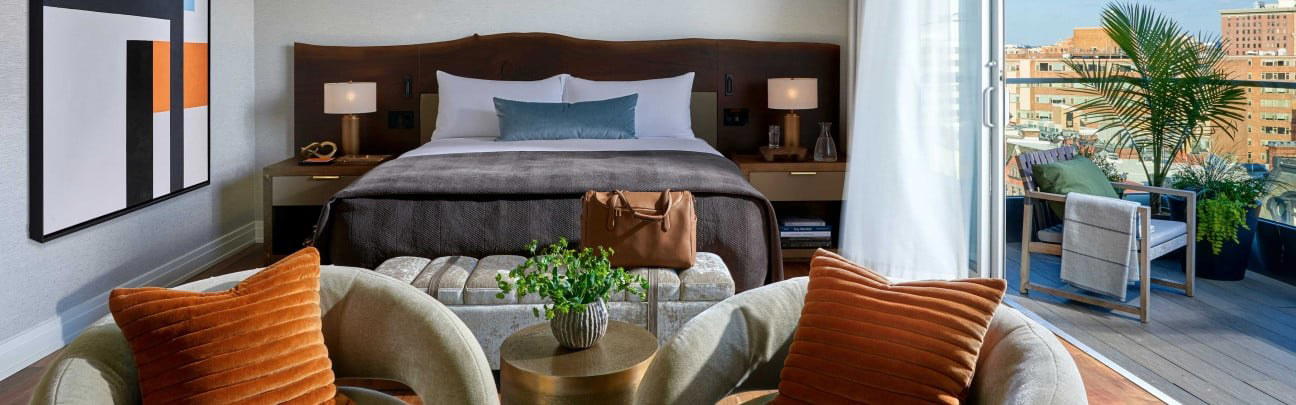
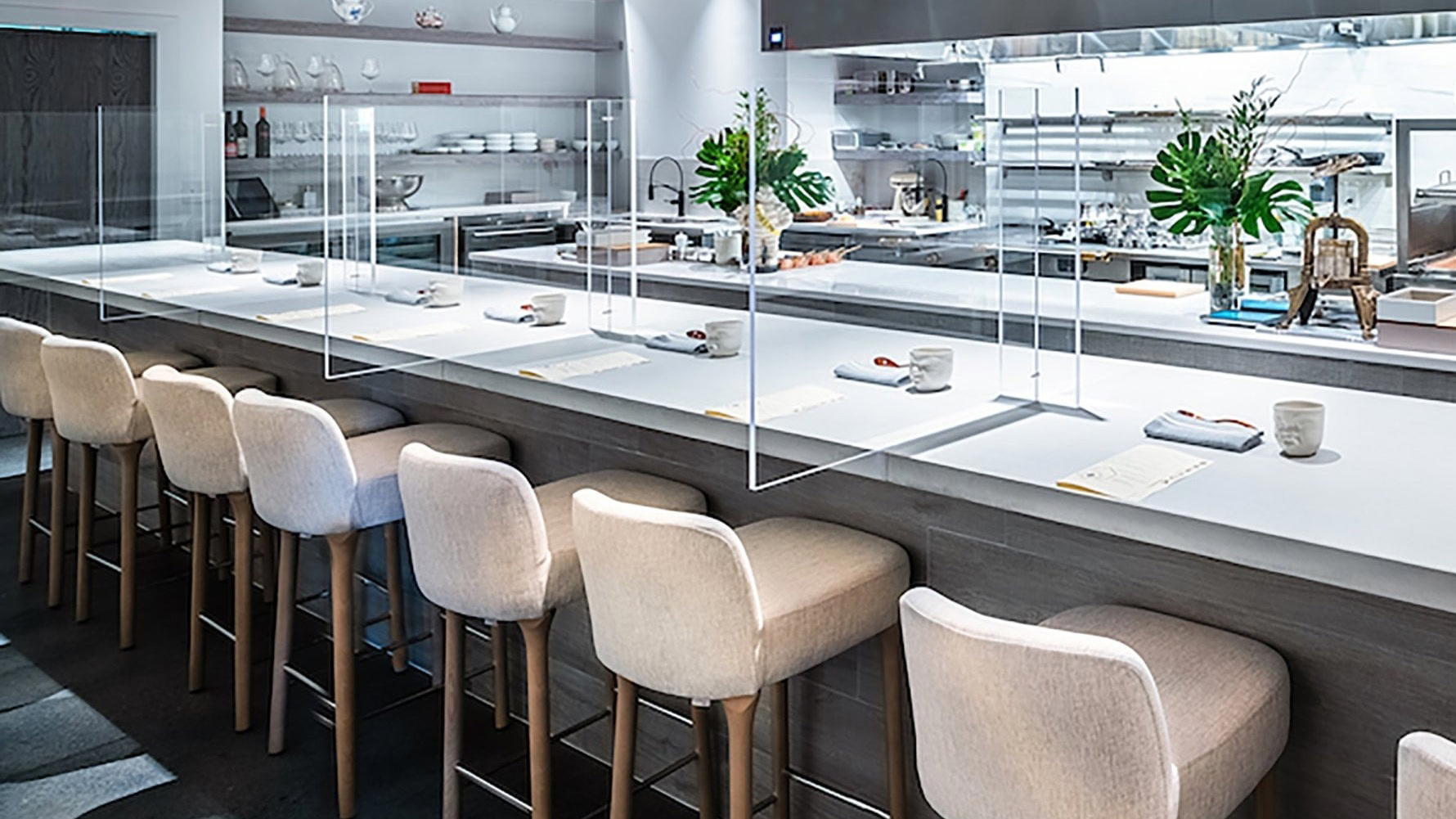
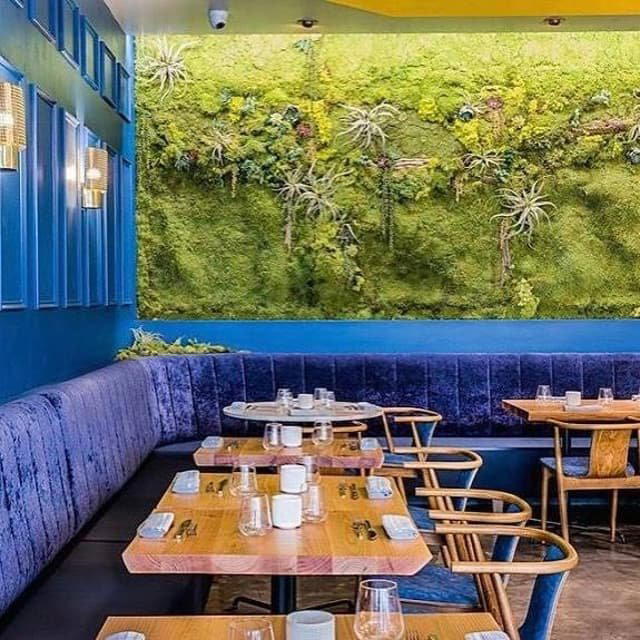
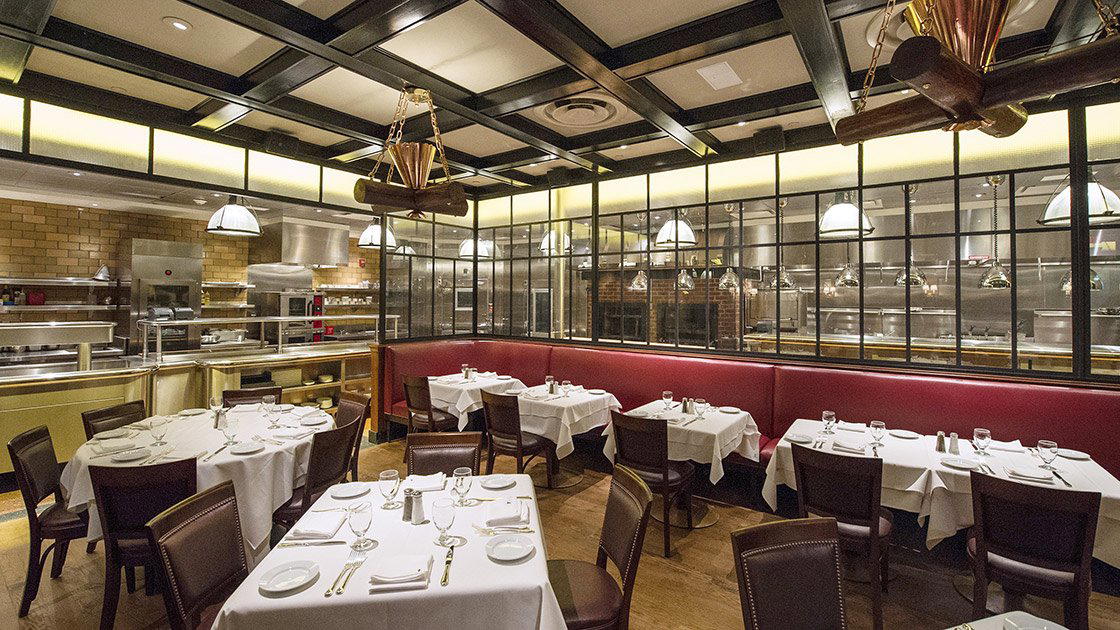
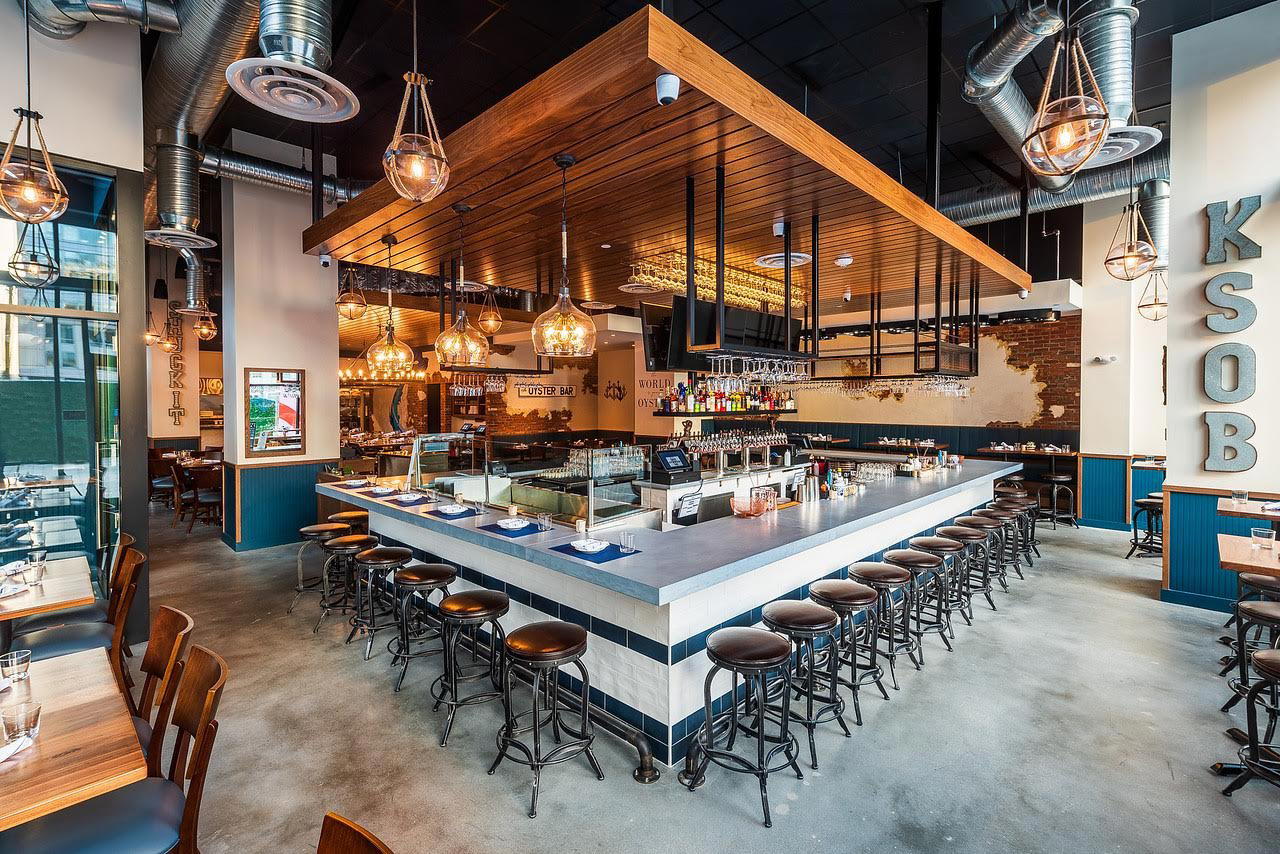
Grand historic lobby with classic décor, warm grays and jeweled tones in rooms, elegant and timeless atmosphere.