
Oishii Curry belongs to Tokyo’s newer curry conversation: compact, low-friction, and serious enough to earn Tabelog Curry TOKYO 100 selection in 2023 and 2024. In Shimokitazawa, where small rooms can carry large reputations, its appeal is less about ceremony than focus: a curry counter format with a 10-seat scale and a clear place in the city’s specialist curry tier.
Pearl is the En Primeur Club membership app — saves, bookings, and concierge access live there. Same editors, same standards.
- Address
- 2 Chome-35-5 Kitazawa, Setagaya City, Tokyo 155-0031, Japan
- Website
- instagram.com
- Directions
- Get directions
 Saves & bookings on Pearl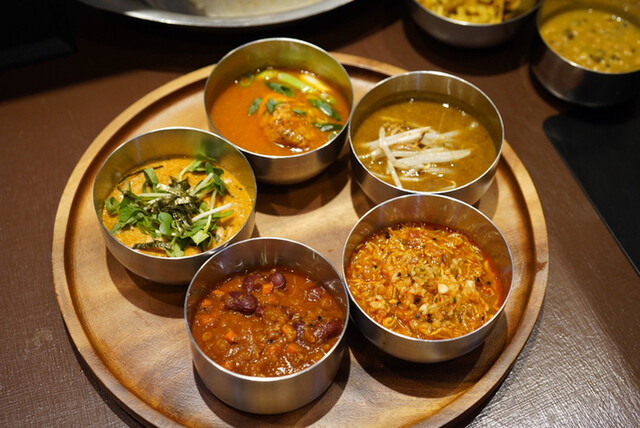
Shimokitazawa rewards small formats: lanes, record shops, basement stages, and tightly packed food rooms make scale secondary. Curry fits that ecology: quick for solo lunch, layered enough for a following, and flexible between Japanese comfort cooking and spice-led specialist kitchens. Oishii Curry sits in that shift, a compact curry address whose reputation rests on repeat recognition, not theatrics.
Tokyo curry has broadened over the past decade. The old split between yoshoku-style Japanese curry and Indian or Nepalese restaurants no longer explains the field. Specialist shops now work in smaller rooms, often with counter seating, limited menus, and sharper points of view on spice, rice, texture, and garnish. Selection for Tabelog Curry TOKYO 100 in both 2023 and 2024 matters because the category is crowded and intensely local, placing the shop in a Tokyo curry tier judged against specialists rather than general neighbourhood cafés.
Shimokitazawa's small-room curry culture suits a focused counter
The format is part of the argument. A 10-seat room, with eight counter seats and two simple table seats, belongs to the Tokyo grammar of specialist eating: ramen counters, tempura counters, tonkatsu rooms, and curry shops where turnover and concentration replace lounge-like comfort. The meal is not built for lingering over courses; it is built around a direct read of the kitchen’s curry style and the room’s pace.
That matters in Shimokitazawa, which has moved from fringe youth culture into a denser, better-connected dining zone without losing its preference for independent-feeling rooms. Station redevelopment brought easier circulation and more foot traffic, but the better food addresses still feel specific rather than generic. Curry works here because it can be casual and technically serious. Pannya CAFE CURRY operates in a similar local price bracket, while spice kitchen moona points to the area’s broader spice-cooking appetite. Oishii Curry is better read through that specialist lens than as a conventional restaurant night out.
The venue’s public trail shows the evolution: listing history indicates relocation, while the opening date traces the project to 2021. In Tokyo, a move can sharpen rather than dilute a small restaurant’s identity, especially when the audience follows a dish category rather than a dining room. The current reputation is built not on chef biography or grand narrative, but on curry-category recognition, limited capacity, and neighbourhood fit.
Tabelog Curry TOKYO 100 recognition puts the shop in a demanding local category
Tabelog’s Hyakumeiten lists are not international trophy systems; they work better as local category maps. For curry, that matters. Tokyo has enough serious curry shops that inclusion signals traction inside a specialist ecosystem, where diners compare roux density, spice profile, rice handling, portion rhythm, and queue tolerance across repeat visits. Oishii Curry’s 2023 and 2024 selections give it a clearer credential than a broad popularity claim.
The Tabelog score of 3.71 adds a useful signal, though Japanese rating culture needs calibration. On Tabelog, a high-three score can indicate meaningful local approval, especially in narrow categories where regulars are exacting and hype alone rarely sustains a shop. The number does not settle a ranking; it supports the award history: this is a curry specialist consistent enough to register beyond neighbourhood convenience.
For travellers, the point is decision-making. Tokyo’s high-end dining can require long booking windows and high fixed costs, but curry remains one of the city’s more democratic specialist categories. A serious curry stop can sit between record shopping, coffee, or bar-hopping without turning the day around, countering the omakase-heavy version of Tokyo dining often shown to visitors.
Comparison defines the category boundaries. Chukasoba KOTETSU represents adjacent noodle-counter logic: compact, focused, and inexpensive by Tokyo standards. DIALOGUE belongs to a different French dining frame, with longer-form meal expectations. Flippers, described as Japanese izakaya, sits closer to casual social dining. Curry specialists run on another axis: single-category depth, fast readability, and a dining room where the core dish carries the experience.
How to fold it into a Tokyo food day
The practical strength is flexibility. The nearest-station context is Shimo Kitazawa, making the shop easier to build into a west-side Tokyo itinerary than many destination counters. The public listing also notes no private rooms, no private use, non-smoking status, and no dedicated parking, with coin parking nearby. Payment support is unusually broad for a small specialist room, covering major credit cards, transport IC cards, and several QR payment systems.
Because the room is small, timing matters more than ceremony. Treat the meal as a focused curry stop rather than a long reservation-led occasion. Shimokitazawa works especially well with other low-commitment eating and drinking formats: a curry lunch, coffee break, casual izakaya, then a bar in another district. For a broader city scan, use Our full Tokyo restaurants guide, then branch into Our full Tokyo bars guide, Our full Tokyo hotels guide, Our full Tokyo wineries guide, and Our full Tokyo experiences guide.
Readers mapping a wider Japan food route can compare the city’s range through 3 Chome no Curry Ya San, 12/10 Shinjuku ten, 124. KAGURAZAKA (Yakitori). 鮪と炭火焼き うお炭 秋葉原店, and 2D Cafe. Beyond Tokyo, the contrast widens with -Grilled beef Sukiyaki- KAMAKURA TANUKIAN 鎌倉 たぬき庵 in Kamakura.cafe in Osaka.know in Kumamoto, (Shoku) Vietnam in Kawasaki, [Curry Senmon Ten] Maruyama Kyoju. in Sapporo, and [ki:] in Kyoto. For a trans-Pacific Japanese drinking-and-snacking thread, Jōdo Saké Bar in Los Angeles and Onigiri Time in Pasadena show how the casual Japanese format travels outside Japan.
The editorial read is simple: the restaurant is not a luxury detour, and that is the advantage. It belongs to the part of Tokyo dining where repetition, category discipline, and neighbourhood momentum create authority. In a city often reduced to grand counters and trophy bookings, a compact curry specialist with back-to-back Tabelog category selection gives a more grounded reading of how Tokyo actually eats.
Snapshot
Comparable venues by cuisine and price in the same metro.
| Venue | Cuisine | Price | Notes |
|---|---|---|---|
| Oishii CurryThis venue — the venue you are viewing | Japanese Curry House | $ | Not listed |
| Oiwake Dango Honpo Shinjuku honten | Traditional Japanese dango & wagashi cafe | $ | Shinjuku |
| Hagakure | Udon and curry udon izakaya | $ | Minato |
| 福田家 | Japanese Conveyor Belt Sushi | $ | Chiyoda |
| UCHOUTEN | Yoshoku (Japanese-style Western) hamburger steak | $ | Toshima |
| Sabameshi no Sabashou | Japanese saba-focused cafeteria | $ | Chiyoda |
Recognition history
Dated appearances from independent guides and award organizations, with the underlying list record or original source where available.
Tabelog 100 #43 · No. 43
Tabelog · Tabelog 100 - Curry - TOKYO - 2024














At a Glance
- Cozy
- Trendy
- Intimate
- Solo
- Casual Hangout
- After Work
- Standalone
Current opening hours
- Monday
- 11:30 AM–4 PM
- Tuesday
- 11:30 AM–4 PM
- Wednesday
- 11:30 AM–4 PM, 6–9 PM
- Thursday
- 11:30 AM–4 PM, 6–9 PM
- Friday
- 11:30 AM–4 PM, 6–9 PM
- Saturday
- 11:30 AM–8 PM
- Sunday
- 11:30 AM–8 PM
Hours can change for holidays and private events. Last verified .
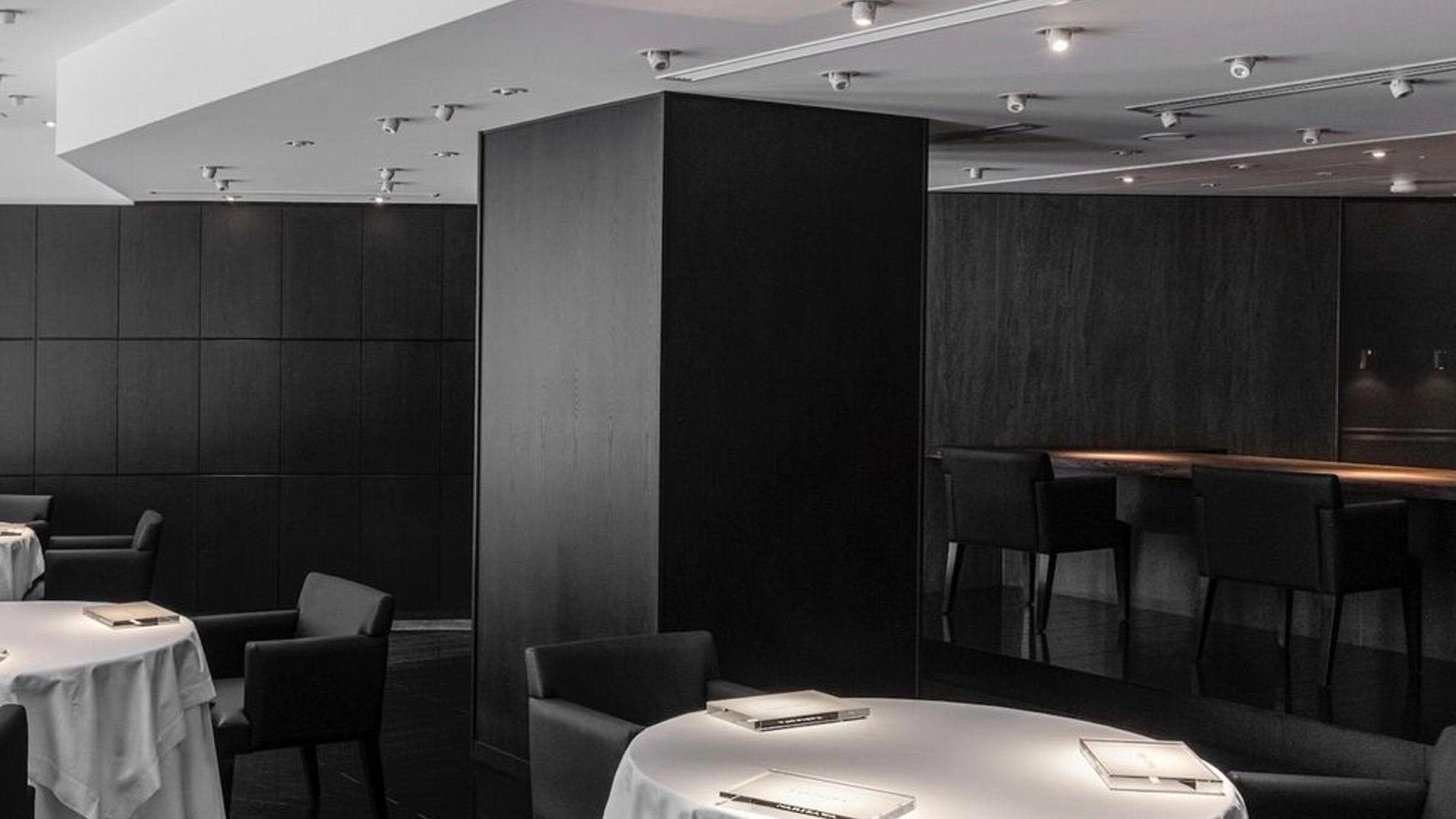
A small, counter-focused curry shop with only ten seats, casual and relaxed with an intimate feel, more about fragrant spices and a focused food experience than decor or design.