Our verdict
The setting, the format, and the pace operate on their own terms, independent of whatever the contemporary dining circuit is doing this season.

Pearl is the En Primeur Club membership app, where members save venues, book tables and use the concierge.
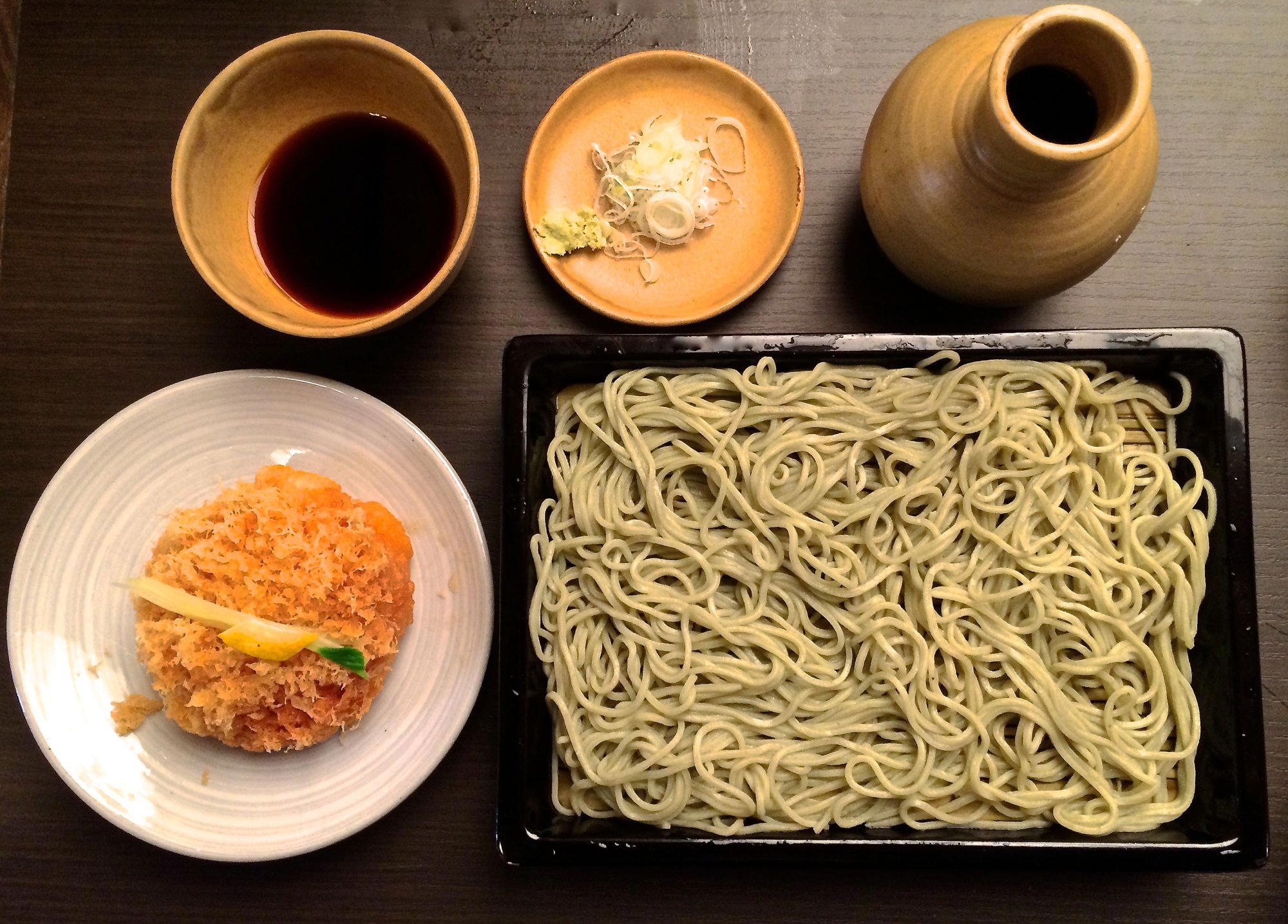
The Drink Dimension: What Gets Poured Alongside Old Soba
Kanda Yabu Soba is not a wine destination. The sommelier model doesn't apply here; instead, the house makes long-term choices about breweries that align with the food's register.enprimeurclub.enprimeurclub. Beneath and alongside it runs a parallel world of category specialists, many of them operating on similar time-depth, where the craft is measured in generational continuity rather than annual guide rankings. Kanda Yabu Soba belongs to this second category, and it's a category that serious visitors to the city consistently underweight. The omakase counters, including HAJIME in Osaka and akordu in Nara represent the fine dining register in their respective cities, while Goh in Fukuoka points to the regional diversity that rewards travelling beyond the main urban corridor. Our Le Bernardin has maintained its standard across decades, and in San Francisco, where Lazy Bear represents the opposite pole: a format built entirely in the contemporary moment. That said, the establishment's profile in the city means queues form at peak lunch and dinner periods, particularly on weekends and during shin-soba season in autumn. Arriving early in a service period is the practical approach. Dress code expectations align with the setting: smart-casual is appropriate, formal attire is unnecessary and slightly misaligned with the room's character.
Frequently asked questions
Does Kanda Yabu Soba work for a family meal?
The format is accessible for family groups. Traditional soba-ya of this type in Chiyoda City tend toward simple, shared ordering rather than elaborate tasting structures, which suits mixed-age tables. The main practical consideration is that English-language menus are not standard at establishments with this level of historical depth, so some preparation or translation assistance is advisable.
Is Kanda Yabu Soba better for a quiet night or a lively one?
The register sits firmly toward the quiet end. Soba-ya culture in Tokyo, particularly at houses with roots in the Edo period, is built around efficiency, restraint, and the ritual of the meal itself rather than ambient energy. Kanda Awajicho is a working district rather than a nightlife corridor, which reinforces that atmosphere.
How does Kanda Yabu Soba relate to other Yabu-school soba restaurants in Tokyo?
Kanda Yabu Soba is the founding house of the Yabu school, meaning the other Yabu-lineage establishments across Tokyo trace their technical tradition and stylistic identity back to this address in Chiyoda City. The distinction matters when comparing soba restaurants: lineage in this tradition functions similarly to apprenticeship in sushi or ramen, indicating a direct transmission of technique rather than a loose stylistic affiliation.
What's the signature dish at Kanda Yabu Soba?
The defining reference point is the Yabu school's soba style: thin, pale noodles made from lighter-spectrum buckwheat, a technical profile that distinguishes it from the coarser, earthier styles found elsewhere in Tokyo. Kanda Yabu Soba is the originating house of this school, meaning the preparation here sets the standard against which other Yabu-lineage restaurants are measured.
What's Kanda Yabu Soba's location?
Kanda Yabu Soba is located at Japan, 〒101-0063 Tokyo, Chiyoda City, Kanda Awajicho, 2 Chome−10, Tokyo.
Do I need a reservation for Kanda Yabu Soba?
Traditional soba-ya in Tokyo of this type do not generally operate the months-ahead booking systems common to the city's omakase counters or kaiseki rooms. Walk-in dining is part of the format's logic. That said, peak lunch periods and weekend queues at historically significant houses in Kanda can extend wait times, so arriving outside core hours is a practical approach.
What makes Kanda Yabu Soba worth seeking out?
Kanda Yabu Soba is the originating house of the Yabu soba school, a specific and historically grounded style within Tokyo's buckwheat noodle tradition. In a city where soba establishments number in the thousands, being the source institution of a named school is a verifiable distinction rather than marketing positioning. The Kanda district itself developed its food identity during the Edo period, giving the address genuine historical context that most restaurants in Tokyo's internationally recognised dining tier cannot match.
At-a-Glance Comparison
Comparable venues nearby, for context on price, style, and recognition.
| Venue | Cuisine | Price | Awards | Notes |
|---|---|---|---|---|
| Kanda Yabu SobaThis venue (the venue you are viewing) | Edo-Style Soba | $10–20 | Not listed | Not listed |
| Ayu Ramen Plus (鮎ラーメンプラス) | Traditional Ayu Ramen | $1–10 | Not listed | Toranomon |
| TOKYO LIGHT BLUE HONGO-3 | Standing Sanuki udon & tempura | $1–10 | Tabelog 100 #33 | Bunkyō |
| Maihama | Japanese Izakaya | Not listed | Tabelog 100 #77 | Minato |
| Koukai Bou | Classic Tokyo ramen & tsukemen | $10–20 | Tabelog 100 #18 | Kōtō |
| Jikasei Sanuki Udon to Niku Jinza Daimon ten | Sanuki udon & meat (Jinza Daimon) | $1–10 | Tabelog 100 #28 | Minato |
Continue exploring
More in Tokyo
Restaurants in Tokyo
All restaurants in Tokyo →

Bars in Tokyo
All bars in Tokyo →

Details
- Classic
- Well Known
- Rustic
- Elegant
- Casual Hangout
- Business Dinner
- Solo
- Historic Building
- Open Kitchen
- Courtyard
- Local Sourcing
- A La Carte
- Counter Dining
- Vegetarian Friendly
Current opening hours
- Monday
- 11:30 AM–8:30 PM
- Tuesday
- 11:30 AM–8:30 PM
- Wednesday
- Closed
- Thursday
- 11:30 AM–8:30 PM
- Friday
- 11:30 AM–8:30 PM
- Saturday
- 11:30 AM–8:30 PM
- Sunday
- 11:30 AM–8:30 PM
Hours can change for holidays and private events. Hours as of .
Traditional Japanese setting with refined courtyard and table seating; relaxed atmosphere with authentic Edo-era aesthetic; rebuilt in 2014 while maintaining historical character.