Our verdict
Chofu and the Question of Quiet Precision There is a category of Japanese dining room that reveals itself only to those who already know to look. Not in the sense of a hidden address, but in the sense of earned attention: a place where the room...

Pearl is the En Primeur Club membership app — saves, bookings, and concierge access live there. Same editors, same standards.
- Address
- Japan, 〒182-0024 Tokyo, Chofu, Fuda, 1 Chome−50−1 マートルコート調布第3
- Phone
- +815031774055
- Hours
- Daily 6–10:30 PM
- Website
- sound.jp
- Directions
- Get directions
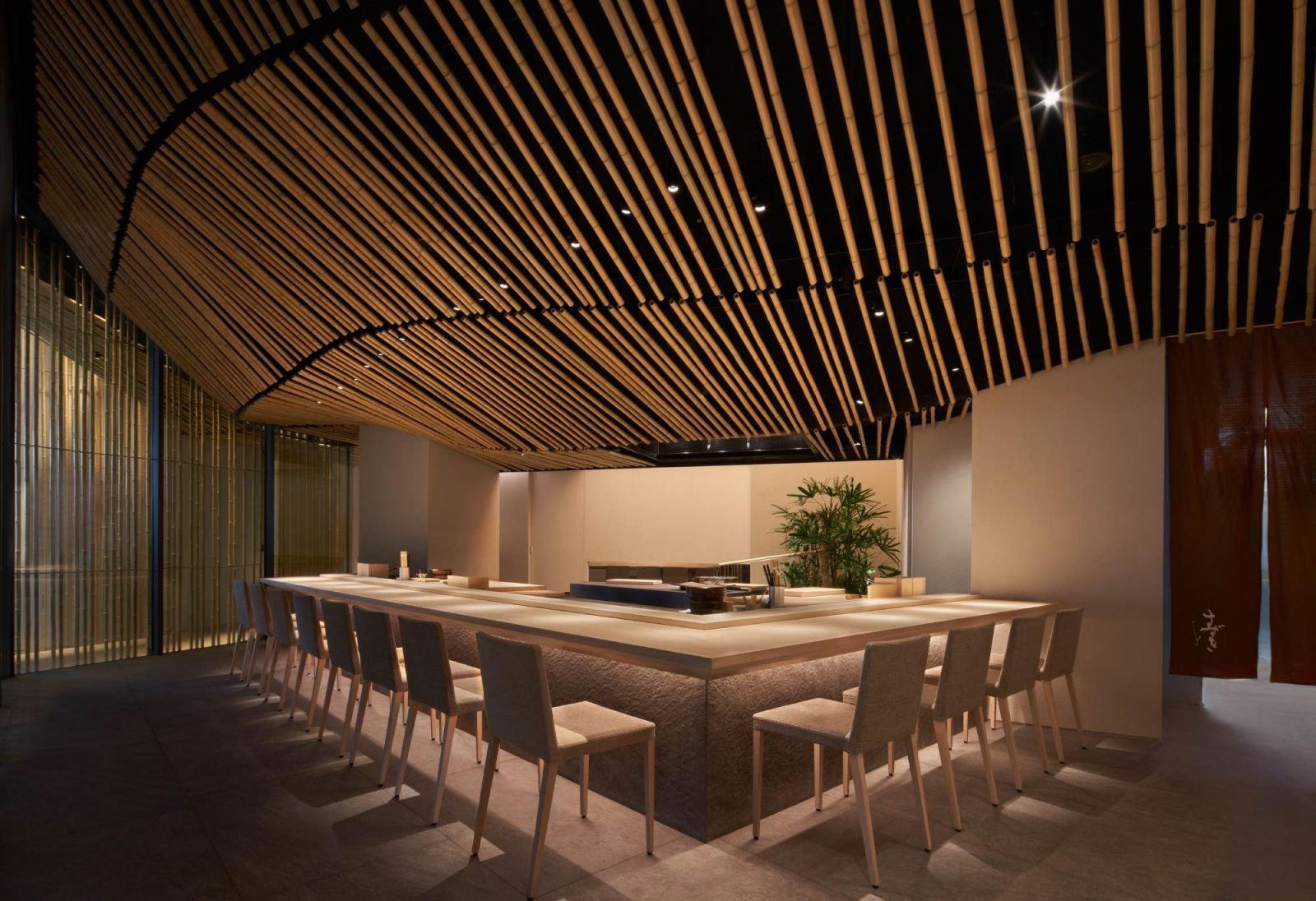
Chofu and the Question of Quiet Precision
There is a category of Japanese dining room that reveals itself only to those who already know to look. Not in the sense of a hidden address, but in the sense of earned attention: a place where the room, the sourcing, and the sequence have been calibrated for a guest who is paying close enough attention to notice. Chofu, a residential city on the Keio Line roughly twenty minutes from Shinjuku by express, produces exactly this kind of room. The Fuda district, where Suzuki operates, sits away from the transit-heavy commercial zones that funnel most visitors toward central Tokyo. Arriving here requires a decision. That decision tends to filter the clientele.
The approach to Suzuki from Chofu Station is a passage through low-rise streetscapes, independent shops, and the kind of neighbourhood tempo that Tokyo's inner wards traded away decades ago for density and visibility. The restaurant itself occupies a building in the Fuda 1-chome block. There is no performance at the threshold. The signal is internal: the quality of the silence when the door closes behind you, and the degree to which the room has been considered rather than decorated.
Where Ingredient Sourcing Becomes the Editorial Position
In Japan's premium dining sector, ingredient sourcing is rarely a talking point because it is assumed to be a given. At the tier where kaiseki tradition and its contemporaries operate, suppliers are long-term relationships, not seasonal marketing angles. What distinguishes individual restaurants within that tier is how sourcing decisions shape the menu's internal logic. The question is not whether the fish is Tsukiji-quality or whether the rice is named-prefecture origin. The question is whether the progression of courses reflects a coherent argument about what ingredients in a given season are actually doing.
Chofu's position within the greater Tokyo dining ecosystem reinforces this kind of focus. Restaurants in residential outer wards cannot depend on walk-in traffic or tourism positioning the way that Ginza or Shinjuku venues can. They are sustained by repeat clientele and word-of-mouth within a specific network. For sourcing-led kitchens, this is structurally advantageous: it allows menus to respond to ingredient availability rather than expectation management. If the Hokkaido sea urchin is exceptional in a given week, the menu bends toward it. If the Kyoto-region vegetables arriving that morning are the story, the kitchen follows that story. For comparison, Gion Sasaki in Kyoto operates under a similar logic, where seasonal availability shapes the course sequence rather than the reverse.
This is a meaningfully different operating posture from destination restaurants in high-visibility districts, where menus are often fixed further in advance to accommodate the booking lead times that international recognition demands. At Harutaka in Tokyo, for instance, the discipline of the sushi counter format creates its own constraints on sourcing flexibility. Counter sushi and kaiseki-adjacent formats make different bets. Suzuki, in Chofu, makes the residential-ward bet: smaller reach, higher ingredient fidelity.
The Outer-Ward Position in Tokyo Dining
Tokyo's dining reputation is built largely on what happens inside the Yamanote Line or along the central Keio and Odakyu corridors near Shinjuku. Chofu sits beyond that gravitational pull, which means that restaurants here are assessed differently by the local clientele than by the broader Tokyo dining press. In Japan, this geographic displacement carries a particular kind of credibility: a restaurant that draws regulars to Chofu from inside the Yamanote zone has made a case for itself that a Ginza address cannot make on geography alone.
Within Japan's regional restaurant culture, this pattern repeats. Goh in Fukuoka built its reputation outside Tokyo entirely, and HAJIME in Osaka operates in a city that positions its dining identity in deliberate contrast to the capital's conventions. Chofu is not Osaka, and Suzuki is not making a civic argument. But the structural logic is similar: restaurants that earn their clientele through the food rather than the address tend to develop a different relationship with sourcing and seasonality than those whose occupancy is driven by location visibility.
For the traveller arriving from outside Japan, the practical implication is that reaching Suzuki requires a separate trip from central Tokyo, not a diversion from a hotel in Minato or Shibuya. The Keio Line from Shinjuku to Chofu runs frequently and the journey is roughly twenty minutes on the limited express. This is not an obstacle for a guest who has planned accordingly, but it is worth factoring into a day's logistics. For further guidance on navigating Tokyo's wider restaurant scene, our full Chofu restaurants guide maps the local options in more detail.
Placing Suzuki in Its Peer Context
The Fuda address and the residential-ward operation suggest a clientele that returns regularly rather than one that is driven by destination bookings. This is a different commercial model from the one that sustains three-Michelin-star omakase counters in Ginza, where international demand and multi-month booking windows dominate the calendar.
For reference on what the top tier of Tokyo-proximate dining looks like in structural terms, Harutaka offers a clear data point: a counter that operates at the intersection of high sourcing standards and sustained critical recognition. Suzuki in Chofu operates in a different register, one where the absence of that kind of public record is part of the positioning rather than a gap in the evidence.
For travellers building a Japan itinerary that extends beyond the usual Tokyo-Kyoto corridor, the restaurants that operate at this quieter frequency often deliver a more direct encounter with ingredient-led cooking than the venues whose reservations require a dedicated concierge and six months of lead time. bodai in Nachikatsuura and Bistro Ange in Toyohashi are two further examples of regional restaurants that reward the effort of reaching them on their own terms.
Planning a Visit
Chofu is accessible from Shinjuku on the Keio Line limited express; the journey takes approximately twenty minutes and runs at frequent intervals throughout the day and evening. Visitors staying in central Tokyo should budget for a round trip as part of an evening out, given that Chofu's dining options do not constitute a full dining district in the way that Shibuya or Ginza do. This applies equally to dress code and seating format, neither of which we are able to confirm from available data.
Frequently asked questions
Is Suzuki suitable for children?
Suzuki's address in the Fuda district of Chofu places it in a residential ward context, and restaurants of this type in western Tokyo typically orient toward adult guests who are focused on the meal itself. The composed, precision-led atmosphere that defines this outer-ward dining category is generally better suited to older or particularly well-prepared younger visitors. If bringing children, contacting the venue directly in advance is advisable.
What's the overall feel of Suzuki?
The Fuda district address in Chofu sets the tone: this is residential western Tokyo, not a high-visibility dining corridor. Restaurants operating at this remove from the central circuit tend toward a composed, low-distraction format where the focus falls on the food and the room's own logic rather than on ambient spectacle. Chofu itself runs at a quieter register than the inner wards, and Suzuki's positioning reflects that.
Does Suzuki's Chofu location make it harder to reach from central Tokyo?
Not significantly. Chofu sits on the Keio Line limited express from Shinjuku, with the journey running approximately twenty minutes at frequent intervals. The Fuda district address is walkable from Chofu Station, placing Suzuki within straightforward reach of central Tokyo without the commute penalty that outer-ward locations sometimes carry.
What part of town is Suzuki in?
Suzuki is located at Japan, 〒182-0024 Tokyo, Chofu, Fuda, 1 Chome−50−1 マートルコート調布第3, Chofu.
Can I walk in to Suzuki?
Walk-in availability at precision-led dining rooms in Chofu's residential wards is generally limited. Outer-ward Japanese restaurants at this positioning tend to run on reservations, partly because they operate for a local regular base that books ahead and partly because covers are often small. Arranging a reservation before visiting Chofu is the safer approach.
At-a-Glance Comparison
Comparable venues nearby, for context on price, style, and recognition.
| Venue | Cuisine | Price | Awards | Notes |
|---|---|---|---|---|
| SuzukiThis venue — the venue you are viewing | Japanese Seafood Kappo | $50–100 | Not listed | Not listed |
| Shibata (中華そば しば田) | Traditional Chuka Soba | $10–20 | Tabelog 100 #22 | Komae |
| Grill & Dining G | Grill & Dining with Local Japanese Seafood and Meats | Not listed | Not listed | 白浜町 |
| OLU Grill (オールーグリル) | Okinawan Grill | Not listed | Not listed | 読谷村 |
| Tachigui Sushi Yusho | Standing Sushi | $20–30 | Not listed | Kanazawa Port |
| Takasaki no Okan | Hot Sake Pairing Omakase | $150–200 | Not listed | Ikejiri Ohashi, Meguro |
Continue exploring
More in Chofu
Restaurants in Chofu
Browse all →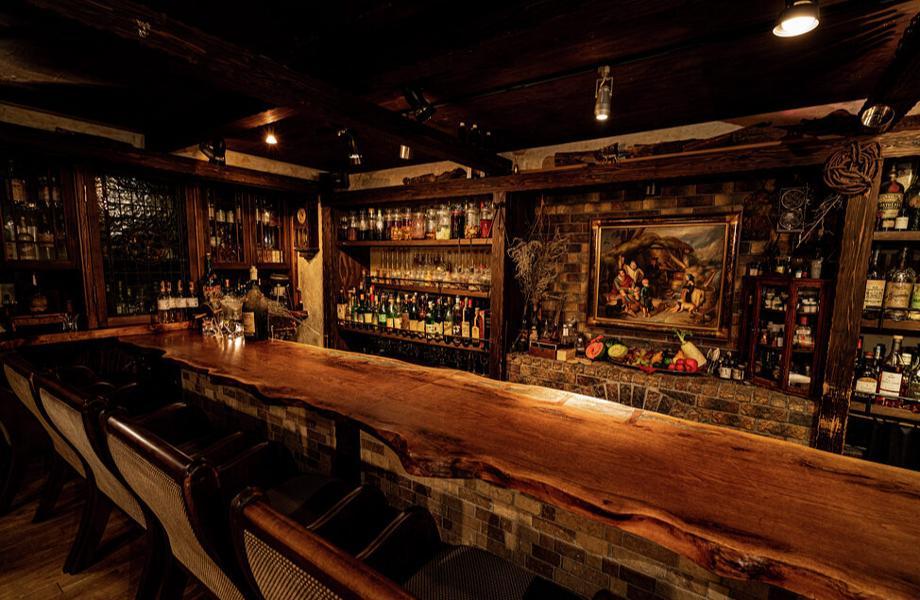
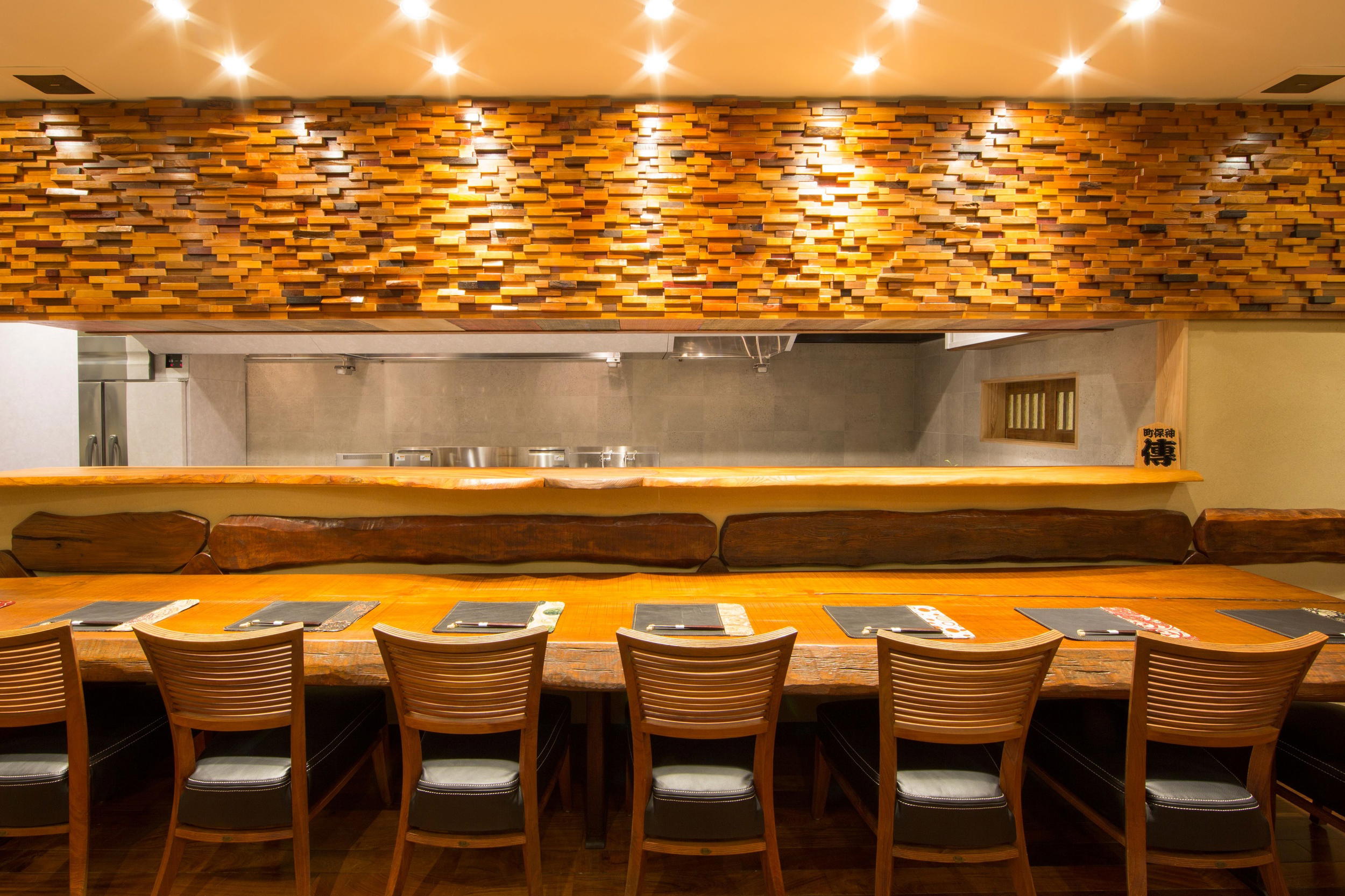
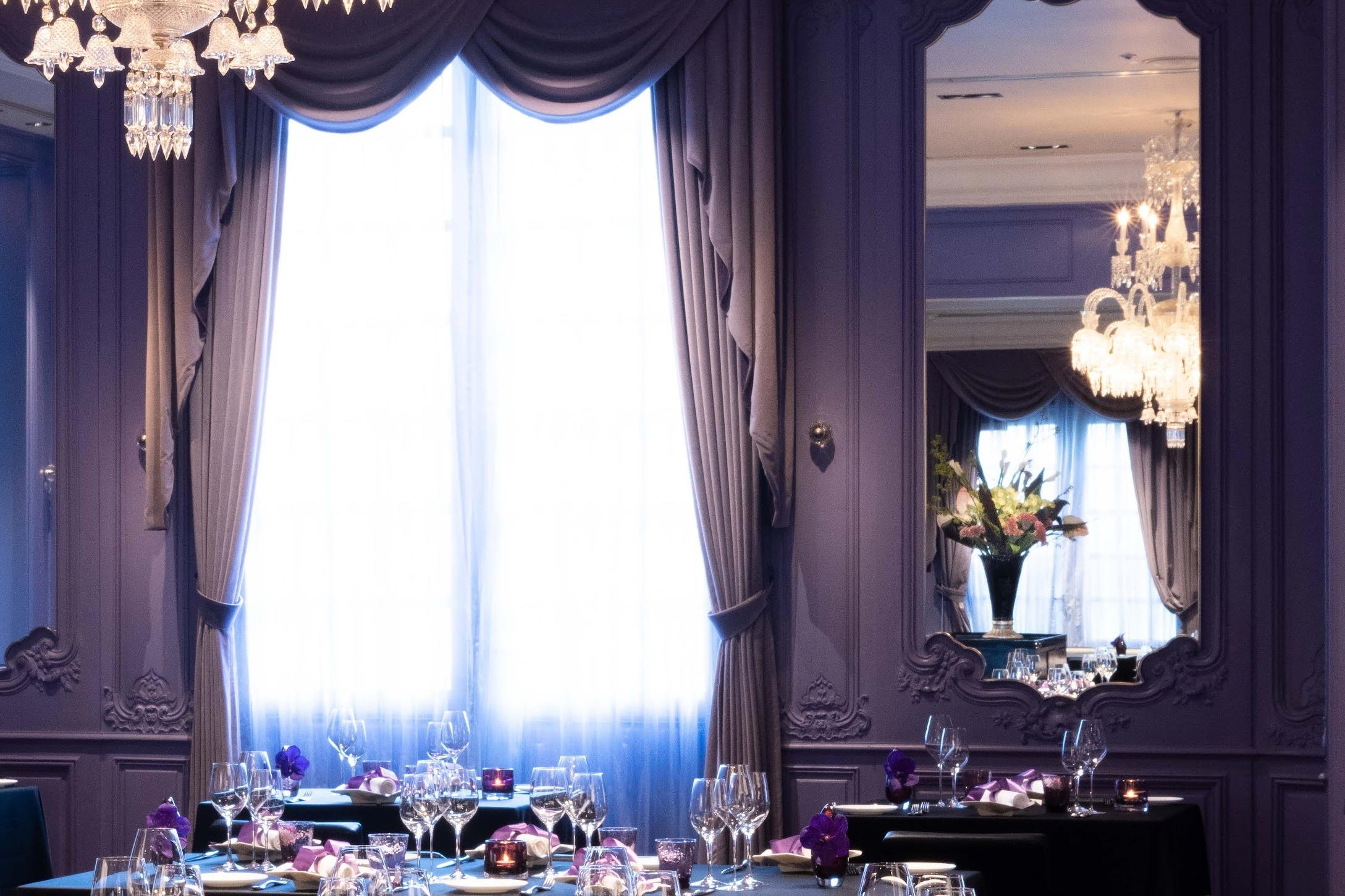
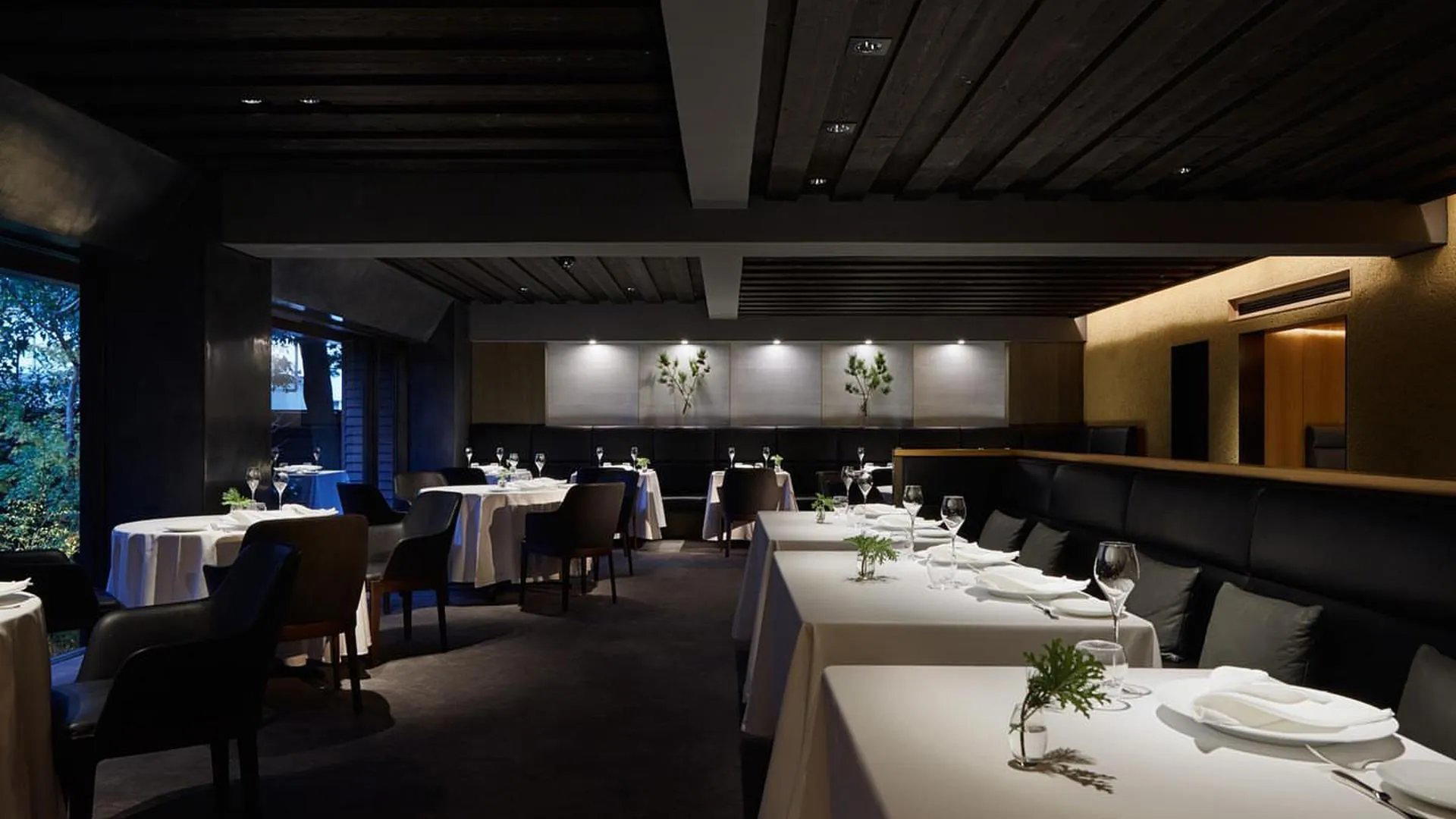
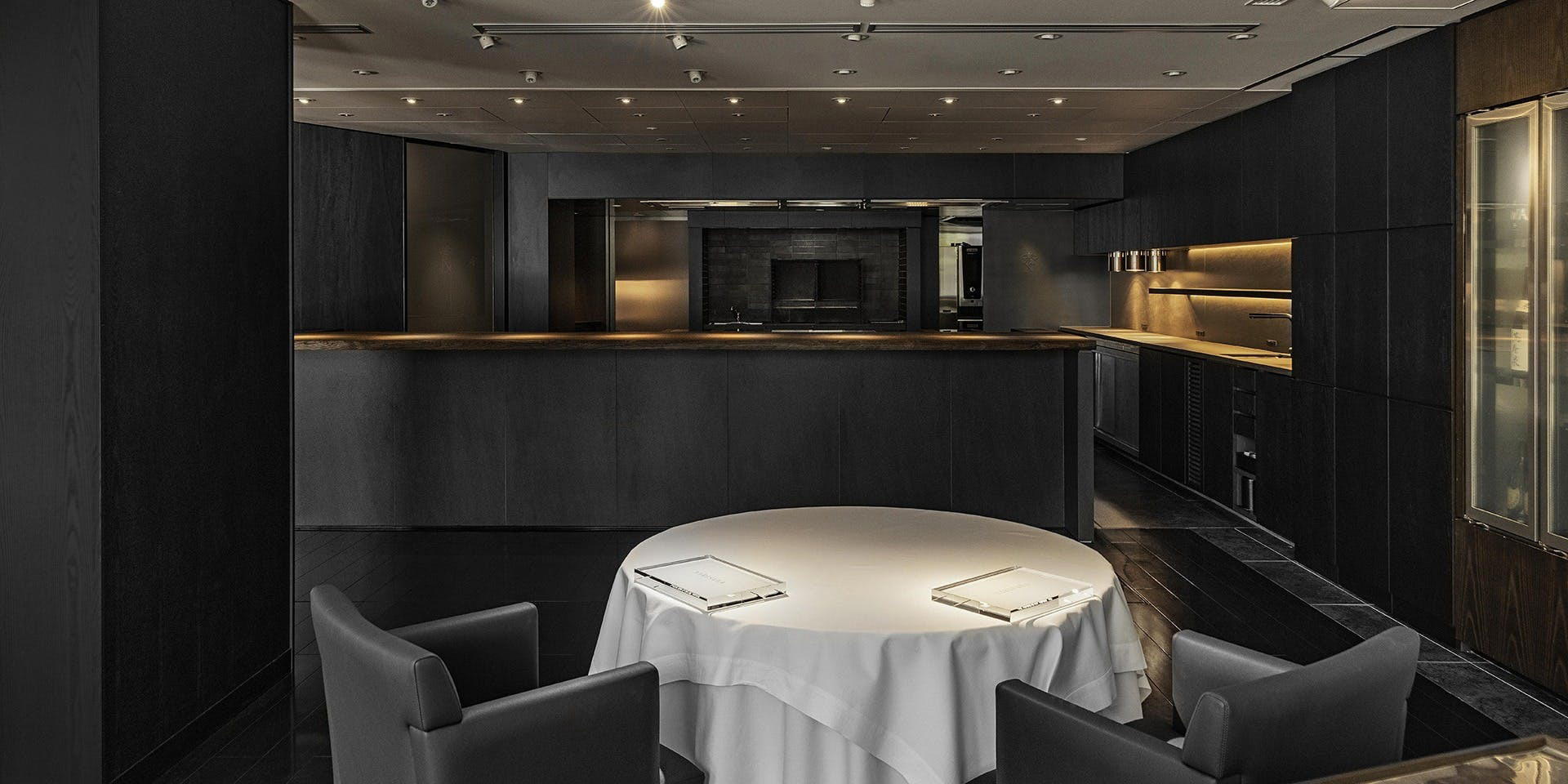
Bars in Chofu
Browse all →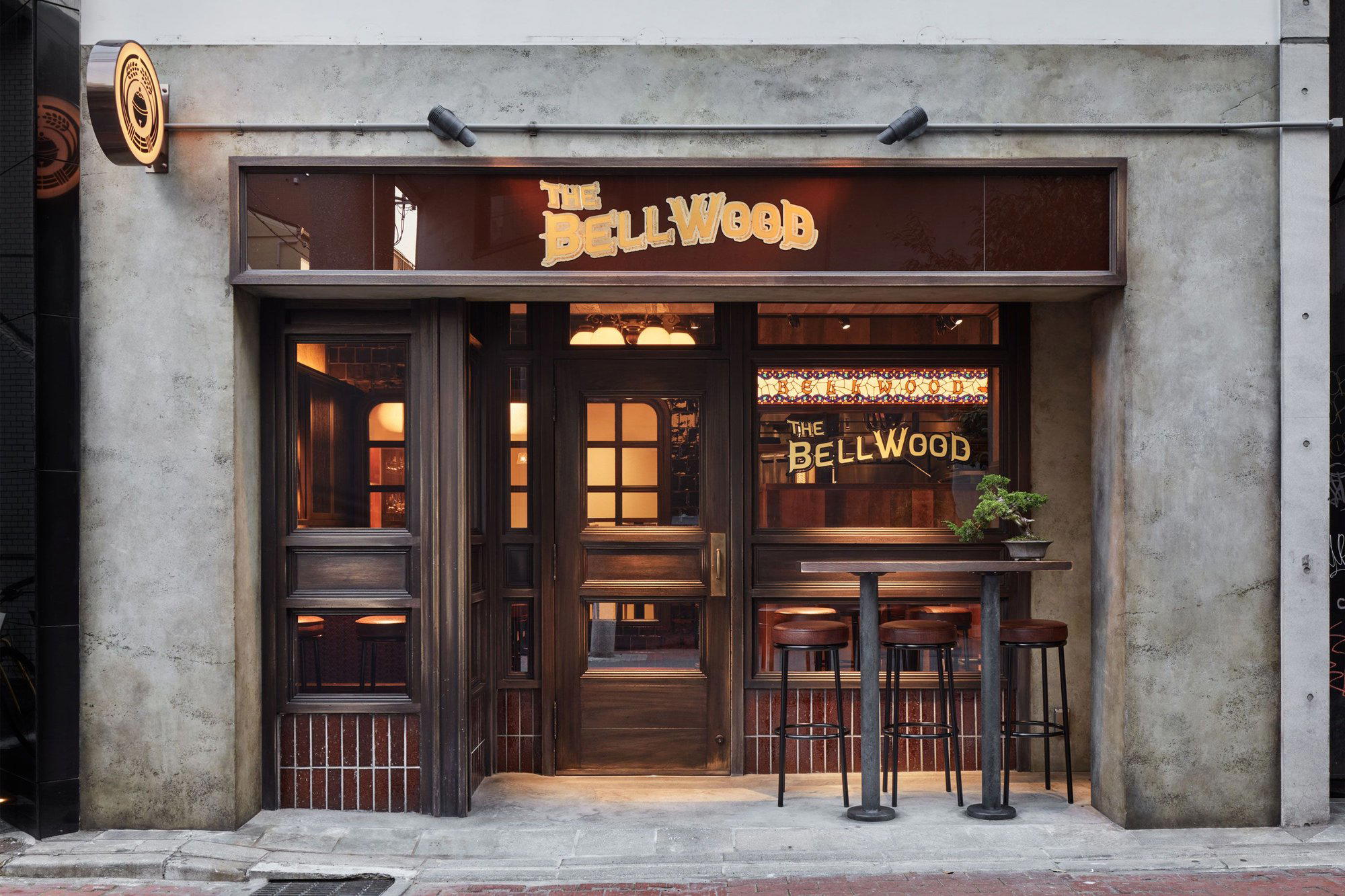
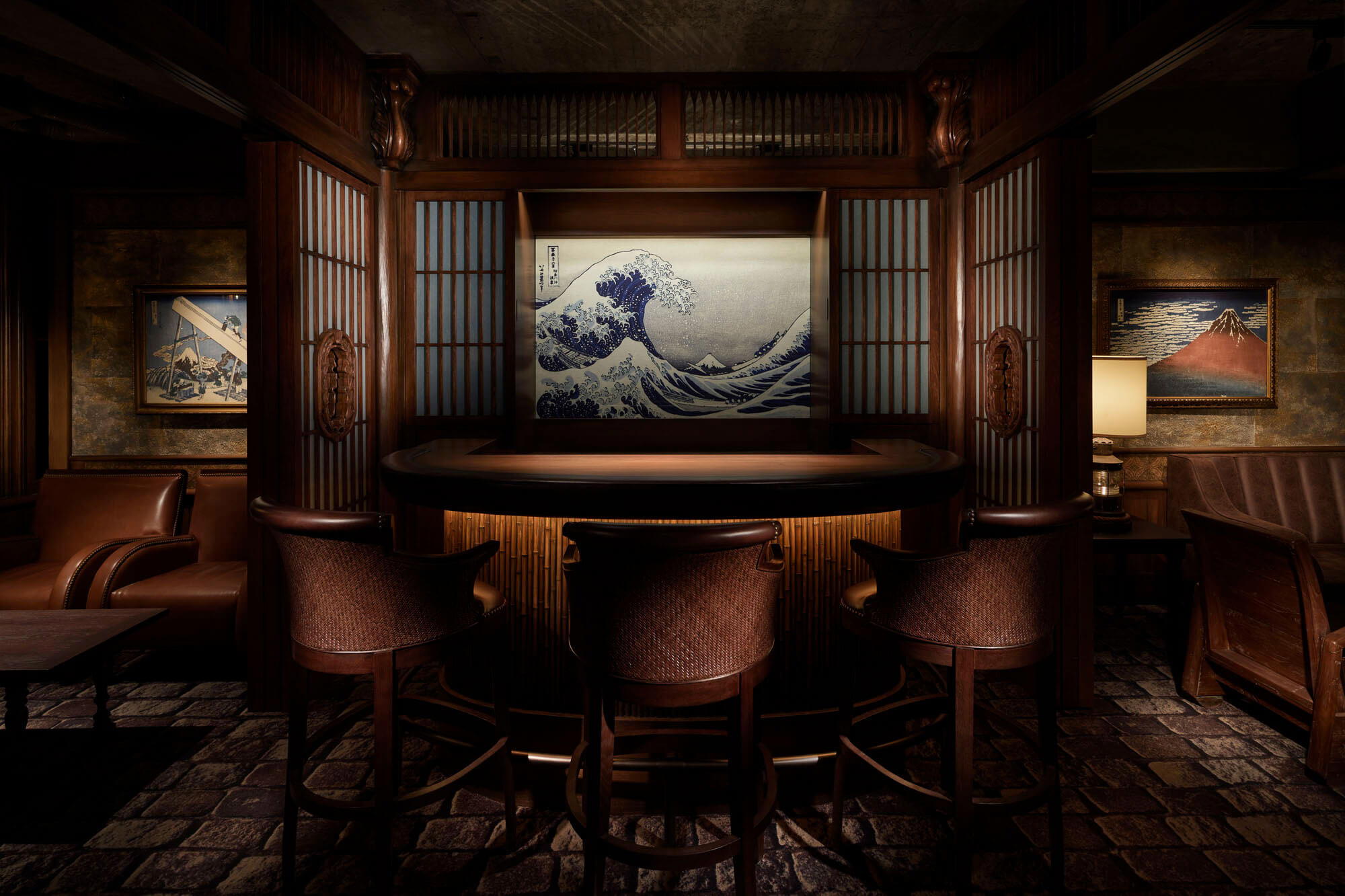
Hotels in Chofu
Browse all →
Wineries in Chofu
Browse all →
Details
- Quiet
- Elegant
- Date Night
- Special Occasion
- Sake Program
- A La Carte
- Sake
Current opening hours
- Monday
- 6–10:30 PM
- Tuesday
- 6–10:30 PM
- Wednesday
- 6–10:30 PM
- Thursday
- 6–10:30 PM
- Friday
- 6–10:30 PM
- Saturday
- 6–10:30 PM
- Sunday
- 6–10:30 PM
Hours can change for holidays and private events. Last verified .
Clean, calm atmosphere with counter and table seating in a small, intimate space.