
Ginza’s seafood izakaya tier is where specialist sourcing, sake-friendly cooking, and private-room utility meet Tokyo’s reputation economy. Nodoguro Senmon Ginza Nakamata sits in that bracket through its blackthroat seaperch focus and repeated Tabelog 100 Izakaya selections, including EAST 2025, making it a useful read on how recognition works outside the sushi-counter circuit.
Pearl is the En Primeur Club membership app — saves, bookings, and concierge access live there. Same editors, same standards.
- Address
- 東京都中央区銀座4-10-12 銀座サマリアビル B1
- Phone
- +81362643229
- Website
- nakamata-nodoguro.com
 Saves & bookings on Pearl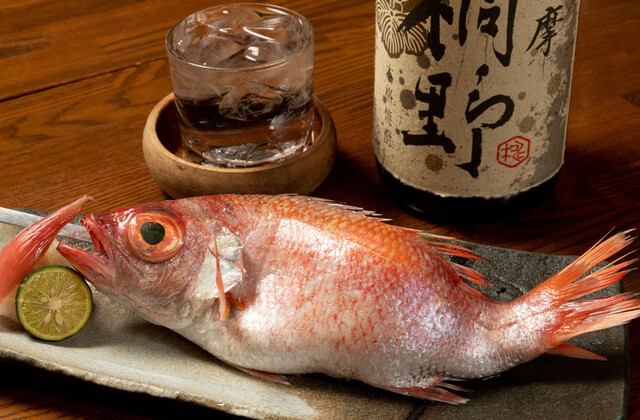
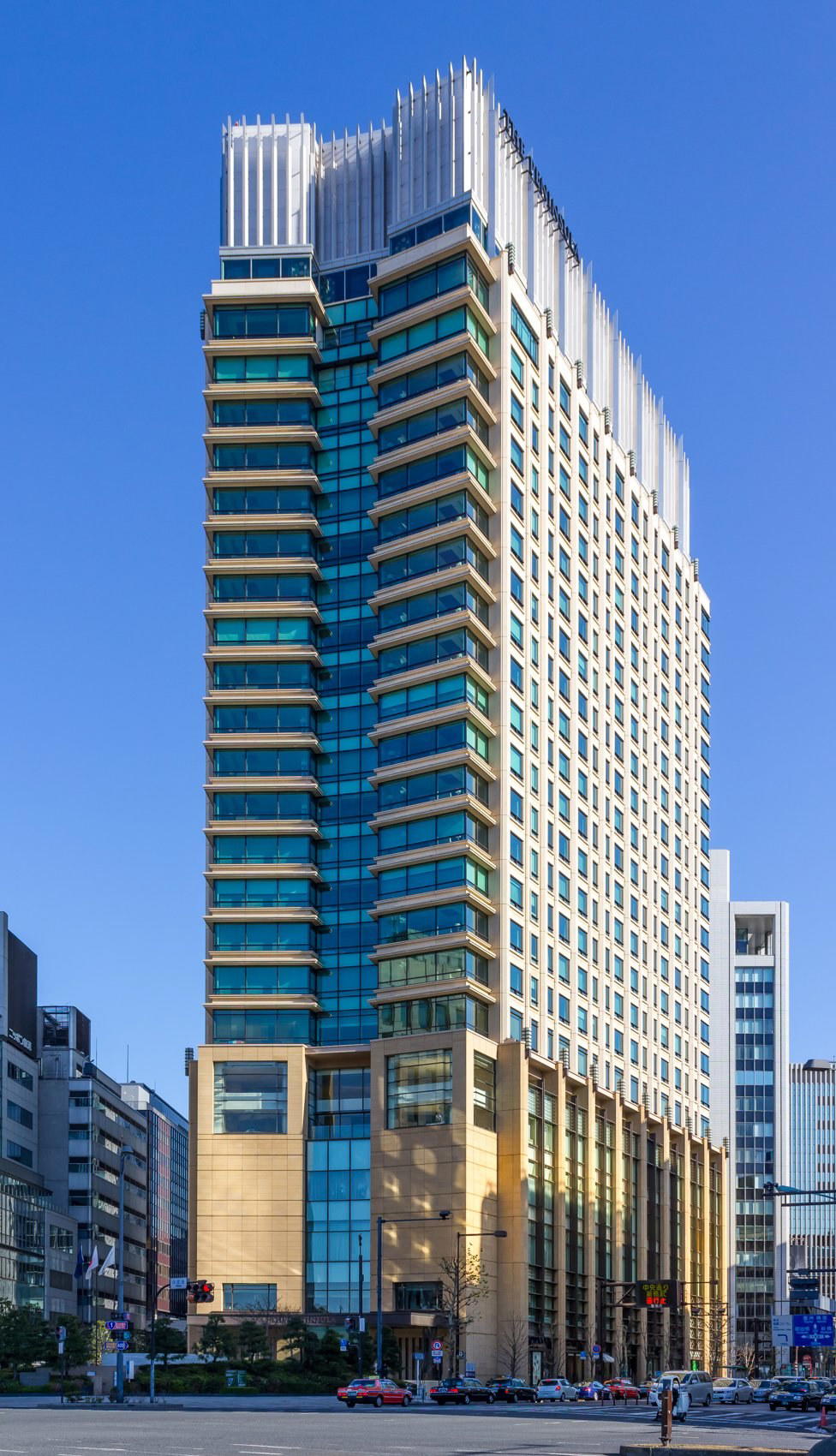
Below street level in Ginza, the seafood izakaya format shifts from sushi’s theatrical hush to controlled privacy: counters, rooms, sake, shochu, and a table built around one fish rather than a parade of categories. Nodoguro Senmon Ginza Nakamata sits in a specific Tokyo lane: specialist izakaya dining with enough critical recognition for serious dinner planning, without adopting full kaiseki or omakase choreography.
Ginza is often reduced to luxury shorthand, but its dining map is broader than its department-store facades imply. Curry rooms, eel specialists, sushi counters, and seafood taverns sit minutes apart, so price and format matter more than neighbourhood alone. A low-cost institution like Ginza Nair's Restaurant is a different decision from a higher-spend seafood dinner; Ginza Oojuri and Hiroyuki occupy other price lanes, while 鮨 銀座おのでら本店 represents the polished sushi end of the district. Nakamata’s reputation belongs closer to seafood-specialist izakaya, where the point is commitment, not breadth.
Ginza seafood dining, narrowed to blackthroat seaperch
Nodoguro, or blackthroat seaperch, has a special charge in Japanese seafood culture: a rich, high-value fish that needs none of the trophy language attached to tuna or crab. A restaurant built around it makes a clear promise: the meal is anchored by fatty white fish suited to grilling, hot pot, and rice-based finishes. That focus gives the izakaya format a sharper spine, showing how one species can support several cooking styles across a drinking dinner.
Public recognition reinforces the point. Nodoguro Senmon Ginza Nakamata was selected for Tabelog 100 Izakaya EAST 2025, with earlier Tabelog 100 Izakaya selections in 2024, 2022, and 2021. In Tokyo, where rating culture often skews toward sushi, French, and kaiseki, repeated izakaya recognition matters because it marks another kind of excellence: consistency, specialist identity, and usefulness for groups as much as culinary precision. Its Tabelog score of 3.66 also places it in serious local-review territory, especially in a category shaped by repeat neighbourhood use and business dining.
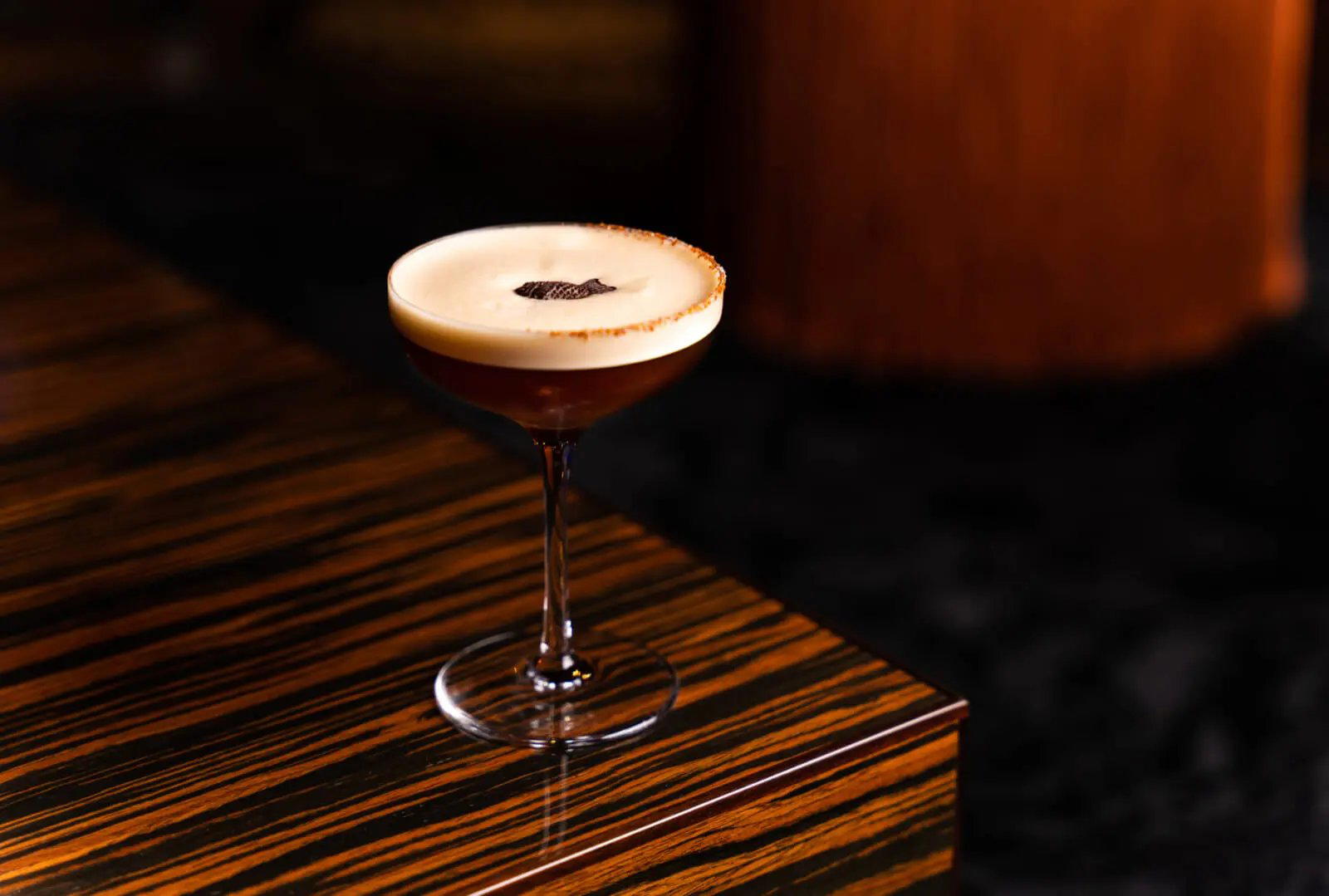
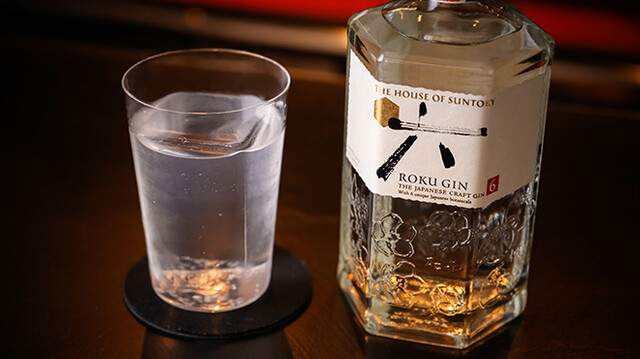
The drinks confirm the lane. Sake and shochu are not decorative here; seafood izakaya cooking needs drinks that handle fat, salt, grill, broth, and rice. The restaurant fits a broader Tokyo pattern: specialist casual-premium dining that is not a formal tasting menu, yet whose spend and ingredient focus go well beyond everyday tavern territory.
Recognition without the sushi-counter script
Tokyo visitors often over-index on counter sushi because it is legible abroad: limited seats, chef-facing service, and a clean awards hierarchy. Izakaya recognition is messier and more revealing. A seafood izakaya must serve several occasions at once: sake dinners, private-room meals, business gatherings, and family use. Nakamata’s 30-seat scale and private-room availability place it in the middle of that demand, intimate enough to feel specialist and flexible enough for groups.
That separates it from nearby formats. Ginza Yondaime TAKAHASHIYA frames dinner through unagi, a single-ingredient tradition with its own grammar. 鮨 銀座おのでら本店 belongs to the sushi-counter economy. Ginza Oojuri and Hiroyuki offer other spending points in the district. Nakamata’s blackthroat seaperch focus is not a compromise between categories; it answers the Ginza dinner question through seafood depth, Japanese drinks, and room formats suited to conversation rather than performance.
The 2015 opening date adds another signal. A decade in Ginza is not novelty; it is survival in a district of high rent, demanding regulars, and little patience for vague concepts. The more recent marker is the 2025 Tabelog 100 Izakaya EAST selection, in a category with heavy Tokyo competition across seafood, yakitori, sake bars, and polished taverns. It does not make the restaurant comparable to Michelin-starred sushi; it places it in a different reputation system, used by experienced Tokyo diners seeking serious food without formal counter rigidity.
How to read it within a Tokyo itinerary
A practical use case is a focused Ginza dinner for diners who care about fish, sake, and a less performative room. It is not the obvious choice for a broad survey of Japanese cuisine in one sitting, or for travellers who want chef biography as the central narrative. The appeal is narrower and stronger: blackthroat seaperch as the organising idea, with the izakaya format doing the practical work.
For planning, place it beside Tokyo’s other specialist categories rather than in a generic restaurant list. Seafood and charcoal cooking appear differently at . 鮪と炭火焼き うお炭 秋葉原店; Shinjuku dining has another rhythm at 12/10 Shinjuku ten; yakitori has its own grammar at 124. KAGURAZAKA (Yakitori). Tokyo’s lighter, themed, or everyday registers can be read through 2D Cafe and 3 Chome no Curry Ya San. For citywide context, use Our full Tokyo restaurants guide, then cross-check the wider trip through Our full Tokyo hotels guide, Our full Tokyo bars guide, Our full Tokyo wineries guide, and Our full Tokyo experiences guide.
Travellers building a Japan-wide food route can compare how single-subject dining changes by region: sukiyaki in coastal Kanagawa at -Grilled beef Sukiyaki- KAMAKURA TANUKIAN 鎌倉 たぬき庵 in Kamakura, cafe culture at.cafe in Osaka, regional dining at.know in Kumamoto, Vietnamese cooking in Kawasaki at (Shoku) Vietnam in Kawasaki, curry in Sapporo at [Curry Senmon Ten] Maruyama Kyoju. in Sapporo, and Kyoto’s contemporary register at [ki:] in Kyoto. For a trans-Pacific sake comparison, Jōdo Saké Bar in Los Angeles and Onigiri Time in Pasadena show how Japanese drinking and rice traditions translate abroad.
The editorial read is clear: this is a reputation-led seafood izakaya, not a trophy-counter reservation. Its value is showing how Ginza supports specialist Japanese dining between casual tavern and formal ceremony. For diners with sushi, tempura, or kaiseki already covered, Nakamata gives an itinerary a different Tokyo texture: one fish, a drinking table, and enough third-party recognition to justify planning around it.
Style and Standing
Comparable venues for orientation by cuisine and category.
| Venue | Cuisine | Price | Notes |
|---|---|---|---|
| Nodoguro Senmon Ginza NakamataThis venue — the venue you are viewing | Nodoguro-focused Japanese set-course dining | $$$ | Not listed |
| Takasaki no Okan | Hot Sake Pairing Omakase | $$$ | Ikejiri Ohashi, Meguro |
| TOSA DINING おきゃく | Kochi Regional Cuisine | $$$ | Chūō |
| Morita Ya Toukyou marunouchi ten | Traditional Kyoto-style sukiyaki & shabu-shabu | $$$ | Chiyoda |
| Yakiniku Yazawa Toukyou | Yakiniku (Japanese BBQ) | $$$ | Chūō |
| Seiyo Oryouri Touyou Ken | Historic Yoshoku & Matsusaka Beef Fine Dining | $$$ | Minato |
Recognition history
Dated appearances from independent guides and award organizations, with the underlying list record or original source where available.
Tabelog 100 #25 · No. 25
Tabelog · Tabelog 100 - Izakaya - EAST - 2025





At a Glance
- Modern
- Cozy
- Elegant
- Intimate
- Business Dinner
- Group Dining
- After Work
- Date Night
- Private Dining
- Standalone
- Sake Program
- Local Sourcing
- Sustainable Seafood
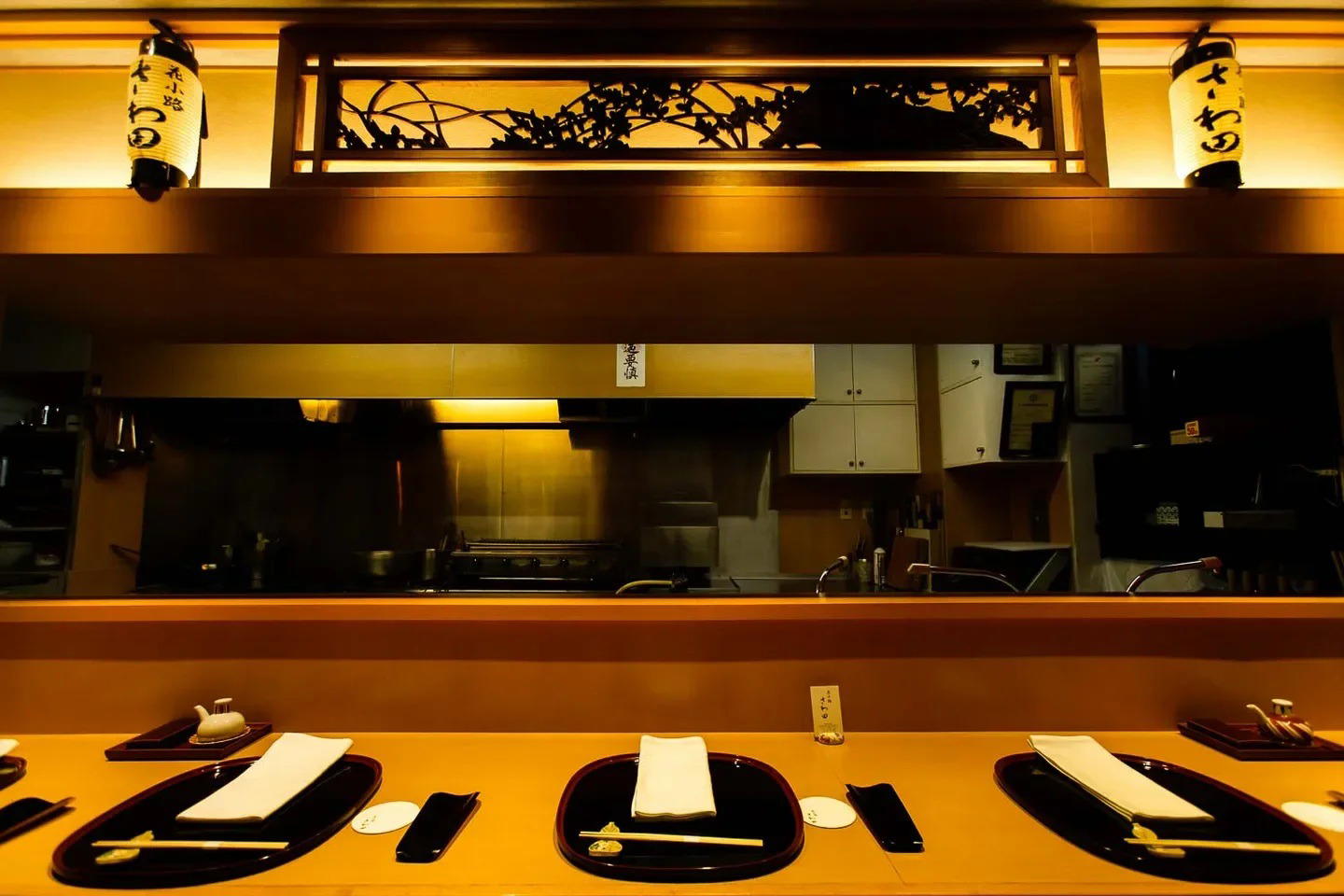
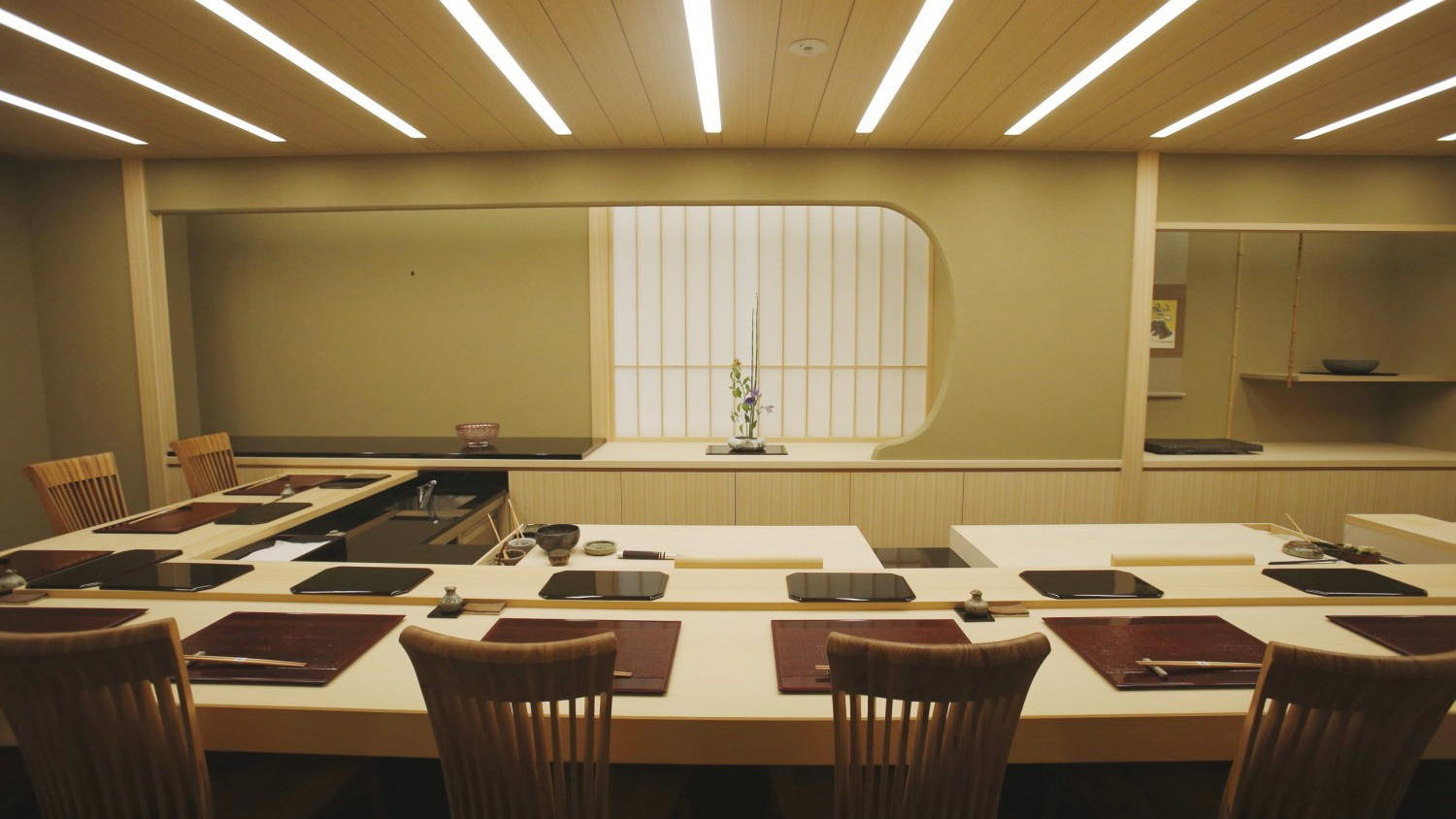
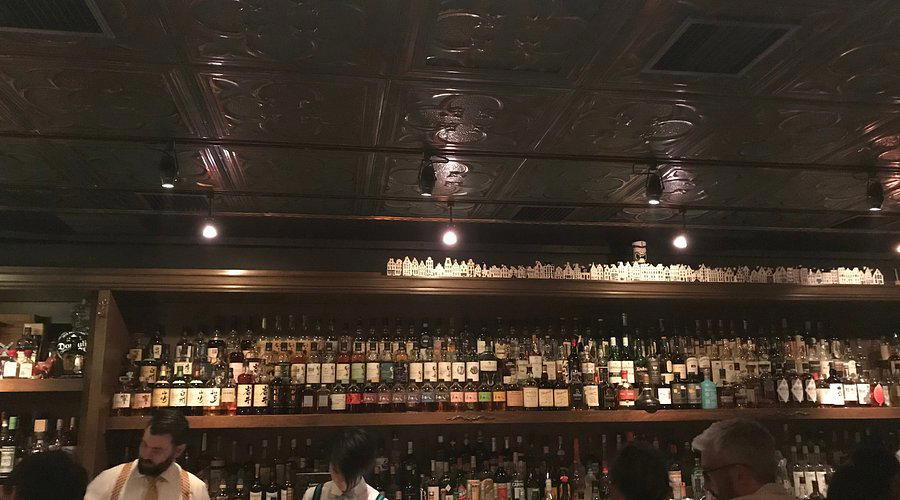
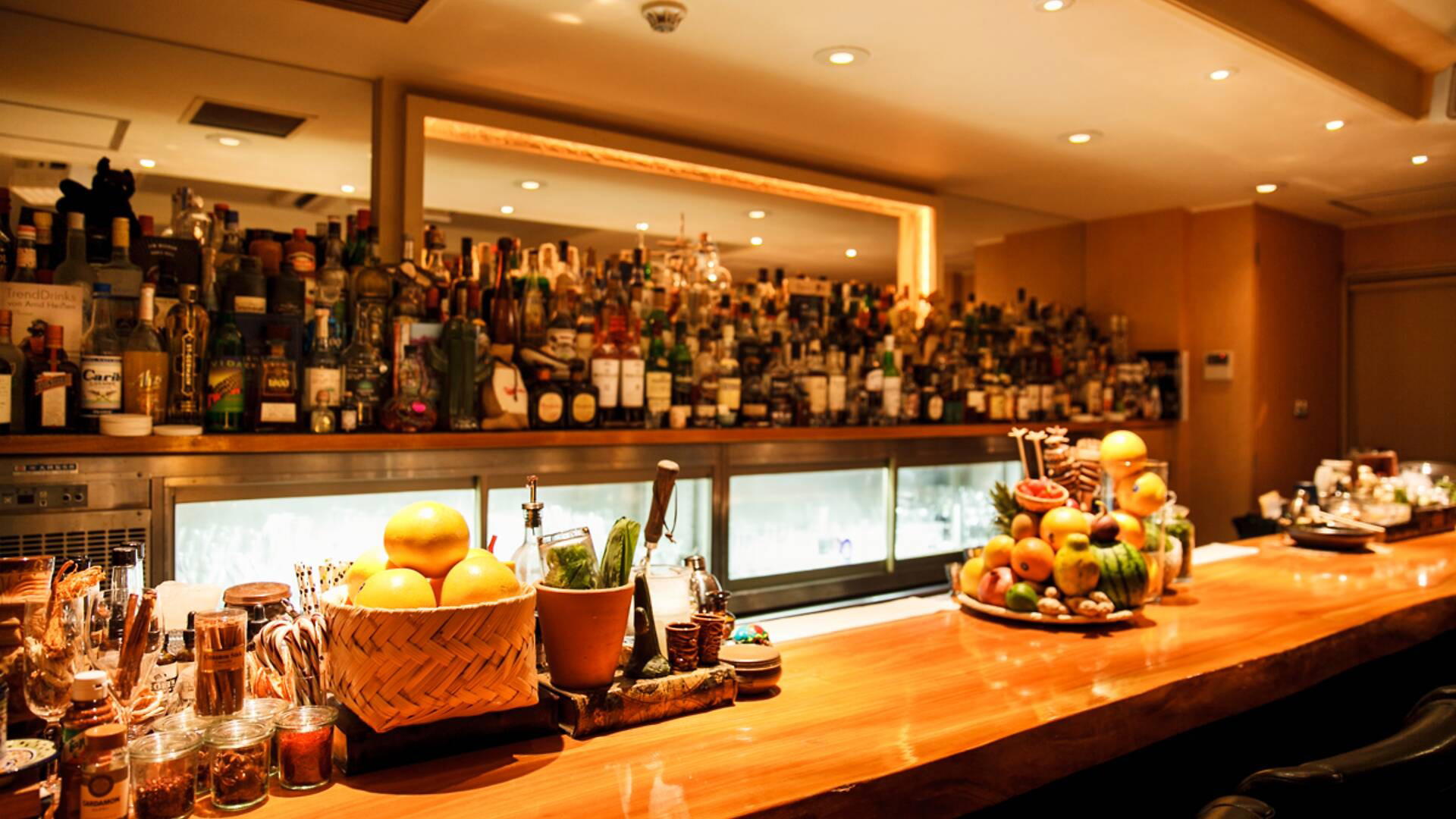
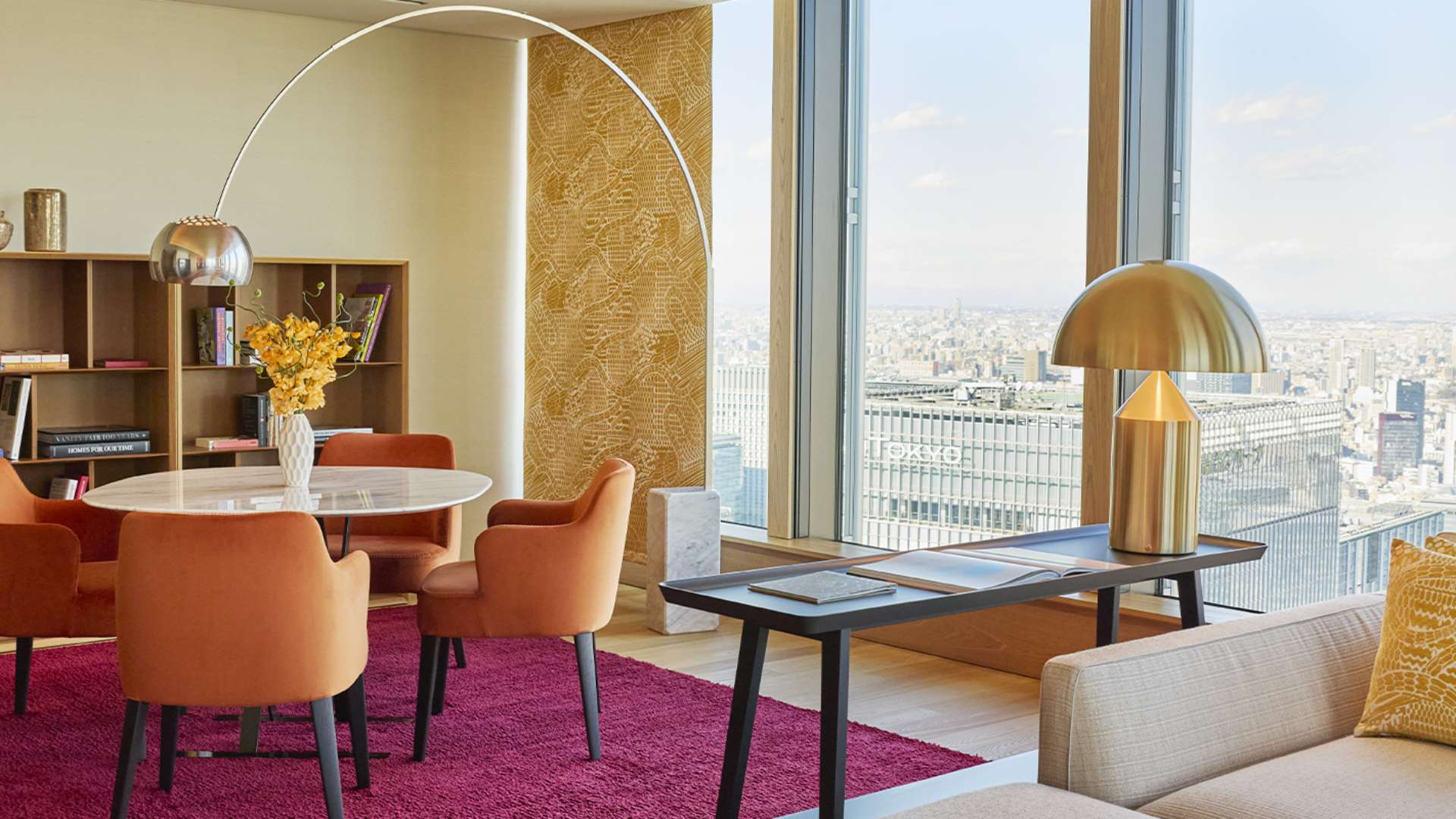
A warm, Japanese modern basement space with wood tones and softly lit rooms, offering a calm, slightly upscale atmosphere suitable for dinners, business entertainment, and small gatherings, with both private rooms and standard seating.