
Black Pearl 1 Diamond
Our verdict
Sushi Zen holds a Black Pearl 1 Diamond (2025) and occupies a third-floor address on Qianmen Street in Beijing's Dongcheng district, where Japanese omakase ritual meets one of China's most historically layered dining corridors. For those tracking where serious Japanese counter culture has taken root in the capital, this address deserves attention.

Pearl is the En Primeur Club membership app, where members save venues, book tables and use the concierge.
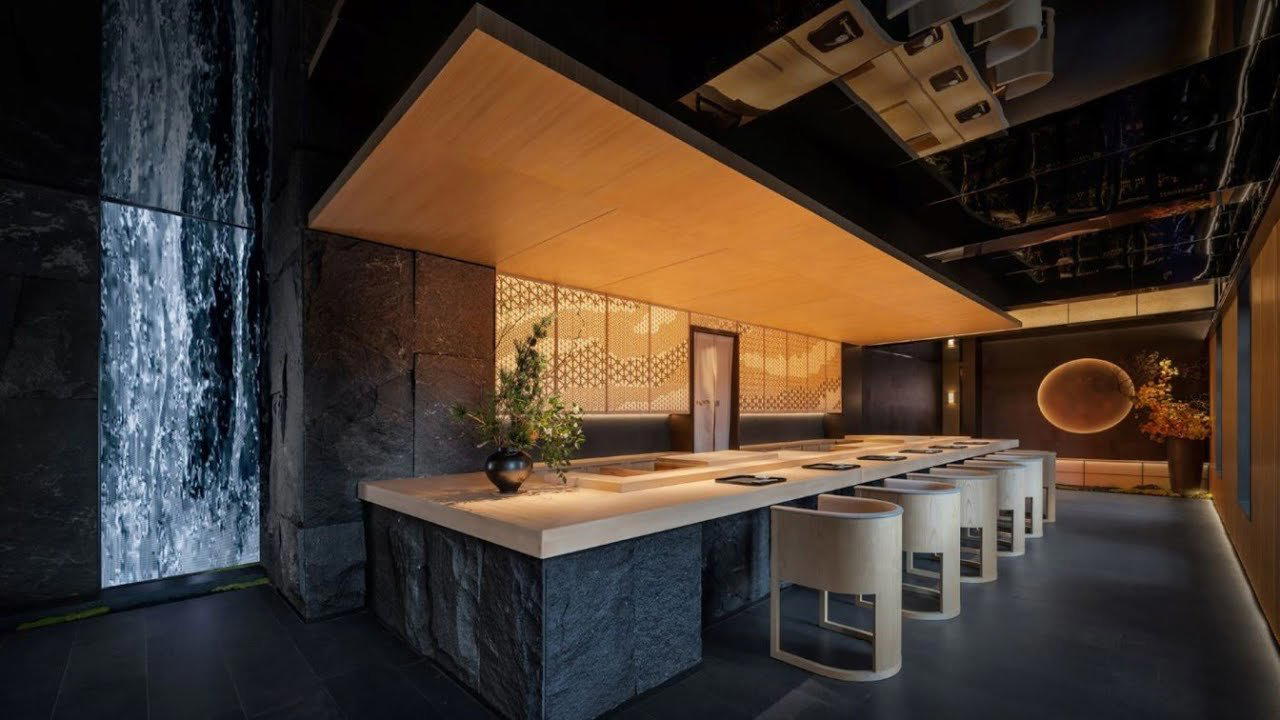
The menu
What to order
- Seasonal omakase nigiri
- Seasonal sashimi platter
- Miso-marinated black cod
Third Floor, Qianmen: What the Address Says Before the Meal Begins
Qianmen Street is one of Beijing's oldest commercial arteries, a corridor that has channelled merchants, pilgrims, and now tourists for centuries. Arriving at number 97 and climbing to the third floor reframes the experience before a single piece of fish is placed on the counter. Premium Japanese dining in Beijing has long clustered in the Chaoyang embassy belt and the luxury hotel podiums of the CBD; finding a Black Pearl-recognised sushi address anchored instead to Dongcheng's southern axis says something about how the city's Japanese dining scene has matured. The geography is no longer incidental.
Beijing has followed a pattern visible in other major Chinese cities: a first wave of Japanese restaurants oriented around accessibility and volume, followed by a second, smaller cohort of counter-format addresses where the discipline of the meal, its pacing, sequencing, and etiquette, became the point. Sushi Zen's Black Pearl 1 Diamond recognition in 2025 places it inside that second cohort, where the guide's assessors are evaluating not just technical execution but whether the dining ritual itself holds together at a high level.
The Ritual Logic of Japanese Counter Dining in Beijing
Omakase and its related counter formats carry an embedded set of rules that serious practitioners observe: the chef sets the pace, the guest follows, conversation runs parallel to the meal rather than overriding it, and the sequence of courses is treated as a composed argument rather than a series of independent dishes. In Tokyo, these conventions are so deeply understood that they need no explanation. In Beijing, they have required active cultivation, and the restaurants that have done that cultivation with consistency are the ones that have earned formal recognition.
The dining ritual at a counter like this is structured around trust. The guest cedes menu choice entirely, and in exchange receives a progression calibrated to the quality of ingredient available that day, the season, and the counter's own aesthetic position. That trade-off is the meal's entire premise. It stands in contrast to the banquet format that dominates prestige Chinese dining, where abundance and optionality signal respect. Understanding which register a restaurant is operating in is the first practical skill a diner needs, and at a Japanese counter in this tier, the answer is: restraint, sequence, and attention.
For comparison, Beijing's highest-regarded Chinese dining rooms take different approaches to ceremony. King's Joy and Lamdre work within vegetarian frameworks where the ritual is about ingredient transformation and meditative pacing. Jingji grounds its ceremony in Beijing culinary tradition. Xin Rong Ji and Chao Shang Chao operate at the ¥¥¥¥ tier in regional Chinese idioms where service pace and tableware selection carry their own ceremonial weight. Sushi Zen's Japanese counter format is a distinct register from all of these, and its Black Pearl standing confirms it is executing that register with sufficient rigour to sit alongside them.
What the Black Pearl Recognition Signals
The Black Pearl Restaurant Guide is China's most closely watched domestic dining guide, operated by Meituan and calibrated to Chinese dining culture's specific priorities. A 1 Diamond designation is the guide's entry-level recognition for restaurants that deliver consistent quality and a coherent dining experience. In a city where Japanese restaurants range from conveyor-belt chains to multi-course high-end counters, appearing in this tier signals that the kitchen is operating with the kind of reliability that repeat assessment rewards.
The 2025 vintage of this recognition is current. That matters because the guide reassesses annually, and retaining recognition through reassessment is a different signal from an award held from a single year. Peer restaurants at comparable tiers across Greater China include addresses operating in similarly demanding review environments: 102 House in Shanghai, Ru Yuan in Hangzhou, and Xin Rong Ji in Chengdu each carry their own regional recognition within that same evaluative culture. Further afield, Chef Tam's Seasons in Macau, Imperial Treasure Fine Chinese Cuisine in Guangzhou, and Dai Yuet Heen in Nanjing illustrate how regional dining guides position premium addresses against their city's specific competitive field. The comparison matters because it frames how to read the award: this is not a casual endorsement.
For readers who follow counter-format Japanese dining internationally, the points of reference extend beyond China. Le Bernardin in New York City represents one version of what sustained technical precision in a fish-forward format looks like when built over decades. Atomix, also in New York, shows how a Korean counter format can absorb the omakase-style ritual and push it in a different cultural direction. Sushi Zen operates in a different market with different pressures, but the underlying question, whether the counter's ritual logic is being honoured at every step, is the same one that guides assessors in any city are applying.
Planning Your Visit
Sushi Zen sits at 97 Qianmen Street, third floor, in Dongcheng district. Qianmen is accessible from Qianmen Station on Beijing Subway Line 2. The area is pedestrian-heavy during peak tourist hours, so allow time for the approach, particularly on weekends. For the meal itself, arrive on time: counter dining formats at this level do not accommodate late arrivals without disrupting the sequence for other guests.
Frequently asked questions
What kind of recognition has SUSHI ZEN received?
SUSHI ZEN has received recognition including: Black Pearl 1 Diamond (2025).
Where do I go for SUSHI ZEN?
SUSHI ZEN is located at China, Beijing, Dongcheng, 97, Qianmen St, 97号3层 邮政编码: 100051, Beijing.
What should I eat at SUSHI ZEN?
Sushi Zen holds a Black Pearl 1 Diamond in the 2025 guide, which at the counter-sushi tier in Beijing signals a chef-directed sequence rather than à la carte selection. The format means the kitchen determines what you eat based on seasonal supply and the chef's judgment. Follow the counter's lead rather than arriving with a fixed order in mind.
Do they take walk-ins at SUSHI ZEN?
Sushi Zen's Black Pearl 1 Diamond recognition places it firmly in the reservation-priority tier of Beijing Japanese dining. Counter-format sushi at this level depends on precise ingredient preparation scaled to known covers, which makes unannounced arrivals a structural problem rather than a policy preference. check the venue's official channels or book through a reservation platform before visiting.
Category Peers
Comparable venues nearby, for context on price, style, and recognition.
| Venue | Cuisine | Price | Awards | Notes |
|---|---|---|---|---|
| SUSHI ZENThis venue (the venue you are viewing) | Modern Japanese Omakase | Not listed | Black Pearl 1 Diamond | Not listed |
| Jing.YUZU | Modern Japanese Izakaya with Yuzu Focus | $30–50 | Black Pearl 1 Diamond | Not listed |
| Old Tower | Modern pescatarian Chinese-inspired tasting menu | $150–200 | Conde Nast Hot List Restaurants | Sanlitun, Chaoyang District |
| Beijing Da Dong | Modern Peking Duck | $50–100 | La Liste Top Restaurants | Dongzhimen |
| Xin Rong Ji (Financial District) | Taizhou Seafood Fine Dining | $200–300 | Not listed | Sanlitun |
| Gastro Esthetics at DaDong(Beijing Nanxincang Branch) | Contemporary Fine-Dining Beijing Cuisine by DaDong | $100–150 | Black Pearl 2 Diamond | Dongcheng |
Recognition history
Dated appearances from independent guides and award organizations, with the underlying list record or original source where available.
Black Pearl 1 Diamond
Black Pearl
Full recognition history (2 entries)
Black Pearl 1 Diamond
Black Pearl
Continue exploring
More in Beijing
Restaurants in Beijing
All restaurants in Beijing →
Bars in Beijing
All bars in Beijing →

Details
- Elegant
- Sophisticated
- Intimate
- Cozy
- Date Night
- Special Occasion
- Business Dinner
- Private Dining
- Courtyard
- Historic Building
- Sake Program
- Omakase
- Tasting Menu
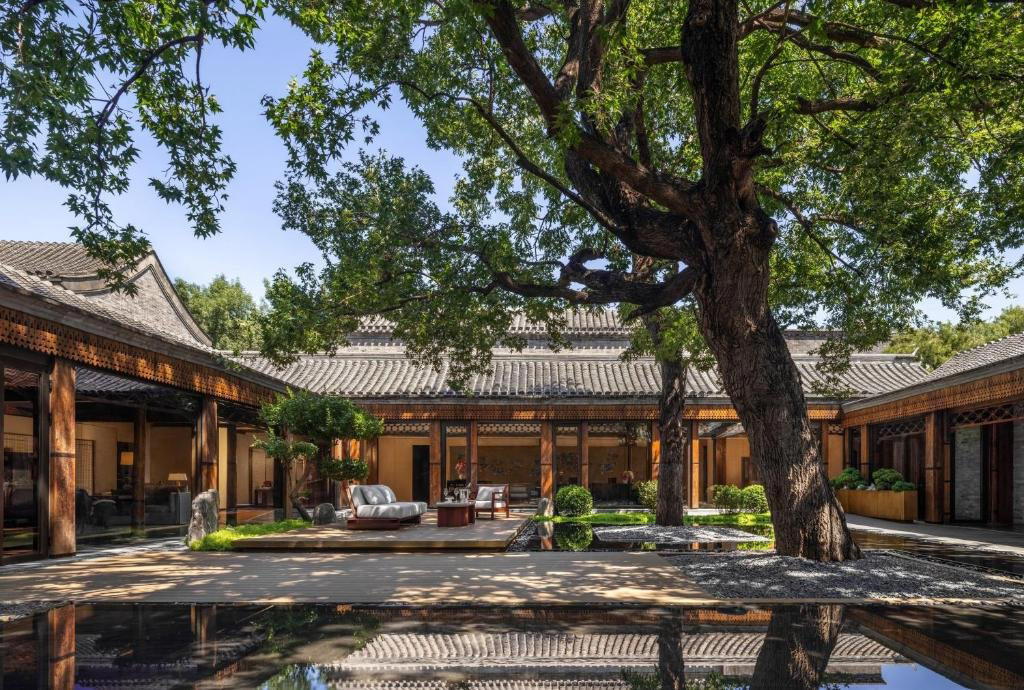
Calm atmosphere with soft lighting, thoughtful table spacing, natural light from central courtyard with maple and bamboo, and formal yet restrained interiors fusing Japanese and Western elements.