Tianfu Restaurante Chino brings Chinese cooking to Avenida Uruguay in Montevideo, occupying a dining category that remains genuinely sparse in the Uruguayan capital. In a city whose restaurant scene tilts heavily toward asado and European-inflected fare, Chinese restaurants occupy a niche that rewards curiosity. Tianfu sits on one of Montevideo's central avenues, making it a practical stop for those seeking an alternative to the dominant beef-and-pasta axis.
 Discover on Pearl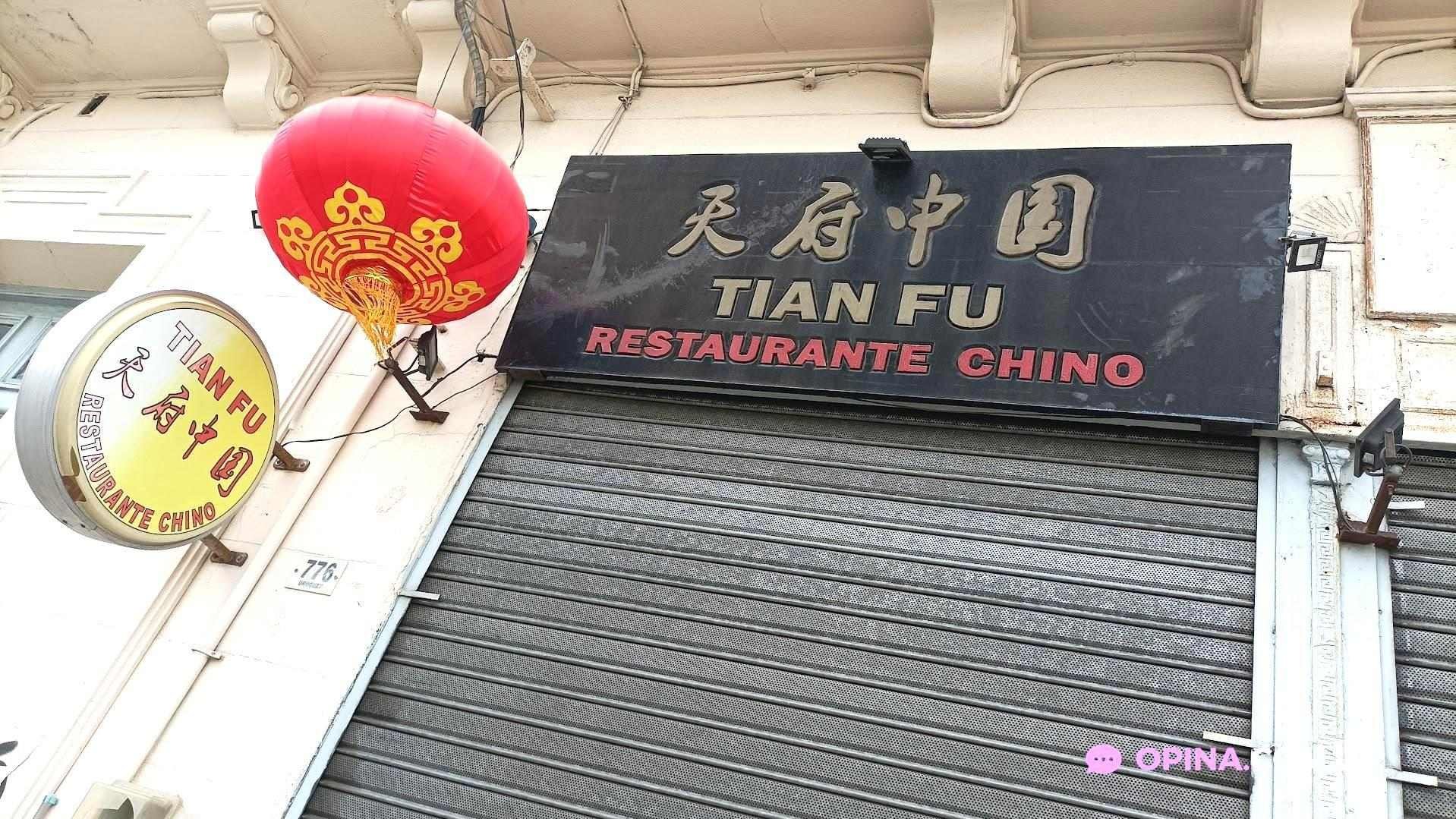
Chinese Cooking in a Beef-Dominated City
Montevideo's dining identity is built, almost architecturally, around the parrilla. Beef drives the menu at the majority of the city's restaurants, and the European immigrant influence — particularly Italian and Spanish — shapes what falls outside it. Chinese restaurants exist in this environment as a distinct counterpoint, operating in a culinary register that most Montevideo diners encounter rarely and on specific occasions. Tianfu Restaurante Chino, on Avenida Uruguay at number 776, sits inside that counterpoint. The avenue itself is one of the capital's older commercial corridors, and a Chinese restaurant here is less a novelty than a quiet fixture in a neighbourhood that has absorbed successive waves of commercial and residential change.
To understand what Tianfu represents in context, it helps to map where Chinese restaurants sit in Latin American capitals more broadly. In Buenos Aires, São Paulo, and Lima, Chinese immigrant communities established dense restaurant clusters decades ago, generating cuisines that evolved into hybrid forms , the Peruvian chifa tradition being the most documented example, where Cantonese technique absorbed local ingredients over more than a century of contact. Montevideo's Chinese community has been smaller and less visible than those in neighbouring Argentina or Brazil, which means the city's Chinese restaurant scene has developed with less critical mass and, consequently, less culinary evolution in the public eye. Restaurants like Tianfu operate within that context: serving a cuisine that is genuinely foreign to most of the surrounding population, without the deep local hybridisation that elsewhere produced distinct regional offshoots.
The shortlist, unlocked.
Hard-to-book tables, cellar releases, and concierge-planned trips.
Get Exclusive Access →The Ingredient Question in an Import-Dependent Kitchen
The editorial angle that matters most for Chinese restaurants in Uruguay is sourcing. Chinese cooking at its foundational level depends on a specific pantry: fermented black beans, Shaoxing wine, doubanjiang, dried mushrooms, oyster sauce, and a range of aromatics and starches that Uruguay does not produce domestically. For any Chinese restaurant operating in Montevideo, the supply chain is therefore a defining constraint. Either the kitchen adapts to locally available substitutes, bending the flavour profiles toward what Uruguayan wholesale markets can provide, or it sources imported ingredients through specialist distributors , a route that adds cost and logistics complexity but preserves greater fidelity to the original cuisine.
This tension between import-fidelity and local adaptation is not unique to Uruguay; it shapes Chinese restaurant cooking across the Southern Cone. What varies is how individual kitchens resolve it, and that resolution is usually legible on the plate. Dishes that rely heavily on fermented or preserved ingredients tend to be the most revealing: whether a mapo tofu registers with its characteristic numbing heat, or whether a braised dish carries the depth that comes from properly aged soy sauce, tells a diner quickly which sourcing model the kitchen is operating under. For restaurants at Tianfu's accessible price positioning on a central Montevideo avenue, the answer is typically some version of pragmatic adaptation , sourcing what is available locally, supplementing with imports where cost allows, and calibrating the menu toward dishes that travel well under those constraints.
The cuisines that adapt most durably in diaspora settings tend to be those built around technique rather than a single irreplaceable ingredient. Stir-frying, braising, and steaming are methods that can be applied to locally sourced proteins and vegetables while still delivering coherent results. In Uruguay, where beef, lamb, chicken, and freshwater fish are all high-quality and relatively inexpensive, a Chinese kitchen has access to good raw material even if the pantry staples require more effort to source. The question is whether the kitchen's technique is strong enough to make that raw material count.
Where Tianfu Sits in the Montevideo Dining Map
Avenida Uruguay is not the neighbourhood where Montevideo's most-discussed restaurants currently concentrate. The city's higher-profile dining addresses tend to cluster in Pocitos, Punta Carretas, and the Ciudad Vieja, where international visitors and the local upper-middle class generate the foot traffic that sustains ambitious menus. For our full Montevideo restaurants guide, we map that broader geography in detail. Restaurants like Café Misterio represent the city's more internationally visible dining register, while the parrilla tradition runs across every neighbourhood without distinction.
Tianfu's position on Avenida Uruguay places it in a more workaday commercial zone, which has implications for the dining experience. Restaurants in this tier typically run without reservations or with informal booking arrangements, price accessibly, and function as neighbourhood regulars rather than destination dining. The comparison set is not Garzon in Maldonado or Parador La Huella in José Ignacio, venues that operate with international recognition and command corresponding prices. Tianfu occupies a different register entirely: the practical, everyday-use Chinese restaurant that a city needs if it is going to have any Chinese food culture at all.
That register matters. In cities where Chinese restaurants have consolidated into a strong local scene , Lima's chifas being the closest regional example , the everyday neighbourhood restaurant is where the cuisine actually lives and develops. The destination restaurant is the visible apex; the neighbourhood fixture is the base. Montevideo's Chinese dining scene is thin enough that the distinction between apex and base barely applies, which gives even modest establishments a representational weight they might not carry in a denser market.
Planning a Visit
Tianfu Restaurante Chino is located at 776 Avenida Uruguay in Montevideo. The address is on one of the city's accessible central thoroughfares, reachable by public transit from most parts of the capital. Specific hours, pricing, and booking policies are not published in EP Club's current database, so confirming directly before visiting is advisable. Given the restaurant's neighbourhood positioning, walk-in dining is the most likely format, though calling ahead during peak meal times is sensible practice for any restaurant operating without a published online booking system.
For visitors building a broader Uruguay itinerary, the country's dining scene extends well beyond Montevideo. Las Nenas Steak House in Punta del Este and Bodega Garzón in San Carlos represent the country's stronger end of the beef and wine offer, while Costa Colonia in Colonia del Sacramento and La Bourgogne cover European-inflected fine dining. Tianfu represents something different from all of those: a window into how Chinese cooking takes root and adapts in a South American capital where it has not yet become a dominant or deeply hybridised force.
Frequently Asked Questions
- Can I bring kids to Tianfu Restaurante Chino?
- Chinese restaurants at the accessible, neighbourhood-diner end of the price spectrum in Montevideo are generally family-oriented environments. If Tianfu prices and operates consistently with that segment, it is a reasonable choice for families with children. The format , shared dishes, informal service, direct seating , suits family dining better than tasting-menu or counter-style restaurants. Confirming hours and any specific policies directly before visiting is the safest approach, since the restaurant does not currently maintain a published website.
- What kind of setting is Tianfu Restaurante Chino?
- The restaurant is on Avenida Uruguay, a central commercial avenue in Montevideo rather than one of the upscale dining neighbourhoods where the city's award-recognised restaurants tend to cluster. Without a star rating or award record in EP Club's database, Tianfu sits outside the tier occupied by Montevideo's most internationally visible addresses. The setting and format are consistent with a neighbourhood Chinese restaurant: accessible, practical, and oriented toward regular local use rather than destination dining.
- What do regulars order at Tianfu Restaurante Chino?
- EP Club does not have verified dish-level data for Tianfu, so specific menu recommendations cannot be confirmed without risk of inaccuracy. As a general pattern in Chinese restaurants operating in the Southern Cone, the most reliably executed dishes tend to be those built around technique , braised proteins, stir-fried vegetables, and rice or noodle formats , rather than those depending heavily on imported specialty ingredients. Asking staff what is prepared fresh that day is a reasonable strategy at any Chinese restaurant operating in a market with constrained specialty supply chains.
- Do I need a reservation for Tianfu Restaurante Chino?
- Walk-in dining is the most likely format for a neighbourhood Chinese restaurant at this positioning on Avenida Uruguay. EP Club does not hold booking policy data for Tianfu, and the restaurant does not appear to maintain an active website through which reservations could be made. Calling ahead during weekend lunch or early dinner , the peak periods for this category of restaurant in Montevideo , is a practical precaution, particularly for groups larger than four.
- How does Tianfu Restaurante Chino compare to the broader Chinese dining scene in Uruguay?
- Uruguay's Chinese restaurant scene is considerably smaller than those in neighbouring Argentina or Brazil, where larger immigrant communities created dense restaurant clusters and, in some cases, distinct hybrid cuisines. Tianfu, as one of the Chinese restaurants operating in Montevideo, exists in a thin market where Chinese food has not yet developed the local hybridisation seen in Lima's chifa tradition or Buenos Aires's Barrio Chino. This gives the restaurant a representational role in the city's dining map that it would not carry in a more saturated market. For context on the wider Uruguayan dining scene, see our full Montevideo restaurants guide.
How It Stacks Up
These are the closest comparables we have in our database for quick context.
| Venue | Cuisine | Price | Awards | Notes |
|---|---|---|---|---|
| Tianfu Restaurante Chino | This venue | |||
| Parador la Huella | Uruguayan | Uruguayan | ||
| La Bourgogne | Uruguayan Seafood | Uruguayan Seafood | ||
| L’Incanto | ||||
| Lo de Tere | ||||
| Manzanar |
Need a table?
Our members enjoy priority alerts and concierge-led booking support for the world's most difficult tables.
Get Exclusive AccessThe shortlist, unlocked.
Hard-to-book tables, cellar releases, and concierge-planned trips.
Get Exclusive Access →