Sourcing as Structure: What Ends Up on the Plate
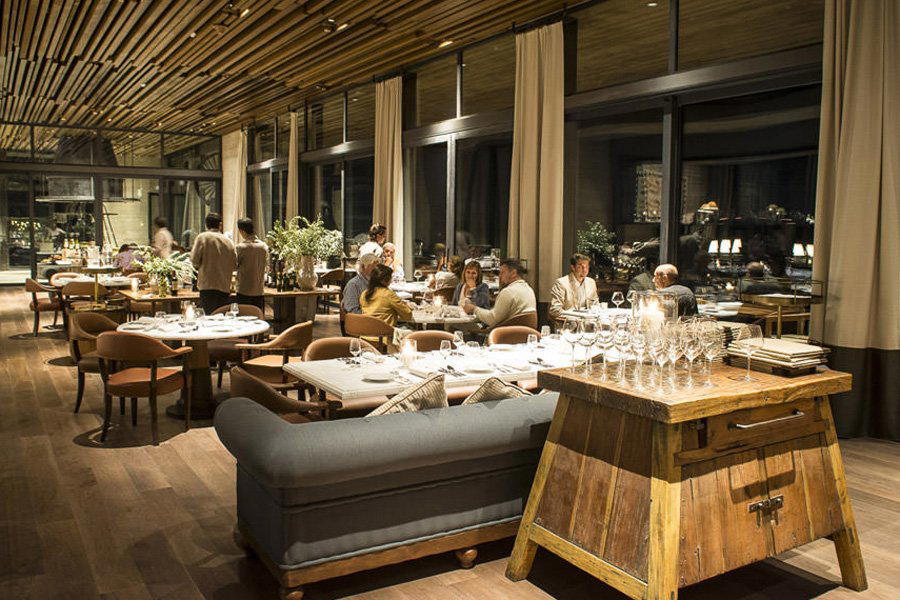
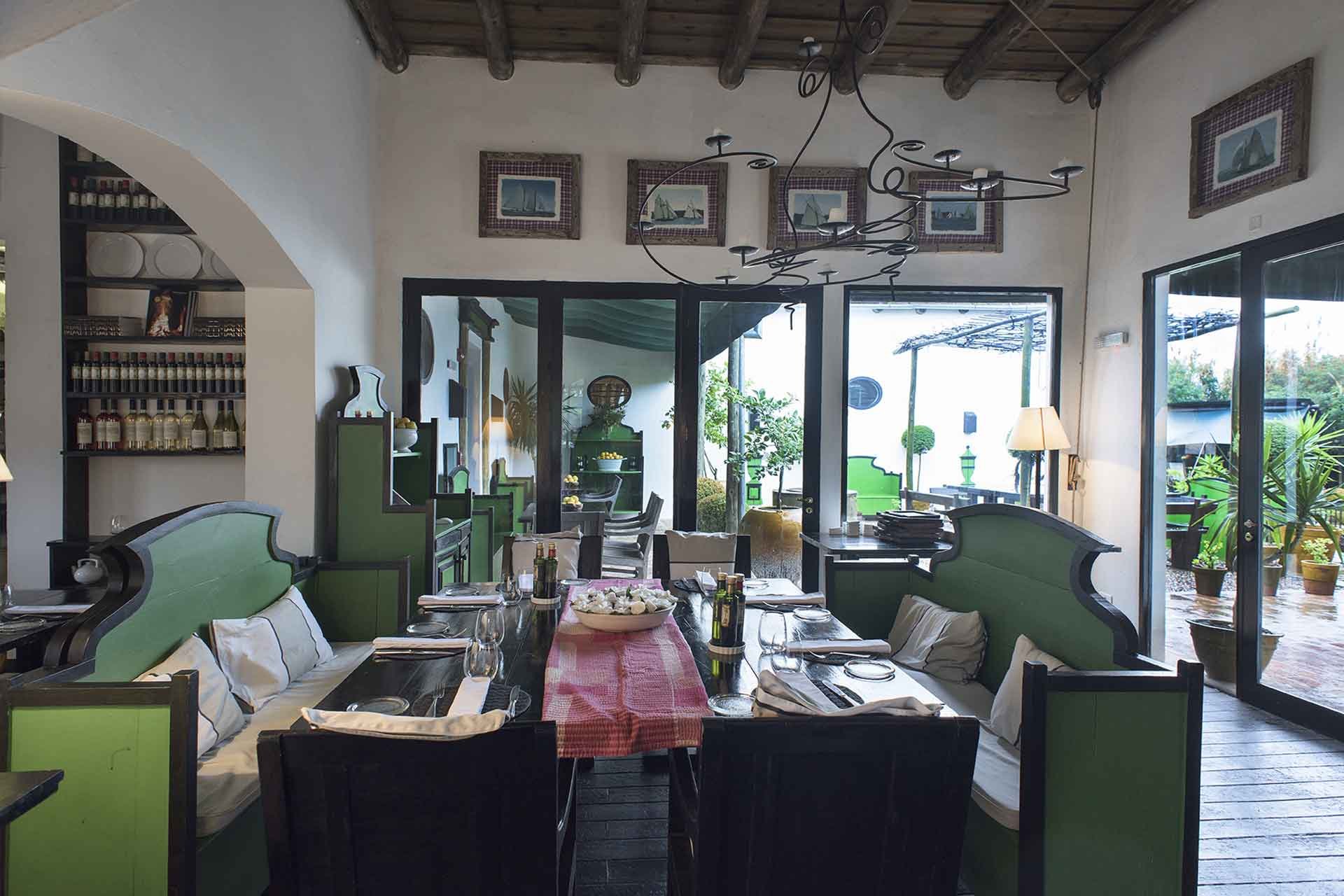
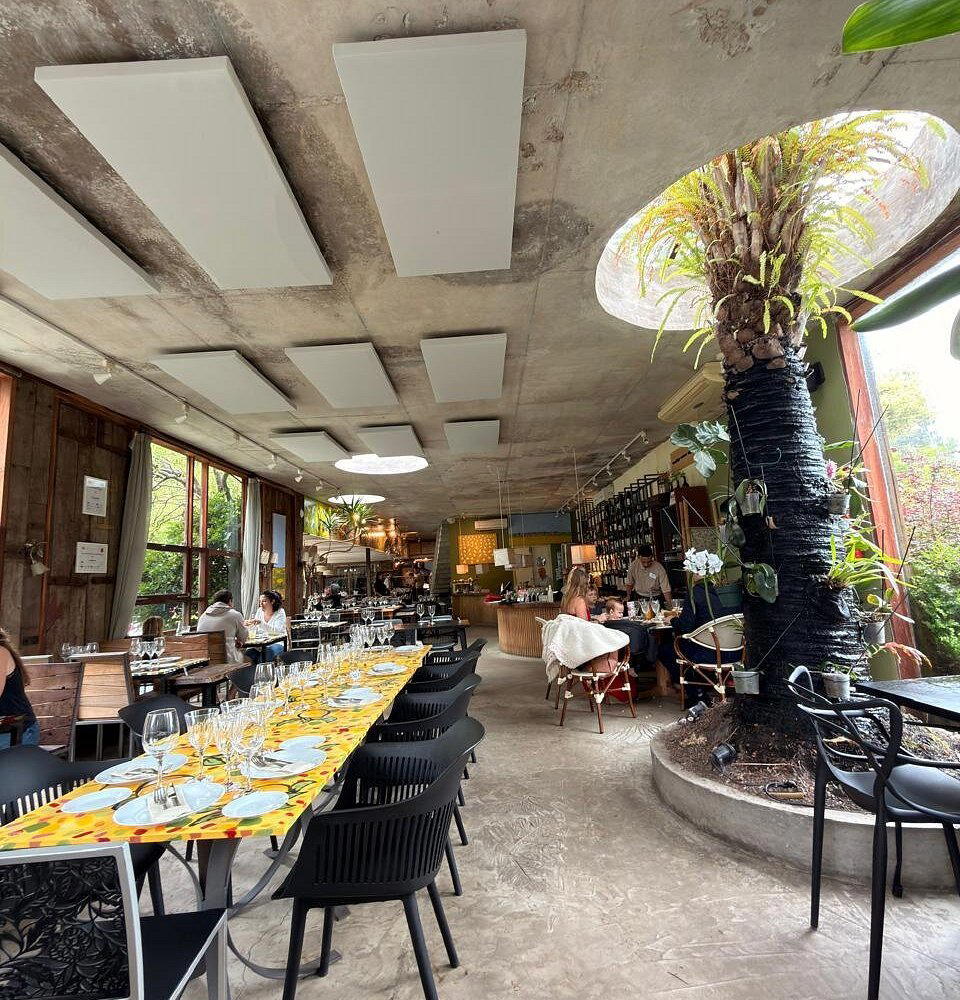
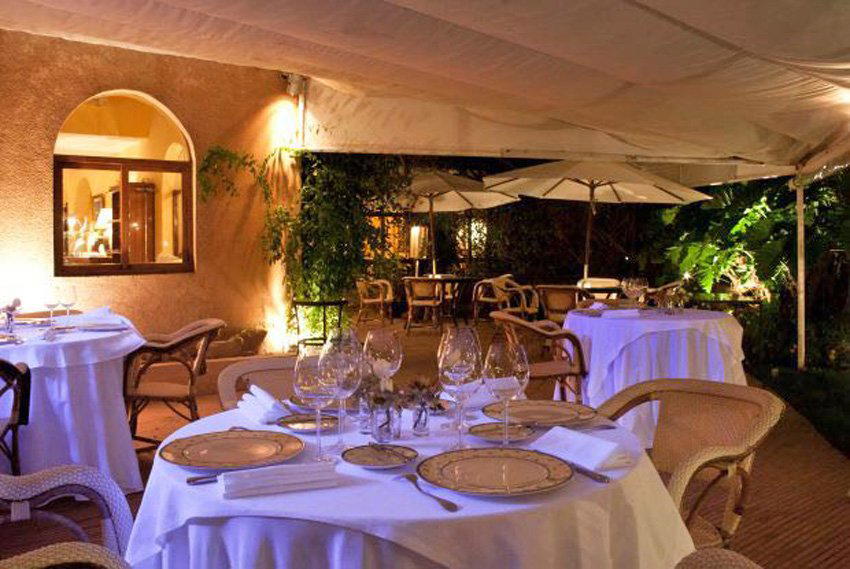
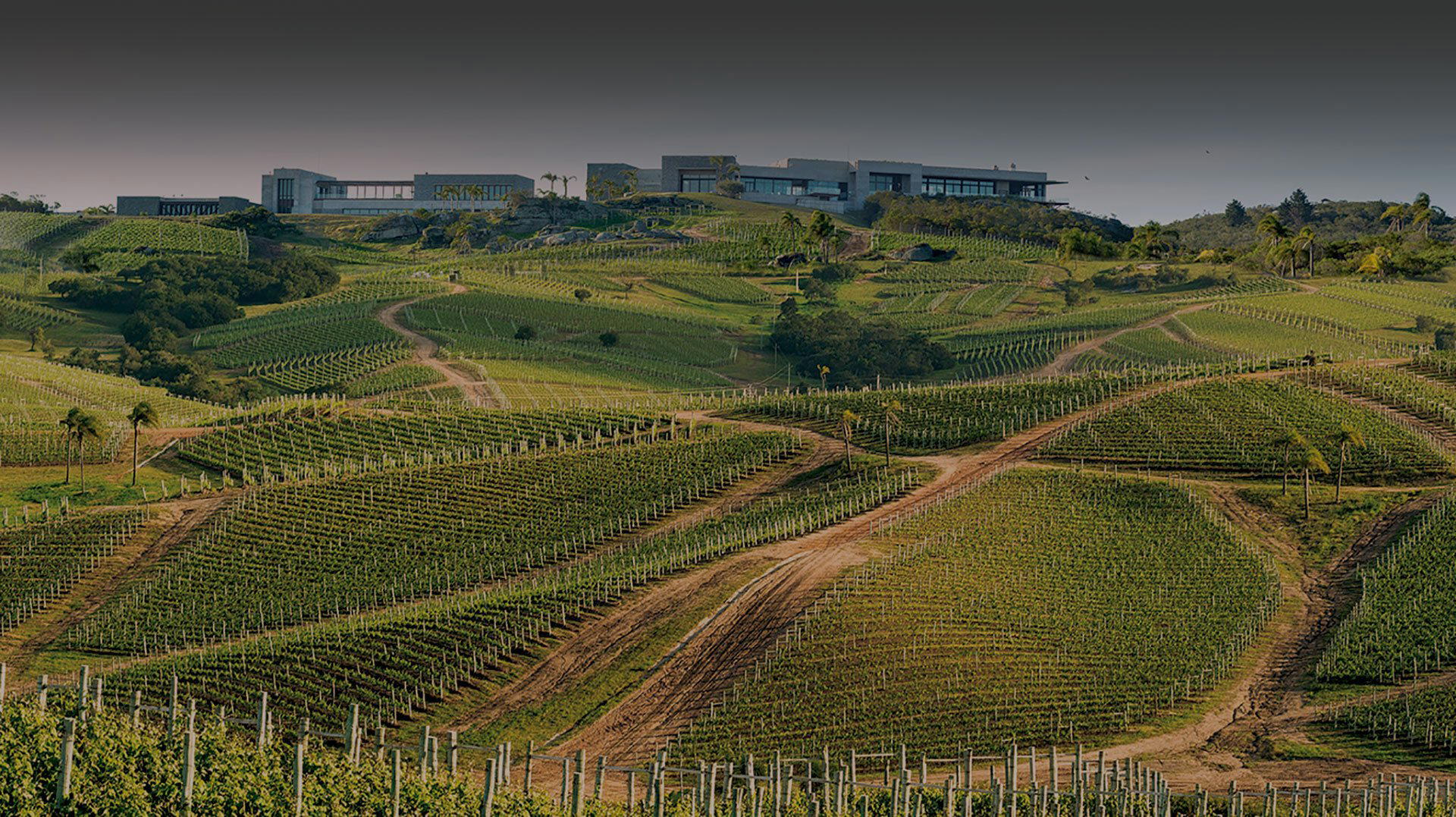
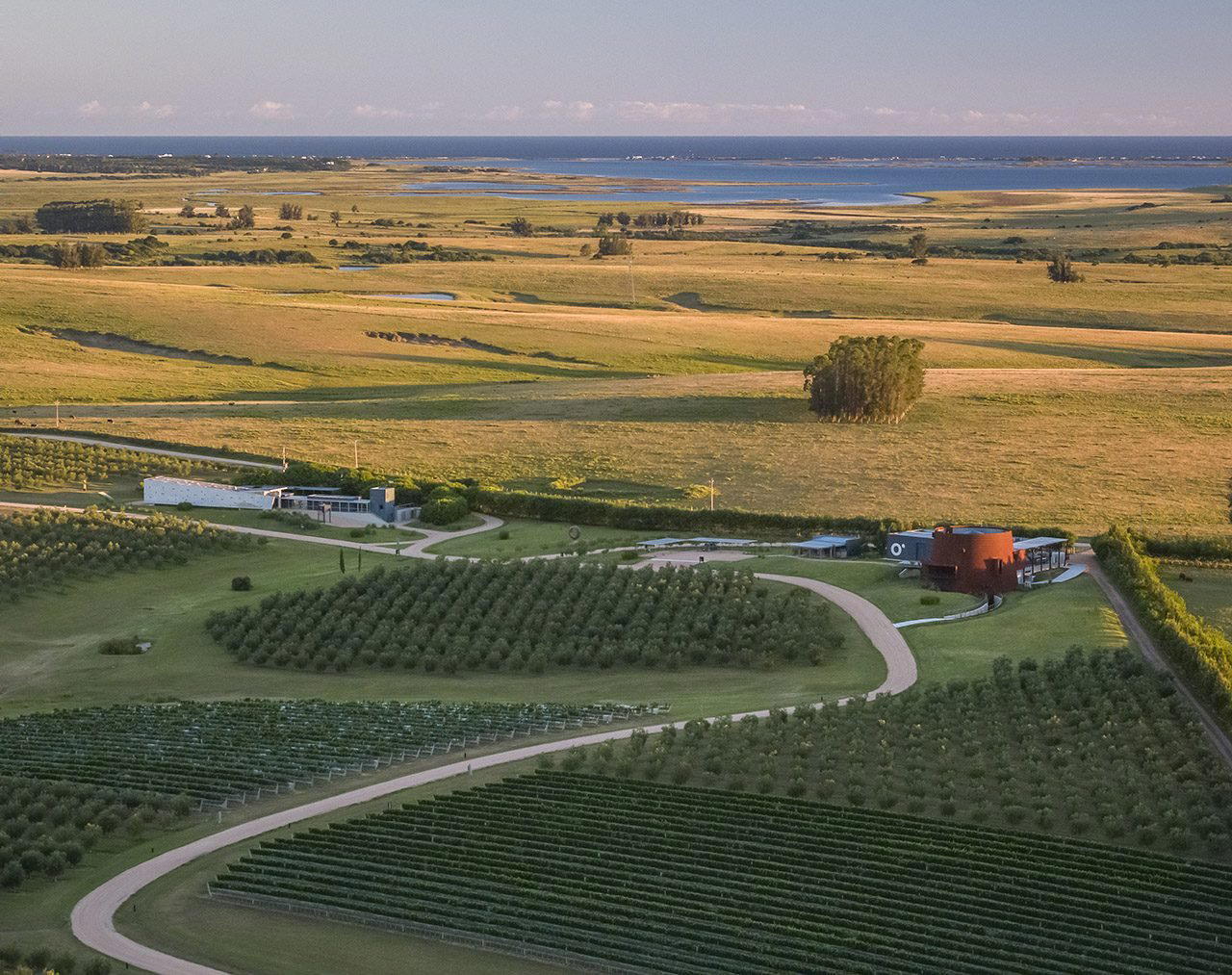
Estate-to-table has become a phrase deployed so often it has nearly lost meaning, but at Bodega Garzón the operational reality is worth examining in specific terms. The estate encompasses olive production, kitchen gardens, and livestock grazing alongside the vineyards, which means the supply chain for a significant portion of the menu is measured in metres rather than kilometres. Uruguay's broader agricultural character reinforces this: the country's cattle density, among the highest per capita in the world, means that the quality baseline for beef sourced even beyond the estate remains high, and the grass-fed, low-intervention ranching practices that dominate the region produce a product with a distinct flavour profile that separates it clearly from grain-finished alternatives.
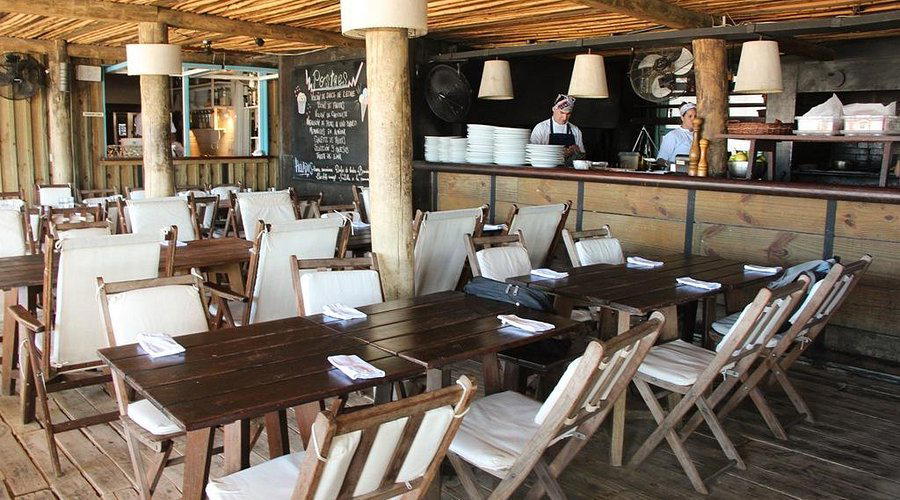
This is the same sourcing logic that defines the better end of Uruguayan cooking more broadly. Venues like Parador La Huella in José Ignacio built their reputation on proximity, to the sea, to local producers, to a specific coastal terroir. The restaurant operates on a parallel premise applied to the interior: the ingredient story is inseparable from the address. The olive oil pressed on-site, the vegetables grown in proximity to the kitchen, the wines produced from fruit harvested within sight of the dining room, these are not decorative details but functional ones that shape what the kitchen can reasonably do.
For visitors comparing experiences across Uruguay's southeast, this positions the restaurant in a different register from the coast-focused restaurants of José Ignacio or the urban polish of Jacinto in Montevideo. It is an agricultural destination first, a restaurant second, and a winery that happens to feed its guests well in between.
The Garzón Village Context
The village of Garzón itself, a cluster of restored colonial buildings set around a square roughly 170 kilometres east of Montevideo, has over the past fifteen years become one of the more quietly discussed addresses in South American gastronomy. The presence of Garzon restaurant in the village established the area as a legitimate destination for serious eating, and the restaurant's winery and restaurant operation extended that gravitational pull into the agricultural surrounds. Together they have created a situation somewhat unusual for rural Uruguay: a cluster of high-quality food and wine experiences within a short radius that justifies a dedicated trip rather than a detour.
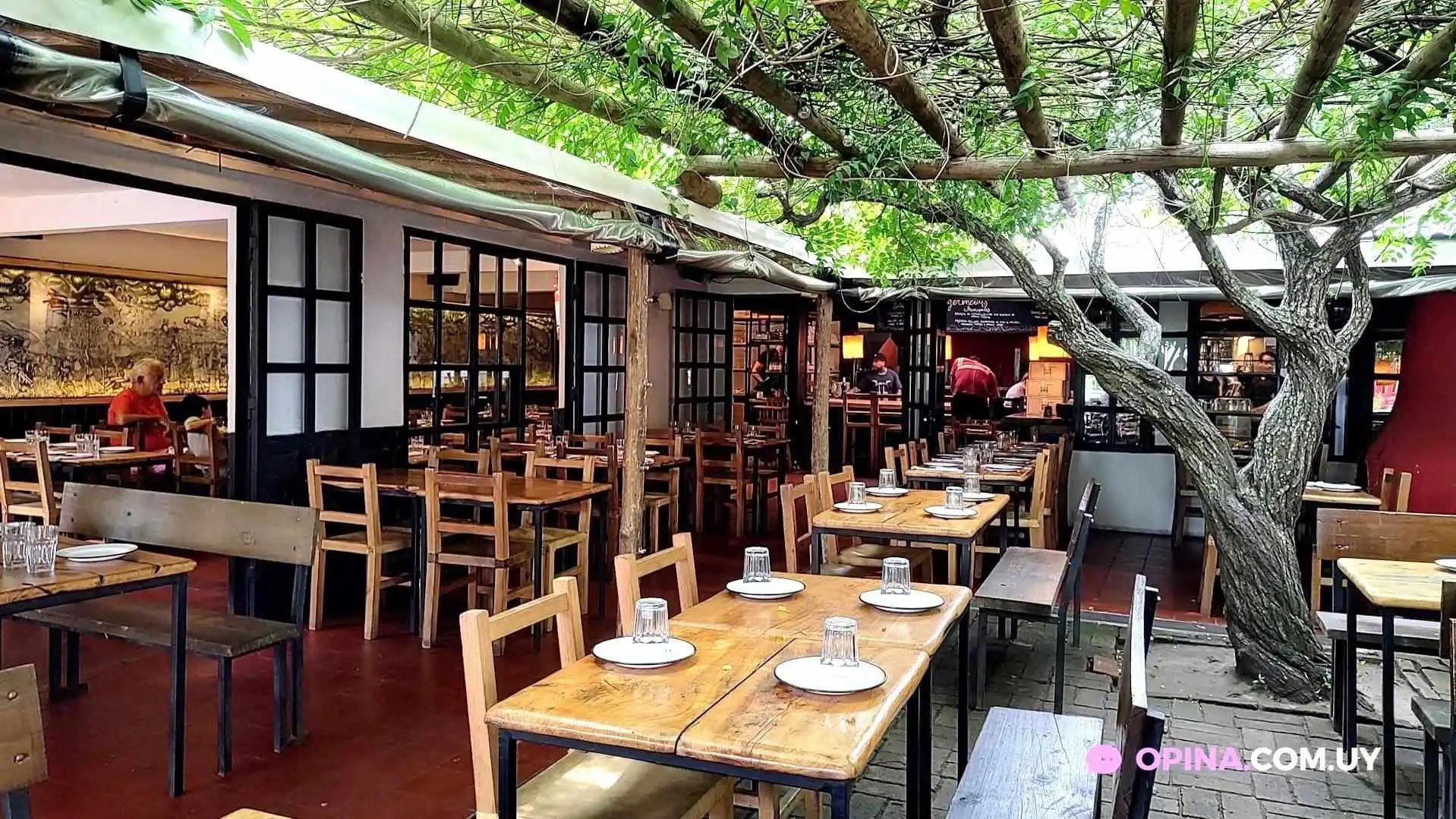
San Carlos, the nearest municipality and the administrative address for much of the region, sits within this corridor. The dining scene around San Carlos runs from casual and unpretentious, CreoLa Bistro, Johnston's Saltbox, Kabul, to the estate-scale ambition of the restaurant. The breadth of that range is part of what makes the area work as a multi-day destination rather than a single-meal stop.
Wine, Table, and the Logic of the Visit
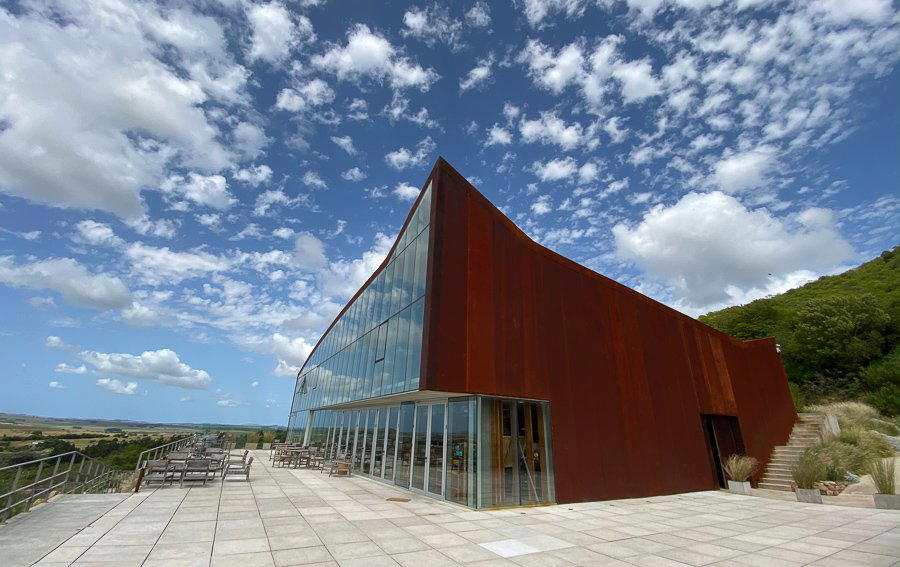
The restaurant functions as an extension of the winery experience, which means the wine list is not an afterthought but the structural spine around which a meal is organised. Uruguay's Tannat-centric identity is well represented, but the cooler conditions of the Garzón estate also support white varieties and lighter reds that rarely appear in the country's export profile. Drinking through a vertical or a range of the estate's own labels at the source, with food that reflects the same agricultural address, is a different proposition from ordering Uruguayan wine at a restaurant in Punta del Este or at Las Nenas Steak House in Punta Del Este.
For internationally-minded visitors accustomed to estate dining at properties like Atelier Moessmer Norbert Niederkofler in Brunico, where the relationship between land, produce, and kitchen is treated as a serious culinary argument, the restaurant makes a comparable case, adjusted for Uruguayan agricultural realities. The ambition is regional in scope, not global in aspiration, and that restraint is appropriate to the setting.
Planning a Visit
The restaurant is located on Route 9, kilometre marker 175, in the department of Maldonado, approximately a two-hour drive from Montevideo and under an hour from Punta del Este. The estate format means visits work best as a half-day or full-day commitment rather than a quick lunch. Visiting outside the peak summer months means more availability and a quieter experience on the grounds. Advance planning for the restaurant is sensible, particularly in summer.
Visitors building a broader Uruguay itinerary can use the restaurant as a natural anchor between the coastal energy of José Ignacio and a Montevideo stay. La Bourgogne near Punta del Este operates at the formal French-influenced end of the regional dining spectrum; the restaurant sits at the opposite pole, rooted in local agriculture and the specific character of its estate. Both are worth the time, and together they map the range of what serious eating in Uruguay's southeast currently looks like. Garzon Restaurant in Maldonado fills in another point on that map.