Skip to Main Content
Traditional Japanese Omakase
← Collection
Hong Kong, Hong Kong

Sushi Mori

CuisineSushi
Executive ChefVarious
Price≈$160
Dress CodeSmart Casual
ServiceOmakase Bar
NoiseQuiet
CapacityIntimate
Opinionated About Dining

Sushi Mori operates from a ground-floor address on Eastern Street in Sai Ying Pun, serving omakase-format sushi across a compact evening schedule. The kitchen earned Opinionated About Dining's Highly Recommended recognition for Asia in 2023, placing it within Hong Kong's mid-to-upper tier of Japanese counters. Dinner service runs Tuesday through Friday evenings, with the irregular weekly schedule signalling a deliberate, low-volume approach.

Pearl is the En Primeur Club membership app — saves, bookings, and concierge access live there. Same editors, same standards.

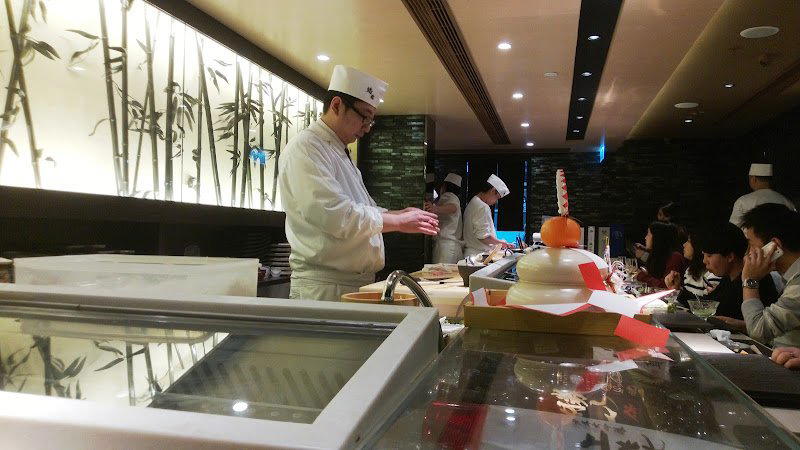
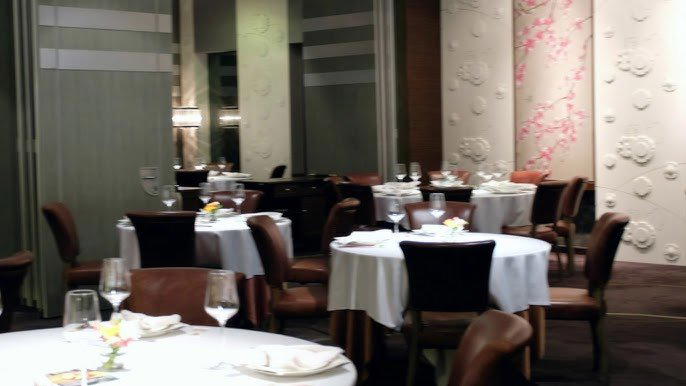
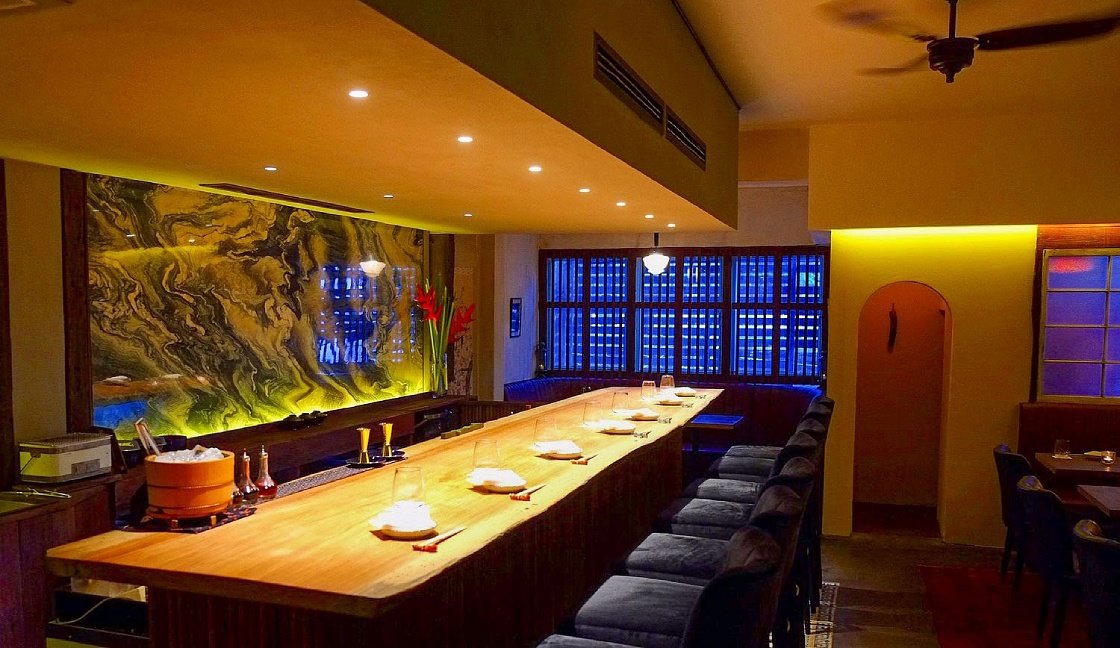
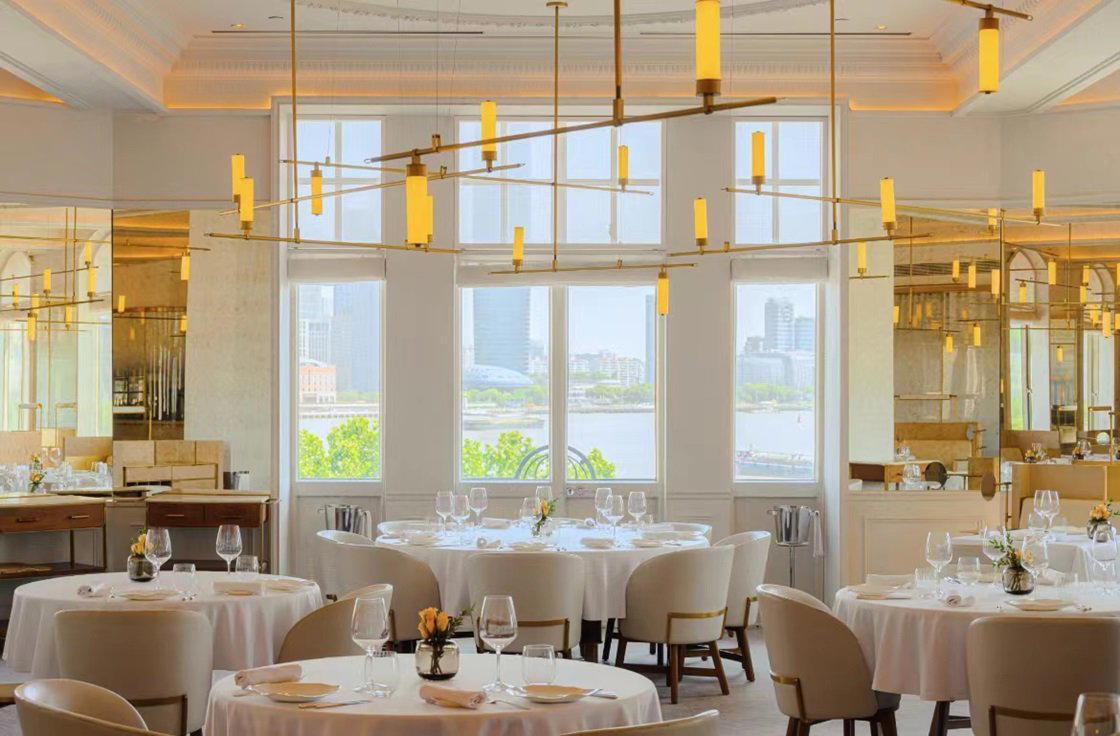
Sushi Mori restaurant in Hong Kong, Hong Kong
About

A Counter in Sai Ying Pun

Eastern Street sits in the western arc of Hong Kong Island, in a neighbourhood that has drawn independent food operators away from the density and rent pressure of Central. The street-level shophouse format that characterises much of Sai Ying Pun lends its restaurants a physical intimacy that the polished towers of Wan Chai or Admiralty cannot replicate. Walking the block, you pass provision stores and small residential entrances before a narrow ground-floor space announces itself with the quiet restraint typical of the city's serious Japanese counters. No elaborate signage, no promotional boards in the window. That restraint is consistent with how the better omakase rooms in Hong Kong have positioned themselves over the past decade: legible to those already looking, invisible to those who are not.

Where Sushi Mori Sits in Hong Kong's Japanese Scene

Hong Kong has built one of the most concentrated clusters of high-end sushi outside Japan itself. The city's geography helps: proximity to Tsukiji's successor market at Toyosu, a resident base with long-standing familiarity with Japanese cuisine, and a corporate-expense dining culture that sustains cover prices few other markets could support. Within that context, the tier structure has grown sharper. At one end sit the Michelin-starred addresses with deep Tokyo lineage — venues like Sushi Shikon and Sushi Saito, which carry the credentials and booking windows to match. At the other end, a newer wave of neighbourhood-oriented counters has emerged, prioritising regularity of supply and intimacy of format over institutional prestige.

Sushi Mori's 2023 Opinionated About Dining Highly Recommended recognition for Asia places it in a specific mid-to-upper register: acknowledged by one of the more demanding critical databases in the region, but operating at a scale and schedule that keeps it distinct from the blockbuster reservation targets. OAD's Asia list draws on a professional survey methodology weighted toward frequent, knowledgeable diners, which makes the recognition a credible signal even without Michelin inclusion. For comparison, counters at the Michelin three-star level in the city — or internationally recognised addresses like Sukiyabashi Jiro Roppongiten in Tokyo or Sushi Kanesaka , operate in a different conversation entirely. Sushi Mori's peer set is closer to the serious but less institutionally branded counters: places like Sushi Wadatsumi, Sushi Fujimoto, and Sushi Gin in Hong Kong.

The Seasonal Argument for Omakase

The strongest argument for the omakase format, at any counter, is that it removes the need for the diner to know what is good on a given day. A printed menu is a record of what was worth ordering at some past point; an omakase counter is, in theory, a live expression of what the market yielded that morning. In Japan, this is the structural logic behind places like Harutaka in Tokyo or Sushi Harasho in Osaka, where the menu is rarely written down because it changes with the catch.

In Hong Kong, the seasonal calendar for premium sushi follows Japanese rhythms closely. Winter brings the most-discussed fish: buri (yellowtail) fattened through the cold months, the short but intensely prized season for fugu, and the sustained availability of premium tuna from the Atlantic and Pacific long-line fleets. Spring shifts the counter toward lighter, leaner profiles , flounder and spring sea bream , before summer introduces the noisier negotiations around uni, with Hokkaido supply peaking from June through August. Autumn is frequently cited by Tokyo counter chefs as the most balanced season: tuna quality remains high, shinko (young gizzard shad) arrives in small sizes that only experienced hands should attempt to cure, and the water temperatures along Japan's coasts produce shellfish at their most consistent. Counters with access to quality supply and the technical range to handle the full year's fish will show their depth in autumn more than any other season. For the Tokyo comparison, counters like Edomae Sushi Hanabusa make this seasonal discipline a central part of their identity.

How Sushi Mori works through this calendar is consistent with the general logic of a low-volume, Sai Ying Pun counter. The approach at counters operating in this register typically reflects whatever the chef's supply relationships permit , a smaller seat count means procurement can be selective rather than volume-driven, which tends to produce better seasonal fidelity than a larger room trying to serve forty covers a night.

The Schedule as Signal

The operating hours at Sushi Mori , evenings Wednesday through Friday, closed Saturday and Sunday , are unusual enough to be worth reading carefully. Most restaurants with weekend revenue to chase keep Saturday at minimum; closing both Saturday and Sunday suggests either a very tight staffing model, a deliberate choice to avoid the weekend dining crowd, or a kitchen that operates around a procurement and prep cycle that does not suit consecutive high-volume service. Monday and Thursday evenings are included; Tuesday is closed. The resulting week produces a small number of services, which, if consistent with a compact seat count, implies a very controlled number of covers per week. That constraint is common across the better small counters in Asia , Shoukouwa in Singapore and Hamamoto in Singapore both operate on the principle that fewer covers sustain quality better than full commercial scheduling. Sushi Sho in New York takes a similar approach with its counter format.

Planning a Visit

The limited number of weekly services means lead time is likely necessary, though no booking channel is listed in public records. Direct contact through the venue or a concierge is the practical path. Given the Wednesday and Thursday evening slots and the closed weekend, mid-week availability is the only viable window for most visitors.

Address: Shop C, G/F., 38-42 Eastern Street, Sai Ying Pun, Hong Kong Island. Hours: Monday 6pm–12am; Wednesday 12am–12pm (verify directly); Thursday and Friday 6pm–12am; Tuesday, Saturday, and Sunday closed. Awards: Opinionated About Dining Highly Recommended, Asia, 2023. Reservations: Contact directly; no online booking listed. Dress: No formal code published; counter dining at this level typically warrants smart casual at minimum.

For broader context on where Sushi Mori fits within the city's dining scene, see our full Hong Kong restaurants guide. For accommodation options nearby, our Hong Kong hotels guide covers the full range. Drinking before or after? Our Hong Kong bars guide maps the city's current bar scene, and for anything beyond dining and drinking, our Hong Kong experiences guide and Hong Kong wineries guide round out the picture.

Signature Dishes
Hokkaido sea urchin gunkansoft shell crab rollswild catch tuna otoro
Frequently asked questions

Recognition Snapshot

A quick comparison pulled from similar venues we track in the same category.

At a Glance
Vibe
  • Intimate
  • Hidden Gem
  • Elegant
Best For
  • Date Night
  • Special Occasion
Experience
  • Chefs Counter
Drink Program
  • Sake Program
Sourcing
  • Sustainable Seafood
Dress CodeSmart Casual
Noise LevelQuiet
CapacityIntimate
Service StyleOmakase Bar
Meal PacingLeisurely

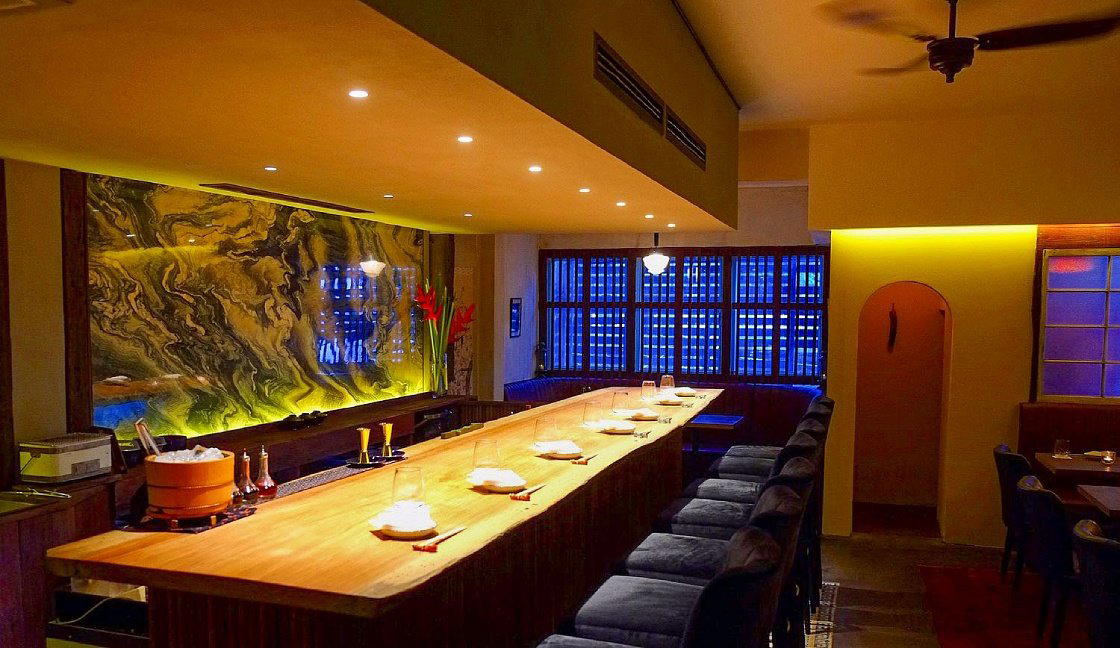
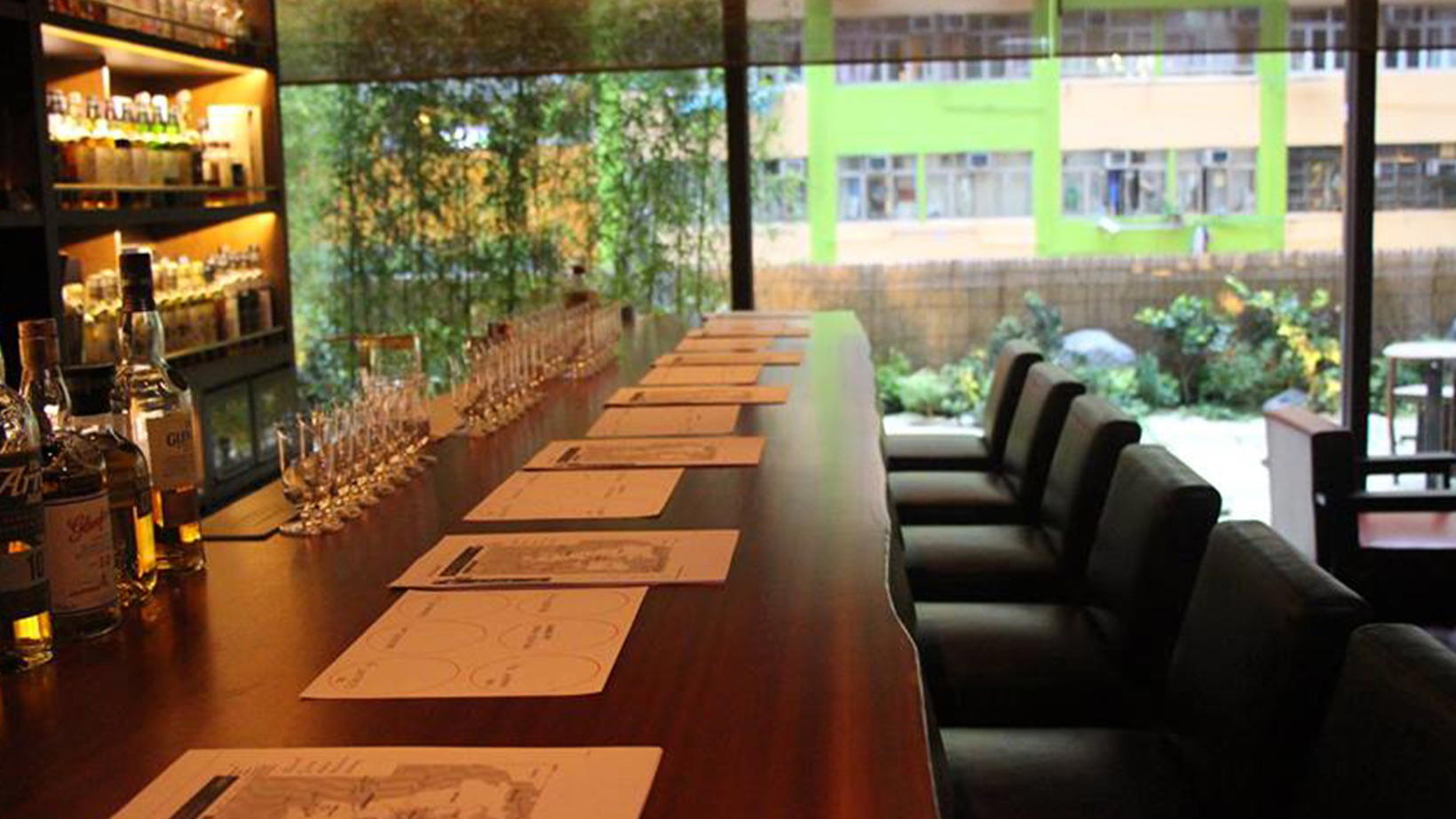
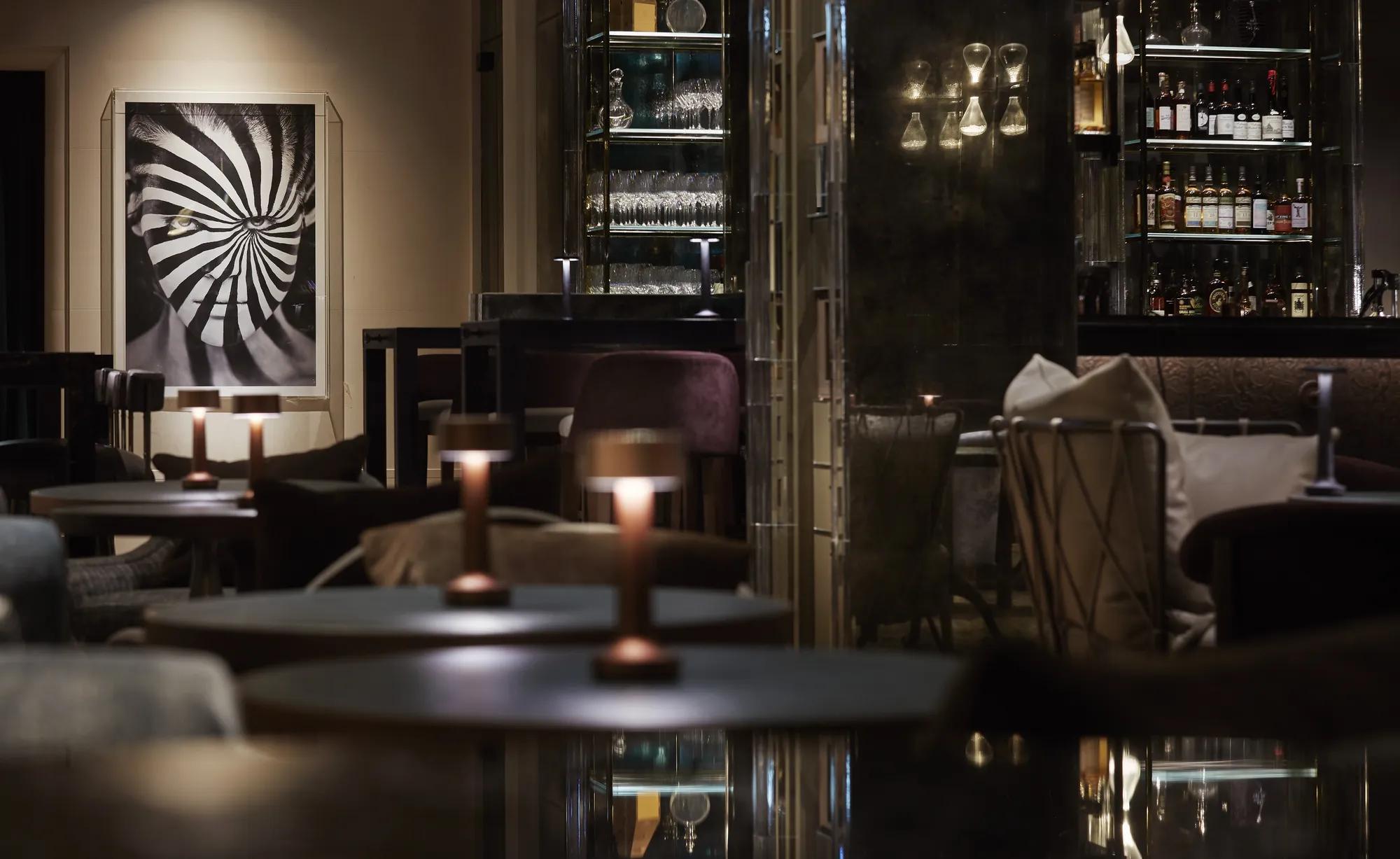
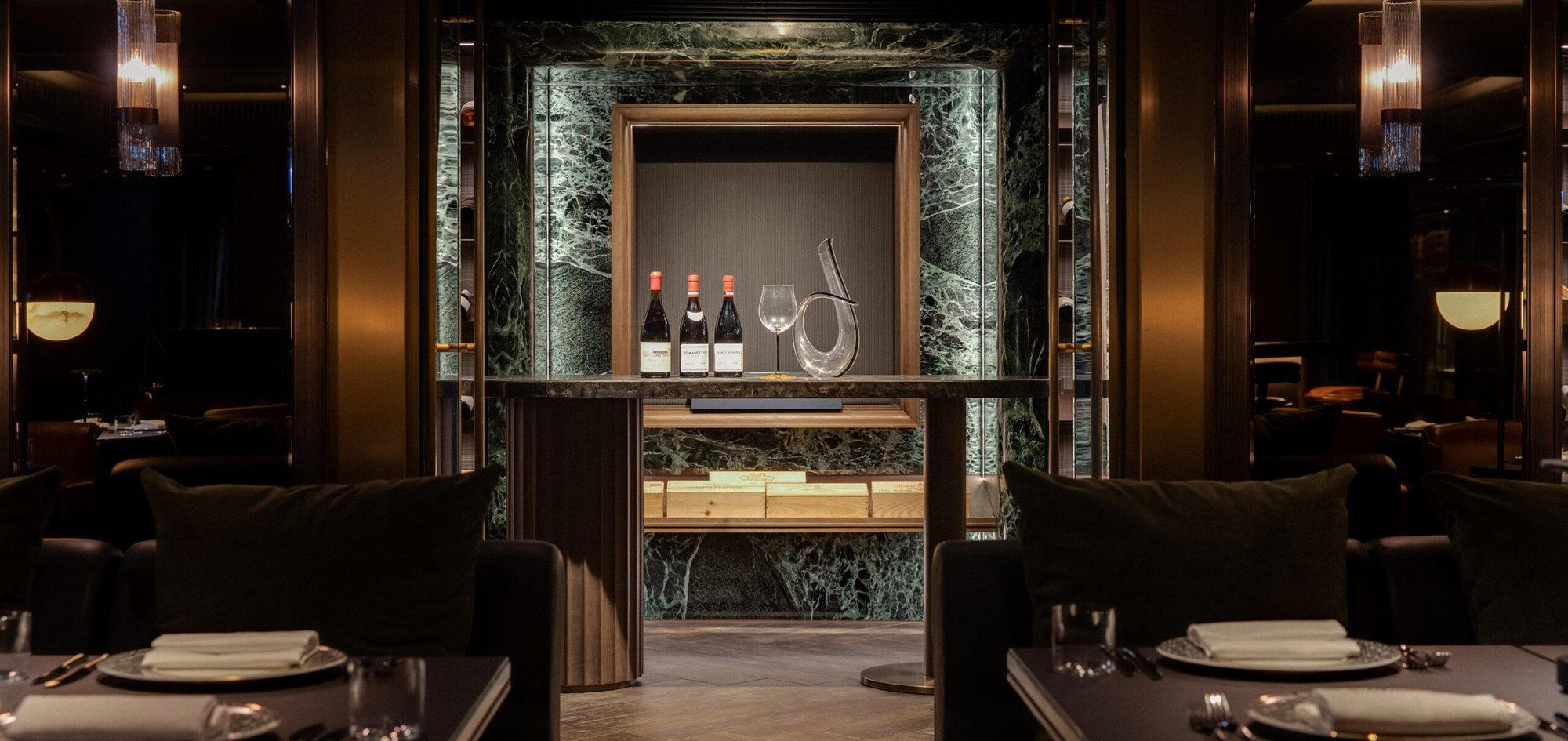
Intimate sushi bar with dark wood elements, L-shaped counter seating for personal service, and focused attention to detail in a discreet neighborhood location.

Signature Dishes
Hokkaido sea urchin gunkansoft shell crab rollswild catch tuna otoro