

1 Michelin Star
Our verdict
A Michelin-starred omakase counter in Tsim Sha Tsui, Sushi Wadatsumi has carried its Sheung Wan reputation into a larger mall-based format since 2021. Wild-caught fish from Japan, Yamagata rice dressed in red vinegar, and a single set menu position it among Hong Kong's serious sushi addresses, recognised by both the Michelin Guide and Opinionated About Dining's Asia rankings.

Pearl is the En Primeur Club membership app, where members save venues, book tables and use the concierge.
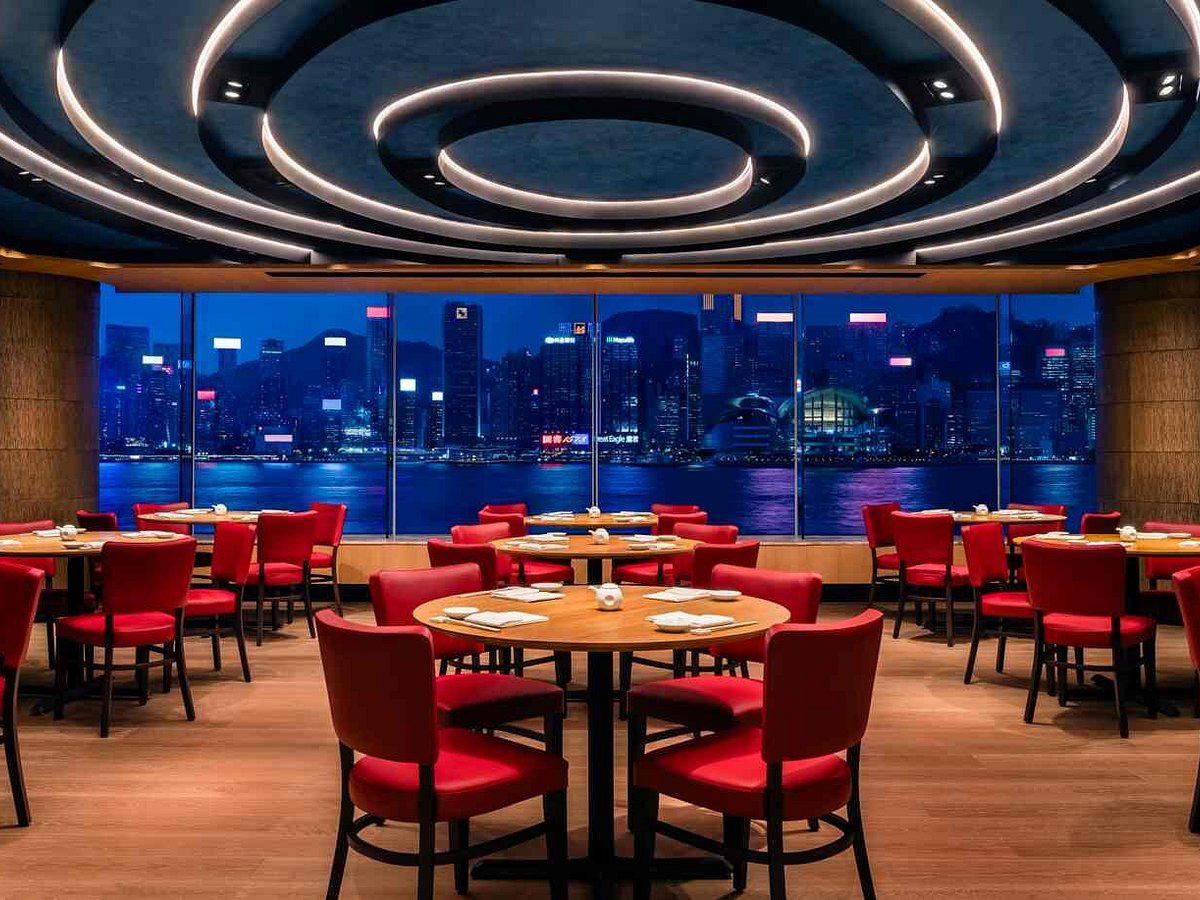
Occasion Dining in Hong Kong's Sushi Tier
When Hong Kong diners face a milestone meal, the question of which sushi counter to book carries real weight. Within that context, the choice between a small private counter, a hotel-anchored dining room, and a relocated institution with an established track record becomes genuinely consequential.
For a celebratory dinner or a significant anniversary, the address matters. Tsim Sha Tsui carries a different register from the mid-levels or Central: the Salisbury Road strip sits close to the waterfront and commands a density of upscale hotel dining that gives the neighbourhood a formal occasion energy. Arriving at a mall-based restaurant in this district feels less incongruous than it might elsewhere, particularly when the counter inside has a Michelin star and a consistent presence on Opinionated About Dining's Asia-wide rankings.
What the Fish Program Signals
Across Hong Kong's serious sushi counters, sourcing is the first credential. The supply chain between Toyosu and the city's leading kitchens has become reliable enough that wild-caught Japanese fish is now a baseline expectation at the upper end of the market, not a differentiator. What distinguishes individual counters at that level is the specificity of their relationships: which prefectures, which seasonal windows, which cuts. Wadatsumi's sourcing, documented in the OAD notes, centres on wild-caught fish from Japan, with the kitchen operating a single set menu format that lets the sourcing drive the structure of the meal rather than the other way around.
The rice program offers a more specific signal. Yamagata sushi rice dressed in a blend of red vinegar is a technical choice with real implications: red vinegar (akazu) produces a deeper, more assertive acidity than standard rice vinegar, and Yamagata rice carries a particular stickiness and grain structure. This places Wadatsumi in the Edomae-adjacent tradition rather than the lighter, more delicate rice styles associated with some contemporary Tokyo counters. For a guest booking a special occasion meal, this is the kind of detail that separates a memorable counter from a technically competent one. Compare this approach with what you'd encounter at Edomae Sushi Hanabusa in Tokyo, where the Edomae lineage is similarly foregrounded, or at Sushi Kanesaka in Tokyo, another counter where rice and vinegar discipline anchors the entire menu philosophy.
The Seasonal Window Worth Planning Around
OAD's notes flag one detail that functions as the counter's clearest occasion-worthy seasonal signal: live baby cuttlefish, available for only two weeks each year. In a city where omakase menus rotate with the fish calendar, a two-week seasonal window of this specificity is worth building a reservation around. For a significant meal, the difference between a technically reliable counter and one that can offer something genuinely time-limited is the difference between a good dinner and a specific memory. Those planning a celebration in the relevant season should factor this window into their timing, though the precise period is not publicly fixed in advance.
The counter opens seven days a week for both lunch and dinner, with lunch service running 12:00 to 2:30 PM and dinner from 6:30 to 10:00 PM. This dual service across all seven days is operationally notable: many of Hong Kong's more tightly managed omakase counters restrict lunch to weekends or operate with shorter weeks. The accessibility of a weekday lunch format makes Wadatsumi more practical for milestone occasions that don't align neatly with weekend availability, including corporate celebrations or post-meeting milestone meals that work better in a midday format.
Where It Sits Among Hong Kong's Sushi Addresses
Hong Kong's omakase market has expanded substantially over the past decade, and the current competitive set spans a wide range of price points, counter sizes, and critical standing. At the upper end, Sushi Shikon holds three Michelin stars and operates as the city's clearest reference point for the highest-investment omakase occasion. Wadatsumi, with one Michelin star and an OAD Asia ranking of #348 in 2025 (improved from #312 in 2024), sits one tier below that ceiling, in the bracket occupied by counters that offer serious technical programs at a slightly lower intensity of formality and price.
Within that bracket, peers include Sushi Saito, Sushi Fujimoto, Sushi Gin, and Sushi Ima, each of which operates a distinct sourcing and rice approach. The OAD ranking movement from Recommended in 2023 to #312 in 2024 to #348 in 2025 tells a story worth noting: the counter held its critical presence through its physical relocation, which is not guaranteed when an established restaurant shifts from a neighbourhood setting to a larger mall-based space. That kind of continuity of quality through a major logistical change is a reasonable indicator of operational discipline.
For context across the region, the sushi scene in Singapore offers comparable reference points at the premium level: Shoukouwa and Hamamoto both operate within a similar critical tier, while Sushi Harasho in Osaka and Sukiyabashi Jiro Roppongiten in Tokyo anchor the Japanese mainland reference points. Harutaka in Tokyo is another useful calibration for the mid-to-upper omakase tier, and Sushi Sho in New York City shows how Edomae-influenced technique travels across time zones.
Planning the Visit
For occasion dining at the $$$$ price tier, Wadatsumi sits in the same bracket as comparators including the Italian dining room at Sushi Shikon and the French rooms at Caprice and 8½ Otto e Mezzo Bombana, though the omakase format delivers a fundamentally different kind of occasion experience: sequential and chef-directed rather than a la carte and guest-paced. The single-menu structure means the experience is not customisable in the way a hotel French room allows, but for groups celebrating a specific event, that prescribed rhythm can be an asset rather than a constraint.
Chef Andy Lee leads the kitchen. The counter operates at the $$$$ price point across a format that has expanded since the 2021 move, and the daily lunch and dinner services across all seven days give more scheduling flexibility than many comparable addresses in the city.
| Venue | Price Tier | Michelin Stars | Format | Days Open |
|---|---|---|---|---|
| Sushi Wadatsumi | $$$$ | 1 Star (2024) | Single set menu | 7 days, lunch & dinner |
| Sushi Shikon | $$$$ | 3 Stars | Omakase | Check venue |
| Sushi Saito | $$$$ | Check venue | Omakase | Check venue |
| Sushi Gin | $$$$ | Check venue | Omakase | Check venue |
For the broader dining, hotel, bar, and cultural context in the city, see our full Hong Kong restaurants guide, our full Hong Kong hotels guide, our full Hong Kong bars guide, our full Hong Kong wineries guide, and our full Hong Kong experiences guide.
Frequently asked questions
What's the signature dish at Sushi Wadatsumi?
Wadatsumi does not publish a fixed signature dish in the conventional sense; the format is a single set menu that changes with the fish calendar. However, the two elements most consistently noted by OAD and other credentialled sources are the live baby cuttlefish, available for approximately two weeks per year, and the Yamagata rice dressed in a red vinegar blend, which underpins every piece of nigiri served. The red vinegar choice is a deliberate technical position within the Edomae tradition, producing a more assertive acidity than the white vinegar used at many contemporary counters. Chef Andy Lee leads a kitchen that sources primarily wild-caught fish from Japan, and the single-menu format means every course reflects that sourcing discipline. For comparative context on how Edomae rice technique varies across the region's leading counters, see Edomae Sushi Hanabusa in Tokyo and Sushi Fujimoto in Hong Kong.
Cuisine and Awards Snapshot
A quick peer list to put this venue’s basics in context.
| Venue | Cuisine | Price | Awards | Notes |
|---|---|---|---|---|
| Sushi WadatsumiThis venue (the venue you are viewing) | Edomae-style Omakase | $200–300 | 1 Michelin Star | Not listed |
| 8 1/2 Otto e Mezzo Bombana (Hong Kong) | 3 Michelin-Star Italian Fine Dining | $200–300 | 3 Michelin Stars · World's 50 Best #94 | Italian |
| Ta Vie | Modern French-Japanese Fine Dining | $300–500 | 3 Michelin Stars · World's 50 Best #68 | Japanese - French, Innovative |
| Caprice | Contemporary French Fine Dining | $200–300 | 3 Michelin Stars · World's 50 Best #35 | French, French Contemporary |
| Feuille | Modern Vegetable-Forward French | $200–300 | 1 Michelin Star · World's 50 Best #93 | French Contemporary |
| Neighborhood | Modern French with Asian Influences | $50–100 | 1 Michelin Star · World's 50 Best #24 | International, European Contemporary |
Recognition history
Dated appearances from independent guides and award organizations, with the underlying list record or original source where available.
Michelin 1 Star
Michelin
Opinionated About Dining Top Restaurants in Asia Recommended
Opinionated About Dining
Full recognition history (7 entries)
Michelin 1 Star
Michelin
Opinionated About Dining Top Restaurants in Asia Ranked #348
Opinionated About Dining
Michelin 1 Star
Michelin
Opinionated About Dining Top Restaurants in Asia Ranked #312
Opinionated About Dining
Opinionated About Dining Top Restaurants in Asia Recommended
Opinionated About Dining
Continue exploring
More in Hong Kong
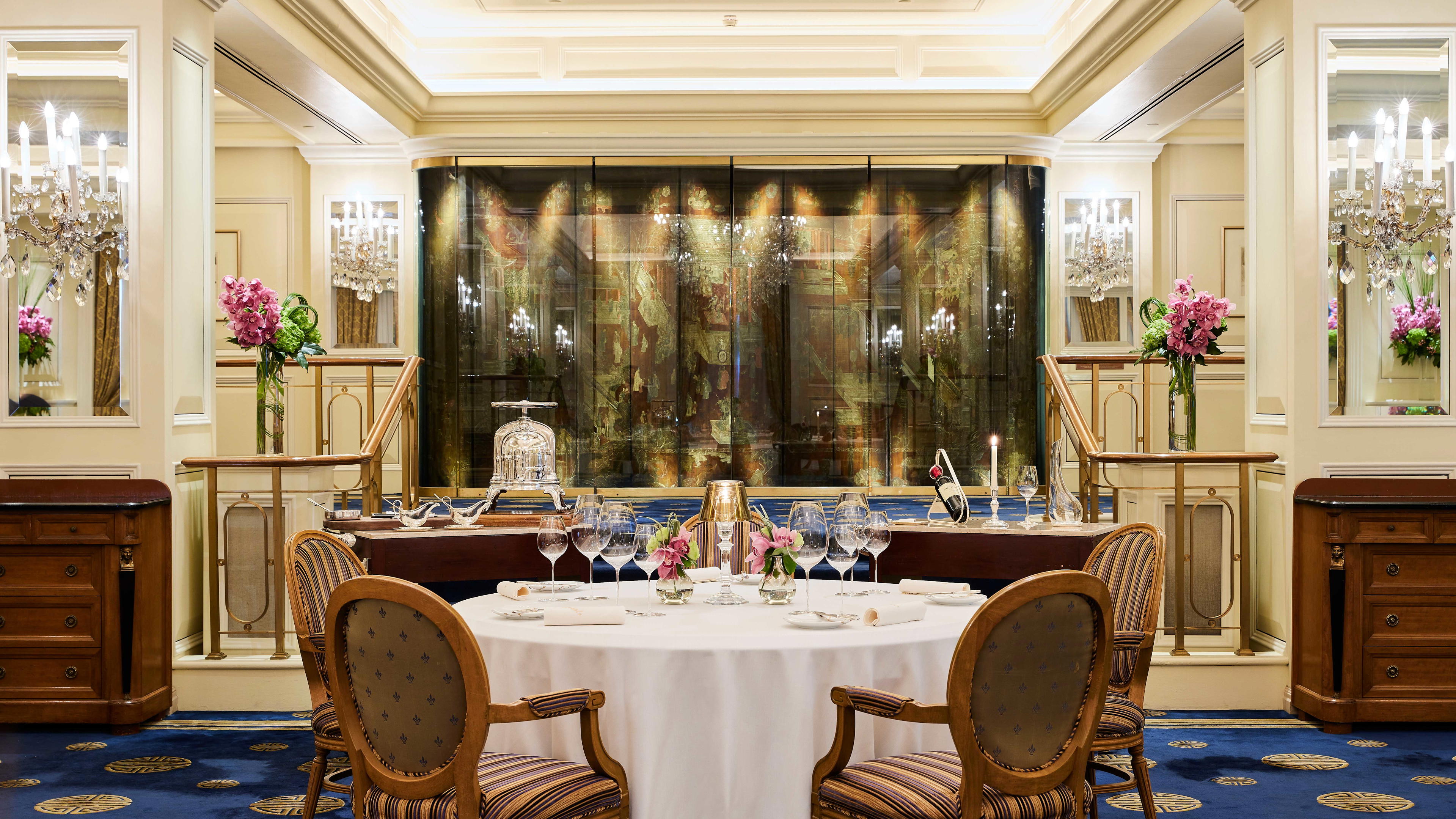
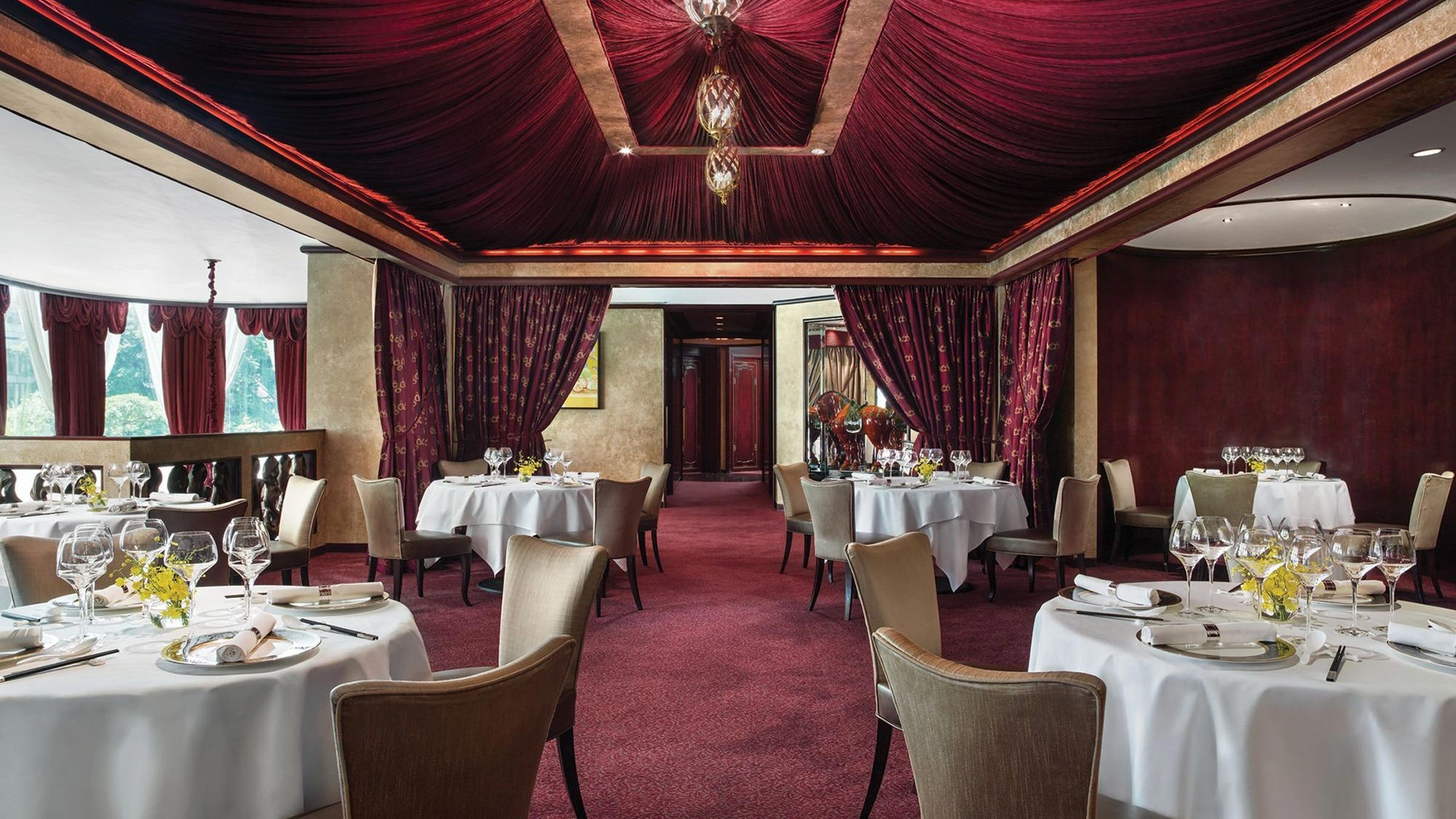
Restaurants in Hong Kong
All restaurants in Hong Kong →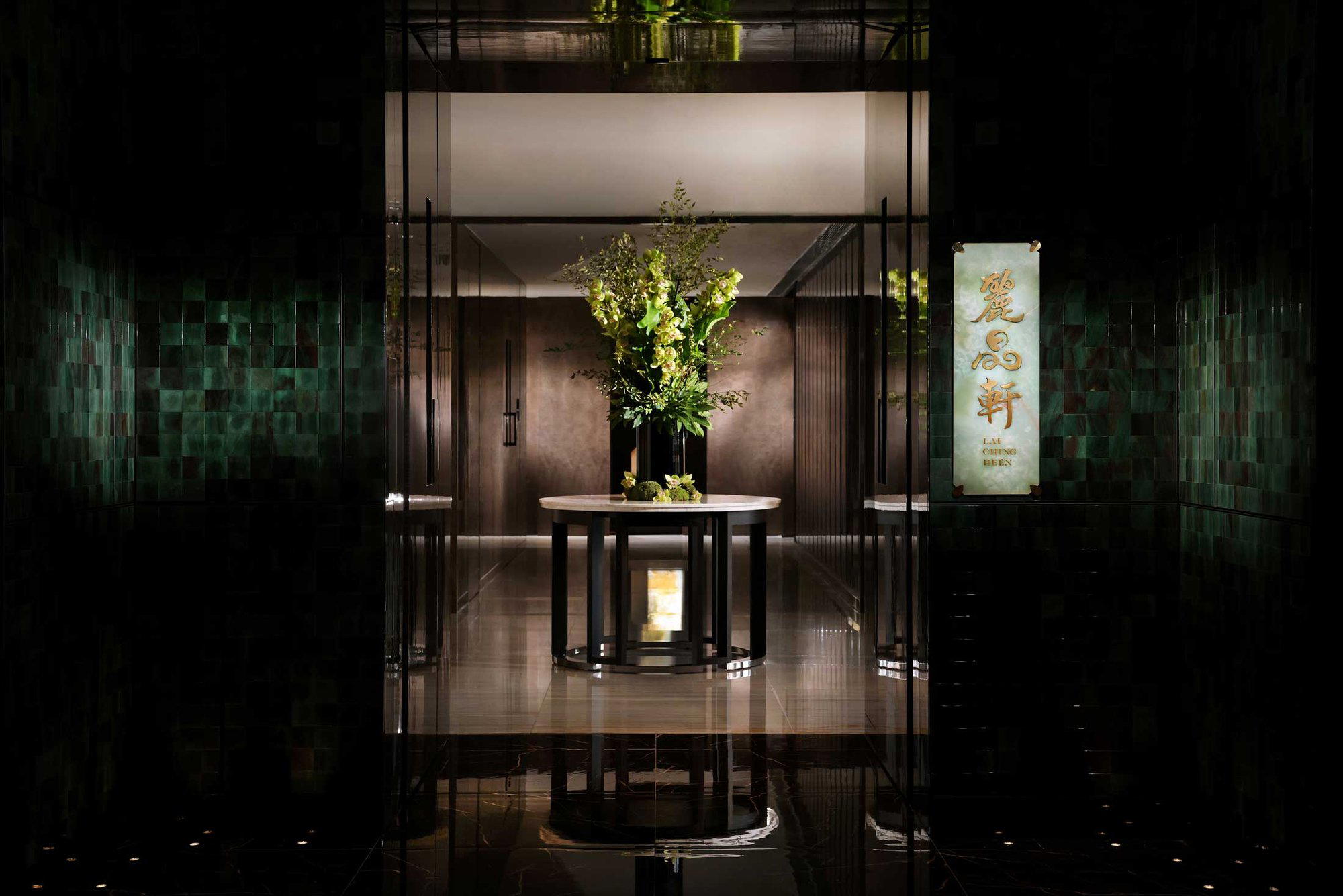
Bars in Hong Kong
All bars in Hong Kong →
Hotels in Hong Kong
All hotels in Hong Kong →
Wineries in Hong Kong
All wineries in Hong Kong →
Details
- Elegant
- Sophisticated
- Modern
- Intimate
- Date Night
- Special Occasion
- Business Dinner
- Chefs Counter
- Sake Program
- Sustainable Seafood
- Skyline
- Omakase
- Counter Dining
- Sake
Current opening hours
- Monday
- 12–2:30 PM, 6:30–10 PM
- Tuesday
- 12–2:30 PM, 6:30–10 PM
- Wednesday
- 12–2:30 PM, 6:30–10 PM
- Thursday
- 12–2:30 PM, 6:30–10 PM
- Friday
- 12–2:30 PM, 6:30–10 PM
- Saturday
- 12–2:30 PM, 6:30–10 PM
- Sunday
- 12–2:30 PM, 6:30–10 PM
Hours can change for holidays and private events. Hours as of .
Brightly lit sushi counter with comfortable, zen-like quiet atmosphere and hinoki wood elements.