
Our verdict
Sushi Gin occupies the sixth floor of Cubus in Causeway Bay, positioning itself within Hong Kong's mid-to-upper omakase tier. Ranked #467 on the 2025 Opinionated About Dining Top Restaurants in Asia list, the counter under Chef Ah Do draws a loyal local following for focused Edomae-style sushi. Open for both lunch and dinner across the week, it suits milestone meals that call for precision over spectacle.

Pearl is the En Primeur Club membership app, where members save venues, book tables and use the concierge.
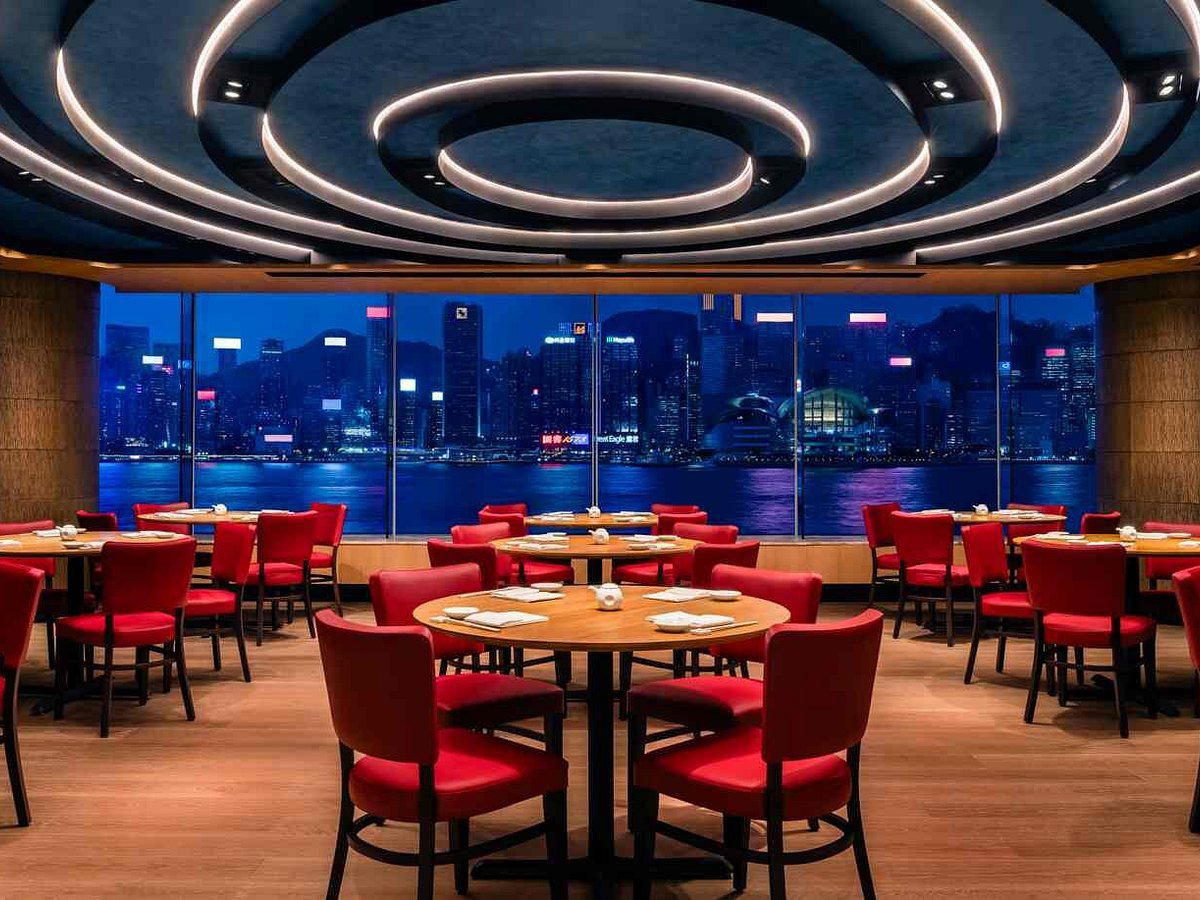
The menu
What to order
- Kuruma ebi with seaweed noodles
- Slow-braised abalone tempura
- Grilled white miso marinated black cod
- Cod milt appetiser
- Toro
A Sixth-Floor Counter in Causeway Bay's Omakase Circuit
Causeway Bay is not Hong Kong's flashiest address for Japanese dining, but that has become part of its appeal. While the hotel corridors of Central and Tsim Sha Tsui host the city's most decorated rooms, Causeway Bay has quietly accumulated a serious cluster of counters whose reputations travel by word-of-mouth rather than lobby placement. Sushi Gin sits on the sixth floor of Cubus, a mixed-use building on Hoi Ping Road, which means the approach involves an elevator rather than a doorman, and the dining room announces itself only once you've arrived. That dynamic, common across Hong Kong's vertical dining culture, tends to filter the room toward guests who came specifically, not incidentally.
The broader context matters: Hong Kong has one of Asia's densest concentrations of serious sushi, with counters operating at every tier from neighbourhood spots to rooms that match the pricing of Sushi Shikon or Sushi Saito. That density pushes each counter toward a distinct identity. The mid-tier in Hong Kong sushi is arguably the most competitive segment in any Asian city outside Tokyo, and survival in it over multiple years signals something about consistency and customer loyalty rather than novelty.
Where Sushi Gin Sits in the OAD Rankings
The Opinionated About Dining survey, which draws assessments from a network of experienced diners rather than anonymous inspectors, ranked Sushi Gin at #467 on its 2025 Leading Restaurants in Asia list, following a Recommended designation in 2023. That trajectory, from a general recommendation into a numbered ranking, reflects accumulated positive assessments from repeat visitors rather than a single celebrated season. OAD rankings tend to favour consistency and ingredient sourcing over theatrics, which positions Sushi Gin within a different evaluative framework than Michelin or 50 Best, where atmosphere and innovation carry more weight.
For comparison, counters like Sushi Wadatsumi and Sushi Fujimoto occupy adjacent segments of Hong Kong's sushi scene, each with their own recognition signals. Regionally, the OAD Asia list places Sushi Gin in company with rooms across Tokyo, Osaka, Singapore, and Hong Kong, cities where the standard of imported fish and rice technique has converged considerably over the past decade. The fact that a Causeway Bay counter holds a numbered position on that list, alongside counters like Harutaka in Tokyo or Shoukouwa in Singapore, is evidence that the room operates at a level the survey's diner base considers worth tracking.
Occasion Dining in the Omakase Format
The omakase counter has become the default format for milestone dining in Hong Kong's Japanese sector, displacing the private tatami room for a generation of diners who want engagement over seclusion. The format rewards guests who want to mark an occasion with attention to craft: the progression of courses, the visible work at the counter, and the one-on-one dynamic between itamae and guest make the experience feel personal in a way that a large dining room rarely achieves. At Sushi Gin, the Cubus address adds a layer of discretion that suits this purpose. It is not a destination that attracts passing trade or celebratory groups looking for volume.
For milestone meals, the format itself carries the occasion. The rhythm of an omakase, from lighter preparations through aged fish and into rolled finishes, provides a natural arc that a conventional à la carte dinner does not. Counters like Sushi Ima serve a similar function in the city's Japanese dining ecosystem. Across Asia, the format has evolved from a signal of adventurousness to a preferred structure for serious dining occasions, a shift visible in markets from Tokyo's Sukiyabashi Jiro Roppongiten and Sushi Kanesaka to Osaka's Sushi Harasho and New York's Sushi Sho.
Chef Ah Do leads the counter at Sushi Gin.
Practical Planning
Sushi Gin operates lunch and dinner across the full week, with Monday running a morning service alongside the standard afternoon and evening sittings. Sunday dinner runs notably later than the rest of the week, closing at midnight rather than 10:30 pm, which makes it one of the few serious sushi counters in Hong Kong open for a late second sitting on a Sunday. For travellers planning around the city's dining calendar, early spring is when Japanese fish supply chains are at their most varied, and autumn tends to bring the season's leading fatty tuna and seasonal shellfish to Hong Kong counters. Both windows are worth considering when timing a visit around food quality rather than convenience.
For a broader orientation to Hong Kong dining, the full Hong Kong restaurants guide covers the city's range across categories and price points. The Hong Kong hotels guide is useful for positioning accommodation relative to dining clusters, and the bars guide covers after-dinner options in Causeway Bay and Central. The experiences guide and wineries guide round out the city's premium leisure circuit for longer stays.
How Sushi Gin Compares: Logistics at a Glance
| Venue | Location | Format | OAD Recognition | Sunday Late Dinner |
|---|---|---|---|---|
| Sushi Gin | Causeway Bay, 6/F Cubus | Omakase counter | #467 Asia (2025) | Yes, until midnight |
| Sushi Wadatsumi | Hong Kong | Omakase counter | Separate recognition tier | Not confirmed |
| Sushi Fujimoto | Hong Kong | Omakase counter | Separate recognition tier | Not confirmed |
| Sushi Ima | Hong Kong | Omakase counter | Separate recognition tier | Not confirmed |
Frequently asked questions
What is the signature dish at Sushi Gin?
Sushi Gin follows an omakase format led by Chef Ah Do, which means the menu progresses according to the chef's selection on any given service rather than fixed dishes. The OAD recognition, built through assessments by experienced diners rather than a single inspector visit, points to consistent fish quality and technique across multiple sittings as the defining characteristic of the counter. For a sense of how dedicated Edomae-style counters structure their menus in this segment, comparable rooms like Edomae Sushi Hanabusa in Tokyo and Hamamoto in Singapore provide useful reference points for what the format demands at this recognition level.
Same-City Peers
| Venue | Cuisine | Price | Awards | Notes |
|---|---|---|---|---|
| Sushi GinThis venue (the venue you are viewing) | Premium Japanese Omakase | $200–300 | Not listed | Not listed |
| 8 1/2 Otto e Mezzo Bombana (Hong Kong) | 3 Michelin-Star Italian Fine Dining | $200–300 | 3 Michelin Stars · World's 50 Best #94 | Italian |
| Ta Vie | Modern French-Japanese Fine Dining | $300–500 | 3 Michelin Stars · World's 50 Best #68 | Japanese - French, Innovative |
| Caprice | Contemporary French Fine Dining | $200–300 | 3 Michelin Stars · World's 50 Best #35 | French, French Contemporary |
| Feuille | Modern Vegetable-Forward French | $200–300 | 1 Michelin Star · World's 50 Best #93 | French Contemporary |
| Neighborhood | Modern French with Asian Influences | $50–100 | 1 Michelin Star · World's 50 Best #24 | International, European Contemporary |
Recognition history
Dated appearances from independent guides and award organizations, with the underlying list record or original source where available.
Opinionated About Dining Top Restaurants in Asia Recommended
Opinionated About Dining
Full recognition history (3 entries)
Opinionated About Dining Top Restaurants in Asia Ranked #467
Opinionated About Dining
Opinionated About Dining Top Restaurants in Asia Recommended
Opinionated About Dining
Continue exploring
More in Hong Kong
Restaurants in Hong Kong
All restaurants in Hong Kong →
Bars in Hong Kong
All bars in Hong Kong →
Hotels in Hong Kong
All hotels in Hong Kong →
Wineries in Hong Kong
All wineries in Hong Kong →
Details
- Elegant
- Sophisticated
- Scenic
- Date Night
- Business Dinner
- Special Occasion
- Chefs Counter
- Open Kitchen
- Panoramic View
- Sake Program
- Sustainable Seafood
- Skyline
- Omakase
- Counter Dining
- A La Carte
- Sake
- Pescatarian Friendly
Current opening hours
- Monday
- 12–10:30 AM, 12–3 PM, 6:30–10:30 PM
- Tuesday
- 12–3 PM, 6:30–10:30 PM
- Wednesday
- 12–3 PM, 6:30–10:30 PM
- Thursday
- 12–3 PM, 6:30–10:30 PM
- Friday
- 12–3 PM, 6:30–10:30 PM
- Saturday
- 12–3 PM, 6:30–10:30 PM
- Sunday
- 12–3 PM, 6:30 PM–12 AM
Hours can change for holidays and private events. Hours as of .
Well-lit establishment with zen-like serenity from rock-lined walls and bonsai; sushi bar offers open kitchen views while dining areas are more intimate but somewhat cramped.