
Our verdict
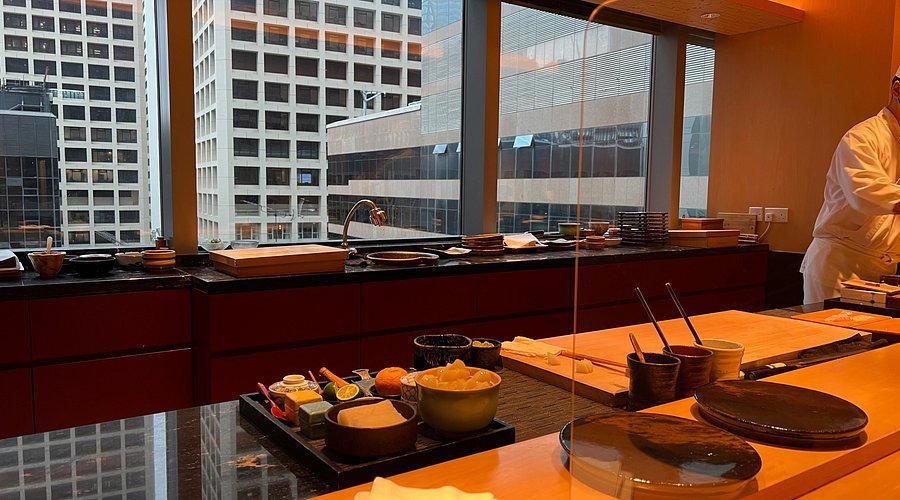
On the 12th floor of a Central tower, Sushi Kami operates within Hong Kong's tightest tier of Japanese omakase counters.

Pearl is the En Primeur Club membership app, where members save venues, book tables and use the concierge.
The menu
What to order
- Heart to Heart Toro Sushi
- Uni Sushi
- Otoro
- Ankimo
- Grilled Shirako
Twelve Floors Above Central
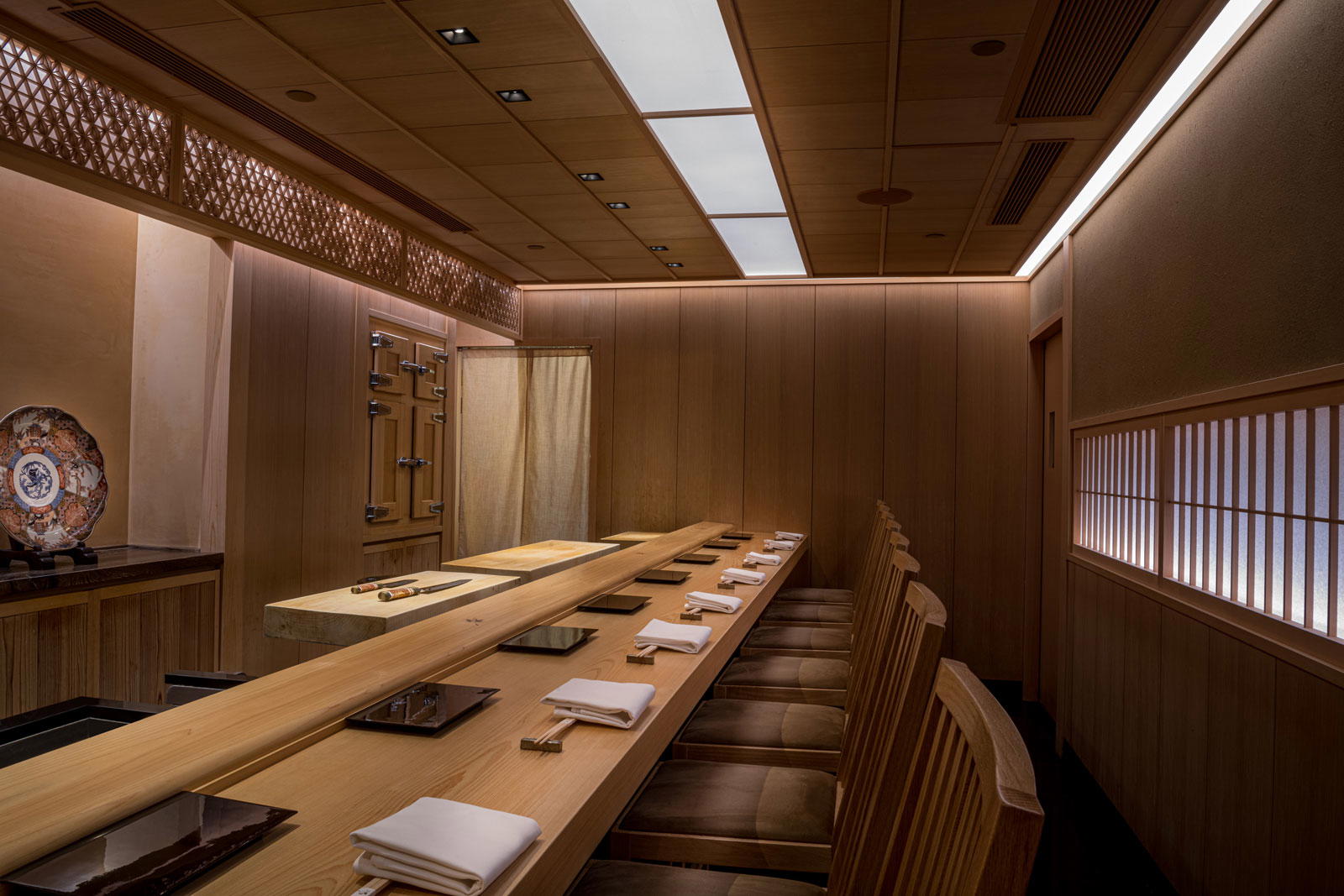
Hong Kong's premium omakase scene has always operated at a remove from street level, literally and figuratively. The city's most serious sushi counters tend to occupy upper floors of commercial and mixed-use buildings in Central and Wan Chai, insulated from foot traffic and oriented toward a reservation-only clientele that has sought them out deliberately. Arriving at the 12th floor of 18 On Lan Street, the transition from the dense mid-afternoon energy of Central below to the contained quiet of a small counter is part of the ritual. That shift in register is, in itself, a signal about what kind of experience the room intends.
On Lan Street sits within walking distance of the older Lan Kwai Fong corridor but reads differently, quieter, more office-district than nightlife strip. The building itself is unremarkable from the street. That anonymity is consistent with how serious omakase tends to operate across Tokyo, Singapore, and increasingly Hong Kong: the room earns no attention from its façade. Recognition comes from the counter itself.
Where Sushi Kami Sits in Hong Kong's Omakase Tier
Hong Kong's Japanese omakase scene has stratified considerably over the past decade. At the upper end, counters with Michelin recognition and extended wait times, Sushi Shikon and Sushi Saito among them, occupy a tier that prices and books against Tokyo peers. Below that, a mid-tier of accomplished but less credentialed counters has expanded to meet strong demand. Sushi Kami's back-to-back placement on the Opinionated About Dining Leading Restaurants in Asia list, ranked 365th in 2024 and 402nd in 2025, places it in a recognized but not yet stratospheric position.
For context, the Hong Kong sushi addresses that appear consistently on OAD and similar specialist lists tend to share a few structural traits: small seat counts, Japanese-trained chefs, and a sourcing posture oriented toward high-grade fish procurement. Counters like Sushi Wadatsumi, Sushi Fujimoto, and Sushi Gin operate in overlapping territory. The ranking gap between Sushi Kami's 2024 and 2025 positions, from 365 to 402, is worth noting: movement in either direction on a list of this density reflects the competitive pressure of a scene adding new entrants every year, not a verdict on the counter's quality in isolation.
The Sourcing Question and Sustainability in Edomae Practice
Edomae sushi, the Tokyo-rooted tradition that most Hong Kong omakase counters draw from, was historically defined by proximity: fish from Tokyo Bay, treated with techniques developed to manage preservation before refrigeration. Aging, curing with kombu, light vinegar application, these were practical responses to supply constraints. In contemporary practice, that tradition has been decoupled from geography but retained as craft vocabulary. The question of sourcing has become more pointed as a result.
At premium omakase counters across Asia, the sourcing conversation now intersects with sustainability in ways that were largely absent a decade ago. Bluefin tuna, sea urchin, and certain shellfish species face documented pressure from global demand and shifting ocean conditions. Counters that operate at a high level, which by definition use top-grade fish, increasingly have to confront the tension between quality procurement and responsible sourcing. Some Tokyo-trained chefs, including those working in Hong Kong and Singapore, have begun incorporating species selection into their procurement logic, favouring underutilised or more abundant fish alongside premium selections. Others rely on certified suppliers or specific regional fisheries with traceable catch records.
Sushi Kami's specific sourcing practices are not on public record, and we will not speculate about them. What is documentable is the broader shift: the most credible omakase counters in the region, from Shoukouwa in Singapore to Harutaka in Tokyo, have moved toward greater transparency about fish origin, if not always formal certification. That shift is a response to a clientele that is asking harder questions, and it is reshaping how serious counters present their menus. In this context, the quality signal embedded in OAD recognition implies a level of procurement rigour that casual operations cannot sustain, consistent high-grade fish over multiple visits, across seasons.
Chef Adachi Seiji and the Training Lineage Question
Chef Adachi Seiji leads the counter at Sushi Kami. What the presence of a Japanese-named chef at a Hong Kong counter does signal is alignment with a broader pattern: the most credible sushi addresses in Hong Kong, Singapore, and other non-Japanese markets have consistently been led by Japan-trained chefs, often with apprenticeship histories at established Tokyo or Osaka counters. The credential is structural, not incidental. Counters like Sushi Kanesaka in Tokyo have produced a lineage of alumni who operate across Asia; similar genealogies run through Edomae Sushi Hanabusa and Sukiyabashi Jiro Roppongiten. Where a Hong Kong counter lands in that network of influence matters to its positioning, it determines the aesthetic vocabulary, the fish handling philosophy, and the seasonal sensibility of the menu.
Comparable counters operating outside Japan in cities like New York, Sushi Sho, or in Singapore, Hamamoto and Sushi Harasho in Osaka, demonstrate how training lineage and format discipline travel. The omakase model, at its most rigorous, is not a menu format but a set of principles about fish procurement, temperature management, and knife discipline that must be rebuilt from scratch in each city.
Service Hours and the Lunch Question
Sushi Kami operates lunch and dinner six days a week, closing Sunday. Lunch runs noon to 3 pm; dinner 7 to 10:30 pm. At this level in Hong Kong, lunch service is increasingly a strategic choice rather than a concession, it opens the counter to a corporate clientele that either cannot or prefers not to commit to a three-hour evening omakase, while also allowing the kitchen to run full procurement cycles across two daily services. Several peer counters in Central have shifted away from lunch altogether or reserve it for shorter, lower-price formats. Sushi Kami's sustained dual-service model represents a logistical commitment worth noting for planners.
Planning Your Visit: How Sushi Kami Compares
| Detail | Sushi Kami | Peer Reference (Central tier) |
|---|---|---|
| Location | 12/F, 18 On Lan St, Central | Typically upper floors, Central or Wan Chai |
| Lunch service | Yes, 12–3 pm Mon–Sat | Variable, some counters dinner-only |
| Dinner service | 7–10:30 pm Mon–Sat | Typically 7–10:30 pm or similar |
| Closed | Sunday | Sunday common; varies by counter |
| OAD Asia ranking | #402 (2025), #365 (2024) | Michelin-starred peers rank higher |
| Sample size varies widely |
For broader planning in Hong Kong, see our full Hong Kong restaurants guide, our full Hong Kong hotels guide, our full Hong Kong bars guide, our full Hong Kong wineries guide, and our full Hong Kong experiences guide.
Frequently asked questions
What has Sushi Kami built its reputation on?
Sushi Kami's recognition rests on sustained quality at the counter level, documented through consecutive years on the Opinionated About Dining Leading Restaurants in Asia list (ranked 365th in 2024, 402nd in 2025). OAD's specialist voter base, heavy with frequent critics and dedicated omakase diners, means placement on that list reflects repeat-visit credibility rather than novelty. Chef Adachi Seiji's presence signals Japanese training at a counter operating in a city with high standards for imported sushi craft. The combination of consistent OAD placement, a Central address, and a dual lunch-dinner service distinguishes Sushi Kami from newer or lower-profile counters across the city.
What is the signature dish at Sushi Kami?
Specific dish details are not on public record for Sushi Kami, and we will not speculate about individual menu items. What is documentable is the broader context: counters operating at this tier within the Edomae tradition are defined by the quality and handling of their fish procurement rather than a single dish. The cuisine type is listed as sushi, and the omakase format that characterises serious counters of this level means the menu evolves with seasonal availability and the chef's procurement choices. For current menu specifics, direct contact with the venue is the appropriate route. The address is 12th floor, 18 On Lan Street, Central, Hong Kong; the counter operates Monday through Saturday for both lunch and dinner.
Pricing, Compared
| Venue | Cuisine | Price | Awards | Notes |
|---|---|---|---|---|
| Sushi KamiThis venue (the venue you are viewing) | Premium Edomae Omakase | $300–500 | Not listed | Not listed |
| 8 1/2 Otto e Mezzo Bombana (Hong Kong) | 3 Michelin-Star Italian Fine Dining | $200–300 | 3 Michelin Stars · World's 50 Best #94 | Italian |
| Ta Vie | Modern French-Japanese Fine Dining | $300–500 | 3 Michelin Stars · World's 50 Best #68 | Japanese - French, Innovative |
| Caprice | Contemporary French Fine Dining | $200–300 | 3 Michelin Stars · World's 50 Best #35 | French, French Contemporary |
| Feuille | Modern Vegetable-Forward French | $200–300 | 1 Michelin Star · World's 50 Best #93 | French Contemporary |
| Neighborhood | Modern French with Asian Influences | $50–100 | 1 Michelin Star · World's 50 Best #24 | International, European Contemporary |
Recognition history
Dated appearances from independent guides and award organizations, with the underlying list record or original source where available.
Opinionated About Dining Top Restaurants in Asia Recommended
Opinionated About Dining
Full recognition history (3 entries)
Opinionated About Dining Top Restaurants in Asia Ranked #402
Opinionated About Dining
Opinionated About Dining Top Restaurants in Asia Ranked #365
Opinionated About Dining
Continue exploring
More in Hong Kong
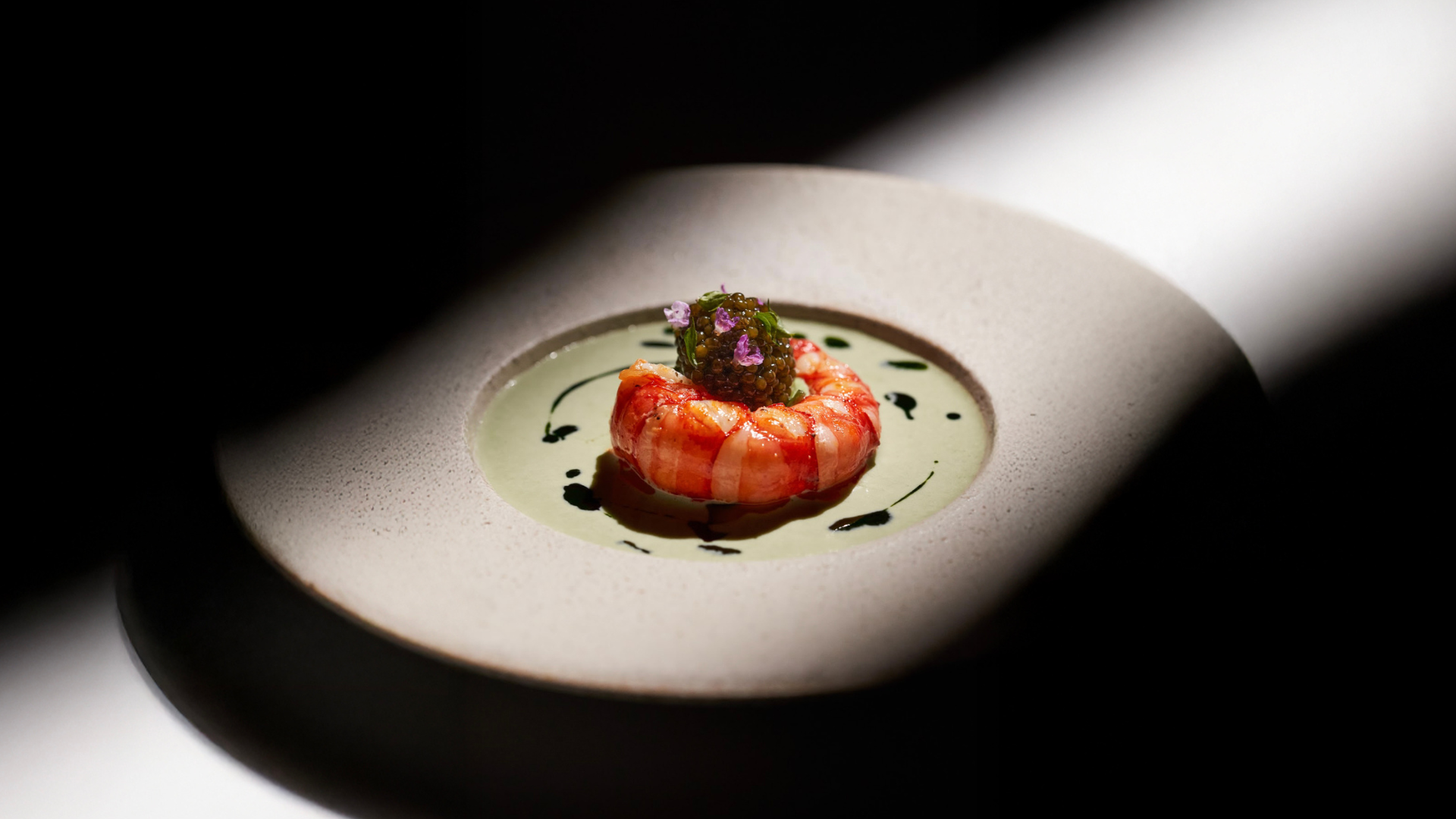
Restaurants in Hong Kong
All restaurants in Hong Kong →
Bars in Hong Kong
All bars in Hong Kong →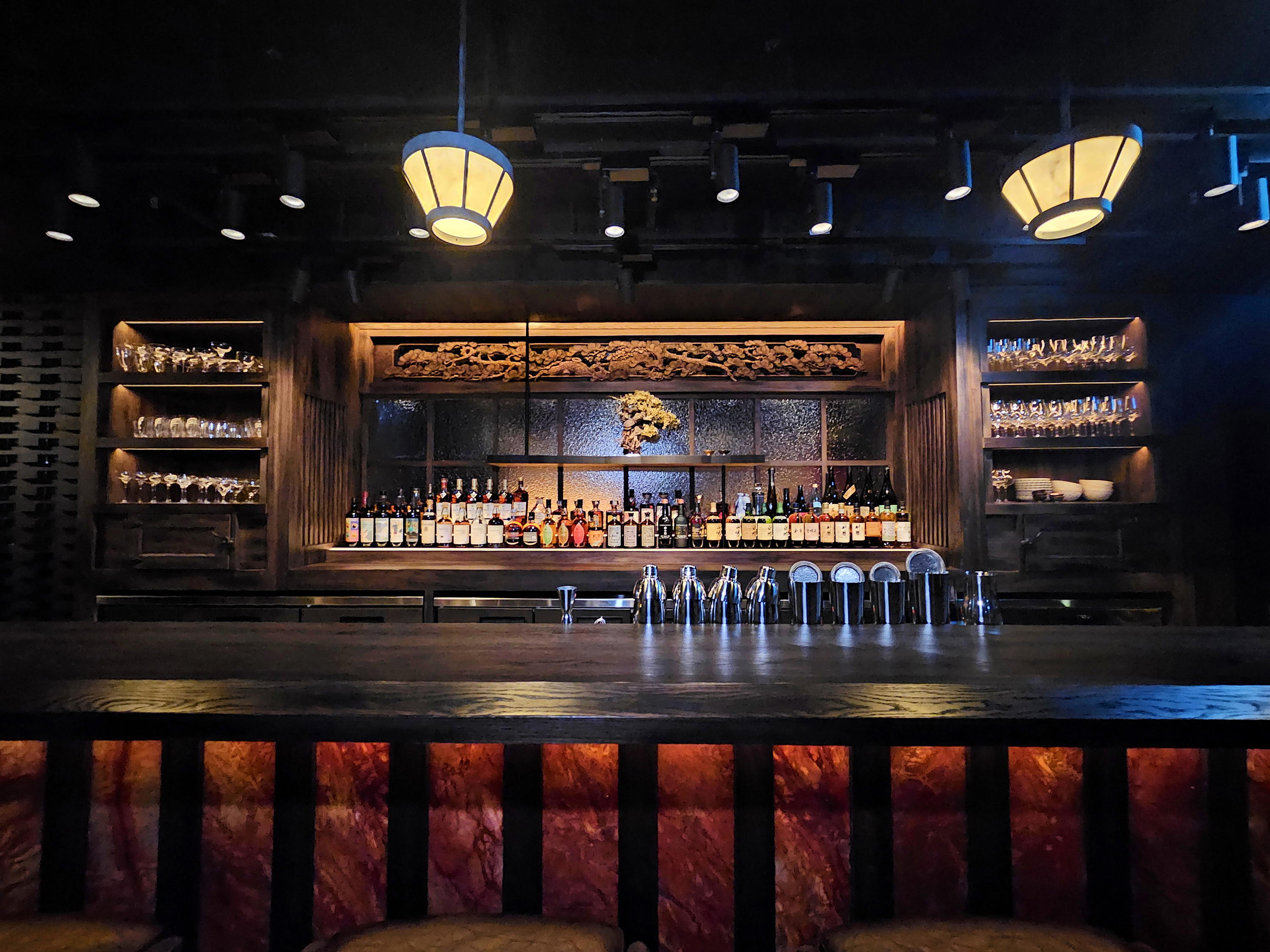
Hotels in Hong Kong
All hotels in Hong Kong →
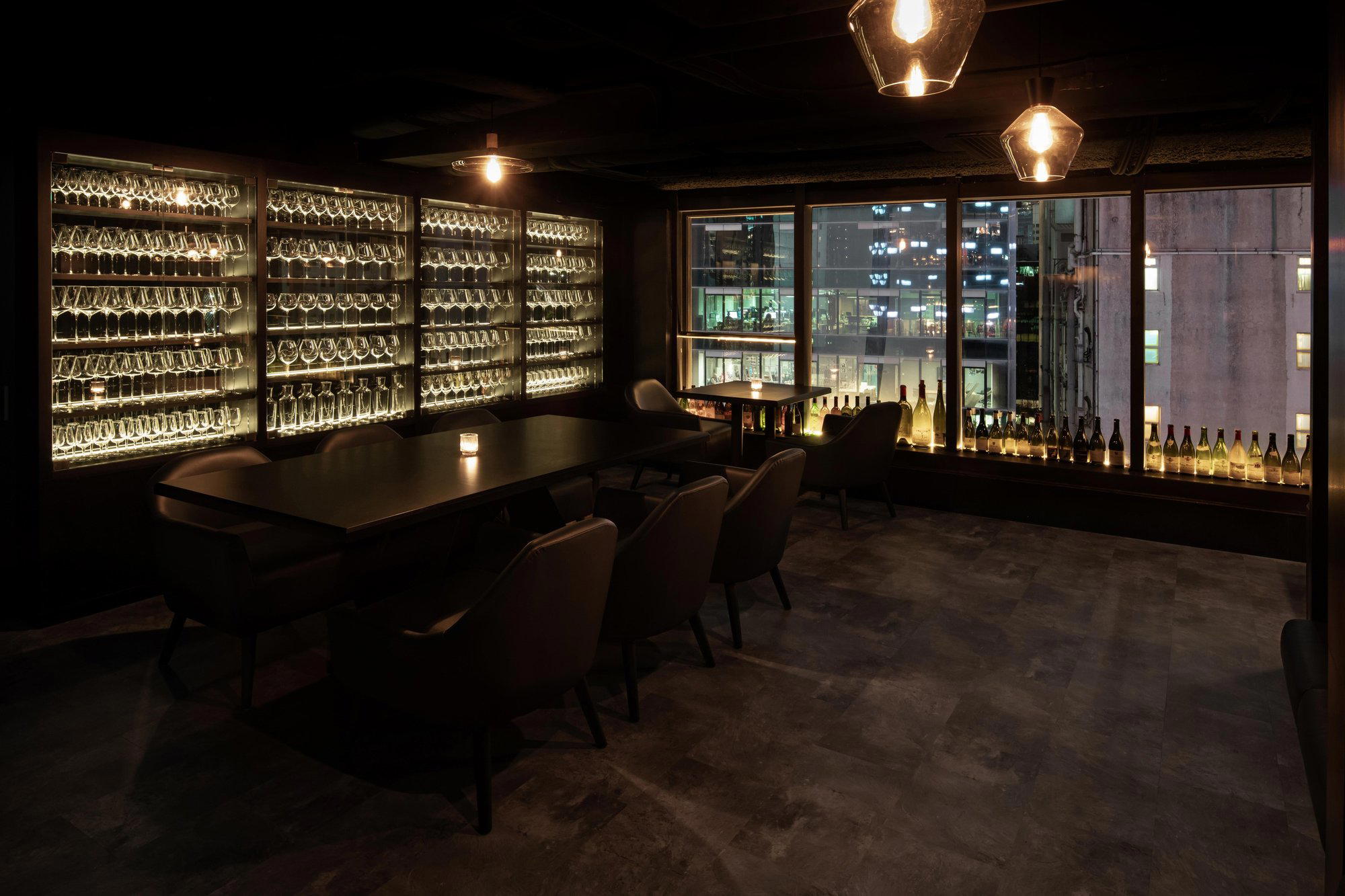
Wineries in Hong Kong
All wineries in Hong Kong →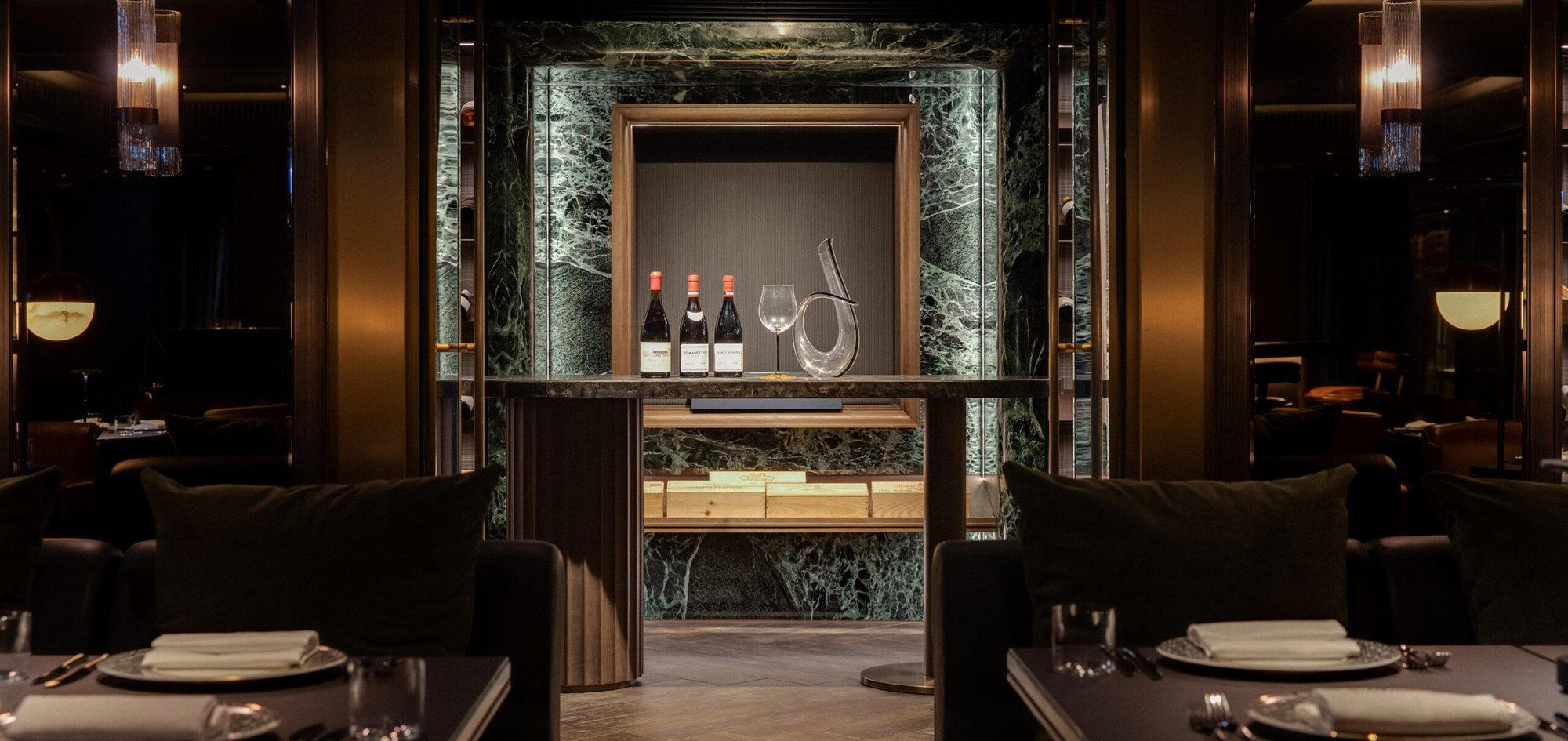
Details
- Elegant
- Intimate
- Sophisticated
- Special Occasion
- Date Night
- Business Dinner
- Chefs Counter
- Open Kitchen
- Sake Program
- Corkage Allowed
- Sustainable Seafood
- Local Sourcing
- Omakase
- Counter Dining
- Set Menu
- Sake
- Wine
- Pescatarian Friendly
- Allergy Accommodating
Current opening hours
- Monday
- 12–3 PM, 7–10:30 PM
- Tuesday
- 12–3 PM, 7–10:30 PM
- Wednesday
- 12–3 PM, 7–10:30 PM
- Thursday
- 12–3 PM, 7–10:30 PM
- Friday
- 12–3 PM, 7–10:30 PM
- Saturday
- 12–3 PM, 7–10:30 PM
- Sunday
- Closed
Hours can change for holidays and private events. Hours as of .
Serene and elegant counter-style dining with attentive service; intimate sushi bar atmosphere with focus on chef-guest interaction and culinary artistry.