
Our verdict
Among Hong Kong's serious Japanese dining addresses, Sukiyaki Mori on Stanley Street has built a consistent critical record: ranked in Opinionated About Dining's Top Restaurants in Asia three consecutive years, reaching #200 in 2024. The focus is sukiyaki, a format that rewards slow attention and precise heat, qualities that set this Central first-floor room apart from the city's dominant kaiseki and omakase tier.

Pearl is the En Primeur Club membership app, where members save venues, book tables and use the concierge.
The menu
What to order
- Sukiyaki Set with A4 Omi Wagyu
- Gyudon
- Ox Tongue
A First-Floor Counter on Stanley Street, and What It Signals About Hong Kong's Japanese Scene
Stanley Street in Central sits at an interesting intersection of old and new Hong Kong dining. The street has never been a destination address in the way that SoHo or the upper floors of IFC command attention, but it holds a particular kind of restaurant, one that depends on a dedicated audience rather than passing foot traffic. Sukiyaki Mori occupies the first floor at Number 11, a position that requires deliberate arrival rather than casual discovery. In Hong Kong's Japanese dining circuit, that physical remove often correlates with a certain seriousness of purpose.
Hong Kong's Japanese restaurant population is dense and increasingly stratified. At one end, high-visibility omakase counters and kaiseki rooms compete for Michelin attention and high-spending corporate diners. At the other, neighbourhood izakayas serve regulars who want familiarity over ceremony. Sukiyaki Mori sits apart from both categories: its format is sukiyaki, a Japanese hot-pot tradition with deep roots in Meiji-era Tokyo that has never occupied the same prestige tier as sushi or kaiseki in overseas markets, yet commands serious loyalty among those who understand it.
Three Consecutive Years in OAD Asia: What the Critical Record Tells You
The most substantive measure of Sukiyaki Mori's standing comes from Opinionated About Dining, the survey-based ranking system that draws on frequent-diner intelligence rather than anonymous inspector visits. The progression is instructive: a Highly Recommended classification in 2023, a rank of #200 among Asia's leading restaurants in 2024, and a rank of #212 in 2025. That slight movement between 2024 and 2025 is less significant than the consistency of presence across three consecutive cycles, a signal that the restaurant holds its audience rather than riding a single surge of attention.
OAD rankings weight repeat visits and diner expertise heavily, which makes sustained placement meaningful. A restaurant that appears once may have caught a wave; one that appears three years running has retained the kind of diners who eat widely enough to make comparative judgments. Each takes a different entry point into Japanese cooking, kappo, kaiseki, modern hybrid formats, but all compete in the same attentive-diner segment where Sukiyaki Mori has established its footing.
That combination, critical recognition from OAD alongside a steady consumer base, describes a restaurant that has found its audience and held it.
Sukiyaki as a Format: Why the Technique Matters
Understanding what Sukiyaki Mori does requires a brief account of sukiyaki as a dining format, because it operates by different logic than the forms of Japanese cooking that dominate Hong Kong's premium tier. Sukiyaki is a table-cooked dish: thin slices of high-grade beef, typically Wagyu, are cooked in a shallow iron pan with a sauce built from soy, mirin, and sugar, then dipped in raw beaten egg before eating. Vegetables, tofu, and noodles complete the pan as the meal progresses.
The format demands precise heat management and quality sourcing in equal measure. The beef grade sets the ceiling; the cook controls how close you get to it. At specialist sukiyaki restaurants in Japan, the tradition is strongest in Tokyo's older dining districts, the beef is often sourced from a single prefecture or single producer, and the sauce ratios are house-specific to a degree that distinguishes one room from another. Sukiyaki specialists have little to hide behind: the simplicity of the format makes the sourcing and execution visible in ways that more complex preparations do not.
This format remains relatively rare in Hong Kong's Japanese dining market. The city's premium Japanese tier skews heavily toward omakase sushi and multi-course kaiseki, formats that suit Hong Kong's appetite for elaborate progression and chef-driven narrative. Sukiyaki operates differently: the diner is closer to the cooking, the meal moves at a more deliberate pace, and the pleasure is cumulative rather than sequential. For diners who have worked through the city's sushi and kaiseki options, a specialist sukiyaki room represents a different kind of evening altogether. The format also invites comparison with the category's strongest international benchmarks; readers interested in how top-tier Japanese cooking handles format and restraint can look to Myojaku in Tokyo, Azabu Kadowaki, or the kaiseki tradition represented by Isshisoden Nakamura in Kyoto and Kagurazaka Ishikawa in Tokyo.
Chef Nakaya Mori and the Restaurant's Position
Sukiyaki Mori is associated with chef Nakaya Mori, whose name the restaurant carries. In Hong Kong's Japanese dining circuit, name-bearing restaurants at this price and recognition tier typically signal that the chef's sourcing relationships and technical approach are the restaurant's primary asset. Beyond that association, the available record speaks through the critical rankings rather than biographical detail. The OAD progression from Highly Recommended to a numbered Asia ranking confirms that the cooking has been consistent enough to retain informed repeat diners across a meaningful stretch of time. For further context on the Japanese cooking tradition in which Sukiyaki Mori operates, the kaiseki and kappo rooms of Kyoto and Osaka, including Kashiwaya Osaka Senriyama, Ginza Fukuju in Tokyo, and Gion Matayoshi in Kyoto, illustrate the depth of the tradition this restaurant draws from.
Planning Your Visit: Hours, Booking, and Peer Comparison
Sukiyaki Mori operates a split-service format across all seven days: lunch from 12 to 3 pm and dinner from 6 to 11 pm. The consistency of hours across the full week is relatively unusual for a restaurant at this recognition tier in Hong Kong, where many Japanese specialists take Monday or Tuesday off. The Stanley Street address places it in Central, walkable from the MTR and within the cluster of serious Japanese dining that Central and the surrounding neighbourhoods have accumulated over the past decade.
| Venue | Format | Service Days | OAD Asia Rank (2024) | Location |
|---|---|---|---|---|
| Sukiyaki Mori | Sukiyaki specialist | 7 days | #200 | Central, Stanley St |
| Godenya | Sake-pairing kaiseki | Limited days | OAD recognised | Central |
| Kappo Rin | Kappo counter | Limited days | OAD recognised | Hong Kong |
| Nagamoto | Kappo/kaiseki | Limited days | OAD recognised | Hong Kong |
| Zuicho | Kaiseki | Limited days | OAD recognised | Hong Kong |
For a broader view of where Sukiyaki Mori sits within Hong Kong's full dining map, see our full Hong Kong restaurants guide. Planning around a longer stay? Our Hong Kong hotels guide, bars guide, wineries guide, and experiences guide cover the rest of the city. For Japanese cooking at a comparable level of ambition in other cities, Hayato in Los Angeles offers a useful reference point for how specialist Japanese formats travel outside Japan.
Frequently asked questions
What should I order at Sukiyaki Mori?
The restaurant's name answers the question directly: sukiyaki is the format, and any visit should centre on the beef-led hot-pot that defines the house. Sukiyaki at a specialist room of this recognition level typically features high-grade Wagyu cooked in a house-prepared warishita sauce, with the progression of vegetables, tofu, and noodles following the meat. Arriving without fixed expectations about how the meal should sequence leaves more room to engage with what the format, at its most considered, actually delivers.
| Venue | Cuisine | Price | Awards | Notes |
|---|---|---|---|---|
| Sukiyaki MoriThis venue (the venue you are viewing) | Authentic Kansai-Style Sukiyaki | $50–100 | Not listed | Not listed |
| 8 1/2 Otto e Mezzo Bombana (Hong Kong) | 3 Michelin-Star Italian Fine Dining | $200–300 | 3 Michelin Stars · World's 50 Best #94 | Italian |
| Ta Vie | Modern French-Japanese Fine Dining | $300–500 | 3 Michelin Stars · World's 50 Best #68 | Japanese - French, Innovative |
| Caprice | Contemporary French Fine Dining | $200–300 | 3 Michelin Stars · World's 50 Best #35 | French, French Contemporary |
| Feuille | Modern Vegetable-Forward French | $200–300 | 1 Michelin Star · World's 50 Best #93 | French Contemporary |
| Neighborhood | Modern French with Asian Influences | $50–100 | 1 Michelin Star · World's 50 Best #24 | International, European Contemporary |
Recognition history
Dated appearances from independent guides and award organizations, with the underlying list record or original source where available.
Opinionated About Dining Top Restaurants in Asia Recommended
Opinionated About Dining
Full recognition history (4 entries)
Opinionated About Dining Top Restaurants in Asia Ranked #212
Opinionated About Dining
Opinionated About Dining Top Restaurants in Asia Ranked #200
Opinionated About Dining
Opinionated About Dining Top Restaurants in Asia Highly Recommended
Opinionated About Dining
Continue exploring
More in Hong Kong
Restaurants in Hong Kong
All restaurants in Hong Kong →
Bars in Hong Kong
All bars in Hong Kong →
Hotels in Hong Kong
All hotels in Hong Kong →
Wineries in Hong Kong
All wineries in Hong Kong →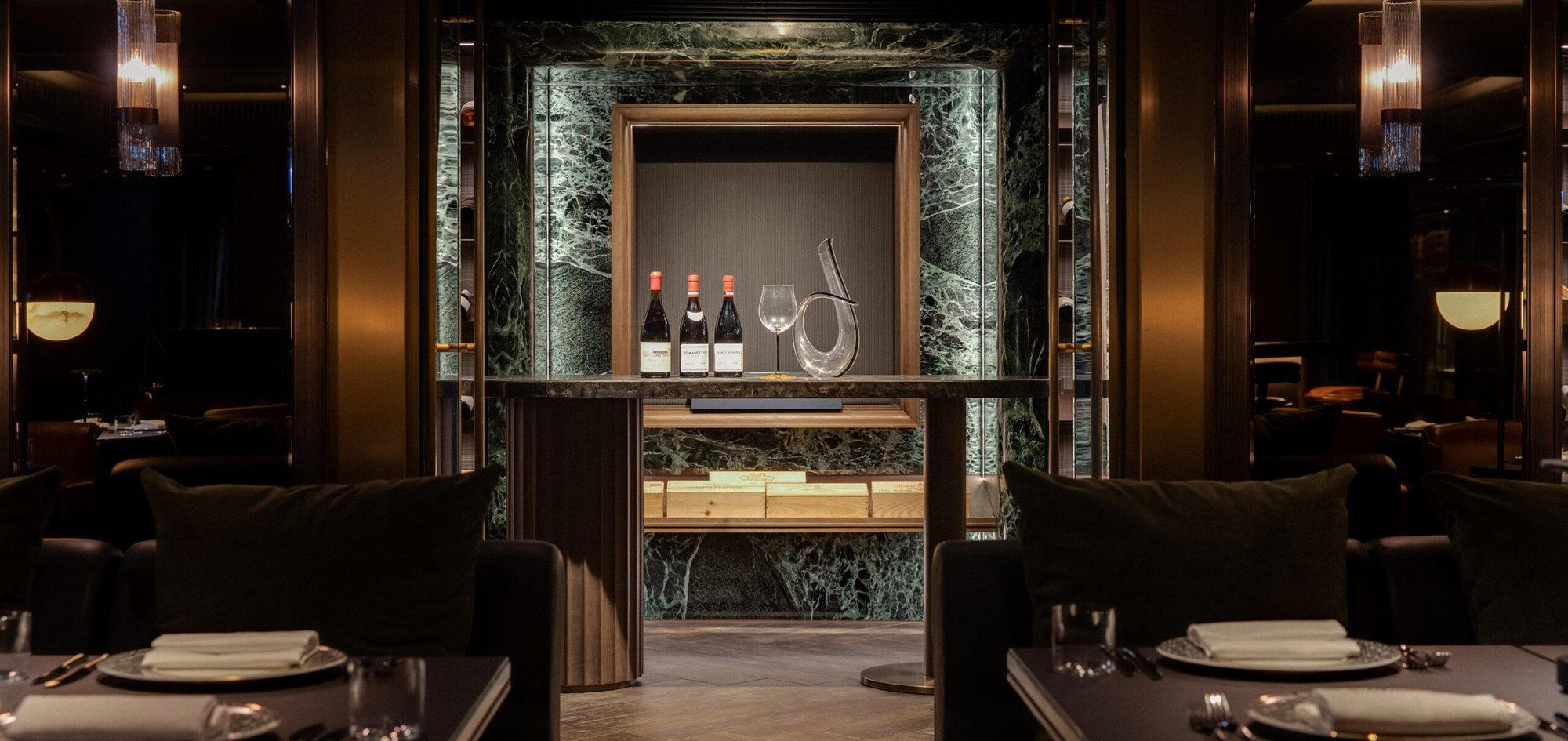
Details
- Intimate
- Cozy
- Elegant
- Date Night
- Special Occasion
- Business Dinner
- Open Kitchen
- Sake Program
- Set Menu
Current opening hours
- Monday
- 12–3 PM, 6–11 PM
- Tuesday
- 12–3 PM, 6–11 PM
- Wednesday
- 12–3 PM, 6–11 PM
- Thursday
- 12–3 PM, 6–11 PM
- Friday
- 12–3 PM, 6–11 PM
- Saturday
- 12–3 PM, 6–11 PM
- Sunday
- 12–3 PM, 6–11 PM
Hours can change for holidays and private events. Hours as of .
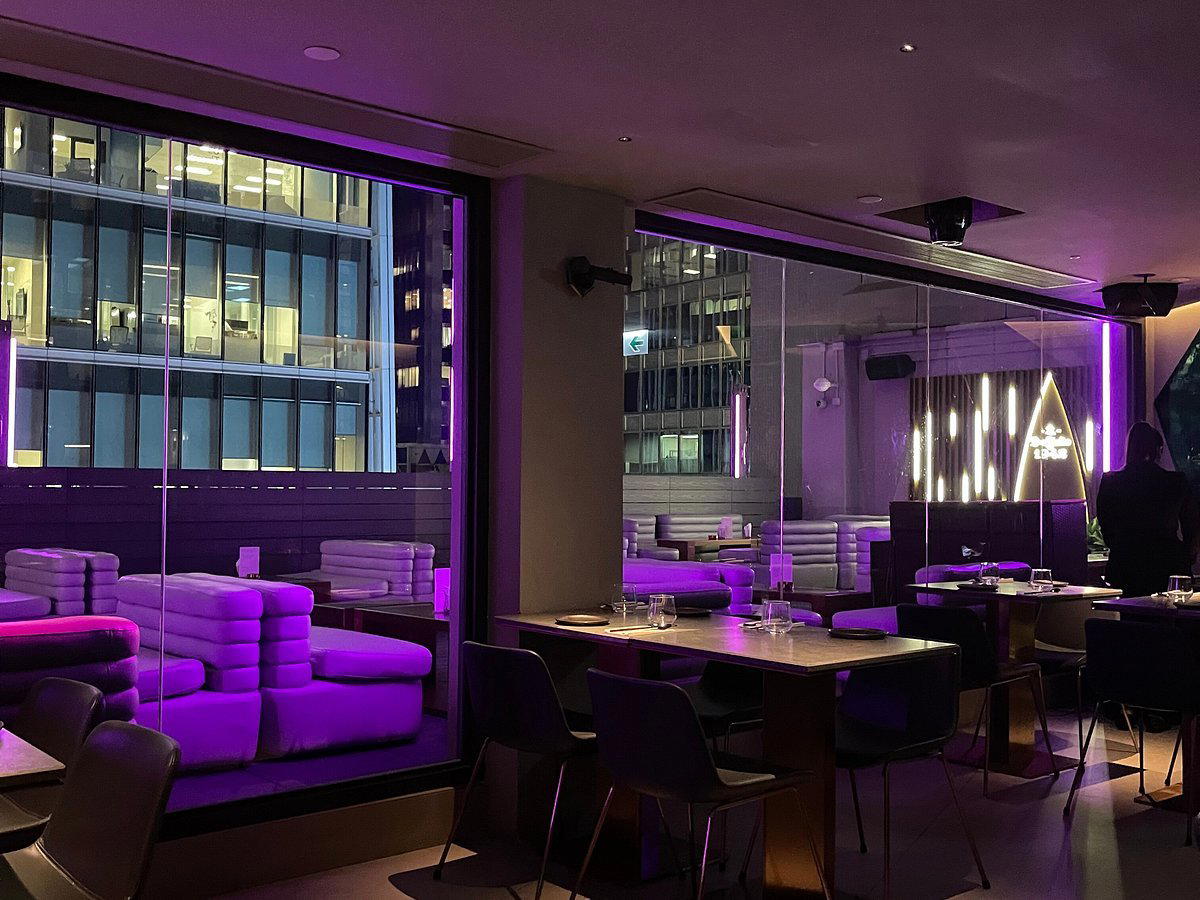
Intimate counter seating with chefs cooking in front of diners, creating an engaging and cozy atmosphere.