

A Michelin-starred kappo counter on the 21st floor of a Central tower, Ryota Kappou Modern ranks #341 among Asia's top restaurants (OAD 2025) and holds steady on the Michelin Hong Kong list. Chef Ryota Kanesawa's fixed kappo menu pivots on seasonal Japanese produce, with a house sake programme distributed by the restaurant itself. Open for lunch and dinner Tuesday through Saturday.
Pearl is the En Primeur Club membership app — saves, bookings, and concierge access live there. Same editors, same standards.
- Address
- 21F, 18 On Lan St, Central, Hong Kong
- Phone
- +852 2628 1899
- Website
- ryota.hk
- Directions
- Get directions
 Saves & bookings on Pearl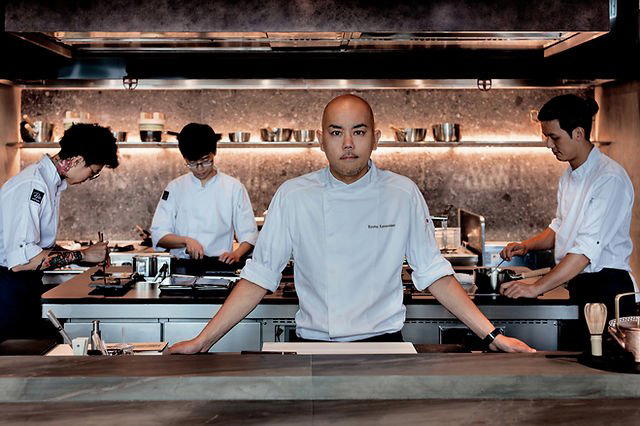
Twenty-One Floors Above Central, Kappo Does What Simplicity Demands
Ryota Kappou Modern is a one-Michelin-star restaurant in Central, Hong Kong, serving Modern Kappou Japanese cuisine with about $200 per person pricing. There is no à la carte decision to make. Ryota Kappou Modern operates on a single kappo-style set menu, a choice that removes optionality in order to concentrate attention on what arrives in the bowl, on the plate, and in the glass.
That design logic is worth pausing on. Hong Kong's premium Japanese dining tier has multiplied over the past decade, with omakase sushi counters, kaiseki houses, and izakaya hybrids competing across every price bracket. What kappo offers, and what relatively few Central restaurants commit to, is a middle register between kaiseki formality and izakaya looseness. Courses arrive in sequence, the kitchen retains control, and the ingredient does most of the talking. When the format is stripped of spectacle, the skill requirement goes up, not down.
The Kappo Format and What It Asks of a Kitchen
Kappo, which translates roughly as "cut and cook," is a more flexible format than kaiseki: the sequence is chef-directed but the presentation does not carry the same ritual weight. That flexibility is the point. It allows a kitchen to pivot toward whatever is seasonal and excellent that week rather than holding to a fixed ceremonial progression. At a consistent level, it is closer to the precision cooking of a kaiseki house than to the loose improvisation of a standing bar, and Opinionated About Dining's recognition of Ryota Kappou Modern suggests the kitchen is operating in that upper register.
The Michelin single star sits in alignment with that positioning. Hong Kong's Michelin list is competitive in the Japanese category. For a kappo house to hold a star while also appearing in OAD's Asia rankings places Ryota Kappou Modern in a narrow tier, fewer than a handful of Central Japanese restaurants hold both credentials simultaneously.
Among Hong Kong's kappo specialists, Kappo Rin and Nagamoto offer useful peer references. Godenya, which pairs Japanese produce with sake at a more intimate scale, represents a related but distinct approach within the same culinary tradition. Zuicho and Hanabi round out the Central Japanese tier at comparable price levels.
The Ingredient at the Centre
The editorial angle that matters most to understanding the restaurant is the philosophy embedded in a set menu that rotates with seasonality: the leading ingredient in the market that week becomes the course. That demands sourcing discipline and technical range in equal measure.
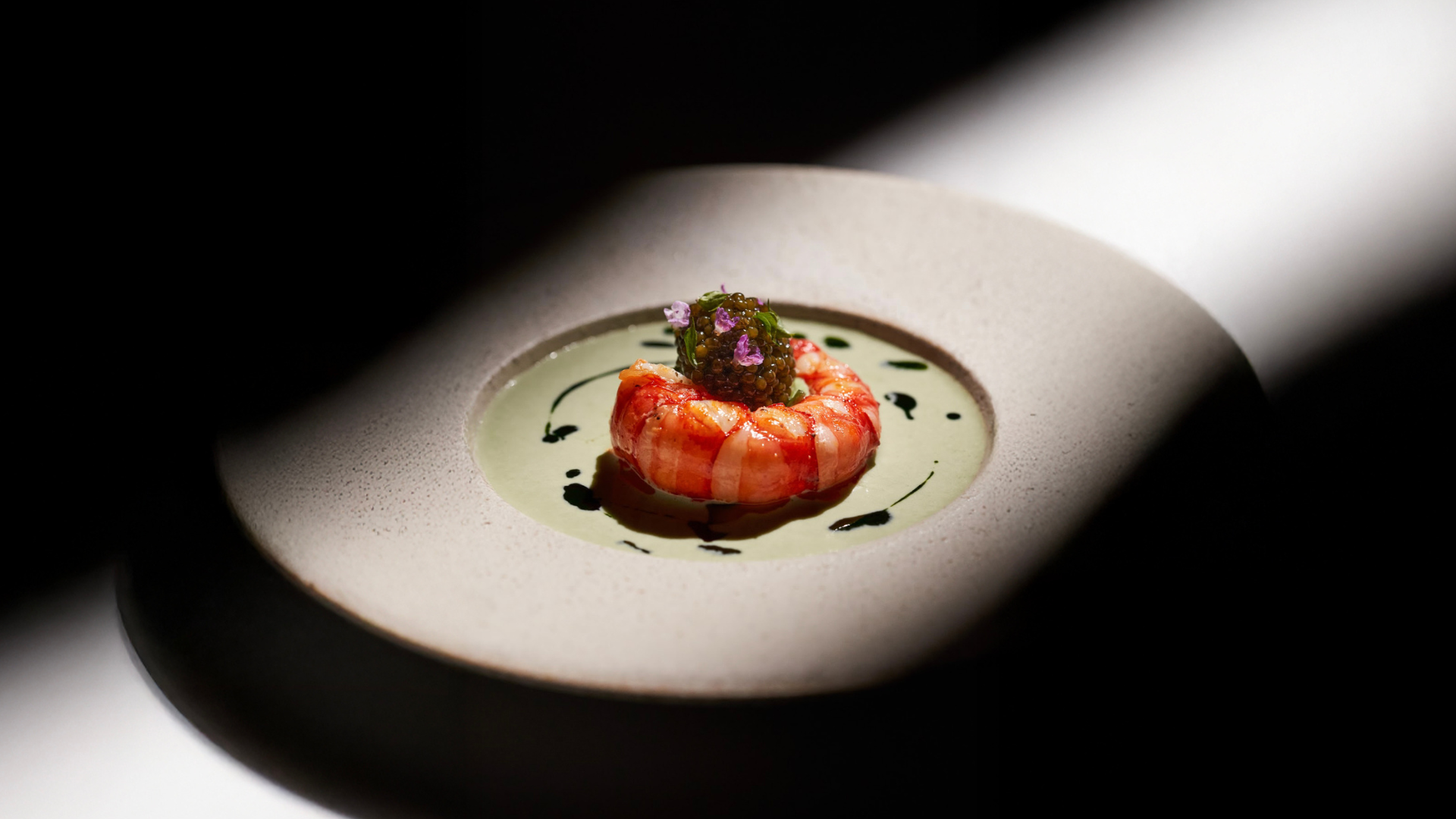
The OAD reviewers' reference to Omi Wagyu katsu with black truffle and egg confit is instructive. The dish is described as sukiyaki-inspired, its flavours in harmony, language that points toward restraint rather than accumulation. Omi Wagyu, sourced from Shiga Prefecture, sits in a different register from the Kagoshima or Miyazaki cuts that appear on many Hong Kong menus. It carries more nuance at lower temperatures, which suits a kappo kitchen's tendency toward precise, controlled heat rather than the high-drama tableside theatrics of teppanyaki or the cold precision of sushi. That a wagyu katsu, a preparation usually associated with comfort eating, with the satisfying crunch of breadcrumb and the richness of a quality cut, becomes a signature course here says something about where kappo sits: it finds the refined version of the simple thing rather than replacing the simple thing with something baroque.
That is the discipline at the core of formats that honour comfort food logic. Ramen, udon, soba, particularly respected practitioners of those forms are not adding to the base; they are refining it until the dashi is exactly right, until the texture of the noodle at the moment of serving has no margin for adjustment. Kappo operates in the same tradition when it is working. The wagyu katsu at the restaurant, as documented, is that kind of dish: a recognisable form, taken seriously.
Sake as Part of the Programme
The sake programme here is not an afterthought. The restaurant's sake selection is part of the meal's structure. This matters practically: a sake list assembled and distributed by the house rather than sourced from a standard importer tends to reach a wider range of regions and styles, including smaller kura whose production would not otherwise find its way onto Hong Kong tables. For a set-menu format where the kitchen controls the food sequence, a sake programme with this depth of curation creates a pairing dynamic that the diner does not need to engineer themselves.
For reference on how Hong Kong's Japanese sake culture compares to the source: Godenya has built a reputation specifically around sake pairing at an intimate table count, which represents one model. The restaurant's approach is embedded within a fuller kappo meal structure, which is a different use of the same tradition.
The Room and What It Communicates
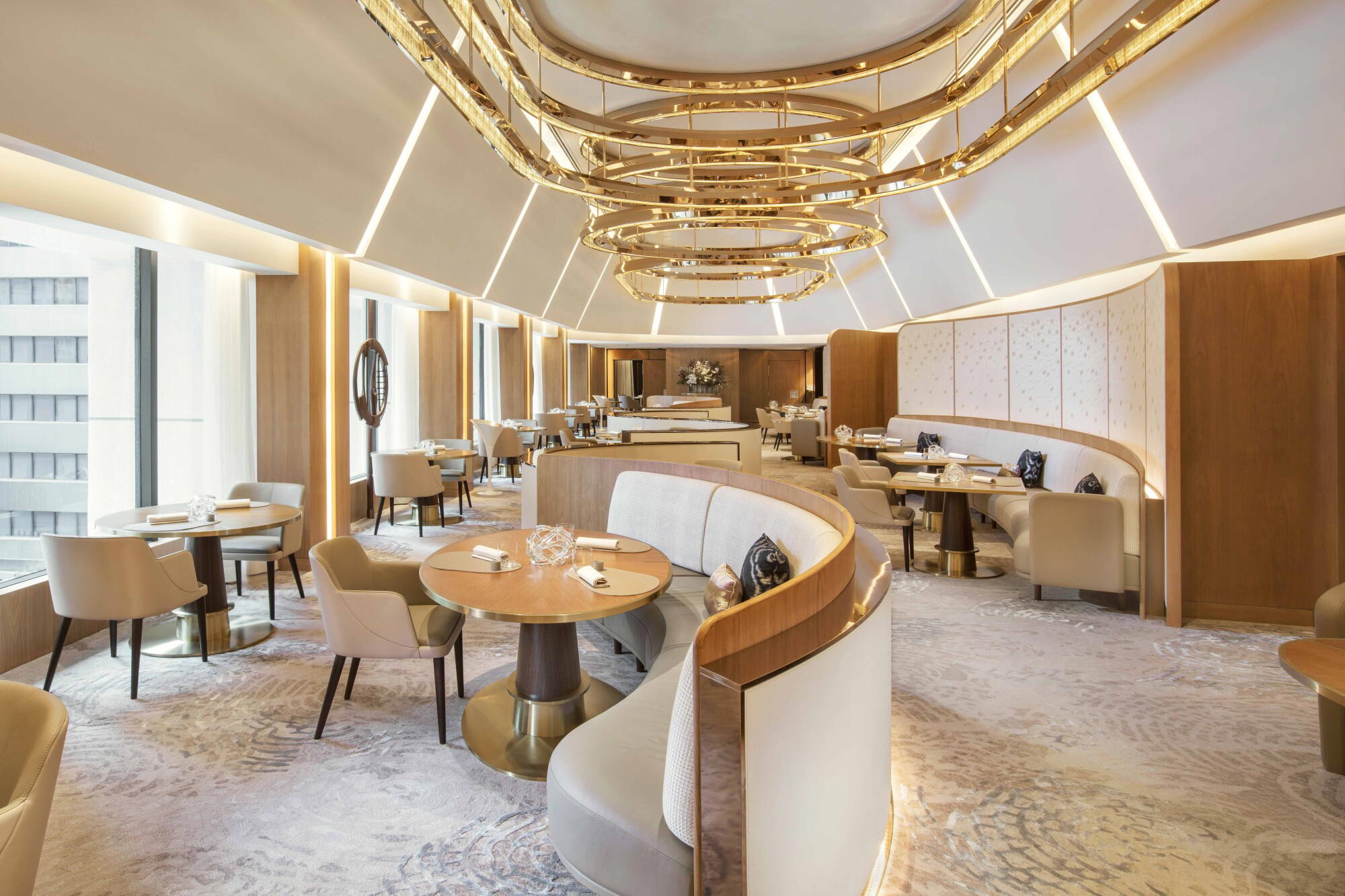
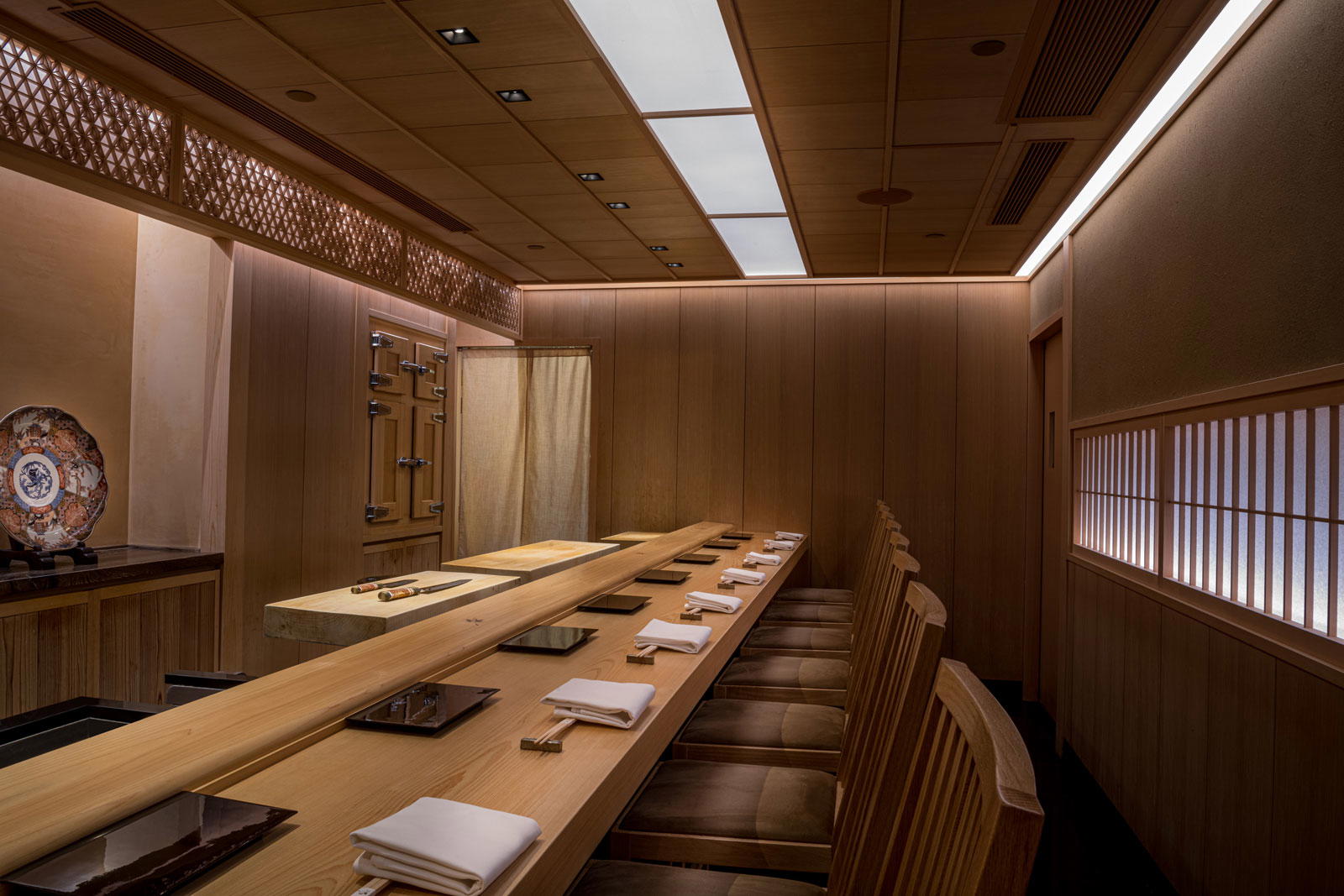
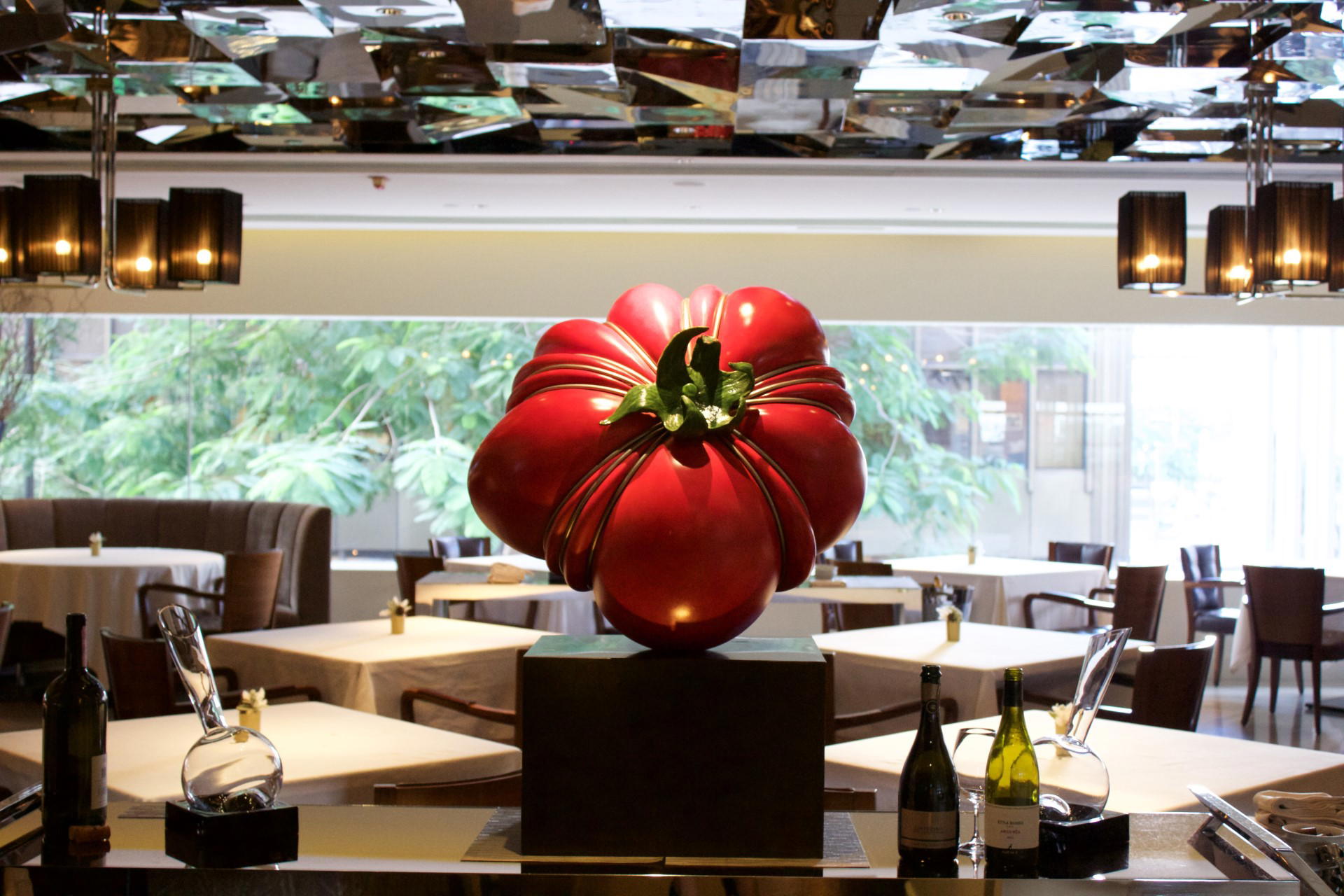
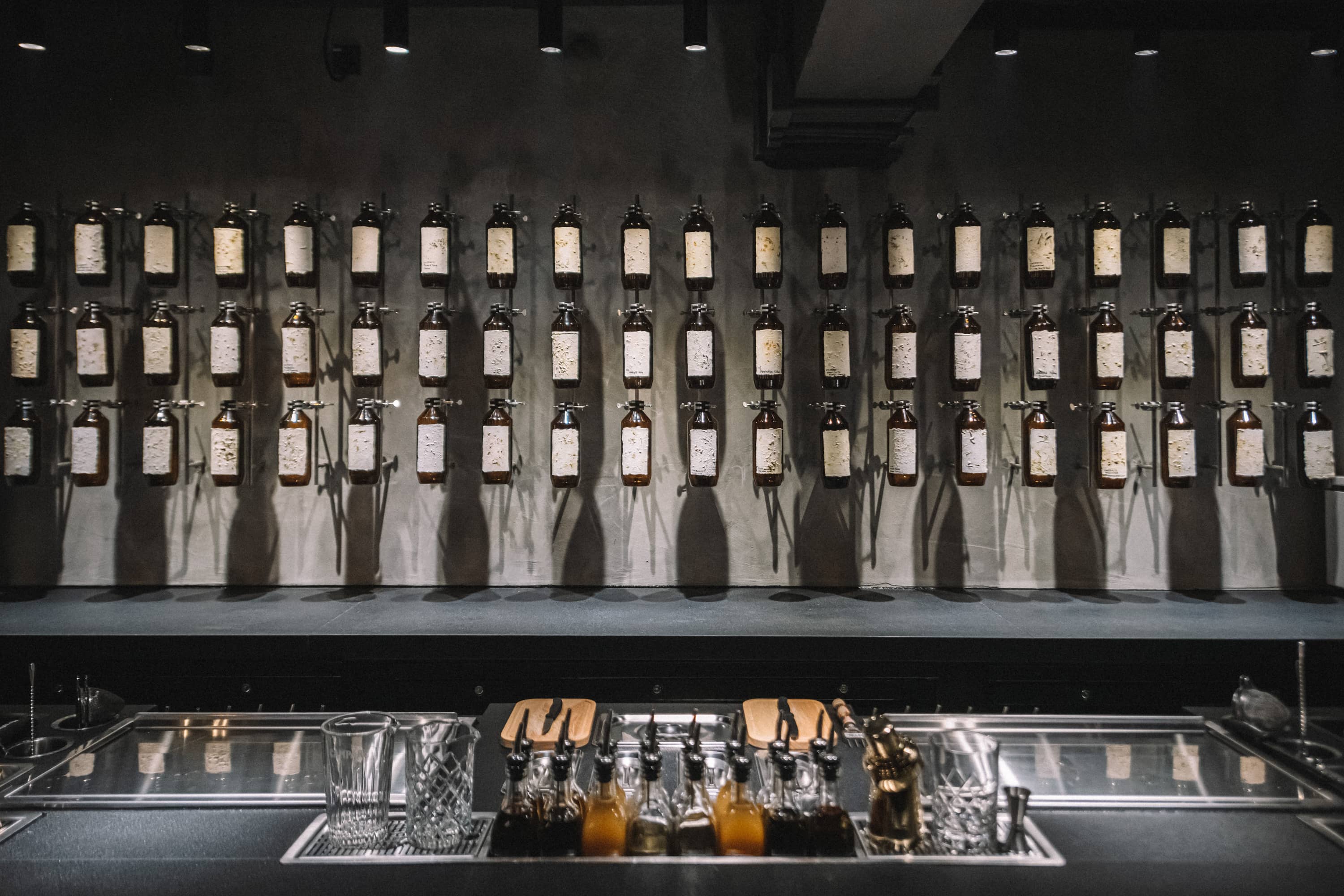
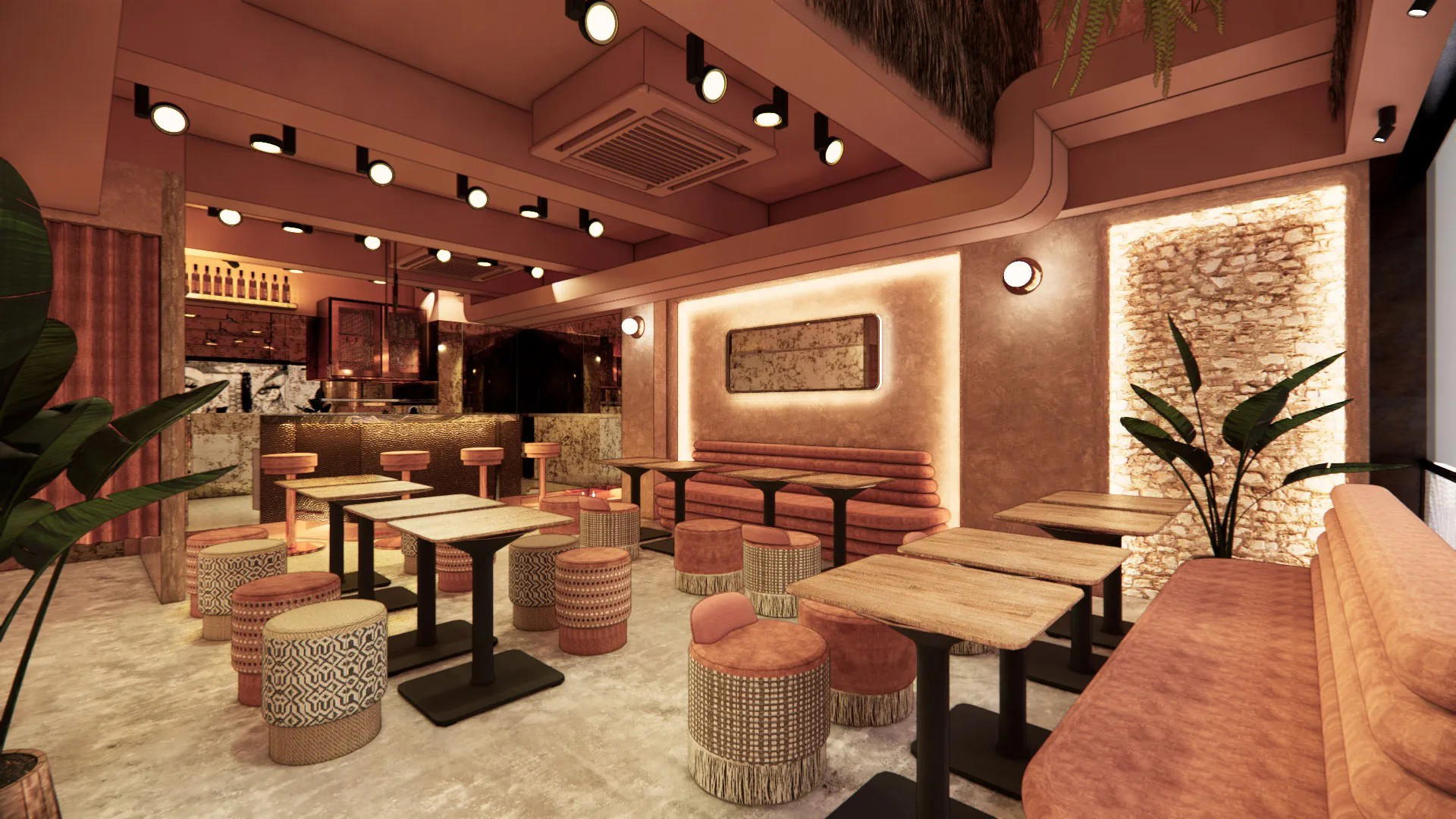
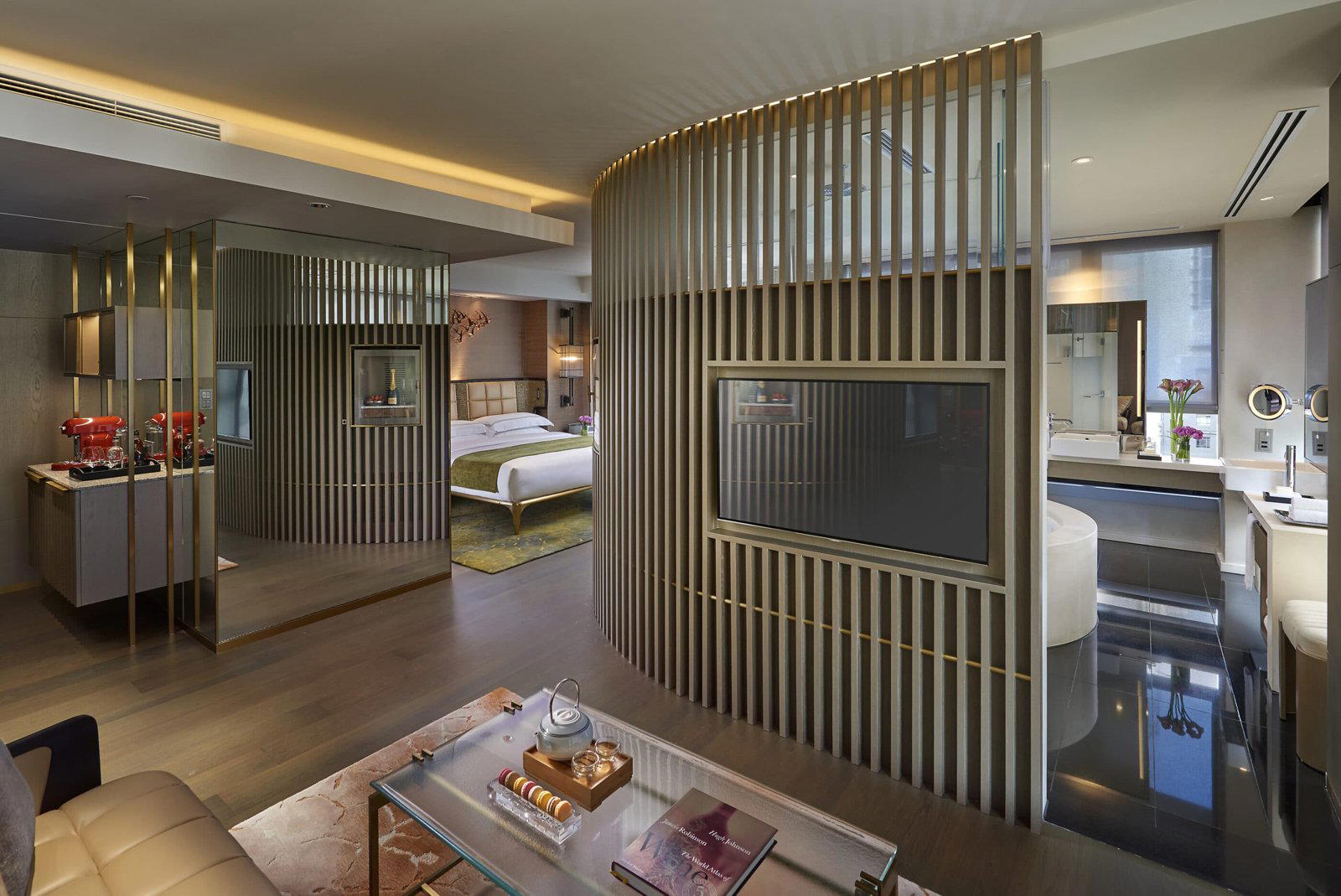
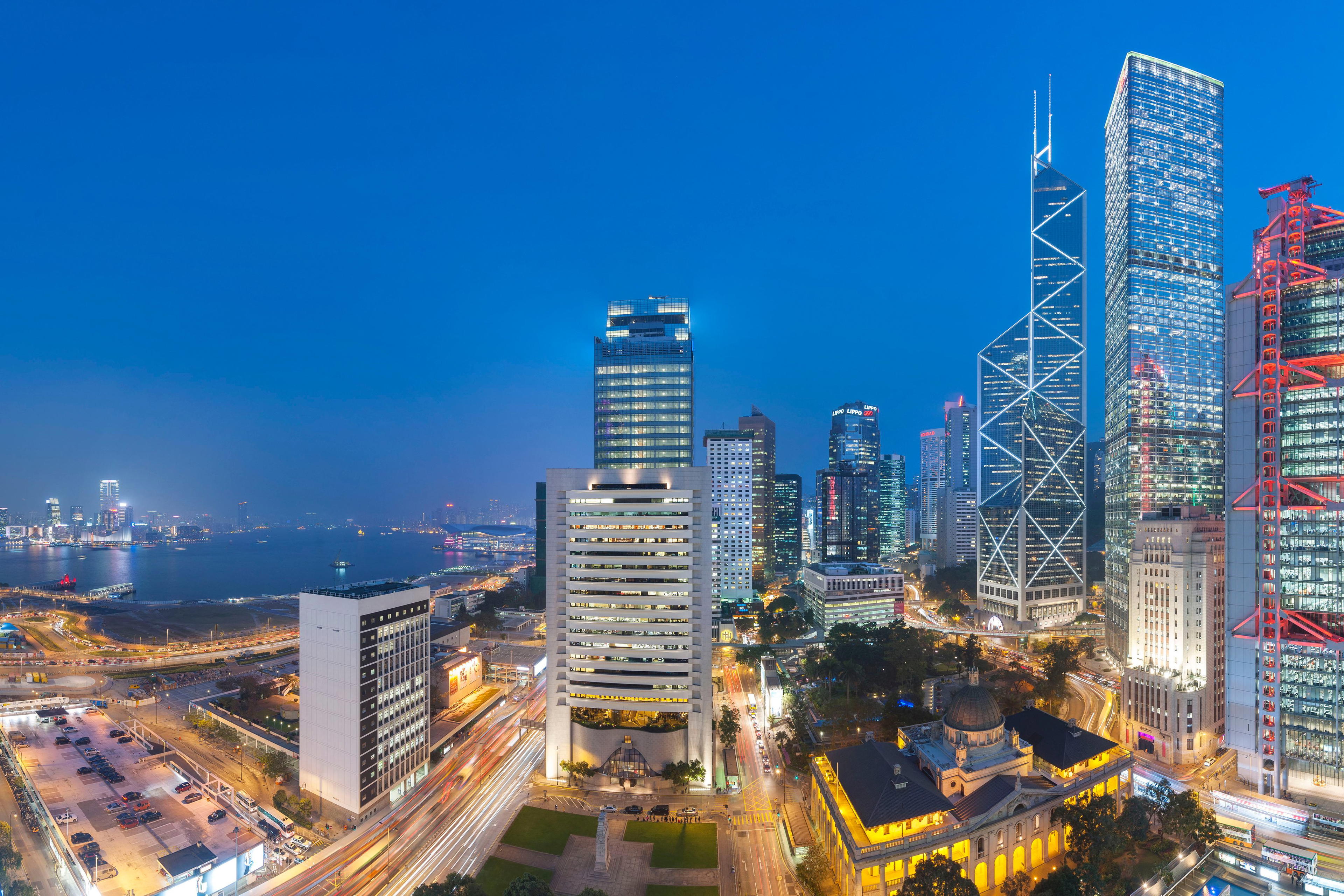
The 21st-floor location on On Lan Street in Central places this room above the street in a neighborhood defined by precision retail and premium hospitality. The floor-to-ceiling windows and designer furniture are not incidental. Kappo in Japan ranges from counter seats in basement rooms to refined dining rooms in hotel towers; the physical register of the space shapes what the diner brings to the meal. Here, the choice of a high-floor room with long views and considered design signals that this is a formal-register kappo, not an informal one, closer in atmosphere to the kaiseki tier than to the approachable end of the kappo spectrum.
That positioning is consistent with the price tier and with the award credentials. It is a room that invites focused eating rather than long, loose evenings.
Planning Your Visit
The address is 21F, 18 On Lan St, Central, Hong Kong.
| Venue | Format | Price | Awards | Bookability |
|---|---|---|---|---|
| The restaurant | Kappo set menu only | $$$$ | Michelin 1★ | Reservation essential |
| Kappo Rin | Kappo | $$$ | Michelin-listed | Book ahead |
| Godenya | Sake pairing / omakase | $$$ | Michelin-listed | Limited seats, plan early |
| Zuicho | Japanese set menu | $$$ | Michelin-listed | Book ahead |
For context on how the restaurant sits within the broader kappo and kaiseki tradition, comparable Japanese restaurants at the starred level in Japan include Azabu Kadowaki and Kagurazaka Ishikawa in Tokyo, Isshisoden Nakamura and Gion Matayoshi in Kyoto, and Kashiwaya Osaka Senriyama in Osaka. Tokyo's Myojaku and Ginza Fukuju, along with Los Angeles outpost Hayato, illustrate how the kappo and kaiseki format has travelled beyond Japan's borders in a similar way to how the restaurant plants the tradition firmly in Central Hong Kong.
What Regulars Order
What do regulars order at Ryota Kappou Modern?
Regulars time their visits around the seasonal calendar. The dish that draws documented attention is the Omi Wagyu katsu with black truffle and egg confit, a preparation framed by OAD reviewers as sukiyaki-inspired. The house sake selection, distributed by the restaurant itself, is a secondary draw for those who treat the beverage pairing as seriously as the food sequence. Chef Ryota Kanesawa's set menu is the only format offered at lunch and dinner.
Price Lens
Comparable venues nearby, for context on price, style, and recognition.
| Venue | Cuisine | Price | Awards | Notes |
|---|---|---|---|---|
| Ryota Kappou ModernThis venue — the venue you are viewing | Central, Modern Kappou Japanese | $$$$ | Michelin 1 Star | Not listed |
| Kappo Rin | Central, Modern Japanese Kappo Omakase | $$$$ | Michelin 1 Star | Not listed |
| Godenya | Not listed | $$$$ | Michelin 1 Star | Central, Seasonal Japanese Kappo with Sake Pairing |
| Sun Tung Lok | Not listed | $$$$ | Michelin 1 Star | Yau Tsim Mong South, Traditional High-End Cantonese |
| Mora 摩 | Not listed | $$$$ | Michelin 1 Star | Central, Modern French-Chinese Soy-Focused |
| Man Ho (Admiralty) | Central, Modern Cantonese | $$$$ | Michelin 1 Star | Not listed |
Recognition history
Dated appearances from independent guides and award organizations, with the underlying list record or original source where available.
Michelin 1 Star
Michelin
Opinionated About Dining Top Restaurants in Asia Recommended
Opinionated About Dining
Michelin 1 Star
Michelin
Opinionated About Dining Top Restaurants in Asia Ranked #341
Opinionated About Dining
Michelin 1 Star
Michelin
Opinionated About Dining Top Restaurants in Asia Ranked #302
Opinionated About Dining
Opinionated About Dining Top Restaurants in Asia Recommended
Opinionated About Dining
Continue exploring
More in Hong Kong
Restaurants in Hong Kong
Browse all →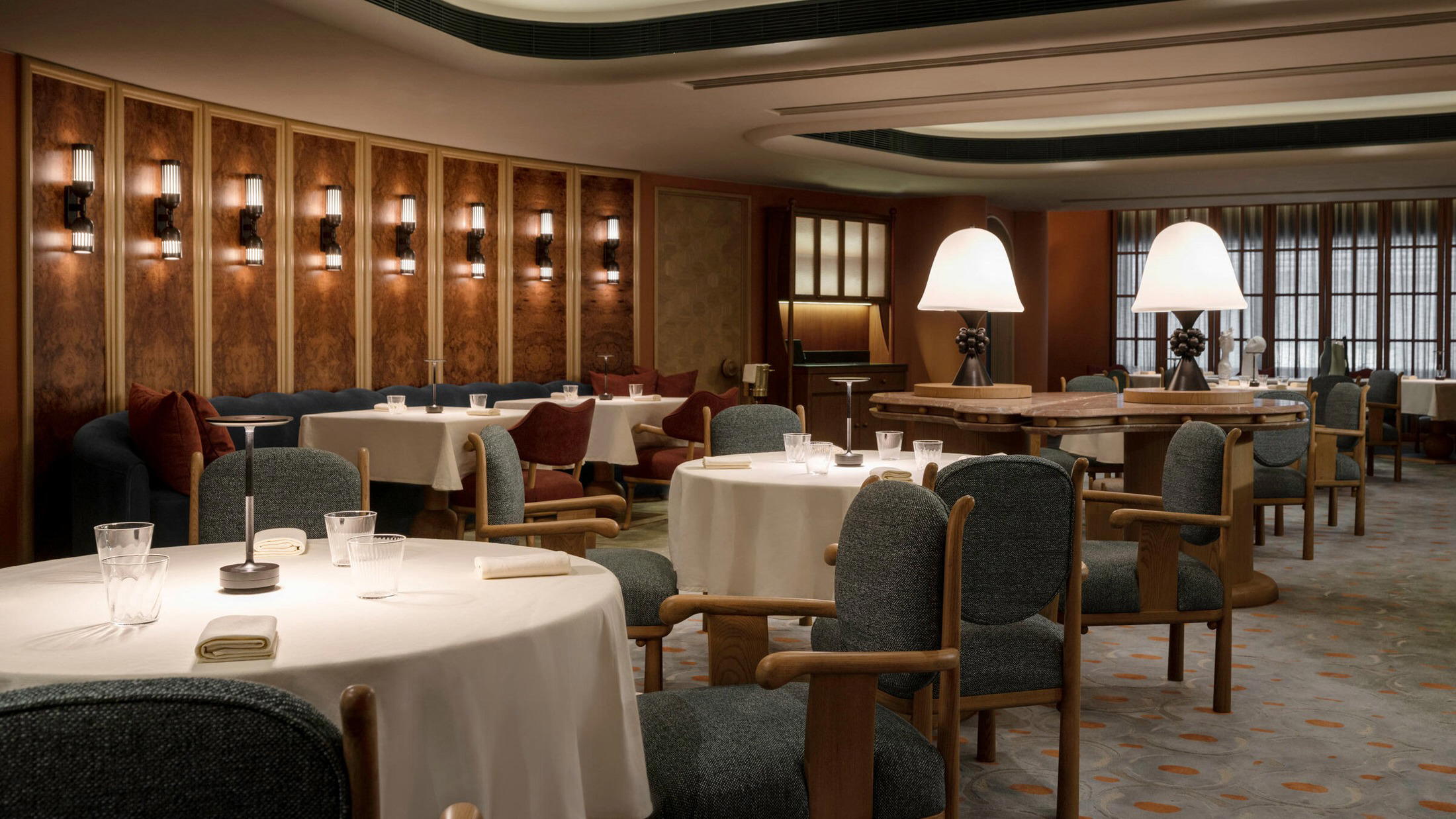
Bars in Hong Kong
Browse all →
At a Glance
- Modern
- Elegant
- Sophisticated
- Cozy
- Intimate
- Minimalist
- Special Occasion
- Date Night
- Business Dinner
- Chefs Counter
- Open Kitchen
- Sake Program
- Street Scene
Current opening hours
- Monday
- 12–3 PM, 6–11 PM
- Tuesday
- 12–3 PM, 6–11 PM
- Wednesday
- 12–3 PM, 6–11 PM
- Thursday
- 12–3 PM, 6–11 PM
- Friday
- 12–3 PM, 6–11 PM
- Saturday
- 12–3 PM, 6–11 PM
- Sunday
- Closed
Hours can change for holidays and private events. Last verified .
Contemporary chic space with marble counters, floor-to-ceiling windows for natural light, designer furniture, and a calming atmosphere.