

A Michelin-starred sake pairing counter in Central, Godenya operates a single omakase kappo menu matched course by course with sake served at precisely calibrated temperatures. Ranked #25 in Opinionated About Dining's Top Restaurants in Asia (2025), the tiny venue books months ahead. Chef Goshima Shinya doubles as sake master, and the programme pulls from rare small-production Japanese labels.
Pearl is the En Primeur Club membership app — saves, bookings, and concierge access live there. Same editors, same standards.
- Address
- UG/F,182 Wellington Street,Central,Hong Kong (Entrance, Kau U Fong N, side, Hong Kong
- Phone
- +852 6713 5917
- Website
- godenya.com
- Directions
- Get directions
 Saves & bookings on Pearl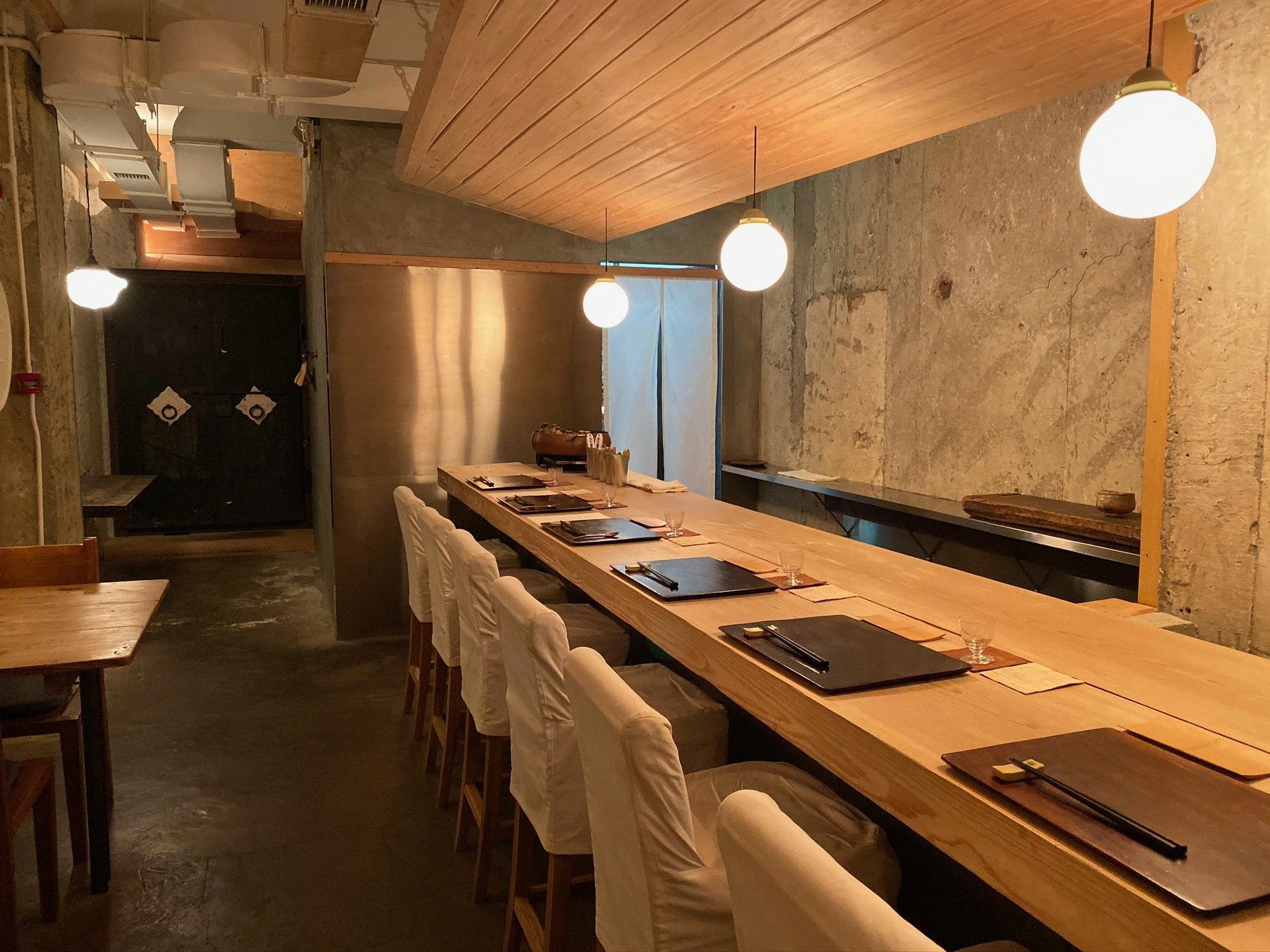
A Counter Where Sake Does the Work of Wine
Hong Kong's premium Japanese dining scene has long organised itself around two poles: the sushi counter, where fish and rice define the experience, and the broader kappo format, where the kitchen ranges more freely across grilled, simmered, and dressed preparations. Godenya is a one-star kappo restaurant in Central, Hong Kong, at a price point of about USD 242 per person. Godenya sits firmly in the second category, but with a structural distinction that places it in a narrower comparable set than most kappo restaurants in the city. Here, the sake programme is not an adjunct to the food. It is the editorial spine of the meal. Chef and sake master Goshima Shinya sequences each pairing with the kind of intentionality that most restaurants reserve for a wine list of Grand Cru depth, serving each selection at a different temperature to alter its aromatic register and align it with the course at hand. That framework puts Godenya in conversation with particularly technically ambitious sake programmes in Asia, and it is worth understanding the format before you arrive.
The Physical Approach
The entrance, off Kau U Fong on a narrow alley running north from Wellington Street in Central, offers little announcement. There is no illuminated signage reading across a broad facade, no doorman, no street-level presence that signals the address to a passing pedestrian. This kind of discretion is common to a particular tier of Japanese dining in Hong Kong, where the assumption is that guests already know where they are going before they leave home. The alley setting does not feel contrived in the way that some hidden-door concepts do; it is simply the physical reality of a tiny room that does not need a window to fill its seats. Those seats are occupied months in advance.8 across ninety reviews is a narrow data set, but the consistency of that score across a small counter format suggests a near-zero tolerance for off nights.
Kappo in Hong Kong's Competitive Context
The kappo format arrived in Hong Kong via a wave of Japanese chef migration that accelerated through the 2010s, and the city now supports several serious counters in the style. Kappo Rin, Nagamoto, and Ryota Kappou Modern each represent distinct takes on the tradition, from austere seasonal restraint to more contemporary interpretations of the form. Godenya occupies a position within that group that is defined less by its cooking register than by its beverage architecture. Where most kappo counters treat sake as one option among several on a drinks list, Godenya has built the entire programme around sake pairing as a structural commitment. That shift has competitive implications: guests who want a conventional wine pairing with their kappo meal will need to look elsewhere, but guests who want one disciplined sake experience available in a Hong Kong fine dining context will find the field much narrower.
Michelin one-star recognition in 2024 and three consecutive appearances in Opinionated About Dining's Leading Restaurants in Asia rankings (ranked 18th in 2023, 21st in 2024, and 25th in 2025) place Godenya in a confirmed tier. OAD rankings are driven by surveyed opinion from active restaurant professionals and serious diners, which gives them a different signal value from guide stars. Holding positions across three consecutive years in a volatile Asian ranking suggests stable execution rather than a single strong season. For comparison, other counters in the Hong Kong restaurants guide at the $$$$ price tier and Japanese focus include Zuicho and Hanabi, each with different format logic.
The Sake Programme: What the Temperature Distinction Means
Serving sake at a range of temperatures across a multi-course menu is not a stylistic affectation. Sake's flavour profile shifts meaningfully across a broad range, from roughly 5°C to over 55°C, in ways that parallel how a sommelier might choose between a lighter and fuller-bodied white wine depending on the fat content or acidity of a dish. A junmai daiginjo served chilled at around 10°C will present clean, delicate fruit and grain notes that work with lighter preparations. The same sake warmed to 45°C loses some of that upper-end brightness and gains a rounder, more savoury character that can anchor a richer simmered dish. A chef who controls both the cooking and the sake service can calibrate that relationship course by course in a way that a conventional beverage director working from a fixed list cannot. Goshima's dual role as chef and sake master compresses that feedback loop to its minimum. The selection draws from rare small-production labels, a phrase worth unpacking: Japan's premium sake market includes several hundred micro-producers making limited annual volumes, and access to those labels outside Japan typically requires either direct importer relationships or substantial personal sourcing effort. A programme built on those bottles represents a logistical commitment as much as a palate one.
For those who want to set Godenya against the broader Japanese fine dining canon, the format shares DNA with particularly serious kappo counters in Kyoto and Tokyo. Isshisoden Nakamura in Kyoto and Kagurazaka Ishikawa in Tokyo both operate in the tradition of seasonal kappo discipline, while Azabu Kadowaki represents the Tokyo end of the spectrum where haute kappo meets premium beverage pairing. Gion Matayoshi and Kashiwaya Osaka Senriyama round out the Kansai reference points for anyone travelling the broader circuit. Outside Asia, Hayato in Los Angeles and Myojaku and Ginza Fukuju in Tokyo each offer reference points for how Japanese counter dining has evolved in different markets.
The Seasonal Produce Question
Godenya's menu uses seasonal produce mostly flown in from Japan, which is a common sourcing approach at Hong Kong's leading Japanese counters and carries specific implications. Japanese seasonal produce follows a distinct calendar: spring brings bamboo shoots and young herbs, summer shifts to ayu sweetfish and hamo pike conger, autumn centres on matsutake mushroom and autumn vegetables, and winter loads toward shirako, crab, and deep-sea fish. A menu structured around this calendar, at a counter where a single fixed omakase is the only option, changes meaningfully across the year. Visiting in October produces a materially different meal from visiting in April, and guests who can return across seasons will find the programme substantially refreshed rather than merely rotated.
Planning Your Visit
The practical framing here is direct in terms of logistics. Godenya opens Tuesday through Saturday from 6pm to 10pm and is closed on Sundays and Mondays. One omakase menu is served per seating, sake pairing included as a structural component of the experience. The address is UG/F, 182 Wellington Street, Central, with the entrance accessed from Kau U Fong on the north side. Booking months in advance is often necessary for a tiny room running a single-menu format with high repeat demand. The $$$$ price tier places it at the upper end of Hong Kong's fine dining market, though the format and atmosphere occupy a different register.
What's the leading thing to order at Godenya?
There is one omakase menu, and it changes with the season. There is one omakase menu, and it changes with the season. The more useful framing is: the sake pairing is the core of what makes this experience distinct from other kappo counters in Hong Kong. Arriving without taking the pairing would mean opting out of the defining element of the programme. Given that Goshima serves each sake at a specific temperature calibrated to the course, the pairing is where the kitchen's logic becomes most legible. On the food side, the kappo format means the menu ranges across techniques and ingredients drawn from Japan's seasonal calendar, with produce flown in directly, so one pointed answer is: whatever is on the menu the evening you visit, ordered in full, with the sake alongside.
Budget Reality Check
Comparable venues nearby, for context on price, style, and recognition.
| Venue | Cuisine | Price | Awards | Notes |
|---|---|---|---|---|
| GodenyaThis venue — the venue you are viewing | Japanese | $$$$ | Michelin 1 Star | Not listed |
| Sushi Wadatsumi | Not listed | $$$$ | Michelin 1 Star | Yau Tsim Mong South, Edomae-style Omakase |
| Ryota Kappou Modern | Central, Modern Kappou Japanese | $$$$ | Michelin 1 Star | Not listed |
| Sushi Saito | Central, Edomae Omakase Sushi | $$$$ | Michelin 1 Star | Not listed |
| I M Teppanyaki and Wine | Wan Chai, Michelin-Starred Teppanyaki | $$$$ | Michelin 1 Star | Not listed |
| Spring Moon | Yau Tsim Mong South, Classic Cantonese | $$$$ | Michelin 1 Star | Not listed |
Recognition history
Dated appearances from independent guides and award organizations, with the underlying list record or original source where available.
Michelin 1 Star
Michelin
Opinionated About Dining Top Restaurants in Asia Ranked #27
Opinionated About Dining
Michelin 1 Star
Michelin
Opinionated About Dining Top Restaurants in Asia Ranked #25
Opinionated About Dining
Michelin 1 Star
Michelin
Opinionated About Dining Top Restaurants in Asia Ranked #21
Opinionated About Dining
Opinionated About Dining Top Restaurants in Asia Ranked #18
Opinionated About Dining
Continue exploring
More in Hong Kong
Restaurants in Hong Kong
Browse all →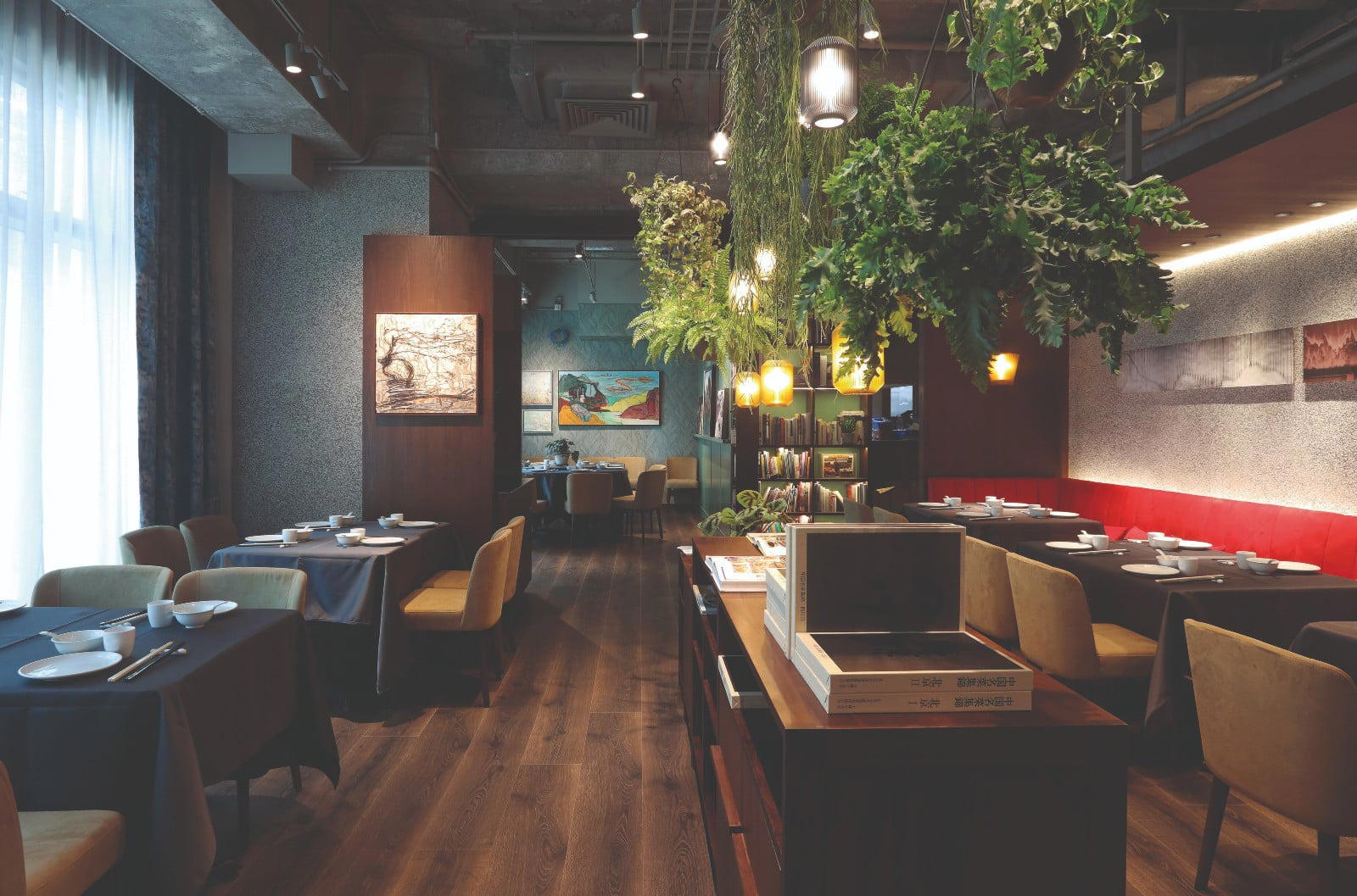
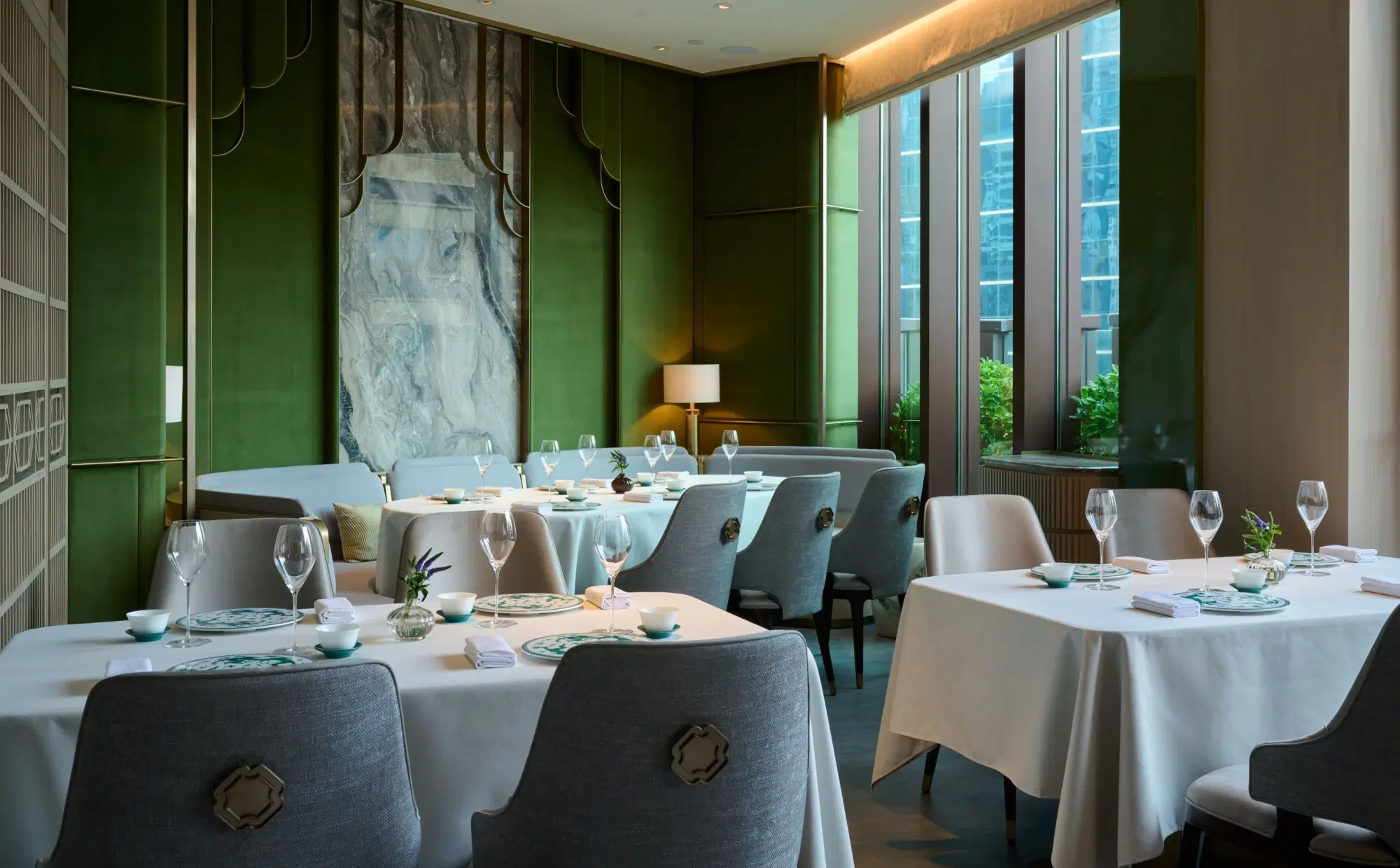
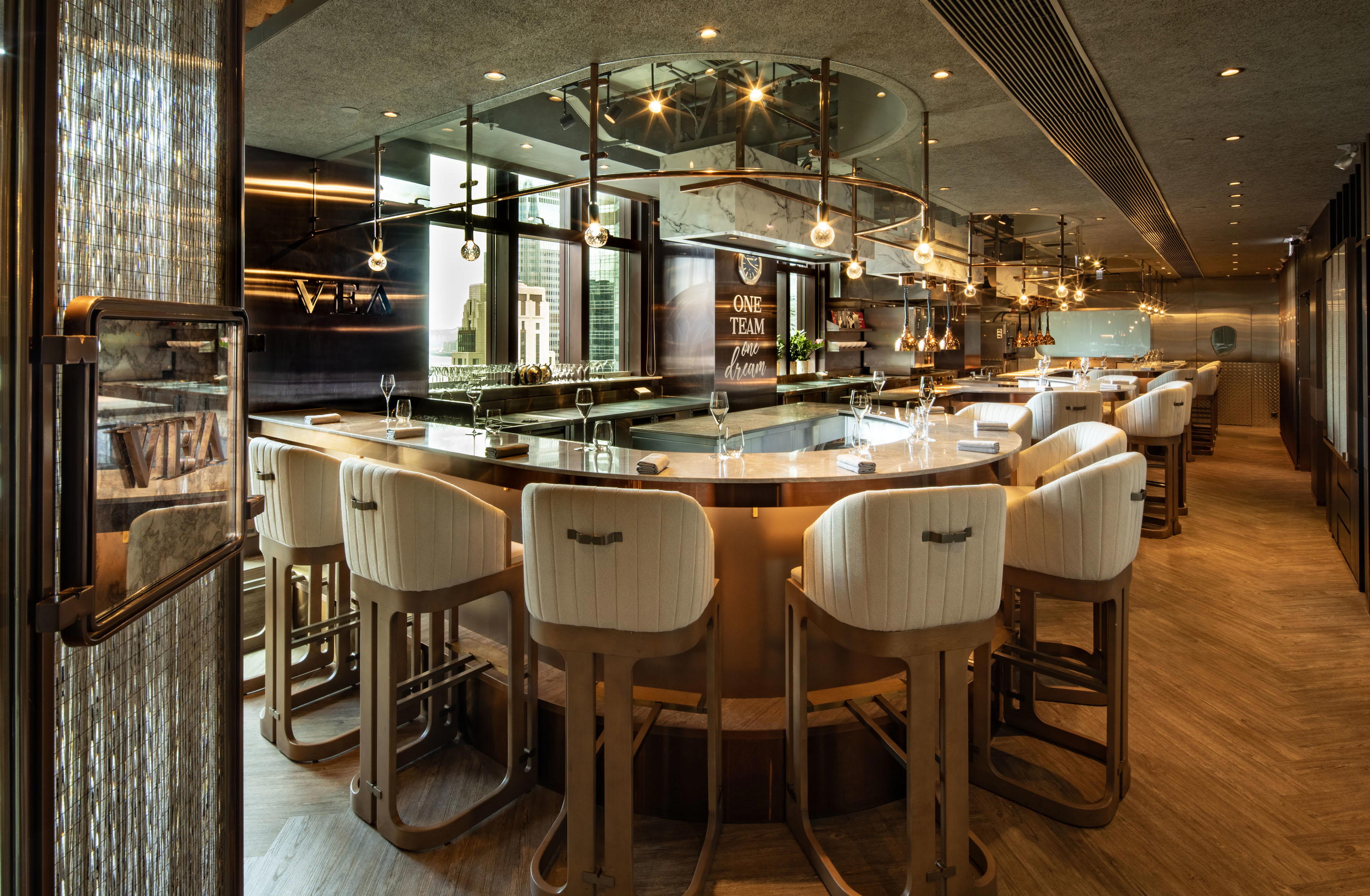
Bars in Hong Kong
Browse all →
At a Glance
- Intimate
- Elegant
- Minimalist
- Date Night
- Celebration
- Special Occasion
- Chefs Counter
- Open Kitchen
- Sake Program
Current opening hours
- Monday
- Closed
- Tuesday
- 6–10 PM
- Wednesday
- 6–10 PM
- Thursday
- 6–10 PM
- Friday
- 6–10 PM
- Saturday
- 6–10 PM
- Sunday
- Closed
Hours can change for holidays and private events. Last verified .
Minimalist with raw concrete walls, wooden counters, and a serene, Japan-like atmosphere.