
SCMP 100 Top Tables Restaurants
Our verdict
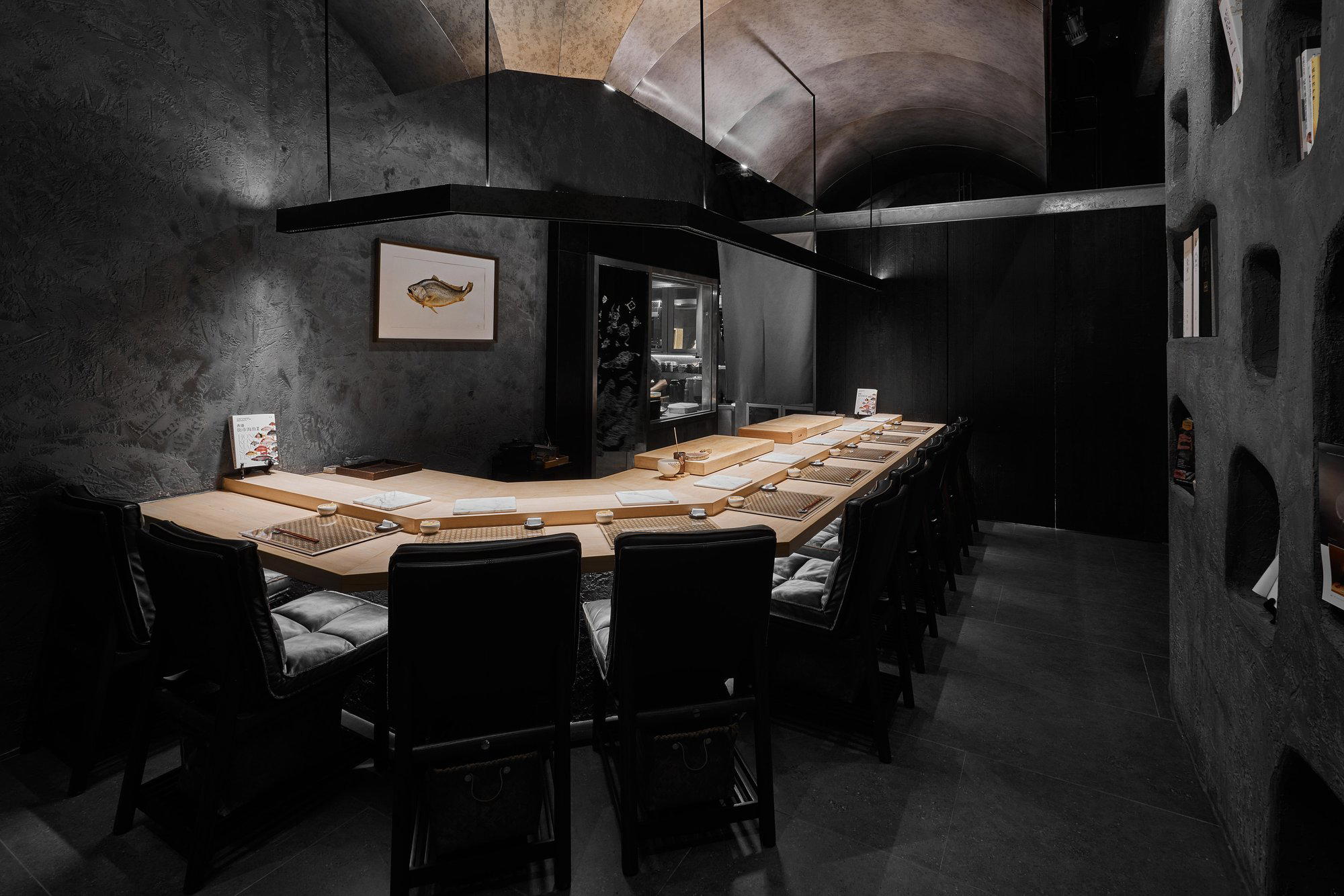
Sushi Zinc puts Hong Kong’s Japanese-counter ritual in an eastern neighbourhood setting rather than the usual Central hotel orbit. The appeal is less about spectacle than pacing: a compact sushi meal belongs to a city where omakase, noodle shops, seafood rooms, and regional Chinese cooking all compete for serious diners’ attention.

Pearl is the En Primeur Club membership app, where members save venues, book tables and use the concierge.
The menu
What to order
- Local Hong Kong seafood nigiri omakase
- Kinmedai (golden-eye snapper) preparations
- Seasonal crudo with Italian accents
- Handrolls featuring local catch
Approaching Sushi Zinc changes the grammar of a Hong Kong meal. The city’s luxury dining conversation often clusters around prominent business corridors, harbour-facing rooms, and hotel dining rooms; elsewhere, the rhythm can feel more everyday, with local movement folding into dinner plans. Sushi Zinc belongs to that quieter register. The interest is not theatrical scarcity, but the ritual of the meal itself: the pause before each stage, the discipline of eating at the pace set by the room, and the way Hong Kong diners can absorb formality without surrendering the city’s appetite for speed.
That matters because dining in Hong Kong is no longer a single category. At one end sit expense-account rooms priced against international reference points; at another are casual places built for weekday regulars. Between them is a narrower lane where the meal depends on sequence, restraint, and trust rather than a long list of named luxuries. Sushi Zinc is useful to read through that middle lane: a Hong Kong restaurant, not merely a trophy room, with the meal framed less as spectacle than as a composed evening ritual.
Hong Kong gives the meal a different social temperature
Hong Kong dining is often judged by occasion before plate. Some settings signal corporate budgets; others mix serious restaurants with bar traffic; still others carry their own density of Cantonese, regional, and late-night food. In that wider city context, a restaurant like Sushi Zinc has to work in a more local key. Diners are not only comparing one formal meal with another, but with noodle shops, seafood restaurants, regional kitchens, and casual supper formats that define the city’s nightly habits.
That comparison is sharper when placed beside the wider restaurant map. A noodle specialist such as On Lee Noodle Soup speaks to Hong Kong’s speed and repetition; Yi Jia sits in another regional lane; Hyde Park Garden carries the city’s seafood grammar. Sushi Zinc occupies a different ritual, where the meal is slower, more sequential, and more dependent on the room’s own etiquette. For readers mapping the city broadly, the contrast continues across other Hong Kong dining rooms and casual addresses. Each uses a different tempo: standing, sharing, lingering, or submitting to a more deliberate meal.
The format also changes how a diner behaves. Conversation may drop in volume; ordering can become less improvisational; sequence matters more than individual craving. Hong Kong is good at this because the city already understands format. Dim sum has its own morning code, roast-meat counters have their own speed, and late-night noodle shops have their own hierarchy of regulars. Sushi Zinc simply sits within another code: eat attentively, respect pacing, and let the meal accumulate through small decisions rather than grand gestures.
The meal is about pacing, not performance
In a city with high restaurant churn, discipline is a stronger signal than decoration. Sushi Zinc’s appeal sits in the way the format asks for attention. The meal compresses service into small intervals: arrival, handoff, bite, reset. Without verified named dishes or a published chef narrative to lean on, the editorial point becomes clearer rather than weaker. This is a place to judge the category by cadence, not biography.
That separates it from Hong Kong restaurants where the experience is built around recognisable labels or institutional prestige. Some rooms belong to formal international conversations; others reinforce how central dining can become a destination category of its own. Elsewhere, the city’s dining field stretches by occasion, from quick-service counters to polished rooms and late-night formats. Sushi Zinc’s lane is narrower: the room, the sequence, the quiet test of restraint.
For travellers, that makes it a useful corrective to the habit of reading Hong Kong only through business districts and harbour views. The older era of dining spectacle belonged to scale and visual theatre. Contemporary intimate dining often moves in the opposite direction: fewer visual cues, more dependence on timing and trust. It rewards diners who are comfortable with silence between courses and who understand that a paced handoff is part of the service, not a pause before the service begins.
How to place it within a Hong Kong itinerary
Sushi Zinc works less as a first-night overview of Hong Kong and more as a focused meal for diners already comfortable moving beyond the standard visitor circuit. Hong Kong adds value precisely because it changes the frame: the meal can sit within the city’s everyday dining life rather than only inside its familiar luxury corridors. That makes it sensible for a second or third dinner in town, after the broad Hong Kong dining boxes have already been checked.
The broader itinerary can be built by contrast. Use Our full Hong Kong restaurants guide for restaurant pacing across the city, then separate the night around category: Our full Hong Kong bars guide for post-dinner drinking, Our full Hong Kong hotels guide for where the city’s hospitality clusters, Our full Hong Kong experiences guide for non-restaurant planning, and Our full Hong Kong wineries guide for the city’s wine-adjacent reference points. For readers comparing formats outside Hong Kong, unnamed international examples show how similar ideas can splinter into bar-led, intimate, or quick-service versions abroad.
The editorial read is simple: go for the dining ritual, not for a checklist of named signatures. Hong Kong rewards diners who match venue to occasion. Sushi Zinc is for a restrained dinner in Hong Kong, where the value lies in sequence, etiquette, and the different social temperature of a room built around a focused meal. Its inclusion in SCMP 100 Top Tables 2026 - Restaurants gives that reading a useful point of recognition without turning the experience into a trophy stop.
Frequently asked questions
What time does Sushi Zinc open and close?
Specific opening hours are not provided here, so diners should confirm current service times directly with Sushi Zinc before visiting.
What's Sushi Zinc's location?
Hong Kong.
What awards or recognition does Sushi Zinc have?
Sushi Zinc is listed in SCMP 100 Top Tables 2026 - Restaurants.
What's the signature at Sushi Zinc?
No specific signature dish is provided here. The core draw is the ritual and pacing of the meal rather than a named dish.
Can Sushi Zinc accommodate dietary restrictions?
No specific accommodations are listed, so diners with dietary restrictions should check the venue's approach before going. As with many dining rooms in Hong Kong, flexibility can depend on the restriction and the pace of service.
Is Sushi Zinc child-friendly?
No specific child-friendly policy is provided here. The format may be better suited to diners who are comfortable with a quieter, more paced meal.
How would you describe the vibe at Sushi Zinc?
The mood is practical and focused, shaped by Hong Kong’s wider dining culture rather than by spectacle. It reads as a room where pacing, sequence, and restraint matter more than performance.
Cuisine and Awards Snapshot
Comparable venues by cuisine and price in the same metro.
| Venue | Cuisine | Price | Awards | Notes |
|---|---|---|---|---|
| Sushi ZincThis venue (the venue you are viewing) | Contemporary Japanese–Italian Omakase | $200–300 | SCMP 100 Top Tables Restaurants | Not listed |
| On Lee Noodle Soup | Hong Kong Beef Brisket Noodle Soup | $1–10 | Not listed | Noodle Shop |
| Yi Jia | Shanghainese and Sichuan Chinese | $20–30 | Michelin Bib Gourmand | Shanghainese |
| Hyde Park Garden | Traditional Cantonese Seafood | $30–50 | Michelin Plate | Seafood |
| Kam Fai | Cantonese Seafood | Not listed | Not listed | Not listed |
| FEAST | Modern Neo-Bistro Sharing Plates | $30–50 | Michelin Plate · Wine Spectator Best of Award of Excellence | Not listed |
Recognition history
Dated appearances from independent guides and award organizations, with the underlying list record or original source where available.
SCMP 100 Top Tables Restaurants
SCMP 100 Top Tables
Continue exploring
More in Hong Kong
Restaurants in Hong Kong
All restaurants in Hong Kong →
Bars in Hong Kong
All bars in Hong Kong →
Hotels in Hong Kong
All hotels in Hong Kong →
Wineries in Hong Kong
All wineries in Hong Kong →
Details
- Intimate
- Modern
- Cozy
- Trendy
- Date Night
- Special Occasion
- Celebration
- Solo
- After Work
- Chefs Counter
- Standalone
- Design Destination
- Sake Program
- Local Sourcing
- Sustainable Seafood
- Omakase
- Counter Dining
- Tasting Menu
- Sake
- Beer
- Tea
- Pescatarian Friendly
Current opening hours
- Monday
- 7 PM–12 AM
- Tuesday
- 7 PM–12 AM
- Wednesday
- 12:30 PM–12 AM
- Thursday
- 12:30 PM–12 AM
- Friday
- 12:30 PM–12 AM
- Saturday
- 12:30 PM–12 AM
- Sunday
- Closed
Hours can change for holidays and private events. Hours as of .
A petite, softly lit counter-only space tucked behind Tin Hau Temple in Shau Kei Wan, with an intimate, chef-focused atmosphere and a relaxed but polished feel that encourages direct interaction between guests and the chef.