


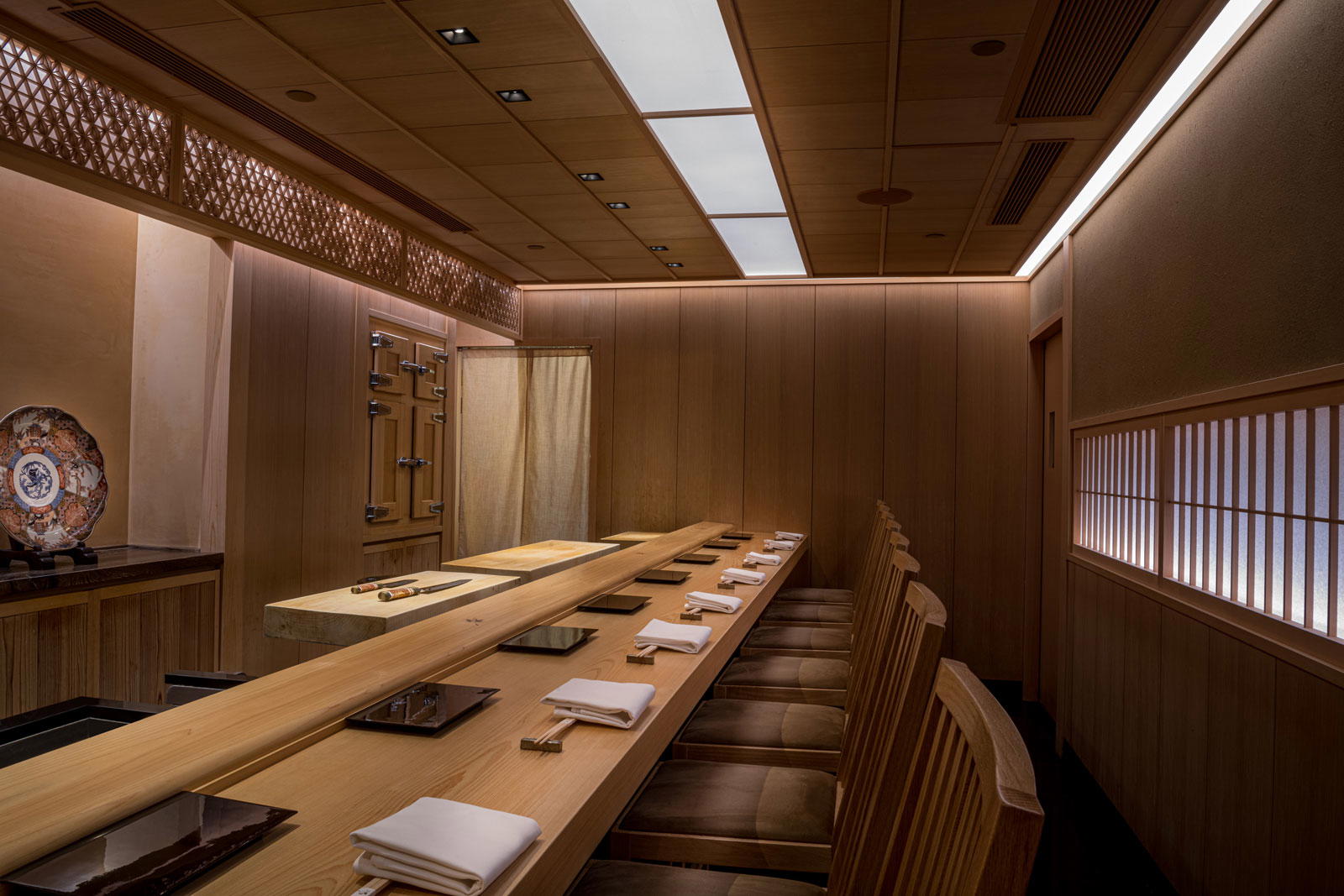
When Kashiwaya closed its Hong Kong outpost in 2021, Chef Teruhiko Nagamoto returned a year later at the same On Lan Street address under his own name. The counter-only format places every diner in direct view of the kitchen, and a single kaiseki omakase built around shun, peak-season ingredients, is the only menu offered. Nagamoto holds one Michelin star as of 2024, and operates Tuesday through Saturday evenings only.
Pearl is the En Primeur Club membership app — saves, bookings, and concierge access live there. Same editors, same standards.
- Address
- Hong Kong, Central, On Lan St, 18號8/F
- Phone
- +852 5500 6063
- Website
- nagamoto.hk
- Directions
- Get directions
 Saves & bookings on Pearl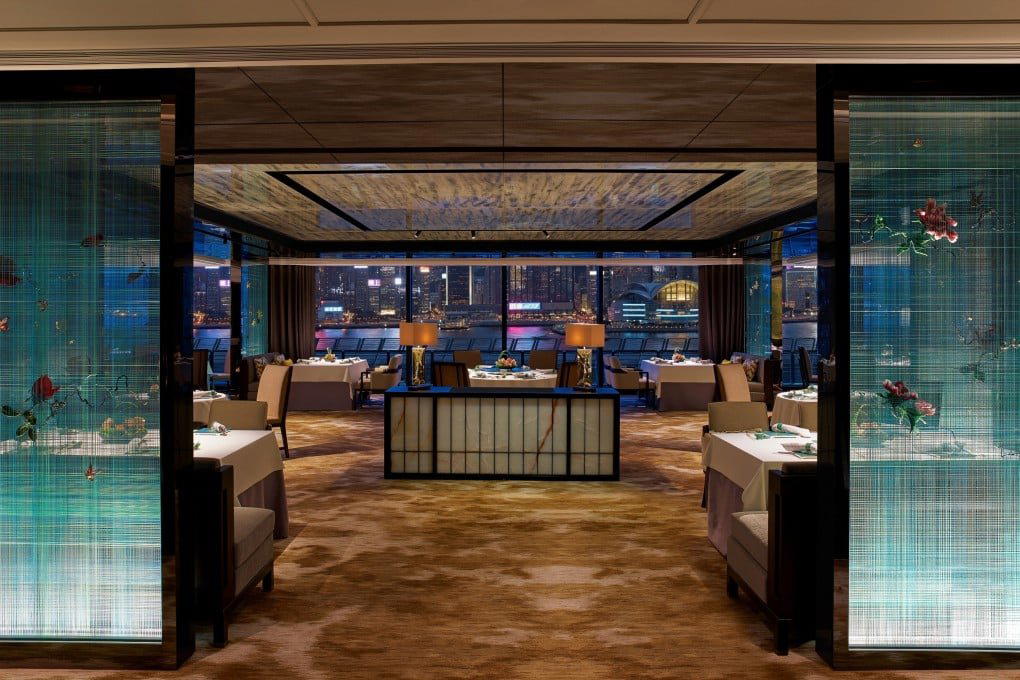
The Eighth Floor on On Lan Street
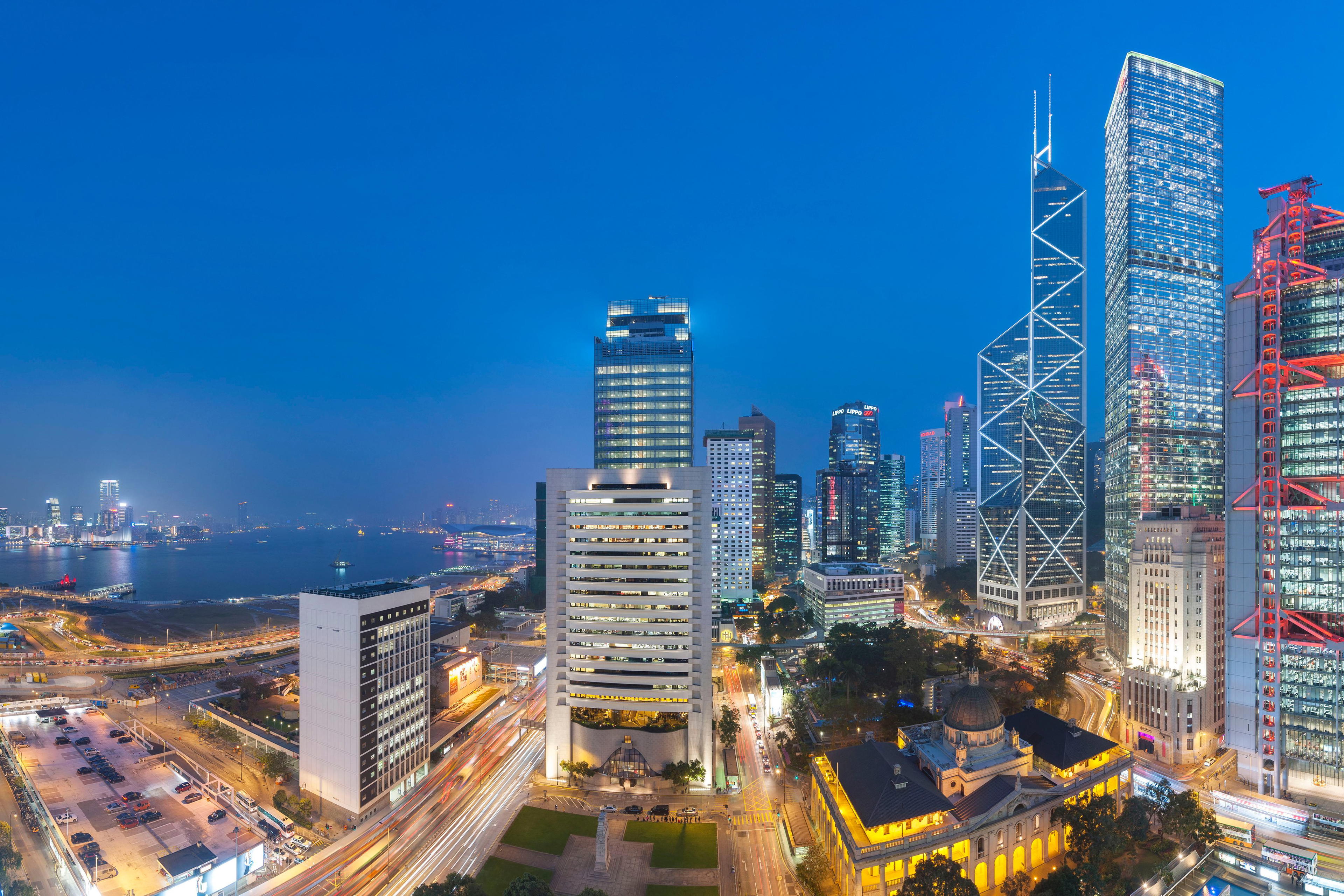
Nagamoto is a Michelin-starred Modern Kaiseki Omakase restaurant in Central, Hong Kong, on On Lan Street. The kaiseki counter at Nagamoto does none of that. The eighth floor of a mid-block building on On Lan Street requires commitment to find, and that commitment is part of the point. Counter restaurants operating at this price tier in Hong Kong have long understood that vertical distance from street level functions as a quiet filter, the room fills with people who already know exactly where they are going.
What greets those people is a format with little theatrical excess. Counter seats, a direct sightline to the chef, and a single omakase menu built around the Japanese concept of shun, ingredients taken at the precise moment of seasonal peak. This is the same organizing principle that structures kaiseki at its most serious level in Kyoto and Osaka, and its presence in a Hong Kong counter says something about where the city now sits in the geography of Japanese fine dining. For a comparison across kaiseki formats operating at a similar tier in Japan, see Isshisoden Nakamura in Kyoto or Kashiwaya Osaka Senriyama, the Osaka flagship of the tradition that originally shaped this room.
What Regulars Already Know
People booking a counter-only kaiseki in Central at the $$$$ price tier are not first-timers drawn in by algorithm. The audience for a room like this self-selects: they have eaten kaiseki before, they understand the format, and they are returning because the execution met a standard they already carry in their heads.
What keeps that audience returning at a kaiseki counter is rarely one dish. It is the calibration between the season and what appears in front of you, the sense that the menu tonight could not have been served last month, and will not be served next month. Shun-driven kaiseki operates on a rolling logic that makes repetition structurally impossible, which is precisely why regulars at this format come back on the same seasonal cycle rather than once or twice in a lifetime. The Michelin one-star recognition provides external validation, but the repeat-visit pattern that sustains a small counter comes from something more granular: the belief that the kitchen is paying attention to where the year currently sits.
For regular visitors, the counter format also produces a different kind of familiarity than a tabled restaurant allows. You watch the same preparation sequences evolve across seasons. The plating decisions, the knife work, the pacing of courses, these become legible in a way they cannot be from across a dining room. Comparable counter dynamics appear at Hong Kong's Godenya, where sake pairing anchors a similarly intimate format, and at Kappo Rin, where the kappo style creates its own version of chef-to-diner proximity.
Kaiseki in Hong Kong: The Broader Tier
Hong Kong's Japanese fine dining scene has deepened considerably over the past decade. The city now sustains multiple formats, omakase sushi, kappo, kaiseki, and various Japanese-French hybrids, at a Michelin-recognized level that would have been unusual fifteen years ago. Nagamoto operates within the kaiseki segment of that market, a sub-category that demands broader culinary architecture than a sushi counter: courses must build, ingredient sourcing must span proteins, vegetables, and dashi bases, and the seasonal logic must hold across eight to twelve courses rather than a succession of single-bite preparations.
That structural complexity is part of why serious kaiseki counters in Hong Kong remain relatively few. The sourcing requirements for shun-driven kaiseki, where the point is precisely that a given ingredient is at its peak for a matter of weeks, demand supply chains that most operations cannot sustain at this latitude and distance from Japan's wholesale markets. The fact that a room like this exists in Central, holds a Michelin star, and maintains a dinner-only schedule six nights a week (with a Saturday lunch service) is evidence of a supply and operational infrastructure that takes years to build.
Other Japanese formats in Hong Kong worth placing alongside this one include Ryota Kappou Modern, which applies a more contemporary register to Japanese counter dining, and Zuicho, another kaiseki-informed room operating at a recognized level. For Japanese dining that extends into a more casual or izakaya-adjacent register, Hanabi provides a useful contrast. The kaiseki tradition represented here also has direct analogues in Tokyo's recognized rooms, Kagurazaka Ishikawa and Azabu Kadowaki both operate multi-star kaiseki at a comparable level of seriousness, while Myojaku and Ginza Fukuju represent adjacent Japanese fine dining traditions in the same city. For kaiseki as it reads in Kyoto's most deliberate form, Gion Matayoshi offers a useful reference. On the West Coast, Hayato in Los Angeles demonstrates how kaiseki translates to a diaspora context with similar counter-only discipline.
The Kashiwaya Thread
The operational history here is relevant context, not biographical anecdote. When Kashiwaya's Hong Kong outpost closed in 2021, it left a gap in the city's kaiseki tier that was meaningful precisely because the room had built an audience over several years. The reopening under the Nagamoto name in 2022, at the same address, represents something the hospitality industry rarely achieves: a continuity of intent that survived a complete structural interruption. The regulars who knew the room under its previous name found what they were looking for largely intact. New visitors encountered a counter that had, in effect, already been running for years. The Kashiwaya Osaka lineage that originally shaped the Hong Kong room connects directly to the Osaka flagship, Kashiwaya Osaka Senriyama, which represents one of Japan's most formally recognized kaiseki traditions.
Planning Your Visit
Nagamoto operates Monday through Saturday, with evening hours from 7 PM to 10:30 PM and a Saturday lunch service from 1 PM to 3 PM. The single omakase format means there are no menu decisions to make once you arrive; the main variable is the season you choose to visit, which will determine the ingredient logic across the meal entirely.
| Venue | Format | Price Tier | Service | Recognition |
|---|---|---|---|---|
| Nagamoto | Kaiseki omakase, counter only | $$$$ | Dinner daily (Mon–Sat); Sat lunch | Michelin 1 Star (2024) |
| Godenya | Sake-paired omakase, intimate counter | $$$$ | Dinner | Michelin recognized |
| Kappo Rin | Kappo counter | $$$$ | Dinner | Michelin recognized |
| Ryota Kappou Modern | Modern kappo counter | $$$$ | Dinner | Michelin recognized |
What It’s Closest To
Comparable venues nearby, for context on price, style, and recognition.
| Venue | Cuisine | Price | Awards | Notes |
|---|---|---|---|---|
| NagamotoThis venue — the venue you are viewing | Modern Kaiseki Omakase | $$$$ | Michelin 1 Star | Not listed |
| Sushi Wadatsumi | Edomae-style Omakase | $$$$ | Michelin 1 Star | Yau Tsim Mong South |
| Kappo Rin | Modern Japanese Kappo Omakase | $$$$ | Michelin 1 Star | Central |
| Fu Ho | Traditional Cantonese | $$$$ | Michelin 1 Star | Yau Tsim Mong South |
| Xin Rong Ji Restaurant HK | Taizhou Cuisine | $$$$ | Michelin 1 Star | Wan Chai |
| Beefbar | Michelin-Starred International Steakhouse | $$$$ | Michelin 1 Star | Central |
Recognition history
Dated appearances from independent guides and award organizations, with the underlying list record or original source where available.
Michelin 1 Star
Michelin
Opinionated About Dining Top Restaurants in Asia Recommended
Opinionated About Dining
SCMP 100 Top Tables Restaurants
SCMP 100 Top Tables
Michelin 1 Star
Michelin
Michelin 1 Star
Michelin
Continue exploring
More in Hong Kong
Restaurants in Hong Kong
Browse all →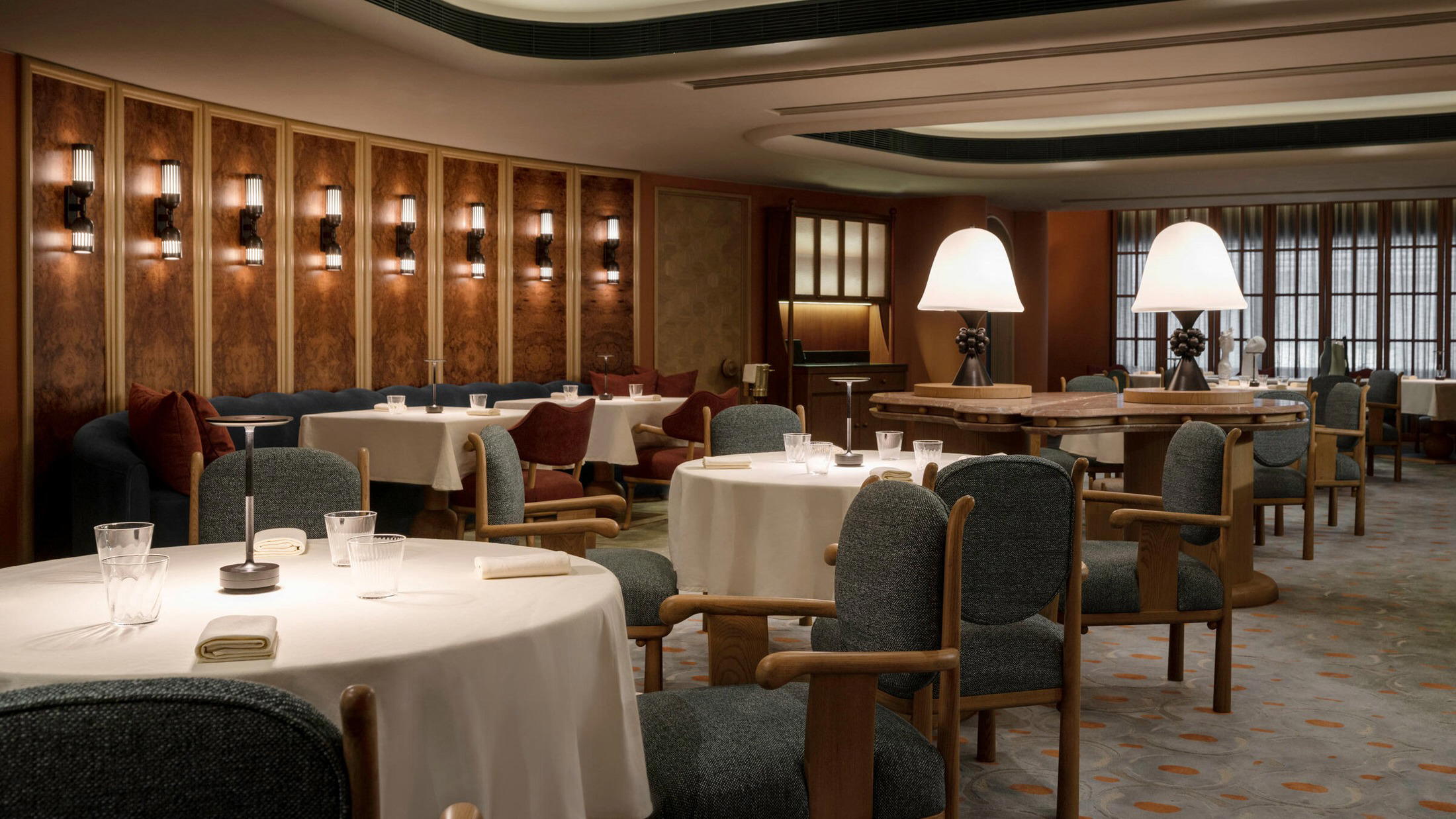
Bars in Hong Kong
Browse all →
At a Glance
- Elegant
- Intimate
- Sophisticated
- Minimalist
- Date Night
- Special Occasion
- Chefs Counter
- Open Kitchen
- Sake Program
Current opening hours
- Monday
- 7–10:30 PM
- Tuesday
- 7–10:30 PM
- Wednesday
- 7–10:30 PM
- Thursday
- 7–10:30 PM
- Friday
- 7–10:30 PM
- Saturday
- 1–3 PM, 7–10:30 PM
- Sunday
- Closed
Hours can change for holidays and private events. Last verified .
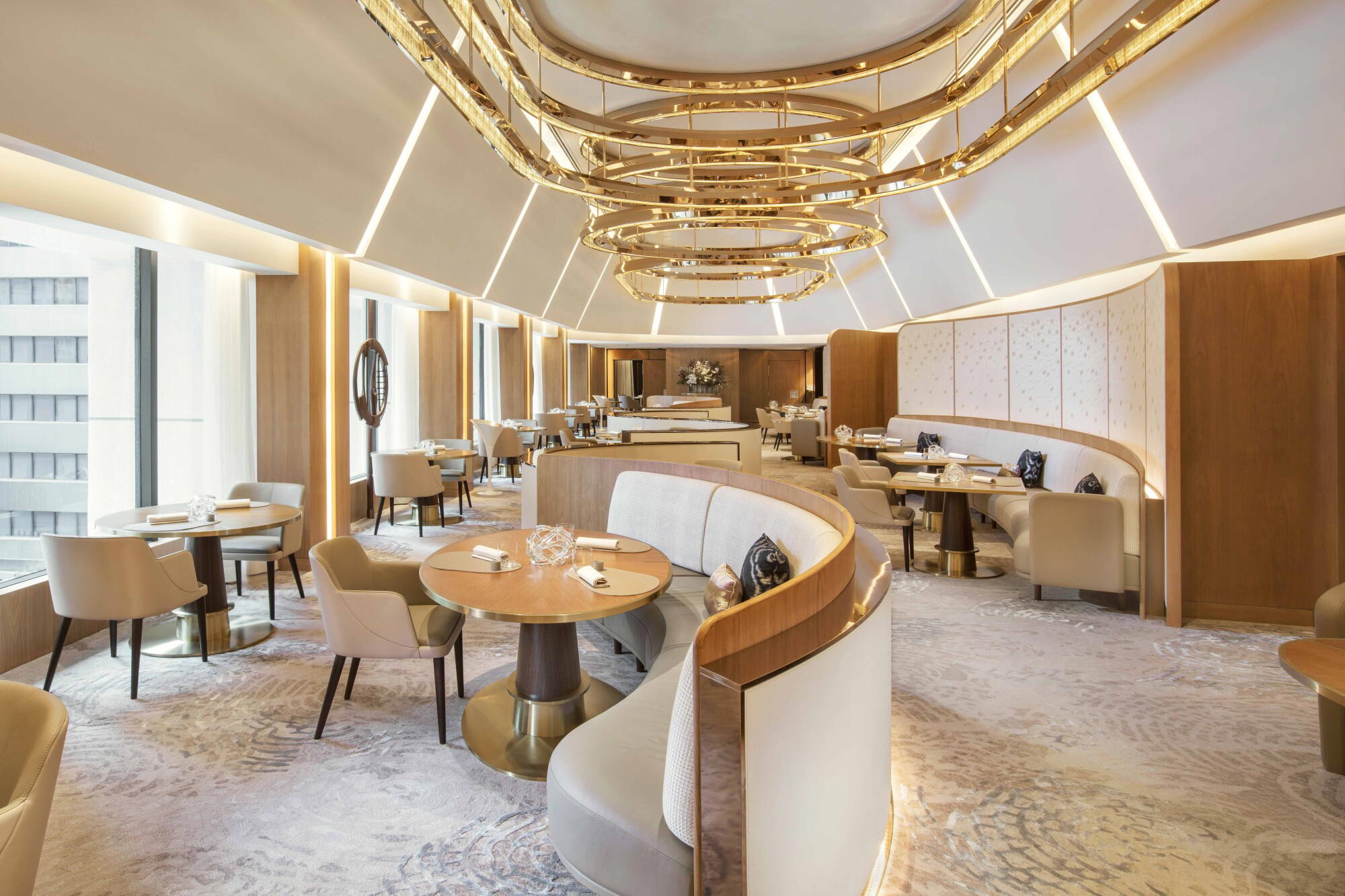
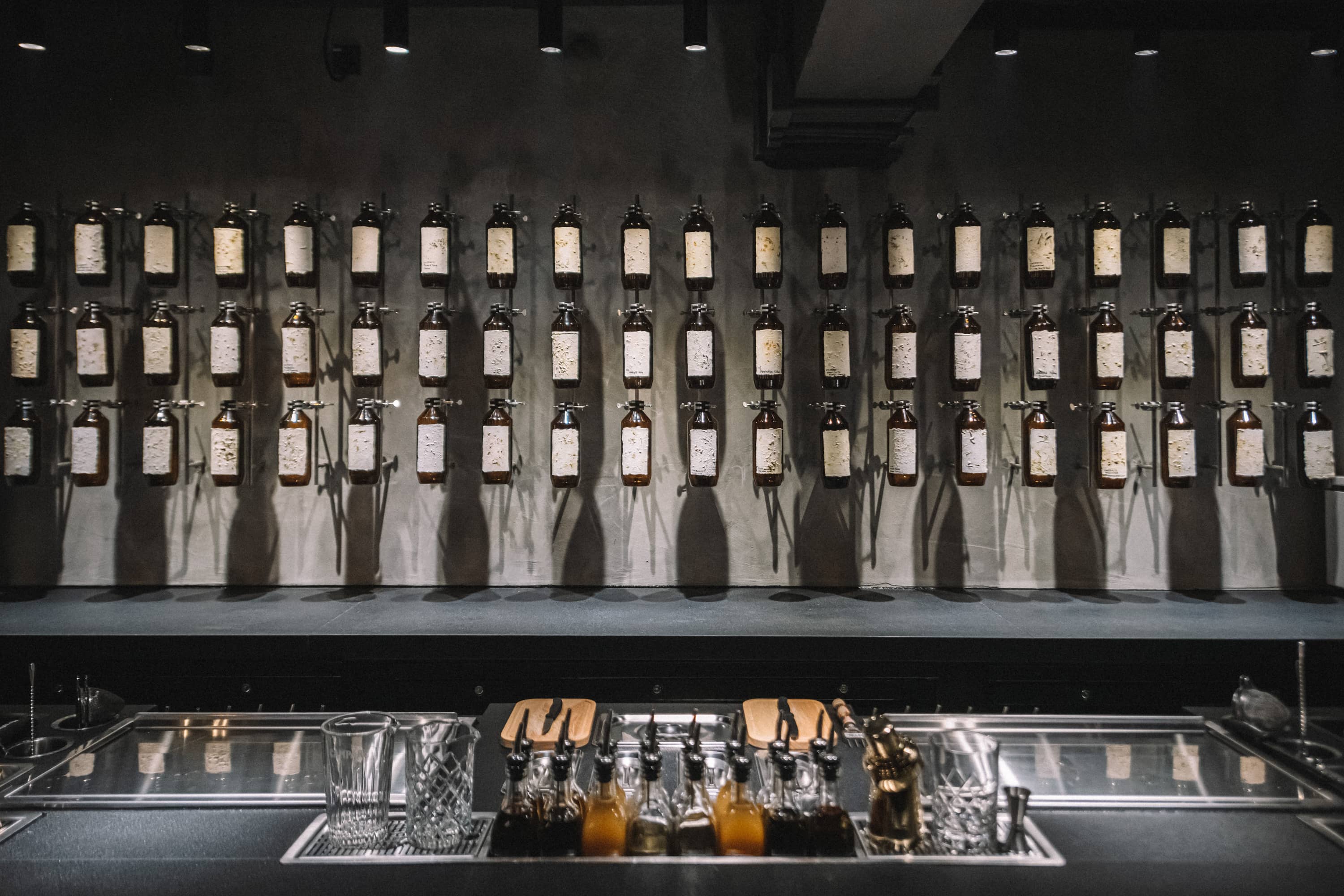
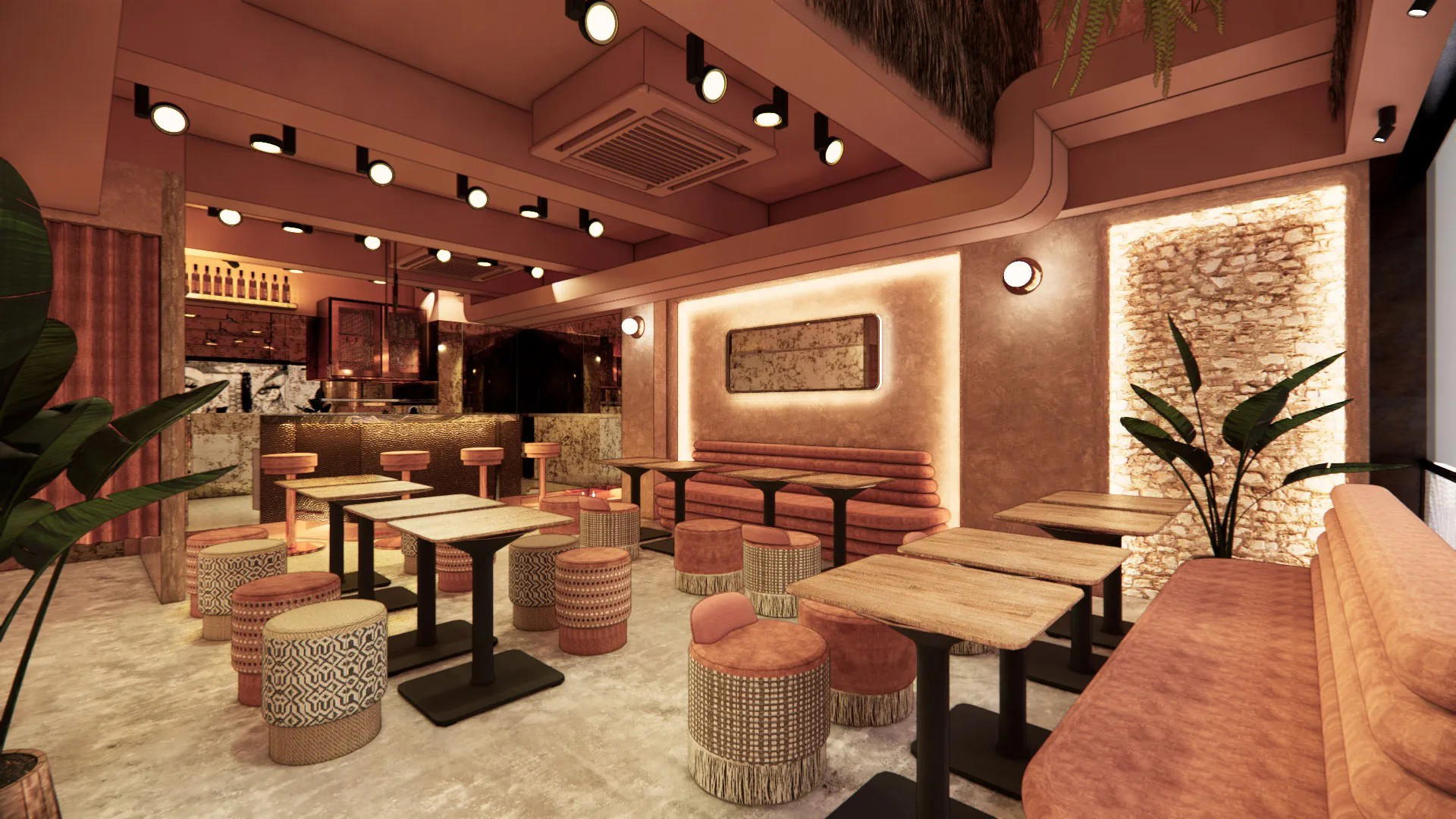
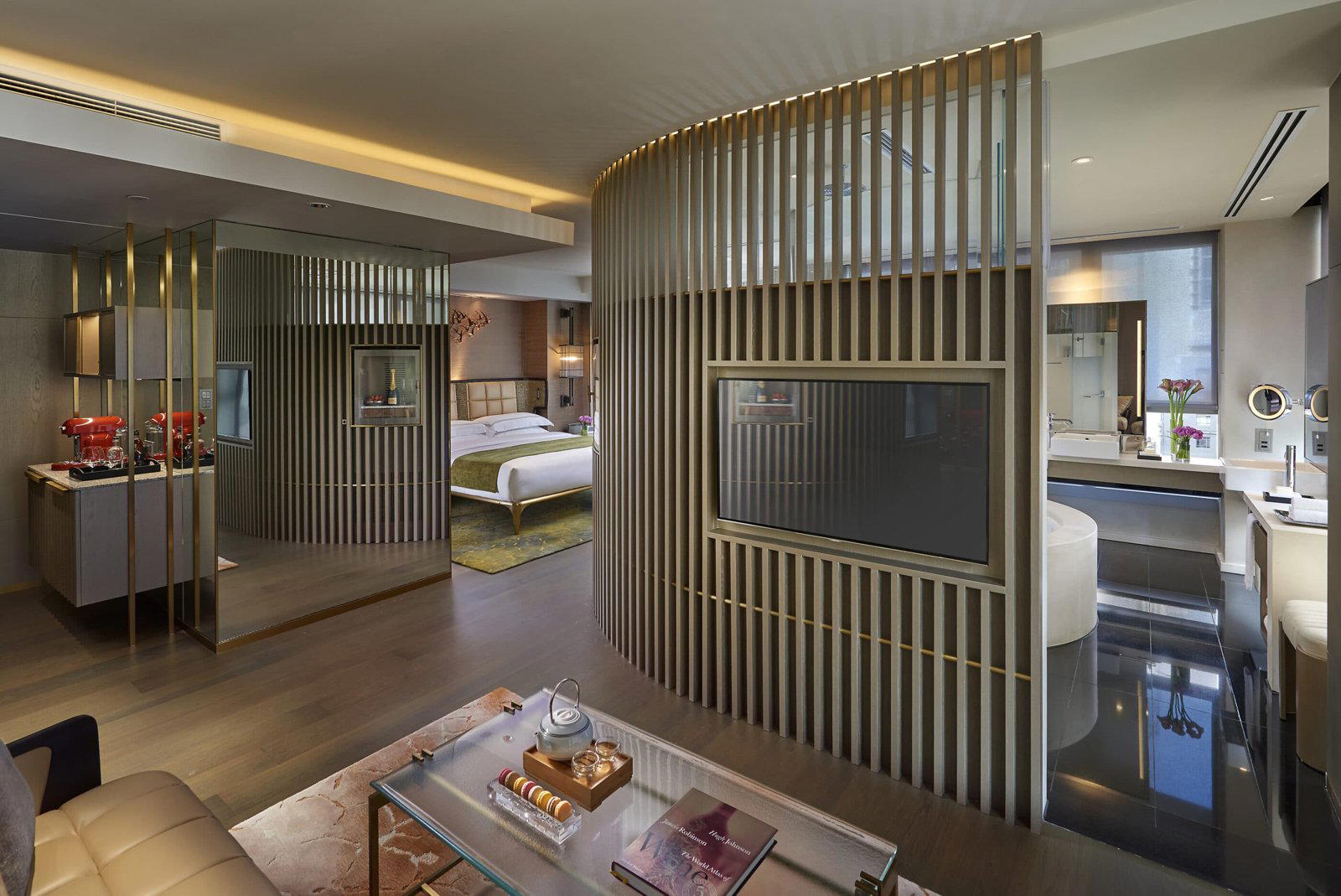
Soft lighting, sleek minimalist design, and intimate counter seating create an elegant, relaxed atmosphere focused on the chef's artistry.