
SCMP 100 Top Tables Restaurants
Our verdict
Nikutoieba Matsuda sits in Central’s Gough Street orbit, where Hong Kong’s appetite for Japanese dining has shifted from broad luxury cues toward ingredient-led specialization. The draw is less about spectacle than sourcing discipline: beef, seasonality, and the kind of controlled format that suits diners comparing Japanese counters against the city’s sharper Central addresses.

Pearl is the En Primeur Club membership app, where members save venues, book tables and use the concierge.
The menu
What to order
- Wagyu beef tartare sushi
- Wagyu fillet cutlet sandwich
- Seasonal wagyu-focused tasting menu
Hong Kong has its own dining rhythm: delivery carts, gallery glass, office spillover, and the city’s compressed energy folding into a dense restaurant scene. Here, focused dining reads differently than in a hotel dining room. When a restaurant’s premise is narrow, the room needs little theatre. Nikutoieba Matsuda sits in the city’s more deliberate restaurant conversation, where clarity of purpose can matter more than crowd-pleasing breadth.
Hong Kong has long absorbed specialist formats, from counter-led rooms and compact tasting menus to casual, high-turnover neighbourhood dining. The sharper end now rewards restaurants that explain why a meal matters before technique enters. Focused dining fits that shift: the question is not only what appears, but how pacing, restraint, service, and structure turn dinner into a coherent experience.
Ingredient-led dining in Hong Kong, read through sourcing rather than spectacle
The name gives the clearest clue: this restaurant is framed around a focused premise, placing it in a competitive lane distinct from broader luxury dining. Hong Kong restaurants often split into two camps. One leans on ceremony, counter intimacy, and imported technique. The other leans on product hierarchy: provenance, season, heat, and drinks service. The strongest rooms understand focus is not decorative; it is the operating system.
That matters in Hong Kong, where diners are not short of choice. A short walk through the city’s restaurant landscape can move from polished destination dining to casual, high-turnover neighbourhood formats, or addresses whose appeal is tied as much to the street as the table. Against that field, a tightly focused room must justify itself through precision: a narrower promise, fewer distractions, and a clear reason the experience deserves the centre of the evening.
Hong Kong’s premium dining scene is unusually fluent. Diners know the difference between a counter experience, a room built for shared pacing, and a restaurant that asks guests to follow a single internal logic. Imported labels are not enough. The stronger argument is structural: a meal that treats its anchor as a sequence, not a single luxury cue, and service that lets the format carry the evening without turning dinner into a lecture.
How the Hong Kong setting shapes the meal
Hong Kong suits restaurants seeking seriousness without defaulting to hotel formality. Its dining corridors mix design shops, small galleries, cafés, and compact restaurants, keeping the pace more local than the city’s tower-dominated business image suggests. A specialist restaurant here competes not only with similar rooms, but with the city’s after-work and destination-dining circuit.
The reader decision is sharper. This is not for diners wanting a maximal Hong Kong night of noise, cocktails, and table-hopping. It is better read as a focused dinner in a city where specialization signals confidence. Nearby comparison points frame the choice: Little Bao brought casual energy to Hong Kong dining; Snack Baby (Central) reflects the city’s appetite for informal, snack-driven nights; Pici Central occupies another approachable dining lane. A more tightly focused format sits apart because it asks diners to slow down and follow the restaurant’s own logic.
The broader city context matters. Hong Kong treats dining as both everyday comfort and premium pursuit, a rare market where queues, counters, casual rooms, and high-end specialists thrive close together. That density exposes weak specialization. When a room commits to a clear anchor, focus and execution must do the heavy lifting. Nikutoieba Matsuda’s recognition in SCMP 100 Top Tables 2026 - Restaurants is a useful trust marker, but the more relevant test is whether the format belongs to the city’s disciplined specialist tier rather than its decorative luxury tier.
For travellers mapping a wider food itinerary, the restaurant shows how Hong Kong dining works across districts and price moods. The city’s premium conversation is broad, but the range stretches from humble local favourites to polished destination rooms, from family-driven formats to heritage-scale curiosities. Choose a Hong Kong specialist for focus, not because the city lacks alternatives.
Who should put it on a Hong Kong dining itinerary
Nikutoieba Matsuda makes most sense for diners who already want a meal filtered through a focused point of view. It is a poor fit for anyone treating dining as generic, and better for those comparing pacing, service, and format across the city’s more deliberate restaurants. In Hong Kong, that distinction matters more than broad labels. The city is crowded with competent rooms; fewer have a premise tight enough to guide the evening.
Planning should match the mood. For a dining-heavy Hong Kong route, pair it conceptually with restaurants showing different sides of the city’s scene: Honky Tonks Tavern for a more relaxed night, Ippoh for another focused comparison point, or Little Bao when the itinerary leans more casual. Visitors building a broader city plan should use Our full Hong Kong restaurants guide alongside Our full Hong Kong bars guide, Our full Hong Kong hotels guide, Our full Hong Kong experiences guide, and, where relevant, Our full Hong Kong wineries guide.
The editorial read is simple: Hong Kong’s dining scene has matured beyond import prestige and vague luxury language. Restaurants worth attention now need a defined argument, whether built around service, pacing, heat, drinks, or another tightly held product idea. This address sits in that focused conversation, so its value depends on how much the diner cares about structure, restraint, and controlled pacing. For a quiet, ingredient-first evening in Hong Kong, that is reason enough to pay attention.
Beyond Hong Kong, the same focused logic explains why specialist formats travel well. In different cities and price brackets, the lesson is similar: the narrower the format, the less room there is for vague luxury language. The experience has to carry the argument.
Frequently asked questions
Is Nikutoieba Matsuda a family-friendly restaurant?
Nikutoieba Matsuda reads more as a focused Hong Kong dining room than as a casual family venue. Families could still consider it if the occasion suits a more serious meal, but the setup is best approached as a focused restaurant experience.
Is Nikutoieba Matsuda better for a quiet night or a lively one?
It suits a quieter dinner more than a lively night out. The restaurant is best understood as a room built around the meal itself, not late-night energy.
Does Nikutoieba Matsuda have a Michelin star or similar recognition?
Nikutoieba Matsuda is listed in SCMP 100 Top Tables 2026 - Restaurants.
When is Nikutoieba Matsuda open?
Check directly with Nikutoieba Matsuda for current opening hours before planning a visit.
What's Nikutoieba Matsuda's location?
Hong Kong.
Comparable Spots, Quickly
Comparable venues by cuisine and price in the same metro.
| Venue | Cuisine | Price | Awards | Notes |
|---|---|---|---|---|
| Nikutoieba MatsudaThis venue (the venue you are viewing) | Wagyu-Focused Japanese Kaiseki / Omakase | $150–200 | SCMP 100 Top Tables Restaurants | Not listed |
| Sushi Zinc | Contemporary Japanese–Italian Omakase | $200–300 | SCMP 100 Top Tables Restaurants | Shau Kei Wan |
| Sushi Haré | Traditional Edomae-style Omakase | $200–300 | SCMP 100 Top Tables Restaurants | Sheung Wan |
| Gyu+Bar by Miyoshi | Japanese-French Wood-Fired Wagyu | $100–150 | Not listed | Wan Chai |
| Ramen Jo | Authentic Japanese Ramen | $20–30 | Not listed | Wan Chai |
| Birdie | Japanese Yakitori | $50–100 | SCMP 100 Top Tables Restaurants | Central |
Recognition history
Dated appearances from independent guides and award organizations, with the underlying list record or original source where available.
SCMP 100 Top Tables Restaurants
SCMP 100 Top Tables
Continue exploring
More in Hong Kong
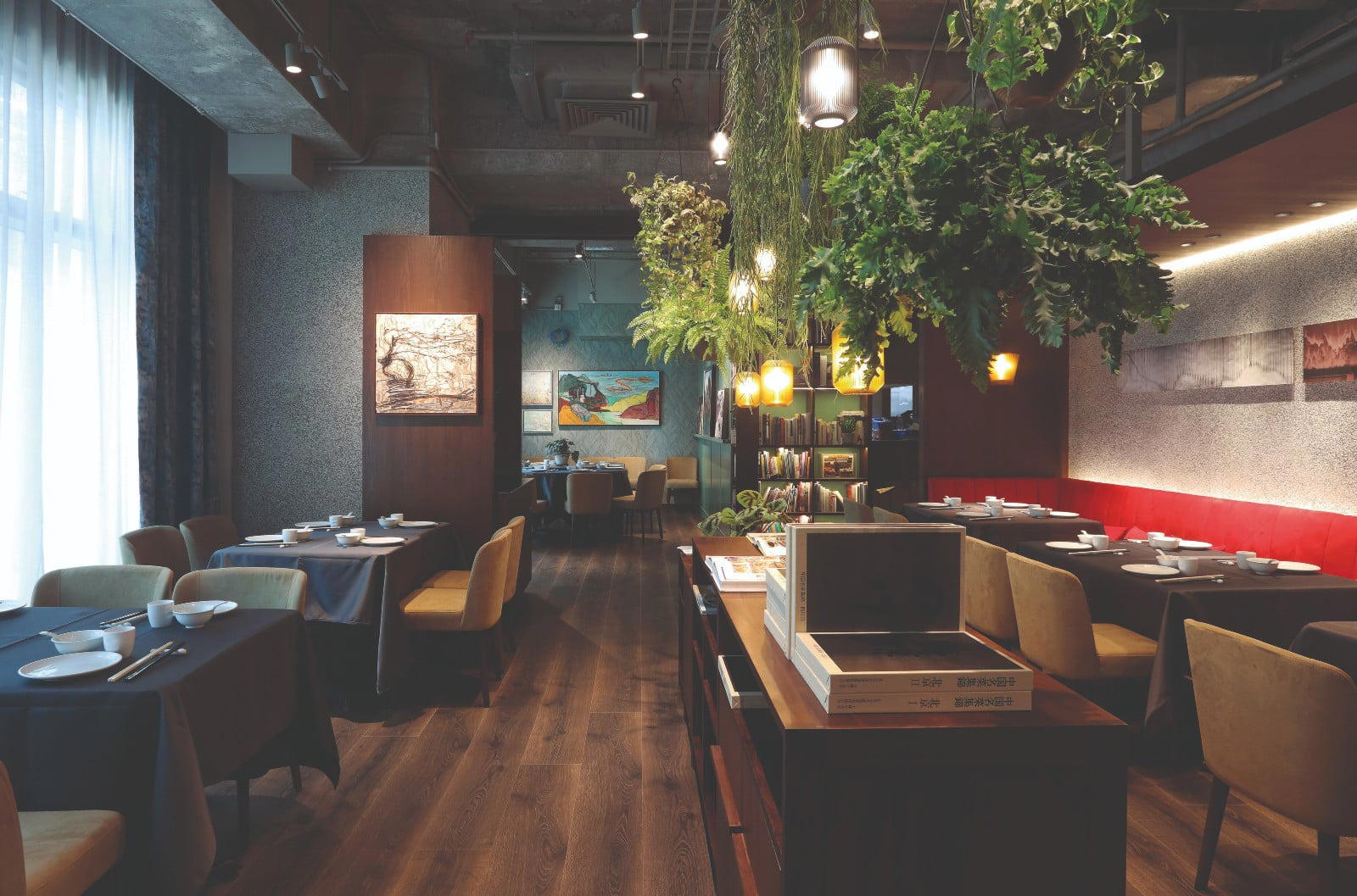
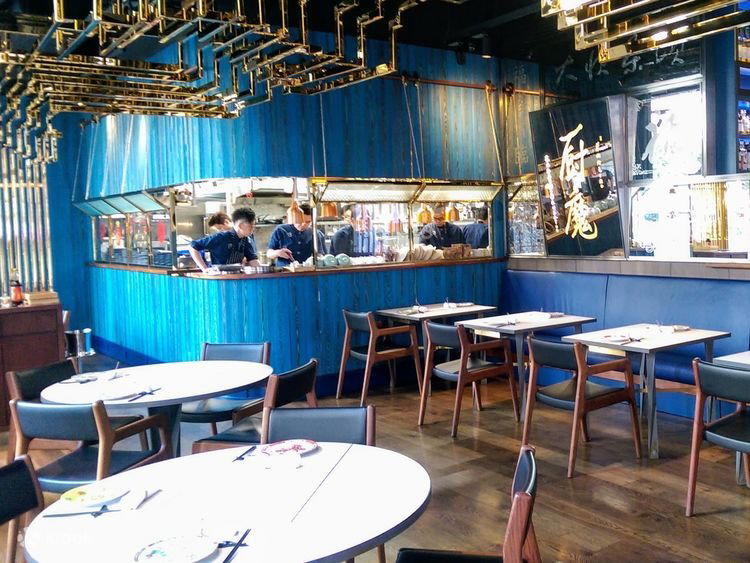
Restaurants in Hong Kong
All restaurants in Hong Kong →
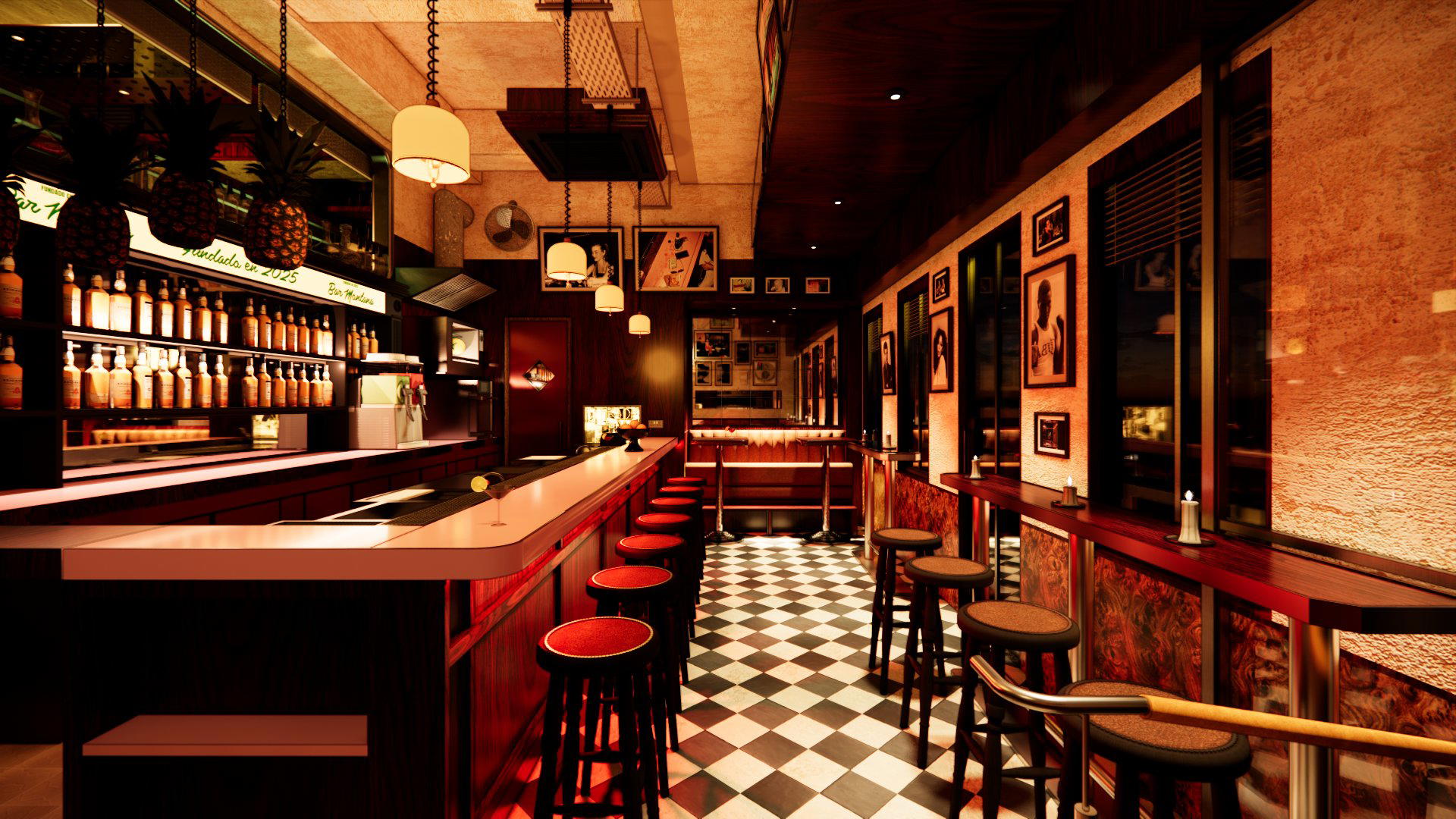
Bars in Hong Kong
All bars in Hong Kong →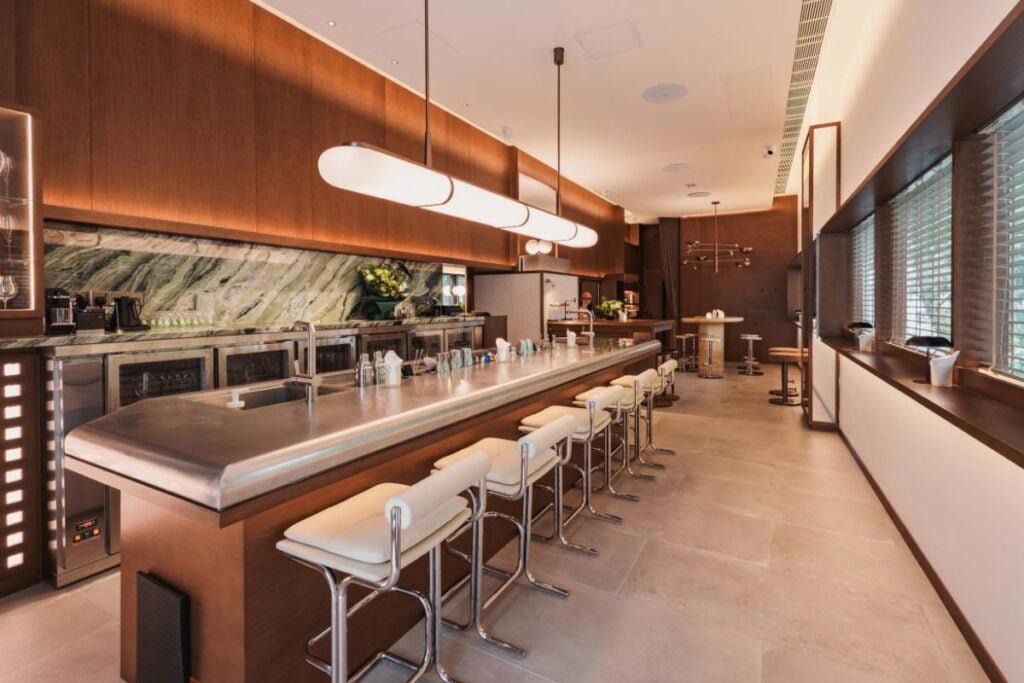
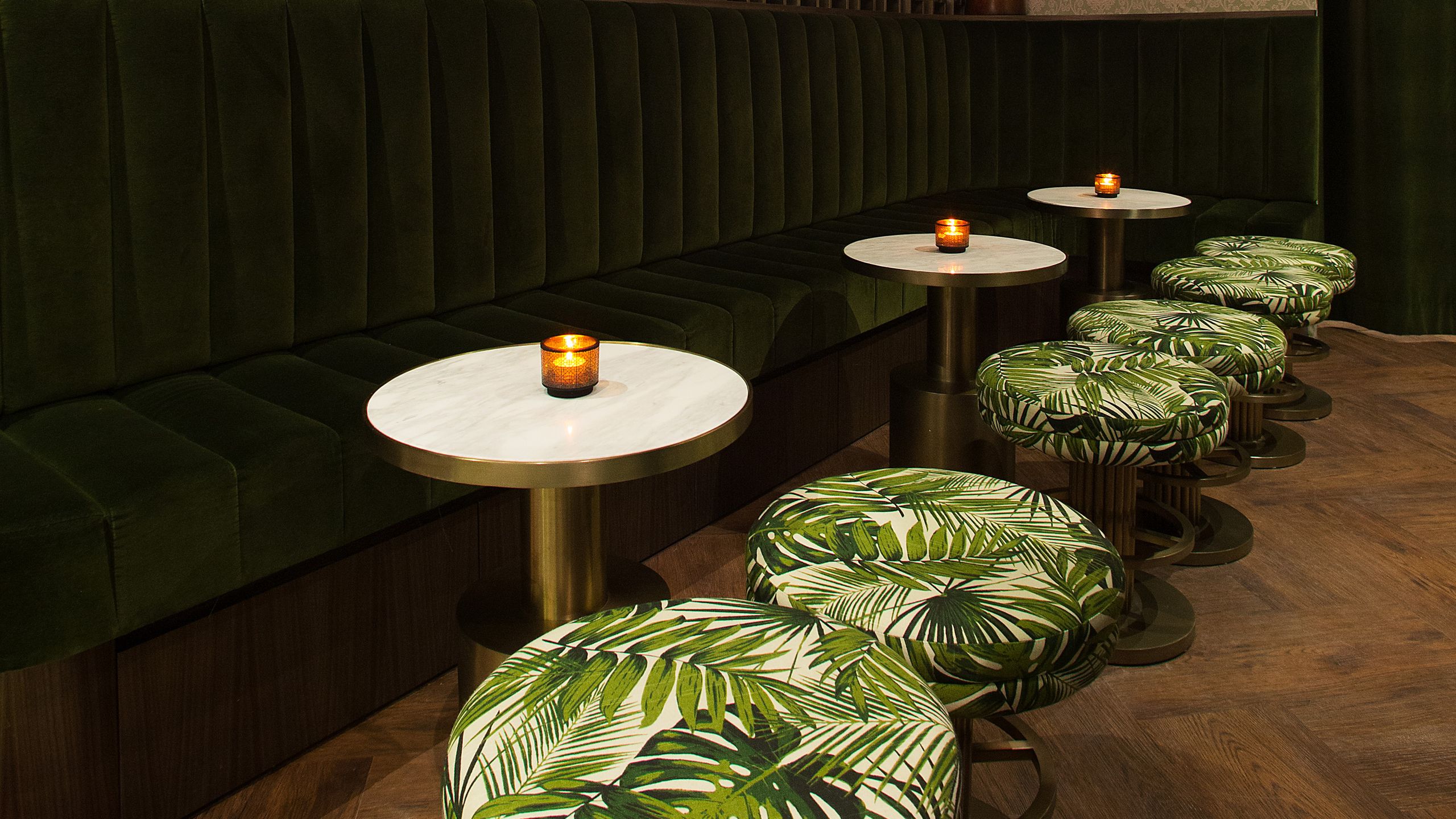
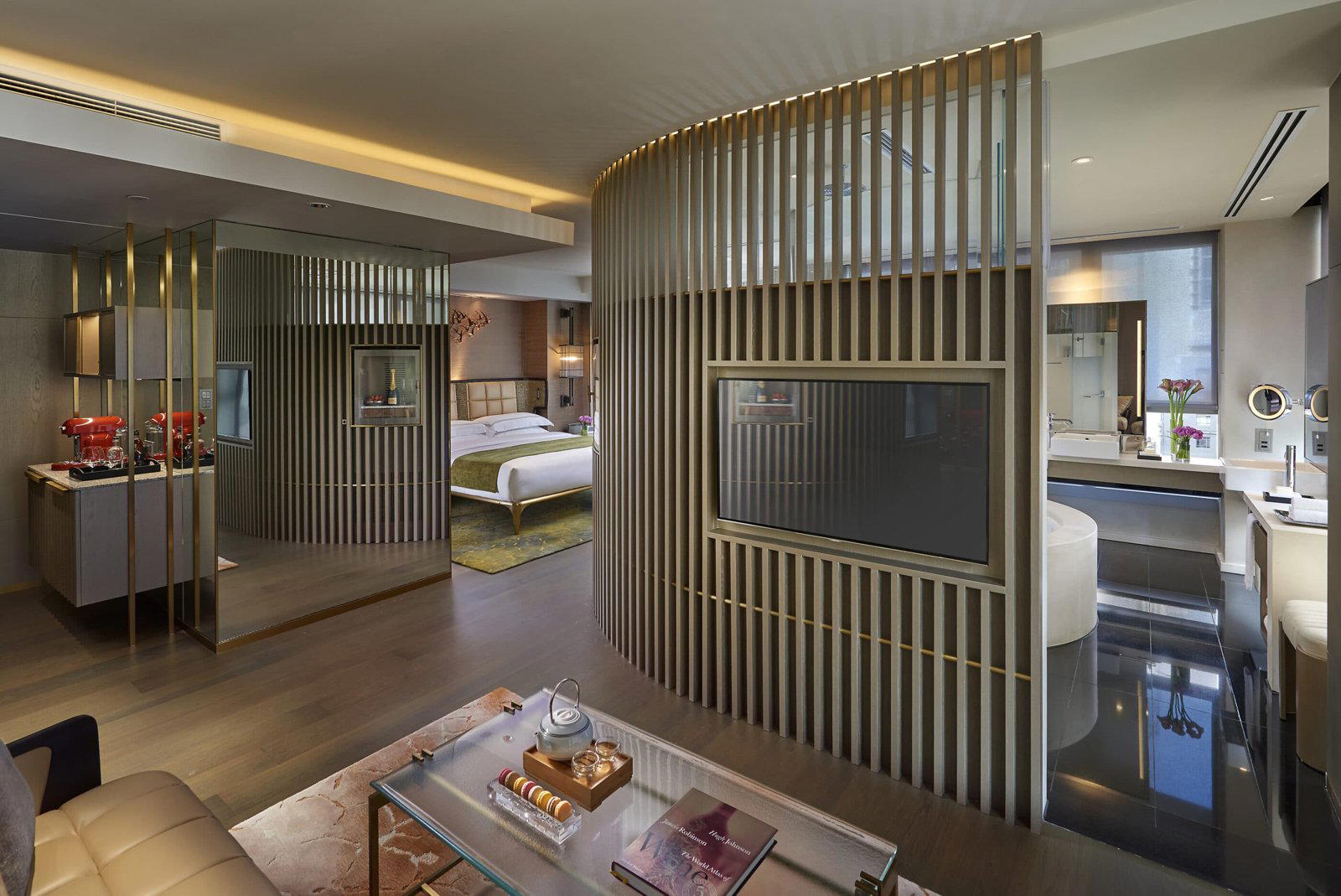
Hotels in Hong Kong
All hotels in Hong Kong →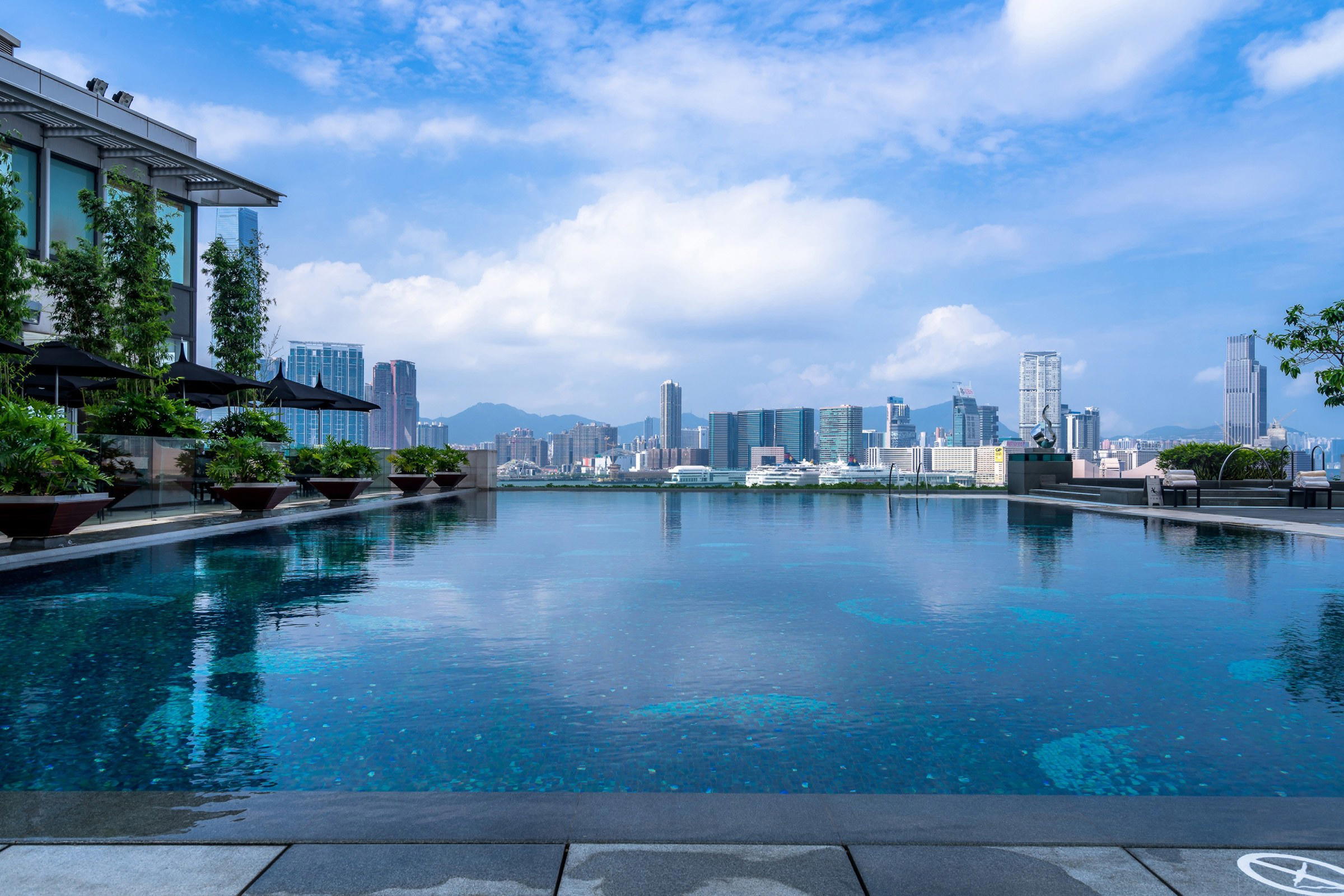
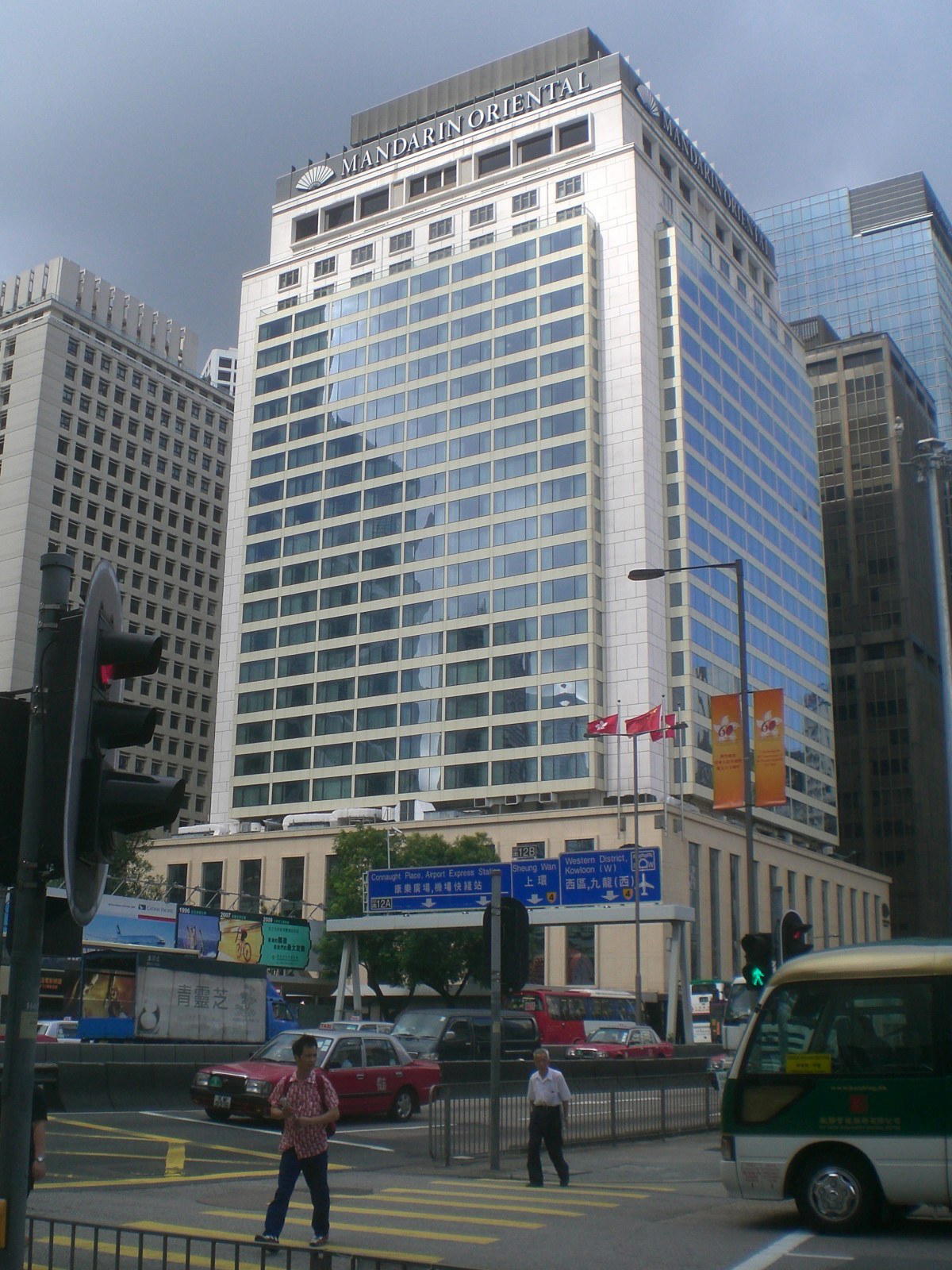
Wineries in Hong Kong
All wineries in Hong Kong →
Details
- Cozy
- Elegant
- Intimate
- Date Night
- Celebration
- Special Occasion
- Business Dinner
- Group Dining
- Chefs Counter
- Open Kitchen
- Standalone
- Design Destination
- Sake Program
- Beer Program
- Tasting Menu
- Set Menu
- Counter Dining
- Sake
- Beer
- Pescatarian Friendly
Current opening hours
- Monday
- Closed
- Tuesday
- 12:30–3 PM, 7–10 PM
- Wednesday
- 12:30–3 PM, 7–10 PM
- Thursday
- 12:30–3 PM, 7–10 PM
- Friday
- 12:30–3 PM, 7–10 PM
- Saturday
- 12:30–3 PM, 7–10 PM
- Sunday
- 12:30–3 PM, 7–10 PM
Hours can change for holidays and private events. Hours as of .
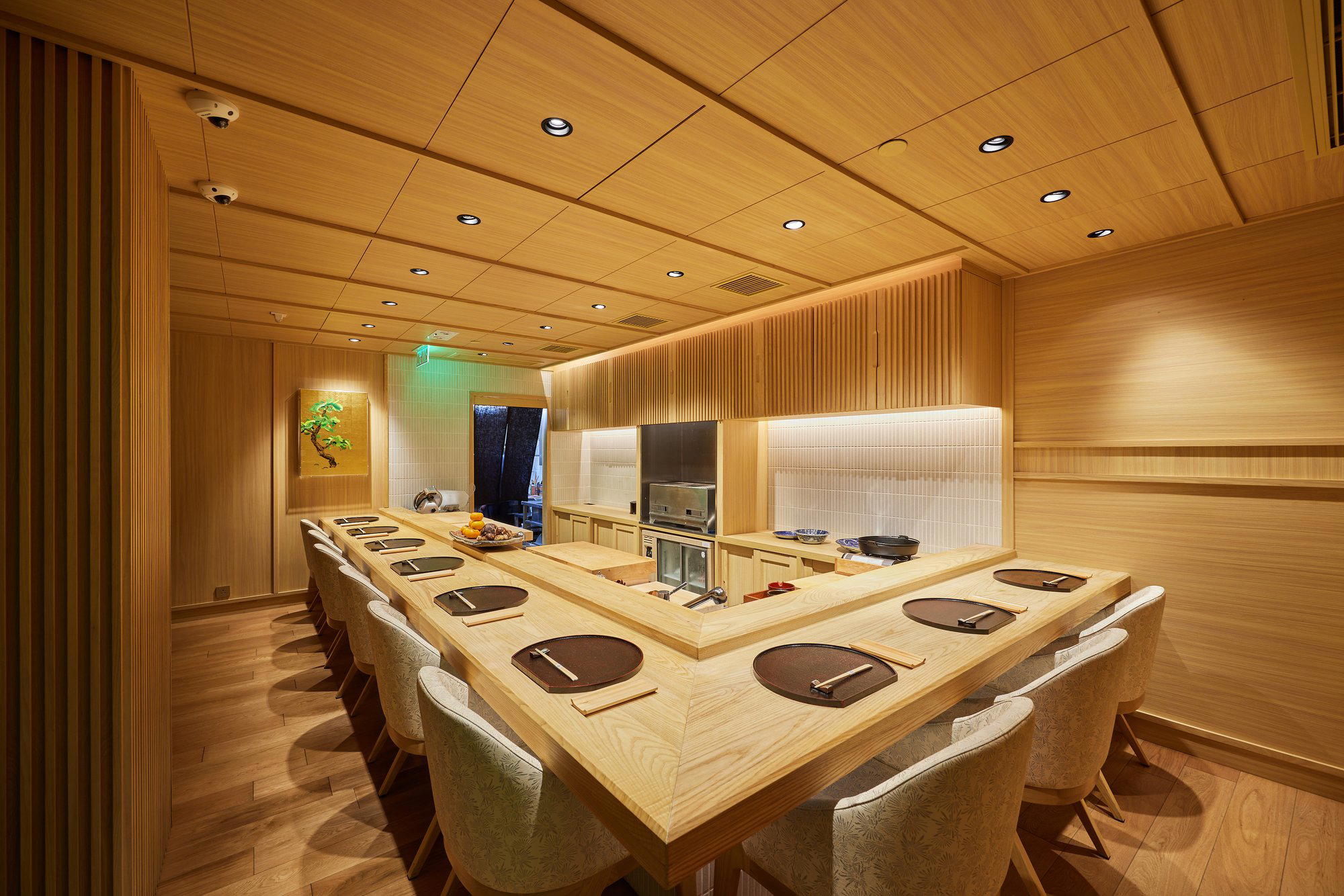
An intimate, counter-focused wagyu kappo setting with a refined yet relaxed atmosphere; lighting is warm rather than dim, and guests describe the room as luxurious but comfortable, with a buzz of conversation without being noisy.