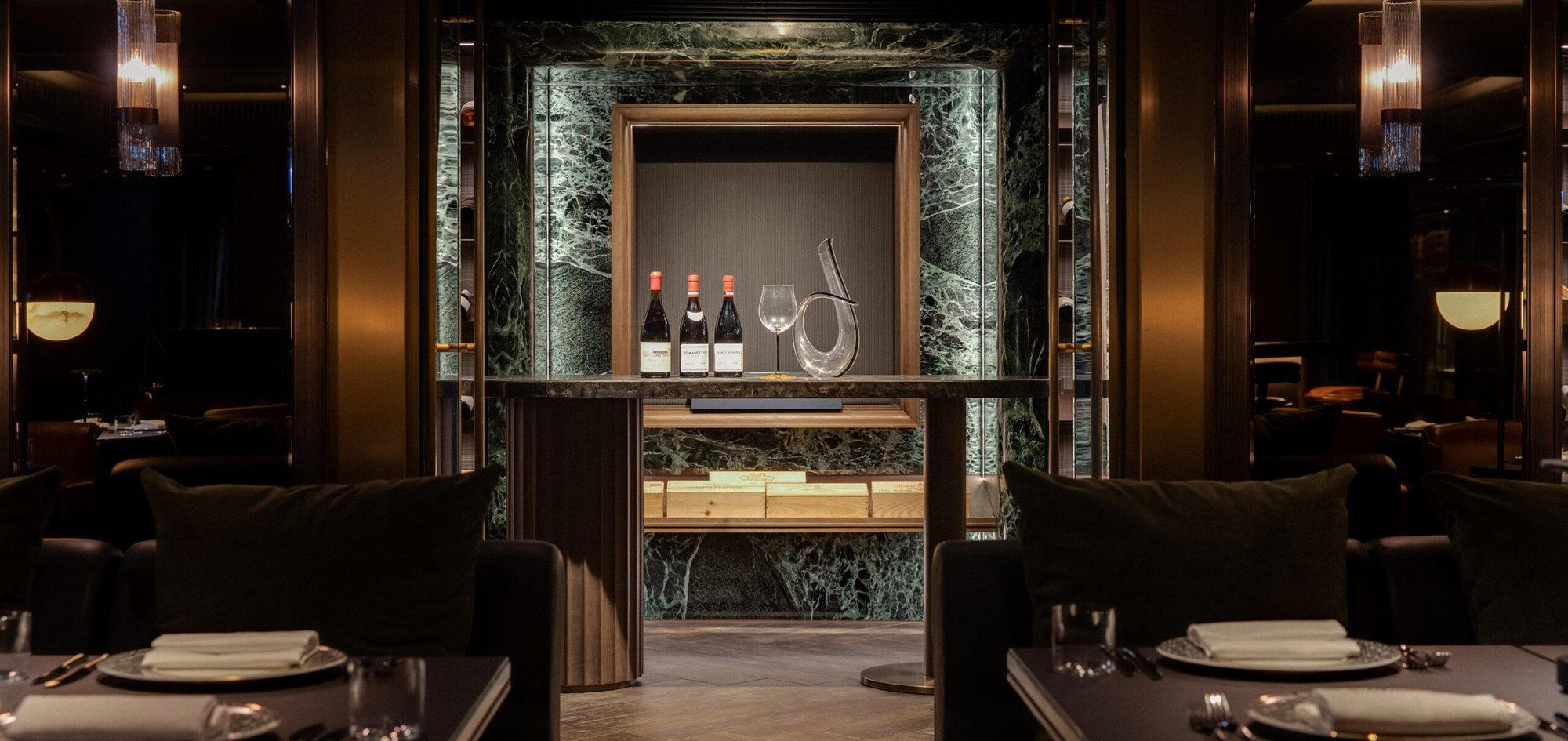






2 Michelin Stars · La Liste Top Restaurants · Black Pearl 1 Diamond
Our verdict
Bo Innovation occupies a sharply defined position in Hong Kong's high-end dining scene: a two-Michelin-starred counter where Alvin Leung applies molecular technique to Cantonese and Chinese tradition. Ranked 79 points on La Liste 2026 and awarded a Black Pearl Diamond in 2025, it draws a serious crowd to Central's Pottinger Street for degustation formats that range from a flexible Tasting Menu to the fully immersive Chef's Table experience.

Pearl is the En Primeur Club membership app, where members save venues, book tables and use the concierge.
The menu
What to order
- Molecular x-treme xiao long bao
- Rice on clay with foie gras
- Caviar taro and smoked quail egg
Where the Room Sets Expectations Before the First Course
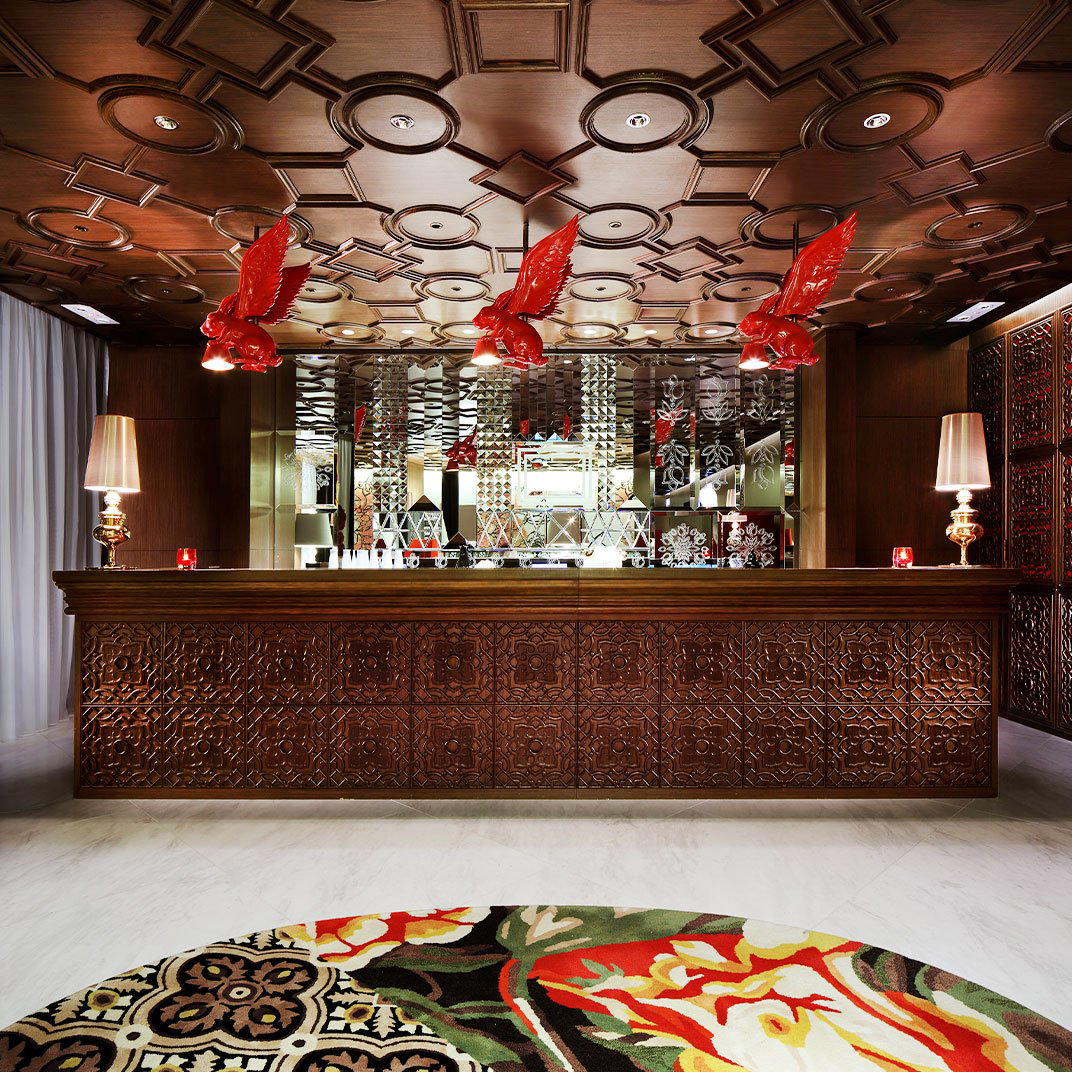
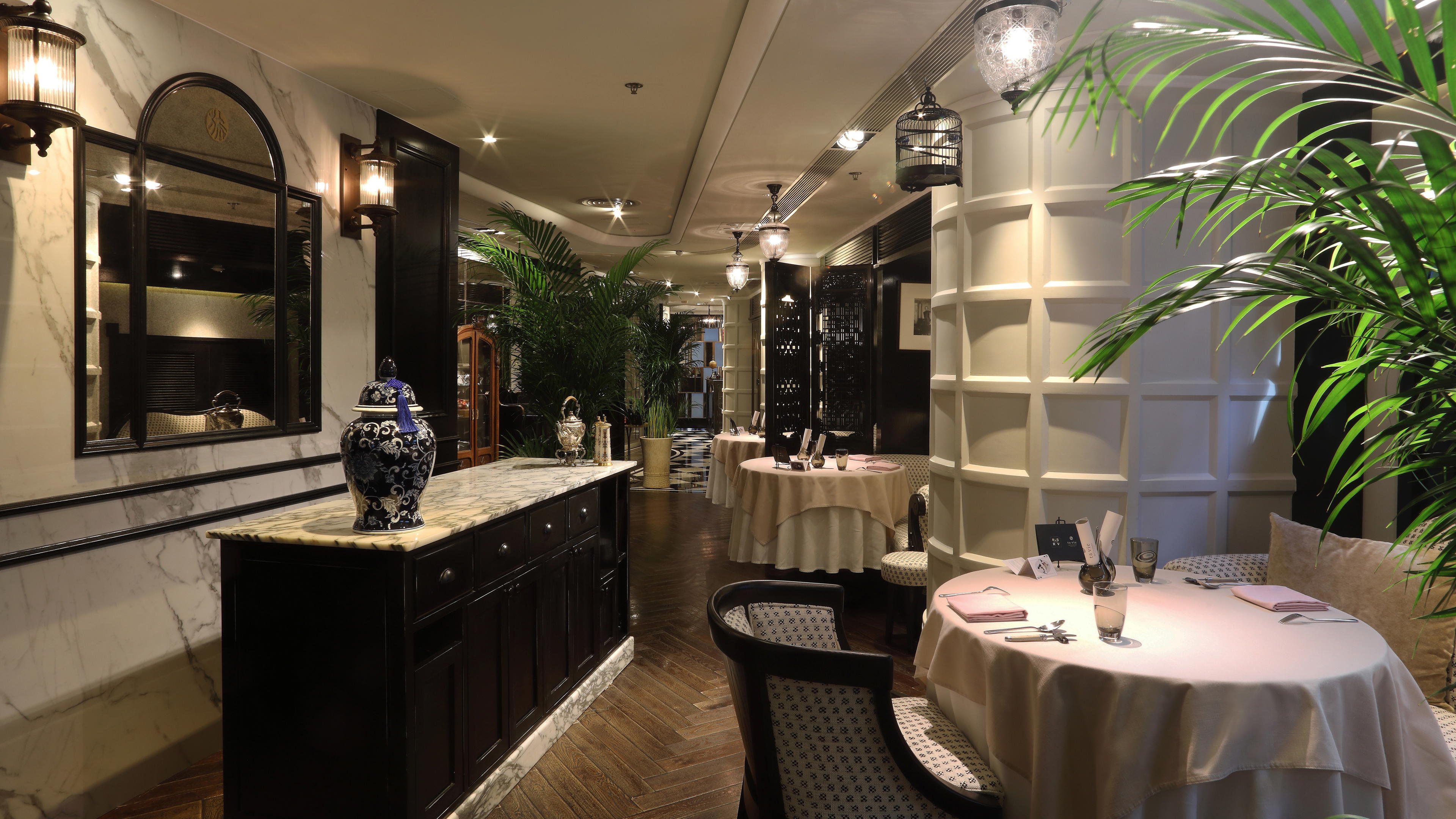
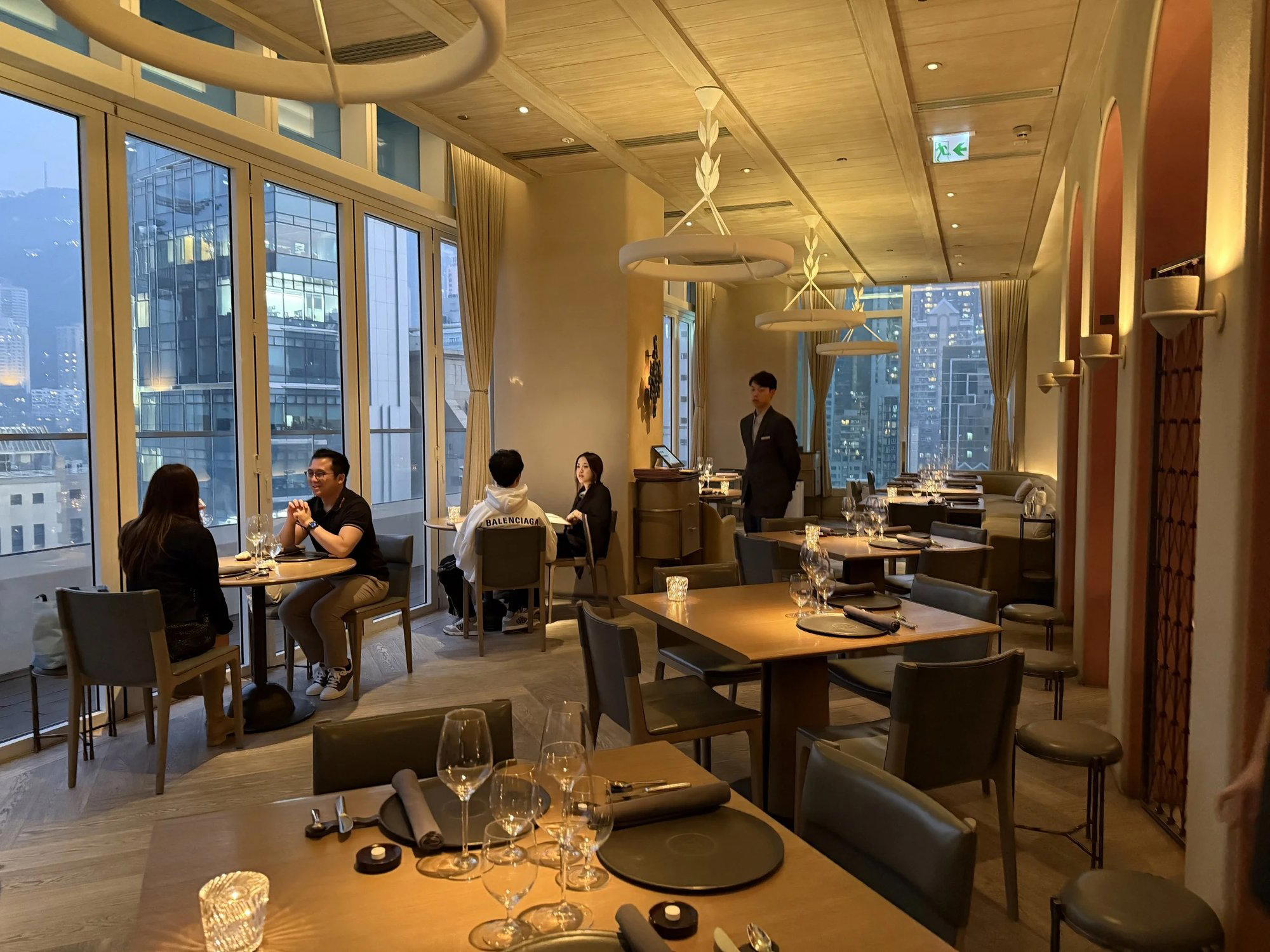
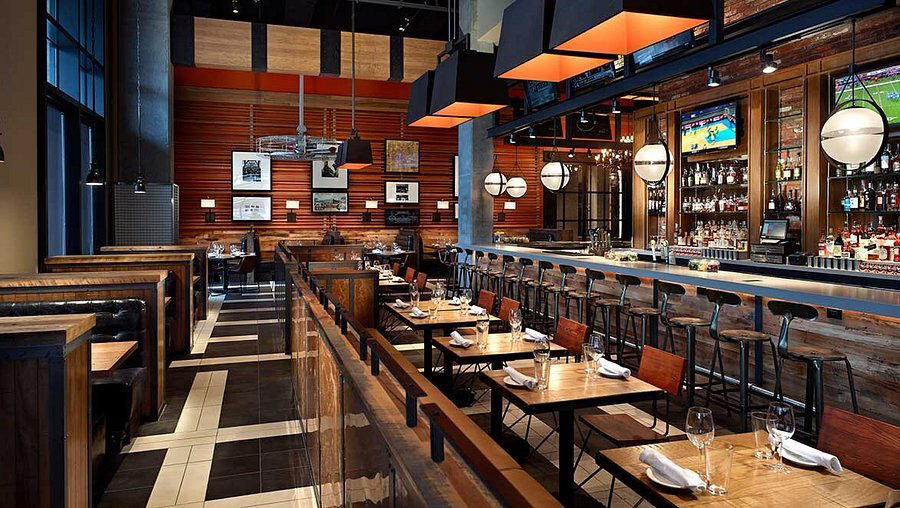
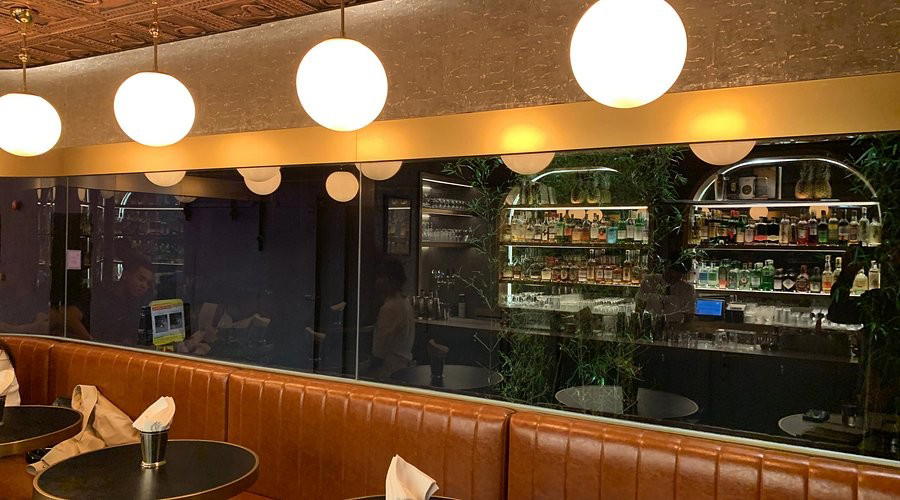
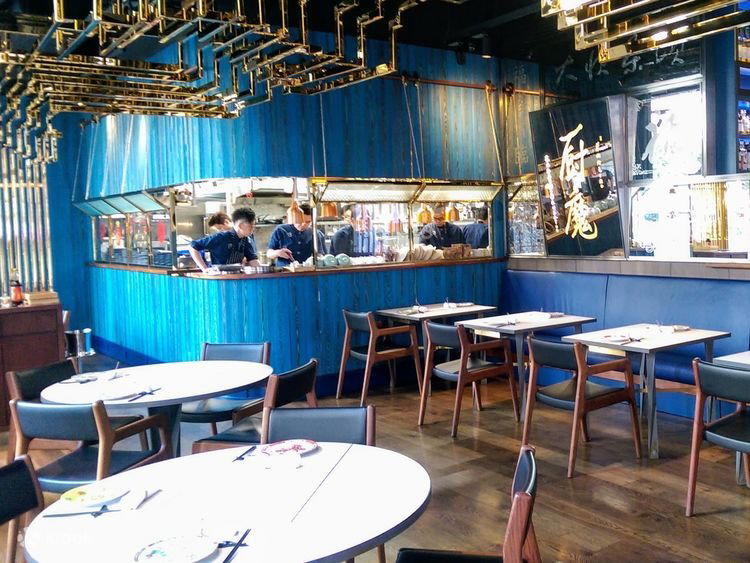
Walking into Bo Innovation on Pottinger Street, the visual register shifts immediately. An open kitchen sits in full view, framed by high ceilings that give the room an airy, unenclosed quality unusual for Central's typically compressed dining rooms. The effect is deliberate: the architecture draws attention toward the kitchen rather than away from it, and the sight lines between cook and guest are essentially unobstructed. A Chuck Close-style photographic mosaic of Chef Alvin Leung greets arrivals at the entrance, a statement piece that signals the restaurant's relationship with its own identity, self-aware, theatrical, but anchored in craft.
Hong Kong's fine dining scene has long tolerated a certain density of spectacle, but the more durable addresses tend to earn their standing through precision rather than theatre alone. Bo Innovation sits in that more demanding category. The open kitchen format means the room participates in the cooking process in a way that closed, tasting-menu operations in comparable price tiers do not. On warm evenings, the outdoor terrace extends the experience into the street-level energy of Central, a neighbourhood where the distance between a financial district lunch and a serious tasting menu dinner can be measured in a single city block.
The Molecular Frame and What It Actually Means Here
Molecular gastronomy as a category has had a complicated trajectory globally. What began as a set of borrowed laboratory techniques in European kitchens has, in many hands, settled into self-referential performance: technique for its own sake, divorced from flavour logic. The more interesting practitioners in Asia have moved in a different direction, using the same tools to reframe indigenous ingredients and familiar flavour memories rather than to replace them.
Bo Innovation operates inside that second tradition. The molecular technique visible across its menus serves Chinese culinary reference points rather than European ones, a distinction that places it in a different creative conversation from, say, Ultraviolet by Paul Pairet in Shanghai, where the molecular frame is applied to French sensibility in a wholly different format. Within Asia's creative cuisine tier, comparisons also extend to Born in Singapore and Nouri in Singapore, both of which apply conceptual rigour to local and regional ingredient traditions. In Bangkok, Gaggan Anand represents the most prominent regional example of the same instinct: molecular technique as a lens for South Asian flavour, not a replacement of it.
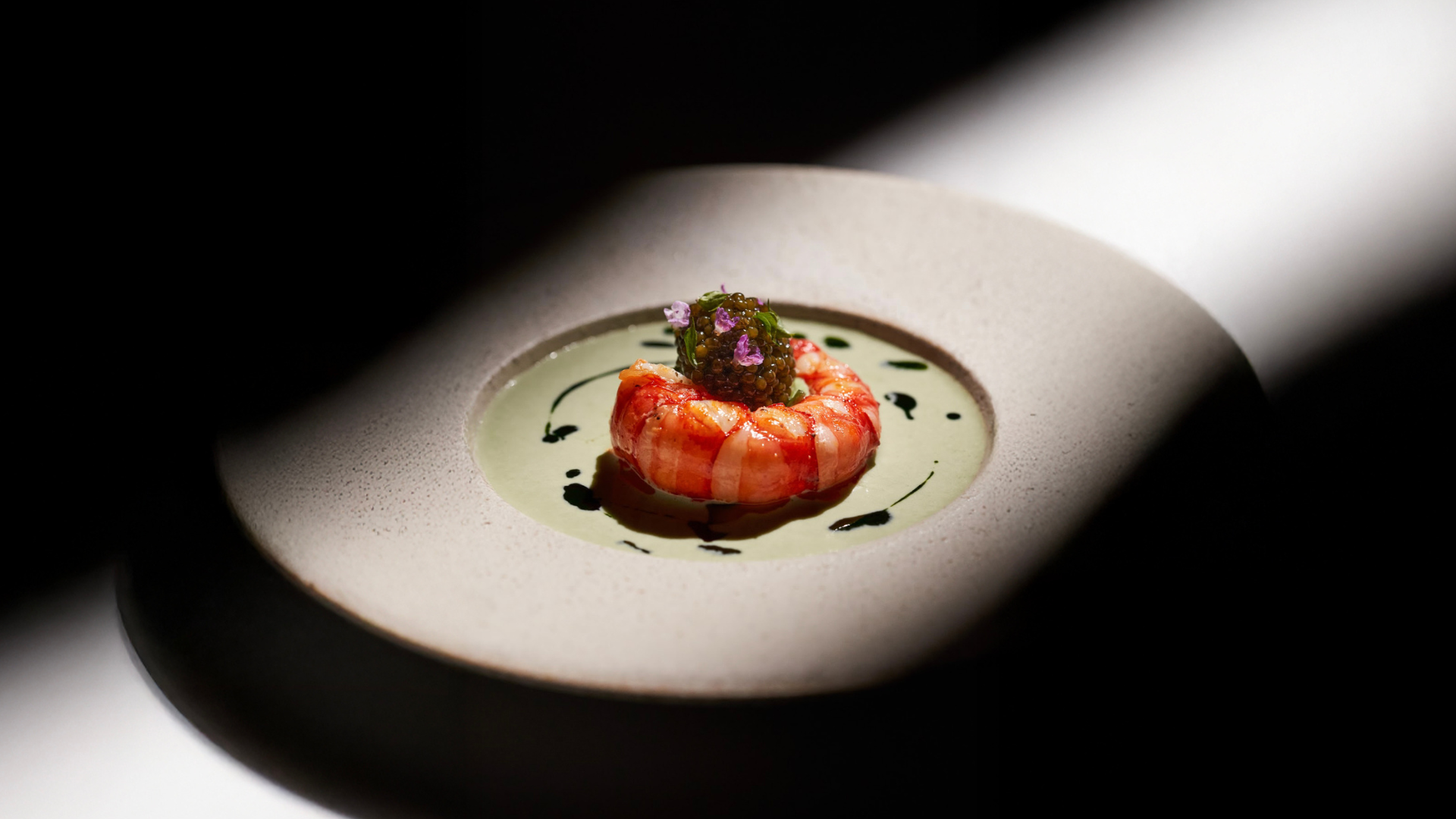
The signature molecular xiao long bao at Bo Innovation is the most-cited illustration of this approach. The dish applies spherification to trap pork broth inside a membrane, producing something that resembles an egg yolk in visual form but delivers a conventional dumpling's flavour payload in a single mouthful. The technique is not the point; the flavour memory it reconstructs is. This kind of translation, from tactile tradition to reconstituted form, defines the restaurant's creative position more accurately than its award ledger does.
Three Menus, One Discipline
The degustation structure at Bo Innovation runs across three formats: the Tasting Menu, the Chef's Menu, and the Chef's Table Menu. The Tasting Menu offers some flexibility, allowing diners to choose their entrée course and to add an optional appetiser built around a seasonal ingredient. White truffle has featured as one such seasonal addition, though the specific offerings rotate. The Chef's Menu and Chef's Table Menu are fully set, removing selection from the equation in favour of a complete arc selected by the kitchen.
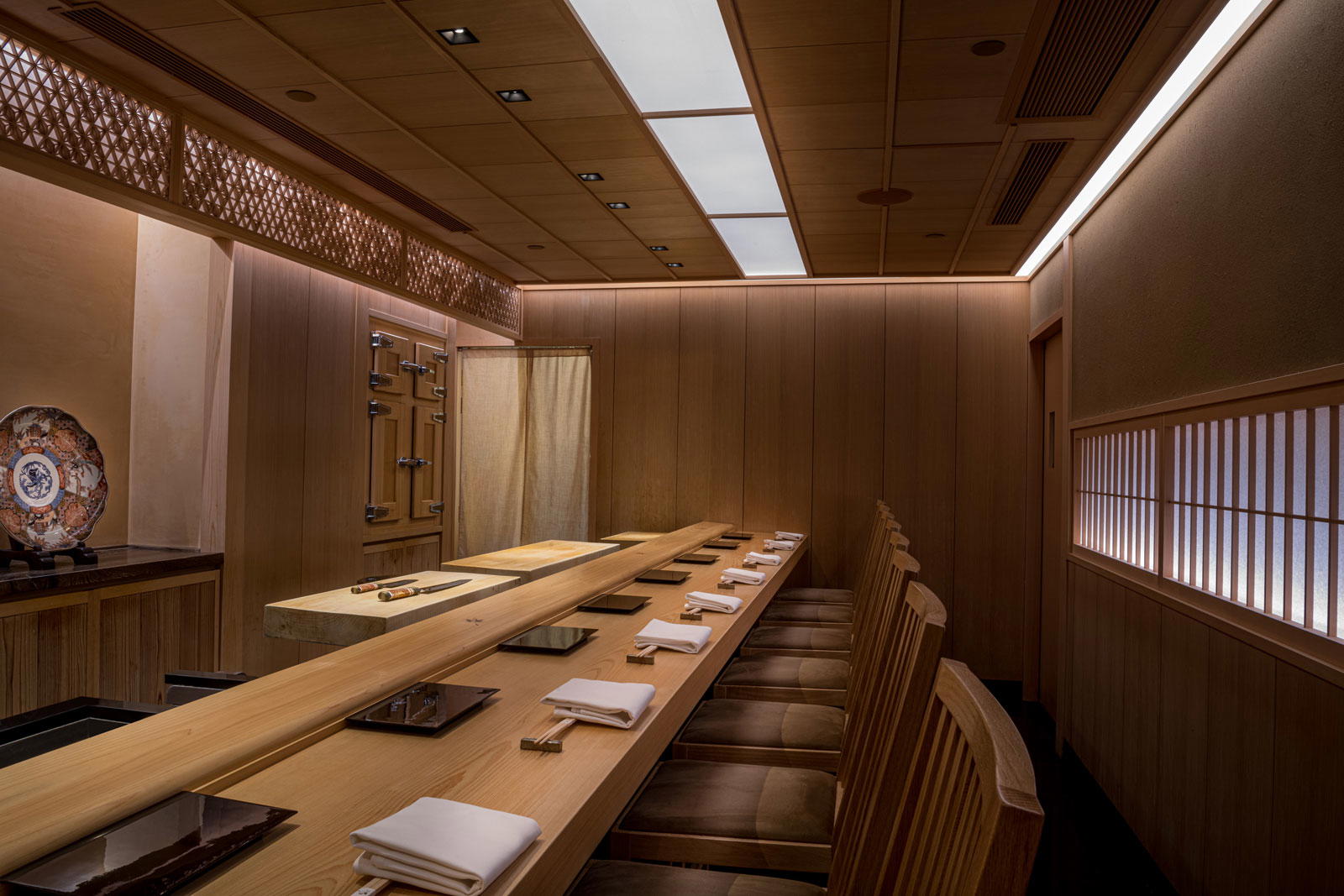
Chef's Table format is the most immersive of the three. Seating at that counter positions diners to be served by Leung personally, with the menu talked through course by course and the meal extended into conversation. The format places Bo Innovation in the same category as intimate tasting counter experiences elsewhere in the region, including Mosu in Hong Kong and Ta Vie, where the chef-to-guest ratio and the removal of a conventional service layer redefine what a formal dinner feels like. The constraint is real: the Chef's Table menu is fixed, with no substitutions for the standard degustation options available at other table configurations.
Each menu opens identically: a Mao Tai sour, combining Mao Tai rice wine with lime juice and a frothed egg white. As a palate primer, it does two things at once. The tartness from the lime cuts through any residual palate noise from the journey, and the Mao Tai's aromatic character introduces the Chinese flavour register that the kitchen will return to across subsequent courses. Starting with a cocktail rather than an amuse-bouche is an editorial choice about sequencing, not just hospitality.
The scallop course, as described in the restaurant's documentation, places a barely seared Japanese scallop over white woba (crispy burnt rice) and sugar snap peas, finished with a Shanghainese jolo sauce made from fermented red rice vinegar. The textural layering, the crunch of the rice beneath the soft protein, the acidity of the fermented element, represents the kitchen's approach to Chinese ingredient logic translated into a fine dining format. For a city where Italian and French kitchens occupy much of the upper price tier, this kind of technically proficient Chinese-centred cooking remains a relatively narrow lane. 8½ Otto e Mezzo Bombana, Caprice, and Amber all operate at comparable or higher price points within European culinary frameworks.
The Awards Context
The restaurant holds two Michelin stars as of 2025, a position it has maintained consistently according to the available record, with prior two-star recognition confirmed for 2024. La Liste placed it at 81.5 points in 2025, moving to 79 points in 2026, a modest adjustment that still keeps it inside the top 100 of that ranking's global field. The Black Pearl Diamond recognition in 2025 adds a third independent validation from a separate critical framework. Opinionated About Dining ranked it 171st across Asia in 2025, and 145th in 2024.
Forbes Travel Guide Five Star designation, referenced in the restaurant's own materials, adds a fourth credentialing body to the record. Few addresses in Hong Kong accumulate that density of recognition across distinct systems. Globally, restaurants like Le Bernardin in New York City and Atomix in New York City operate inside similarly multi-validated critical frameworks, where Michelin, best-of-year lists, and independent guides converge on the same address across multiple cycles. The pattern signals durability, not just a single strong year.
Wine and the Practical Shape of a Meal
Wine list runs across producing regions including France, Argentina, New Zealand, and Italy. Each menu format includes an optional wine pairing for all courses, with the alternative of ordering individual glasses from the regular list for those who prefer to select independently rather than follow a curated sequence. The breadth of the list, spanning both Old World and New World producers, gives the sommelier team enough material to construct pairings that track the kitchen's cross-cultural flavour logic rather than defaulting to a single regional wine identity.
On the practical side: Bo Innovation is closed Sundays, opens for lunch from Wednesday through Saturday (noon to 3pm), and runs dinner service through to midnight Monday through Saturday. The address is 1/F, H Code, 45 Pottinger Street, Central. For those building a broader Hong Kong itinerary, our full Hong Kong restaurants guide maps the city's dining options across categories and price points, while our Hong Kong hotels guide, bars guide, wineries guide, and experiences guide cover the wider picture. For creative cuisine addresses operating in comparable formats across the region, Lazy Bear in San Francisco and Emeril's in New Orleans offer instructive comparisons in how chef-driven, personality-forward restaurants build long-term institutional standing inside their respective cities.
Frequently asked questions
Who is the chef connected to Bo Innovation?
The chef associated with Bo Innovation is Alvin Leung.
What are the opening hours for Bo Innovation?
Hours at Bo Innovation: Hours: Monday 6 pm–12 am Tuesday 6 pm–12 am Wednesday 12–3 pm, 6 pm–12 am Thursday 12–3 pm, 6 pm–12 am Friday 12–3 pm, 6 pm–12 am Saturday 12–3 pm, 6 pm–12 am Sunday Closed.
What do people recommend at Bo Innovation?
The molecular xiao long bao is the one dish that appears on every menu iteration: a spherified pork broth capsule that mimics an egg yolk using spherification technique, and it is the clearest single demonstration of how Alvin Leung applies laboratory method to Shanghainese reference. Meals across all three degustation formats open with a Mao Tai sour, a rice wine cocktail with lime juice and frothed egg white, which functions as both an amuse and a palate primer. Diners who book the Chef's Table specifically note the experience of being served personally by Leung, who walks through the menu and joins the table for drinks, though that format locks you into the Chef's Table Menu rather than the broader selection available on the Tasting Menu.
What cuisine category does Bo Innovation fall under?
What's the pricing like at Bo Innovation?
Pricing at Bo Innovation is listed as $$$.
Compact Comparison
| Venue | Cuisine | Price | Awards | Notes |
|---|---|---|---|---|
| Bo InnovationThis venue (the venue you are viewing) | X-treme Chinese Molecular Gastronomy | $200–300 | 2 Michelin Stars · La Liste Top Restaurants | Not listed |
| 8 1/2 Otto e Mezzo Bombana (Hong Kong) | 3 Michelin-Star Italian Fine Dining | $200–300 | 3 Michelin Stars · World's 50 Best #94 | Italian |
| Ta Vie | Modern French-Japanese Fine Dining | $300–500 | 3 Michelin Stars · World's 50 Best #68 | Japanese - French, Innovative |
| Caprice | Contemporary French Fine Dining | $200–300 | 3 Michelin Stars · World's 50 Best #35 | French, French Contemporary |
| Feuille | Modern Vegetable-Forward French | $200–300 | 1 Michelin Star · World's 50 Best #93 | French Contemporary |
| Neighborhood | Modern French with Asian Influences | $50–100 | 1 Michelin Star · World's 50 Best #24 | International, European Contemporary |
Recognition history
Dated appearances from independent guides and award organizations, with the underlying list record or original source where available.
Michelin 2 Stars
Michelin
La Liste Top Restaurants
La Liste
Black Pearl 1 Diamond
Black Pearl
Forbes 5-Star
Forbes
Opinionated About Dining Top Restaurants in Asia Highly Recommended
Opinionated About Dining
Full recognition history (15 entries)
Black Pearl 1 Diamond
Black Pearl
Forbes 5-Star
Forbes
La Liste Top Restaurants
La Liste
Michelin 2 Stars
Michelin
Opinionated About Dining Top Restaurants in Asia Ranked #171
Opinionated About Dining
The Best Chef One Knife
The Best Chef
Michelin 2 Stars
Michelin
Opinionated About Dining Top Restaurants in Asia Ranked #145
Opinionated About Dining
Opinionated About Dining Top Restaurants in Asia Highly Recommended
Opinionated About Dining
World's Best Wine Lists Awards WBWL 2-Star
World's Best Wine Lists Awards