Sticks'n'Sushi on Potsdamer Strasse occupies a middle tier that Berlin's Japanese-Scandinavian dining scene has made its own: casual enough for a weeknight, considered enough to hold interest course by course. The format pairs yakitori and sushi in a sequence that rewards ordering across both columns, positioning it comfortably outside the city's high-ceremony omakase bracket while sitting well above generic conveyor-belt territory.
Pearl is the En Primeur Club membership app — saves, bookings, and concierge access live there. Same editors, same standards.
- Address
- Potsdamer Str. 85, 10785 Berlin, Germany
- Phone
- +493026103656
- Website
- sticksnsushi.com
- Directions
- Get directions
 Saves & bookings on Pearl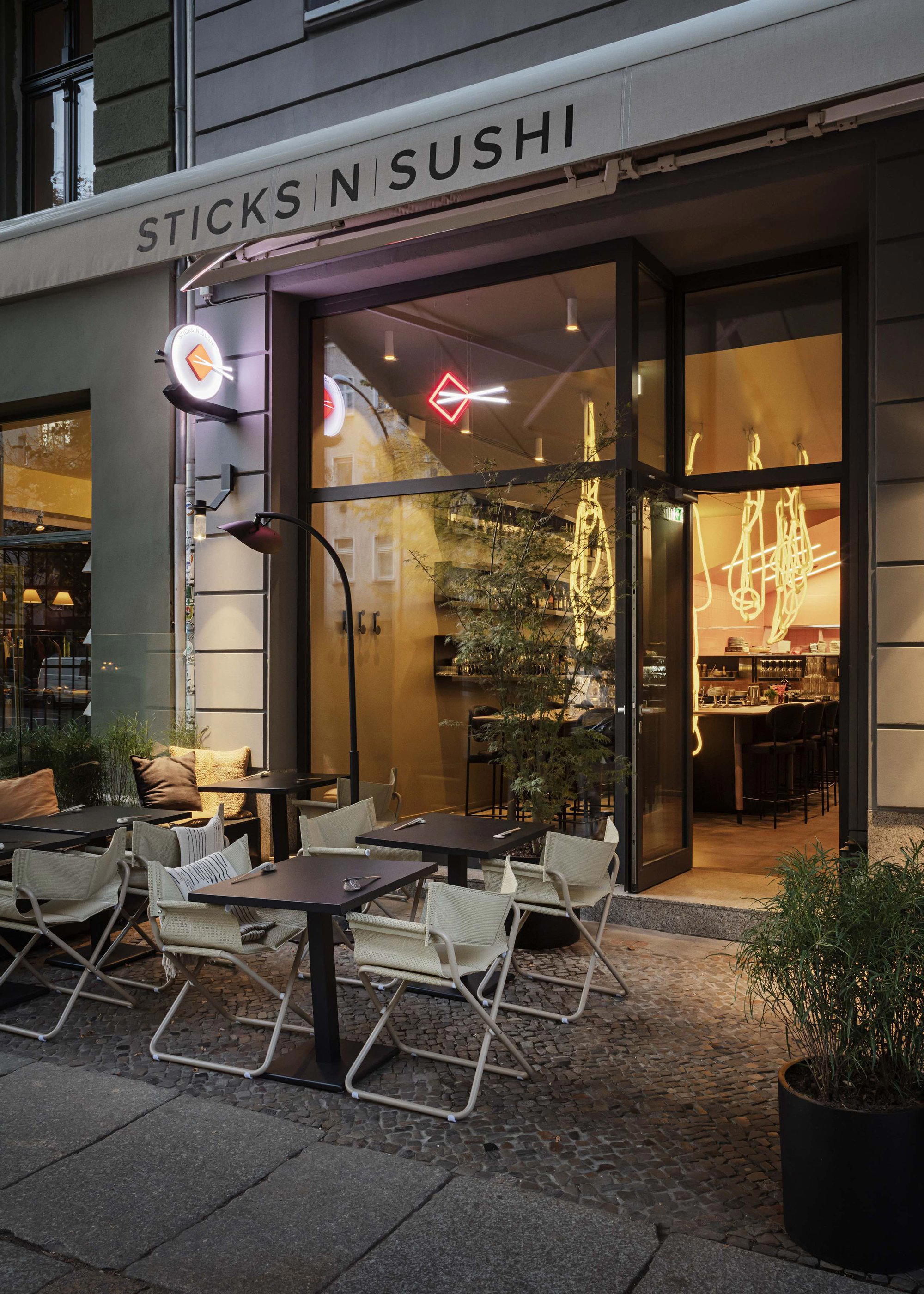
Where Potsdamer Strasse Places This Kind of Restaurant
Berlin's Potsdamer Strasse has spent the better part of a decade repositioning itself. What was once a corridor of discount retailers and late-night kebab spots now anchors a stretch of gallery spaces, design-conscious cafes, and restaurants that read the neighbourhood's shifting demographic accurately. In that context, a Japanese-Scandinavian hybrid concept at number 85 makes a particular kind of sense: the street rewards formats that are neither aggressively fine-dining nor purely casual, and Sticks'n'Sushi occupies exactly that middle register. It is a restaurant in Berlin, set at Potsdamer Str.
The broader category it represents, a Scandinavian-originated chain that built its reputation in Copenhagen before expanding into Germany and the UK, is worth understanding before you sit down. Sticks'n'Sushi is not a local Berlin independent. It is a branded concept with consistent kitchen standards across its locations, which carries a specific implication: what you are paying for is format reliability and a menu architecture that has been tested across multiple markets, not the singular vision of a local chef working out ideas in real time. That is not a criticism. It shapes how the meal reads from first order to last plate.
Reading the Menu as a Sequence, Not a List
The format at Sticks'n'Sushi divides along two structural lines: the yakitori column and the sushi column. Treating these as competing choices misses the point of the concept. The menu is designed to be read across both, with small-format items from each side building a progression that runs from lighter, cleaner preparations toward richer, more substantial bites. This is closer to the logic of a tasting menu than a standard à la carte list, even if the delivery is informal and the pacing is largely self-directed.
Scandinavian imprint on the concept shows most clearly in its approach to contrast: the kitchen tends toward combinations that offset the richness of fatty fish or glazed skewers with acidic or pickled elements. This is a technique with as much precedent in Nordic cooking as in Japanese, and the two traditions meet here without either overwhelming the other. Across a well-constructed order, the meal moves from cleaner, more restrained preparations to progressively richer territory, which is the basic grammar of any well-considered multi-course progression.
For comparison, Berlin's most formally ambitious Japanese-adjacent dining sits at a different price point entirely. Restaurant Tim Raue operates a two-Michelin-star format built on Asian flavour architecture at a price bracket that assumes a full evening commitment. The restaurant asks neither for that commitment nor for that budget, which makes the ordering discipline the responsibility of the diner rather than the kitchen.
The Format's Place in Berlin's Broader Dining Pattern
Berlin's fine-dining tier is concentrated in a relatively small number of addresses. Rutz, Nobelhart & Schmutzig, FACIL, and CODA Dessert Dining each occupy the €€€€ bracket with tasting-menu formats that require advance planning and a specific kind of occasion. Below that tier, the city's mid-market dining is unusually competitive, with a wide range of international formats competing for the same weeknight spend.
The restaurant sits inside that mid-market competition, differentiated by format clarity and menu depth rather than by price alone. The yakitori-plus-sushi structure gives it a distinct identity in a segment where many competitors offer one or the other. For diners who want the texture and heat of grilled skewers alongside the precision of cold preparations, the format addresses a gap that single-format Japanese restaurants do not fill.
Elsewhere in Germany, the Michelin-tracked end of the Japanese-influenced spectrum looks quite different. Aqua in Wolfsburg and Vendôme in Bergisch Gladbach operate at a remove from anything the restaurant is attempting, as do Victor's Fine Dining by Christian Bau in Perl and Schwarzwaldstube in Baiersbronn. Those are destinations that require travel planning and operate under different assumptions entirely. The restaurant is a neighbourhood-scale format designed to function as a reliable regular option, not an occasion restaurant.
The same distinction applies when comparing it to Hamburg's Restaurant Haerlin, Munich's JAN, or the Moselle region addresses like Schanz in Piesport and Bagatelle in Trier. These are not peer comparisons; they operate in a different category of ambition and pricing. Even internationally, the contrast is sharp: Le Bernardin in New York City and Atomix in New York City represent the kind of destination-dining tier that restaurant is not competing with and has no reason to. And ES:SENZ in Grassau and Waldhotel Sonnora in Dreis similarly anchor themselves in a different register of German fine dining.
Seasonal Considerations and When to Go
The Potsdamer Strasse stretch is most animated in the warmer months, when the street's gallery openings and outdoor seating create a rhythm that makes a pre- or post-dinner walk a natural extension of the meal. Spring and early autumn tend to offer the leading conditions for this: the neighbourhood's foot traffic is active without the summer tourist pressure that hits more central Berlin addresses. Winter visits shift the calculus toward the interior, and the kitchen's warmer, more substantial preparations from the yakitori side of the menu fit that context well.
Across all seasons, the format's reliability is its main seasonal argument. Unlike destination restaurants where menu changes track closely with ingredient availability and require a revisit to experience the current program, the restaurant's consistent format means the decision to go is driven by occasion and mood rather than by what the kitchen is doing with this month's produce delivery.
Planning Your Visit
Address: Potsdamer Str. 85, 10785 Berlin, Germany. Reservations: Booking ahead is advisable for weekend evenings; the Potsdamer Strasse location draws from both the local neighbourhood and visitors to the nearby cultural institutions. Dress: smart-casual. Budget: Expect to spend about $40 per person. Leading for: Groups who want to share across both menu columns, or solo diners comfortable directing their own progression through the card.
Comparable Options
Comparable venues nearby, for context on price, style, and recognition.
| Venue | Cuisine | Price | Notes |
|---|---|---|---|
| Sticks'n'SushiThis venue — the venue you are viewing | Japanese Sushi & Yakitori with Nordic Twist | $$$ | Not listed |
| Niko Izakaya | Authentic Japanese Izakaya | $$$ | Gesundbrunnen |
| SUSHI GANG | Japanese-Latin Fusion Sushi | $$$ | Kreuzberg |
| SHINJU Restaurant | Modern Japanese with Izakaya-Style Small Plates | $$ | Mitte |
| Ushido | Japanese Yakiniku BBQ | $$$$ | Prenzlauer Berg |
| VOX | Modern Japanese Fusion | $$$ | Tiergarten |
Continue exploring
More in Berlin
Restaurants in Berlin
Browse all →
Bars in Berlin
Browse all →
Hotels in Berlin
Browse all →



At a Glance
- Modern
- Trendy
- Minimalist
- Date Night
- Casual Hangout
- Group Dining
- Open Kitchen
- Sake Program
- Craft Cocktails
- Sustainable Seafood
Current opening hours
- Monday
- 12–11 PM
- Tuesday
- 12–11 PM
- Wednesday
- 12–11 PM
- Thursday
- 12–11 PM
- Friday
- 12 PM–12 AM
- Saturday
- 12 PM–12 AM
- Sunday
- 12–11 PM
Hours can change for holidays and private events. Last verified .
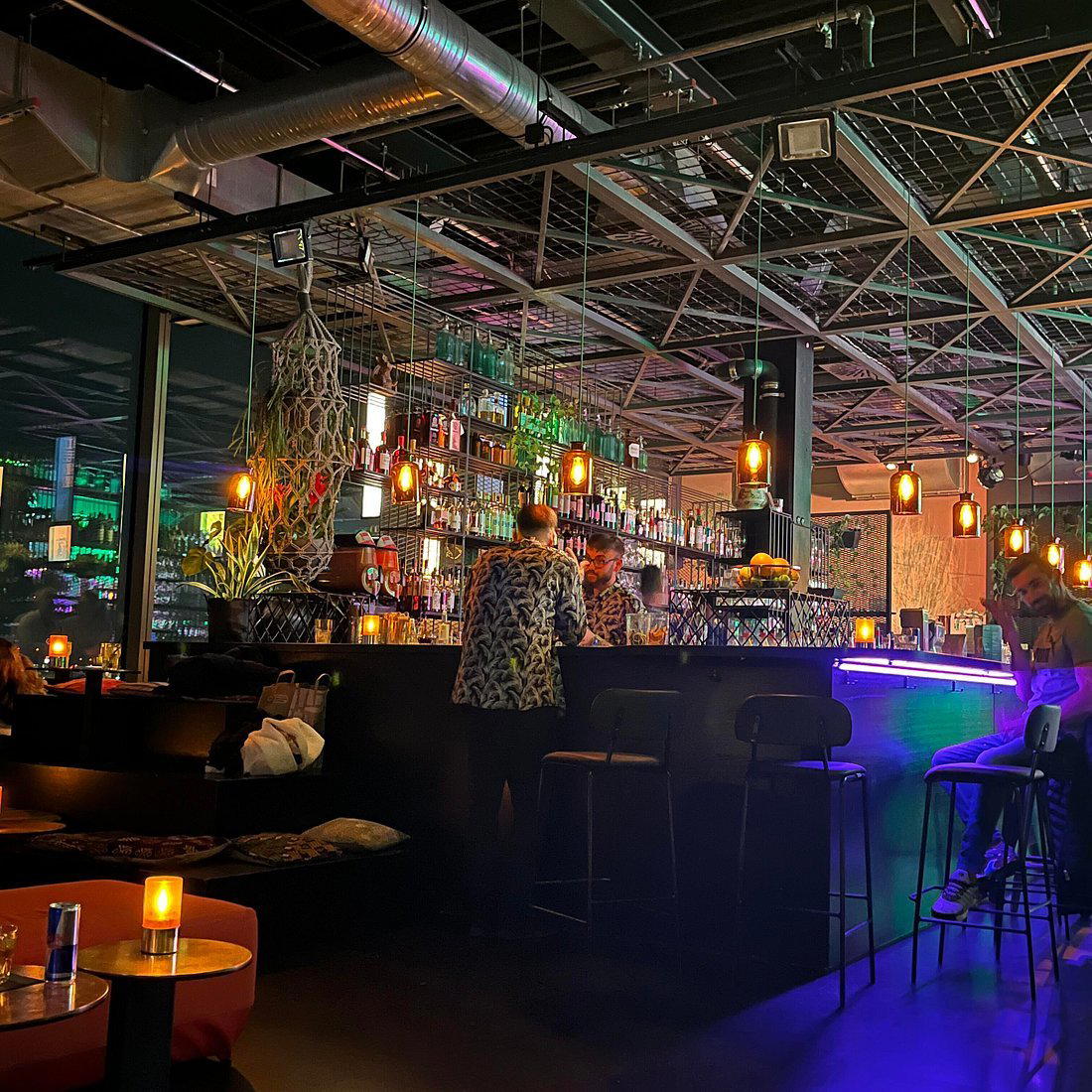
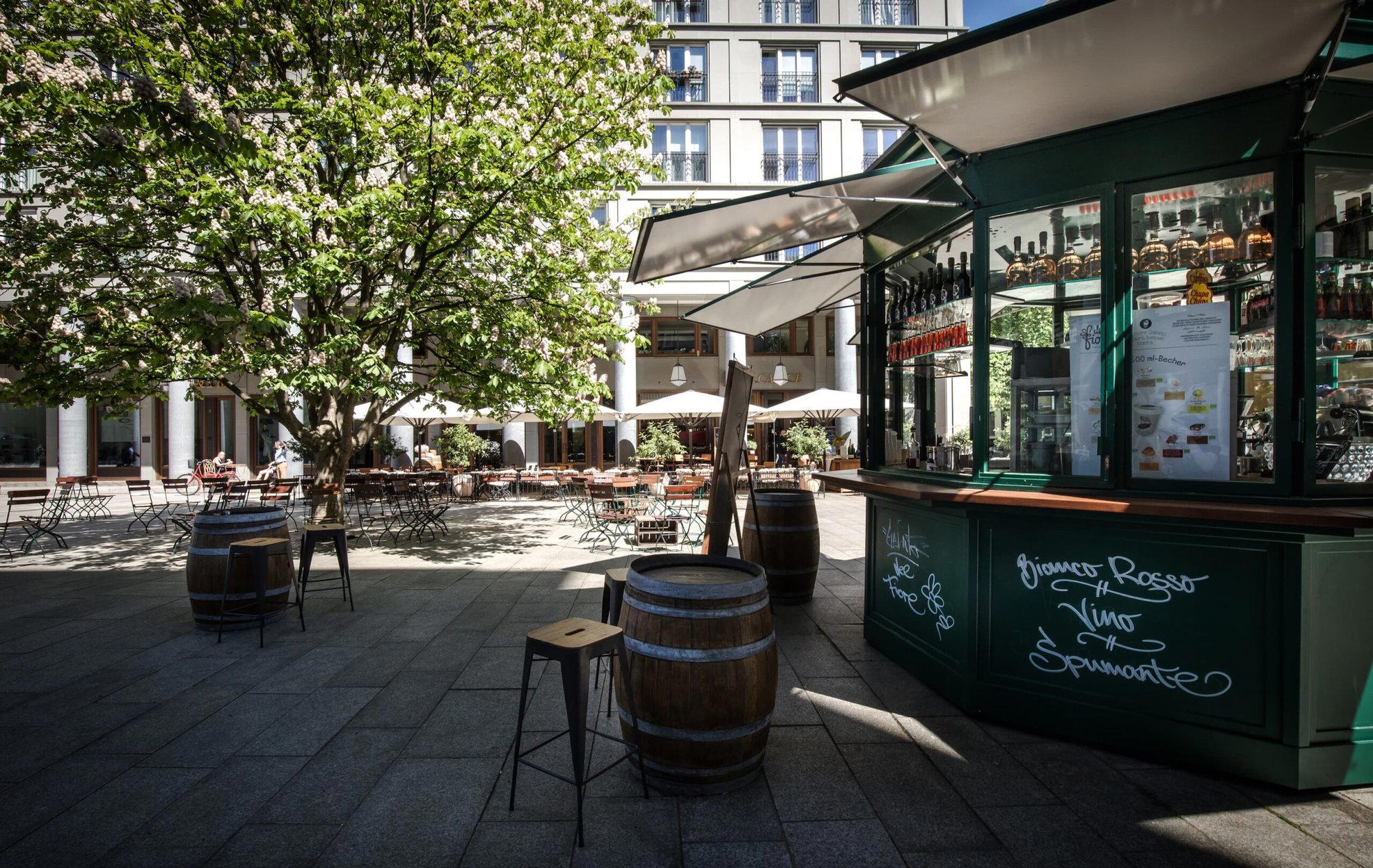
Atmospheric with Japanese minimalism blended with Danish design, warm international expression, and urban elegance.